

For off-road enthusiasts and adventurous spirits, the right tire can make or break an expedition. When traversing rugged landscapes, your truck’s tire choice directly impacts its performance, durability, and overall experience on the trail. From muddy trails to rocky terrains, understanding the off-road tire spectrum is vital. In this exploration, we dive deep into the best off-road tires for trucks, unraveling top brands, tire types, performance comparisons, durability insights, and real user experiences. Each chapter will culminate in a fuller perspective on achieving optimal off-road capability tailored to your unique journey.
Rugged Choices Underfoot: Matching the Right Off-Road Tire to Your Truck and Terrain
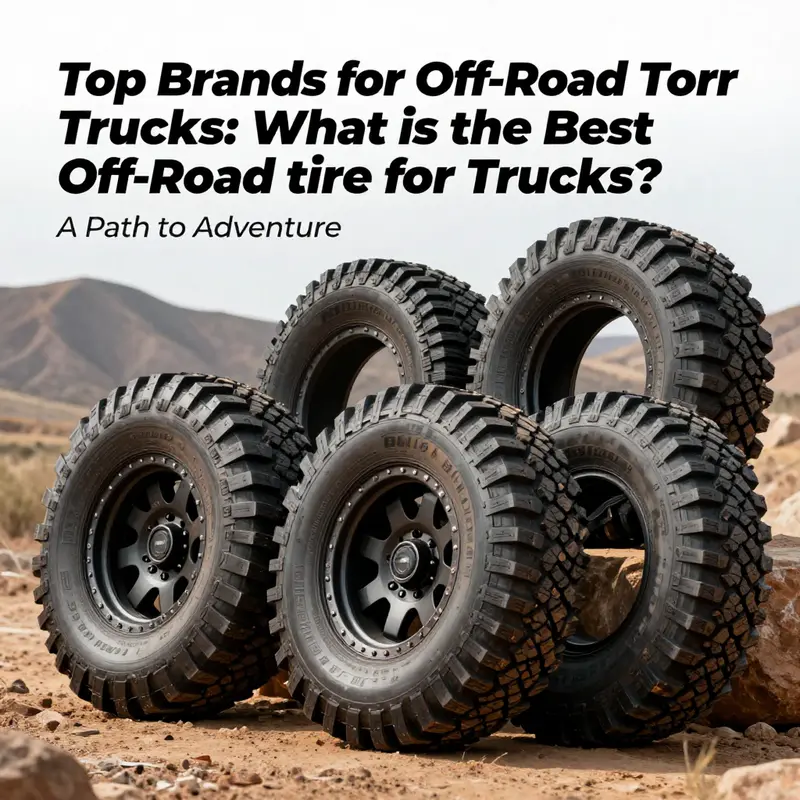
Choosing the right off-road tire for a truck is not about chasing a universal winner. It’s about fitting the tire to the work, the machine, and the ground beneath. The marketplace is full of capable options, but there is no single best tire that suits every truck, every duty cycle, and every landscape. To find the right tire, you begin by clarifying purpose. Will your truck spend more time on pavement than on trails, or is it a workhorse that rarely parks in a parking lot? Do you chase deep mud, jagged rocks, shifting sand, or frozen surfaces? Your answers shape the decision more than any glossy claim or rating. A well-chosen tire balances durability, traction, and wear with the realities of your daily routes. It also weighs comfort, noise, and the long-term cost of ownership, because a tire that wears fast or roars on the highway can erode the value of a long-haul fleet or a family-hauler that sometimes faces tough terrain. In practice, this means you evaluate a tire family by its intended role rather than chasing a single, one-size-fits-all solution. The common ground among top performers is a shared emphasis on robust construction, dependable grip, and predictable wear, all backed by certifications that translate into safety and reliability across markets. It also means recognizing that the terrain you encounter governs the choice more than any marketing pitch. If your routes tilt toward mud, rock, or sand, you lean into different tread geometries, rubber compounds, and sidewall protection than if you mostly drive on mixed surfaces with occasional nature trails. The conversation about off-road tires then naturally progresses from broad categories to the specifics that truly matter in real-world use. The two primary categories that come up most often are all-terrain tires and mud-terrain tires. All-terrain tires are engineered to deliver a workable compromise: solid traction in a wide variety of conditions while maintaining a more comfortable ride and lower noise on pavement. They enable a driver to rotate between daily errands and weekend excursions without feeling like they are piloting a different vehicle. Mud-terrain tires, by contrast, emphasize traction in the most inhospitable conditions. Their tread patterns are aggressive, designed to bite into soft mud and to claw across rocky surfaces. They are the choice for the job that must get done in a heavy, unforgiving environment. But they come with trade-offs. MTs can be noisier, less stable on smooth asphalt, and more prone to faster wear when used primarily on pavement. In short, the best tire is the one that aligns with your work rhythm and the terrain you actually encounter, not the terrain you wish you faced. Size and construction details also matter in meaningful ways. Large off-road tires used on heavy-duty trucks adhere to specialized dimensions that reflect the demands of industrial service. Three sizes frequently appear in professional fleets and extreme-duty applications. The 14.00R25 category is a staple in large off-road operations, including dump work. Tires in this size are built to resist damage and to provide a long service life in tough environments. They typically come with substantial casing strength and ground-grabbing tread that helps the vehicle recover traction when the surface is unpredictable. Warranties in this segment are generous, often ranging into the six-figure kilometer band, and the tires carry a suite of international certifications that support their reliability on global jobsites. The 20.5-25 size is another workhorse, favored by construction loaders and other heavy machinery. It is engineered to handle mud, gravel, and uneven surfaces while maintaining performance over many hours of operation. The combination of tread design and reinforced sidewalls helps resist punctures and stabilize the vehicle in challenging conditions. Finally, the 295/75R22.5 category has earned a reputation for durable miles, with fleets reporting mileage in the high hundreds of thousands of miles under proper maintenance and mounting. The cost-per-mile equation often rewards these sizes when they are paired with high-quality construction and disciplined tire management. Behind these numbers lies a practical truth: durability and mileage are not merely about the rubber compound. They hinge on the entire system—casing construction, tread compound, belt design, bead integrity, and how well the tire is matched to the vehicle’s load, speed, and operating profile. In this context, international safety and quality standards matter more than ever. Tires designed for global markets must meet a battery of certifications, ensuring that they perform as advertised under a range of temperatures, loads, and service conditions. When manufacturers pursue high-mileage performance and broad certification, they typically invest in rigorous material science, controlled testing, and comprehensive quality management. That is why many producers emphasize long-tire life, reliable traction in a variety of terrains, and consistent performance across service cycles. It is also common to see a spectrum of regional options from manufacturers outside the traditional Western brands, including notable Asian and cross-regional suppliers. These suppliers often pair high mileage with robust certification packages and competitive pricing, which can provide a compelling value proposition for fleets operating across borders or on sites with strict supply expectations. For heavy-duty work, the right choice often means aligning a tire’s physical attributes with the truck’s actual use. Consider the load index and speed rating, the tire’s casing design, and the way tread depth interacts with the ground conditions you face. A tire that resists cuts and chunking in rocky environments will protect the money spent on the vehicle and keep downtime to a minimum. It is also wise to factor in maintenance practices that extend a tire’s usable life. Regular inspection for cuts, bulges, and tread wear—paired with correct inflation pressures and balanced rotations—preserves both grip and stability. In this sense, tire selection becomes part of a broader maintenance philosophy. For readers who want to connect maintenance with tire choices, a practical primer on diesel systems can be found in a guide like Mastering Diesel Mechanics: Your Step-by-Step Guide. This resource offers a grounded approach to how powertrains, hydraulics, and tires share the same objective: keeping heavy equipment reliable under demanding work cycles. When evaluating options, it is helpful to think not in terms of brand limelight but in terms of performance envelope and lifecycle value. A leading consideration is the balance between durability and tread life, which translates into fewer interruptions for tire changes and lower total cost of ownership over the life of a fleet. Another vital factor is the tire’s ability to handle extreme conditions while maintaining predictable behavior on pavement. Fleet operators and serious off-road enthusiasts alike want confidence that their tires will perform consistently, not just during the most dramatic moments on the job site but every day on the road between assignments. This translates into a careful assessment of how the tire’s construction handles heat, how the tread compound resists chunking, and how the sidewall protection contributes to a low risk of damage in rocky terrain. In practice, the best approach is to work with a supplier who can detail a tire’s certification portfolio, expected mileage, and warranty terms in clear, verifiable terms. The discussion is about alignment between the vehicle, the operation, and the tire’s performance characteristics rather than chasing a universal label of “best.” It is a reminder that the right tire for one dump truck on a remote site may be a different choice from the tire that best suits a highway-heavy fleet with occasional woodland runs. For those exploring a robust, globally recognized option in this class, the market currently features high-mileage, certified, and well-engineered OTR tires from established producers worldwide. This class of tires is designed to deliver extended life while meeting the stringent regulatory standards that modern fleets expect. External reference: https://www.alibaba.com/product-detail/China-Top-Quality-Tires-14-00R25-Off-Road_1600589553532.html?spm=a2700.15932543.0.0.7f3d3a4cKsNqFv The best tire for your truck will always be the one that aligns with your terrain, duty cycle, and maintenance discipline. The right tire is less about chasing a single winner and more about building a durable, predictable platform that can conquer the ground beneath your wheels day after day, mile after mile. As technology, supply chains, and regulatory frameworks evolve, you’ll find more options that meet exacting standards while offering the mileage and reliability your work demands. The trick is to map the terrain you actually encounter, the loads you carry, and the road-time you tolerate, then choose a tire family that lives up to those expectations. This approach makes the choice practical, durable, and ultimately satisfying for operators who rely on their trucks to perform—whatever the ground holds.
Tread, Toughness, and Terrain: Choosing the Best Off-Road Tire for Heavy-Duty Trucks
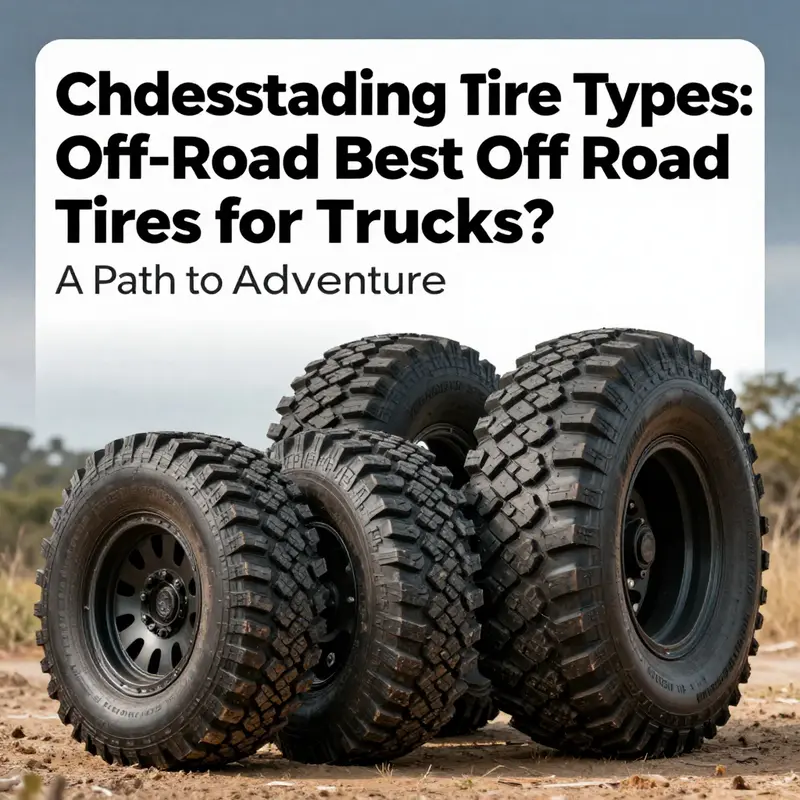
When a truck hauls through the unpredictable mosaic of mud, rock, sand, and ice, the tire in contact with the ground becomes the sole translator of horsepower into traction. The question of the best off-road tire for a heavy-duty truck cannot be answered with a single badge or a single model. It hinges on the vehicle’s role, the climate, the typical surfaces, and the priorities the driver values most—durability, quietness on the highway, or raw off-road bite. For urban workdays that still require occasional trail duty, a tire that blends on-road manners with off-road capability is often the most practical choice. For operations that routinely push into rough, mud-choked timberlands or rocky staging yards, the priority shifts toward rugged sidewalls and aggressive tread patterns that can resist punctures and abrasions while sustaining grip when weight and momentum are fighting against the ground.
Brand reputation matters in this space because it signals consistency in compound durability, carcass construction, and traction engineering. Brands long associated with off-road capability have built ecosystems of tires that share common design philosophy: reinforced casings to carry heavy loads without secondary failure, tread compounds optimized for heat and wear resistance, and patterns engineered to evacuate mud and debris efficiently. In practice, this translates to tires that can handle the stresses of regional logging routes, mixed-terrain operations, and forestry support tasks where the vehicle encounters a spectrum of surfaces—from slick clay to jagged gravel, from rutted dirt roads to dust-covered fire lanes.
Among the leading names, several stand out for off-road performance. One can look to companies that have built their reputations on durable, high-traction designs capable of long life under demanding use. These brands typically offer a spectrum of tread families that address different priorities: all-terrain tires that balance road comfort with credible off-road grip, and mud-terrain tires that maximize traction in extreme conditions at the cost of increased road noise and faster wear when driven primarily on pavement. The question then becomes not which brand is universally best, but which tire family aligns with the driver’s typical workload and the truck’s payload, torque, and drivetrain. For crews that work in climates with mixed surfaces and occasional heavy-duty tasks, the choice often comes down to a prudent compromise between tread aggressiveness and sidewall robustness, with attention paid to mileage potential and ROI over the tire’s life.
In this context, the discourse around a heavy-duty option—one designed for energy management, braking forces, and traction—shows how a top-tier tire can be integrated into a fleet’s operating philosophy without sacrificing reliability. A top-tier tire in demanding applications is engineered with a durable compound and a deep, aggressive tread that provides reliable grip on mud, gravel, and loose surfaces. Such a tire is not just about raw traction; it is a package that sustains traction while resisting the common hazards of logging routes and mixed-terrain roads—punctures, sidewall cuts, and heat build-up from heavy loads. It is precisely this combination that makes the tire suitable for regional logging transport, mixed-terrain operations, and sustainable forestry tasks where vehicles confront harsh environments and variable workloads.
For many fleets, the choice will come down to understanding how much time the vehicle spends on pavement versus rough terrain. If a truck spends the majority of its life on smooth highways with occasional off-road forays, an all-terrain tire offers a balanced approach. It gives predictable steering, acceptable road noise, and reasonable wear while still delivering adequate traction on rocks, sand, or soft mud when the job calls for it. If, however, the mission profile includes frequent deep mud, steep rocky crossings, and the need to maximize ground grip at slow speeds, a mud-terrain tire becomes a more appropriate choice. These tires emphasize aggressive tread blocks and deeper voids to self-clean and bite into challenging substrates, accepting higher noise and faster wear on paved surfaces as a trade-off for superior off-road capability. In practice, many operators find value in choosing a reputable, well-supported brand and pairing it with a model and size that matches their truck’s weight, horsepower, and gearing, so the tire’s performance envelope aligns with the vehicle’s behavior under load.
A practical takeaway from the research is the emphasis on durability paired with traction. The best off-road tires for trucks do not rely on a single trick—there is no universal magic model. Instead, they combine a reinforced sidewall structure to resist punctures and cuts with a tread geometry that channels mud and rock away, maintaining contact with the ground without short-circuiting traction in the process. The optimal tire for a particular operator will depend on how often the vehicle leaves the pavement, how heavy the payload is, and what the local terrain requires. In mixed climates with a bias toward rough ground, a tire designed for high-mileage in difficult conditions tends to serve best, as this combination supports the energy management and braking demands of a diesel-powered platform while extending service life under rugged use.
From a maintenance perspective, it is worth acknowledging that tires are the most direct link between a heavy truck and its environment. Their condition governs energy efficiency, drivetrain loading, and even braking performance in extreme scenarios. The emphasis on durability does not merely reflect a preference for long wear. It also recognizes that robust tires help stabilize a vehicle’s dynamics when traction conditions swing from reasonable to treacherous in an instant—whether negotiating a slick clay bend, a gravel pass, or a washboard road leading into a logging yard. In the end, the best choice emerges from a thoughtful mapping of terrain exposure, duty cycle, and the driver’s tolerance for compromise on-road versus off-road.
For readers who want a deeper look into the maintenance and powertrain considerations that influence tire selection, there is value in pursuing a broader understanding of diesel systems and their interaction with front-to-rear traction. A practical entry point is to explore resources that walk through diesel mechanics and their relation to drivetrain behavior under load. This knowledge can inform not only tire selection but the overall maintenance strategy that keeps a fleet resilient in demanding environments. For a concise starter on that topic, see the guide on mastering diesel mechanics. mastering diesel mechanics.
Ultimately, the decision about which tire is “best” rests on aligning the tire’s strengths with the truck’s role. A top-tier, heavy-duty option that prioritizes ruggedness and traction across a spectrum of off-road conditions can be a reliable backbone for forestry and regional logistics work. It may not be a one-size-fits-all answer, but it is a choice grounded in engineering intent, field testing, and a clear understanding of the terrain the vehicle must conquer. For operators who value durability, puncture resistance, and controlled wear under mixed-use conditions, this approach offers a sensible balance between performance on unforgiving ground and efficiency on the road. And as with any major equipment decision, the best tire is the one that fits the task, the truck, and the driver’s expectations—day in and day out.
External resource: https://www.michelin.com/en/trucks/tires/xzu2
Comparing Off‑Road Truck Tires: Performance Traits That Decide the Best Fit

Performance variables that decide the best off‑road tire for trucks
Choosing the right off‑road tire for a truck is less about a single “best” model and more about matching measurable performance traits to real-world needs. Tires operate at the intersection of physics and environment: they transfer power, manage braking forces, and buffer impacts from the terrain. When you strip marketing language away, five technical characteristics consistently determine how well a tire will perform off road: traction profile, durability and compound chemistry, tread geometry and self‑cleaning, casing strength and load capacity, and terrain specialization. Understanding how each factor influences outcomes will let you select a tire that maximizes capability while minimizing compromises.
Traction is the first and most visible trait. On loose or irregular surfaces, traction depends on the tread pattern’s ability to bite and maintain contact. Deep, angular lugs and wide voids create multiple edges that interlock with mud, snow, and loose gravel. At the same time, sipes and smaller biting edges improve grip on wet rocks and hardpack. The ideal pattern balances aggressive chevrons and lateral blocks with stable shoulder ribs. Too aggressive a block design improves off‑trail grip but sacrifices on‑road stability and increases rolling noise. Conversely, a conservative pattern smooths highway manners but loses crucial bite when the surface breaks away. In practice, look for tread designs that show progressive transitions between center and shoulder elements. This progressive layout helps preserve directional stability while still providing the lateral purchase needed in corners and ruts.
Durability and compound chemistry are equally critical. Off‑road conditions expose tires to sharp rocks, heat buildup, and repeated flexing at low speeds. Modern compounds blend high‑abrasion polymers with heat resistant additives to resist chunking and tearing. Those same formulations often include reinforcement agents to slow tread wear on mixed surfaces. For heavy trucks and frequent off‑road use, compounds designed to resist high temperatures and abrasion translate into measurable mileage gains. Reinforced sidewall construction further reduces the risk of punctures and improves resistance to cuts from sharp objects. Durability is not only about longevity but also about predictable degradation; a tire that wears evenly maintains traction characteristics longer, which matters when safety and operational continuity are priorities.
Tread geometry and self‑cleaning capability govern a tire’s behavior during prolonged off‑road use. Deep voids clear mud and snow more effectively, and angled tread blocks force debris out of the footprint. A tire that clogs quickly loses almost all of its traction advantage. Intelligent siping patterns also prevent stone retention that could embed and accelerate internal damage. Additionally, tread scalloping and angled shoulder notches help a tire resurface fresh tread into the contact patch while navigating through ruts. These design choices directly affect braking performance and lateral stability; testing has shown well‑engineered tread geometries can reduce braking distance and slippage substantially in mixed terrain.
Casing strength and load capacity determine how a tire responds under heavy loads and repeated impacts. For trucks, casing rigidity must balance two needs: enough stiffness to maintain footprint under heavy loads and enough flexibility to absorb impacts and conform to uneven ground. Reinforced casings with multiple plies or bead bundling deliver higher load ratings and resist bulging under pressure. Load capacity affects how heat builds within the tire. Under‑rated tires can overheat when carrying heavy loads, causing accelerated wear and potential failure. For operators who run regional hauling, logging, or construction, selecting tires with a higher load index and reinforced casing pays dividends in reliability and service life.
Terrain specialization is the final, decisive factor. Off‑road is an umbrella term for an array of environments: deep mud, rocky trails, hardpack desert, snowy slopes, and rolling gravel. Tires optimized for mud tend to have very aggressive, widely spaced lugs. They excel when traction in deep, sticky material is the chief requirement. But they are noisy and wear quickly on pavement. All‑terrain designs aim for compromise, offering balanced performance for drivers who split time between roads and trails. Winter‑oriented off‑road tires include compound tweaks and sipes for cold‑temperature flexibility and ice traction. When selecting a tire, prioritize the terrain where most miles will be driven. Frequent mud and rock work justify a more specialized aggressive design. Mixed use, where highway miles dominate, calls for a more balanced tread to avoid premature wear and driver fatigue from road noise.
For larger trucks and heavy‑duty applications, specific sizing and construction matter. Sizes that provide a larger contact area and deeper tread depth perform better under severe conditions. Tire constructions developed for retreading often focus on longevity and predictable wear. Advanced rubber compounds paired with reinforced casings commonly used in certain imported heavy truck tires have shown excellent performance in harsh environments. These designs emphasize high mileage, resistance to heat and abrasion, and predictable behavior under load. When paired with the correct inflation strategy and wheel alignment, they deliver both traction and extended service life for demanding operations.
Real‑world testing reinforces these technical observations. Controlled lab and field evaluations indicate that advanced tread designs combined with abrasion‑resistant compounds can reduce slippage and braking distance by a measurable margin on mixed terrain. Equally, real‑use studies from heavy‑duty operations find tires with reinforced casings and higher load indices last longer and incur fewer downtime events. For a truck that must perform daily in rough environments, the cost per mile and time between replacements are just as important as peak traction numbers.
Selecting the best tire for a particular truck requires translating these performance traits into priorities. Start by listing your typical terrain and average load. If you run heavy loads through rocky, abrasive terrain, prioritize reinforced casings and high load ratings. If you need a daily driver that occasionally leaves the pavement, aim for a balanced tread that preserves on‑road comfort. For snow and ice, favor compounds and siping that retain flexibility at low temperatures. Do not underestimate the role of tire maintenance: correct inflation, routine inspections, and timely rotations preserve the engineered advantages of any tire.
For operators who want deeper technical resources and lab performance analysis, an industry testing guide provides up‑to‑date, comparative data on tread designs, compounds, and performance metrics. That detailed study offers measured braking distances, wear rates, and thermal behavior across multiple models and sizes. For those managing fleet operations or heavy off‑road use, pairing that data with hands‑on inspections and a regular maintenance plan yields the best blend of safety, performance, and cost control.
If you maintain diesel fleet vehicles or work in heavy off‑road sectors, expanding mechanical knowledge improves decision quality. A practical resource on diesel mechanics can help operators implement better maintenance practices and extend tire life through correct service routines. For more hands‑on guidance, see the mechanic training resource here: https://dirtantrucks.com/mastering-diesel-mechanics-your-step-by-step-path-to-success/.
For the most current lab‑verified specifications and comparative performance figures, consult the comprehensive off‑road truck tire performance analysis from TreadLife Testing Labs: https://www.treadlifetestinglabs.com/off-road-truck-tire-performance-analysis-2026
Built to Last: Choosing Durable Off‑Road Truck Tires That Outperform the Rest

Durability and Longevity as the Core Selection Criteria
When your truck spends more time off pavement than on it, the question of which off‑road tire to choose becomes a question of survival, uptime, and total operating cost. Durability and longevity are not marketing buzzwords here; they are measurable traits that determine whether a tire will see months of service or be replaced after a few hard jobs. For heavy‑duty work—logging, construction, regional hauling across unpaved roads—the right tire must resist abrasion, shed heat, maintain bead integrity under heavy loads, and tolerate repeated impacts from rocks, ruts, and debris. Achieving that balance requires attention to construction, compound, tread geometry, and serviceability.
Large commercial off‑road sizes such as 295/80R22.5 and 275/80R22.5 are often the starting point for these applications because they combine load capacity with robust carcass construction. These sizes are engineered with multiple steel belts and reinforced sidewalls to resist puncture and bruising. The rubber compound is formulated to minimize heat buildup, which is essential when trucks travel long stretches of rough terrain or carry heavy payloads. Heat accelerates wear and can lead to sidewall failure; compounds that resist heat creep therefore extend life and reduce downtime.
Tread design is equally important. Deep, angular tread blocks with wide voids and robust sipes give the tire two advantages: a large bite area that grips loose surfaces and channels that evacuate mud, snow, and stones. The angular shapes also provide multiple biting edges as the tread wears, preserving traction while extending usable tread depth. In practical terms, a tire with an interactive tread pattern that self‑cleans reduces the risk of being stuck in soft ground and avoids the abrasion that occurs when rocks are trapped against the carcass.
A major advantage of these commercial off‑road tires is that they are often manufactured as retreadable casings. Retreading is a proven method to extend service life and reduce operating costs. A sturdy casing that can be inspected, repaired, and renewed with a fresh tread layer stretches the initial investment over multiple life cycles. For fleets and operators that can plan maintenance, retreading turns a single tire purchase into years of usable service, while proper records and casing rotation practices preserve valuable carcass integrity.
Certifications and build standards matter. Tires intended for commercial off‑road use typically meet stricter industry certifications that verify load ratings, puncture resistance, and heat resistance. These standards are not merely paperwork; they indicate that a tire has been tested against defined stresses that mimic field conditions. When durability is non‑negotiable, choosing tires produced under higher certification regimes lowers the risk of premature failures.
Durability alone is not enough. Longevity in the field depends on matching tire choice to specific terrain and duty cycle. For mixed operations that include long stretches of pavement, an all‑terrain profile with reinforced shoulders offers a compromise between road manners and off‑road toughness. For predominantly soft soils or deep mud, a more aggressive tread will preserve forward mobility but will accelerate wear on pavement. Understanding the typical mix of surfaces and the proportion of loaded miles versus empty miles helps determine the optimal tread aggressiveness and compound hardness.
Maintenance practices multiply the life you get from a set of durable tires. Proper inflation is the most immediate control operator staff have over wear rates. Underinflation increases heat generation and sidewall flexing, shortening life and raising the risk of damage. Overinflation alters the contact patch and concentrates wear in the center of the tread. Regular pressure checks, load‑adjusted inflation charts, and monitoring for slow leaks are essential habits. Frequent visual inspections catch embedded stones, cuts, and casing exposures early, allowing repairs or rotation before a minor issue becomes a catastrophic failure.
Rotation and alignment play a supporting role. Off‑road surfaces create asymmetric wear patterns, and regular rotation evens tread wear across the fleet. Correct wheel alignment reduces feathering and uneven wear on edges, preserving overall tread depth. For fleet operators, a documented rotation and alignment schedule tied to mileage intervals will consistently extend time between replacements.
Field repairability also contributes to overall longevity. Tires with beefy sidewalls and accessible repairable areas reduce the frequency of scrapped units. Operators should prioritize tires designed for field repairs where permitted, and ensure their maintenance teams carry the right plugs, patches, and sealing materials. Training maintenance staff to assess damage properly—distinguishing between repairable cuts and structural failures—prevents unnecessary disposal of otherwise serviceable tires.
Environmental factors influence compound selection and expected life. In hot climates, a heat‑resistant compound is crucial; in cold or snowy regions, compound flexibility at low temperatures prevents brittle cracking. Abrasive surfaces such as shale or crushed rock demand tougher compounds and thicker tread depth to resist accelerated wear. Understanding local conditions will help select a tire that is engineered for the dominant stresses it will face.
Operational choices can extend tire life further. Load management that avoids consistent overloading reduces structural stress. Speed discipline on rough roads reduces impact forces. When possible, routing to minimize the worst of the rough sections reduces cumulative damage. These behaviors, though simple, can extend the useful life of even the most rugged tire.
Cost considerations must be viewed across the tire’s life cycle, not just initial purchase price. A slightly more expensive tire with a stronger casing and retreadability can offer significantly lower cost per mile. Retreading, planned rotations, and disciplined maintenance convert that initial expense into years of service. For commercial operators, the decision should include predictable replacement intervals, retread potential, and the availability of certified service partners who can handle inspections and retreads.
Finally, choosing the best durable off‑road tire requires matching technical attributes to the job, training crews in preservation practices, and committing to a maintenance regime that maximizes casing life. Tires built for abrasions, heat resistance, and retreading—sold in heavy commercial sizes—deliver the resilience needed for unforgiving environments. Combine that with proper inflation, rotation, and on‑site repair capability, and you create a system where fewer tires are consumed, downtime falls, and total cost of ownership drops.
For operators who require deeper technical data and performance benchmarks for logging and off‑road commercial trucks, consult the detailed industry guide on performance, technical features, and applications. https://www.logisticsandtransport.org/off-road-logging-truck-guide
For fleet managers, investing in people and maintenance systems often yields greater longevity gains than any single equipment upgrade. Learn more about the human factor in fleet success at this examination of workforce and fleet management best practices: https://dirtantrucks.com/invest-in-people-key-to-fleet-management-success/
Choosing the Right Off-Road Tire for Heavy-Duty Trucks: Traction, Durability, and Real-World Performance

In the world of heavy-duty trucks navigating mud, rock, snow, and uneven gravel, there isn’t a single universally “best” tire. The most suitable choice depends on the truck’s weight, the typical terrain, and the driver’s priorities—whether that means maximum durability, lower noise, or smoother highway comfort. The search is less about chasing a flagship model and more about finding a tire that matches the workload, the climate, and the driver’s expectations for uptime. The conversation therefore begins with a simple truth: durability and traction are inseparable in real-world work, and the right tire is the one that aligns with the mission rather than the showroom hype. By focusing on the conditions you face most often and the economics of wear, heat, and maintenance, you can move from a generic search for “the best” to a disciplined evaluation of what a tire can reliably do over miles of demanding service.
Fundamentally, off-road tire design splits into two broad families: all-terrain and mud-terrain. All-terrain tires offer a balanced compromise between on-road comfort and off-road grip. They are suited to drivers who alternate between paved highways and light-to-moderate trails, where predictable handling and even wear matter. Mud-terrain tires lean toward extreme off-road traction, with aggressive tread blocks and large voids engineered to bite into deep mud, loose rock, and soft soil. They excel when the surface becomes a chore rather than a mere nuisance, but the same traits that pull you through a swampy field can elevate noise, vibration, and wear on asphalt. For heavy-duty trucks used in forestry, extraction, or mixed-terrain operations, the decision is rarely binary. It’s a matter of prioritizing the conditions most often encountered and accepting the trade-offs that come with the terrain.
Within this spectrum, durability emerges as the common denominator of a reliable off-road tire. The best performers share a triad of features: a robust tread compound that resists high-temperature fatigue, an aggressive and carefully shaped tread pattern that maintains grip under load, and a construction that tolerates repeated heat cycles without developing unsafe wear patterns. Heavy loads push tires toward higher heat and greater deformational forces, so the compounds must stay flexible enough to grip on cold mornings yet resist chunking and cut damage when the surface presents a jagged edge. Deep shoulder blocks and dense siping are not cosmetic details; they contribute to sidewall protection and stable traction in rockiness and snow alike. For fleets that run long shifts across variable ground, these traits translate into predictable performance, reduced downtime, and lower risk of catastrophic tire failure on remote routes.
For the most demanding applications—large-capacity logging transport and other mixed-terrain tasks—the industry tends to standardize on specific sizes that deliver both load capacity and stable handling. Sizes such as 295/80R22.5, 275/80R22.5, 11R22.5, and 12R22.5 are commonly specified because they balance footprint, flotation, and performance under heavy payloads. These dimensions enable a broad contact patch that helps distribute weight more evenly, reducing ground pressure on soft surfaces while preserving steering feel when the vehicle is fully loaded. The technology supporting these tires often emphasizes a high-toughness rubber compound that resists high temperatures and maintains elasticity across a wide temperature range. The tread geometry typically features deep, angular sipes and robust lugs designed to excel in mud, snow, and loose ground. In practice, fleets report that these tires deliver reliable grip when momentum is limited and provide predictable behavior when the road turns rough, which helps drivers maintain control in challenging forestry corridors.
Another practical consideration for fleets is the tires’ retreadability and recapping potential. Retreaded and recappable casings are a cornerstone of cost efficiency in commercial trucking, allowing the same tire to extend its service life through one or more renewed tread applications. This approach aligns well with sustainability goals and can significantly lower the cost per mile, especially when paired with a casing that withstands the heat cycling typical of long forestry routes. In many cases, these tires and their casings originate from regions known for rugged, durable manufacturing, where the emphasis on long service life and predictable performance is part of the industrial standard. Certification and safety standards accompany this reality, ensuring that retread programs do not compromise on reliability, even as fleets push miles and payload into harsher environments.
User feedback across professional forums and industry-review platforms tends to converge on practical guidance rather than glossy marketing claims. Operators stress the importance of matching the tire to the terrain most often encountered, rather than chasing the most aggressive tread for every scenario. Quiet highway performance is still a concern, but it becomes secondary when the truck spends the majority of its duty cycle on dirt roads, ruts, and rock passages. A recurring theme is the value of durable construction and heat resistance, paired with a tread that cleans itself effectively in mud and maintains grip on ice or snow when winter months arrive. For drivers who operate in heavy-duty diesel platforms, the emphasis on robust casings, straightforward maintenance, and reliable recapping options becomes a decisive factor in choosing a tire that reduces downtime and keeps the fleet productive. The bottom line from these voices is practical: durability and predictable wear are as important as off-road bite when the job site is the forest floor and the highway is only a corridor between jobs.
To support decision-making, credible industry sources compile long-term performance data and field observations. They help fleets translate a tire’s raw capability—traction, stability, and heat resistance—into measurable outcomes like service life, maintenance intervals, and total cost of ownership. The value of such syntheses lies in moving beyond isolated test days to real-world operating conditions, where weather, payload, and driver behavior interact in complex ways. A robust guide that aggregates user experiences and compares durability and performance under varied loading provides a useful benchmark when fleets weigh whether to invest in longer-waining tread or prioritize reduced downtime through tougher casings. The practical takeaway remains clear: the best off-road tire for a truck is the one that truly fits the vehicle, terrain, and mission over the long haul, not the model that looks the most formidable in a glossy brochure.
Within this framework, many fleets look to a combination of two core considerations: terrain alignment and lifecycle economics. Terrain alignment means selecting tires whose tread geometry and compound support traction where it matters most and whose sidewalls can withstand the rocky quirks of forestry roads. Lifecycle economics involve not only the initial price but the expected retread life, fuel impact from rolling resistance, and the downtime saved by fewer roadside repairs. When these factors are balanced, the tire becomes less of a product and more of a strategic asset that shapes the operator’s ability to meet schedules, protect loads, and keep fatigue manageable for drivers who must stay alert through long, rough segments of their routes. In other words, the tire becomes a trusted partner in a fleet’s operational calculus, not merely a consumable to be replaced when worn.
In the spirit of practical application, some readers may want to explore related industry topics through community resources. For fleets that want to engage in broader industry initiatives while examining tire choices, you can learn about collaborative programs that connect tire decisions with broader social and environmental goals. This kind of engagement can broaden the perspective beyond raw performance, encouraging maintenance practices and procurement approaches that support sustainable operations while preserving safety and reliability on difficult terrain. Such partnerships emphasize that the tire decision is part of a larger ecosystem that includes equipment, maintenance, and community-focused programs. If your operation is in the forestry corridor or elsewhere where ground conditions shift with the seasons, the path is not merely to pick a tire and move on. It is to build a maintenance strategy around the tire’s life cycle, the vehicle’s duty cycle, and the terrain’s evolving demands, all while maintaining a clear focus on safety and productivity.
For readers seeking a concise orientation, the overarching guidance remains consistent: the best tire for a given truck is the one that fits the terrain profile you face most often, not the one that makes the boldest claim on a showroom floor. A well-chosen tire becomes a true partner in traction, capable of carrying heavy payloads through mud, snow, and rock while resisting heat and absorbing shocks that would otherwise fatigue the driver and wear components faster. If your operation centers on heavy-duty logging and mixed-terrain work, prioritize durability, heat resistance, and sidewall protection, paired with a retread-friendly construction that lowers lifetime costs. The decision process thus hinges on the truck’s weight distribution, the typical payload, climate, and terrain, with a readiness to adapt as seasons and routes change.
As a practical next step, evaluate how your tires perform in real-world schedules rather than solely on marketing pages. Read the experiences of drivers who move similar loads and face comparable ground conditions. Consider the total cost of ownership, including retread cycles, fuel impact from rolling resistance, and downtime from repairs. The objective is to optimize reliability and efficiency across the long haul, rather than chasing a temporary performance spike. With a thoughtful blend of durable design features, appropriate tread geometry, and a proactive maintenance plan, a truck can maintain steady traction across mud, sand, rocks, and snow—a result that matters for safety as much as for productivity. The tires that endure, clean themselves when necessary, and resist heat at high speeds under heavy payloads are the ones that keep a fleet moving.
For readers who want to explore real-world reviews and standardized comparisons, a credible external resource collects user experiences and performance trends to help calibrate expectations against regional use cases. This external perspective serves as a practical reference point as you translate field observations into a robust purchasing decision. It’s a reminder that the tire choice is not a one-off item but a component of an ongoing plan to balance safety, efficiency, and environmental stewardship in difficult operating environments. Finally, consider engaging with the broader trucking community through responsible programs that align tire choices with service, maintenance, and social impact. The real-world insight comes from drivers who feel the tire’s grip and hear the road’s rhythm as they move valuable cargo along demanding routes. In this spirit, even the tire selection process can contribute to a more resilient, community-minded, and sustainable operation.
Internal link note: fleets that want to explore community-driven programs tied to the trucking world can learn more through the trucks for change program. This resource provides context for how tire decisions sit within larger efforts to improve industry practices and support local communities. trucks for change program
External resource for further reading: Best Off-Road Truck Tires for Durability and Performance
Final thoughts
Selecting the best off-road tire is not just about navigating through mud or rocky paths; it significantly influences your truck’s performance, safety, and adventurous spirit. With a thorough understanding of leading brands, tire types, and performance capabilities, you’re now equipped to make an informed decision. Listen to fellow enthusiasts and heed the experiences shared, but ultimately, align your choice with the specific demands of your off-road adventures. Embrace the wild with tires that promise reliability and resilience, propelling you to explore the uncharted.