
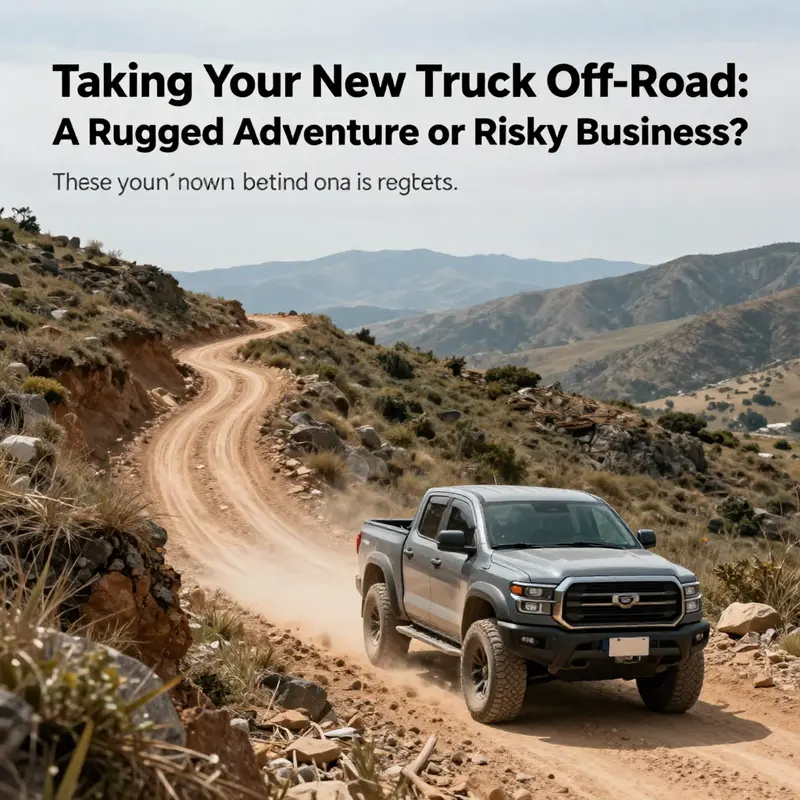
The thrill of off-roading presents a beckoning call to many truck owners and off-road enthusiasts. The allure of traversing untamed terrains, climbing rugged hills, and conquering mud-soaked paths is undeniably enticing, especially for those with a passion for adventure. However, before you decide to venture off the pavement in your brand-new truck, it’s crucial to assess several key factors. Do you know if your truck is equipped for the task? This discussion will dive deep into checking your truck’s specifications, considering the potential risks of damage, evaluating your experience level, exploring alternatives, and ultimately offering recommendations. Let’s embark on this exploration together, ensuring you’re well-prepared for whatever lies beyond the asphalt.
Reading a New Truck’s Off-Road Readiness: A Deep Dive into Specs That Prevent Regret on the Trail
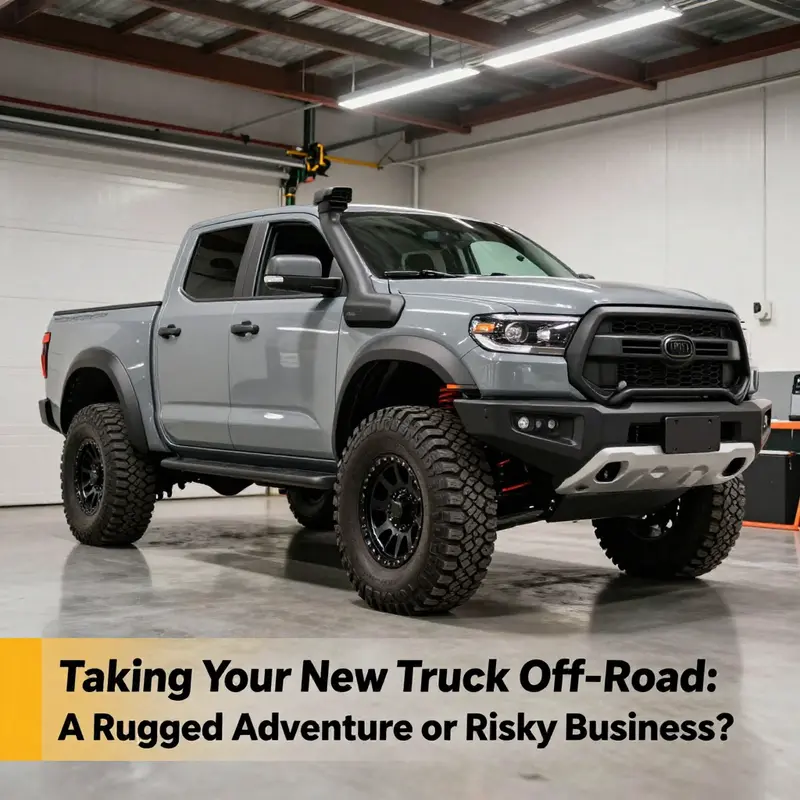
Before you even point the wheel toward a rough trail, a disciplined check of your new truck’s specifications is essential. It isn’t a trivial step but a practical hedge against damage, warranty disputes, and the frustration of learning limits on dangerous terrain. The goal is simple: understand how the manufacturer designs this particular truck to handle off-road work and what that means for your plans. You don’t need to be a mechanical engineer to read the sheets, but you do need a careful eye for the core indicators that separate a vehicle suited to rugged terrain from a standard street-ready pickup. When you approach the topic with patience, you can map the spec sheet to the trail you intend to conquer, matching your grip on reality with the truck’s built-in capabilities rather than chasing wishful thinking about a stock ride that simply isn’t up to it. This mindset helps you protect the truck, preserve any warranty that matters, and keep your nerves intact when the going gets tough.
Ground clearance, one of the most visible and immediately meaningful numbers on a spec sheet, sets the stage for how much of the undercarriage remains out of harm’s way on rocks, logs, and uneven soil. A higher ride height usually signals more room to clear obstacles and a better chance of avoiding bottoming out. But clearance alone isn’t the whole story. The same sheet that lists ground clearance will usually also mention the approach, departure, and breakover angles. These angles translate what might seem like a simple height value into practical limits: at what point an obstacle will kiss the bumper on the approach, whether the tail will clear on exit, and how steep a crest you can cross without the center of the vehicle straddling the peak. If you’re shopping for a vehicle that says it is ready for off-road use, you’ll want to see reasonable values across all three angles, and you’ll want the numbers to align with the kind of terrain you actually intend to tackle—forested service roads, rocky trails, or muddy backcountry routes. A truck that sits tall but has limited breakover clearance or a shallow approach angle will still be able to negotiate broader trails; it just means you’ll need to pick lines more carefully and potentially turn back sooner when a washout or a rock outcrop looms.
The interplay between clearance and wheel travel matters here, too. Ground clearance describes the static distance between the ground and the lowest point of the undercarriage, but off-road real estate is dynamic: suspension travel, tire size, and axle geometry all shape how much clearance you truly have as you traverse uneven ground. In practical terms, trucks designed for rough work often pair elevated ride height with longer suspension travel and robust axles. You’ll see references to specialized axle configurations and even concepts like portal axles, which lift the axle assembly and can increase ground clearance without necessarily compromising torque delivery. While you don’t need to be an engineer to appreciate these ideas, recognizing them in the spec sheet helps you gauge how a truck will behave when a front wheel climbs over a rock and the opposite wheel hangs in the air momentarily. It also hints at how much extra stress the chassis and drivetrain may endure on the roughest trails.
Tire selection follows closely behind these geometry concerns. A new truck advertised as off-road capable will either come equipped with, or offer as an upgrade, heavy-duty, block-pattern tires designed to bite into mud, sand, and loose rock. The tire choice matters not only for grip but for heat management, puncture resistance, and sidewall strength. You’ll want to see a consistent emphasis on durable rubber, with the option to run lower tire pressures when the terrain is soft or boggy and higher pressures on rocky, compact surfaces. The right tire setup works in tandem with suspension and protection features to maximize traction and minimize the chances of puncture or unintended suspension movement. Keep in mind that altering tire size can affect approach/departure angles and even payload capacity. If you’re evaluating a brand-new truck, note whether it supports a more aggressive off-road tire package or if you’d be stepping into a trade-off between on-road comfort and off-road grip.
Suspension systems and chassis robustness are the connective tissue between geometry and propulsion. Off-road-oriented suspensions aim for long travel and a chassis design that resists torsional twisting when a wheel encounters a rock or a rut. Look for indicators of reinforced frames, longer travel dampers, and an adaptable ride height feature that can raise or lower the vehicle as needed for the terrain. The chassis itself matters as a foundation; some builders emphasize central spine designs or robust, flex-friendly axle layouts that can sustain abuse while maintaining control. These design choices aren’t flashy, but they translate into steadier handling on washboard dirt, better articulation on uneven trails, and improved protection for critical components that otherwise would be exposed to damage on a rough route. The passenger compartment and the approach to protection around the drivetrain reflect the same philosophy: if the builder anticipates off-road use, the project will typically incorporate protective plates, reinforced skid plates, and guarded fuel and transfer lines that reduce the risk of damage from rocks and ruts.
Protection features extend beyond plates and guards. Skid plates are a straightforward way to shield the vulnerable underside from scrapes or gouges; front and rear protective bars and reinforced fenders further badge the vehicle for rough employment. Side steps, while convenient for on-road use, can be engineered to offer limited protection or, alternatively, be designed to stay out of harm’s way on tight trails. A well-considered off-road configuration also often includes differential lockers—manual or electronic—that unlock traction when one wheel has grip and the other does not. In practice, lockers give you more predictable traction through mud, loose rock, and steep grades by ensuring both wheels on an axle share the work, not just the one with the better surface. If you expect serious off-road sessions, these are the kinds of features that separate a walk-in-the-park ride from a vehicle capable of a responsible, controlled descent or ascent through unpredictable terrain. The fact that modular design is common in modern off-road packages means you’ll also find easier integration of protective kits and accessories, letting you tailor the truck to your local conditions without compromising core structural integrity.
Beyond the physical hardware, the powertrain and drivetrain configuration play a pivotal role in how a new truck handles real-world off-roading. A robust engine that can deliver substantial torque at low speeds makes it easier to crawl through soft soil or climb a loose incline without stalling or overheating. Look for transmission systems that offer true low-range gearing or equivalent control, which provides the gradual, controllable torque needed when you’re negotiating a slow ascent or careful rock crossover. In rugged duty, multi-axle drive configurations—the practical essence of what some builders implement—can dramatically improve traction in extreme conditions. These configurations distribute power across more wheels, helping maintain forward momentum on slick surfaces when one wheel would otherwise spin away. The goal is not to turn the truck into a bulletproof machine, but to ensure that the vehicle you’re considering has the torque reserves and gearing that let you throttle with precision, rather than brute force, on demanding trails.
In terms of user experience, an automatic transmission with a proven track record for off-road use can offer smoother control in challenging conditions. The ability to select low-range gearing without excessive clutch work reduces driver fatigue and the risk of stalling, enabling you to focus on line choice and recovery if something unexpected occurs. A well-designed off-road system also considers electronics and drive‑by‑wire interfaces that respond predictably under load, rather than layering on complicated features that you might not use in the field. When you read the spec sheet, you’re seeking a clean, purposeful balance: strong power, sensible gearing, reliable traction controls, and a drivetrain architecture that supports gradual, deliberate maneuvers rather than sudden, impulsive direction changes.
The decision to pursue off-road use with a brand-new truck ultimately hinges on how well the vehicle aligns with the terrain you intend to conquer and how conservative you want to be with risk. Warranty implications are not just theoretical. Rough terrain can reveal issues that void warranties if the damage is deemed the result of off-road use. Even with the best intentions and careful driving, rocks, roots, and hidden obstacles can test suspension and undercarriage. The smart approach prioritizes a careful, staged exposure: start on designated trails or rental units built for the purpose, learn the limits of your vehicle, and then decide whether your new truck can take on more challenging landscapes without sacrificing the long-term reliability you expect. If your goal is to preserve a pristine on-road experience while still enjoying light, prepared-off-road activities, you can often achieve that by choosing a dedicated off-road rig or by renting an appropriate vehicle for a weekend expedition. This keeps your new road-focused daily driver free from unnecessary hazards while you build confidence through controlled practice and guided exploration. The upshot is clear: your reading of the spec sheet should lead to a practical, trial‑driven decision rather than a reckless leap into terrain that exceeds your vehicle’s intended design. For a broader view of how these protections translate to on-trail performance and safety, see the IIHS crash test results and vehicle safety ratings.
From a decision-making perspective, you don’t need to treat the spec sheet as a cliff you must scale in one jump. Instead, use it as a map that helps you plan the first steps. If the figures indicate sufficient clearance, robust angles, and adequate suspension travel, you can still choose to take a calculated, conservative route—perhaps on a sanctioned off-road park or a guided course—before attempting more ambitious trails. If, on the other hand, the numbers suggest tight tolerances or limited protection, then consider alternatives: rent a purpose-built off-road vehicle for your first foray, or wait until you have a chassis that has been designed with rough terrain in mind. Either path preserves your investment and your confidence, and it keeps you from learning hard lessons on your new truck the hard way. The core message is practical and straightforward: check the specs carefully, understand how they translate to real-world performance, and align your ambitions with the vehicle you own or plan to own. Only then should you step toward the trail with your brand-new truck, with a clear plan, responsible expectations, and a fallback option that keeps your vehicle and its warranty intact.
External resource for deeper engineering context: https://www.man-truck-bus.com/en/vehicles/heavy-duty-trucks/hx-series.html
null
null
Trail Ready: Assessing Your Off-Road Experience Before Taking a New Truck onto Rough Terrain
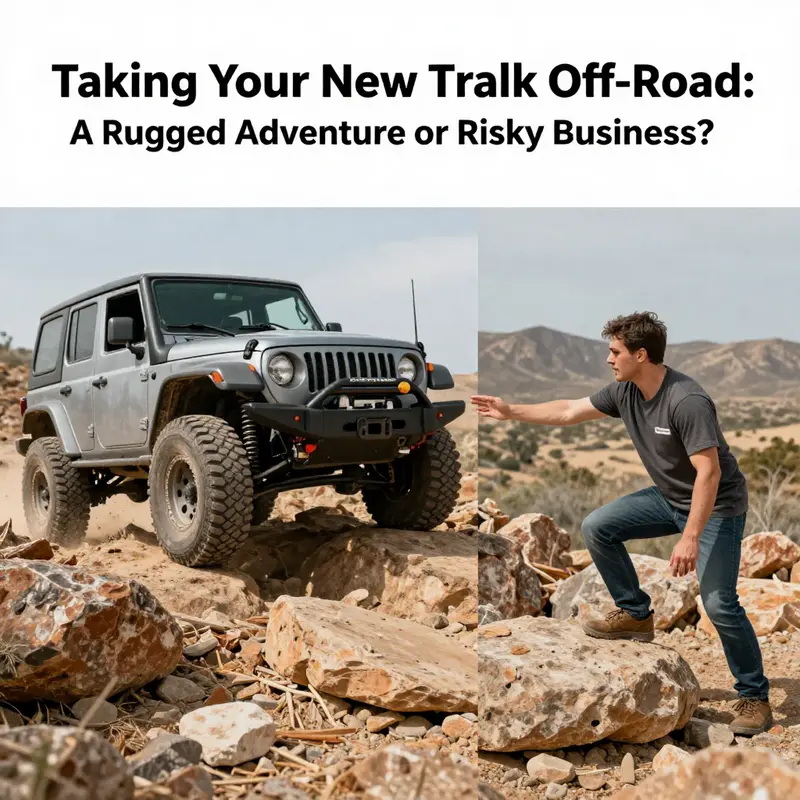
Off-roading with a brand-new truck tests both the machine and the driver. This chapter helps you match your experience to the trail you plan to tackle. The goal isn’t max rock-crawl performance in the showroom; it’s learning how your skills, your truck’s safeguards, and the terrain interact before you push into tougher conditions.
Beginner: start with gentler trails, predictable grades, and clear markers. Rely on sensible tire pressures, not on the idea that the vehicle can solve every problem. Ground clearance, approach angles, and proper line choice matter more than horsepower. Use road tires cautiously; consider lower speeds and wider tire contact with the ground. Practice reading terrain, choosing a line, and communicating with companions. Treat electronic aids as assistants, not crutches.
Intermediate: the trail introduces mud, shallow water, and uneven surfaces. You still favor slow, deliberate inputs and clean lines. Learn how the truck’s suspension responds to ruts and rocks, and how to recover steering if traction shifts. Use the aids to support you, not replace your judgment. Develop a steady cadence and anticipate changes in grip.
Advanced: technical trails, steep climbs, stream crossings, and complex rock work. Plan lines, pre-walk if possible, and carry recovery gear. Stay conservative in your throttle, and be prepared to back off when the surface changes. Maintenance and checks become habit: fluids, leaks, battery, tires, and recovery gear. The best explorers combine precision, patience, and respect for the trail with disciplined driving.
Beyond skills, environmental responsibility matters at every level. Leave No Trace principles, staying on designated trails, and packing out what you bring in. If you are unsure of a trail, rent or borrow a purpose-built off-road rig for practice before using your own truck.
A practical prep routine helps you calibrate readiness: pre-trip tire pressure, fluid checks, and a controlled obstacle course. Seek instruction and practice with a capable partner who can give honest feedback. When you transition to real trails, you’ll have a clearer sense of your goals and boundaries.
Beyond the Trail: Practical Alternatives to Off-Roading a Brand-New Truck
When you bring a brand-new truck home, the urge to take it to the tougher, looser terrain can feel almost irresistible. The glossy finish, the fresh tires, and the curb-appeal of a machine that seems ready for anything all invite a first test on a rugged path. Yet the impulse to push it straight into the wild should be balanced against practical realities. A new vehicle comes with a warranty, and many manufacturers draw clear lines around off-road use. Beyond that, the stresses of rocks, roots, and mud can reveal flaws you won’t notice on smooth pavement, and those flaws translate into repair bills that hit hard when the truck is still new. If the truck isn’t explicitly marketed as an off-road performer, its suspension tuning, ground clearance, and durability may not be up to the task in the way you expect. The number of inches of clearance, the aggressiveness of the tires, and the overall geometry all matter, and when they’re not optimized for rough terrain, the risk isn’t just cosmetic. It’s financial and practical, because any dented skid plate, bent control arm, or misaligned axle can sideline you at the moment you’re trying to enjoy the ride. The warranty question is equally important. Some manufacturers take a dim view of damage caused by off-road use and may limit or void coverage for components most exposed on trails. Even careful operators can encounter issues that feel minor at first but become major headaches when the truck is new and the warranty coverage is hottest. And because a new truck is a medical bill waiting to happen—parts like suspensions and driveline components aren’t cheap—the financial stakes are high. The more you value your peace of mind, the more you’ll want to weigh the decision against potential out-of-pocket costs that arise from even minor trail mishaps. Experience matters here as well. If you’re new to off-roading, the learning curve can be steep. Handling throttle, tire pressure, and recovery techniques in a way that protects your rig requires instruction and practice. Starting with a purpose-built off-road vehicle or renting one for a few days is a savvy way to build those skills without exposing your new truck to avoidable risk. On the other hand, a seasoned driver who has spent time on varied terrain, with the right preparation and a vehicle tuned for rugged duty, may feel comfortable exploring mild trails. Still, even the most capable driver benefits from a stepwise approach: begin with safer, controlled environments, learn what your vehicle can handle, and gradually increase exposure as confidence grows. In this context, many car owners discover that the safest path to satisfying their craving for adventure is not to press the limits of a pristine new truck but to explore alternatives that deliver the thrill without the risk to that fresh certificate of ownership. One clear takeaway is that you don’t need to abandon exploration to protect your investment. There are options that keep you connected to the outdoors while preserving the integrity of your new vehicle. For some people, the best answer lies not in continuing to chase the most aggressive terrain but in embracing mobility solutions designed for controlled environments where the risks are smaller and the potential for meaningful experiences remains high. A growing trend in this direction is the emergence of lightweight electric non-highway vehicles. These machines are designed to operate in closed or semi-closed spaces—think campuses, industrial parks, golf courses, theme parks, and airports—where their smaller footprint, quieter operation, and more forgiving suspension can deliver the sense of mobility and adventure people crave without subjecting a high-value vehicle to the hazards of rocky trails. They offer environmental advantages, too. The electric drive system and compact package yield lower emissions and reduced maintenance compared with traditional off-road rigs. And because they’re lighter, they place less stress on surfaces and require less energy to traverse short distances. The evolving battery technology and smart-control systems that power these vehicles have pushed their range and performance forward in meaningful ways, making them practical for everyday transitions—between buildings on a campus, across a park, or around a management complex—while providing a taste of off-road capability in a safer, more predictable setting. This isn’t about replacing your love of exploration; it’s about channeling that energy into experiences that honor both your limits and the realities of owning a new truck. For those who still want to explore with a vehicle that bears less risk of damage to your daily-driver, renting an off-road-oriented rig for a day or two can be a smart compromise. A rental lets you test the terrain, learn recovery techniques, and understand your own limits before you decide how you want to approach ownership. If you discover you’re hooked on the rough stuff, you still have a clear path forward: you can continue to pursue off-road adventures with a dedicated, purpose-built vehicle later, or map out a plan to acquire a more rugged rig that’s designed from the outset for those kinds of experiences. In the meantime, the broader mobility landscape offers other avenues for satisfying the urge to push boundaries. Lightweight electric non-highway vehicles present a compelling middle ground, delivering a sense of adventure, rapid acceleration, and maneuverability in controlled contexts. They’re quiet, which makes them well suited to environments where noise would otherwise be a concern, and their compact size makes parking and storage simpler. Their operation in environments that limit speed and restrict exposure to heavy obstacles does not diminish the thrill; it reframes it. You still navigate turns, manage momentum, and feel the responsiveness of an electric drivetrain, but the terrain is predictable, the obstacles are manageable, and the risk of unexpected impact is significantly reduced. The shift toward these vehicles has broader implications beyond personal recreation. As communities and organizations explore smarter mobility options, the appeal of decarbonized, low-noise transit that can traverse campuses and airports without the same wear and tear as traditional off-road machines grows stronger. This is part of a larger conversation about how we balance the desire for exploration with the responsibility we owe our vehicles, our wallets, and the environments we travel through. If you’re curious how corporations are integrating electric mobility into everyday logistics and operations, you can explore examples of how lighter electric solutions are reshaping transport tasks that were once the exclusive domain of diesel-powered machines. For instance, one illustrative case tracks how electric deliveries can outperform diesel in certain contexts, highlighting the practicality and efficiency of smaller, electric fleets in controlled settings. electric deliveries surpass diesel. This kind of example foregrounds a broader truth: electrified, lightweight mobility is not merely a substitute for off-road capability but a complementary approach to moving people and goods efficiently and with less risk to valuable equipment. The argument for considering alternatives grows stronger when you add another layer of rationale—the need for informed, staged decision-making. If you’re starting from a fresh truck and you’re uncertain about your off-road ambitions, renting a dedicated off-road vehicle for a weekend can give you first-hand insight into the kind of terrain you enjoy and the limits you’re willing to push. You’ll learn what kinds of trails you might actually want to tackle, what recovery gear you’ll want to carry, and how much protection your vehicle would need if you eventually decide to take the plunge with a more rugged rig. In that sense, the decision to delay off-roading with a new truck isn’t a surrender to caution but a strategic choice. It preserves the warranty, protects your investment, and still honors the hunger for adventure that draws many drivers to the lifestyle in the first place. The future of personal mobility is not a binary choice between pavement and mud; it’s a spectrum that includes safe, controlled experiences that still offer the adrenaline and the fun of exploration. By embracing that spectrum, you can craft a plan that aligns with your budget, your risk tolerance, and your long-term goals for your truck. You may eventually own a vehicle that’s built with off-road durability in mind, or you may find that your appetite for exploration is best satisfied through alternative platforms that democratize access to adventure without compromising the integrity of your primary purchase. Either path keeps you connected to the outdoors, while respecting the realities of owning a brand-new truck in a world that prizes both performance and prudence. External resource: https://www.greenbiz.com/article/lightweight-electric-vehicles-emerging-market-sustainable-mobility
From Showroom to Trailhead: Final Guidance on Off-Roading with a Brand-New Truck
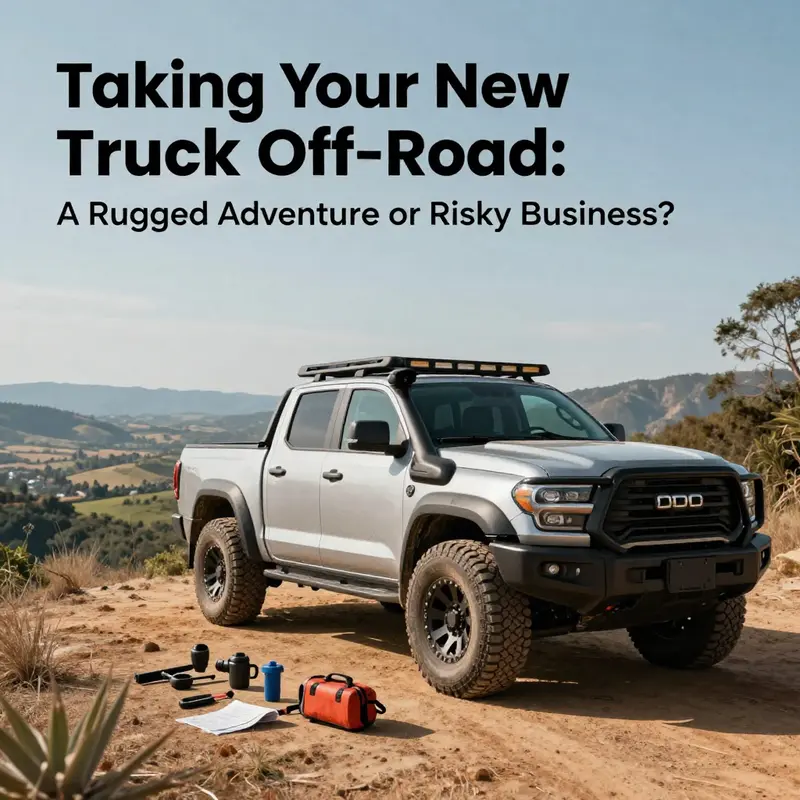
The lure of the dirt and the thrill of the descent can make even a pristine new truck feel like a ticket to adventure. Yet the decision to take a factory-fresh ride off the pavement is more a calculation of risk than a dare. This chapter threads together the practical realities of what a new truck can handle, the safeguards you should consider, and the wiser paths that protect both your vehicle and your own peace of mind. The goal is not to dampen the excitement, but to align it with the realities of what a brand-new machine is designed for and what it isn’t. When you weigh the decision this way, the trail becomes a test of readiness rather than a gamble with warranty and wallet.
First, understand that a vehicle’s off-road capability is not a marketing gloss but a blend of design, protection, and purpose. Modern trucks that are explicitly engineered for rugged terrain typically incorporate several features that matter most on dirt, mud, and rock. Superior traction systems, solid ground clearance, thoughtful approach and departure angles, and robust underbody protection all contribute to a safer, more controllable off-road experience. But a new truck that sits on standard tires with modest clearance and a conventional suspension can still perform, sometimes well, on gentle or designated off-road routes. The catch is that true off-road confidence comes from the vehicle’s intended purpose and the quality of its protective and mechanical systems. When you step into rougher terrain, those design choices determine not only whether you can complete a trail, but whether you’ll limp back with avoidable damage or a costly repair bill.
With that in mind, the most critical decision point is the truck’s basic build for off-road use. Four-wheel drive capability is not merely a badge; it’s a system designed to distribute torque to wheels with the best grip. A robust suspension soaks up rough surfaces, and protective components guard essential parts from rocks, branches, and deep ruts. Ground clearance matters because it dictates how much of the undercarriage you’ll clear on uneven terrain. Tires matter too: all-terrain or mud-terrain tires expand your traction envelope and resilience against punctures, while standard road tires can quickly lose grip or be sliced by sharp stones. If your new truck lacks these off-road-oriented features, it’s not a question of being incapable, but of taking on more risk than many drivers are comfortable with on unfamiliar trails.
Then there’s the warranty calculus. Manufacturers tend to be explicit about what use counts as off-road and what voids a warranty. Rough terrain can introduce mechanical stress that is not covered under standard terms, and damage from such use is often excluded. Even if you navigate cautiously, hits to the suspension, underbody, or driveline that happen on unpaved routes can complicate coverage. The financial stakes rise quickly when you’re operating a new truck, where repairs can be not only expensive but also highly visible due to the vehicle’s condition and less forgiving warranty terms. This is not to discourage exploration but to frame a prudent boundary: when in doubt, consider how a mishap would affect your plans, your budget, and your warranty protections.
Your personal experience level plays a decisive role, too. If you’re new to off-roading, starting with a purpose-built off-road vehicle or a rental is wise. The learning curve includes tire pressure management, obstacle navigation, and recovery techniques that can dramatically reduce the likelihood of getting stuck or causing damage. An experienced driver can approach mild trails with more confidence and a willingness to assess limits in real time. Even then, a cautious, staged approach—progressing from easy, designated trails to more challenging terrain as you gain skill and as your vehicle proves its reliability—helps guard against overestimating what a brand-new truck can safely endure on the trail.
If you’re determined to test the waters with a brand-new truck, frame your plan around strict boundaries. Start with routes that are clearly designated as open to vehicles with modest off-road capability—what you might call the “soft” side of the off-road world. Forest-service roads and well-maintained designated trails can be appropriate first steps, especially if they are heavily trafficked and monitored. Before you head out, confirm ground clearance, approach and departure angles, and wading depth—these are not mere numbers; they’re quick gauges that tell you what a trail is likely to demand. A trail that looks negotiable on a map can reveal hidden rocks, ruts, or water crossings that exceed your truck’s tolerances. The practical rule is simple: never push beyond the explicit limits of your truck on a first foray. If something feels risky or uncertain, turn back or choose a safer route.
Another layer to consider is the value of protection and preparation. If you decide to pursue a mild off-road outing, outfitting the truck with protective gear can dramatically improve resilience without pushing into specialized, high-cost builds. Skid plates safeguard the underbody from rocks and debris with no impact on daily drivability. Recovery boards and a portable winch extend your reach when you encounter soft ground or stuck situations. A robust set of recovery equipment, proper air-down methods, and a plan that emphasizes partner travel and communication are the ethical and practical cornerstones of off-road travel in a new rig. These measures do not guarantee a problem-free experience, but they reduce the odds of a costly mistake and keep you from placing unnecessary stress on the vehicle’s new components.
If you find yourself hungry for learning as you prepare, there is value in building foundational mechanical knowledge that supports safer off-roading. Delving into how diesel or gasoline powertrains respond to harsh conditions, how the suspension behaves over rough terrain, and how to diagnose minor issues before they become bigger problems can be a confidence booster. For readers who want to expand this knowledge base, a dedicated resource on diesel mechanics offers a practical, step-by-step path to success. This kind of study makes you a more capable pilot of your own truck on rough surfaces and helps you interpret what you feel through the steering, pedals, and brake systems when the surface changes beneath you. If you’re looking to deepen that understanding, consider this material as a complement to your hands-on practice: mastering diesel mechanics, your step-by-step path to success. mastering diesel mechanics.
Despite the best planning, reality on the trail can be unforgiving. The safest path with a brand-new vehicle remains the preservation route: keep off-road use to the minimum required to learn, and do not assume a new truck’s capabilities will align perfectly with older, heavily used rigs. The conditions in which a factory-new vehicle excels—consistent maintenance, pristine components, and optimal alignment—can quickly differ from the wear and tear that road-to-trail routes impose. This is not a manifesto against exploration; it is a call to align curiosity with prudence. The more you know about your truck’s design intent and the less you demand of it on a first outing, the more you protect both your vehicle and your future adventures. In the longer run, if off-roading becomes a regular pursuit, you may opt for a dedicated off-road rig or build a second platform specifically for trails. The initial experience with a new truck remains a valuable, finite experiment rather than a procurement of perpetual capability.
For those who still crave the sense of discovery on a new-tire, new-truck scale, there is merit in renting or borrowing a purpose-built off-road vehicle for occasional demonstrations of what a transformation on rough terrain can feel like. A controlled, short-term rental allows you to test your appetite for more extreme trails without subjecting your new purchase to the unpredictable risks of the backcountry. It also gives you a sandbox in which to practice essential recovery techniques, tire management, and obstacle negotiation while keeping your daily driver pristine for the road and weather it will encounter when you return home.
In closing, the overarching principle is to protect the asset while you cultivate the skill. A brand-new truck offers an extraordinary starting point, but off-road success hinges on the vehicle’s intended purpose, the protection you append, and the readiness you bring to the trail. If the truck is not designed with rugged terrain in mind, the safe recommendation is to avoid loading it with the abuse associated with early, aggressive off-roading. Instead, allocate the experience to a more suitable platform or a rental until you’ve mastered the fundamentals, your confidence has grown, and you’ve proven that your appetite for adventurous miles aligns with the realities of what your vehicle can reliably endure. The trail will still be there when you’re ready.
External resource for broader context on 2025 truck standards and applications can be explored here: https://www.truckreview.com/2025-truck-standards-properties-applications. This reference provides a contemporary framework for what modern trucks bring to the table in terms of traction systems, underbody protection, and overall durability under off-road conditions. It helps ground the discussion in current specifications and practical expectations as you plan future excursions.
Final thoughts
Deciding whether to take your new truck off-roading is a significant choice that demands careful consideration. By checking your truck’s specifications, understanding the risk of damage, evaluating your driving experience, and exploring various alternatives, you can make educated decisions that align with your adventurous spirit while also protecting your investment. Off-roading is about more than just thrill; it’s an art that experience hones. So get ready to know the best path for your wheels and your wellbeing.