

When it comes to off-road adventures, the right suspension can mean the difference between a smooth ride and bone-jarring bumps. For off-road enthusiasts, adventurers, and landowners, the performance of a truck’s shocks is paramount. Among the leading brands, Fox Shocks stand out for their capability to significantly enhance ride quality and handling over rough terrains. This article dives deep into the mechanisms that make Fox Shocks a game-changer, compares their performance against stock shocks, explores their adjustability for personalized experiences, and features real testimonials from racing enthusiasts who have experienced the transformation firsthand. By the end, you’ll understand not just how Fox Shocks improve ride quality off-road, but why they are a crucial investment for any serious truck owner.
Beyond the Bump: How High-Performance Dampers Shape Off-Road Comfort and Control
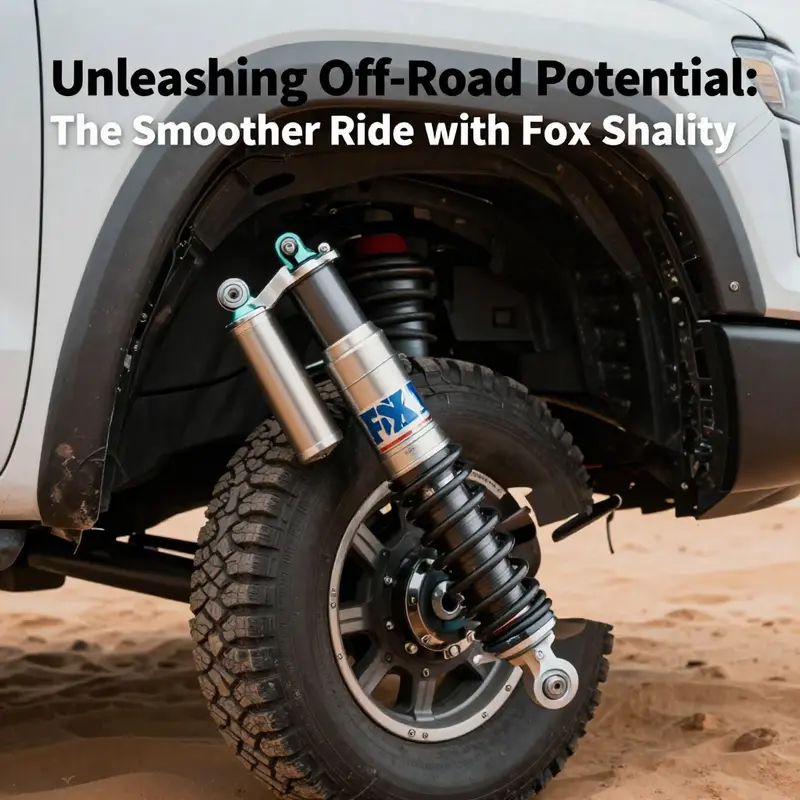
When a truck meets rough terrain, the ride is defined by how the chassis responds to each jolt and ripple. Dampers convert vertical energy into controlled motion and gate the vehicle’s comfort and traction. A well-tuned damper system helps tires stay in contact, reduces harsh rebound, and preserves predictable handling.
Two core mechanisms shape off-road ride quality: oil volume with thermal management, and temperature-responsive damping. A larger shock body increases oil capacity, cooling, and resistance to damping fade on long, rough sections. Temperature-sensing dampers adjust in real time so the rider experiences smoothness that feels anticipatory rather than reactive.
Adjustability matters: damping that can be tuned, paired with compatible spring rates, lets drivers tailor the system to weight, tires, and terrain. In practice, firmer damping can control chassis pitch on rocky sections; softer settings can relax the ride on smoother ground while maintaining grip. The result is consistent tire contact, better traction, and a calmer ride over whoops, ruts, and desert washboard.
Articulation under load explains why damping matters: wheel travel demands controlled rebound so the chassis remains stable. When tires stay connected, steering remains precise and momentum stays intact.
Real-world benefits include reduced driver fatigue, steadier lines, and the ability to maintain speed through rough terrain. Lifecycle considerations—durable seals, corrosion resistance, and leak prevention—help ensure performance stays consistent across miles and seasons.
Practical maintenance paired with official damper documentation completes the picture: regular checks of seals, mounts, and leaks support reliability; manufacturer data links explain how oil volume and temperature sensitivity translate to real-world behavior.
Smooth Confidence on Rough Ground: How High-Performance Shocks Transform Off-Road Ride Quality
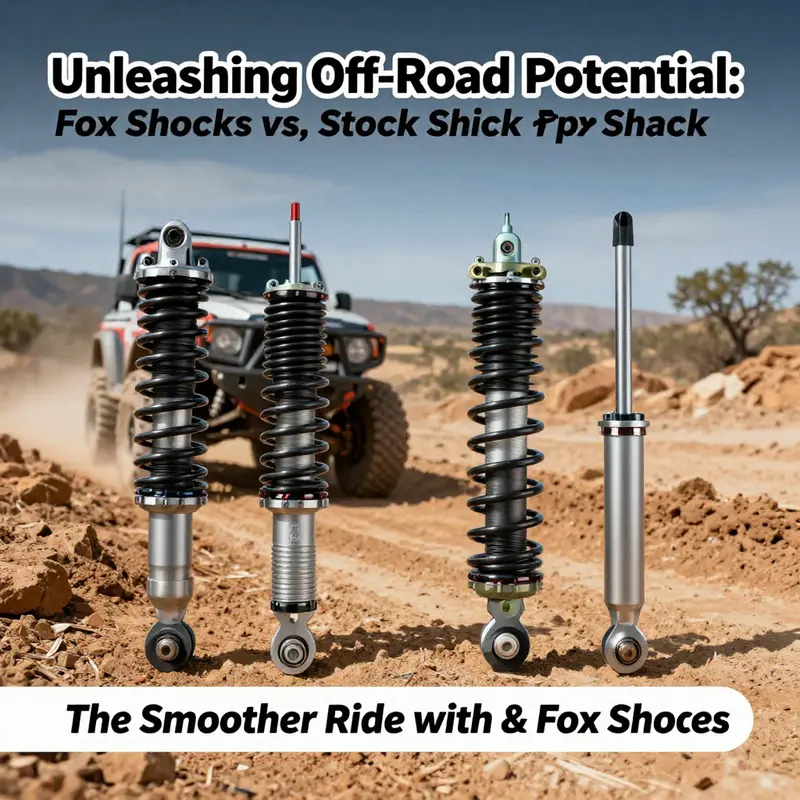
When enthusiasts ask whether high-performance shocks truly make a truck ride smoother off road, the simplest answer is seldom the most useful. The smoother ride you feel on a rattling trail isn’t just about softness; it’s about how reliably the suspension manages energy, keeps tires in contact with the ground, and preserves steering feel as the terrain changes underfoot. In this context, the term smoother has two intertwined meanings. It describes the way the vehicle soaks up the big, jarring impacts without transmitting them into the cab. It also describes the steadiness of control, the way the driver retains precise steering, confident braking, and predictable throttle response on rough rock, through chop, or across loose desert surfaces. Modern, high-performance shocks elevate both aspects, translating raw terrain into a controlled, confident ride that feels smoother even when the surface is anything but.
Beneath the obvious sensation of a smoother ride lies a web of engineering choices that determine how the suspension responds in milliseconds. At the core is damping—the mechanism by which energy from the wheel is absorbed, then released. In a well-tuned system, each wheel meets the surface, but the chassis remains restrained, minimizing roll, pitch, and unwanted motion. This damping needs to be robust enough to prevent the tire from losing contact with the ground during a hefty impact, yet supple enough to allow the wheel to move through its travel without the body wallowing or punching back into the cabin. The most effective high-performance dampers achieve this balance by keeping the wheel anchored to the terrain while isolating the passenger from the harshness that would otherwise travel through the frame. The impact of this is immediate on comfort, but the deeper benefit is a more stable platform for acceleration, braking, and steering, which translates to smoother control when the going gets rough.
A central feature that supports this steadier behavior is the internal floating piston, or IFP, system that some high-performance coilovers employ. This design physically separates the damping fluid from a pressurized gas chamber. By preventing gas migration into the oil during long, demanding runs, the system reduces cavitation—the formation of bubbles that collapse and rob damping force. In practical terms, cavitation can cause a dampener to lose its firmness mid-ride, which feels like an unpredictable, jarring bounce. The IFP arrangement keeps the damping curve consistent, even as heat builds and the terrain remains punishing. In contrast, a more conventional stock shock often relies on a simpler, fixed sealing and oil system. Over time, sustained abuse can invite oil foaming, seal fatigue, and a creeping loss of control, especially on aggressive trails where heat, repeated impacts, and extended travel push components toward their limits. The difference isn’t dramatic in a straight highway drive, but on a washboard, a rocky pass, or a steep descent, the ramifications are immediate and measurable.
Heat is another critical dimension that separates a smooth off-road ride from a choppy one. When a shock absorbs a repeated impact, energy is converted to heat. In long gravel descents or fast riverbeds, a stock shock can heat up quickly, leading to a gradual decline in damping performance—what engineers call fade. The consequences on ride quality are straightforward: more exaggerated wheel movement, less tire contact, and a thuddier, less predictable ride. High-performance dampers are engineered with thermal management as a primary design constraint. They often feature larger bodies, optimized fins, or internal passageways that encourage air flow and heat dissipation, and they use seals designed to minimize friction and seal degradation under heat stress. The upshot is that the ride remains consistently controlled even when the terrain keeps demanding more from the suspension. It’s not just about staying cool, but about maintaining that crucial, steady damping curve that a smooth ride relies on.
The ability to tune and tailor damping characteristics is the third pillar of smoother off-road performance. Cooperating damping and rebound control enable a driver to tailor the chassis to the terrain and the driver’s style. Adjustable damping lets you bias the system toward firmer, more controlled response when you’re tackling rocky sections or rock-strewn climbs, or toward a softer, more compliant feel for long, abrasive desert runs where suspension needs to absorb small inputs without transmitting them to the cabin. This adjustability also lets you harmonize the suspension with tire choice, wheel travel, and overall vehicle geometry. It’s common for off-road setups to require different settings for sand, for rocks, and for mud. A damper that can be dialed in for specific conditions lets the same vehicle deliver comfort on one section and control on the next. While traditional stock shocks tend to arrive with fixed damping, high-performance systems invite experimentation. The driver can, in effect, tune the ride to the terrain and even the load, achieving a smoother travel experience without sacrificing the predictable handling needed to traverse a trail safely.
Material choices and construction quality also feed into ride quality, especially in the most punishing environments. High-performance dampers are typically manufactured with aerospace-grade alloys and robust seals designed to resist corrosion, abrasion, and impact damage. The result is a lighter yet stiffer wand of steel or aluminum that can absorb energy without deforming or leaking, mile after mile. The practical outcome is not only longer life but more consistent performance, day in and day out, and a chassis that remains more predictable as heat and fatigue accumulate. In contrast, standard shocks, while perfectly adequate for daily driving, are more likely to exhibit wear-induced changes in performance after extended off-road use. They may show slower response times, more oil foaming, or seal leakage that gradually alters how the wheel responds to terrain. All of these factors combine to create a ride that can feel less composed, less confident, and less smooth on the same trail a few thousand miles later.
From a driver’s seat perspective, the benefits of a well-tuned high-performance suspension unfold as a difference in both feel and capability. When a wheel meets an obstacle, the goal is for the tire to stay in contact with the ground while the body remains controlled. The smoother the damping, the less the vehicle’s mass is driven into peak suspension compression or rebound, and the more the driver can anticipate and correct course without fighting the vehicle. The result is a more seamless transfer of energy into forward momentum, with less twist and snap in the steering wheel. On rock shelves and steep descents, a damper that keeps the tire glued to the surface reduces slam, jump, and dive, producing a ride that feels almost staged for comfort even as the vehicle contends with terrain that would have previously rattled the cabin. And because the drive train and chassis experience lower peak loads, the overall vehicle feel becomes calmer, almost as if the truck is gliding through a rough patch rather than thrashing over it.
This is not to say that smoother ride equals softness at the expense of control. A well-tuned high-performance suspension maintains, and often enhances, the driver’s command. Traction is preserved as the wheels stay engaged with the surface, and braking stability improves because the system keeps the tire contact patch predictable under load. In practice, that means smoother transitions between throttle, brake, and steering inputs. The truck feels more planted, the steering wheel steadier, and the cockpit quieter even when the path beneath is anything but. The result is confidence in motion rather than, simply, a softer sensation. In real-world terms, drivers report that they can push harder on rough terrain, knowing the suspension will handle the shocks without suddenly dithering or losing grip. This translates into smoother mileage across a day of driving that includes long sections of rough trail and short bursts of high-speed desert run.
Of course, the decision to upgrade from stock to high-performance dampers involves considering the intended use and the acceptable trade-offs. Some drivers prioritize a softer road feel for mixed-use trucks that frequently transition from trail to highway. Others want maximum control for challenging terrain, where abrupt impacts, severe articulation, and frequent changes in load require a suspension that can respond precisely and with minimal delay. In the latter scenario, the smoothing effect is not a compromise, but a key driver of performance: maintaining a stable platform for steering and braking while the wheels negotiate the surface. It’s a distinction that becomes particularly clear after a day on rough scrub or a night run in the mountains, where the difference between a compliant, controlled ride and a jittery, tiring one can determine how much of the trail you can cover before fatigue sets in.
To make sense of these differences, it helps to visualize what’s happening under the fender. When a wheel hits a rock, the suspension must absorb that impact and return to a position that enables the next contact with the ground. If the damping is too stiff, the wheel can rebound too quickly, leaving the tire momentarily disconnected. If it’s too soft, the wheel stays in contact but the chassis continues to bounce, and the driver experiences a succession of jarring, unsettled motions. A high-performance suspension aims to hit the sweet spot, ensuring controlled energy dissipation while preserving tire contact and steering fidelity. It’s a subtle, technical balance that manifests as a smoother ride in the cabin and sharper, more reliable control on the trail. In other words, smoother ride quality is not about softening every bump; it’s about managing and distributing the impact so the vehicle remains stable and predictable.
As with any upgrade, the wiring of the suspension into the broader vehicle system matters. Correct setup, alignment, and compatible components—springs, dampers, and mounts that work together in harmony—maximize the benefits. A well-matched kit improves articulation, allowing wheels to travel higher without transferring exaggerated forces to the chassis. This translates to more confident wheel placement over uneven surfaces and better overall grip across the terrain. The driver experience becomes less about bracing for the next impact and more about steering through it, with the seat and chassis moving in a coordinated, almost fluid way rather than in a series of abrupt jolts.
For readers seeking a deeper, mechanics-grounded explanation, the essence lies in how damping interacts with tire mechanics and vehicle dynamics. The tire is the sole contact point with the ground, and how it interacts with the terrain directly shapes traction and steering. Dampers influence how quickly the tire can reestablish contact after a bump, how well it can respond to changing surface conditions, and how the surface texture translates into horizontal and vertical forces that the steering and braking systems must manage. The smoother the damping, the more predictable those forces, and the smoother the ride feels to the occupant. This isn’t a marketing flourish; it’s a physics-informed outcome of how effective damping, thermal stability, and modular tuning converge under load, speed, and fatigue.
In short, the ride smoothness you perceive on rough terrain is the product of how precisely damping is controlled, how well that damping is maintained under heat stress, and how adaptively the system can be tuned for the terrain at hand. High-performance dampers—designed with internal features that maintain damping integrity, with heat management that keeps performance stable, and with user-adjustable settings that let drivers tailor behavior to the next rock, dune, or descent—offer a ride that many off-road enthusiasts describe as smoother in practice, even on terrain that would rattle a standard setup into submission. It is this combination of consistency, durability, and adaptability that redefines what “smooth” means when the road ends and the trail begins.
For readers interested in exploring the technology behind adjustable shocks in more depth, a comprehensive overview of how these systems work and why they matter can be found in industry resources that detail damping structure, material properties, and cross-industry applications. As you consider upgrading, remember that the value of a smoother off-road ride isn’t merely a softer feel; it’s improved control, better traction, and a more confident, predictable experience across the most demanding trails. To see how the theory translates into actionable knowledge you can apply when maintaining or upgrading a vehicle, you can explore broader mechanical guidance at an accessible, practical level here: Mastering Diesel Mechanics: Your Step-by-Step Path to Success.
External reference for further technical context on how adjustable shocks function across industries can be found here: Fox Adjustable Shocks: Structure, Material Properties, and How They Are Used in Different Industries.
Fine-Tuned Comfort: How Adjustable Shocks Transform Off-Road Truck Rides
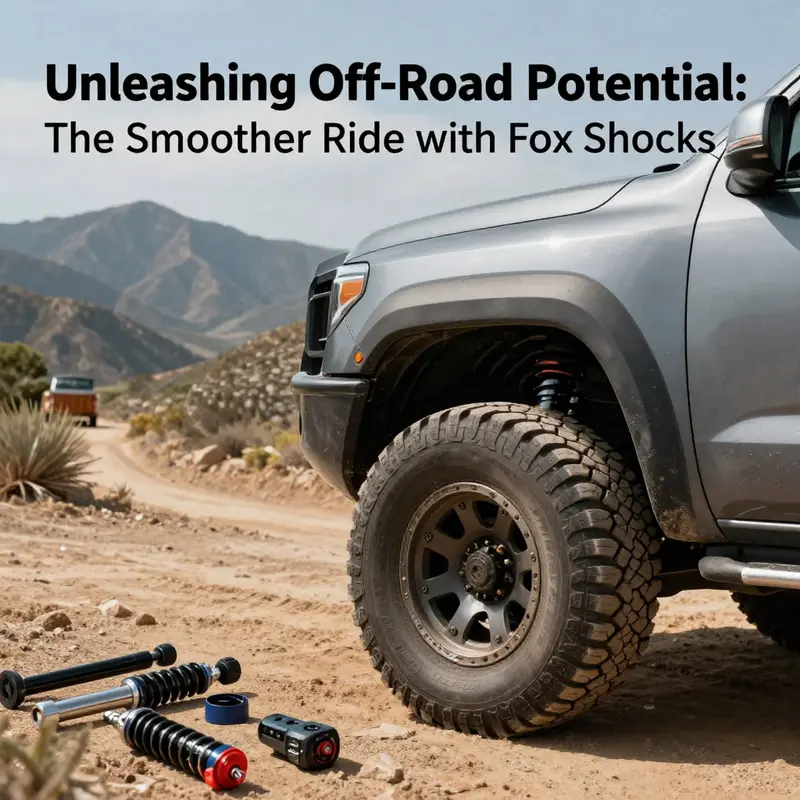
The difference between a frantic jolt and a composed, controlled roll over rough ground often comes down to how well a truck’s shocks can be adjusted. High-performance, adjustable shocks let drivers dial in the exact response they need for a given trail, rhythm, or terrain. That fine control affects everything: wheel contact, body motion, steering feel, and driver confidence. When an off-road suspension can be tailored precisely, the truck reads the ground more accurately and absorbs energy in predictable ways. The result is a smoother ride that still preserves necessary control and traction.
Adjustability begins with the basics: independent control of rebound and compression damping. Rebound governs how quickly a wheel returns after hitting a bump. Too fast, and the wheel skips or the chassis feels unsettled; too slow, and the shock holds the wheel down, reducing traction on consecutive obstacles. Compression determines how the shock resists being pushed in during impacts. Tuned high, compression prevents harsh bottoming during heavy landings but can make small bumps feel stiff. Tuned low, compression soaks small chatter but risks bottoming on big hits. Being able to set these forces independently lets a driver create a balanced behavior across a broad range of speeds and obstacle sizes.
External reservoirs are another step in keeping that behavior steady under stress. By increasing oil capacity and providing space for high-pressure gas, an external reservoir helps manage heat and reduce fade during long, aggressive runs. Heat buildup changes oil viscosity and, by extension, damping rates. A reservoir design keeps the oil cooler and the gas separated, so damping stays consistent even after repeated hits. The consistency matters: if damping changes halfway through a desert stage or a long trail, the truck’s handling and the driver’s inputs have to compensate. Reliable damping reduces the mental load on the driver and prevents surprises.
Automatic temperature sensitivity is a more recent evolution in shock design. This feature watches oil and system temperature and adjusts damping characteristics to compensate. In practical terms, it smooths the transition between cold morning starts and the baked heat of a long day on the trail. Without that adaptation, the same settings that felt plush at first can become harsh as oil thins and internal pressures rise. A self-adjusting system maintains a stable feel, so you don’t have to chase settings as conditions change. That stability is especially relevant when a run goes from tight, technical rock sections into open, high-speed washes.
Beyond on-shock controls, true customization extends into hardware choices and aftermarket options. Coil springs, coilovers, and adjustable spring perches change ride height and natural frequency. Different spring rates change how weight shifts during acceleration, cornering, and braking. A higher spring rate resists squat and roll but transmits more vibration to the cabin. A lower rate offers comfort but can allow excessive body motion and reduce precise steering. Matching spring rate to intended use and vehicle weight is essential to achieving a nuanced feel.
Valving and custom tune kits refine how the shock reacts across its stroke. Valving decisions create a damping curve that changes with speed and suspension position. A well-designed valving scheme gives a soft initial stroke for small impacts, a firmer mid-stroke to control body motion, and a strong high-speed compression stage to prevent bottoming on large impacts. Some setups even separate low-speed and high-speed compression, letting the shock resist slow body motions while still absorbing sharp hits. Custom tune kits and software tools make it possible to alter those curves without guesswork, using data to inform changes rather than relying only on seat-of-the-pants feedback.
Practical setup work often involves iterative testing. Start with baseline settings recommended for your vehicle and load. From there, alter one variable at a time. Change rebound a few clicks and run a representative section of trail. Note how the truck tracks and how the steering feels. Then change compression, and test again. Keep changes small and methodical. Many tuners use a notebook or digital log to record settings and conditions. Over time, those notes become a personalized map of what works in mud, sand, rocks, and high-speed desert. That discipline turns adjustability into a true advantage rather than a confusing jumble of knobs.
Tuning also involves geometry and complementary components. Ride height affects roll center and roll stiffness. Sway bars, control arm angles, and tire pressures all interact with shock behavior. Removing or softening a sway bar increases axle articulation, which may require different valving to prevent wallow. Larger tires and heavier wheels increase unsprung mass. That extra inertia changes how quickly a wheel responds after an impact. Effective tuning accounts for these interactions. It’s not enough to tweak shocks in isolation; the entire suspension system must be considered.
For drivers who demand the last degree of control, data acquisition and professional tuning are invaluable. Shock dyno charts, accelerometer data, and high-speed video reveal behaviors invisible to the driver. A shock dyno shows how damping force varies with velocity, helping to match valving to intended terrain. Accelerometer traces highlight the frequency and magnitude of impacts a vehicle experiences, guiding spring and valving choices. Professional tuners can translate that data into specific valving changes or hardware swaps. For enthusiasts without access to labs, track days and repeatable trail sections serve as practical testing grounds.
Heat management, seals, and maintenance cannot be ignored. Adjustability means nothing if a seal fails or oil foams under agitated use. Regular inspection of mounting hardware, reservoir fittings, and seals preserves performance. Refreshing oil at recommended intervals and using manufacturer- or tuner-specified fluids helps maintain predictable damping. For trucks driven hard in extreme environments, proactive maintenance keeps the system performing as adjusted.
One of the biggest benefits of adjustable systems is their adaptability across scenarios. A weekend trail truck can transform into a high-speed desert runner with different settings and spring rates. Alternatively, the same truck can be softened for overlanding comfort and tightened for technical rock crawling. That versatility saves owners from committing to a single compromise. Instead of choosing between comfort and control, adjustable shocks let drivers select the best compromise for the moment.
There are trade-offs. Adjustable, reservoir-equipped shocks tend to cost more and add complexity. More moving parts mean more maintenance, and tuning takes time and patience. Improper settings can amplify problems, making the ride worse than with a simpler setup. But for most drivers who spend serious time off road, the performance and comfort gains outweigh these costs. The ability to tune damping to preserve traction while eliminating harshness is what creates a smoother, safer, and more enjoyable off-road ride.
Practical recommendations for anyone considering a move to adjustable shocks start with clarity about use. If you spend time at low speeds on rough, technical trails, prioritize low-speed damping control and articulating travel. If you run wide-open desert sections, focus on heat management and high-speed compression. For mixed-use, aim for modularity: adjustable valving, interchangeable springs, and the option to add or remove external components. Begin with conservative settings and only make one change at a time. Keep a log of what you changed, and test in consistent conditions.
Ultimately, adjustability turns a suspension into a tool that adapts to the driver and the terrain. Where fixed shocks force compromise, an adjustable system offers precision. It keeps wheels in contact with the ground, controls body motion, and reduces violent energy transfer into the cabin. That control translates into a smoother ride, but not a softer one in the naive sense. The smoothness comes from managing energy intelligently, not simply removing resistance. A well-tuned adjustable shock absorbs the violent extremes while maintaining the composure that allows a truck to stay fast, stable, and comfortable across any off-road environment.
For a deeper look at technical specifications and the engineering behind adjustable systems, see the manufacturer’s resource linked below.
External reference: https://www.foxracingshox.com
Internal reference: For guidance on maintaining heavy-duty truck systems and drivetrain considerations while tuning, consult this practical resource on mastering diesel mechanics: https://dirtantrucks.com/mastering-diesel-mechanics-your-step-by-step-path-to-success/
Racing-Proven Suspension: How High-Performance Shocks Transform Off-Road Truck Rides
Racing-Proven Suspension: Real Riders, Real Runs, Real Difference
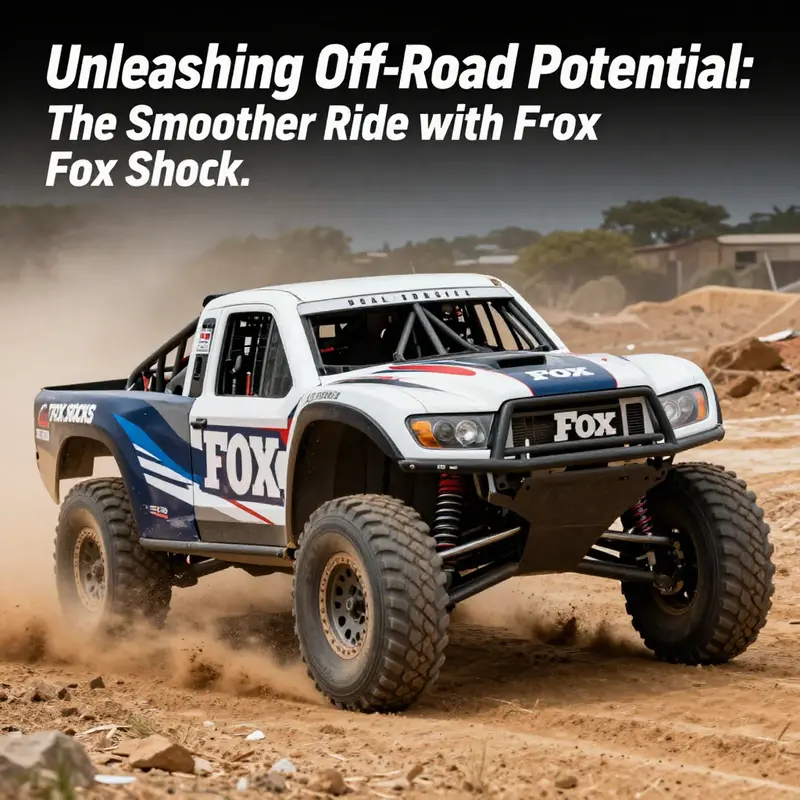
When trucks trade pavement for rocks, ruts, and desert whoops, suspension becomes the most important interface between driver and terrain. High-performance shocks emerging from competitive racing environments have been engineered to control unforgiving inputs. They tame impacts, manage body motion, and keep tires planted where traction matters most. That combination changes what a driver feels and how the truck behaves, and the results from riders and racers provide the clearest proof.
Competitors at every level point to two consistent benefits. First, improved damping control reduces violent, unpredictable motions. Second, better wheel articulation and tuned spring rates maintain contact with uneven ground. Those two effects together shrink the gap between raw horsepower and usable forward progress. In race paddocks and trailheads alike, people notice reduced fatigue, sharper handling, and faster times. These are not marketing claims. They come from timed runs, lap comparisons, and direct feedback from those who push the limits.
In a series of event-focused studies, adaptive suspension solutions showed measurable gains. One analysis of enduro events compared riders using adaptive damping against those on conventional shocks. On average, adaptive setups produced a near five percent speed improvement through technical sections. That margin is meaningful when split seconds determine podium position. The same study recorded a large drop in perceived fatigue. Riders reported being nearly forty percent less exhausted after demanding stages when assisted by an adaptive system. Those two outcomes—faster pace and lower fatigue—explain why competitive riders prioritize advanced damping technology.
Race-proven hardware has several technical characteristics that explain these gains, and those translate directly to off-road truck use. First, precision damping separates compression and rebound control into finely tuned stages. Short, rapid hits are absorbed without upsetting the chassis, while larger, sustained impacts are contained so the truck recovers predictably. Second, longer travel and optimized valving allow the wheel to follow terrain contours, preserving traction. Third, when electronic or adaptive elements are added, the system can alter damping rates on the fly. That responsiveness is especially valuable in mixed terrain where the suspension must react to a rock garden and then a fast desert section moments later.
Testimonials from professionals and serious amateurs highlight how those design choices change the ride. Racers describe being able to commit to lines they previously avoided. They report a consistent sense of control at speed, which lets them carry momentum through rough patches. In longer events, reduced vibration and shock transmission to the body result in less rider or driver fatigue. For drivers of trucks, that means clearer decision-making late in the day and safer, more confident handling when conditions deteriorate.
Case studies from multisurface events help connect racing lessons to consumer trucks. In desert rallies and rock-crawling competitions, teams that invest in high-spec shock packages often show improved obstacle mitigation and tire contact. Better traction reduces wheel spin, which lowers the risk of getting stuck and reduces strain on the drivetrain. In rock-laden courses, upgraded shocks with tuned spring rates keep the vehicle balanced and prevent sudden weight shifts that can otherwise unsettle the truck and lead to rollovers. Across these scenarios, the underlying benefit is the same: suspension that reacts predictably lets drivers focus on terrain reading and speed, rather than compensating for unpredictable vehicle motion.
Translating race-level performance to everyday trail use involves matching components to the vehicle’s intended use. Adjustable damping and customizable spring rates allow owners to dial in a balance between compliance and control. For someone tackling technical rock runs, a softer initial travel with strong bottoming resistance works well. For high-speed desert runs, stiffer mid-stroke damping and long travel prevent harsh bottom-outs while preserving stability. That freedom to tune is why many off-roaders see a dramatic difference after upgrading suspension components. The truck no longer simply survives the trail. It performs, and that change affects comfort, capability, and safety.
Durability is another practical consideration. Racing places equipment under extreme stress, which exposes weak points quickly. Components built for that environment are engineered to last through repeated high-energy impacts. For truck owners, the payoff is fewer service interventions and greater confidence on remote routes. Riders frequently cite the longevity of racing-derived parts as a reason to invest. They want gear that stands up to repeated abuse without a rapid decline in performance.
Measured performance and anecdotal experiences converge in an important way: better suspension reduces secondary wear and tear. When shocks control motion effectively, tires wear more evenly. Driveline lash, bushings, and even body mounts experience less abrupt loading. Owners who fit higher-quality shock assemblies often report fewer alignment issues and a slower progression of rattles and creaks that can plague off-road trucks. Those indirect benefits compound over time, enhancing the overall ownership experience.
Real-world stories illuminate how these dynamics play out on specific runs. In one off-road endurance event, a team that switched to a competition-grade shock package mid-season reported a clear margin of improvement. Their lap times improved in technical sectors, and the number of mechanical issues declined. The drivers noted they could push harder on the same lines they had used before. In another account from long-distance desert racing, crews credited advanced damping with preserving mechanical components over prolonged rough stretches. Reduced shock transmission meant less component fatigue and fewer mid-race repairs.
Consumer-level riders echo those findings. Trail regulars who upgraded to performance shocks describe a subtle but persistent change in how their truck behaves. Impacts feel less violent. Cornering is flatter and more predictable. The truck tracks the trail instead of reacting to it. The cumulative effect is a ride that feels both smoother and more controlled. That sensation matters not just for comfort. It shapes driver confidence and decision-making on difficult terrain.
There are trade-offs to consider. Any suspension upgrade must be thoughtfully integrated with the vehicle’s overall setup. Increased wheel travel can affect geometry and steering behavior. Stiffer springs can transmit more vibration to the cabin at lower speeds. Remote reservoirs and larger shocks can complicate installation in tight engine bays. Proper tuning by a knowledgeable technician helps balance those compromises. When set up correctly, the performance advantages far outweigh the downsides.
The economics are pragmatic. High-performance shock systems cost more than basic replacements. Yet many owners find the investment justified by improved capability, reduced downtime, and a longer service life. Riders who take long trips or who regularly push the vehicle hard gain the most value. For weekend trail riders focused on comfort and control, a well-tuned upgrade transforms the driving experience enough to offset the price for many.
For those who want to explore the technical side, there are resources that break down installation and tuning processes step by step. Owners can learn how to match spring rates to payload, how to set sag for optimal travel, and how to adjust damping for different terrain. That knowledge empowers drivers to tailor their suspension to their needs. A useful guide that covers those topics in depth is available for those interested in improving mechanical skills and setup methods: Mastering diesel mechanics: a step-by-step path to success.
Empirical data and firsthand accounts consistently show that competition-derived shock technology improves off-road ride quality. The key mechanisms are controlled damping, enhanced wheel contact, and tunability. Those elements reduce fatigue, increase traction, and raise average speeds through rough sections. Whether you race, adventure, or weekend trail, the practical difference is the same: a calmer chassis, better grip, and a more predictable truck.
For readers seeking the primary source and further manufacturer detail, consult the original equipment site for technical specifications and lineage. The manufacturer site linked below provides deeper context on the evolution and application of these suspension technologies: https://www.foxracingshox.com
Final thoughts
In the world of off-roading, comfort and control are not just luxuries; they are necessities. Fox Shocks provide advanced technology and nuanced performance adjustments that yield dramatic improvements in ride quality. Whether navigating rough trails, racing through harsh conditions, or simply enhancing daily driveability, investing in Fox Shocks is not merely an upgrade—it’s a commitment to superior off-road experiences. As countless users have attested, the difference is profound, and embracing Fox Shocks could just be your ticket to conquering the wildest terrains with confidence.