

Keeping your off-road truck in peak condition requires more than just a trip through the car wash; it demands a dedicated approach to washing that respects the rugged design and challenges of off-road tires. For off-road enthusiasts, adventurers, and participants in off-road racing, understanding the nuances of washing trucks with specialized tires becomes essential, especially after tackling demanding trails or rough terrains. The following chapters will guide you through every step: from preparation and effective pre-rinsing techniques to targeted cleaning methods and the final rinse with essential post-clean maintenance. Prepare to unleash your truck’s cleanest potential and ride with pride!
Setting the Stage for a Flawless Off-Road Truck Wash: Essential Preparations for Success
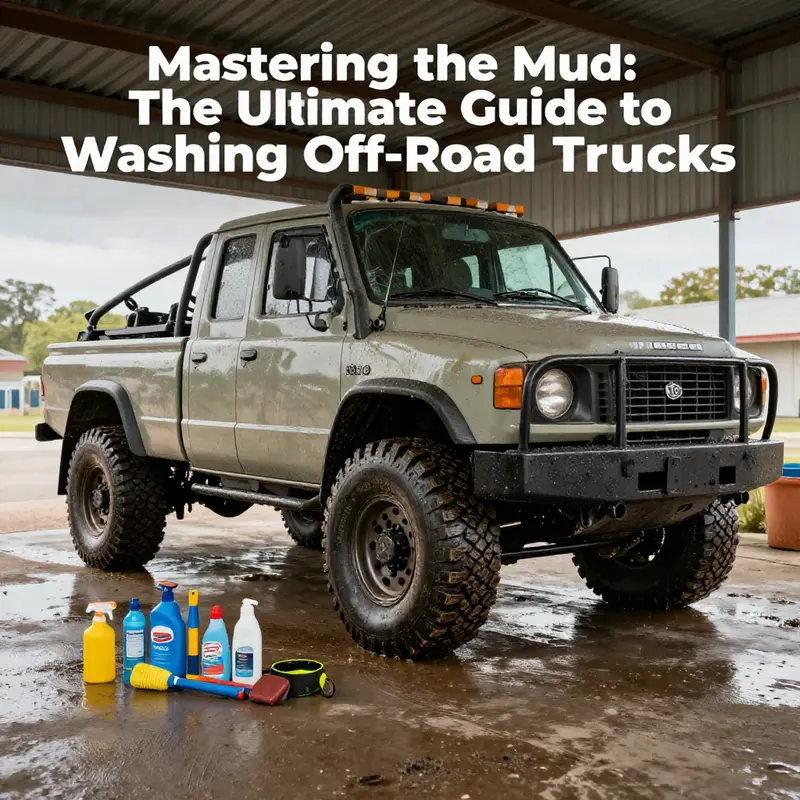
Preparing to wash a truck equipped with off-road tires demands a level of care and thoughtfulness that reflects the ruggedness of the vehicle and the challenges posed by deep tread patterns and hardened layers of mud and grime. In this chapter we explore a comprehensive preparation process that ensures safety, preserves tire integrity, and lays the groundwork for a thorough cleaning session. Every step, from selecting the optimal location to choosing the right tools and cleaning agents, plays a critical role in protecting your truck’s performance and aesthetic appeal.
It is important to remember that a truck which has seen extensive off-road use carries the marks of nature’s relentless force. The off-road tires, with their deep grooves and abrasive surfaces, are designed for traction rather than convenience; they often harbor stubborn debris that can be abrasive when the wrong cleaning method is used. Thus, the preparation phase is not merely a checklist but a detailed strategy that ensures every element is considered to prevent inadvertent damage. With a methodical approach, you set the truck up for a cleaning process that is as methodical as it is efficient.
The first step in your preparation is to choose the ideal time and location for washing the truck. It is imperative that the vehicle is parked on a flat, stable surface in a shaded area. Direct sunlight can lead to premature drying of cleaning solutions and can leave unsightly water spots or streaks. When the truck is cooled down from its recent off-road excursion—a condition that might leave the tires and metal surfaces hot—the cleaning agents work more effectively and bond with the surface without the risk of instant evaporation. The cooling period is essential as high temperatures can alter the chemical reactions of even the most carefully selected cleaning chemicals and can damage the rubber compounds that make up your off-road tires.
Once the truck is parked in a secure, flat, and shaded location, the next foundation of preparation involves gathering and organizing all the necessary tools and cleaning products. Having all your implements within arm’s reach is crucial for a smooth process; this includes a long-handled brush with stiff bristles designed to reach deep into the tire treads, a softer sponge or brush for general vehicle surfaces, and a high-pressure washer that is moderated enough to avoid forcing water into sensitive wheel bearings and seals. Additional items such as buckets filled with clean water, a dedicated off-road tire cleaner, heavy-duty degreasers, and a wheel cleaner formulated for delicate wheel finishes should be laid out beforehand. By ensuring that each tool is specifically chosen to match the demands of off-road dirt and debris, you help prevent situations where suboptimal performance might lead to scratches or other surface damage. The emphasis is on distinction: always keep the brushes and cleaning implements used for the tires and off-road components separate from those employed on the truck’s bodywork. This segregation prevents cross-contamination, which can lead to inadvertent scratches or chemical reactions that might harm the vehicle’s delicate finishes.
In many respects, this stage of preparation is as much about safeguarding the integrity of your truck as it is about creating a workflow that protects both the vehicle and the cleaning tools. Meticulous attention to the condition of each cleaning implement is paramount. For instance, a long-handled brush not only helps in reaching the inner recesses of the tire treads but also minimizes the need for awkward maneuvers that could lead to accidental damage to the tire sidewalls. Similarly, using a soft-bristle brush for the rims and polished surfaces ensures that the cleaning process is gentle yet effective. It is noteworthy that accumulating the appropriate cleaning chemicals calls for caution because many household detergents, such as conventional dish soap, are not designed to break down the robust grime common on off-road vehicles. Instead, selecting products with pH-neutral characteristics or those specifically developed for heavy-duty off-road cleaning is advised. These products are intense enough to cut through oil, tar, and embedded dirt, yet they do not strip away protective coatings or prematurely age the rubber compounds of the tires.
Before any cleaning action begins, it is highly recommended to conduct a detailed pre-rinse of the truck. This step, while seemingly routine, holds substantial importance in loosening the accumulated debris. A controlled, gentle pre-rinse using a low-pressure hose or a moderate high-pressure setting is key for dislodging loose layers of mud, sand, and small stones from critical areas such as the tire grooves, wheel wells, and undercarriage. The pre-rinse not only mitigates the risk of scratching during subsequent scrubbing by lifting away abrasive particles but also preserves the longevity of your cleaning brushes by preventing them from undergoing excessive wear. In particular, paying attention to the tire sidewalls and the wheel hubs where stubborn, embedded particles reside can make a significant difference in the overall effectiveness of the cleaning process.
After the initial rinsing, the careful selection of cleaning products becomes a deciding factor in ensuring a successful wash. Many off-road enthusiasts have discovered that using cleaners not formulated for the specific demands of off-road tires can lead to unwanted chemical reactions that degrade the tire material over time. Thus, using an off-road-specific tire cleaner that is engineered to break down deep-seated grime on rubber surfaces is recommended. These specialized agents are generally designed to sit for a couple of minutes to allow the active ingredients to work into the pores and grooves of the tire. As you apply the cleaner, using a long-handled stiff-bristled brush to gently agitate the product ensures that areas that might have accumulated a significant amount of oil, tar, or asphalt residues are adequately treated. It is critical at this stage to exercise caution by rotating the tire or even slightly lifting the rear tires with a jack if needed; such maneuvers help in exposing all facets of the tire to the cleaning action, thus ensuring a comprehensive treatment.
It is during the cleaning action that the benefits of thorough preparation begin to manifest. Without having taken the time to let the vehicle cool down and without having assembled an array of specialized cleaning tools, you might find that the cleaning chemicals evaporate too quickly or that the stubborn dirt is not fully dislodged from the intricate tread patterns. When the cleaning products are given time to dwell on the surface, they work more effectively, and you can witness a significant transformation from grimy and heavily soiled tires to one that appears revitalized and free of the residue that can compromise both safety and appearance. There is also an opportunity at this juncture to inspect the tires and wheels for any signs of damage. Looking carefully at the tire for any punctures, cuts, cracks, or embedded stones not only informs you about the current state of the tires but also serves as a preventive check. Identifying potential issues before they escalate is a key component of overall vehicle maintenance, and it aligns with broader best practices in fleet management. In fact, a small measure of due diligence during the preparation stage can lead to significant cost savings and performance improvements later. For those intent on maintaining an operational philosophy that values diligent upkeep, it is worthwhile to explore further insights on these practices. You can learn more about such strategies from articles on fleet management best practices, which emphasize the importance of preventive inspections and robust maintenance routines.
The organization of cleaning tools during the preparation stage is another facet that cannot be overlooked. Keeping separate sets of brushes, sponges, and cleaning rags dedicated solely to the tires versus those used on the body helps maintain the integrity of each cleaning task. Mixing cleaning tools can inadvertently transport grit and other abrasive particles to surfaces that are more susceptible to scratching, such as freshly painted bodywork and alloy wheels. Therefore, having a well-planned layout of your cleaning station with designated zones for tires, wheels, and body panels ensures that each area receives the attention it requires without cross-contamination. Each tool is carefully chosen not only for its effectiveness but also for its ability to preserve the delicate balance between removing grime and avoiding surface abrasion.
Once all tools and cleaning products are gathered and the environment is set, a step that is sometimes overlooked is the careful positioning and stabilization of the truck itself. This may involve engaging the parking brake firmly, ensuring that the truck will remain stationary through even the highest pressure water applications. Such attention to the stability of the truck can reduce risks, especially when applying a high-pressure rinse that could otherwise cause errant sprays or accidental impacts. With the truck secured and all safety precautions observed, you set the stage for a cleaning process that is seamless, efficient, and most importantly, safe.
Maintaining focus on the individual components of your truck during the preparation phase also has long-term benefits. The tires, which serve as the only point of contact between the truck and rugged terrain, deserve special attention. Because of their intricate tread patterns and the accumulation of natural debris such as dirt, mud, and small rocks, they require a preparation that not only cleans but also preserves their structural integrity. Allowing the tires to cool, carefully brushing out the debris, and ensuring that no harsh chemicals are in contact with the rubber contribute to preserving their performance during future off-road endeavors. In this context, the preparation phase becomes an act of both cleaning and caretaking—a preventive measure that protects the longevity of the tires while enhancing the overall appearance of the vehicle.
During these detailed preparations, one must also keep in mind the importance of time management. Spending extra moments to carefully review the condition of each tire before washing can prevent potential hazards later on. In some cases, off-road adventures may result in embedded stones or cracks that, if not handled properly, could worsen after a vigorous cleaning process. Inspecting the tires and confirming that all lug nuts and bolts are secure before proceeding is a small but critical step. This precaution helps assure that the tires are properly seated, and it prevents the possibility of vibrational loosening while on the road. The process of pre-washing inspection, followed by a methodical application of the cleaning agents, creates a system that is both preventive and remedial, addressing any potential issues before they manifest into serious problems.
The careful selection of cleaning products during the preparation stage cannot be emphasized enough. Many commercially available cleaners can be too harsh when used on off-road vehicles, damaging the protective coatings on tires or altering the rubber’s intended elasticity. It is wise to opt for pH-neutral or specially formulated heavy-duty degreasers that are designed for the type of dirt encountered on off-road excursions. Allowing these products to sit for several minutes gives their active ingredients time to break down grease, grime, and even stubborn tar deposits. This careful waiting period ensures that when you begin the physical act of scrubbing, the contaminants are more readily dislodged from the deep grooves of the tires and the small crevices around the wheel arches.
Beyond the mechanical steps of rinsing and scrubbing, a central tenet of the preparation process is the mindset of care. An off-road truck is not merely a piece of machinery, but a trusted companion that journeys through harsh environments and testing conditions. Recognizing the intimate relationship between vehicle performance and proper maintenance helps underscore the value of a deliberate, systematic approach to cleaning. Every moment spent on ensuring that the truck is ready for washing is an investment in its long-term performance. This approach not only extends the life of the tires and the vehicle itself but also contributes to overall safety when the truck is back on the road for its next adventure.
In addition to the routine steps of parking, cooling, tool gathering, and pre-rinsing, an effective preparation process accounts for subtle yet significant details. For instance, consider the importance of setting aside a dedicated work area that minimizes the risk of accidental damage by stray debris and abrasive surfaces. This might involve using a drop cloth to protect nearby surfaces or arranging the tools in a manner that minimizes clutter. Such thoughtful organization not only speeds up the washing process but also reinforces a disciplined approach to vehicle care.
Throughout this preparation narrative, it is clear that nothing should be left to chance. The care taken in each step—from cooling the truck to the deliberate setup of cleaning zones—reflects a broader philosophy of respect for the machine. The off-road truck, with its robust construction and rugged persona, deserves a cleaning process that is equally robust in its attention to detail. In effect, preparing to wash your truck becomes a ritual in maintenance, transforming a routine chore into an opportunity for preventive care and meticulous inspection.
Moreover, as you immerse yourself in the preparatory phase, keep in mind that the success of the subsequent cleaning stages is anchored in the diligence exercised here. A well-prepared truck means fewer obstacles when it comes to scrubbing away deeply embedded dirt, a reduced risk of scratching sensitive surfaces, and a lower chance of chemical damage to delicate components. The care you invest now safeguards the truck’s performance during the daily rigors of off-road driving and contributes to a lasting visual appeal that can be admired both on and off the trail.
It is also useful to underscore that while the preparation phase might seem time-consuming, it is this very attention to detail that prevents repeated labor and the need for costly repairs in the future. When you adopt these proven practices, every rinse and every brush stroke reinforce a commitment to excellence—a philosophy shared by many who prioritize maintenance and safety. For additional insights into effective maintenance practices and preventive care strategies, you might find further reading at fleet management best practices.
As the preparatory steps come to a close, envision the truck as a canvas primed for restoration. The groundwork laid during these moments of careful planning and methodical organization sets the stage for a washing session that transforms stubborn, battle-worn surfaces into a display of rejuvenated strength. The off-road tires, now free from loose debris and carefully inspected for any hidden damage, stand ready to receive the full benefit of a deep, thorough cleaning routine that will follow. Every action taken in this preparation phase, from the selection of specialized cleaners to the precise staging of your tools, contributes to an overall process that honors the truck’s rugged nature while ensuring that it remains in peak condition for its next challenge.
Ultimately, the preparation phase for washing an off-road truck is a testament to proactive care and the deep understanding that effective cleaning is rooted in the fundamentals of proper planning. Each decision—from choosing a shaded wash spot to investing time in tool separation and product selection—translates into a cleaner, more resilient truck that can confidently handle the demands of off-road adventures. This holistic approach to preparation ensures that when you finally embark on the vigorous scrubbing and rinsing, every component of the truck is treated with the respect it deserves, culminating in a result that is both visually impressive and mechanically sound.
For those who are new to off-road maintenance, embracing these preparatory measures may initially seem elaborate. However, the rewards become apparent as you observe improvements in the longevity of your tires, the preservation of protective coatings on metal parts and bodywork, and the overall performance of the truck in subsequent escapades. In contrast to a haphazard wash that risks damage and short-lived results, a well-prepared wash promises a level of clean that not only enhances appearance but also contributes to the durability of the vehicle over time.
In summary, the preparatory stage of washing an off-road truck is an essential and comprehensive process that touches on every aspect of vehicle care. By ensuring that the truck is parked safely on a flat, shaded surface, that it has been allowed sufficient time to cool, and that all specialized tools and cleaning products are methodically organized, you lay a robust foundation for an effective cleaning routine. This phase, which requires discipline and meticulous attention to detail, serves as the backbone of a wash that rejuvenates your truck and protects its integrity against future challenges.
For further details and trusted guidance on proper tire care and overall vehicle maintenance, consider exploring additional resources such as the insights provided by the Rubber Manufacturers Association at RMA Tire Care and Maintenance. This external resource offers a wealth of knowledge that can further enhance your approach to off-road truck washing and maintenance.
By following the detailed steps outlined in this chapter, you embrace a philosophy of precision and care that not only addresses the immediate need for cleanliness but also champions long-term vehicle performance and safety. The diligent preparation process described here exemplifies how thoughtful measures can transform a routine cleaning task into an exercise of true automotive stewardship, ensuring that your off-road truck remains as rugged and reliable as the adventures it is built to conquer.
Pre-Rinse Perfection: Mastering the Essential First Step for Off-Road Truck Tire Care
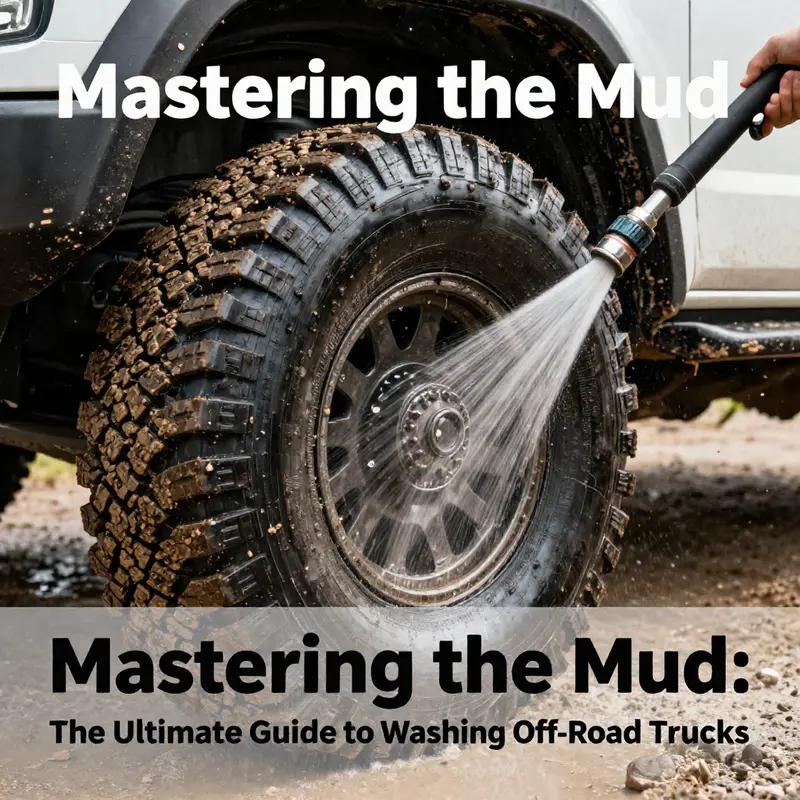
A meticulous pre-rinse is the cornerstone of any effective cleaning routine for off-road trucks. The rugged conditions these vehicles often face mean that their tires and surrounding surfaces accumulate layers of mud, dirt, brake dust, and other stubborn debris. When temperatures rise and tar-solidified grime sits on a cooling truck, a strategic, well-executed pre-rinse can be the difference between a surface merely masked by cleaning agents and one that is genuinely purified of all contaminants before any specialized products are applied.
Before one even thinks of applying any detergent or degreaser, adopting a thoughtful approach to pre-rinsing is essential. The process begins by ensuring that the truck and its tires are completely cooled after use. An overheated truck not only causes cleaning products to evaporate too rapidly, but can also lead to unexpected streaks or permanent damage. It is best to wait several minutes after a long, rugged trail to let both the metal and tire surfaces return to ambient temperature.
The optimal location for this initial rinse is equally important. Parking the truck in a shaded, level area prevents the sun from accelerating chemical reactions and drying out water droplets too quickly on the surface. When sunlight is harsh, water spots and uneven cleaning can occur, which then require additional wiping or even a second round of rinsing to correct. A well-planned pre-rinse session is not about hastily spraying water; it is about conditioning each area of the truck for subsequent deep cleaning. Using a garden hose equipped with a spray nozzle or a medium-pressure pressure washer, the process begins with a generous flood of water that removes loose dirt and particles. This step is particularly crucial for off-road tires, whose deep treads are prone to trapping gritty particles.
The secret behind a successful pre-rinse is attention to detail. Starting from the top of the tire and working downward ensures that water runs over every part of the tire’s surface, carrying away accumulated particles in its steady flow. The area where the tire meets the wheel rim is especially critical because it is a common repository for brake dust and residual mud. In these spots, the water must be allowed to move freely, gently lifting out debris without forcing any gritty particles further into crevices. This natural water flow is not only effective but also minimizes the risk of inadvertently embedding the dirt even deeper into the tire’s surface. The strategy here is simple: allow the water to do the heavy lifting.
A well-timed, deliberate pre-rinse supports the efficiency of the cleaning agents that are used later in the process. When the pre-rinse is performed correctly, the chemicals have direct contact with dirt and grime without interference by large, stubborn chunks. This means that the degreasers and tire-specific cleaning agents can work optimally, creating an even cleaner and more thoroughly prepared surface for scrubbing. In a sense, the pre-rinse preps the canvas for the rest of the cleaning ritual, making every subsequent step not only easier but also more effective.
While the concept behind a pre-rinse appears simple on the surface, it demands precision and consistency. Utilizing the appropriate equipment can make all the difference. A hose with an adjustable nozzle that allows for various water pressures gives the operator the flexibility to adapt to different parts of the truck. In areas where dirt is densely concentrated, a higher-pressure setting may be warranted; however, caution must be exercised to avoid damaging delicate components such as wheel seals, suspension joints, or electrical connections. In these situations, a gentler, more controlled stream of water is ideal. It is a balancing act: on the one hand, enough force must be applied to break up and wash away stubborn debris; on the other hand, too much pressure might dislodge seals or damage sensitive parts.
For intensely muddy or gritty conditions, some truck owners may opt for a power washer. It is crucial, however, to use the power washer conservatively. A medium-pressure setting is advisable, ensuring that while the water is effective at dislodging grime, it does not harm the tire’s integrity or force water into areas best avoided. The physical act of spraying, if done correctly, dislodges layers of sediment that have adhered to both the tire and the wheel well. In some cases, the nature of off-road adventures means that the pre-rinse must be repeated a couple of times until the surface shows noticeable signs of cleanliness. Patience is a virtue in these circumstances; by allowing the water to naturally wash away accumulated substances, rather than aggressively scrubbing by mechanical force alone, the operator safeguards the life and appearance of the tires and other truck components.
A subtle yet critical element of this process is the mindful observation of water flow and the visual cleanliness of the surfaces. Periodically stepping back to assess the level of dirt remaining encourages adjustments in technique. One might notice that while one side of a tire appears clear, stubborn residues still cling to areas near the wheel arch or under the fender. This is common and can be remedied by deliberately aiming the water stream at these spots. Consider the pre-rinse not as a one-time rinse, but rather as an iterative step that assesses and reacts to the needs of different sections of the truck. This step-by-step diligence is what sets apart a thorough cleaning session from a rushed, superficial one.
Time and again, experts have emphasized that many of the post-cleaning issues—such as scratch marks or residual spots on the truck’s bodywork—are a direct consequence of neglecting this preliminary step. By removing the coarse, abrasive particles early on, the risk of scratching delicate surfaces during the scrubbing phase is minimized considerably. In many respects, a careful pre-rinse acts as a buffer. It ensures that any subsequent use of cleaning tools, brushes, or chemicals only encounters softened dirt and grime, rather than hardened, abrasive debris that can harm the truck’s finish.
Another aspect worth noting is the environmental conditions under which the pre-rinse should be performed. Ambient temperature and humidity can have subtle effects on cleaning outcomes. For instance, on particularly hot days, even a pre-rinse might need to be executed with some modifications. Water in extremely high temperatures tends to evaporate rapidly, which makes it harder for the water to mobilize grime effectively. Thus, timing and conditions should be considered carefully. In cooler environments, water retains its form long enough to carry away dissolved contaminants effectively, while also minimizing the risk of chemical reactions occurring prematurely if cleaning agents are applied too soon. Overall, this means that even the simple act of pre-rinsing is steeped in considerations regarding temperature, pressure, and the inherent properties of water as a cleaning medium.
The pre-rinse phase also lays the foundation for safe cleaning practices. Off-road trucks are built to withstand rugged use, yet they are not impervious to the cumulative wear and tear that can result from harsh cleaning procedures. Using a controlled water flow and paying heed to the specific needs of different materials—rubber, metal, and alloy—is crucial to avoid any inadvertent damage. For example, high-pressure water jets directed inaccurately can force water into embedded seams or lubrication points near suspension parts, leading over time to corrosion or component failure. By maintaining a measured and consistent flow, one ensures that the pre-rinse is both effective and safe.
Incorporating smart tactics during the pre-rinse step enhances overall cleaning efficacy. Some enthusiasts advocate for the use of dedicated hose attachments that gently agitate the fluid, increasing its reach into deeper grooves of the tire. While the principle remains that moving water does most of the work, a slight increase in turbulence is known to better dislodge particulates that are otherwise stubbornly adhered. Care must be taken, however, to ensure that these attachments are compatible with the truck’s surfaces and do not introduce additional risk of abrasions or scratches.
It is also important to handle the pre-rinse as a continuous process that eventually leads into the more targeted, chemical-based cleaning. There is a seamless transition here: once the area is visibly cleaner and all the larger debris have been flushed away, the operator can begin to apply specialized cleaning agents with more confidence that these products will not have to contend with layers of adhesive dirt. The pre-rinse, in this sense, acts not just as a preparatory measure, but as an integral part of a multi-tiered cleaning methodology that values both the mechanical and chemical aspects of truck maintenance. By diligently removing the bulk of contaminants before any scrubbing begins, the final cleaning not only looks better but also preserves the longevity of the truck’s tires and bodywork.
Owners of off-road trucks understand that the harsh environmental challenges can take a toll on every component of the vehicle. Overhead, on the vast expanses of rocky trails and muddy tracks, debris and contaminants never sleep. The repeated cycle of adventure followed by necessary cleaning means that consistent, routine pre-rinse practices become a critical component of truck upkeep. In a way, the pre-rinse is a ritual—a cherished part of the maintenance process that reassures the owner that every effort is being made to protect a substantial investment.
When discussing truck maintenance, it is worth drawing parallels with other aspects of vehicle care, such as regular mechanical inspections and timely repairs. Just as scheduled maintenance prevents major failures and extends the life of an engine, a thorough pre-rinse protects the truck’s finish and the durability of its tires over the long term. This practice also underscores the broader concept of proactive care. For example, a truck that is consistently cleaned with attention to every minute detail is less likely to suffer from hidden corrosion, premature tire wear, or irreversible surface damage. Consequentially, investing time in the pre-rinse is, in many respects, an investment in the truck’s future performance and reliability. It is a principle that extends beyond off-road maintenance, resonating with broader themes of caution, precision, and respect for high-performance machinery.
Beyond personal care, regular adherence to a proper pre-rinse routine contributes positively to overall fleet management. Many professional drivers and fleet operators have found that reducing the amount of residual mud and grime after each excursion not only enhances the aesthetic appeal of the vehicles but also ensures that mechanical inspections are more straightforward. In such cases, fleet managers advocate for a cleaning regimen that starts with a thoughtful pre-rinse, ensuring that technicians have a clear view of any potential damage or wear that might not be visible when the vehicle is saturated with debris. For those responsible for larger fleets, adopting these best practices can lead to improved operational efficiency, fewer breakdowns, and ultimately enhanced safety on the roads. In fact, for anyone involved in vehicle fleet management, considering additional insights on effective maintenance routines can be beneficial. For further perspectives on long-term vehicle care, check out this guide on fleet management success.
Once the truck has been pre-rinsed and the water has removed gritted residues, the transformation is often immediately evident. Dirt that once seemed cemented into the tire treads is dislodged, and the once cloudy outlines of the wheels become clear and receptive to deeper cleaning agents. The efficiency of the pre-rinse process signifies one of the simplest yet most effective measures available to avid off-roaders — a single fluid step that makes all subsequent steps markedly less laborious and more thorough.
The considerations involved are many, but at their core lies a simple truth: never underestimate the power of water when it is harnessed correctly. The water stream, when used judiciously, is a potent agent capable of dissolving and carrying away layers of built-up grime. This not only refreshes the truck’s appearance but also sets up a clean slate upon which other, more specific cleaning tasks can build. A careful pre-rinse minimizes the risk of accidentally driving embedded particles into delicate surfaces when scrubbing begins, thereby preserving both the aesthetic and functional integrity of the truck.
Lastly, advanced pre-rinse techniques also extend to the careful management of water itself. In an era where water conservation is becoming as important as the cleaning process itself, smart pre-rinse methods can also be environmentally friendly. By using a controlled, directed flow of water instead of a continuous, unfocused spray, truck owners can efficiently utilize their water supply while ensuring maximum debris removal. These responsible practices not only reflect a respect for the environment but also underscore a commitment to best practices in truck maintenance.
The art of an effective pre-rinse is, in many ways, the beginning of a larger narrative of care that goes into maintaining an off-road truck. When regarded as more than just a quick rinse with a hose, it stands as testimony to the level of detail and commitment that dedicated truck owners are willing to invest. Each drop of water used in the process serves a dual role: it cleans and protects. Professionals and enthusiasts alike recognize that setting aside extra time for this phase can have lasting benefits, both in aesthetics and in the longevity of the truck’s operational effectiveness.
For those looking to dive deeper into the nuances of truck care, there are numerous external resources worth exploring. One such resource is an excellent article that offers further insight into every aspect of wheel and tire cleaning. It is a useful complement to the pre-rinse techniques described here, ensuring that both newcomers and seasoned off-roaders understand the intricacies and benefits of a well-executed cleaning routine. To learn more about these detailed procedures, consider visiting How to Clean Your Wheels and Tires.
In conclusion, a well-planned and executed pre-rinse is indispensable when it comes to off-road truck maintenance. It is the unsung hero that sets the stage for deep cleaning, safeguards sensitive components, and contributes to the overall longevity of your truck. The care you take in this initial phase is reflected in the ease and effectiveness with which the subsequent steps are performed. Whether you are a seasoned off-roader or simply a dedicated truck owner, aligning your cleaning practices with these pre-rinse techniques will invariably lead to a cleaner, safer, and more visually striking vehicle. In the grand scheme of truck maintenance, there is no step more important than ensuring that every particle of mud and grit is gently and efficiently washed away before the more intensive cleaning begins.
Revitalizing Tough Terrain: Mastering the Deep Clean of Off-Road Tires and Wheels
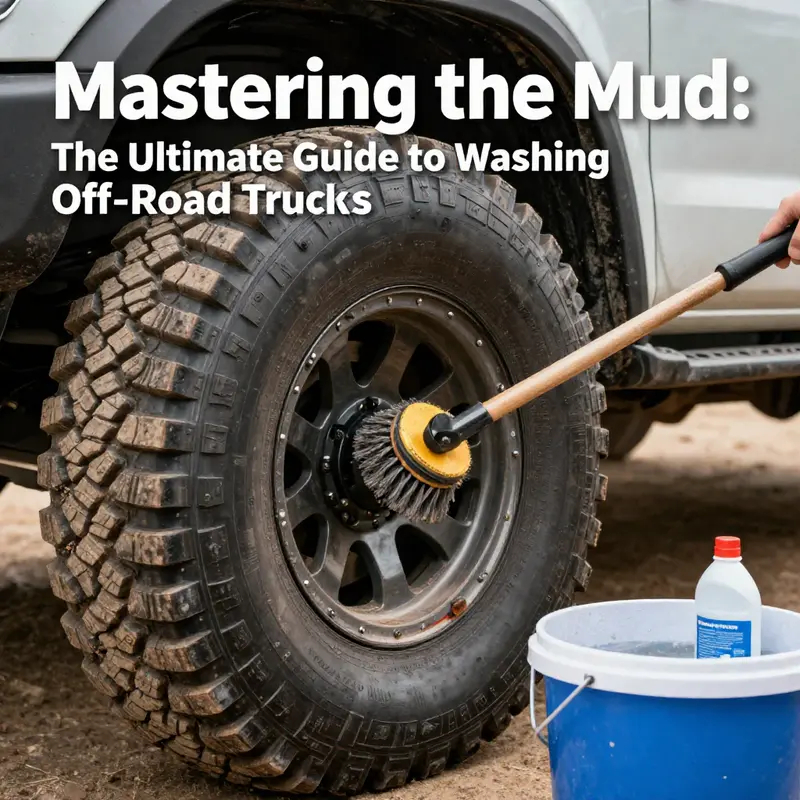
When your truck has tackled rugged landscapes and challenging trails, it carries more than just the marks of adventure—it bears the accumulated residue of mud, dust, stone fragments, and heavy grease that can threaten its performance and longevity. Washing an off-road truck, particularly one with specialized tires and wheels engineered for strenuous terrains, is not just a cosmetic task but a vital maintenance activity. The process is an art that requires patience, the right tools, and precise techniques. In this comprehensive narrative, we delve into the practices that ensure every crevice—from the deep treads of your off-road tires to the intricate gaps of your alloy wheels—is cleaned with care and efficiency.
Before any cleaning begins, it is essential to prepare both the vehicle and yourself; safety and effectiveness start with thoughtful planning. The truck must be parked in a level, shaded area to avoid the detrimental effects of the sun’s heat, which can cause cleaning chemicals to react too quickly, leaving streaks or worse, inadvertently damage delicate parts of your truck. Once the truck has cooled, gather your necessary tools: a high-pressure hose equipped with a fan-tip nozzle, long-handled stiff-bristle brushes that can reach the deepest grooves in the tires, soft-bristle brushes ideal for delicate finishes on rims, and heavy-duty degreasers formulated specifically for off-road conditions. An initial visual inspection should be performed to identify spots with significant buildup of mud or debris, allowing you to focus on those areas with special instruments such as tire irons or plastic scrapers for removing larger chunks before the washing process begins.
Setting up the right environment is a critical preliminary step. The climate and time of day should be considered as moisture left on the truck’s surfaces can cause unwanted corrosion if not managed properly. Turn off the engine and ensure that all mechanical systems are safely disengaged. This preparation phase, although seemingly mundane, is crucial because it sets the stage for a more thorough cleaning process without risking damage to temperature-sensitive components like rubber seals, bearings, or electronic sensors. Moreover, careful handling during the pre-cleaning stage minimizes the risk of accidentally scratching or chipping surfaces when you tackle the stubborn grime that has settled in normally inaccessible areas.
With the truck ready, the cleaning process often begins with a pre-rinse using a garden hose or a low-pressure water stream. This gentle step helps to dislodge loose mud and grit from the exterior surfaces of tires, wheel wells, undercarriage, and fenders. The aim is to soften the hardened residues, paving the way for a deep clean. High-pressure water, when used correctly, is invaluable. However, caution is paramount; using a pressure level that is too intense or misdirecting the high-pressure stream can force water into seals, bearings, or even into sensitive joints—an oversight that might cause costly damage over time. The goal is to work from the top of the truck downwards, ensuring a methodical removal of debris while also preventing water from draining into unwanted areas.
After the initial pre-rinse, the focus shifts to addressing the more stubborn layers of grime and embedded debris that cling to the tires and wheels. Off-road tires, with their aggressive tread patterns and robust sidewalls, often accumulate heavy deposits of tar, grease, and rock residue after extended periods of off-road operation. For this, off-road-specific tire cleaners and heavy-duty degreasers become your best allies. These products are designed to break down substances such as oil and tar without adversely affecting the rubber compounds. Apply the cleaner generously along the tire’s sidewalls and deep into the treads. It is wise to allow the cleaner a dwell time—typically between three to five minutes—to penetrate and loosen even the most stubborn deposits.
The application of the cleaning agent must be followed by a methodical scrubbing process. A long-handled brush with stiff bristles is indispensable here, as it facilitates reaching into the deep grooves of the tire treads and dislodges ingrained contaminants. For trucks with front tires that display significant build-up, rotating the steering wheel can provide better access to the inner curves, ensuring that all surfaces are evenly treated. Rear tires, often burdened with additional debris from off-road conditions, may require even more attention. Sometimes, lifting the rear of the truck slightly is beneficial, allowing you to rotate the wheels and achieve a thorough cleaning on both sides. For areas affected by persistent tar or asphalt stains, applying a dedicated tar remover and following with a gentle wiping using a cloth can make a significant difference, though one must exercise caution not to scratch or degrade the tire’s surface.
As attention turns to the wheels and rims, the cleaning process takes on additional nuances. Off-road wheels collect a unique mixture of brake dust, road salt, and even mineral deposits, all of which can lead to gradual corrosion if left unattended. The cleaning of wheels demands the use of cleaners that are pH-neutral—agents harsh enough to remove contaminants but gentle enough to maintain the finish of the wheel. Begin by pre-rinsing the wheels with water to dislodge as much surface grime as possible. Next, apply a dedicated wheel cleaner directly to the surface and allow it to break down the accumulated brake dust, which is a common byproduct of off-road braking. For crevices, special interest is needed: use soft pig hair brushes or microfiber applicator pads that can navigate the intricate spaces between the spokes and around the lug nuts without causing damage.
It is imperative to treat the entire wheel area systematically. After scrubbing with the chosen cleaning tool, a second rinse—this time with high-pressure water—helps in flushing out the loosened contaminants, working from the center of the wheel outward to ensure no cleaner residue is left behind. Some may consider this the final pass, but even here, attention must be paid to avoid excessive water pressure near sensitive parts such as the wheel hubs and bearings. Water trapped in these locations can lead to premature wear and eventual failure of these components. It is this kind of detail that separates a routine wash from a comprehensive maintenance ritual meant to secure long-term performance and safety.
Incorporating additional internal resources can enhance the overall maintenance process. For example, understanding the broader context of vehicle upkeep and mechanical maintenance can provide insights that translate to effective cleaning techniques. An in-depth discussion on maintenance practices can be found in a detailed guide on mastering diesel mechanics, which, while primarily focused on engine care, shares common principles of precision and attention to detail that are equally applicable when cleaning off-road trucks. You can read more about these practices in the article Mastering Diesel Mechanics: Your Step-by-Step Path to Success, which offers valuable perspectives on the rigorous approach required for maintaining reliable performance in heavy-duty vehicles.
As the cleaning phase nears its conclusion, the final steps of rinsing and drying play a critical role in sealing the benefits of the entire process. A thorough final rinse is not merely an aesthetic measure; it is essential in removing any traces of cleaning agents and loosened dirt that might otherwise continue to affect the surfaces of roads and wheels. Use a high-pressure stream, but always with caution—ensuring that every nook and cranny, especially those hidden in the wheel wells and undercarriage, is flushed free of residual chemicals. Immediate drying, whether achieved using microfiber towels or an air dryer, prevents water spots and minimizes the risk of corrosion. The drying process should be undertaken meticulously, as residual moisture in locations such as behind the fenders or within the deep grooves of the tire treads could lead to long-term degradation of both rubber and metal surfaces.
Once the truck is dry, post-cleaning care comes into sharper focus. Applying tire protectants or waxes is a vital step that not only enhances the aesthetic appeal of your tires but also fortifies them against the environmental challenges of prolonged off-road use. A non-slip formula, specifically designed for off-road tires, is recommended to ensure that the protective layer does not build up excessively in the tread patterns, which could compromise traction. Similarly, applying a dedicated metal protectant on alloy wheels can serve as a barrier against the accumulation of brake dust and road salt, factors that are notorious for initiating corrosion over time. This dual approach to post-cleaning care—both cosmetic and functional—bolsters overall vehicle maintenance and contributes significantly to ensuring a longer service life for both the tires and wheels.
In addition to applying protective coatings, post-cleaning checks are integral to the maintenance routine. A meticulous inspection of the tires for signs of wear or damage, such as punctures, cracks, or embedded debris like stones, is crucial. Even the most dedicated cleaning routine cannot substitute for regular inspections, which can highlight potential issues before they escalate into hazardous problems. Alongside tire inspections, it is also important to ensure that wheel bolts and lug nuts are secure and that no fittings have loosened during off-road excursions or the subsequent cleaning process. Every bolt and nut plays a role in the structural integrity of your truck, making it imperative to follow the manufacturer’s recommendations regarding torque and maintenance intervals.
The integrated routine described above is not merely an aesthetic exercise; it serves as a comprehensive maintenance system that defends your truck against the harsh realities of off-road adventures. Off-road environments are unpredictable and often unforgiving; the mud, dust, and debris absorbed during each excursion are not just superficial contaminants—they are agents of wear that can undermine the performance and longevity of critical components. Every stage of the cleaning process has been developed with these challenges in mind, ensuring that each action, from pre-rinse to post-clean inspection, contributes to the long-term reliability of your truck.
It is also worth noting that the techniques discussed here can complement broader maintenance strategies. For instance, regular evaluations of tire pressure, wheel alignment, and suspension conditions should accompany the cleaning routine. A clean truck offers a better opportunity to spot anomalies and wear patterns that may require immediate attention. Moreover, integrating these cleaning practices into your regular maintenance schedule can result in significant savings over the lifetime of your vehicle by preventing major repairs down the line.
In many ways, the process of washing a truck with off-road tires is emblematic of the challenges and triumphs inherent in off-road adventures. Just as the journey itself demands resilience and attention to detail, so too does the aftermath in ensuring that every component is preserved and protected. The emphasis on thoughtful preparation, strategic cleaning methods, and diligent post-clean care reflects a broader philosophy where meticulous maintenance is viewed not simply as a chore, but as an essential element of preserving the vehicle’s performance and safety. This philosophy is shared by enthusiasts and professionals alike, who recognize that the longevity and reliability of off-road vehicles depend as much on routine care as on their inherent design and engineering.
Every time you drive over rugged landscapes, your truck absorbs the elements—each splash of mud and each bit of debris is a testament to the adventure. A comprehensive wash routine transforms your truck from a temporary canvas of the trail into a preserved work of rugged engineering. Techniques such as using high-pressure rinses with carefully selected nozzles, applying tire-specific cleaners that are pH-balanced and non-abrasive, and making sure to use soft brushes for the delicate areas of your wheels, are all small yet critical details that, when combined, deliver long-term benefits.
Beyond the immediate benefits of cleanliness and improved aesthetics, these systematic cleaning practices contribute significantly to the safety and efficiency of your truck. Water, if allowed to seep into critical areas like wheel bearings or underbody chambers, can lead to corrosion and premature failure of components that are otherwise built to withstand harsh conditions. The careful sequential approach—from pre-cleaning to applying protective waxes—ensures that water is not trapped in these vulnerable spaces. It also prevents the deterioration of rubber seals and metal surfaces, which are essential for the overall mechanical performance of your truck.
Moreover, the routine of a deep clean fosters a closer connection between the vehicle owner and the machine itself. Regular maintenance creates an opportunity to observe minute changes in tire wear, corrosion onset, or alignment issues that might otherwise go unnoticed. This proactive engagement not only helps maintain optimal performance but also builds confidence, knowing that every part of the truck is being appropriately cared for. The rewarding feeling of seeing a thoroughly cleaned truck, with gleaming wheels and rejuvenated tires, underscores the importance of such maintenance rituals.
Thorough washing and maintenance practices have a cascading effect on the overall longevity of your truck. When the tires and wheels are properly cleaned and protected, they are far less likely to generate problems that can escalate into mechanical failures or safety hazards. Keeping the tires free of excessive mud and grit ensures they retain their designed traction and resilience on demanding surfaces. Similarly, when wheels are kept free of corrosive brake dust and other harmful residues, the risk of structural degradation is significantly reduced. Through these careful routines, you not only uphold the aesthetic value of your off-road machine but also extend its operational life and reliability.
For enthusiasts and professional off-road drivers, establishing a careful cleaning regimen is an act of respect towards the robust design of these vehicles. The very features that allow trucks to tackle extreme conditions can become liabilities if neglected after an excursion. By routinely investing the time and energy into a comprehensive cleaning process, you safeguard the intricate components that allow your truck to achieve its high performance in even the toughest conditions. In this sense, a detailed cleaning process transcends the boundaries of a mere chore—it represents the continuity of the off-road spirit, where every journey is followed by a deliberate act of restoration.
This dedication to maintenance is further validated by experts in the off-road community. Prominent resources such as 4×4 Magazine’s guide on cleaning 4×4 vehicles after a mud run underline the importance of using proper pressure levels and the right cleaning agents to avoid inadvertent damage. These external sources reinforce the notion that precision, rather than haste, should govern the cleaning process. Implementing their recommendations can mean the difference between simply cleaning your truck and truly revitalizing it for future adventures.
Ultimately, mastering the deep clean of off-road tires and wheels is a multifaceted pursuit that calls for diligence, technical precision, and an understanding of the unique challenges posed by rugged terrain. Each step—from pre-rinse to inspection—not only cleans your truck but also reinforces its resilience. When you invest in such a methodical routine, you ensure that your truck remains a reliable companion, ready to face the unpredictability of the trail day after day.
In summary, the process of cleaning an off-road truck with its specialized tires and wheels is an elaborate and vital maintenance routine. It demands careful preparation, the right selection of cleaning agents and tools, and a sequential approach that starts with soft methods and builds to more intensive cleaning and protective steps. The journey from a mud-caked rig to a shining, well-maintained off-road machine is marked by attention to detail at every phase. The benefits derived from such care extend far beyond mere appearance; they also prevent potential mechanical issues, enhance safety, and contribute to the longevity and efficiency of your truck. This commitment to rigorous maintenance is a hallmark of any seasoned off-road enthusiast who values both performance and lasting reliability.
Ensuring a Flawless Finish: The Art of the Final Rinse and Post-Clean Truck Maintenance
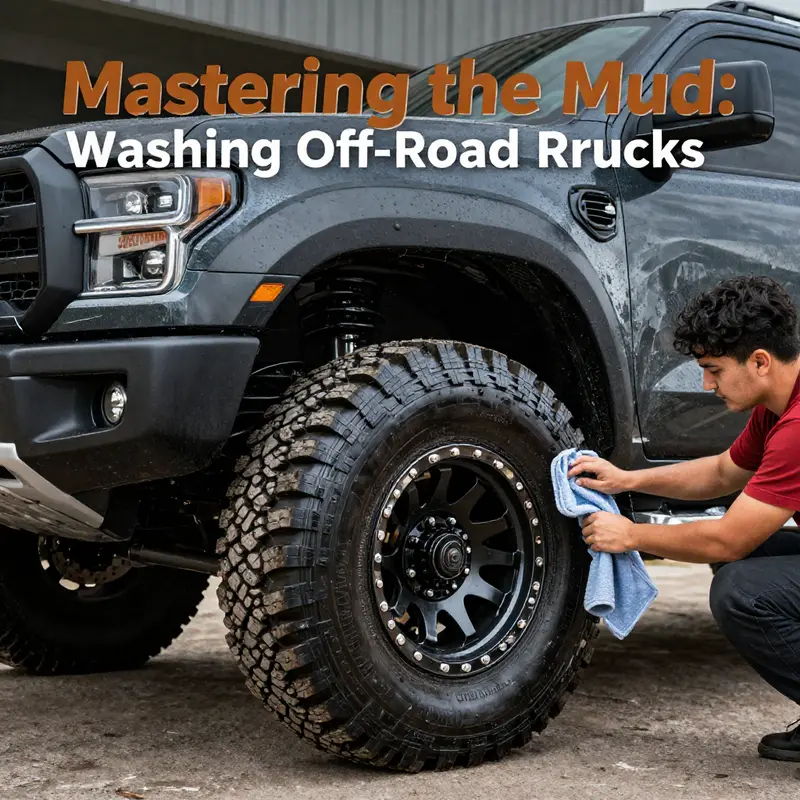
When a day of off-road adventure leaves your truck entrenched in a dynamic blend of mud, gravel, and urban grit, the final rinse and subsequent maintenance become not just tasks, but an art form in preserving both the machine’s aesthetics and functional integrity. The final rinse is more than a simple wash; it is the decisive moment when all the efforts spent on scrubbing out the grime, loosening stubborn debris, and applying specialized cleaners converge into one clear, refreshing cascade of water that lifts away every remnant of the trail. This process, along with careful post-wash inspection and upkeep, plays a critical role in ensuring that your truck remains as dependable on the next journey as when you first set out on rugged trails.
Throughout the final rinse, precision is key. Using a high-pressure hose or pressure washer, you must target all the hidden recesses of your truck. The wheel wells, undercarriage, and the crevices around the tire treads demand particular attention because these zones often harbor pockets of deeply embedded debris that can incite corrosion and impair performance over time. Equally important is the need to safeguard sensitive components. Directing a relentless stream of water at delicate electrical parts such as fuse boxes, sensor arrays, or wiring harnesses might seem like a minor oversight, yet it could lead to significant damage if water seeps into these regions. To circumvent this risk, it is advisable to employ a lower pressure setting for areas adjacent to these components or to strategically shield them with a cloth or plastic cover. By taking such precautions, you ensure that the rinse leaves behind only the clean, shiny surfaces and none of the potential hazards of moisture intrusion.
An artful rinse indeed requires you to strike a balance between the power needed to remove stubborn residues and the gentleness necessary to protect the finer details of your truck’s design. The water used must be clean and free from chemical residues to avoid any unwanted reactions with the cleaners previously applied. As you work from the top down, the water carries the dissolved grime away from the surface, leaving behind a temporary serenity of dripping water. The high-pressure rinse, when done correctly, seamlessly washes away the chemical cleaning agents along with any residual dirt that may have been clinging onto the intricate grooves of your off-road tires. It is essential during this process to maintain a steady pace, ensuring that every part of the vehicle is evenly exposed, thereby eliminating the risk of water spots or mineral deposits forming on metal and painted surfaces later.
Following the rinse, the drying phase is vital. Although it might be tempting to let the sun naturally evaporate the water, this can lead to unsightly spots and even a slight risk of corrosion in areas where moisture becomes trapped. Instead, the use of clean microfiber towels or compressed air is strongly recommended to expedite drying. Microfiber towels are particularly effective because they absorb quickly and reduce the chance of scratching the delicate surfaces during the friction of removal. It’s important to meticulously dry areas such as the wheel wells, behind the fenders, and even the corners of the engine bay where water might linger. This careful drying not only improves the aesthetic appeal but also maintains the structural resilience of each component against the long-term effects of moisture.
Beyond the rinse and drying phases, post-clean maintenance represents the culmination of a conscientious cleaning routine. At this juncture, you have an ideal opportunity to conduct a thorough inspection of the truck’s off-road tires and related components. The very same grime and embedded debris that created a challenge during the cleaning process might have also compromised the structural integrity of the tires. It is imperative to slow down and look carefully at each tire, checking not only for superficial marks but also for subtle signs of wear, tears, or deformations. Embedded stones, pieces of debris, and even a slight puncture should be promptly addressed to maintain the performance and safety of your truck on future trails. A dedicated tire brush or even a careful use of a small tool can help remove any residual particles lodged in the treads, ensuring that the tire maintains optimal contact with the road or rugged terrain.
Simultaneously, inspecting the tire pressure plays a crucial role in this post-clean phase. Off-road driving can cause temperature variations that affect tire pressure, potentially leading to minor leaks or underinflation. Consistently checking the tire pressure and inflating the tires to the manufacturer’s recommended PSI is not merely a suggestion but a necessary step for safe operation. Depending on the type of terrain – whether soft, sandy tracks or rocky, hard surfaces – adjusting the tire pressure accordingly can make a substantial difference in both driving performance and tire wear. In a way, the maintenance routine becomes an index of your commitment to both the aesthetic care and the mechanical soundness of your truck.
After addressing the mechanical and structural aspects of your tires, attention must return to the external surfaces. The lateral sidewalls of the tires, often exposed to harsh UV rays and environmental pollutants, benefit greatly from an application of a high-quality rubber protectant. The spread of this protectant should be even and thorough; it functions as a preventative measure against the drying and cracking that can reduce the lifespan of the rubber. When applying the protectant, it is usually advisable to follow the manufacturer’s guidelines and avoid over-application, which could lead to slippery surfaces. Similarly, metal components such as alloy wheels deserve particular care. A light spray of metal protectant can form a thin barrier against brake dust and prevent oxidation, thereby enhancing both the appearance and longevity of these parts. This stage of maintenance embodies the concept that thorough cleaning is not an end in itself, but rather a precursor to a longer-lasting, more resilient performance for your vehicle.
The diligence required during this maintenance phase speaks to a broader philosophy of vehicle care. Off-road trucks are more than just vehicles; they are workhorses built to endure the harshest of conditions. Just as one would not neglect regular health check-ups for optimal physical performance, consistent maintenance following an off-road excursion protects the integrity of the truck and ensures that every journey is as safe and enjoyable as the last. Neglecting these steps, on the other hand, might lead to accelerated wear, unforeseen repairs, or in worst-case scenarios, a complete breakdown at a critical moment. Hence, the ritual of the final rinse combined with meticulous post-clean inspections and maintenance serves as a pivotal juncture in the lifecycle of your truck.
Embracing this ritual, you might even consider adopting a more methodical approach. Lay out a routine checklist that covers each step from the final water rinse to the drying and subsequent protective treatments. This checklist not only serves as a reminder but also as a documented commitment to the continuous upkeep of your vehicle. Even if the day’s journey seems successful, taking the extra few minutes to verify the condition of tire treads, paying special attention to seams and edges, can save you from expensive repairs in the future. It is not uncommon for embedded stones to become invisible hazards – settled within the grooves of off-road tires – thereby affecting traction when most needed. Regular inspection, therefore, is as much about preventive care as it is about immediate maintenance.
One can draw parallels between the maintenance of an off-road truck and the careful restoration of vintage machinery. The expertise required to know when and where to use a high-pressure rinse versus a gentle pat down with microfiber towels reflects a deep familiarity with the nuances of the vehicle’s construction. Additionally, the use of specialized cleaning agents designed explicitly for the rugged conditions encountered off-road ensures that no single aspect of the truck’s functionality is compromised. Every element – from the robust sidewalls of the tires to the intricacies of the suspension and braking systems – receives tailored attention that together forms a comprehensive maintenance ecosystem. At its core, this methodical approach is about harnessing scientific understanding of materials and wear, combined with the practical experience gained after countless trails and weathered conditions.
Moreover, the mindset that comes from this careful attention to detail fosters an ongoing relationship between you and your truck. It is a recognition that the machine is an extension of your rugged lifestyle, capable of transitioning seamlessly from challenging terrains to everyday tasks if cared for with diligence. Such responsibility ensures that the truck not only remains a reliable workhorse but also continues to impress with its polished surface and unwavering performance. For those keen on understanding more intricate aspects of vehicle maintenance, there is a comprehensive guide available on mastering diesel mechanics that delves into related topics and offers additional insights on maintaining heavy-duty vehicles. For a deeper dive, you might explore the article on mastering diesel mechanics here: Mastering Diesel Mechanics: Your Step-by-Step Path to Success.
In addition to mechanical upkeep, the environment in which your truck is stored post-maintenance holds substantial significance. If possible, parking your truck in a sheltered, dry area mitigates the risk of new contaminants, such as dust, bird droppings, or even unexpected snow and rain that could corrode the freshly cleaned surfaces. A covered parking space or a well-ventilated garage can serve as an excellent incubator for maintaining the truck’s immaculate condition until its next adventure. If storing the truck in an open area is unavoidable, investing in high-quality tire covers and properly sealing off sensitive exterior areas may provide the necessary protection against environmental pollutants and UV radiation.
While the final rinse and drying might seem like the natural ends to your cleaning sequence, they actually pave the way for a crucial phase: the post-clean maintenance routine. This phase is deeply intertwined with all aspects of truck upkeep, from the prevention of premature wear on off-road tires to ensuring that metal components continue to resist oxidation. As you apply the tire protectants, you are not simply restoring a shiny finish; you are actively contributing to the truck’s longevity. Rubber deteriorates over time under the continuous assault of UV rays, ozone, and abrasive trail materials. A regularly applied protectant forms a resilient shield that preserves the elasticity of the rubber, thus preventing cracks and ensuring that the tire retains its ability to grip challenging surfaces.
Similarly, the metal parts of the truck, especially those exposed during off-road operations, benefit greatly from a dedicated protective treatment. The meticulous process of spraying a metal sealant, which is designed to repel brake dust and inhibit the onset of rust on alloy wheels, forms an essential barrier against the elements. In regions where road salt or other corrosive substances are common, this practice becomes even more vital. The seamless integration of these protective measures into your cleaning routine underscores the importance of viewing truck maintenance as a holistic process. Each paint stroke, each applied layer of protectant, and every careful inspection is an investment in the future reliability of your off-road vehicle.
There are additional benefits to consistently applying these post-clean maintenance practices. First, they help in preserving the value of the truck. A well-maintained off-road vehicle commands a higher resale value and attracts a sense of pride among owners. Secondly, regular maintenance routines encourage owners to develop a detailed understanding of their vehicle’s anatomy, potentially alerting them to issues well before they become major problems. Consider, for instance, the gradual loosening of wheel bolts or minor abrasions on the undercarriage – these might seem inconsequential on the surface, but over time they could compound into safety concerns if left unattended. Simultaneously, routine maintenance becomes a moment of reflection, allowing drivers to pinpoint any performance anomalies that might have erupted as a consequence of off-road adventures. It is a chance to reestablish the balance between robust performance and aesthetic fidelity.
In essence, the careful orchestration of the final rinse and subsequent post-clean maintenance reflects a philosophy that embraces both precision and long-term vision. Beyond ensuring that the truck looks its best, these practices are rooted in a deep respect for the engineering and craftsmanship embedded in every component of your off-road vehicle. Ultimately, this dedication translates to smoother rides, fewer unexpected breakdowns, and an enduring trust in the reliability of your truck. Such discipline, cultivated over countless journeys, is as integral to the off-road spirit as the thrill of tackling a challenging terrain itself.
To supplement your comprehensive maintenance efforts, you may also consider external resources that offer further guidance on proper off-road tire care. One valuable resource is the guide on maintaining off-road tires available at Autocar. This external reference provides detailed inspection techniques, cleaning tips, and preventive strategies to ensure that every aspect of your truck’s performance remains finely tuned: Autocar – How to Maintain Off-Road Tires.
Every step in the final rinse and maintenance process speaks to a deeper commitment to your truck’s longevity. The care you extend to your vehicle today not only enhances its current performance but also sets the stage for countless future adventures. It is a detailed, thoughtful approach that honors the rugged spirit of off-road driving while recognizing the importance of modern maintenance techniques. Embracing these practices ensures that your truck is always ready to conquer new challenges, secure in the knowledge that it will continue to perform at its best, mile after mile.
Final thoughts
Washing your off-road truck isn’t just about aesthetics; it’s an essential part of maintenance that ensures your vehicle performs optimally when you venture off the beaten path. The right techniques—from preparation and pre-rinse to targeted cleaning and post-clean maintenance—encourage longevity and reliability for your tires and wheels. By adhering to the steps outlined in this guide, you’re not just preserving your truck’s appearance; you’re safeguarding its performance on every rugged trail. Embrace these techniques, and you’ll transform the way you care for your off-road beast.