

Choosing the right pickup truck for off-roading weekends isn’t just about style; it’s about performance and capability. Off-road enthusiasts, whether you’re tearing through dirt trails, scaling steep inclines, or traversing muddy fields, the right truck can mean the difference between a thrilling adventure and a frustrating dead end. This guide delves deep into the crucial elements that define an off-road pickup. From understanding four-wheel drive systems that maximize traction to selecting the right suspensions and tires, this comprehensive roadmap will equip you with the knowledge to make an informed decision. Each chapter builds on the last, empowering you to confidently choose a truck tailored for weekend excursions through rugged landscapes and racing terrains.
Navigating the Terrain: Mastering Four-Wheel Drive Systems for Off-Road Weekend Adventures
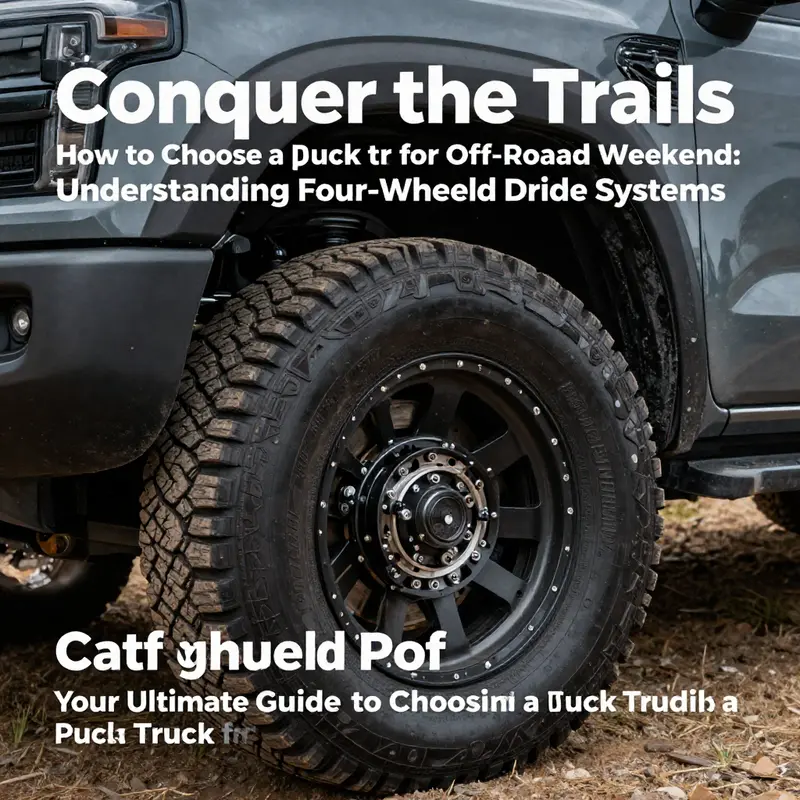
Choosing a pickup truck for a rugged off-road weekend goes far beyond selecting a vehicle that looks strong—it involves a deep understanding of the mechanics that ensure the truck can handle unpredictable terrain. At the heart of off-road capability is the four-wheel drive (4WD) system. The decision-making process begins with learning how this system works and why it is a cornerstone for safety, traction, and overall performance when straying away from paved roads. A 4WD system distributes power evenly across all four wheels, which is vital for maintaining traction on surfaces like mud, gravel, sand, and rocky trails. When you’re on a steep incline or navigating a narrow rutted path, the uniform power distribution helps prevent wheel spin and enhances stability, ensuring that even when one or two wheels lose contact with the ground, power is still available where it’s needed most.
The primary types of 4WD systems used in trucks are part-time and full-time, each offering distinct advantages and considerations for different levels of off-road driving. Part-time 4WD systems are often preferred by traditional off-road enthusiasts because they allow the driver to manually switch between two-wheel drive (2WD) and four-wheel drive modes. This flexibility is especially useful when transitioning between smooth highways and challenging off-road conditions. However, part-time systems lack a center differential, a component that allows the front and rear axles to rotate at different speeds on high-traction surfaces. This can cause undue stress on the drivetrain when used inappropriately on paved roads, which is why understanding when to engage or disengage this system is critical. For a weekend warrior who ventures out when conditions demand it, mastering the art of switching into part-time mode can be highly rewarding. In contrast, full-time 4WD systems, which continuously power all four wheels, are engineered with a center differential that permits safe operation on both off-road and on-road surfaces. The seamless transition between different driving conditions appeals to those who may not always be certain if they’ll be encountering rugged trails or urban roads. Full-time 4WD systems provide an extra layer of safety and predictability, allowing drivers to concentrate on navigation and exploration rather than worrying about whether the truck is properly configured for the conditions.
A key feature that complements any robust 4WD system is the availability of low-range gearing. When a truck is equipped with a low-range mode—often labeled as 4LO—it allows the engine to produce high torque at lower speeds. This proves invaluable when climbing steep gradients, crawling over rock formations, or maneuvering through deep ruts. The low-range gearing essentially acts as an additional control mechanism, permitting slow and steady advances where precision in movement is of utmost importance. Drivers can confidently take on obstacles that would otherwise halt progress if the truck were only reliant on standard gearing ratios. It is this additional torque and refined control that often make the difference between a minor setback and a complete stall in challenging trail conditions.
Beyond the basics of power distribution, the sophisticated design of modern 4WD systems often incorporates additional features that further enhance off-road performance. Many off-road trucks include selectable locking differentials, which allow both wheels on an axle to rotate at the same speed even if one loses traction. This feature ensures that power is not wasted on a spinning wheel, improving stability when conditions are uneven or particularly slippery. In situations where one wheel might momentarily lose contact with a rock or get caught in a patch of loose gravel, a locking differential helps maintain forward momentum. Alongside these technological advancements, some vehicles now offer electronic terrain management systems that automatically adjust parameters like throttle response, suspension firmness, and traction control settings based on the nature of the terrain. This integration of digital controls with mechanical power delivery represents the cutting edge of off-road technology, making it easier than ever for drivers to adapt to rapidly changing road conditions.
Incorporating these advanced 4WD characteristics into your truck offers more than just technical superiority—it builds confidence for the off-road adventurer. When you understand the interplay between these features, you can make better decisions at critical moments. For example, a driver who is aware of the benefits of selectable locking differentials will appreciate the value of such a feature when facing a muddy, twisty trail. Similarly, having an intimate knowledge of low-range gearing can empower a weekend trip to a rocky hillside, where careful modulation of speed and torque is essential to avoid damaging the vehicle’s undercarriage. It’s not merely about having a truck equipped with these technologies; it’s about knowing how to use them effectively so that you can focus on enjoying the journey rather than managing mechanical challenges.
When considering these intricate details, the selection of your pickup truck becomes a process of understanding both your needs and the functionalities of available vehicles. There is no one-size-fits-all answer when it comes to off-road performance. Some drivers may prioritize the rugged simplicity and proven reliability of part-time 4WD systems, especially if their off-road excursions are limited to predictable terrain. Others may opt for the convenience and versatility of full-time 4WD systems, particularly in situations where the conditions can rapidly shift between on-road and off-road. This choice is further influenced by other vehicle attributes like ground clearance, suspension design, and tire specifications. However, without a solid 4WD system at its core, a truck may struggle to meet the demands of unpredictable off-road challenges.
In a broader sense, mastering the use of a 4WD system is analogous to understanding the fundamentals of driving itself. Just as a skilled driver learns to read the road, adjust their speed, and anticipate the actions of other vehicles, an off-road enthusiast must become familiar with the signals their truck provides. A sudden loss of traction, an unexpected engine vibration, or the feeling of impending wheel spin all serve as indicators that subtle adjustments are necessary. Acquiring this level of intuition is a journey in itself. Enthusiasts often spend time practicing in controlled off-road environments—ideal settings where they can test the limitations of their vehicle without the risks associated with public roads. This practice not only builds technical proficiency with the truck’s systems but also deepens the respect for the rugged nature of off-road driving.
Making an informed decision on which truck to choose for your off-road adventures is also a matter of balancing personal comfort with mechanical capability. Some drivers are prepared to handle the intricacies of a part-time 4WD system, enjoying the tactile satisfaction of manually engaging and disengaging the four-wheel drive mode. For these purists, the engagement process itself becomes part of the adventure—a reminder that every trek into the wilderness demands attention to detail. Others prefer a more automated approach and are better served by a truck with a full-time 4WD system that requires little intervention, enabling them to focus solely on the environment around them. Each method of interaction with the drivetrain has its merits, and the ideal choice is one that complements your driving style, the type of terrain you expect to encounter, and your willingness to learn the nuances of off-road technology.
The decision-making process is further enriched when you consider the importance of other truck components that interplay with the 4WD system. Investments in quality tires that offer aggressive tread and robust sidewall construction can make the most significant difference in safely traversing rough landscapes. A well-matched tire not only improves grip but also transmits the performance benefits of a well-designed 4WD system directly to the ground. Equally important is the health of your engine and transmission, components that are often taken for granted until they falter under stress. In this regard, mastering diesel mechanics can provide valuable insights. For those interested in extending their truck’s lifespan and ensuring that every off-road journey is executed with precision, a comprehensive guide on diesel mechanics is available here, offering practical advice on maintenance and performance optimization.
While the technical details and features of a 4WD system are compelling on their own, the true test of any off-road truck is how well these elements combine under real-world conditions. Off-road trails are unpredictable, and the conditions can change in a matter of minutes. A quick rainstorm can turn a dusty, predictable path into a slick, muddy challenge, and a rocky hillside may reveal hidden dips and crevices that test the limits of vehicle design. In these moments, the ability to rapidly adapt by switching drive modes, engaging low-range gearing, or activating locking differentials can spell the difference between a triumphant journey and a stranded adventure. The knowledge of when and how to deploy each option is as important as the physical presence of these features.
Many off-road enthusiasts emphasize that understanding your vehicle is as vital as the tools you carry along for the journey. The more familiar you are with your truck’s capabilities, the more seamlessly you can integrate those functions into your driving strategy. This integrated approach minimizes the need for constant monitoring of gauges and buttons and allows you to focus on the landscape unfolding before your eyes. In effect, a well-understood 4WD system becomes an extension of your own situational awareness—not a complex machine to be managed but a trusted partner that responds to your commands. Over time, drivers develop an instinctive feel for the correct gear, the precise moment to lock a differential, or the optimal speed when engaging low-range modes. This mastery is developed through experience, study, and a willingness to continuously learn from both successes and mistakes on the trail.
It is also important to recognize that no two trails are the same. A leisurely drive across sandy dunes may call for very different truck configurations compared to a steep ascent on rocky ground. In some instances, a full-time 4WD system’s advanced electronics and seamless operation provide an undeniable advantage, ensuring that the transition between terrains is smooth and virtually automatic. In other cases, the simplicity and raw control of a part-time system make it the better choice for drivers who relish the direct connection between their own actions and the mechanical responses of their truck. Every off-road weekend presents a unique set of challenges, and as you accumulate experience, you naturally refine your preferences for vehicle setups and off-road techniques.
For those seeking to explore further and solidify their understanding of off-road dynamics, external resources can be incredibly valuable. One such insightful resource is the Car and Driver article on 4WD versus AWD, which provides a detailed examination of the differences and similarities between these systems and offers practical considerations for off-road truck selection. This external perspective not only reinforces the concepts discussed here but also broadens your overall appreciation of how intricate and well-engineered modern off-road technology has become. You can read more about this comprehensive breakdown at Car and Driver: 4WD vs AWD.
In summary, the process of choosing a pickup truck for off-roading weekend adventures demands that you fully understand the power and potential of a reliable 4WD system. It is more than a feature—it is the very foundation upon which off-road performance is built. Whether you opt for part-time or full-time 4WD, incorporating key features such as low-range gearing, selectable locking differentials, and electronic terrain management systems will significantly enhance your confidence on the trail. By familiarizing yourself with these systems and complementing them with the right components like durable tires and diligent maintenance practices, you are investing in many memorable journeys off the beaten path. Ultimately, this mastery transforms a basic vehicle into a trusted companion that not only meets the demands of rugged terrain but also invites you to explore the world with freedom and assurance.
Elevating Your Off-Road Adventure: How High Ground Clearance Defines Your Pickup Truck Choice

When planning a rugged off-roading weekend, your pickup truck becomes more than a means of transportation—it transforms into a trusted companion that banishes uncertainty. Among the many attributes that make a truck fit for off-road challenges, high ground clearance stands out as a critical, non‐negotiable feature. At its essence, high ground clearance means that the distance between your truck’s chassis and the unforgiving terrain is maximized, providing an added layer of protection for vital components. In the chaotic milieu of rocks, tree roots, deep ruts, and uneven paths, a truck with ample ground clearance not only minimizes the risk of undercarriage damage but also lays a solid foundation upon which other off-road enhancements such as four-wheel drive, aggressive tires, and advanced suspensions, can perform optimally.
From the moment you step into the driver’s seat, the benefits of a truck built with high ground clearance become abundantly clear. Every twist of the wheel and bump over an obstacle is less daunting when your vehicle is designed to absorb the impact. The increased distance between the rugged underbody and the terrain prevents critical components—such as the oil pan, transmission, fuel tank, and exhaust system—from coming into contact with rocks, logs, and other hazards. This additional clearance isn’t just about preventing cosmetic damage; it also serves to safeguard complex mechanical systems from costly and time-consuming repairs after a strenuous off-road event.
Beyond mere protection, high ground clearance enhances the overall performance of the vehicle by allowing it to negotiate steep inclines, uneven surfaces, and substantial obstacles without compromising the integrity of its build. As you navigate rocky trails or patchy mud lanes, a higher stance enables better approach, departure, and breakover angles. These angles are fundamental in determining whether your truck can gracefully ascend a daunting hill without scraping its front bumper, or descend a steep slope without catching the rear. In this context, the ability to maintain a high ride height is essential, as it empowers the truck to tackle obstacles with confidence rather than succumbing to the risks of undercarriage damage or loss of control.
While four-wheel drive systems, low-range gear settings, and rugged tire treads are often celebrated in the discourse on off-roading performance, none can compensate for a shortfall in ground clearance. In many ways, high ground clearance acts as the silent enabler of these advanced features. Without ample clearance, even the best traction control systems or suspension setups can be rendered ineffective if the underside of the truck repeatedly collides with unexpected obstructions. Thus, high clearance is not just a luxury; it is the very cornerstone of vehicular resilience in the harshest environments. Off-road enthusiasts frequently point to models like the Ford F-250, Ram 2500, and Chevrolet Silverado 2500 as prime examples where engineering excellence and thoughtful design converge to deliver enhanced ride height, ensuring that these vehicles can confidently combat unforgiving terrains.
The chemistry of off-road performance hinges on the interplay of numerous technical characteristics, and high ground clearance is a conductor in this symphony of rugged performance. It ensures that the power transmitted via four-wheel drive systems reaches the surface in a controlled manner, allowing for smoother transitions over challenging obstacles. This is particularly important when employing features such as low-range gearing, which is indispensable in situations requiring amplified torque at reduced speeds. Without a sufficient gap between the ground and the chassis, the benefits of low-range gears cannot be fully reaped because even minimal contact with the ground can lead to mechanical stress or sudden shifts that compromise safety and control.
Moreover, the interplay between clearance and advanced vehicle features extends to areas such as skid plate installation. Skid plates, which act as protective armor for the engine and fuel tank, are most effective when paired with high ground clearance. Their design assumes an underlying structure that can afford both the additional height and the weight distribution necessary for optimal performance under extreme conditions. Coupled with other rugged upgrades like locking differentials that distribute power evenly between wheels and heavy-duty, all-terrain tires with specialized tread patterns, a high-clearance pickup embodies a holistic approach to off-road safety and efficiency.
Integral to this concept is the idea that increased ground clearance is not solely a factory feature—it is a characteristic that can be enhanced or fine-tuned based on your off-roading ambitions. Many enthusiasts take the further step of integrating aftermarket lift kits and improved suspension systems to add even more height. These modifications, while adding to the overall ride height, also contribute to a truck’s articulation and stability on uneven terrain. The resulting vehicle is not only formidable in its resistance to obstacles but is also better prepared for the dynamic shifts in weight distribution that come with conquering variable surfaces.
In a broader sense, high ground clearance plays an emotional role in the off-roading experience. It instills a sense of security and readiness, allowing adventurers to venture off the beaten path with the assurance that the truck’s design is aligned with the unpredictable demands of nature. Each bump, each rocky outcrop, and each unexpected dip in the trail is met with a vehicle engineered to absorb and adapt without faltering. This not only enhances the overall safety of the adventure but also contributes to a more enjoyable and stress-free journey, where technical shortcomings are minimized, and confidence is maximized.
The history of off-road vehicle engineering has long been marked by innovations aimed at maximizing ground clearance. Early models were often hampered by designs that suited paved roads rather than the rugged expanses of wilderness terrains. Over time, manufacturers have learned that to truly embrace off-road adventures, the vehicle must be capable of tackling the unpredictable obstacles that nature presents. Modern trucks embody decades of engineering evolution, and high ground clearance reflects this continuous improvement. It represents a pivot from conventional, on-road design sensibilities towards a purposeful, adventure-ready frame that honors both performance and durability.
In today’s market, discerning drivers have a wide array of options tailored to off-road performance. When exploring various models, it becomes clear that many trucks now incorporate higher ground clearance as a standard feature rather than an optional upgrade. This evolution is driven by the growing popularity of off-roading as a recreational activity, where weekend escapades through rough terrain demand vehicles that are as capable as they are reliable. The shift in consumer expectations has led manufacturers to prioritize this attribute, ensuring that new models are not only fast and powerful but are also adept at safeguarding their undercarriages against the trials of off-road life.
The practical implications of high ground clearance extend beyond the physical realm to the maintenance and longevity of your pickup truck. Off-roading involves a continuous cycle of stress and recovery, where each encounter with the terrain tests the limits of your vehicle’s design. With a higher clearance, the probability of incurring damage that might otherwise lead to expensive repairs diminishes significantly. This reduction in repair frequency is not merely a financial advantage—it translates into increased uptime and readiness for adventures. Vehicles built with high ground clearance are better suited to absorb the rigors of off-road excursions over extended periods, guaranteeing that when the open trail calls, your truck is both dependable and resilient.
Engineers and designers alike recognize that high ground clearance also significantly impacts the truck’s ability to maintain stable traction. Effective traction is the ultimate goal in off-roading, especially when encountering slippery or uneven surfaces that challenge the tire’s grip. A truck that is perched too low often cannot clear obstacles in a way that prevents tire slippage or unintended dragging of its underbody. In contrast, a higher clearance allows for better distribution of weight across robust, off-road tires. This synergy between clearance and tire performance ensures that the vehicle maintains the necessary contact with the surface, thereby reducing the risk of getting mired in mud or caught in deep ruts.
Furthermore, the design philosophy behind high ground clearance embraces a forward-thinking approach to potential modifications and upgrades. Many off-road drivers supplement the already high-clearance platforms with additional accessories such as reinforced bumpers, advanced suspension components, and specialized lighting systems. Each modification builds upon the robust foundation of the truck’s original design, combining to forge a machine that is more than the sum of its parts. The integration of these features is most effective when the vehicle has ample space between its chassis and the ground, ensuring that none of the upgrades interfere with each other and that every component can operate freely in concert with the rest. This creates a harmonious structure that is engineered for extreme conditions and long-term reliability.
In addition to physical robustness, high ground clearance has pragmatic effects on the overall driving experience. Navigating unpredictable trails is as much about driver confidence as it is about mechanical capability. When you know that your pickup truck is built to endure the challenges of off-roading, every twist, turn, and acceleration is accompanied by a quiet assurance of support beneath you. Confidence on rough terrain is not accidental; it is a direct outcome of thoughtful design and engineering dedication. This psychological benefit cannot be overstated, as it empowers the driver to focus on the adventure rather than being preoccupied with potential vehicular limitations.
It is also important to acknowledge that no single attribute guarantees off-road success. High ground clearance works in tandem with other crucial features such as four-wheel drive, locking differentials, and rugged tires to form a comprehensive package designed for extreme conditions. For example, while aggressive, all-terrain tires may provide the grip necessary for uneven surfaces, their effectiveness is greatly diminished if the truck’s underbelly is constantly in jeopardy of scraping the rocky landscape. Likewise, a powerful four-wheel drive system cannot reach its full potential if the physical geometry of the truck limits its freedom to navigate obstacles. In this way, high ground clearance plays an integral role in harmonizing these elements into a coherent off-road machine that is prepared to face nature’s unpredictable challenges.
For those who are serious about off-roading, it is essential to consider not only the factory specifications but also the potential for aftermarket enhancements. Many off-road enthusiasts opt to install lift kits and upgraded suspension systems to further boost ground clearance, thereby increasing their truck’s ability to tackle obstacles that would otherwise pose insurmountable challenges. In making these modifications, it is important to adhere to manufacturer guidelines and consult experts to ensure that the structural integrity and overall balance of the vehicle are maintained. A well-modified truck with additional ground clearance not only stands up to the immediate demands of the trail but also contributes to long-term durability and safety. For further insight into the critical aspects of vehicle maintenance, you may wish to explore the guide on mastering diesel mechanics, which offers practical advice on keeping your machine in top condition.
As the off-road community continues to evolve, so too do the expectations of what a pickup truck should deliver for weekend adventures. Enthusiasts are not merely seeking vehicles that can transport them from point A to point B—they are looking for partners that embody resilience, adaptability, and unwavering durability. In this quest, high ground clearance emerges as a definitive symbol of a truck’s commitment to meeting these demands. Whether you are navigating a rocky hillside, trudging through a wet, muddy trail, or simply enjoying the liberating challenge of backcountry exploration, the elevated stance provided by high ground clearance is what ultimately sets apart a reliable off-road vehicle from a mere road-going truck.
Every mile traveled on a rugged path reinforces the lesson that there are no shortcuts when it comes to safety and performance. The thoughtful integration of high ground clearance within a truck’s overall design is a testament to the engineering prowess that seeks to combine strength with sophistication. For drivers embarking on their next off-road weekend, the message is clear: invest in the features that will carry you through adversity. By selecting a pickup truck that emphasizes high ground clearance, you are not only protecting your vehicle from the hazards of nature but also ensuring that every adventure is marked by confidence, capability, and freedom. For additional insights into optimizing your choice and setup for challenging off-road conditions, you may consult the comprehensive guide provided by Car and Driver available at Car and Driver Off-Road Guide.
Forging a Path on Rugged Terrain: Mastering Off-Road Tire Selection for Your Pickup Truck Weekend Adventure

When venturing into the unpredictable wilderness on a weekend off-road excursion, every element of your pickup truck’s configuration plays a critical role in ensuring safety and performance. Yet, among these crucial components, your tires serve as the singular point of contact between your vehicle and the natural world. The tires you choose not only determine the level of grip and traction on loose rock, mud, or sand but also directly affect the handling, stability, and durability of your truck on rugged terrain. In this context, selecting tough, all-terrain tires can be the difference between confidently overcoming nature’s obstacles and succumbing to the unpredictable conditions of off-road adventures.
From the outset, it is essential to acknowledge that ‘tough tires’ are more than just a supportive accessory. They form the foundation of your off-roading capability, absorbing shocks, managing the transfer of power from the engine, and mitigating damage to your vehicle’s undercarriage as you traverse rocks, ruts, and steep inclines. A high-quality tire designed for off-road use features an aggressive tread pattern that locks in grip even in conditions where standard highway tires would slip helplessly. Moreover, robust construction with reinforced sidewalls is critical to withstand the hazards of debris, sharp rocks, and accidental punctures. This inherent durability gives off-road enthusiasts the confidence to push the limits of their trucks without the constant concern of tire failure when the terrain turns treacherous.
A key consideration in tire selection is the type of terrain you expect to encounter. Off-road tires generally fall into two broad categories: all-terrain (A/T) and mud-terrain (M/T). All-terrain tires offer a versatile balance between on-road comfort and off-road performance. Their moderate tread patterns are designed to perform well on a wide array of surfaces, from smooth asphalt to rough country trails. In contrast, mud-terrain tires are engineered for environments where deep ruts, heavy mud, and loose soil present serious traction challenges. The more aggressive tread designs and deeper voids in mud-terrain tires allow them to self-clean, shedding debris and mud to maintain a consistent grip even under the most challenging conditions. While each type has its merits, the decision ultimately hinges on your personal off-roading plans and whether you prioritize everyday drivability or extreme trail performance.
Equally important is the proper calibration of tire pressure. Lowering the tire pressure, typically to a range between 20 and 25 PSI, can maximize the contact patch between the tire and the ground. This adjustment is especially beneficial on soft, uneven surfaces where an increased surface area can drastically improve traction. However, it is imperative to re-inflate the tires before returning to paved roads to ensure optimal handling and prevent excessive wear. Many off-road enthusiasts now carry portable air compressors and tire pressure gauges as part of their standard kit, embracing the idea that dynamic adjustments to tire pressure can provide better performance and protection when transitioning from one type of terrain to another.
Beyond these fundamental features, the size and aspect ratio of your tires have a significant impact on overall vehicle dynamics. Larger diameter tires naturally impart greater ground clearance, reducing the risk of undercarriage damage when traversing rocky ground or obstacles. A lower aspect ratio—or a shorter sidewall relative to the tire’s width—can afford improved handling on uneven surfaces but may sacrifice some cushioning and ride comfort. These trade-offs need careful consideration because a tire’s geometry affects not only how your vehicle responds to sudden shocks but also how it handles long stretches of rough terrain. In many ways, the tire’s size and shape serve as a direct extension of your truck’s suspension and chassis design, integrating seamlessly into the broader system that enables safe, high-performance off-roading.
Another critical aspect that distinguishes superior off-road tires is their load capacity rating. Unlike conventional tires that may suffice for daily driving, off-roading tires must endure significant stresses—both static and dynamic—that come from carrying heavy loads or navigating through deep ruts and steep gradients. The heavy-duty construction of such tires is designed to handle higher loads without compromising structural integrity. They are rigorously tested to ensure that even under the most extreme conditions, the tire will continue to perform without buckling or bursting. For those who regularly haul equipment or camp in remote locations, investing in tires with high load capacity and robust sidewall reinforcement is not merely advisable but essential for a safe and successful journey.
Environmental conditions further complicate the decision-making process. The wide variety of surfaces that off-road trucks encounter—ranging from dry, rocky paths to wet, slippery slopes—demands a tire that can adapt to changing conditions. Aggressive tread patterns are particularly beneficial in wet or muddy conditions because they can channel off water and mud more efficiently, thereby reducing the risk of hydroplaning or getting stuck. Advances in rubber compound technology have also enabled manufacturers to produce tires that maintain elasticity and grip even at lower temperatures, a feature that is particularly important for off-road adventures in variable climates. In essence, the tire must be as versatile as the driver is bold, seamlessly adapting its performance to meet the unique challenges presented by each new trail.
Maintaining these high-performance tires is as important as the selection process. No matter how advanced the tire’s design, regular inspection and maintenance can prevent unexpected failures during a trip. Prior to setting out, it is crucial to perform a thorough check for any signs of wear and tear, such as uneven tread wear, cuts, or bulges. These checks are not just about preserving the longevity of your tire; they are also a key safety measure. Off-road conditions can quickly magnify even minor imperfections in a tire, turning them into major safety hazards. Many experienced personalities in the off-roading community even go as far as to incorporate routine maintenance and spot repairs into their pre-adventure checklists, ensuring that every component—most importantly the tires—remains in optimal condition throughout the journey.
The interdependence between tires and other off-roading systems in your pickup truck cannot be overlooked. While a robust four-wheel drive system, high ground clearance, and a rugged suspension are pivotal for maneuvering through challenging environments, they only reach their full potential when paired with the right tires. In effect, the tire becomes the cornerstone of this integrated system. In many cases, even the most sophisticated drivetrain technology can be rendered ineffective if the tires fail to perform their primary function of gripping and moving over obstacles. This holistic view reinforces the fact that when selecting a tire, one must consider not only its stand-alone attributes but also how it synchronizes with the overall engineering of the vehicle. In practice, this means that the right tire is one that complements the truck’s built-in off-road features while simultaneously downgrading the risk of mechanical strain and unforeseen mishaps.
Moreover, the psychological reassurance provided by a well-chosen off-road tire is invaluable. In moments when the terrain becomes extremely challenging, having the confidence that your tires can handle sharp rocks, deep mud, and rough gradients instills a calm focus in the driver. It transforms off-roading from a nerve-wracking task into a measured, calculated adventure where every twist and turn is approached with a sense of optimism and preparedness. This mental fortitude is crucial in off-road driving, where split-second decisions can vastly impact safety and overall experience. In many ways, your tire choice echoes a commitment to both safety and performance, allowing you to concentrate on the journey rather than worrying about potential tire failure or loss of traction.
The process of selecting off-road tires is also deeply intertwined with ongoing technological advancements in the automotive industry. Continuous research and development have yielded tires that not only boast improved durability and grip but also optimize fuel efficiency and reduce rolling resistance. Innovations in tread compound mixtures and deeper, more aggressive designs are constantly evolving, meaning that today’s tire may perform significantly better than models from just a few years ago. This evolution reinforces the importance of staying informed and basing your purchase on up-to-date performance data and real-world testing rather than solely on brand reputation or aesthetics. For those seeking the latest insights and detailed technical comparisons to make an informed decision, resources such as this comprehensive guide from 4x4Wire provide valuable real-world testing data and in-depth analyses of current tire models.
In conclusion, choosing the correct off-road tire is a multifaceted endeavor that demands both technical understanding and practical foresight. Every aspect—from the type of tire, its tread design and construction, to adjustments in tire pressure tailored for specific environments—plays an essential role in determining your truck’s off-road capability. The right tire is a harmonious blend of durability, traction, and adaptability, one that reinforces the overall design of your pickup truck while helping to navigate the challenging terrains with precision and confidence. Ultimately, investing time and thought into selecting high-performance off-road tires lays the groundwork for a weekend adventure filled with exploration and excitement, free from the worry of unexpected mechanical failures. Embrace this careful process, and let each rotation of your off-road tires serve as a reminder of both your preparedness and your passion for the call of the wild.
Locking Differentials: The Secret to Unstoppable Off-Road Confidence
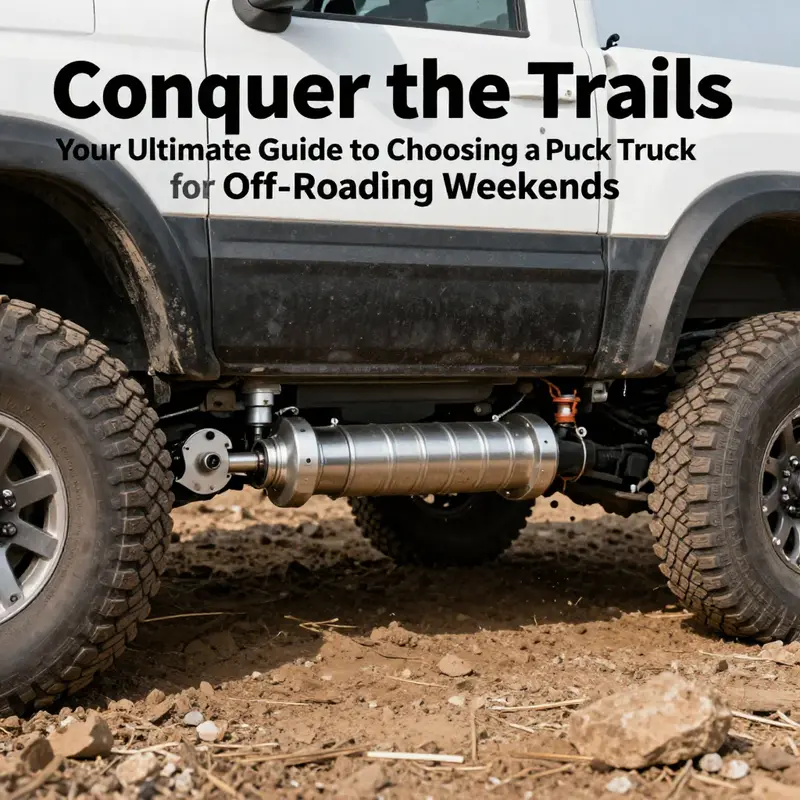
In the world of off-roading, every design element of a pickup truck plays an important role in determining its overall performance and ability to tackle rough terrain. Among these vital features, locking differentials stand out as one of the most critical elements to consider when choosing a truck for an off-roading weekend. A locking differential is not simply another part of the drivetrain; it forms the heart of the vehicle’s off-road capability. This chapter provides an in-depth look at how locking differentials function, why they are indispensable for maintaining traction in difficult conditions, and how they give you the confidence to take on challenging environments.
A locking differential ensures that both wheels on the same axle rotate at the same speed, regardless of the traction available at each wheel. This mechanism is particularly useful when driving on uneven or slippery surfaces where one wheel might be in contact with a solid surface while the other could be stuck in mud, sand, or loose gravel. Unlike open differentials that send power to the wheel with the least resistance, a locking differential forces both wheels to turn together, thus maximizing traction. For enthusiasts planning an off-roading weekend, the reassurance of knowing that one wheel will not spin uselessly while the other struggles can be invaluable when facing steep inclines or rocky obstacles.
The engineering behind locking differentials is both sophisticated and robust. It relies on a mechanical system that, when activated, essentially ‘locks’ the left and right wheels together. As a result, both wheels receive the same amount of torque, which is crucial for navigating uneven terrain. The ability to engage and disengage the locking function provides flexibility; it allows drivers to switch back to a more free-wheeling mode when high traction is not required, such as on smoother surfaces or highways. This dual-mode system exemplifies the balance between high performance in off-road conditions and practical drivability on regular roads. In many modern off-road trucks, this technology is seamlessly integrated, making it accessible through a simple control—often a switch or a dial—so that the driver can adapt in real time to different driving conditions.
When examining the importance of locking differentials, it is essential to understand that their value extends beyond immediate traction benefits. They serve as a critical safeguard against becoming stranded in challenging conditions where one wheel might lose contact with the ground. On rugged trails or during low-speed maneuvers over obstacles, the continual guarantee of forward momentum is a key factor in ensuring both safety and progress. Many off-road trucks are engineered with additional off-road features such as high ground clearance, robust suspension systems, and aggressive tire setups. While these attributes are all vital, the inclusion of locking differentials often sets apart truly capable off-road vehicles from those that might perform well on smooth surfaces but falter in more severe conditions. The integrated design of a locking differential works in tandem with these components to deliver a cohesive system optimized for the rigors of off-roading.
Understanding the performance benefits of locking differentials requires a grasp of how traction is managed during off-road navigation. Traditional open differentials can sometimes work against the driver in low-traction scenarios by sending most of the power to the wheel with the least resistance, which can lead to one wheel spinning without propelling the vehicle forward. In contrast, a locking differential compels both wheels to exert equal power, thus ensuring that even if one tire is in a compromised position, the other can maintain its grip on the surface. This uniform distribution of power can mean the difference between a smooth traverse over a rugged patch and an abrupt halt that leaves the vehicle stranded. For those embarking on off-roading adventures, the knowledge that their vehicle is equipped with a system designed to mitigate traction loss can transform a potentially precarious journey into a controlled and confident experience.
Another noteworthy aspect is the manner in which locking differentials enhance the overall handling of a pickup truck off the beaten path. Off-road terrains often require delicate maneuvering, where sharp turns and sudden shifts in direction are common. In such scenarios, having a locking differential means that your truck is far less likely to experience the dreaded wheel spin—a situation where one wheel rotates excessively without adequate grip, jeopardizing the stability of the vehicle. The steady, predictable behavior provided by a locked differential is particularly valuable when navigating rocky slopes or deep ruts. By ensuring that both wheels work in unison, the vehicle gains a more balanced weight distribution and improved control, which is essential for safely negotiating obstacles. This is why many seasoned off-road drivers consider locking differentials an indispensable tool in their arsenal.
It is also important to note that the benefits of a locking differential extend to vehicle recovery scenarios. When a pickup truck becomes stuck in mud or sand, the ability to lock the differentials can facilitate an easier self-recovery by ensuring that both wheels contribute to pulling the vehicle free. This is critical in situations where external help might not be immediately available. The recovery and mobility advantages offered by locking differentials are often highlighted in off-road engineering literature, making them a must-have for anyone serious about off-roading safety. The increased traction and enhanced control not only improve immediate performance but also contribute to the overall reliability of the vehicle during extended off-road escapades.
In addition to technical advantages, there is an element of peace of mind that comes with choosing a truck equipped with a reliable locking differential system. Off-road enthusiasts often participate in weekend trips where conditions can change rapidly. As you traverse uneven ground or face unexpected obstacles, the confidence in knowing that your vehicle has a built-in system to handle loss of traction is invaluable. This assurance can allow you to venture deeper into challenging terrains without the constant worry of getting stuck or having to rely on an expensive tow. In effect, the locking differential becomes a silent guardian, providing an extra layer of security that lets you focus on the adventure rather than the mechanics of your vehicle.
The integration of locking differentials into modern pickup trucks is the result of decades of research and development in automotive engineering. Manufacturers have refined these systems over the years, incorporating advanced materials and innovative control mechanisms to ensure that the differentials are both durable and easy to operate. In many vehicles designed for off-road use, the locking mechanism is automated or semi-automated, further reducing the burden on the driver. This evolution in design speaks volumes about the growing importance of off-road capability in today’s pickup trucks. As consumer demand for vehicles that can handle both everyday tasks and rugged adventures increases, the locking differential has evolved into an essential feature rather than an optional upgrade.
Beyond its mechanical benefits, the concept of a locking differential also represents a broader philosophy in off-roading: the desire to push the limits and overcome natural obstacles seamlessly. For many off-road drivers, every journey is a test of their vehicle’s capabilities and an opportunity to engage harmoniously with the unpredictable elements of nature. In this context, a locking differential is more than just a component; it is a strategic asset that defines the truck’s character and adaptability. The philosophy behind off-roading is built on the premise of overcoming nature’s challenges with ingenuity and precision, and nothing embodies that spirit better than a well-designed locking differential system. The inherent trust that comes from knowing your truck can manage even the most treacherous conditions transforms an off-roading trip into a truly liberating experience.
The interplay between advanced technology and rugged design in modern off-road trucks is further enhanced by the inclusion of locking differentials. When combined with features like reinforced suspension systems and high ground clearance, the differential becomes part of a larger ecosystem of engineering that enables drivers to confidently tackle steep inclines, rugged rock formations, and unpredictable obstacles. The supportive role of locking differentials in maintaining traction is highlighted in numerous technical studies, which show that trucks with these systems consistently outperform those equipped with standard open differentials on difficult terrains. This performance edge is critical when every minute counts on a challenging trail. In this way, a locking differential not only boosts immediate traction but also contributes significantly to the overall durability and longevity of the vehicle, ensuring that it remains reliable no matter how hard the driving conditions become.
For those who appreciate a detailed understanding of automotive mechanics, there is a wealth of knowledge regarding the design and operation of locking differentials. Numerous articles and resources break down the science behind these systems, including the intricacies of torque distribution and the mechanical advantages offered by various locking configurations. If you are interested in a deeper dive into the principles behind these mechanisms, you may find a useful perspective in a comprehensive article on mastering diesel mechanics. This piece offers a step-by-step guide to understanding the broader mechanical systems that underpin off-road performance, providing valuable insights into how locking differentials integrate with other key components of a truck’s design. For an expanded look at these principles, you can explore this detailed guide here.
In many respects, a locking differential serves as a microcosm of what it takes to succeed in off-road adventures: reliable, robust, and ready to face uncertainty with precision engineering. It bridges the gap between raw power and controlled performance. When you set out on an off-road excursion, you are not only relying on the strength of your engine or the resilience of your tires; you are depending on an integrated system of components that work together to keep you moving forward. The locking differential is at the very core of that system, operating quietly in the background while ensuring that your truck remains steady and responsive in the face of adversity.
In conclusion, the role of locking differentials in pickup trucks designed for off-roading cannot be overstated. Their ability to evenly distribute torque between wheels makes them indispensable in challenging terrains where traction is compromised. The confidence instilled by a reliable locking differential allows drivers to venture deeper into tough landscapes, secure in the knowledge that their vehicle is engineered to overcome obstacles. From technical performance benefits to the enhanced safety and recovery potential they provide, locking differentials are a cornerstone of off-road truck capability. For more on the technical intricacies and performance data of these systems, visit the Ford Locking Differentials Overview at Ford Locking Differentials Overview. With every off-road journey, a truck equipped with a robust locking differential reaffirms the promise of unstoppable performance and unwavering reliability, ensuring that your weekend adventures are not just memorable, but triumphantly safe and relentlessly exciting.
The Backbone of Off-Road Mastery: Suspension and Frame Integrity for Your Pickup Truck
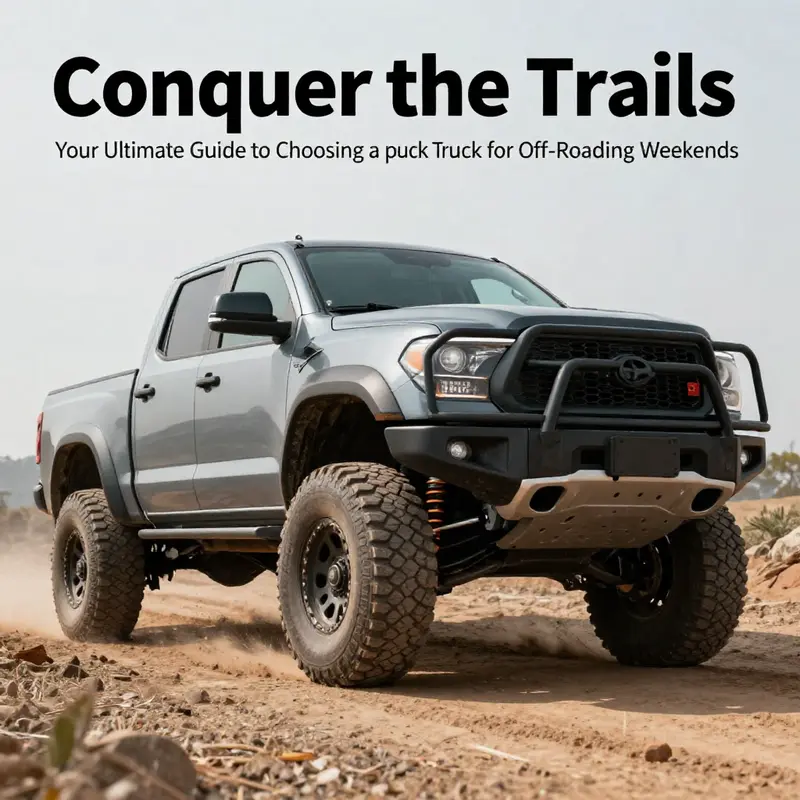
When selecting a pickup truck for off-roading weekend adventures, few aspects are as critical as the combination of a robust suspension system and a durable frame design. These two features form the foundation that not only supports the structure of your vehicle but also directly impacts its ability to navigate rough terrain, endure impacts, and keep both the driver and the cargo safe. In essence, your off-roading experience hinges on how well your truck’s suspension and frame work together to absorb shocks while maintaining the control and stability required to tackle unpredictable, challenging trails.
From the outset, it is important to recognize that off-roading is as much about discipline and preparation as it is about technical specifications. The suspension system plays a pivotal role in absorbing the impacts from rocks, ruts, and uneven surfaces. A well-engineered system with long-travel shocks and sturdy springs means that every bump on the trail is managed with finesse, reducing the risk of equipment damage and ensuring that your tires remain in contact with the ground. This continuous contact is crucial for maintaining traction, which can make the difference when you are ascending steep inclines or maneuvering around obstacles that might otherwise destabilize a less capable vehicle.
A robust suspension system typically incorporates either independent front suspension (IFS) or heavy-duty solid axles, each offering distinct advantages. Independent suspension systems allow each wheel to move individually, providing a smoother ride on uneven terrain by diffusing impacts separately. On the other hand, solid axles, often found in purpose-built off-road vehicles and older truck designs, deliver exceptional durability and articulation. This ability to flex under stress is critical when confronting significant obstacles. Trucks equipped with high-performance dampers and reinforced springs can endure the strain of extensive off-road excursions, making them indispensable for enthusiasts who demand reliability and performance every time they hit the dirt.
Equally important is the design and construction of the truck’s frame. When venturing into rugged terrain, the frame is not merely a support structure; it is the very backbone of off-road performance. A body-on-frame construction, sometimes referred to as a ladder frame, is particularly suited for off-roading due to its inherent strength and modularity. This design is more resistant to torsional stress and twisting forces—a frequent occurrence on uneven ground—and it provides a less flexible platform that can be easily modified with aftermarket upgrades such as lift kits, skid plates, and upgraded suspension components.
Trucks with a robust frame design are well-prepared to handle the rigors of rocks, logs, and uneven surfaces. Their enhanced structural integrity means that components such as the engine, transmission, and axles are better protected from damage during high-impact encounters. This is especially significant when navigating challenging terrains where the risk of undercarriage damage is high. A reinforced frame also contributes to more predictable vehicle behavior during abrupt maneuvers on loose surfaces, ensuring that the power from the engine is transmitted effectively to all four wheels. This, in turn, enhances overall control and driver confidence in situations where precision is paramount.
An important aspect of frame design for off-road trucks is the potential for customization. Many off-road enthusiasts invest in lift kits and other modifications to boost ground clearance, ensuring that obstacles such as rocks and deep ruts do not lead to detrimental scraping of the undercarriage. A solid body-on-frame design readily accepts these modifications without compromising structural integrity. This flexibility also means that if you decide to upgrade your truck in the future, the platform you have can evolve to meet new challenges or adapt to additional off-road accessories. A truck built with strong engineering principles presents not just immediate performance benefits but also long-term value as conditions, and personal off-roading preferences, change over time.
Considering the rigors of off-road driving, the synergy between suspension and frame design is evident. When these two elements work in unison, they enhance the articulation of the vehicle—the ability of the wheels to move up and down independently while the chassis remains stable. This articulation is a key factor when navigating obstacles, because it ensures that even if one wheel is lifted over a rock or dip into a depression, the rest of the vehicle maintains solid contact with the surface, maximizing traction and control. Trucks designed with this dynamic in mind offer a balance of comfort and performance that is essential when facing unpredictable and challenging situations on trail surfaces that vary from loose dirt to compacted mud.
Beyond the basic attributes of suspension and frame design, it is valuable to explore how these features integrate with additional off-road capabilities found in modern pickup trucks. For instance, many trucks now come with advanced features such as locking differentials, which work hand-in-hand with robust suspension systems and reinforced frames. Locking differentials ensure that power is evenly distributed to each wheel, even if one or more lose contact with the ground. This capability ensures momentum is maintained through tricky patches, where uneven terrain could otherwise cause one wheel to spin and reduce traction dramatically. The improved traction, combined with the continuous, stable support of a strong frame, generates a seamless off-roading experience that is both safe and exhilarating.
While the discussion of suspension and frame architecture might seem technical, these elements greatly influence everyday off-road adventure experiences. For newcomers and seasoned off-roaders alike, the understanding of why and how a suspension system is engineered to handle high-impact encounters can inform choices that lead to fewer mechanical problems and a smoother ride. The same practical foresight applies to frame design: choosing a truck with a proven body-on-frame configuration ensures longevity under constant stress, reducing the likelihood of costly repairs and providing a foundation for further performance upgrades. This integrated approach to vehicle selection means that both comfort and robustness are prioritized, leading to a more confident and reliable off-roading journey.
The importance of these features becomes even clearer when comparing different vehicle classes. For example, full-size trucks equipped with purpose-built suspension systems, such as those found in some high-performance models, are engineered with the most aggressive off-road conditions in mind. Their robust frames and high-caliber suspension systems are matched by extensive testing and real-world validations. In contrast, midsize trucks also offer remarkable off-road credentials, as seen in models that have been refined over generations of consumer feedback and technological advancements. These midsize options maintain a balance between everyday drivability and off-road prowess, often including specialized features like skid plates, locking differentials, and a design that enables maximum wheel articulation. Regardless of size, the key to effective off-roading lies in choosing a truck that does not compromise on durability or functionality.
The relationship between suspension and frame design extends to how trucks handle both minor obstacles and major off-road challenges alike. In rugged environments, even the best-engineered systems face unpredictable obstacles—unexpected dips, sudden rock formations, or erratic uneven terrain. A suspension system that can quickly adapt by absorbing shocks without transferring excessive force to the frame results in a smoother, safer ride. Meanwhile, a frame designed to withstand continuous stress and resist twisting forces reduces the long-term wear and tear on the vehicle’s structure, ensuring that its performance remains consistent over time. It is precisely this interplay of shock absorption and structural rigidity that differentiates a good off-road truck from a great one.
Innovation in suspension technology has steadily advanced, incorporating materials and mechanisms that were once the reserve of high-performance racing vehicles. Modern designs incorporate components that are lighter yet stronger, allowing for better performance on challenging trails without sacrificing durability. This evolution means that off-road trucks today can offer smoother rides and improved handling over obstacles while enduring impacts that would previously have required extensive repairs. A well-tuned suspension translates into reduced driver fatigue and increased confidence, which are invaluable during long weekend adventures in remote or difficult terrain. In many cases, the suspension system can be adjusted or tuned to the environment, enabling the driver to modify settings for particular conditions—whether that be high-speed sandy conditions or rocky, technical trails.
Similarly, frame design has not remained static. Advances in metallurgy and computer-aided design (CAD) have allowed manufacturers to create frames that are both stronger and lighter. The use of high-strength steel and advanced alloys has led to frames that can absorb more stress while reducing weight, which in turn, improves overall vehicle performance. These modern frames are designed with the off-road enthusiast in mind, providing not only the resilience necessary to withstand harsh conditions but also the flexibility to incorporate additional safety features and modifications. For instance, many off-road trucks now come with integrated skid plates and reinforced mounting points for auxiliary equipment, which further help protect vital undercarriage components during intense off-road excursions.
In practical terms, the benefits of investing in a truck with exceptional suspension and frame design are evident during actual off-roading events. When traversing rocky paths or rugged trails, the truck’s ability to flex appropriately while protecting critical components can mean the difference between an enjoyable adventure and an unexpected setback. The interplay of these systems ensures that the vehicle remains stable and predictable even when the terrain becomes unpredictable. Drivers can therefore focus on the thrill of exploration without worrying about the integrity of their vehicle, knowing that each shock absorbed by the suspension is counterbalanced by a frame designed to endure such impacts.
For those interested in gaining further technical insight, resources that break down the mechanics of heavy-duty suspension systems and high-strength frames are invaluable. One such resource is a detailed guide on diesel mechanics, which, though primarily aimed at understanding engine mechanics, also touches on how suspension and frame design contribute to overall vehicle durability. These insights can empower potential buyers to ask informed questions and validate that the pickup truck they choose is not just robust on paper but also proven in real-world off-road applications.
Ultimately, the decision to invest in a pickup truck equipped with advanced suspension and a well-engineered frame reflects a commitment to safety, performance, and longevity. As off-roading becomes more popular and the challenges presented by rugged landscapes become increasingly varied, it is essential that your vehicle stands up to the test of real-world conditions. The combination of shock-absorbing suspension and a sturdy, adaptable frame creates a platform that is ready to tackle steep inclines, rocky outcrops, and unpredictable obstacles with ease. It is this foundation that builds trust in your vehicle’s capacity to deliver on the promises of adventure and exploration.
In summary, choosing an off-road capable pickup is not merely about selecting a vehicle with a flashy design or a powerful engine. Instead, it involves a deep understanding of how the unseen components—the suspension and frame—work together like the backbone of a finely tuned machine. Their harmonious integration ensures that each off-roading excursion, whether it is a weekend escape into the backcountry or a rigorous exploration of challenging trails, is met with reliability and confidence. Drivers enjoy a blend of comfort, control, and safety that only high-quality engineering can provide, translating into countless memorable adventures where the vehicle becomes an extension of the driver’s own resolve and ingenuity.
For those looking to push boundaries and explore the wild terrains, this integrated approach to suspension and frame design is a marker of excellence. It represents an engineering philosophy that prioritizes real-world performance over flashy aesthetics—an essential perspective when every trail can be as unpredictable as the next. In the end, the perfect off-road truck is one that embodies these principles, combining the latest advances in suspension technology with a robust and adaptable frame to create a reliable partner on every journey. For more detailed insights into the performance factors that matter most, readers can refer to an external resource that thoroughly examines top off-road standards: Best Off-Road Trucks for 2026: What to Look For.
Every component of your truck contributes to its overall off-road performance, yet it is the combined strength of the suspension and frame that ensures a smooth, controlled ride even when faced with the most challenging obstacles. The enduring quality of these systems ultimately defines your vehicle’s capacity to offer both adventure and assurance, making them key considerations in any serious pursuit of off-roading mastery. As you prepare for your next weekend escape into the wild, remember that technology, engineering, and thoughtful design converge in the suspension and frame of your pickup truck to elevate your off-road journey to new heights of performance and durability.
Final thoughts
Choosing a pickup truck for off-roading weekends combines technical knowledge with practical experience. With a solid understanding of four-wheel drive systems, essential ground clearance, tire selection, locking differentials, and robust suspension design, you’re now equipped to make an informed choice that will enhance your off-road adventures. Remember, the right truck doesn’t just get you to the adventure—it ensures you can conquer the toughest terrains with confidence, making every weekend an exhilarating escapade.