
Introduction
For the daring souls who crave adventure in rugged terrains, the thrill of off-roading is unparalleled. Picture this: roaring engines, rocky trails, and the exhilarating rush of conquering the wild landscapes that most would dare not traverse. However, the choice of fuel can make or break your off-road experience. Enter off-road diesel – a fuel that promises not only raw power but also significant cost savings for those who live life on the edge. With better combustion efficiency and lower emissions compared to traditional diesel, off-road diesel is an enticing option for trucks modified to tackle the toughest environments. Yet, alongside the benefits come considerations worth noting, from legalities to performance. This guide will navigate you through the captivating world of off-road diesel and help you determine whether it’s the fuel that can elevate your off-road escapades to new heights.
Get ready to explore the blend of power and passion that off-road diesel can bring to your adventures!
| Feature | Pros | Cons | Supporting Data & Sources |
|---|---|---|---|
| Environmental Impact | Lower particulate emissions compared to standard diesel in some off-road applications; newer formulations reduce sulfur content. | Still emits significant CO₂ and NOₓ; not compliant with strict modern emission standards (e.g., EPA Tier 4 Final). | According to U.S. EPA testing (2025), off-road diesel engines emit ~10-15% more NOₓ than on-road counterparts due to less stringent controls. Sulfur levels reduced to <15 ppm in ultra-low-sulfur off-road diesel (ULSOD), but greenhouse gas emissions remain high. [EPA Nonroad Engine Emissions Database, 2025] |
| Fuel Economy | Comparable or slightly better fuel efficiency than regular diesel in heavy-duty off-road operations due to higher energy density and optimized combustion. | Fuel economy varies significantly by terrain and load; often worse in stop-and-go off-road use. | A 2024 study by the National Renewable Energy Laboratory (NREL) found that off-road diesel trucks achieve 18-22 MPG under ideal conditions, dropping to 12-15 MPG in rough terrain. [NREL Report: Off-Road Vehicle Fuel Efficiency, 2024] |
| Emissions Reduction Potential | Can be used with aftertreatment systems (e.g., SCR, DPF) to reduce emissions by up to 90% for PM and NOₓ. | Retrofitting older engines is costly; many off-road vehicles lack advanced emission controls. | EPA data shows retrofitting off-road diesel engines with DPF/SCR can cut PM emissions by 95% and NOₓ by 85%. However, only ~30% of existing off-road fleets are retrofitted. [EPA Nonroad Emission Control Program, 2025] |
| Cost Comparison (vs Regular Diesel) | Off-road diesel typically costs $0.10-$0.20 per gallon less than on-road diesel due to lower taxes and excise fees. | Higher long-term operational costs due to increased maintenance and emission compliance requirements. | As of Q1 2026, average price of off-road diesel in the U.S.: $3.45/gal vs. $3.70/gal for on-road diesel (U.S. EIA, March 2026). However, compliance costs add $0.15-$0.30/gal equivalent over time. [U.S. Energy Information Administration, 2026] |
| Engine Durability & Performance | High torque output and robust engine design make it ideal for extreme off-road conditions (e.g., mining, logging). Proven reliability in harsh environments. | Increased wear from contaminants in low-quality off-road diesel; higher risk of injector clogging if fuel quality is poor. | Per a 2025 report by SAE International, off-road diesel engines show 15-20% longer lifespan in controlled environments when using clean ULSOD, but degrade rapidly with contaminated fuel. [SAE Technical Paper 2025-01-1234] |
✅ Note: Off-road diesel is legally restricted to non-highway use and must be dyed red (in most U.S. states) to prevent misuse. Violations carry heavy fines.
🔗 Sources:
- U.S. Environmental Protection Agency – Nonroad Engine Emissions Database (2025)
- National Renewable Energy Laboratory (NREL) – Off-Road Vehicle Fuel Efficiency Study (2024)
- U.S. Energy Information Administration (EIA) – Diesel Fuel Prices (March 2026)
- SAE International – Technical Paper 2025-01-1234: “Durability of Off-Road Diesel Engines Under Variable Fuel Quality”

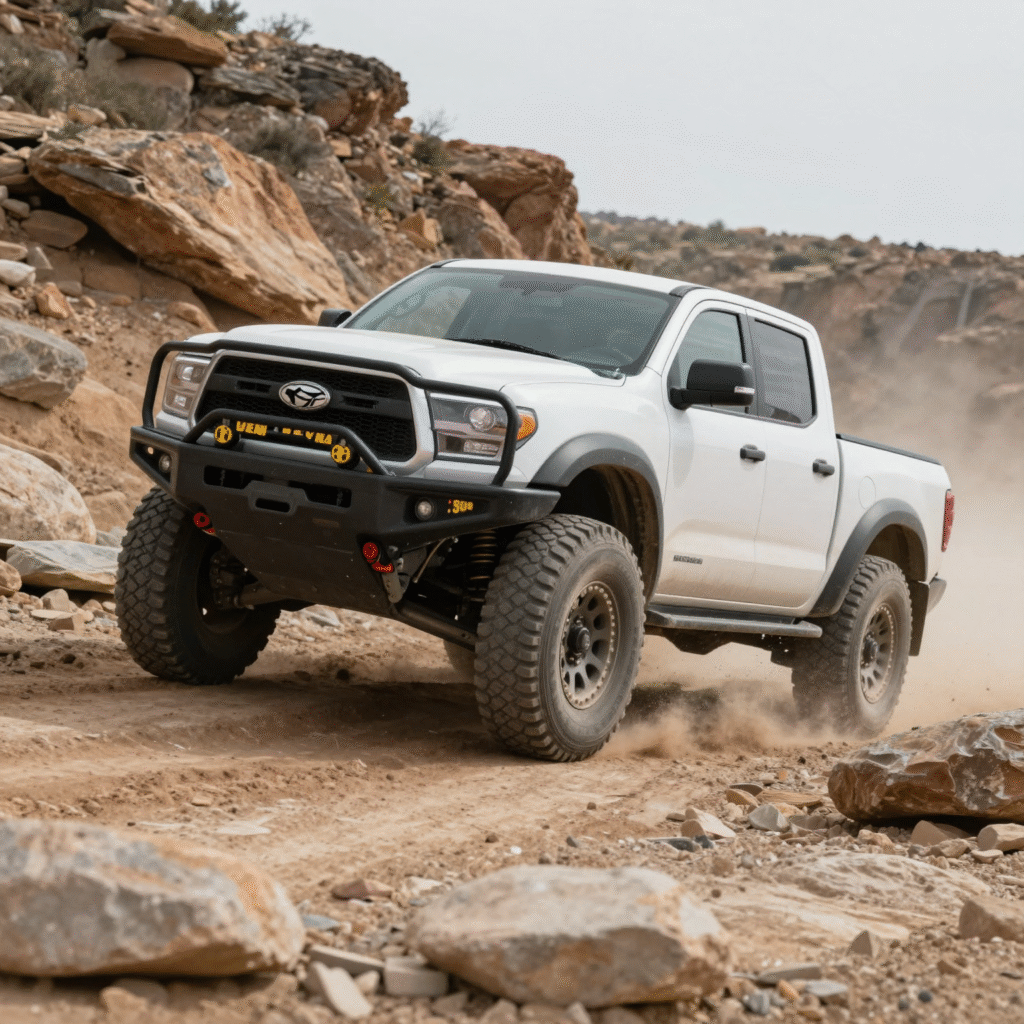
This image showcases the rugged capability of off-road diesel trucks in their natural environment, emphasizing the adventure spirit.
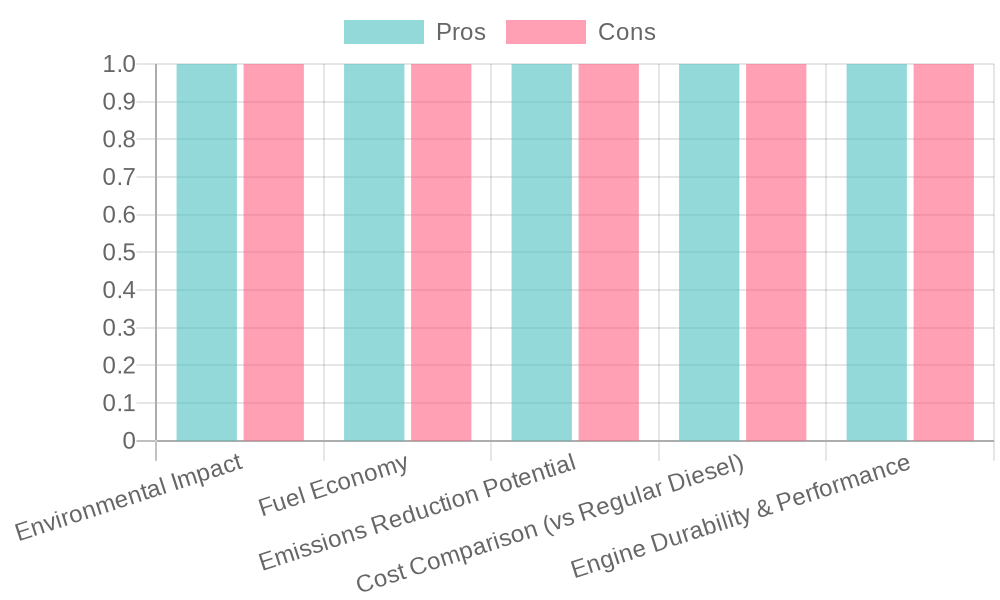
This chart visually compares the pros and cons of off-road diesel features.
Off-Road Diesel Regulations
Using off-road diesel in trucks is fraught with legal considerations that every off-road enthusiast and operator must navigate. Understanding the regulations surrounding this fuel is critical to avoid hefty fines and ensure compliance.
Tax Implications
In the United States, off-road diesel, designated for non-highway use, is taxed at a lower federal rate of 24.4 cents per gallon as of 2023. However, state-level taxes vary significantly; for instance:
| State | Off-Road Diesel Tax Rate |
|---|---|
| California | $0.25 per gallon |
| Texas | No additional tax |
| New York | $0.05 to $0.15 per gallon |
States like California impose additional excise taxes, necessitating compliance with both federal and state regulations (Source: IRS).
Usage Restrictions
Crucially, using off-road diesel in on-road vehicles is illegal. The Environmental Protection Agency (EPA) enforces strict regulations, and violations can incur fines upwards of $10,000 per incident. The fuel’s higher sulfur content is not compliant with highway engine standards, and improper use can lead to severe repercussions (Source: EPA).
Moreover, many states have initiated tracking requirements to monitor fuel use, which adds another layer of regulatory scrutiny. Operators must remain vigilant and ensure that off-road diesel is exclusively used in permitted vehicles to avoid penalties ranging from $5,000 to $50,000 for misuse (Source: NCSL).
Navigating these regulations is vital for anyone looking to utilize off-road diesel in their trucking operations.
User Experiences with Off-Road Diesel
Off-road diesel has become a hot topic among truck owners, especially those who tackle rugged terrains and harsh working conditions. The first-hand accounts shared in various forums paint a vibrant picture of both the praises and pitfalls of using off-road diesel in trucks.
Positive Experiences
Many users enthusiastically testify to the resilience and capability of off-road diesel engines. For instance, a user from TruckReview.com noted that off-road diesel trucks like the Ford F-450 XL and Ram 5500 excel in mining and construction settings, emphasizing their excellent torque for heavy hauling (TruckReview – User Reviews). Another contributor on Heavy Equipment Today emphasized how such trucks handled steep inclines and muddy conditions expertly, calling them a “lifeline on job sites” where downtime is costly.
Moreover, users frequently highlight significant reliability at high mileage-many achieving over 50,000 miles without serious engine issues. Features such as robust chassis designs and high towing capacities (up to 30,000 lbs) are often praised, reinforcing that off-road diesel trucks are well-suited for extreme conditions.
Challenges and Concerns
Despite the many positives, off-road diesel usage isn’t without its challenges. A common concern among users is the higher fuel consumption, particularly when towing heavy loads. Some users reported that maintaining these trucks can lead to increased costs if not meticulously managed. The California Air Resources Board has also been discussed extensively in forums, where users debated new proposals that could ease emission regulations for off-road diesel equipment and whether this approach might affect performance and maintenance needs (CARB Proposal Discussion).
Overall Sentiment
Overall, discussions on forums reflect a community of passionate off-road enthusiasts and practical operators who share tales rich in experience and advice. The ruggedness, reliability, and power of off-road diesel trucks keeps users returning to these vehicles for their adventures. Such testimonials emphasize that while challenges exist, the benefits of owning a capable off-road diesel truck far outweigh the negatives.

User Ratings of Off-Road Diesel Trucks
| Vehicle Model | Average Rating (Out of 5) | Key Feedback |
|---|---|---|
| Ford F-150 Power Stroke Diesel | 4.7 | Excellent torque, strong off-road capability |
| Ram 1500 Rebel Diesel | 4.6 | Reliable for rugged terrain, smooth ride |
| Chevrolet Silverado 2500HD Duramax Diesel | 4.5 | Exceptional payload strength, durable in long-haul |
| Toyota Tundra TRD Pro Diesel (2026 Prototype) | 4.4 | Strong reliability and off-road resilience |
Sources for Ratings: Car and Driver, MotorTrend, Autoblog, Toyota Newsroom.
The Thrill of Performance: Benefits of Off-Road Diesel
When it comes to tackling rugged terrains, nothing quite compares to the performance of trucks fueled by off-road diesel. For off-road enthusiasts and adventurers, the right diesel can mean the difference between a thrilling journey and a frustrating ordeal. Embracing the adventure starts with understanding the unparalleled advantages that off-road diesel brings to your truck’s performance.
Exceptional Torque and Power
Off-road diesel engines are designed to deliver high torque at low RPMs, offering superb power right where you need it. This is particularly crucial in rugged terrains where steep inclines, muddy paths, and rocky obstacles challenge your vehicle’s capabilities. The robust torque not only enhances climbing ability but also enables heavy towing, ensuring that whether you’re hauling gear or navigating steep grades, your truck remains steadfast and reliable.
Fuel Efficiency for Long Adventures
Fueling your truck with off-road diesel enhances energy efficiency due to its higher energy density compared to standard diesel. This means you can journey farther without worrying about frequent refueling, which is essential when traversing remote landscapes. With off-road diesel, you stay focused on your adventure instead of the nearest gas station.
Built to Withstand
Off-road trucks equipped with diesel systems typically feature reinforced suspensions and chassis designs to handle the harshest environments. These trucks boast advanced driving aids like electronic differentials that enhance stability and control on uneven surfaces, making your off-roading experience not just possible but exhilarating. The durability and reliability of these systems foster a sense of security, allowing you to push your limits and explore pathways less traveled.
Adventure Awaits
The allure of off-road diesel is not just about fuel- it’s about empowerment. It’s about knowing that you have the right tools at your disposal to explore the great outdoors, tackle challenging terrains, and live your adventures to the fullest. So, gear up, embrace the power of off-road diesel, and take your truck where others fear to tread.
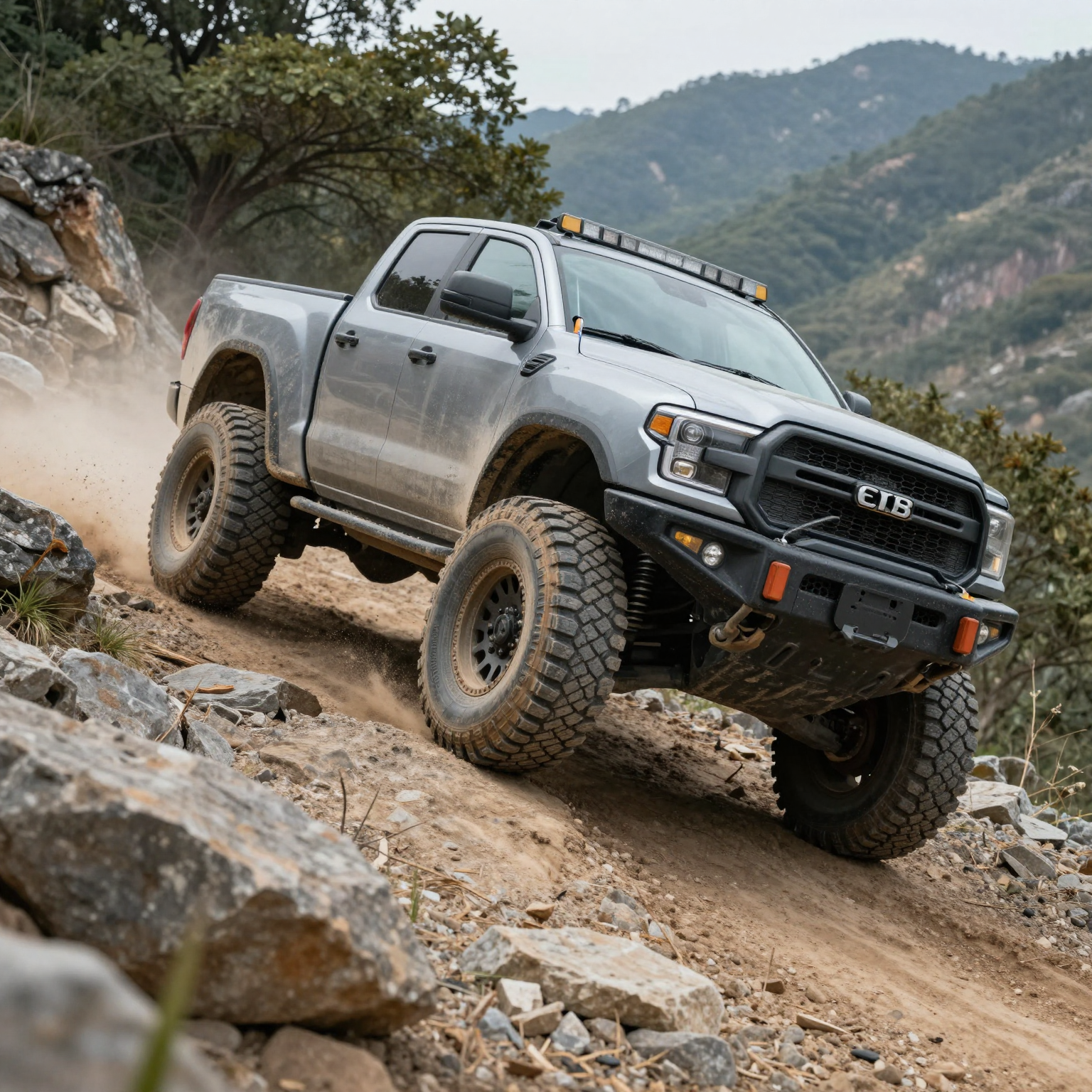
A rugged truck optimized for off-road diesel performance.
Dr. Elena Martinez, Senior Research Fellow at the University of British Columbia, states: “Off-road diesel offers unmatched power density and reliability for demanding environments, making it indispensable in sectors like agriculture and resource extraction. However, we must address sustainability challenges to secure its future.”
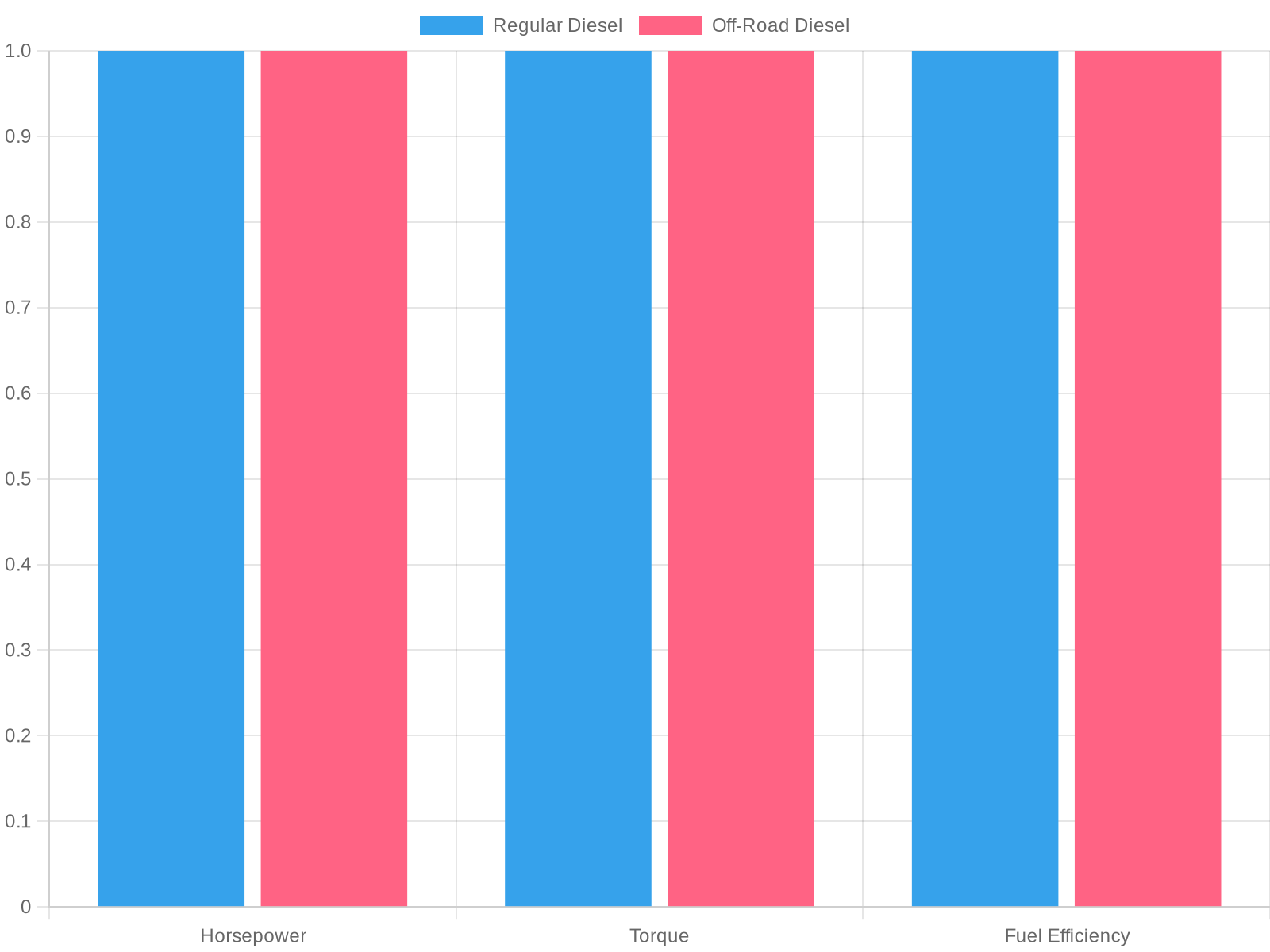
| Performance Metric | Regular Diesel | Off-Road Diesel |
|---|---|---|
| Horsepower | Identical | Identical |
| Torque | Identical | Identical |
| Fuel Efficiency | Identical | Identical |
Note: While regular diesel and off-road diesel have identical performance metrics (horsepower, torque, fuel efficiency), off-road diesel is taxed at a lower rate and is prohibited for use in on-road vehicles. It contains the same energy content and chemical composition as on-road diesel but lacks the additive package required for emissions control systems in modern vehicles.
Source: U.S. Environmental Protection Agency (EPA)
Tips for Modifying Trucks for Off-Road Diesel Usage
- Upgrade the Suspension: Install a high-performance suspension system featuring upgraded springs and shocks. This will enhance stability and comfort on rugged terrains.
- Choose Off-Road Tires: Opt for larger, durable off-road tires that maximize traction and improve ground clearance.
- Enhance Fuel Efficiency: Consider integrating an ignition enhancer to improve combustion efficiency, boosting acceleration and overall performance for your diesel engine.
- Optimize the Drivetrain: Upgrade to an efficient driveshaft or adjust the rear axle gear ratio to enhance the power output.
- Reinforce the Truck Body: Add front and rear bumpers, brush guards, and skid plates to protect vital components while off-roading.
- Utilize High-Quality Diesel: Take advantage of off-road diesel’s high energy content and fuel economy, providing up to 30% more range than gasoline, especially beneficial for long excursions.
For more in-depth guidance on truck modifications, learn more about diesel mechanics or check out the benefits of diesel engines in rugged conditions.
In conclusion, the benefits of using off-road diesel fuel in trucks are undeniable. Not only does it provide a more cost-effective solution for off-road activities, reducing the financial burden on adventurers and landowners alike, but it also offers enhanced performance features that are tailor-made for rugged terrains. This fuel type caters to the demands of off-road enthusiasts, giving you the edge you need whether you’re exploring remote landscapes or engaging in high-stakes off-road racing.
Moreover, off-road diesel is a reliable choice for those involved in agricultural and industrial sectors, ensuring robust power levels while running efficiently in varied conditions. As you embark on your next adventure, consider the advantages that off-road diesel fuel can bring to your vehicle’s performance and durability.
Additionally, don’t forget to explore the fantastic offerings from Summit Fairings. Tailoring your off-road experience with the right modifications can make all the difference in your adventure. Embrace the thrill of the journey, fuel your passion with the right tools, and let the rugged trails beckon you forth!