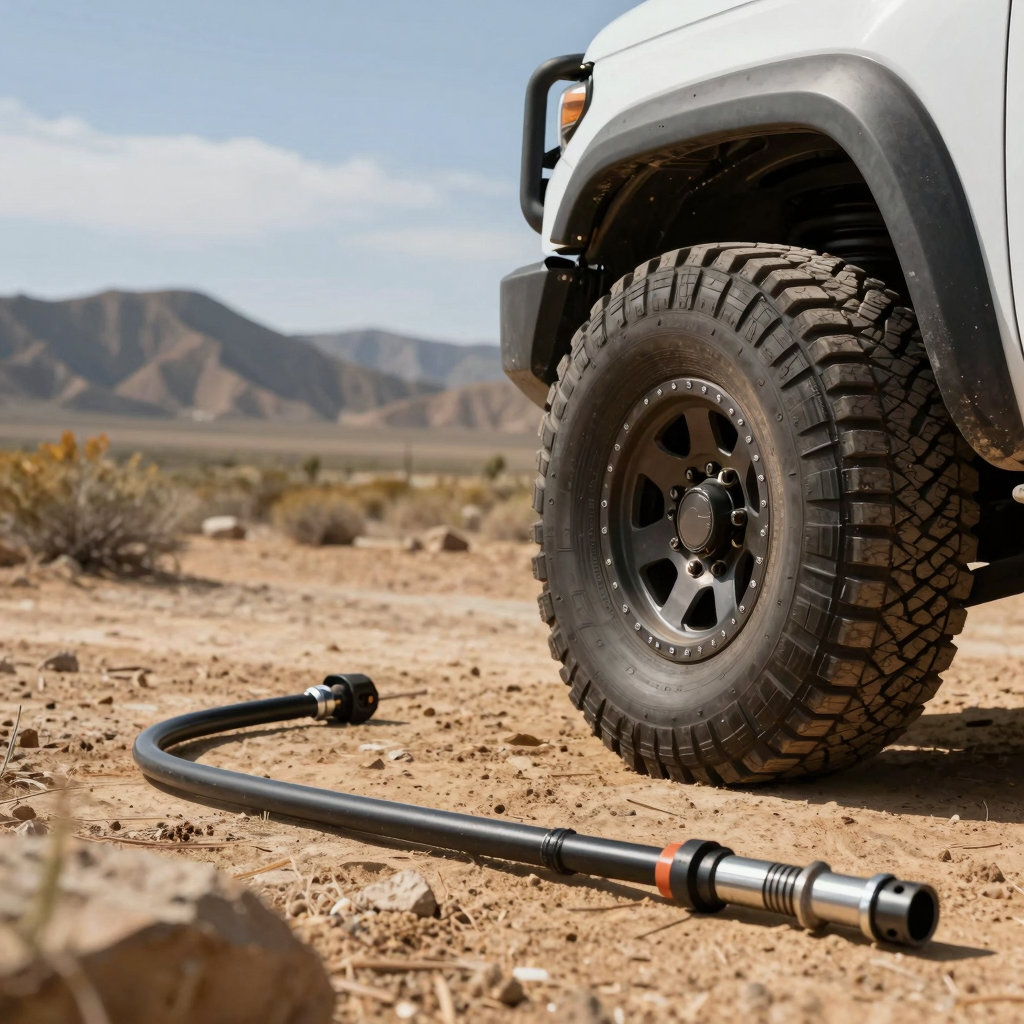
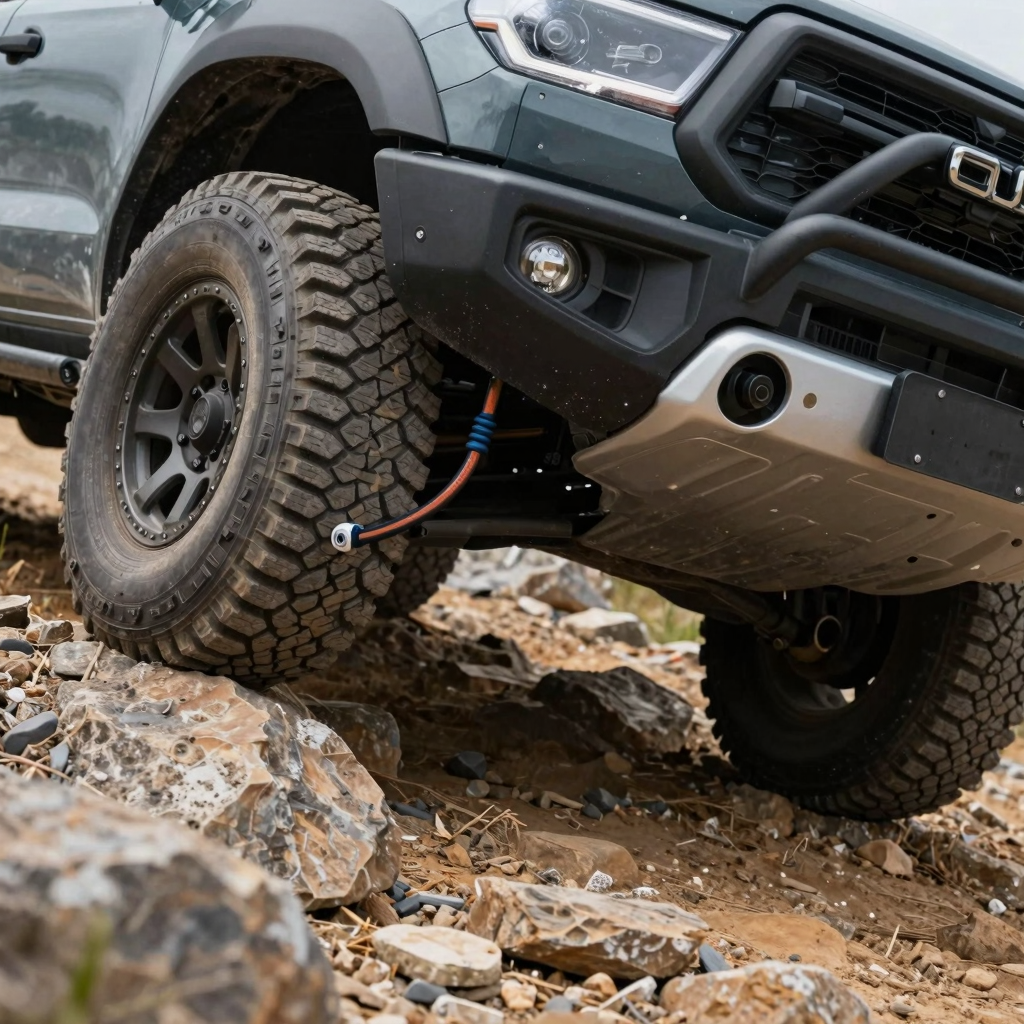
When it comes to off-roading, the thrill of conquering rugged terrains and steep inclines is matched only by the vital importance of safety, particularly when it comes to your vehicle’s braking system. Properly running brake lines on your off-road truck is not just an upgrade; it’s a necessity that ensures reliable stopping power under the most demanding conditions. Whether you’re traversing rocky landscapes or powering through muddy trails, the integrity of your brake lines can determine your success-or your safety. With a rugged, authoritative approach, we will guide you through the intricacies of brake line installation, highlighting the techniques and tools that off-road enthusiasts must master. Get ready to enhance your truck’s performance and embrace the adventure like never before! Dive into our insights on off-road truck modifications and see how you can revolutionize your ride.
Key Considerations for Running Brake Lines on Off-Road Trucks
When setting out to run brake lines for off-road trucks, it’s crucial to consider the extreme environments in which these vehicles operate. Off-road conditions present unique challenges, from rugged terrains to unpredictable weather, and understanding these factors is essential for ensuring both safety and performance.
1. Terrain Challenges
Off-road trucks encounter various terrains, including rocky surfaces, mud, and sand. These conditions can subject brake lines to extreme stress.
- Dynamic Loads: The suspension system of off-road trucks is designed to flex and move frequently, which can lead to brake lines experiencing intense stretches and vibrations. Selecting high-quality materials that can endure such movements is vital.
- Potential Damage: Sharp rocks or debris can easily damage exposed brake lines. To mitigate this risk, consider routing brake lines away from high-exposure areas and using protective coverings where needed.
2. Weather Conditions
Weather plays a pivotal role in the performance of brake lines:
- Extreme Temperatures: High temperatures can accelerate the aging of rubber hoses, while low temperatures can make materials brittle. It’s advisable to use hoses that are designed to withstand these extreme conditions without losing integrity.
- Moisture and Corrosion: Rain and humidity may lead to moisture build-up, which could lower brake fluid boiling points and lead to corrosion within metal lines. Ensuring a robust sealing system on connections can help prevent water intrusion.
3. Safety Considerations
Safety is paramount in any vehicle, especially in off-road settings:
- Regular Inspections: Routine checks for any signs of wear, such as cracks or leaks, are essential to maintain reliable braking performance.
- Proper Installation: Ensuring the brake lines are installed with the correct curvature and secured adequately will reduce the risk of kinking or disconnection under stress.
Choosing the right brake line materials and installation practices can significantly enhance the safety and performance of your off-road truck. Always prioritize using high-quality components to withstand the rigors of off-road driving and ensure a safe and exhilarating adventure. For further insights on vehicle safety and modifications, learn more about our safety guides
Essential Tools and Materials for Running Brake Lines on an Off-Road Truck
Running brake lines on off-road trucks is a critical task that requires not just the right skills but also the right tools and materials. Here’s a comprehensive list of what you will need:
Essential Tools:
- Brake Line Flaring Tool: A double flare-type is preferred for durability. Brands like Tork Tools and Wurth offer reliable options.
- Tubing Cutters: Ensure clean cuts on brake tubing. Mac Tools provides robust cutters.
- Adjustable Wrenches: An essential tool for tightening fittings, necessary for both metric and SAE sizes.
- Brake Bleeder Kit: For purging air from the brake lines; consider using a vacuum bleeder for efficiency.
- Torque Wrench: Important for ensuring all connections are tightened to specification.
- Hydraulic Tube Bender: This tool helps shape your brake lines without kinks for a clean run.
- Work Gloves: Protect your hands from sharp edges and dirt when working.
- Safety Glasses: Always wear these to shield your eyes from debris.
Essential Materials:
- High-Quality Brake Tubing: Stainless steel or aluminum is recommended for its corrosion resistance and durability. Brands like EBC (UK) produce top-notch stainless steel braided lines.
- Double-Flared Fittings: Vital for connecting pieces of tubing securely.
- Brake Fluid: Use either DOT 3 or DOT 4, with Permatex being one of the trusted brands for quality brake fluid.
- Teflon Tape: For sealing threaded connections, preventing leaks at the fittings.
- Protective Brake Line Clamps: These secure the brake lines and prevent movement or damage over rough terrain.
- Rubber Sleeves or Armor: Important for protecting lines from abrasion due to rocks or harsh environments.
Additional Considerations:
- Flexibility: Use flexible brake hoses at pivot points to accommodate movement without compromising performance.
- Routing and Securing Lines: Proper routing is essential to avoid damage during extreme off-road conditions-ensure all lines are secured properly.
Conclusion
Knowing the right tools and materials can make all the difference in the performance and safety of your off-road truck. For a more detailed guide on forming and maintaining your brake system, check out our installation guide. Safety first, and happy off-roading!
Step-by-Step Guide to Running Brake Lines on an Off-Road Truck
Rugged enthusiasts and off-road adventurers, buckle up! Running brake lines on your off-road truck is a crucial task that can ensure safety and performance, especially when tackling the wildest terrains. Let’s dive into the detailed steps you need to follow.
Step 1: Gather Your Tools and Materials
Before you start this vital installation, make sure you have the necessary tools and materials:
- High-Quality Brake Lines: Opt for braided stainless steel brake lines for enhanced durability.
- Tools Needed:
- Wrenches (flare nut wrench recommended)
- Pipe cutter
- Rubber isolators or protective sleeves
- Clamps
- Teflon tape
- Safety Gear: Gloves and safety glasses to protect yourself during the process.
Step 2: Secure the Truck
Raise your truck using jack stands, ensuring it’s stable and safe to work on. This provides ample access to the brake system.
Step 3: Remove Old Brake Lines
Carefully disconnect the existing brake lines from the master cylinder and calipers or wheel cylinders. Inspect the master cylinder and brakes for wear and tear.
Step 4: Route New Brake Lines
- Routing: Plan the route for your new lines. They should follow the vehicle’s frame rails or undercarriage, avoiding sharp edges or moving parts. Secure them with clamps every 12-18 inches.
- Protection: Use rubber isolators at key points to minimize vibration and prevent chafing against surfaces.
Step 5: Attach the Lines
Connect one end of the brake lines to the master cylinder using a flare nut wrench, ensuring a tight seal. Then attach the other ends to the calipers or wheel cylinders.
Step 6: Bleed the Brake System
After installation, it’s crucial to remove any air from the system by bleeding the brakes. You might use a vacuum or pressure bleeder to make this step efficient.
Step 7: Test Your Brakes
Before hitting the trails, conduct a test drive in a safe area, ensuring that your pedal feels firm and responsive. This step is vital for your safety as well as your enjoyment of those adventurous rides!
For further technical insights, learn more about brake line safety tips.
How to Run Brake Lines on Your Off-Road Truck
Installing brake lines on your off-road truck may seem daunting, but with the right tools and a solid process, you can achieve a reliable setup that enhances your vehicle’s performance. Here’s a step-by-step guide to help you navigate this essential task.
- Gather Your Tools: Start by collecting all necessary tools, including a tubing cutter, flare tool, wrenches, and safety gear. Having the right tools will make your installation smoother and safer.
- Measure and Cut: Measure the length of brake line needed for your specific truck model. Cut the brake lines cleanly using a tubing cutter to ensure a proper fit.
- Flare the Ends: Using a flare tool, create flared ends on your brake lines. This step is crucial as it ensures a tight seal when attaching the fittings.
- Attach the Fittings: Securely attach fittings to both ends of the brake lines, ensuring that they are tightened appropriately to prevent leaks.
- Secure with Brackets: Finally, secure the lines to your truck’s chassis with brackets to prevent movement or damage during off-road adventures.
This installation not only increases safety but also boosts your confidence while tackling rugged terrains. For more tips on truck modifications, learn more about essential tools.
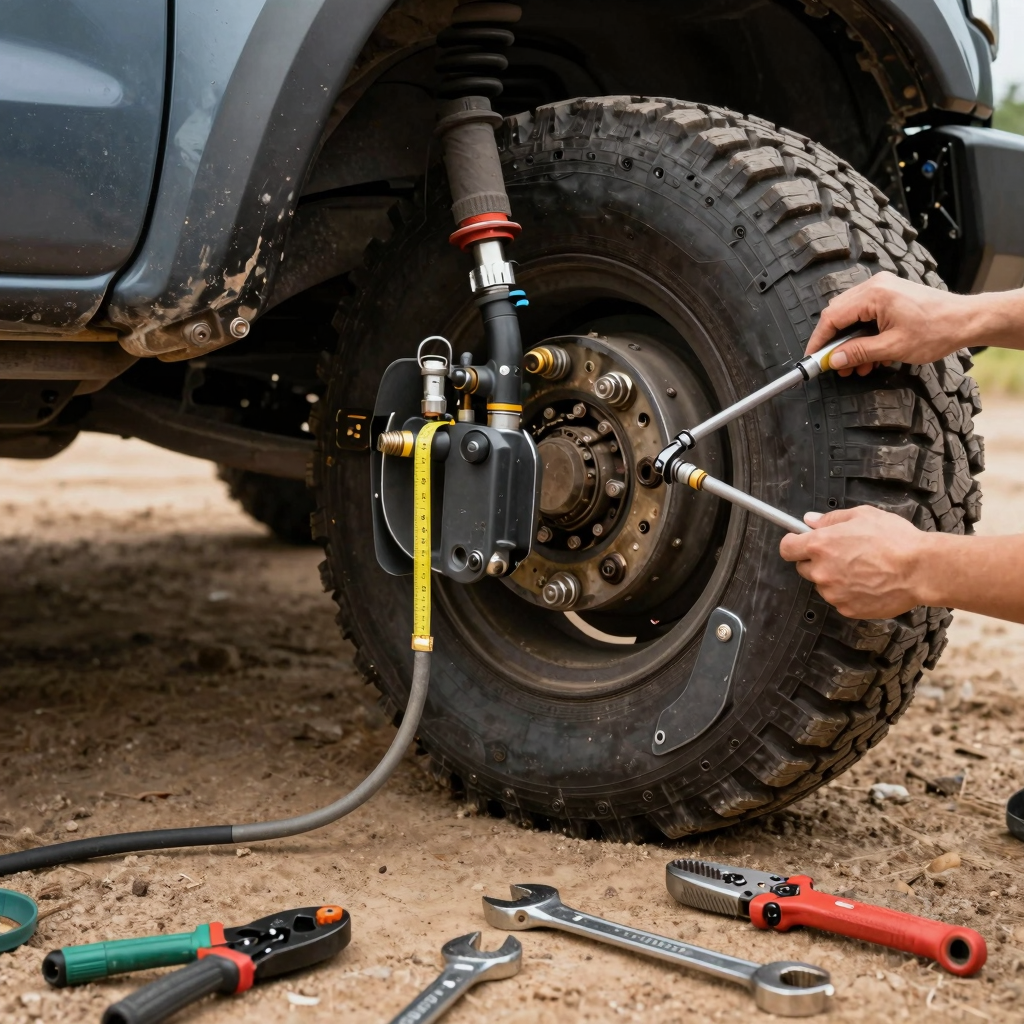
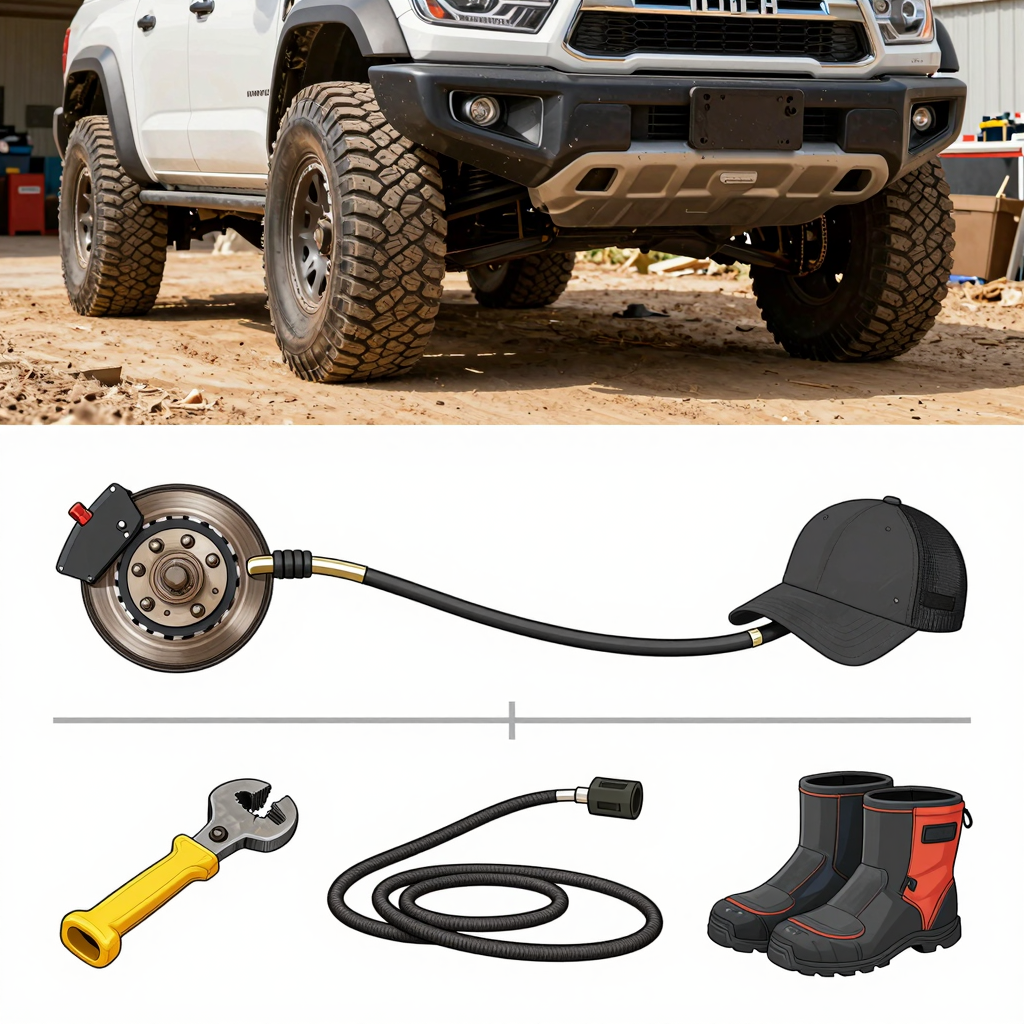
Image depicting the process and tools for brake line installation on an off-road truck.
Common Brake Line Materials for Off-Road Applications
Choosing the right brake line material is essential for ensuring performance, safety, and durability in off-road environments. By understanding the characteristics of different materials, off-road enthusiasts can make informed decisions that enhance their truck’s braking capabilities.
Comparison Table of Brake Line Materials
| Material | Cost (per set) | Durability (years) | Suitability for Off-Road |
|---|---|---|---|
| Steel | $30 – $50 | 5 – 7 | Moderate (corrosion risk) |
| Stainless Steel | $60 – $120 | 10 – 15 | Excellent (rust-resistant) |
| Nylon | $15 – $30 | 3 – 5 | Poor (degrades under stress) |
Material Characteristics
- Steel: The most economical choice, steel brake lines are prevalent in many vehicles. However, they are susceptible to rust and may corrode quickly in wet or humid conditions. Hence, their longevity is limited, averaging only 5 to 7 years in off-road settings.
- Stainless Steel: This material is often recommended for off-road applications due to its excellent resistance to corrosion, wear, and impact. Stainless steel lines typically last over 10 years, making them ideal for harsh environments where durability is crucial. Although they come at a higher price, the investment pays off with long-lasting performance. According to a report from MotorTrend, stainless steel provides superior reliability in off-road conditions.
- Nylon: Lightweight and flexible, nylon brake lines are cheaper and easier to install but have significant drawbacks. They tend to degrade more quickly than metal lines when exposed to UV light and high temperatures, lasting only 3 to 5 years in adverse conditions. They are not recommended for heavy-duty applications, particularly in off-road settings due to their susceptibility to wear and lower burst pressure ratings.
Best Practices
For off-road enthusiasts, investing in stainless steel brake lines is wise for enhanced durability and performance. The higher initial cost is overshadowed by their longevity and resilience. Make sure to consider the specific demands of your off-road activities when selecting brake lines to ensure that you maintain optimal braking performance, safety, and vehicle integrity.
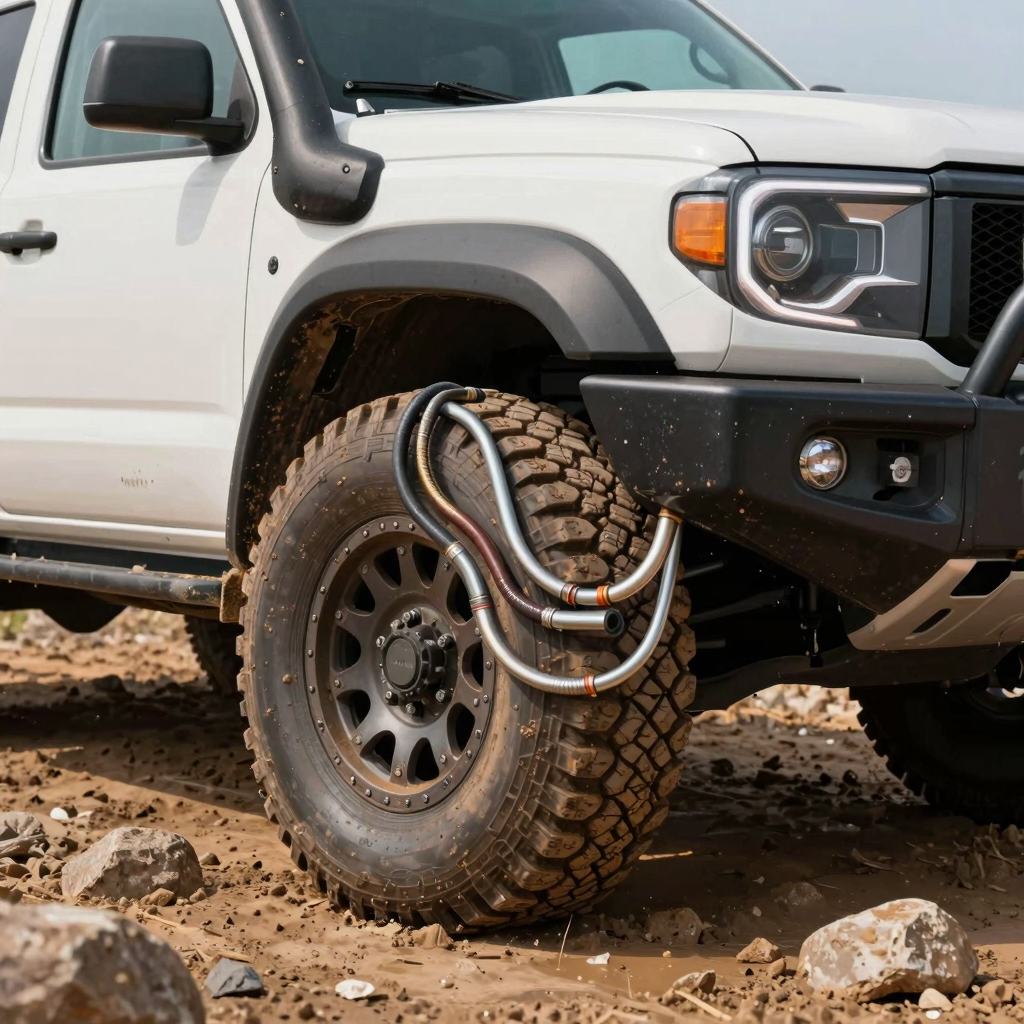
An illustration of brake lines in a rugged off-road truck showing material types and their characteristics.
For further insights on off-road vehicles and modifications, check out our post on mastering diesel mechanics or explore the benefits of investing in effective fleet management to optimize your adventures!
Maintenance Tips for Brake Lines
Proper maintenance of brake lines is essential for off-road trucks to ensure safety and performance in rugged environments. Here are some essential tips:
-
Regular Inspections: Inspect your brake lines every 5,000 miles, or after major off-road excursions. Look for any signs of abrasion, cracks, or leaks, especially in high-stress areas like near the axle and suspension components. Learn more about brake system maintenance.
-
Use Quality Materials: Upgrade to high-quality braided stainless steel brake lines. These offer better durability and resistance to the harsh conditions typical in off-road scenarios.
-
Check Fittings and Fluid: Ensure all fittings are tightly secured, and regularly check for fluid contamination. After driving through water or mud, flush and replace the brake fluid every two years to prevent moisture accumulation.
-
Protective Measures: Consider installing protective sleeves or guards on vulnerable sections of the brake lines to prevent chafing and rolling over rocks and debris.
By following these maintenance tips, you can ensure that your off-road truck’s brake lines remain reliable and effective for your next adventure!
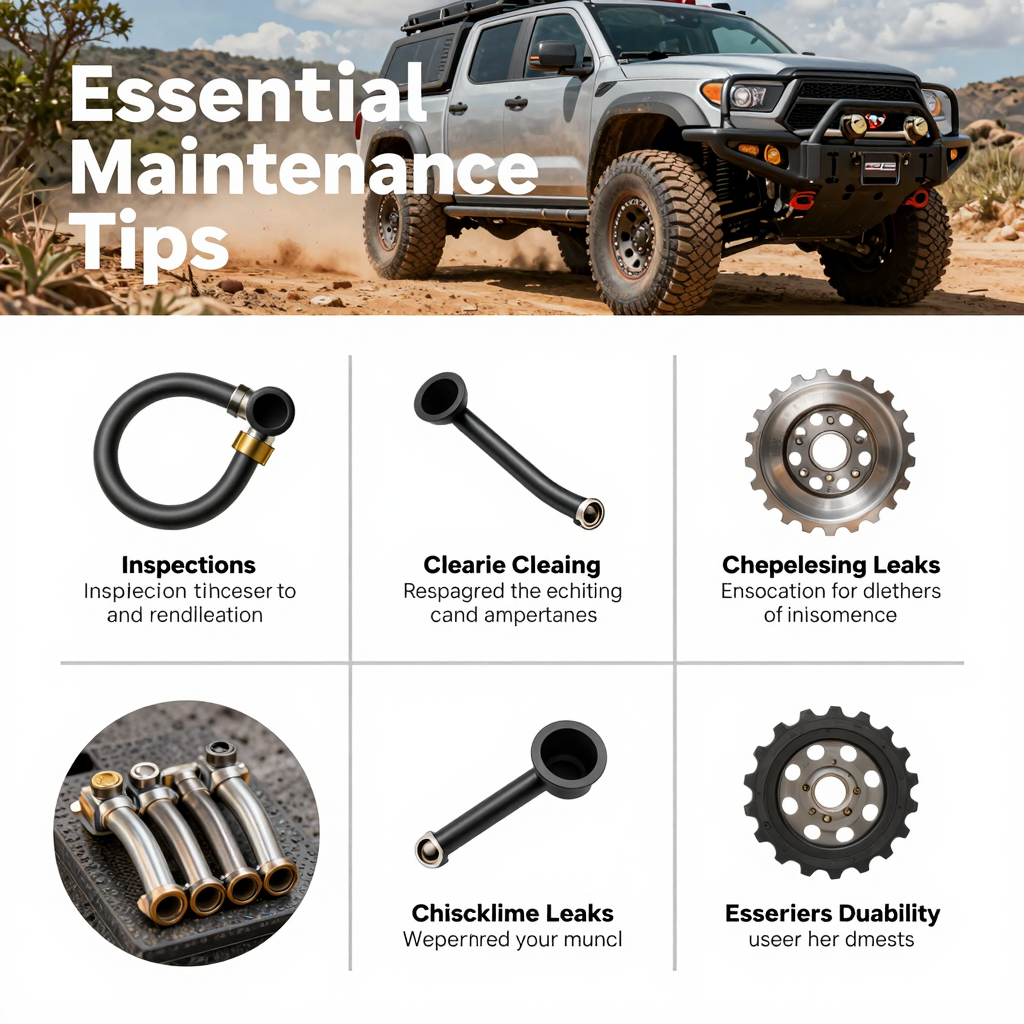
Comparing Brake Line Materials for Off-Road Trucks
When it comes to off-road driving, the effectiveness of your braking system can mean the difference between a safe stop and a dangerous crash. Choosing the right brake line material is critical, especially in harsh conditions. Let’s take a closer look at three popular materials used in off-road brake lines: Stainless Steel, Rubber, and Teflon (PTFE).
Chart of Brake Line Materials
| Material | Pros | Cons |
|---|---|---|
| Stainless Steel | Durable, Corrosion-resistant, High burst pressure, Resistant to abrasion and road debris | Expensive, Can be brittle if bent incorrectly, Less flexible than rubber or Teflon |
| Rubber (Hose) | Flexible, Cost-effective, Easy to install, Lightweight | Degrades over time, Susceptible to cracking and leaks, Lower heat and pressure resistance |
| Teflon (PTFE) | Heat resistant, Smooth fluid flow, Excellent for fluid purity, Resistant to chemical degradation | Expensive, Requires careful installation, Vulnerable to damage from sharp objects, Can be less durable under extreme mechanical stress |
Pros and Cons of Each Material
- Stainless Steel
- Pros: Offers unprecedented durability and corrosion resistance, making it a top choice for extreme environments. It can withstand high pressures and is less likely to fail under rigorous use.
- Cons: The initial cost is higher compared to rubber. Installation requires precision to avoid brittleness.
- Rubber Hoses
- Pros: They are the most cost-effective option, and their flexibility makes them easier to install.
- Cons: These lines degrade faster and may crack or leak with prolonged exposure to heat and harsh environments.
- Teflon (PTFE)
- Pros: Known for its fluid purity and high-temperature endurance, PTFE offers an excellent braking experience in high-performance vehicles.
- Cons: Installation must be done carefully, as kinking can lead to failure, and sharp objects can puncture these lines.
For a deeper dive into off-road systems and their upgrades, check out our article on stainless steel brake lines.
Choosing the right brake line material is not just about preference, it’s about ensuring safety and reliability on rugged terrains. Make your choice wisely!
The Importance of Quality Brake Lines in Off-Road Vehicles
When running brake lines on your off-road truck, it is not just about the routing and the aesthetics-it’s fundamentally about safety and performance under rugged conditions. Off-road vehicles face harsh environments, and the components that keep them operable are critical to ensuring that you can stop safely on rocky terrains or steep declines.
Using high-quality brake lines made of materials such as stainless steel or reinforced Teflon-lined options not only enhances durability but also resists corrosion and maintains performance under temperature fluctuations.
According to the NHTSA:
“A poorly installed or low-grade brake line can compromise the entire braking system, even if other components are functioning properly. Proper installation techniques, including correct routing, secure clamping, and leak-free fittings, are non-negotiable.”
This statement underscores the significance of not just investing in top-tier brake lines but also ensuring that the installation is executed flawlessly. Poor installation can lead to dangerous situations where the brake system may fail just when you need it the most.
In off-roading, every detail matters. It’s essential to avoid sharp bends in the lines to prevent pressure loss and to verify that all fittings are torque-specified. Remember, even the best brake line can fail if it’s not installed correctly. As the risks increase with extreme driving conditions, prioritize quality and professional installation to keep yourself safe on your adventures.
If you’re looking to enhance your knowledge and skills in vehicle modifications, check out our guide on mastering diesel mechanics for a deeper understanding of crucial components.
Conclusion: Elevate Your Off-Road Adventure
As we conclude our deep dive into running brake lines on off-road trucks, it’s clear that attention to detail in this critical aspect of truck modification is not merely a technical requirement-it’s a commitment to safety and performance. Properly routed and installed brake lines can dramatically improve your vehicle’s stopping power and durability. By using high-quality materials and following best practices, you safeguard your truck against the rigors of rugged terrain, ensuring you can tackle any adventure with confidence.
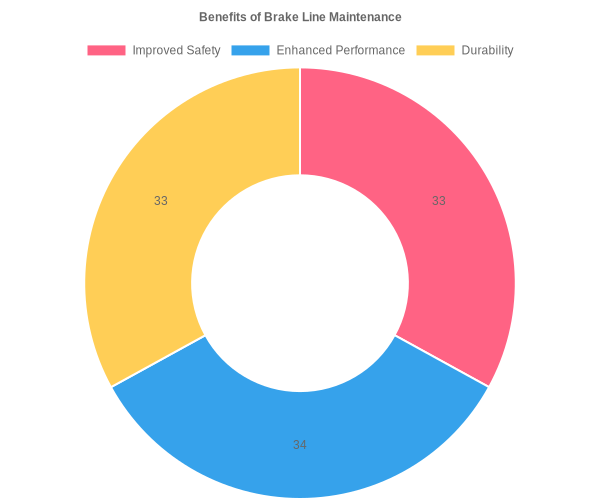
The importance of these brake lines cannot be overstated. They play a vital role in preventing catastrophic failures that could leave you stranded or, even worse, lead to accidents on treacherous trails. Remember the fundamental takeaways:
- Improved Safety: Ensure reliable stopping power.
- Enhanced Performance: Experience quicker response times and better control.
- Durability: Resist wear and tear under extreme conditions.
For those looking to take their off-road capabilities to the next level, don’t overlook the significance of high-quality modifications. Your truck deserves the best, and so do you.
Explore Summit Fairings for exceptional off-road truck needs. Equip your rides the right way, and embrace the adventure ahead!