

For off-road enthusiasts, nothing beats the thrill of navigating challenging trails and rugged terrains. The pickup truck you choose can make or break your off-road adventures. In 2026, the market is rich with robust contenders delivering exceptional performance, reliability, and technology. Whether you’re racing through muddy terrain, climbing rocky outcrops, or hauling supplies on remote properties, the ideal off-road pickup truck should resonate with your adventurous spirit. Each chapter of this article dives into the best off-road pickup trucks of the year, showcasing their unique features and capabilities that cater to various adventurers, from racing fans to rural landowners. Let’s unlock the rugged performance of these powerhouse trucks that redefine what it means to take the road less traveled.
Benchmark in Off-Road Mastery: Redefining Trail Performance
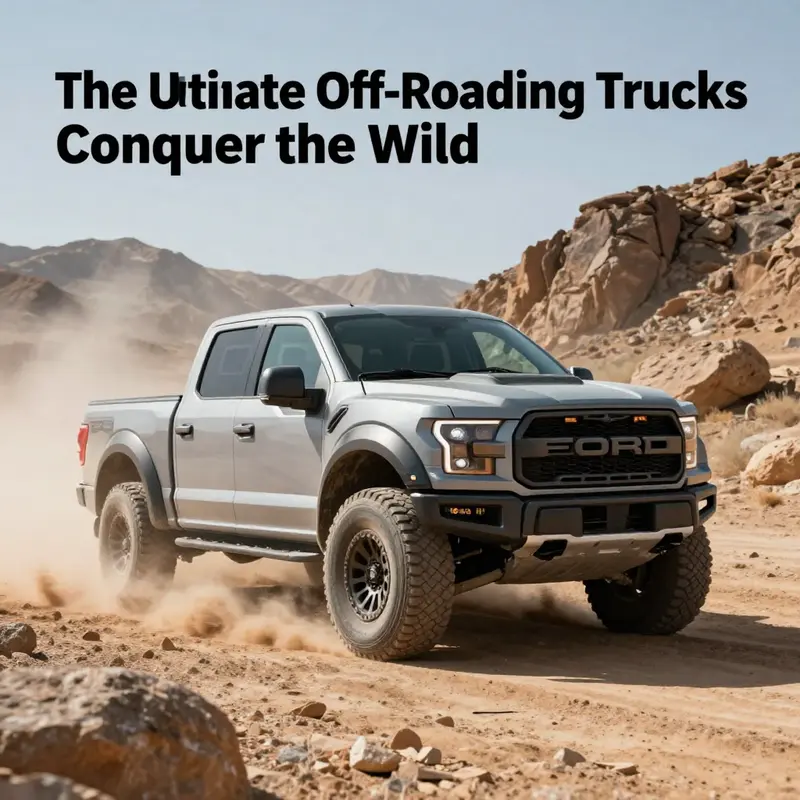
Across 2026, a new wave of off-road pickups has arrived, blending brute grit with refined engineering. These machines are not mere cargo haulers; they are calibrated tools built to tame unpredictable backcountry routes, from sun-scorched desert corridors to jagged rock gardens. The central question they answer is simple: what makes a pickup truly capable off the beaten path? The answer rests on a blend of power, chassis geometry, and smart control systems that read the ground and respond with precision. This chapter surveys the essential ingredients of trail-ready performance, considers how different driving conditions reveal strengths and weaknesses, and explains how to weigh these traits against practicality like daily comfort, reliability, and maintenance. The aim is not to identify a single champion but to illuminate the levers of capability so readers can recognize what matters most on the trail when choosing a vehicle for adventure.
Power is vital, but without control it becomes a liability. A leading example uses a high-output twin-turbo V6 that delivers roughly 450 horsepower. The result is a burly, usable rush of torque that helps the vehicle surge up steep dunes and crest rocky ledges without begging for admission to the boost gauge. The value lies not in raw numbers but in the engine’s ability to deliver controlled throttle response instant enough to match a scatter of loose gravel, yet measured enough to keep the truck from squirming on a rutted grade. In combination with a sturdy transmission and a drivetrain designed for rugged use, that power ensures the truck can accelerate through switchbacks, maintain pace on extended climbs, and recover quickly if traction is lost. The interplay between engine, gearing, and throttle sensitivity creates a predictable feel that inspires confidence, even when the terrain tests the driver’s restraint.
Beyond the powerplant, the suspension forms the backbone of off-road behavior. The best modern pickups employ long-travel systems, allowing generous wheel movement to keep tires in contact with irregular surfaces. In practical terms, something around 12 inches of travel front and rear makes the vehicle more forgiving over rock fields, washouts, and whooped-out sand. The suspension acts like a careful stomping pad—compressing and rebound damping in rhythm with the terrain so the body stays relatively level while the wheels negotiate the roughness. This is critical because a stable chassis translates into accurate steering and reliable tire contact, two essentials for choosing a line that minimizes punch-through and wheel lift on extreme sections. Add durable underbody protection, including skid plates, and a reinforced frame that resists flex under impact, and the package becomes not just fast but durable enough to tackle longer expeditions without frequent pit stops.
Durability is the quiet prerequisite for trust on the trail. Skid plates shield the most vulnerable sections from hidden rocks, stumps, and bone-dry desert ledges. A reinforced frame resists fatigue when the truck leans hard on a rock face or slides along a loose slope. All-terrain tires, selected for a balance of bite and cut resistance, provide traction without sacrificing too much on pavement. The combination matters because off-roading is as much about preventing damage as it is about creating momentum. When the surface changes—from packed earth to loam to hard shale—the chassis must hold its alignment and keep the tires from losing grip. In this regard, the durability philosophy is as much about how the vehicle is built as it is about how it is driven: steady lines, careful throttle, and the readiness to adjust approach angles in response to the ridges of a trail.
Beyond the shell of the body, the drivetrain architecture matters as much as the engine. A robust four-wheel-drive system with low-range gearing lets the driver tailor torque delivery to the ground. In rocky or slick environments, locking differentials become a crucial ally, sending torque to the wheels with the most traction. The goal is simple: maximize grip without overdriving the contact patch or spinning the tires into a useless blaze of smoke. Engineers tune the experience to respect the constraints of the surface, so the driver can focus on route choice rather than wrestling with the controls. The chassis geometry—approach, breakover, and departure angles—also comes into play when a line demands a certain mounting height or a particular clearance over obstacles. The best trucks balance these geometric factors with the engine’s willingness to push forward and the suspension’s ability to absorb the inevitable punishment of rough terrain.
Electronics enter the scene as co-pilots rather than as filler features. Modern off-road pickups employ terrain management and stability control systems that actively adjust braking, torque distribution, and dampening in response to real-time feedback from the ground. This software synergy is critical when the coast-to-coast line transitions from sand to hard-packed rock, and the surface suddenly shifts under the tires. The driver remains in command, but the vehicle’s computers maintain a margin of safety and control that’s hard to replicate with mechanical means alone. Tires, too, are more than fashion statements; their construction and tread patterns define how the vehicle feels through the steering wheel and how forgiving the ride is on slippery piles of shale or wet clay. The feedback from the tires—how they bite, slip, and regain traction—forms part of the instrumental dialogue between machine and driver on every trail.
Maintenance and reliability stay in step with capability: a powerful engine and a robust chassis demand a routine that respects heat, dust, and the demands of long journeys. Real-world expeditions expose a vehicle to conditions that are kinder to some components than to others, so a disciplined maintenance plan is essential. For readers who want a practical route into mechanical literacy and deeper understanding of how powertrains operate, there is a structured path worth pursuing: Mastering Diesel Mechanics: Your Step-by-Step Path to Success. This resource lays out fundamentals that help you detect wear early and perform preventive service with confidence, ensuring the drivetrain continues to deliver when the trail gets demanding. The idea is not to turn every owner into a shop technician but to enable a practical, informed relationship with the machine so you can extend its life and preserve performance on remote trips. Even when the going is easy, reliability matters, and that reliability begins with knowledge.
The broader landscape confirms a diverse ecosystem of trail-ready pickups, each tailoring its strengths to different adventuring styles. Some emphasize raw straight-line power and high-speed desert potential, others optimize for low-speed handling and rock-crawling confidence. The common thread is the insistence that capability grows from a holistic package—engine, suspension, drivetrain, armor, electronics, and the human elements of planning and technique. For buyers, the decision is less about chasing a single superlative and more about matching a vehicle’s emphasis to the types of trails you intend to conquer. If you crave long-range expeditions through remote canyons with confidence that the vehicle will endure, you’ll value durability and control. If you plan to push through technical sections with tight lines, you’ll seek a balance that favors maneuverability and precise throttle response. The story of off-road pickups in 2026 remains a story of range and adaptation, where different builds provide access to distinct kinds of adventure, yet all share a common emphasis on resilience and repeatable performance on the trail.
For readers who want a concise takeaway, the lesson is this: the most capable trail trucks blend power with restraint, structural integrity with protective armor, and software intelligence with driver discipline. They invite you to push your limits while offering a reliable platform that can double as a daily driver. They reward prep, not luck, and they reward practice—learning the right lines, recognizing when to switch modes, and understanding when to lock or unlock differentials. In sum, these trucks symbolize a philosophy of exploration that values both bold action and smart compromise. If you want to peek at a manufacturer’s publicly available technical specifications for one of the flagship trail-oriented models, you can explore the official page for more detail: https://www.ford.com/vehicles/f-150-raptor/
Trail-Ready Full-Size Pickups: How Trail-Focused and Extreme Variants Master Rugged Terrain
Trail-Ready Full-Size Pickups: How Trail-Focused and Extreme Variants Master Rugged Terrain
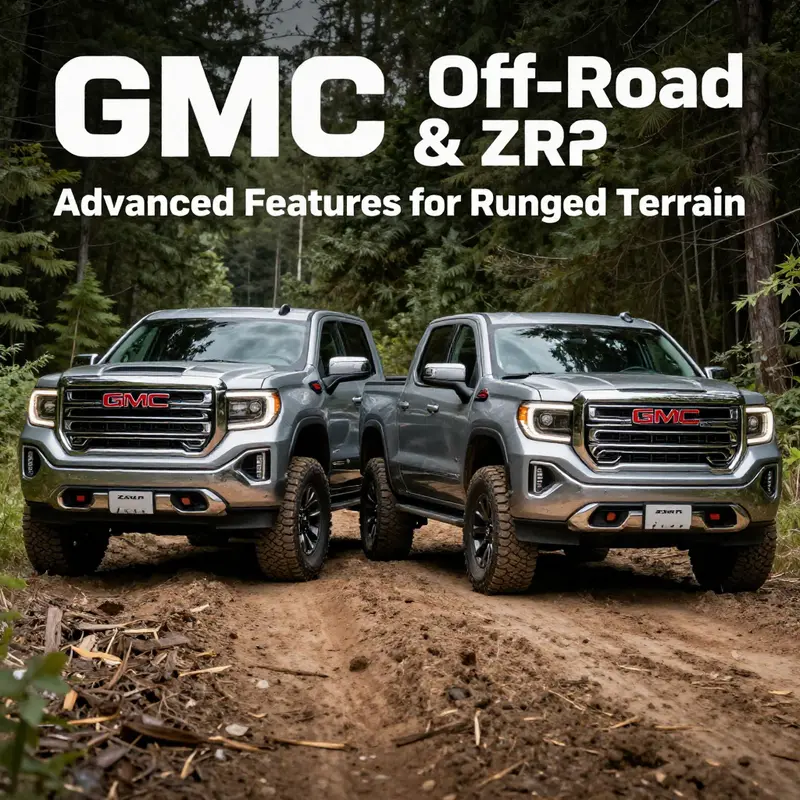
When you line up a trail-focused full-size pickup against a rocky slope or a desert wash, the difference between getting through and getting stuck often comes down to engineering choices made long before the trip. These variants are not mere appearance packages. They rewrite suspension geometry, rethink cooling, and add drivetrain features that actively reduce the chance of trouble. The result is a truck that behaves predictably in harsh terrain. It inspires confidence, lets you experiment with lines, and keeps you moving when conditions deteriorate.
At the heart of these trucks is a suspension system tuned for articulation and control. Designers replace highway-tuned dampers with heavier duty units. Springs are stiffer and travel longer, letting wheels follow the ground more faithfully. Larger-diameter shocks reduce fade and heat buildup. Some setups add a unique track bar design that maintains axle location while enabling greater wheel movement. That combination keeps tires planted over irregular surfaces and improves momentum across rough patches without harsh impacts transferring to the cab. The practical effect is simple: the truck maintains traction instead of bouncing off obstacles.
Ground clearance and frame reinforcement go hand in hand. Taller ride height clears larger rocks and ruts. But unreinforced frames flexing under load lead to component damage. So manufacturers reinforce key sections and strategically stiffen the chassis. Rock rails or reinforced skid plates protect vulnerable underbody components. These reinforcements let drivers pick aggressive lines with less fear of puncturing an oil pan or twisting a crossmember. Ground clearance paired with armor makes technical climbs achievable and otherwise risky routes manageable.
Traction starts with the tires, and these trucks wear aggressive all-terrain rubber as standard. Tread patterns bite into loose surfaces and excavate mud and sand to maintain grip. Larger sidewalls and bead lock-friendly wheels help preserve the tire on a bead when air pressures are lowered for soft sand or rock crawling. Many owners find that pairing aggressive tires with slightly reduced tire pressure yields far better contact area and traction. That setup reduces steering snatch and improves ride over jagged terrain.
Locking differentials are another cornerstone. They force left and right wheels to turn at the same speed, preventing one spinning wheel from killing forward motion. Upgraded front and rear lockers change the game on uneven surfaces and steep climbs. When a wheel loses traction, the locked differential channels torque to the wheel that still has grip. This is especially useful in rocky washes, where wheel lift is common.
For extreme off-road work, manufacturers add systems that integrate traction control, throttle response, and transmission mapping. A dedicated trail or off-road mode adjusts engine response to reduce wheel spin. Transmission shift points move up or down to keep power in the usable band. Braking distribution is tuned to allow controlled descents without overly aggressive intervention. Those modes work with the mechanical hardware to make low-speed maneuvers and steep descents more predictable.
Cooling and thermal management are often overlooked but essential. Rugged trails and heavy towing both raise under-hood temperatures. Upgraded radiators and auxiliary coolers limit heat soak during long climbs or extended low-speed crawling. A robust cooling system prevents power loss and protects the engine. It also improves the life expectancy of drivetrain components under sustained load.
Power delivery in these variants emphasizes torque more than outright horsepower. A turbocharged diesel option often appears for its low-end torque and efficiency. The sustained torque curve helps in technical sections and when hauling a heavy trailer up steep grades. Diesels also offer resilience in prolonged low-speed operations. For drivers considering diesel, understanding the basics is important. A helpful primer can deepen comprehension of maintenance and repair needs, for example, the guide on mastering diesel mechanics. That resource breaks down service intervals and key points to monitor when using a diesel in off-road service.
Tuning extends beyond engine mapping. Performance-tuned exhaust systems can free up flow and reduce backpressure. That slight improvement helps spool turbochargers more efficiently. Combined with careful cooling upgrades, the truck sustains performance through extended off-road sessions.
Air intake protection matters for deep fording and dusty trails. A roof-mounted snorkel provides a raised air inlet that reduces the risk of water ingestion when crossing streams. It also draws cleaner air from above the dust cloud instead of from the wheel wells. For serious water crossings and dust-heavy routes, this is a practical modification rather than a stylistic one.
Wider fenders and an expanded stance do more than look aggressive. A wider track enhances lateral stability on uneven ground. It lowers the effective center-of-gravity roll tendency when cornering on slopes. Wider fenders also allow for larger tire fitment, giving ground clearance and improved contact patch without rubbing. That wider footprint works with suspension tuning and electronic aids to keep the truck stable at speed on graded dirt roads and controlled at low speeds on technical obstacles.
Electronic aids now supplement mechanical hardware in meaningful ways. Hill-descent control uses the ABS system to maintain steady speeds down steep grades without throttle input. Electronic locking functions can be integrated with on-the-fly controls in the cabin. Traction management systems differentiate surfaces and redirect torque appropriately. Combined with physical lockers, these systems reduce the workload for the driver and make advanced techniques accessible to more people.
Practical off-road design also includes protective and usable cargo solutions. Bed-mounted gear systems and tie-downs resist failure when navigating rough terrain. Integrated underbody shrouds protect fuel tanks and the transfer case. A well-thought-out layout ensures that essential recovery gear is both secure and accessible. These features make long backcountry trips safer and reduce the chance of gear loss in a rollover or hard landing.
Trade-offs are real. The same suspension stiffness that aids articulation can reduce everyday ride comfort. Bigger, aggressive tires increase road noise and slightly reduce fuel economy. Wider tracks can complicate tight trail navigation. Diesel engines add towing and low-speed grunt, but they demand specific service routines and can cost more upfront. Smart buyers weigh how often they will push the truck to its limits against the compromises they accept for a trail-capable rig.
For many buyers, the best trail-ready full-size pickup strikes a balance. It offers reinforced structure, tuned suspension, and thoughtful cooling, while retaining enough civility for daily driving. The most capable variants accept purposeful trade-offs to deliver confidence in the roughest conditions. They combine mechanical lockers, aggressive suspension architecture, and off-road-specific electronics into a coherent package.
Choosing between a trail-focused variant and an extreme off-road model comes down to mission profile. If daily comfort and occasional trails are the primary needs, the milder upgrade set gives improved capability without heavy sacrifice. If annual desert runs, frequent overlanding, or technical rock crawling are on the agenda, the extreme variant brings hardware designed for those stresses.
These trucks show that off-road excellence is a system, not a single upgrade. It combines tires, suspension, drivetrain, cooling, and protective elements into a single whole. When those pieces work in harmony, the truck behaves predictably, conserves momentum, and reduces the risk of mechanical failure. For anyone serious about tackling rugged terrain in a full-size pickup, focusing on system-level design wins more than chasing a single headline specification.
For detailed manufacturer specs and feature lists on specific off-road variants, refer to the official model pages published by the manufacturer. https://www.gm.com/models/sierra-1500/trail-boss-zr2.html
Trail-Ready Reliability: The Toyota Tacoma TRD Off-Road as a Benchmark in Off-Road Pickup Leadership
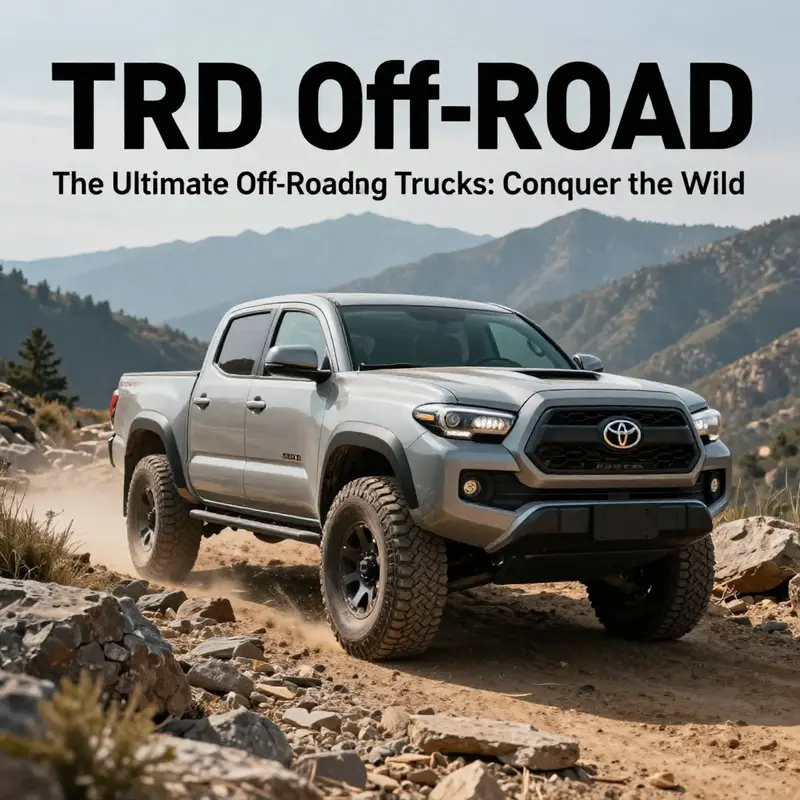
When a pickup truck is built with an eye toward the trail as much as the highway, it earns a special kind of respect. The 2026 Toyota Tacoma TRD Off-Road embodies that philosophy, serving as a clear foreground example of how reliability and an adventurous spirit can coexist in a single vehicle. In the broader conversation about the best pickup trucks for off-roading, the Tacoma stands out not because it shouts its capabilities, but because it quietly delivers on them with a very deliberate, no-nonsense approach. Its lineage—rooted in a reputation for enduring toughness—meets a modern, trail-ready package that emphasizes practical performance over pretension. The result is a machine that invites exploration without demanding constant care or constant upgrades. It feels designed for the long haul, both in miles and memories, which makes it a compelling argument for readers weighing the age-old trade-off between brawn and everyday usability on the trail.
Under the hood, the Tacoma TRD Off-Road is powered by a turbocharged 2.4-liter engine that produces 278 horsepower, paired with an eight-speed automatic transmission. That combination delivers robust torque where it matters most: in low- to mid-range bursts that help the truck crawl over rocks or pull itself out of a rut. The turbocharged setup is particularly well-suited to off-road work because it tends to maintain usable power at altitude and across uneven terrain, where natural aspiration can fall short. In a field crowded with big-displacement rivals, the Tacoma’s compact, responsive heart keeps its mass nimble enough for tight trails while still offering sufficient muscle for climbing and traversing rough surfaces. It isn’t designed to win a drag race, but it is tuned to stay strong when the terrain demands steady, confident progress.
The hardware that makes those power figures meaningful in the real world is as essential as the numbers themselves. The Tacoma TRD Off-Road ships with a set of features that signal its trail-focused intent without making concessions to everyday comfort. Factory-fitted all-terrain tires and aggressive fender flares announce its purpose at a glance, while a front skid plate protects the undercarriage from rocks and debris that would otherwise threaten vital components. The rear differential lock is standard, a significant reliability booster on slippery slopes or uneven surfaces where wheel spin can dig the vehicle into a stall. This is the kind of capability that matters when you’re miles from paved streets and need sure footing, not just speed. In the same vein, a disconnectable front anti-roll bar is included to maximize wheel articulation during extreme off-road maneuvers. Articulation is the quiet hero of rugged traversal, letting the wheels maintain contact with the ground across irregular rocks and ruts. With these features, the Tacoma becomes the kind of tool that encourages you to pick a line, then trust your truck to follow it.
Inside, the cabin is a study in functional efficiency. The TRD Off-Road leans into a practical, no-nonsense design that favors durability over luxury, a choice that is immediately intelligible to anyone who spends weekends chasing trails. A large 14-inch touchscreen brings modern connectivity into play, offering wireless Apple CarPlay and Android Auto so navigation, streaming, and communications remain at hand without fuss. Yet Toyota recognizes that gloves, mud, and rain can complicate touchscreen use, so it preserves physical controls for key functions. A prominent, tactile knob for driving mode selection anchors control where the driver can reach it, a small but meaningful detail that enhances usability in challenging conditions. Materials are chosen for resilience, not ostentation, signaling that this truck’s mission is adventure rather than the showroom floor. The balance between rugged practicality and contemporary convenience is striking: the Tacoma keeps you connected and comfortable without diluting its off-road DNA.
Another layer of reliability surfaces in the way Toyota has integrated off-road capability into the daily experience. The TRD Off-Road is designed to be a genuine trail partner, not a weekend cosplay of one. The standard rear differential lock, combined with solid chassis geometry and a thoughtful suspension tuning, provides predictable traction across varying surfaces. The suite of off-road aids works harmoniously, with the advanced traction management systems helping the driver stay oriented and in control when the surface underfoot changes abruptly. For drivers who value a sense of mastery on the trail, this translates into a confident, repeatable experience—one that rewards careful pacing and deliberate line selection rather than undisciplined throttle. The truck’s design philosophy acknowledges that off-roading is a blend of technique and equipment, and the Tacoma’s equipment is deliberately selected to encourage the former while supporting the latter.
Pricing realities are an important, sometimes uncomfortable, part of any off-road buy decision. The base price of the Tacoma TRD Off-Road sits in a competitive range for its class and purpose, but the specifics matter when it travels beyond domestic borders. In markets where import duties, shipping, certification, and dealer markups come into play, the sticker can climb higher than it might appear on a local showroom floor. This isn’t a vehicle aimed at the bargain hunter; it’s a niche, high-value option for enthusiasts who prioritize proven off-road capability and long-term dependability. The strength of the Tacoma in this arena, however, is not merely in raw performance but in its ability to deliver a reliable, repeatable trail experience year after year. Its rugged simplicity and community-tested durability offer a long-term value that transcends sticker price, making it a compelling choice for those who see off-roading as a sustained practice rather than a one-off weekend activity.
The Tacoma’s practicality extends beyond the trail and into daily life, a nuance that often separates good off-roaders from great ones. It’s not the largest or most technologically flashy truck in its cohort, but it breathes purpose from curb to campsite. The interior’s straightforward layout reduces cognitive load, which matters when fatigue sets in during a long day of driving over rough terrain. Storage compartments and tie-down points at strategic locations keep essential gear within reach, while the overall size and turning radius offer respectable urban usability for a truck with legitimate off-road chops. For many buyers, this blend—trail-ready hardware paired with everyday practicality—represents a meaningful win. It means their truck can be counted on for a family road trip one week and a challenging rocky trail the next, without requiring a separate, purpose-built vehicle.
In the broader landscape of off-road pickup trucks, the Tacoma TRD Off-Road embodies a philosophy that values reliability as a foundation for adventure. It doesn’t promise the most extreme horsepower, nor the most luxurious interior, nor the widest set of gadgets. Instead, it promises a dependable, capable platform that can be counted on to perform when it matters most: when the trail tests your grip, your patience, and your planning. The standard rear differential lock, the front anti-roll bar disconnect, and the front skid plate are not just features on a list; they are signals of intent. They tell a story about a vehicle whose engineers prioritized traction, protection, and articulation, then built a cabin that keeps the driver focused on the road ahead rather than fussing with controls. For a readership evaluating the best pickup trucks for off-roading, this is a compelling narrative. The Tacoma offers a no-nonsense path to trail success, one that rewards drivers who respect their equipment and prepare for the road less traveled.
The narrative surrounding the Tacoma TRD Off-Road also intersects with contemporary tech ecosystems that augment rather than complicate off-road work. While the core appeal remains mechanical and tactile—a truck designed to climb and crawl with confidence—there is value in keeping pace with digital conveniences that do not intrude on terrain mastery. Features like a large touchscreen paired with wireless smartphone integration provide navigation, media, and communications in a way that supports safety and planning on longer expeditions. Yet the design makes it clear that digital aids are supplementary, not essential, to the vehicle’s mission. In this sense, the Tacoma embodies a balanced approach to modernity: enough technology to stay connected and informed, but no gadgetry that distracts or undermines the focus required for serious off-road exploration. To readers who prize reliability first and adventure second, this alignment is not an afterthought but a core strength.
For those who want a more newsroom-ready descriptor of the Tacoma’s appeal, consider its purposeful simplicity as a strategic virtue. In a market where some trucks chase the latest gadgetry and the loudest powertrain, the Tacoma TRD Off-Road quietly earns trust through its consistent, trial-tested behavior. It is the kind of vehicle that encourages a driver to become more competent and confident on the trail, rather than merely spending more time staring at a dashboard screen. The price point, though reflective of its niche status, buys a durable, capable partner for those who plan miles of dirt, gravel, and rock, not just miles of highway. It is easy to imagine the Tacoma logging year after year of weekends spent chasing trails, with a resilience that becomes part of the driver’s own story of exploration.
For readers evaluating whether the Tacoma TRD Off-Road is a standout choice within the broader question of the best off-road pickups, the answer rests on a simple premise: trust built through practical engineering and tested reliability. Its engine, its standard off-road hardware, and its intentionally spare interior combine to form a vehicle that asks less of its owner in exchange for more on the trail. The result is a truck that can carry you into remote places with a degree of assurance that is rare in a class loaded with flashier options. If your off-roading philosophy privileges predictable performance and the comfort of knowing your vehicle won’t let you down when you’ve traveled far from the nearest service bay, the Tacoma TRD Off-Road deserves serious consideration.
External reference: For a comprehensive look at official specifications and features, you can consult the authoritative source on the manufacturer’s site: https://www.toyota.com/tacoma/2026-trd-off-road/
Internal link (relevant to the chapter’s tech discussion): Discover more about Toyota’s connected features with the Toyota Chargeminder app. Toyota Chargeminder app.
Grenadier Quartermaster: Classic Ruggedness Reforged for Today’s Off-Road Pickup Showdown

In 2026, the off-road pickup scene is crowded with high-tech rivals that chase speed, gadgetry, and jaw-dropping power. Into that mix arrives the Grenadier Quartermaster, a deliberate throwback that valorizes function over flash. It isn’t a vehicle built to win beauty contests or to top every drag race; it is a modern interpretation of a legend. Born from Sir Jim Ratcliffe’s conviction that the Defender’s legacy deserved a worthy successor, the Quartermaster leans into a simple creed: ruggedness first, comfort a distant second, and uninterrupted reliability as the baseline. The result is a truck that looks like it could weather a sandstorm, cross a bog, and still start on a frost-bit morning in a remote valley. It invites scrutiny not for how it purrs on a highway but for how it behaves when the map ends and the trail begins. Its design communicates a clear stance: you don’t buy this truck to show off, you buy it to go somewhere hard and back again with minimal drama. That philosophy resonates with a subset of enthusiasts who prize endurance and predictability over record-breaking figures on a spec sheet. For them, the Grenadier Quartermaster is not a haloed hero of off-roading; it is a dependable workhorse with a badge of tradition rather than a badge of bravado.
The truck’s exterior is a compact manifesto of form meeting function. Its boxy silhouette, prominent front grille, and circular lamps instantly echo the Defender lineage. A spare tire mounted on the rear gate is more than a stylistic flourish; it is a reminder that quick field repairs and immediate spare parts access are central to its mission. The body is built from galvanized steel, a robust choice that resists rust in environments from coastal spray to desert dust. The chassis follows the classic non-load-bearing frame with solid axles at both ends, a setup that has proven itself over decades in the most punishing terrains. This is not a vehicle designed to win a beauty contest; it’s engineered to prevail when the going gets brutal. The ground clearance sits at a practical 264 millimeters, while approach, breakover, and departure angles of 35.5 degrees, 26.2 degrees, and 22.6 degrees respectively, give the Quartermaster ample room to tiptoe over ledges, crawl over ledges, and slip off obstacles without a produce line of scrapes. An 800-millimeter wading depth broadens its capability into waterlogged trails where other pickups would stall and rely on a tow strap. These numbers aren’t just metrics; they are the rules by which this truck negotiates terrain that taxes even the hardiest four-wheel drives.
Under the hood, the Quartermaster shares its powertrain with the broader Grenadier lineup in a bid to balance performance with lasting reliability. A BMW-sourced 3.0-liter turbocharged inline-six sits at the heart, offered in gasoline form delivering roughly 210 kilowatts and 450 Newton-meters of torque, or a diesel alternative that churns out about 183 kilowatts and 550 Newton-meters. Power is routed through an eight-speed ZF automatic, and the drive system is full-time four-wheel drive. For true off-roaders, optional three-way differential locks provide a decisive advantage when grip is scarce, letting the wheels bite in separate corners to coax forward progress from the most challenging patches. This is not a truck built to scream down a highway; it’s a machine calibrated to maintain traction when the trail is uncertain and the horizon is treacherous. The drivetrain embodies a philosophy: keep the core components simple, robust, and easy to repair or replace on a remote dirt road.
Inside, the Quartermaster borrows a page from utilitarian aviation and rugged expedition vehicles. The cabin balances practical controls with modern conveniences. A 12.3-inch central touchscreen anchors the infotainment and vehicle settings, while Apple CarPlay and Android Auto compatibility keep navigation and comms aligned with contemporary expectations. Yet the interior doesn’t forget gloves, mud, and rain. The analog climate and driving aids controls are designed to be operable without removing gloves, a small but meaningful feature for anyone who has spent hours on washboard roads or in the rain-soaked desert. The interface emphasizes clarity and resilience: a design language that respects the realities of off-road adventures where digital distractions can be a hazard as much as a convenience.
Yet the Quartermaster is not without its quirks, and those quirks are instructive for anyone weighing it against the more glamorous or technologically drenched rivals. Steering uses a traditional recirculating ball mechanism, a deliberate throwback that favors precise, deliberate input over the snappy feel many drivers expect on modern electric or rack-mounted systems. It is not a steering system to adore on paved roads, especially when the vehicle is traveling fast. The steering’s feedback, its lack of self-centering tendency, can feel foreign to drivers accustomed to lighter, more assisted steering. The price you pay for that connection is a slower, more deliberate steering experience navigateable at the limit but less forgiving at highway speeds. The Quartermaster’s turning radius clocks in at a substantial 47.6 feet, which is a practical reminder that this is a vehicle built for torque and traversal rather than nimble urban maneuvers. The cargo bed also reflects a utilitarian compromise: the spare tire placement reduces some visibility behind the tailgate, a small fault in exchange for easier tire access and field readiness. These traits are not missteps; they are deliberate design choices that honor the Defender’s legacy while embracing a 21st-century toolkit aimed at simplicity, longevity, and serviceability.
From a price and value standpoint, the Grenadier Quartermaster positions itself as a long-term investment rather than a short-term thrill. Priced around the mid-eight-figure range in U.S. dollars, it offers a five-year, unlimited-mileage warranty—a strong signal of confidence in its build quality and durability. In a market where off-road capability can hinge on advanced suspensions and cutting-edge electronics, the Quartermaster leans on a straightforward, robust framework. It is a vehicle designed to endure decades of service with routine care, parts availability, and a calm, predictable temperament under load. This is not a glossy showroom rendition of off-roading; it is a field-tested companion for explorers who value steadiness over spectacle, reliability over rapid transgression of obstacles, and a design that can be maintained with a wrench and a sense of purpose.
In the broader conversation about the best pickup trucks for off-roading in 2026, the Grenadier Quartermaster offers a counterargument to the trend of extreme power and digital bravado. It tests the premise that raw capability, when coupled with durable construction and straightforward maintenance, can still crown the off-road champion. For drivers who want a vehicle that feels like it could weather a long expedition and still return home, the Quartermaster speaks with an unvarnished honesty. It favors predictable behavior in the rough over the latest suspension trick or the loudest exhaust note. It asks for patience and deliberate planning rather than instant gratification. It appeals to the instinct that off-roading is a test of planning, endurance, and seam-allowance for error—not a sprint to the summit with every assist cranked to maximum. In that sense, the Grenadier Quartermaster does not chase the same audience as the fastest or most electronics-heavy trucks. It invites a different set of adherents: those who respect a vehicle first for its proven chassis, its simplicity, and its ability to function as a steadfast ally when the map stops and the terrain begins to demand grit.
For readers curious about the mechanics behind this philosophy, there is practical value in acknowledging the old-school roots even as you acknowledge the modern prep that accompanies it. The Quartermaster is a reminder that the best off-road trucks can be built on principles that have stood the test of time: a robust frame, straightforward four-wheel drive, predictable steering, a high track record of durability, and a willingness to sacrifice some on-road polish for on-trail confidence. Its approach makes it easy to pair with aftermarket gear that emphasizes reliability, rather than chasing the latest gadgetry that can complicate field maintenance. And even as its powertrain and suspension reflect contemporary engineering, the fundamental truth remains: off-roading demands more than speed. It requires balance, resilience, and the ability to do the job even when the road ahead disappears behind a veil of dust.
This is not a dismissal of the other top contenders; rather, it is a recognition that the Grenadier Quartermaster occupies a distinct niche. In a landscape where a few trucks promise desert-dusting torque and a handful of others rely on complex electronic systems to navigate technical rock trails, the Quartermaster makes a case for the quiet, unspectacular reliability that many expeditioners rely on day after day. It is a nod to classic off-road designs, but not a relic. It is a modern reinterpretation, updated with the tools necessary to perform in today’s world while preserving the virtues that made the Defender lineage endure. For readers and buyers who prize a rugged mission-compatible chassis, a simple yet sturdy powertrain, and the peace of mind that comes with a long warranty, the Grenadier Quartermaster stands as a compelling option. It may not dominate headlines with horsepower numbers, but it earns respect where it counts: in the mud, on the trail, and in the long journey home.
For readers who want a closer look at practical maintenance and mechanical understanding that aligns with this kind of vehicle, resources exploring diesel fundamentals can be helpful and are worth a visit. See the involved discussion on diesel mechanics here: mastering-diesel-mechanics-your-step-by-step-path-to-success.
If you seek a definitive source on the Grenadier Quartermaster’s official specifications and intent, the project’s home page offers the most direct information and context about ongoing development and availability: https://www.ineosautomotive.com. This external reference provides a grounded backdrop to the design philosophy described above and helps frame the Quartermaster within the broader off-road pickup conversation as it unfolds in 2026 and beyond.
Chevrolet Silverado 1500 ZR2: Powerhouse on the Trail, Built for Off-Road Conquest
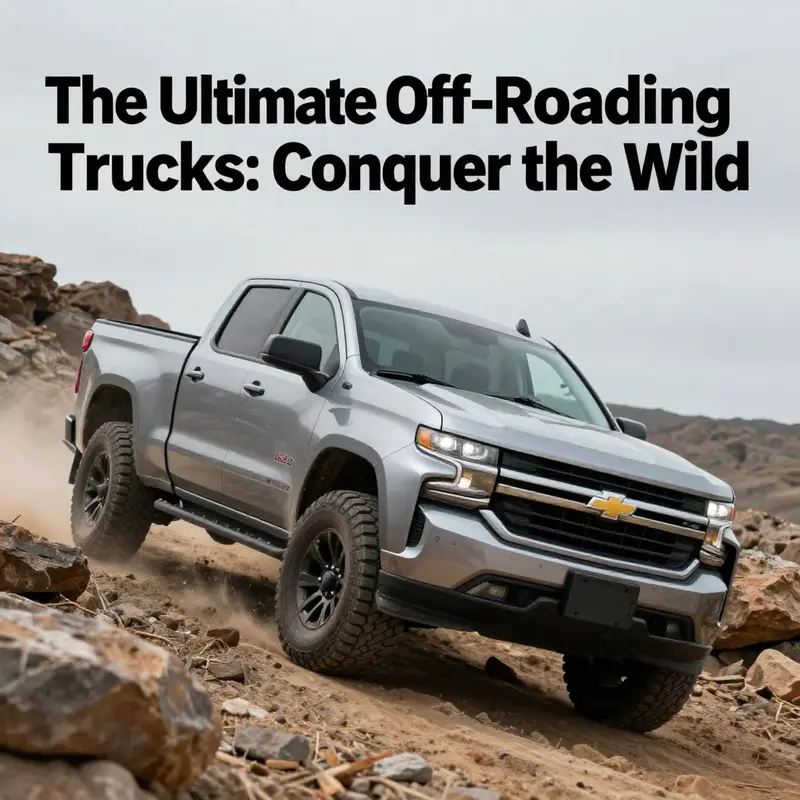
A capable off-road pickup is a rare blend of harvest-ready power, articulate suspension, and a sense that the vehicle is equally comfortable at a desert rally and a family campsite. In 2026, the Chevrolet Silverado 1500 ZR2 sits as a true exemplar of that blend in the half-ton class, a truck engineered not to chase the most extreme rock-crawling height but to deliver a balanced, resolute performance across a broad spectrum of terrain. It is a vehicle that asks for ambition—yet rewards it with composure, comfort, and a level of refinement that makes daily duty feel less like compromise and more like a promise kept. The ZR2’s appeal lies in its ability to move quickly through washouts, crawl over boulders when needed, and return home with the same cargo bed that lives up to daily practicality. The result is a truck that, in the crowded off-road arena of 2026, occupies a sweet spot for enthusiasts who want trail-bred capability without sacrificing on-road manners or interior polish.
Under the hood and through the chassis, the Silverado 1500 ZR2 speaks in the language of robust capability. It builds on a lineage of engineering that pairs brute torque with precise control. The 6.2-liter V8, delivering 420 horsepower and 460 pound-feet of torque, motivates a vehicle capable of blasting through sandy whoops, climbing steep dune faces, or simply maintaining highway speed with audacity when the trail ends and the road begins again. A 10-speed automatic transmission channels that power to the wheels, and a two-speed transfer case provides the low-range gearing that makes steep, rocky grades, loose rock, and muddy slopes navigable rather than navigated around. Optional front and rear locking differentials further sharpen traction—an essential edge when the surface underfoot shifts from gravel to granite. The suspension is purpose-built for off-road fidelity; paired with Multimatic DSSV dampers, the ZR2 translates a rugged terrain into controlled progress rather than a jostling, unstable ride. The result is a truck that can lean into a rock-strewn groove with confidence, then adjust its posture as it exits to meet a cambered highway bend with composure. It is not the most extreme rock crawler in the market, but it is a legitimate all-terrain platform that respects the need for both mobility and stability across a variety of surfaces.
What makes the ZR2 distinctly appealing is not only its grunt but its engineering balance. In the off-p-road realm, where drivers often trade comfort for capability, the ZR2 makes a strong case for a different approach: capability that translates into predictability. A factory-equipped plate under the engine bay and skid plates guard critical components, while the undercarriage remains accessible enough for routine maintenance. The truck’s design accommodates aggressive but predictable tire behavior and a chassis tuned to dampen sharp impacts without dulling the sense of connection to the trail. It is this balance that makes the ZR2 compelling for enthusiasts who want to push farther than a standard Silverado while still enjoying the amenities and conveniences of a modern pickup that can double as a daily driver.
Inside, the Silverado 1500 ZR2 carries that same dual persona. It pairs a rugged exterior with a modern, well-appointed interior that includes a large, 13.4-inch touchscreen running a Google-based infotainment system, a 12.3-inch digital instrument cluster, and available features such as heated and ventilated front seats and a head-up display. These amenities matter in long days on the trail, where information and comfort can reduce fatigue and keep focus on the task ahead. The cabin materials and seating provide a level of refinement that makes extended adventures more sustainable, especially when the schedule includes miles of dirt roads or rough backcountry tracks. In the context of the 2026 off-road landscape, this combination of capability and comfort positions the ZR2 as a compelling choice for drivers who need more than a weekend toy; they require a partner that can handle work, adventure, and everything in between with equal aplomb.
Price and economics constitute a practical axis that helps frame where the ZR2 sits in the broader off-road market. The original 2022 model year carried an MSRP in the neighborhood of $60,000 when equipped for its trail-focused intent, and popular options—such as advanced technology packages, sunroofs, tailgate enhancements, and off-road steps—could push the total toward or beyond $70,000. These numbers reflect the ZR2’s premium positioning within the Silverado lineup, a stance it maintains by delivering a level of performance that is hard to match in the same price tier. The used market for a three-year-old Silverado 1500 ZR2 remains robust, with private-party values commonly reported around $43,900, and trade-in values a touch below that figure. The premium on dealership transactions—via warranties, reconditioning, and other markups—often drives out-of-pocket costs higher than the base private-party price. The depreciation profile for the ZR2, around 39 percent over the first three years, sits within the typical range for a high-end, well-equipped full-size pickup. It’s not the kind of vehicle that preserves every last dollar in resale value, but the ZR2 benefits from limited production, proven capability, and enduring appeal among truck buyers who want a factory-built off-road champion instead of airdropped aftermarket upgrades.
That blend of power, capability, and refinement comes with a clear set of trade-offs. The V8-powered configuration is part of a package that values torque and engine character, with fuel economy in the mid-teens by EPA estimates. In a segment where payload, trailering capacity, and tire durability carry as much weight as outright speed, those fuel economy figures are a reminder that the ZR2’s focus is performance and control rather than frugal efficiency. Insurance costs tend to be higher for high-performance, technology-laden trucks, and the maintenance footprint—especially for complex shock systems, locking differentials, and larger, more aggressive off-road tires—can reflect the heavy-duty role the ZR2 embodies. Yet every mile on the trail, every climb over a challenging rock face, and every sustained run through a rough wash adds to a narrative about durability and trust. The ZR2 earns its keep by delivering traction where it matters most and providing a level of confidence that translates into both weekends of exploration and the workday demands of a pickup that can adapt to shifting duties.
In the broader context of the 2026 off-road pickup landscape, the Silverado 1500 ZR2 sits among formidable peers—vehicles renowned for extreme capability and specialized configurations. But its strength lies in being a ready-made compromise that does not force compromises in daily life. It offers a practical payload and towing capability that few purpose-built off-road machines can match, while keeping the interior size, comfort, and technology expected of a modern full-size pickup. For drivers who must navigate mixed terrain—desert, dirt forest roads, rocky outcrops, and occasional highway stretches—the ZR2’s combination of a robust powertrain, adaptive suspension, differential options, and modern amenities makes it a credible, often compelling choice. It is not merely about conquering the trail; it is about doing so with a package that respects the realities of real-world ownership—price sensitivity, maintenance, and long-term value—without demanding a sacrifice in daily practicality.
For readers who want hands-on maintenance guidance alongside the narrative of capability, a deeper dive can be found in a practical diesel mechanics guide that walks through the fundamentals of keeping a high-performance engine and sophisticated suspension in peak condition. Mastering diesel mechanics—your step-by-step path to success offers insights that can prove useful for Silverado ZR2 owners who want to understand how to care for a big V8 and the associated drivetrain when the truck spends weekends away from the pavement. Mastering diesel mechanics: your step-by-step path to success.
As for the price of admission to the ZR2 club, consider the context of the market. The ZR2’s value proposition hinges on its ability to deliver controlled, confident off-road performance with the sensible backing of a full-size pickup’s payload and hauling capabilities. It’s a vehicle that invites exploration, a machine that blends the thrill of the trail with the practicality of a daily driver. It is, in short, a truck that understands the needs of real off-road enthusiasts who do not want to compromise their travel comfort, their cargo needs, or their future resale prospects. The ZR2’s story is not solely about raw numbers or a single capability set; it is about the enduring appeal of a half-ton that climbs, crawls, and cruises with equal ease. It is about a truck that proves, in 2026, that off-road capability does not have to come at the expense of refinement, reliability, or everyday usability.
External reference: Kelley Blue Book – 2022 Chevrolet Silverado 1500 ZR2 Value. https://www.kbb.com/truck/chevrolet/silverado-1500/zr2/2022/
Final thoughts
As the landscape of off-road pickup trucks evolves in 2026, these robust vehicles offer numerous options tailored for adventure-seeking individuals and rural landowners. Whether it’s the exhilarating Ford F-150 Raptor or the reliability of the Toyota Tacoma TRD Off-Road, each pickup truck discussed not only holds its ground on tough terrains but also enhances the experience of every off-road enthusiast. With advanced features designed for tackling diverse conditions and delivering unmatched performance, these trucks are primed to lead their drivers into the wild. Choose wisely, as the right pickup could redefine your adventures for years to come.