
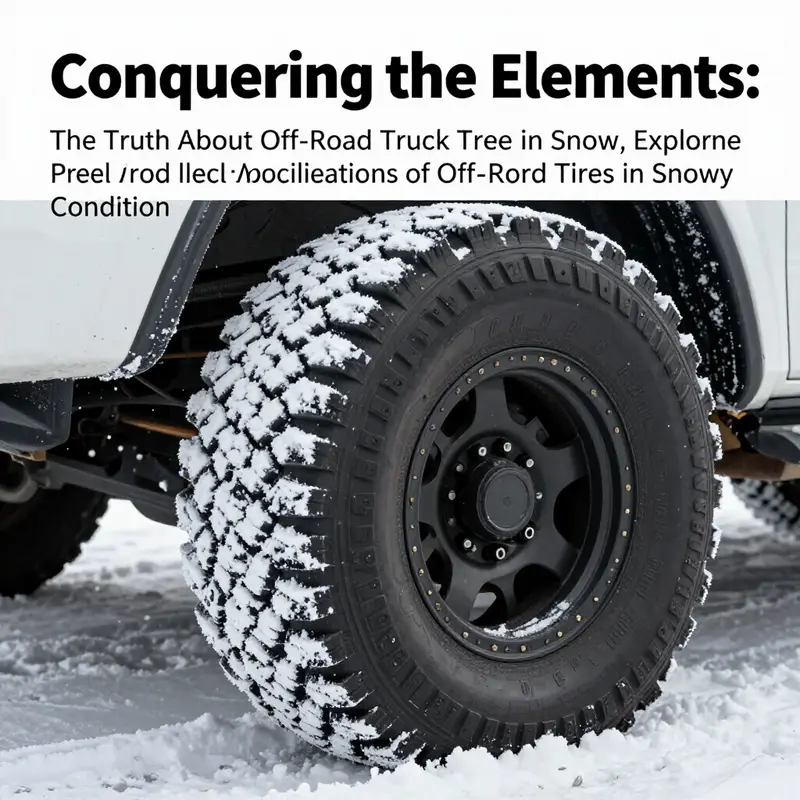
As off-road enthusiasts, we thrive on adventure, pushing our vehicles to their limits in the most challenging terrains. When winter arrives, the question arises: do off-road truck tires serve as effective snow tires? This article dives deep into the intricate world of off-road tire design and performance in snowy conditions. Chapters will explore critical comparisons with dedicated snow tires, highlight safety considerations for winter driving, and share practical applications through real user experiences. By the end, you will have a well-rounded understanding of whether off-road tires can indeed rise to the occasion during winter’s harshest trials.
Winter on the Wild Side: Can Off‑Road Truck Tires Double as Snow Tires?
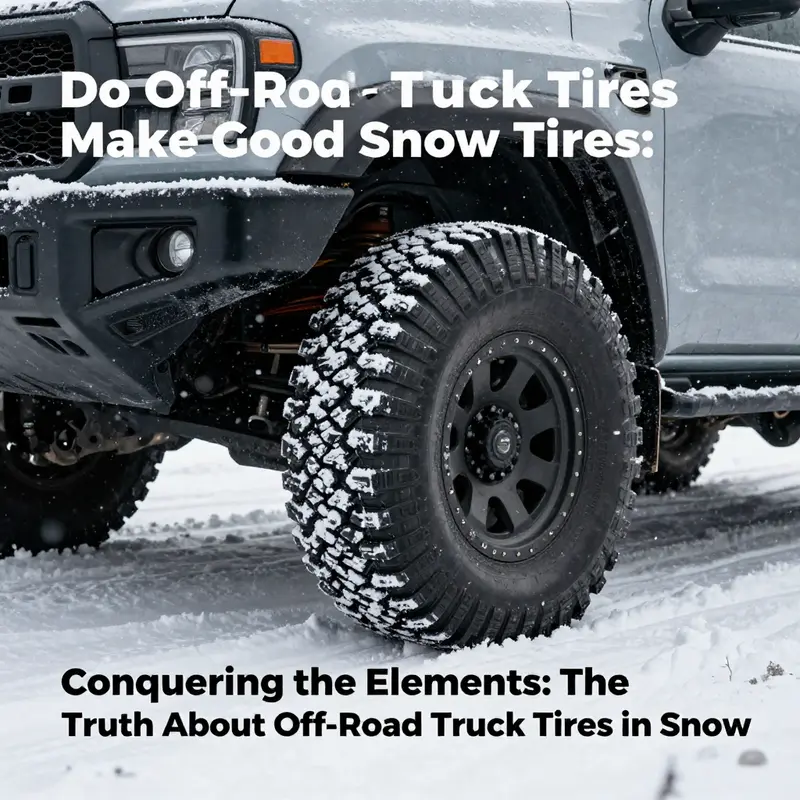
Winter on the Wild Side: Can Off‑Road Truck Tires Double as Snow Tires?
The question of whether off‑road truck tires can serve as good snow tires sits at the crossroads of design intention and real‑world weather. On the surface, the two tire categories share a common goal: to grip the road when conditions turn slick. But the path to that grip diverges once you look closely at tread geometry, rubber compounds, and the temperatures you actually drive through. Off‑road tires are built for rugged terrain, not for the precise demands of winter on paved surfaces. Yet their very strengths—sturdy construction, aggressive tread, and tough compounds—also give them a flicker of usefulness in snow. Understanding where that usefulness ends, and where dedicated winter tires begin, helps truck operators weigh safety, cost, and performance in seasonal shifts without overcorrecting for weather that rarely mirrors a single set of conditions.
Tire design is the most immediate lens through which to assess snow performance. Off‑road tires commonly feature deep, widely spaced tread blocks and a pronounced void area designed to channel mud, slush, and loose gravel away from the contact patch. That self‑cleaning behavior is indispensable in off‑road environments where a trapped pile of material can quickly render a tire ineffective. In snow, however, the same deep grooves can reduce the amount of rubber in contact with the road. Snow isn’t mud; it can fill voids and create a bridging effect that minimizes the bite of the remaining contact patch. In practice, the tire may maintain traction by edge engagement when navigating packed or crusty snow, but the overall grip often falls short of what dedicated winter tires can deliver when temperatures plunge and roads ice over.
The contact patch—the area of rubber actually touching the pavement—is a crucial, often underappreciated factor. Off‑road tires trade some contact‑patch density for avalanche‑proof durability and rugged puncture resistance. Their blocks are typically larger, with more pronounced sidewalls to resist cuts from rocks and stumps. In snow, that design translates to fewer sharp edges that can bite into a slick surface. By contrast, true winter tires prioritize a denser mosaic of sipes and biting edges within tread blocks, providing micro‑cuts that fracture a thin sheet of ice and create friction where you need it most. The upshot is that even when off‑road tires feel secure in loose snow or on slushy surfaces, their edge engagement on icy patches is often lacking—until you’ve built up a lot of speed and confidence in a controlled environment, which is precisely the scenario where risk increases.
Temperature is another invisible but decisive factor. The rubber compounds used for off‑road tires emphasize durability and resistance to cuts as well as heat buildup. In sub‑freezing temperatures, however, those compounds can lose their flexibility and resilience. A winter tire, engineered with a softer compound that stays pliable at cold temperatures, maintains grip by adapting to micro‑irregularities in the road surface. When you combine a rigid rubber with icy pavement, you get longer stopping distances and less predictable handling. In a worst‑case winter scenario—dense traffic on a frozen highway—this combination can become a safety liability. The off‑road tire’s aggressive tread looks ready for action, but under cold, brittle rubber, the performance declines where you need it most: stopping and directional control on a thin glaze of ice.
Yet the off‑road tire’s strengths still matter in snow. The robust casing, higher load rating, and sidewall protection can contribute to stability on uneven, unplowed secondary roads where gravel, snowbanks, and rutted lanes demand resilience. In light to moderate snow, and where temperatures hover above freezing, many drivers may experience improved acceleration and a sense of security from the heavy tread. The self‑cleaning capability helps when snow is wet and loose rather than packed and icy. These conditions are not uniformly aligned with winter’s harsher realities, but they do reflect a reality many trucks face during intermittent storms or in regions where snowfall is lighter but inconsistent. For those who spend more time on mixed surfaces than on bare pavement, the off‑road tire can maintain momentum when an all‑season tire struggles in the wet, but that advantage is context‑dependent and can be misread as universal capability.
To translate this into practical guidance, it’s helpful to differentiate between conditions. Snow that’s fresh and fluffy behaves differently from snow that’s compacted into ice. In the former, the deeper tread can help channel away snow and provide some grip, especially on gentle grades. In the latter, ice traction hinges on a handful of sharp edges and the tire’s ability to bite into a slick glaze. Winter tires are engineered specifically for the latter scenario: their siping increases the number of contact points, and their softer compounds maintain the necessary grip as temperatures drop. Off‑road tires may achieve a similar purpose implicitly through aggressive tread geometry, but the mechanism is not the same, and the performance benefits are not reliably transferable to icy conditions.
A practical takeaway for drivers who live in regions where winter arrives with a heavy and predictable hand is that a dedicated winter tire remains the safer baseline. The specialized compounds and sophisticated siping patterns of winter tires are designed to stay flexible and to maximize ice bite when temperatures fall well below freezing. In contrast, off‑road tires excel at mud, loose snow, and rough terrain, but they do not optimize the subtle balance between traction, braking, and steering on ice. If you drive on clear, wide highways that are intermittently salted or lightly plowed, you may find that off‑road tires perform acceptably in light snow or slush. If you’re navigating steep hills, narrow city streets, or unplowed rural lanes with frequent ice patches, you are more likely to benefit from dedicated winter tires.
This distinction matters not only for safety performance but also for maintenance and economics. Snow tires last longer when temperatures stay consistently cold, because the softer rubber remains stable and does not wear down rapidly through cold‑weather flexing. Off‑road tires, by contrast, endure more wear in aggressive terrain and can accumulate uneven wear when used on paved, icy roads. The cost calculus thus shifts: buying a second set of winter tires or a dedicated winter tire package, and swapping seasonally, can be more economical and safer over the long term than pushing an off‑road tire to cover every winter scenario. The investment is not merely about traction in snow but about predictable braking distances, steering fidelity, and the margin of safety you expect when winter roads become hostile.
The narrative above doesn’t diminish what off‑road tires can offer. They provide a robust platform for navigating mixed terrain, and their durability is a valued asset in many trucking operations. The practical question, however, is not whether off‑road tires can handle some snow but whether they can match the performance envelope required for severe winter driving. In heavy snowfall, icy highways, and rapid temperature swings, the margin for error expands, and the safety premium paid for a tire designed for winter conditions rises accordingly. For drivers who encounter frequent or severe winter weather, a winter tire—ideally one with the mountain/snowflake symbol and the M+S designation when appropriate—will be the most reliable choice. In contrast, for occasional snow events or light wintry days on farm roads or backroads, the off‑road tire’s ruggedness can prove advantageous in a limited sense, particularly when paired with cautious driving and reduced speeds.
The broader implication is that tire choice should be driven by a clear picture of winter exposure. If your operation largely treats winter as a seasonal nuisance rather than a recurring hazard, you may tolerate some performance trade‑offs in exchange for year‑round versatility. If, however, snow and ice are staple conditions for weeks or months, the benefit calculus shifts decisively toward dedicated winter tires. The data from consumer perspectives and testing support this view: separate winter tires consistently outperform all‑season tires in cold, icy, or snowy conditions, delivering shorter braking distances and more stable handling on ice. In variably cold climates, the margin of safety gained by winter tires is substantial and not easily outweighed by the convenience of using a single tire across the seasons.
For readers looking to connect these insights with broader vehicle maintenance decisions, a practical path is to consider how tires fit within the entire winter readiness plan. Tire pressure, tread depth, and alignment become more critical in winter, and a robust maintenance routine can help you preserve the benefits of any tire choice. Proper inflation ensures the designed contact patch is maintained, while regular inspections catch uneven wear patterns that may exaggerate performance gaps between off‑road and winter tires. A well‑maintained vehicle, regardless of tire type, remains safer when confronted with changing conditions. And while this chapter centers on tread design and material behavior, it’s impossible to ignore how the entire chassis and suspension system interacts with tire performance in winter. Steering feel, braking response, and even ride harshness all hinge on tire behavior, which is why a holistic approach to winter readiness matters as much as any single feature.
If you’re curious how tire design intersects with broader mechanical considerations, you may find useful context in resources that discuss how maintenance and engineering standards influence truck tires across conditions. For a deeper dive into integrated maintenance perspectives, consider the article linked here: Mastering Diesel Mechanics: Your Step-by-Step Path to Success. It explores how foundational mechanical knowledge supports safe, reliable operation across weather scenarios, including tire performance as part of a larger system of preventive care. While not a tire guide per se, the discussion helps align maintenance practices with the realities of seasonal tire use, enabling safer decisions without sacrificing efficiency or uptime.
Ultimately, the winter question comes back to a risk–reward assessment. Off‑road tires offer rugged resilience and strong off‑pavement capability, attributes that can translate into confidence on snowy shoulders and unpaved routes. Dedicated snow tires offer a measured and predictable improvement in braking, steering, and overall control when pavement is slick and temperatures are frigid. For operators who routinely encounter heavy snowfall, icy highways, and subfreezing temperatures, the safer, higher‑confidence choice is clear: invest in winter tires designed for cold weather and ice. In scenarios of lighter snow or mixed terrain, off‑road tires may suffice with careful driving, reduced speeds, and mindful attention to the road surface. The decision, though, is not binary. It’s a function of climate, route structure, and the safety margin you want to preserve for your crew.
In sum, off‑road truck tires are not inherently bad as snow tires, but they are not the best tool for the job in severe winter conditions. The deeper takeaway is practical: match your tire to the dominant winter environment you face, account for temperature effects on rubber, and prioritize a robust safety margin when pavement turns icy. When winter returns with ice and cold, the road profile changes, and so should your tires. A methodical approach—assessing weather patterns, road conditions, and the demands of your routes—will keep you moving with confidence and reduce the risk that comes with misaligned tire performance.
External reference for further reading on winter versus all‑season tire performance: https://www.consumerreports.org/cars/winter-tires-vs-all-season-tires-a107439256/
null
null
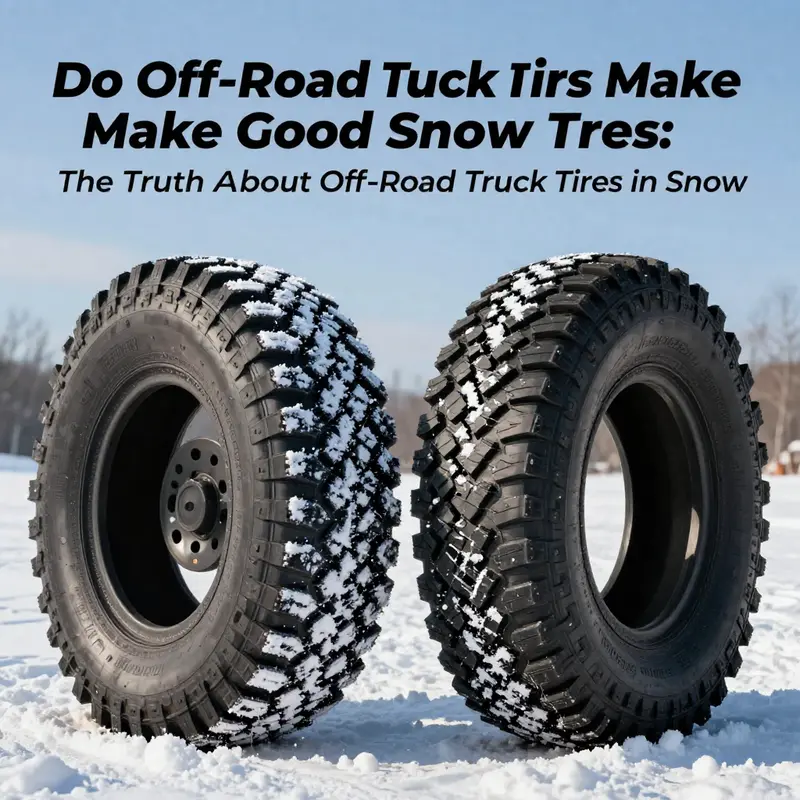
Do Off Road Truck Tires Truly Meet the Demands of Winter Roads? A Thorough Look at Safety, Traction, and Real-World Tradeoffs
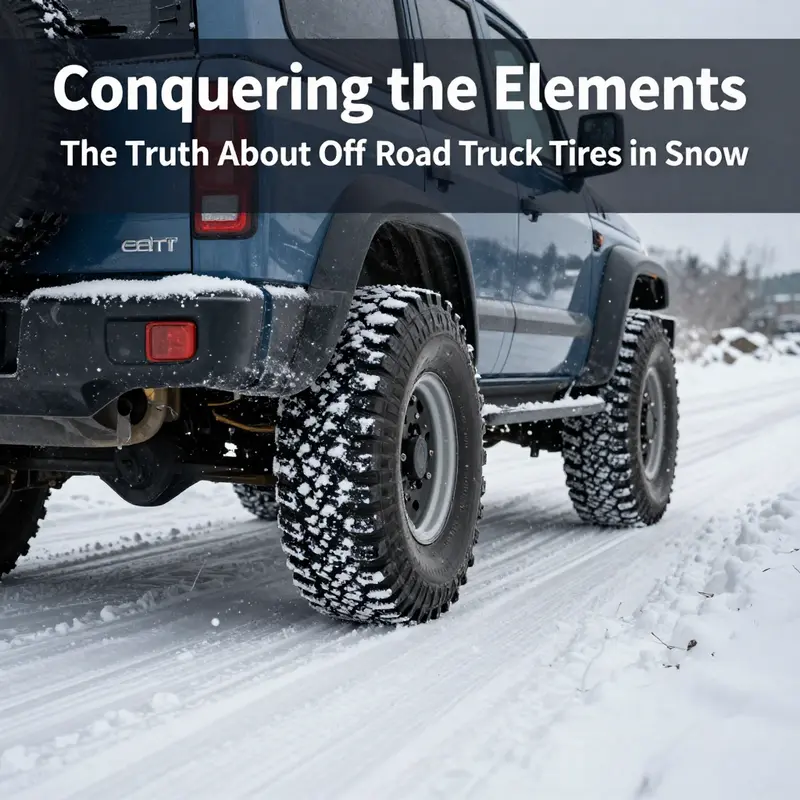
Winter roads impose a different kind of test on a tire than mud, rock, or sand ever will. The question of whether off-road truck tires can serve as good snow tires touches on an intersection of design priorities, material science, and the realities of everyday driving in icy climates. It’s not enough to point to rugged sidewalls or aggressive tread as proof of winter prowess. Traction in snow and ice hinges on a combination of rubber softness, tread geometry, siping, and the way a tire interacts with a cold, irregular surface. When you take all of those factors together, the case for off-road tires as primary winter tires becomes nuanced rather than absolute. The discussion matters because winter safety is not a single-choice decision; it is a balance between risk, performance, vehicle characteristics, and driving practices. As we examine this balance, it helps to anchor the discussion in the core realities of how off-road tires are designed and how dedicated winter tires are engineered to operate under the specific demands of cold weather.
Off-road truck tires are engineered for durability and off-road capability first. Their tread patterns are typically more aggressive, with large, chunky blocks and deep voids that help them shed mud, gravel, and water while gripping uneven surfaces. The rubber compounds used in many off-road tires emphasize wear resistance and heat generation during prolonged abuse off paved surfaces. In practical terms, those features translate into confidence over rough terrain, but they do not automatically translate into top-tier snow and ice performance. The aggressive tread, for all its bite in loose materials, creates a different set of dynamics when the ground is firm or slick from frost. Snow can behave like a nearly perfect lubricant against a broad, flat contact patch, while ice presents an unforgiving, nearly featureless surface with minute irregularities that can still hold a tire in a precarious balance. In this context, the very attributes that help an off-road tire claw through ruts and rocks—thick tread blocks, deep channels, and a rigid sidewall—can hinder precision braking and street-ice grip because the tire’s contact patch might not deform or bite as readily as a winter-specific design would permit.
A critical distinction lies in specialized design features that winter tires routinely incorporate. Off-road tires tend to lack the kind of siping and the soft, temperature-sensitive rubber compounds that a snow tire relies on for cold-weather flexibility. Siping, those minute slits embedded in tread blocks, is not just a decorative detail; it increases the number of edges that can grab ice crystals and enhance the ability to expel slush from the tread. In freezing temperatures, a softer rubber compound remains pliable enough to deform around micro-ice protrusions and to maintain usable friction. By contrast, many off-road compounds harden as temperatures fall, reducing the tire’s ability to grip in winter conditions. The result is a paradox: a tire designed to be sturdy and long-wearing can become brittle and less capable of maintaining traction when the thermometer drops.
This difference becomes even more consequential when vehicles must stop on icy surfaces. Braking performance on snow and ice relies not only on the tire’s ability to bite but on how quickly the tire can return to grip after the initial slip. Dedicated winter tires aim to preserve friction through a combination of a lower glass transition temperature (the point at which the rubber remains flexible) and a tread design that encourages rapid water and slush evacuation. In practical terms, winter tires reduce stopping distances and improve steering stability in cold, slippery conditions compared with off-road tires, even if both categories carry a robust construction and a confident stance on rough terrain. This is not merely theoretical. Industry analyses and safety guidelines consistently emphasize the importance of a rubber compound and tread architecture optimized for winter conditions to maximize predictable grip and controllability as temperatures fall below freezing.
The conversation often shifts to what happens in light snow. In shallow winter showers or light, freshly fallen snow, off-road tires may feel more capable than a traditional highway tire, thanks to their aggressive tread provisions that can bite into the nearest edge and provide momentum through a soft layer. Yet the same attributes that help in a snowdrift can work against you on a clear highway where ice lurks beneath a thin crust. The risk arises when tread blocks ride up and over slickness as the vehicle turns or brakes, or when slush is pressed into the tread voids and then released suddenly in a braking maneuver. In these moments, the lack of targeted winter features—soft compounds, multiple sipes, and optimized void geometry—becomes evident. In short, the snow may be light enough to make the off-road tire feel confident, but the underlying surface conditions still demand a tire that has been purpose-built for winter safety.
Beyond traction, there is a broader safety ecology to consider: braking distance, steering fidelity, and the likelihood of skidding. A winter tire’s ability to quickly regain grip after slip is central to maintaining directional control, especially in changing conditions where shade meets sun, or when roads vary from pavement to snowpack. Off-road tires, with their higher rolling resistance and heavier tread blocks, can also experience greater heat generation during extended braking in cold weather. While heat can help some compounds maintain pliability, excessive heat in a short time on a slick surface may lead to unpredictable changes in handling behavior. This is not a critique of durability but a reminder that safety systems in snowier climates require harmony between tire design and vehicle dynamics, including suspension tuning, weight distribution, and braking system characteristics.
Another practical factor is the way winter tires influence cornering and lane-keeping under slippery conditions. The combination of a softer compound and increased siping typically found in snow tires tends to promote more uniform contact with the road surface across the tread. This uniformity helps the vehicle respond more predictably to steering inputs. Off-road tires, with their more aggressive blocks and deeper channels, can echo the same level of bold grip when the surface is soft but may fall short when the surface presents a stabilizing yet highly variable micro-roughness, like a glazed patch of ice. In everyday driving, that translates into a perception of confidence in off-road tires on a snowy street only to discover the vehicle’s behavior changes rapidly as temperatures drop further or surface conditions deteriorate. It’s a reminder that snow tires and off-road tires are optimized for different kinds of safety envelopes.
The decision to rely on off-road tires for winter weather also touches on cost-benefit considerations, including wear, fuel economy, and noise. Off-road tires are built to endure harsh environments, and that durability can translate into longevity on paved surfaces as well. But the tradeoffs often include higher rolling resistance and increased noise at highway speeds, which may show up as reduced fuel economy and a different ride quality in winter driving. In snow or ice, a tire’s primary job is to deliver predictable, repeatable grip. If a tire’s core design sacrifices that repeatability in the most common winter scenarios you face, there is little benefit to that durability when it matters most. The bottom line is that durability does not automatically equate to winter safety; winter safety arises from a tire that stays flexible, grips ice, and evacuates water and slush efficiently under sub-freezing conditions.
For drivers who traverse regions with frequent and heavy winter storms, the evidence remains persuasive: dedicated winter tires markedly improve safety margins and reduce the probability of accidents in cold weather compared with all-season or off-road tires used in the same conditions. The National Highway Traffic Safety Administration and other safety authorities consistently highlight the safety gains from using tires engineered for winter when the ambient temperature consistently dips below freezing. While an off-road tire can provide useful traction in specific snow scenarios, it cannot replicate the comprehensive performance envelope of a purpose-built snow tire across a broad spectrum of wintry conditions. That envelope includes enhanced cold-weather flexibility, specialized tread geometry for ice bite, and robust siping patterns designed to maintain consistent contact with the road surface.
The practical implication for everyday drivers is straightforward: treat off-road tires as a complementary tool rather than a replacement for winter tires when winter conditions are a regular part of your driving life. If your winters are characterized by long stretches of slush, icy patches, or frequent heavy snowfall, the safest and most predictable route is to equip your vehicle with tires designed for winter conditions. If, however, your local climate involves intermittent snow with primarily plowed streets or if you only occasionally encounter light snowfall, there may be a case for using off-road tires with careful driving and lower expectations for winter performance. In any scenario, driving behavior matters. Slowing down, leaving longer headways, and avoiding abrupt throttle or braking inputs are essential complements to tire choice in wintry weather. A tire that lacks winter-specific traction technology can still perform more safely if driven with patience and awareness of changing road conditions, but the margin for error remains smaller.
To deepen this navigation between tire design and real-world winter safety, consider how your own vehicle’s attributes shape the outcome. Tracked to a two-axle or heavy-duty chassis, the dynamics of mass distribution and momentum during braking and cornering differ from lighter passenger vehicles. Aggressive off-road tires can enhance rock-crawling confidence or mud-travel performance, yet the same assets can complicate precise steering feedback on icy streets. Weight transfer during braking in winter can amplify the difference between a tire that maintains bite and one that loses it abruptly. In this balancing act, tire choice is part of the system, not a standalone solution. The overarching principle is clear: for winter driving, safety is maximized when the tire is built for cold, icy surfaces and the vehicle’s dynamics are understood and managed accordingly.
Within this framework, a succinct takeaway emerges. Off-road truck tires are not inherently inadequate in snow; they simply are not tailored to the full gamut of winter hazards. If winter driving is a central part of your routine, the most prudent path is to adopt dedicated winter tires. If winter is occasional and mild, off-road tires may suffice in light snow with conservative driving, though they will not match the confidence and stopping power of true winter tires on ice. The choice depends on your climate, your typical travel routes, and your willingness to adjust driving habits to compensate for the tire’s limitations. In the end, the safety calculus remains the same: tires that stay flexible in the cold, retain traction on ice, and channel water and slush away from the contact patch deliver the most reliable protection when the roads turn wintry. For readers seeking a broader framework on tire material properties and technical standards that influence these decisions, a detailed overview is available in related engineering literature that explores all-season tires, their materials, standards, and practical uses in engineering contexts. This broader context helps illuminate why winter tires are designed the way they are—and why off-road tires, despite their ruggedness, are not the optimal substitute in most severe winter scenarios.
To connect this discussion to practical resources and further study, consider the internal reference to our broader tire-technology guide: mastering-diesel-mechanics-your-step-by-step-path-to-success. This cross-reference helps readers situate tire choice within a wider framework of vehicle maintenance and safety. For those seeking external guidance on winter driving behavior and safety considerations, consult the official recommendations from safety authorities before venturing into challenging winter conditions. External resources such as safety-focused guidance provide actionable steps to improve winter driving skills and understand the tradeoffs involved in tire selection. In particular, winter driving tips from recognized safety agencies emphasize the cumulative benefits of tires designed for winter conditions and prudent, cautious driving under cold-weather scenarios.
External resource: For a broader safety perspective, see NHTSA’s Winter Driving Tips: https://www.nhtsa.gov/vehicle-safety/winter-driving-tips
Snow, Dust, and Traction: Does an Off‑Road Truck Tire Hold Its Ground as Winter Ready?
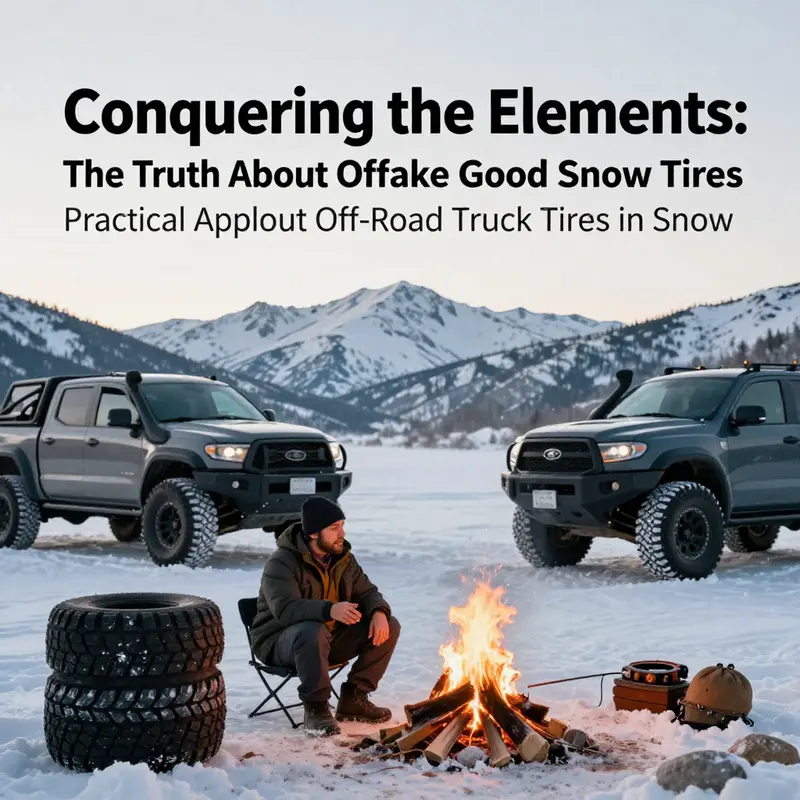
Traction is the language of winter driving. When you slide into a snowbank or spin up a sheet of ice, you are asking the tire to translate momentum into grip, and the tire manufacturer’s answer depends on the tire’s design, rubber compound, and the way the tread meets the road. Off‑road truck tires are built to survive rugged, variable terrain. They are engineered to bite into mud, claw over rocks, and absorb punishment from rough trails. But when snow falls and temperatures drop, those very traits can be a mixed blessing. The same features that help an off‑road tire claw through a rutted trail—aggressive tread blocks, deep voids, and reinforced sidewalls—often translate into solid snow traction in light to moderate snowfall. The question, then, becomes about scale and purpose: are you seeking reliable performance on everyday commutes, or are you navigating long winters where ice, cold pavement, and persistent snow demand specialized behavior from your tires? The answer rests on design specifics, regional climate, and how you drive.
In the most general sense, an off‑road tire’s strength in snow comes from its tread geometry. Deep, widely spaced tread blocks create channels that can grab snow and slush rather than simply skate over them. These channels also help shed accumulated snow, keeping the contact patch more or less alive and preventing a snowball from packing into the tread. When the tread blocks are large and blocky, they can bite into crusty snow layers and help the tire maintain a foothold as the vehicle begins to move. The same broad, open pattern helps reduce hydroplaning risk in slushy conditions because the tread can evacuate the water and meltwater more effectively than a narrow, densely packed pattern would. In practice, this translates into improved straight‑line grip on unplowed streets, better confidence on snowy shoulders, and a greater likelihood that the truck will continue moving in conditions where a highway tire might stall or slide.
Yet tread depth and void volume are double‑edged swords. In heavy snow and ice, you want enough bite to cut through the surface and maintain contact with the road, but you also want enough siping—the micro‑cuts in the tread blocks—to create additional edges that grip ice. Some off‑road tires deliver this with modest siping that activates on the ice and hard pavement, while others emphasize durability over the fine features that ice traction demands. The latter can leave you with a tire that works well in loose snow but feels uncertain when temperatures dip and the road becomes a mirror of ice. The upshot is that not all off‑road tires are equally prepared for severe winter driving. A tire heavy on ruggedness, designed to resist punctures and resist sidewall flex in rock gardens, might sacrifice the flexibility of the rubber needed to stay pliable and grippy in subfreezing air.
The temperature dimension is critical. Most traditional winter tires—the ones designed to remain flexible and grippy in cold weather—employ softer compounds that keep their elasticity in near‑freezing temperatures. Off‑road tires, particularly those built for mud or rocky terrain, often rely on harder compounds chosen to resist chunking, tearing, and heat buildup in rough use. When temperatures swing toward single digits or colder, a tire with a harder compound can become brittle, losing some of the pliability that helps it adhere to icy patches and to the irregularities of a snow‑packed surface. In other words, the same material that stands up to sharp rocks and frozen ground can struggle to maintain the microflex necessary for ice traction. This is the crux of the winter tire question: would you rather have a tire that remains supple and edge‑hugging in cold weather or a tire that provides rugged durability and snow clearance at the expense of cold‑temperature feel?
Even when the rubber itself behaves, the overall package can work against midwinter efficiency and comfort. Off‑road tires tend to have higher rolling resistance, which saps fuel economy and makes the vehicle work harder on pavement. The ride can feel stiffer as the tire’s sidewall is reinforced to resist puncture and maintain a tall, aggressive tread footprint. Noise levels can rise on highways, as the broad tread blocks generate a characteristic, rumbling cadence at speed. Steering feel can also change; the same widely spaced tread that helps in snow can reduce tactile feedback on dry pavement, complicating precise lane positioning and cornering. The tradeoffs are not theoretical: they show up in everyday use when you swap from a trail to a city street and then back into a snowstorm. The driver who spends a lot of time commuting on plowed and lightly salted roads may notice reduced steering precision and a finish that’s not as refined as a dedicated winter tire designed for low temperatures and ice.
The decision framework, then, shifts with the climate reality and the driver’s needs. For those who navigate light to moderate winter weather in regions that experience occasional snowfall but otherwise stay dry for much of the year, an off‑road tire can deliver acceptable snow traction while still offering the durability demanded by heavy loads and rough terrain. The tread blocks, when worn to that moderate depth, can provide enough bite to handle a few inches of snow without freezing up in slush. But if your routine includes icy back roads, long stretches of unmaintained pavement, or repeated exposure to subfreezing temperatures over many days, the advantages of a purpose‑built winter tire start to outweigh the benefits of off‑road patterns. Winter tires are engineered with precise siping patterns that create multiple micro‑edges on ice, and their rubber compounds are formulated to remain flexible at temperatures where other tires stiffen. In that sense, winter tires become a dedicated system designed to maximize grip under conditions that off‑road tires are not specifically engineered to address.
Driver experience solidifies this distinction. Some owners of trucks equipped with off‑road tires report surprising competence in light snow, appreciating the sense of security that larger tread blocks and deeper grooves deliver when the city grinds to a halt or a rural road becomes a white ribbon. They describe the confidence to inch forward when plows are late or when the road goes from white to gray and back to white as temperatures swing above and below freezing. Others, however, recount less favorable experiences after sustained exposure to winter weather—days spent navigating icy grades, black ice patches, and snow packed into narrow ruts where the tire must negotiate a boundary between grip and slide. In such cases, the user notices reduced steering precision, more tramline behavior on frost‑slicked pavement, and faster wear in spots that bear the brunt of winter’s abrasive mix of grit, salt, and moisture. The pattern is straightforward: off‑road tires can be practical, even effective, in moderate winter conditions or on shorter trips, but they are not the universal fix for every winter scenario.
This pragmatic view lines up with the broader body of testing and professional guidance. All‑terrain and off‑road tires ride somewhere between the highway tire and the true winter tire archetypes. They are not antagonists to winter driving, but their strengths sit in a different part of the spectrum. All‑terrain tires, for instance, are often praised for confidence on paved roads and trails alike, offering robust performance that extends into light snow. They show resilience in variable traction scenarios, but their core strengths—traction on loose material, resistance to sidewall damage, and predictable behavior under load—do not automatically translate to optimal ice performance. In regions that endure long, icy stretches and frequent subzero days, dedicated winter tires remain the safer, more confident choice. They are built to maintain grip, to reduce stopping distances on ice, and to deliver more predictable handling when the surface is slick and the vehicle must operate at the limit of its grip.
The practical guidance, then, is rooted in a simple consequence: use the right tool for the job. If your winter climate is characterized by scattered snow and intermittent cold snaps, and you value the confidence that off‑road tires bring when venturing off the pavement, you can rely on them as a functional snow tire substitute in a pinch. They can provide traction, improve momentum, and deliver a sense of control where a highway or all‑season tire might struggle to get rolling. However, if your winters are defined by long stretches of ice, persistent subfreezing temperatures, or heavy, continuous snowfall, you should treat off‑road tires as a supplementary arrangement rather than a full replacement for true winter tires. The safest approach is to rotate to dedicated winter tires as weather dictates, while keeping the off‑road tires for the rest of the year or using them in a mother‑nature‑permitting transitional role—for instance, all through late fall and early spring when temperatures swing and road conditions shift rapidly.
There is also a broader strategic dimension to this choice: the kind of people who drive trucks in winter—whether for work, rescue, or regular travel—often manage risk by layering solutions. You might pair off‑road tires with studless winter tires on the other axle, or maintain a seasonal tire setup where winter tires are mounted for the coldest months and swapped to the off‑road pattern when conditions permit. In many cases, this phased approach provides a balance of capability and safety, allowing you to maximize traction when ice is likely and still benefit from the rugged reliability of your off‑road tires when snow is deep but dry and packed. The practical experience of drivers who adopt this approach underscores a broader truth: you do not have to abandon your off‑road tires to improve winter safety, but you also should not pretend they are a one‑size‑fits‑all solution for icy roads and long‑lasting snow seasons. The best choice aligns with your climate, your driving patterns, and your willingness to adjust tires as the season evolves.
From a planning standpoint, there are tangible steps you can take to improve winter performance without abandoning your off‑road setup altogether. First, monitor tread depth closely. As treads wear down, the bite and extrusion channels that might be helping in snow diminish, which can erode confidence on slush and ice. Second, consider tread wear patterns and rotation schedules. Off‑road tires can develop irregular wear more quickly if driven routinely on pavement in cold weather, which affects steering response and grip. Third, be mindful of load and speed. The higher aggressiveness of off‑road tires may compound fuel economy penalties and impact braking distance on ice. Fourth, inspect for stone retention. The open tread patterns that are excellent at shedding snow can accumulate small stones and grit that wedge between blocks and reduce contact patch efficiency if not cleaned regularly. Finally, integrate a winter driving mindset: reduce speed preemptively on slick surfaces, increase following distance, and anticipate longer stopping distances. These behaviors, paired with the right tire choice, can significantly reduce risk and make the winter months safer and more comfortable.
In the end, the practical takeaway is nuanced and personalized. Off‑road truck tires can serve as capable snow tires for many users, especially in conditions that mix light snowfall with dry or salted pavement. They excel where rugged traction, ground clearance, and the courage to plow through slush matter more than the finesse of ice grip on a pristine winter day. Yet for repeated ice encounters, long‑haul winter travel, or climates defined by cold, persistent temps, dedicated winter tires offer a more consistent, predictable, and comfortable experience. If you must choose a single tire for a mixed winter environment, weigh the typical road conditions, the frequency of icy patches, and your tolerance for ride harshness and fuel trade‑offs. Treat off‑road tires as a strong, capable option that can fill gaps in certain scenarios, rather than a universal answer to winter traction.
For readers seeking a deeper, technical understanding of how different tire types perform in snow and ice, the Tire Rack technical guidance provides a rigorous analysis grounded in testing and expert interpretation. This resource helps delineate where off‑road and all‑terrain designs shine, and where dedicated winter tread patterns excel. It acts as a practical companion for owners who want to quantify expectations and plan tire strategies that match their climate realities. External resource: Tire Rack tire tech discussion on snow and ice performance
Final thoughts
In summary, while off-road truck tires possess characteristics that can enhance their performance in snowy environments, they are not a one-size-fits-all solution for winter driving. The aggressive tread design and robust build can offer decent traction, but they may falter in comparison to dedicated snow tires designed specifically for cold and icy conditions. As enthusiast drivers, we must weigh the importance of safety and performance. Always assess your unique driving needs and local conditions to determine the best tire solution for your adventures. Choose wisely, and let your passion for off-roading lead you through all seasons with confidence.