
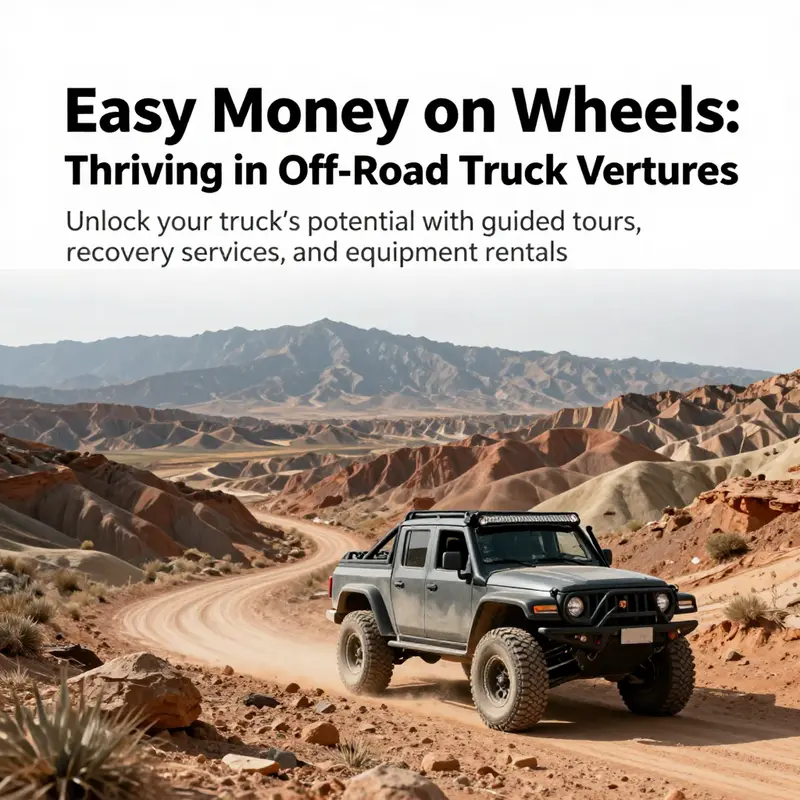
For the rugged and resolute, off-roading isn’t just a passion; it’s a way of life. If you own an off-road truck, the untamed landscapes can transform into a goldmine of opportunities. From guiding awe-struck tourists through breathtaking terrains to providing life-saving recovery services and renting out coveted equipment, your truck can be the key to substantial income. This article dives deep into three avenues for making easy money with your off-road vehicle: conducting thrilling guided tours, offering essential recovery services, and capitalizing on equipment rentals—each aspect intricately linked, promising both adventure and profitability for off-road enthusiasts.
How to Make Easy Money on Trucks Off Road: Off-Road Guided Tours & Expeditions
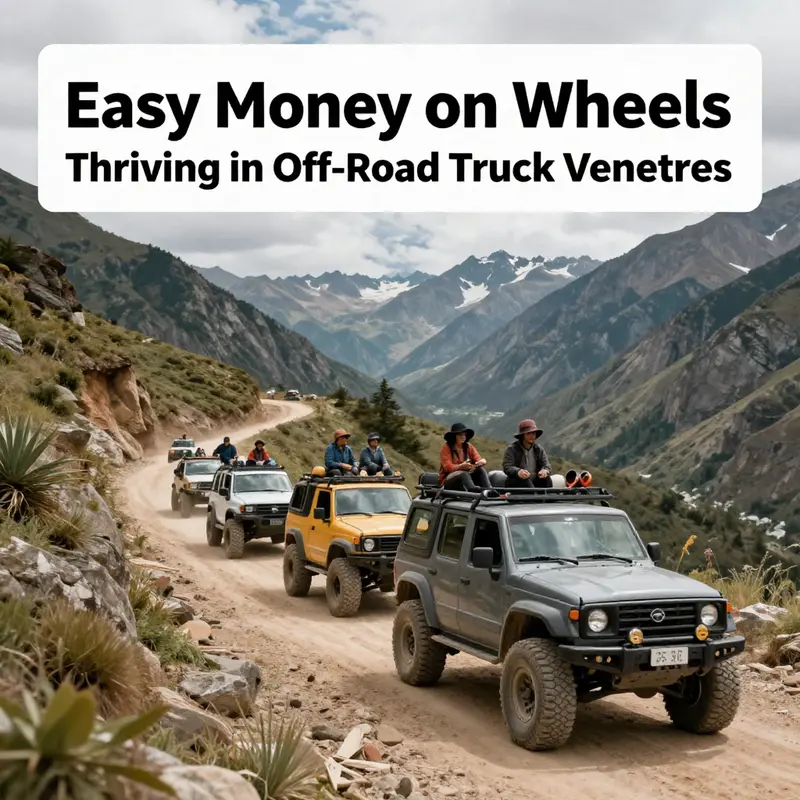
Turning a rugged truck into a money-making platform begins with a clear vision of what guests want: safety, scenery, and a taste of challenge. In the growing world of outdoor experiences, off-road guided tours and expeditions sit at a productive intersection of adventure, accessibility, and logistics. Tourists arrive with a hunger for authentic landscapes and the thrill of managing distance and terrain, but they also expect reliability, safety, and a sense that someone who knows the land is guiding the way. This combination creates a premium-service proposition. It’s not just a ride through rough country; it’s a curated journey where the vehicle, the route, and the guide’s storytelling converge to produce memory-making moments. When approached with discipline, this model scales by expanding routes, refining safety, and layering services in ways that feel effortless to the guest while remaining economically disciplined for the operator.
The core idea is straightforward: convert your access to rugged terrain into a structured experience that you can sell to a known audience. A guided tour is a product. It includes a predefined route, a safety briefing, a pace that suits beginners and experienced riders alike, built-in rest stops for photos and conversation, and the assurance that a trained guide is on board to manage risks. The market for adventure travel has been expanding steadily, and the appeal of off-road expeditions is particularly resilient. People flock to deserts, alpine trails, and remote valleys for the sense of escape and the story they can tell afterward. The opportunity isn’t just in the ride itself; it’s in the platform you build around it: marketing storytelling, predictable booking patterns, and repeatable experiences that guests can share with friends and family.
Pricing models for guided tours tend to reflect the premium nature of the offering. Guests pay for a combination of access, expertise, safety, and convenience. A typical day-long tour might range from a few hundred dollars per person to several hundred, depending on the region, the length of the route, and the inclusions such as meals, photo stops, or overnight campouts. The math is forgiving when you operate with a small, well-trained crew and a vehicle that’s capable of handling backcountry terrain without constant mechanical intervention. A six-seat truck can host a handful of guests, and with three scenic tours per week, a well-managed operation can produce meaningful monthly gross revenue while keeping overhead under control. The numbers from early practitioners in this space show the potential: premium per-person pricing, modest group sizes, and efficient scheduling translate into steady income.
Operationally, the backbone of a successful tour business is reliability. Reliability begins with your vehicle and ends with a guest’s experience. A well-prepped truck with high-quality safety equipment is not a luxury; it’s a requirement. The safety plan should cover pre-tour vehicle inspections, route risk assessments, weather contingency strategies, and clear guest waivers. Guides must be able to communicate effectively, both in person and through the vehicle’s safety systems. A robust brief that explains what guests should expect, what to bring, and how the tour will unfold reduces anxiety and increases enjoyment. The best guides are storytellers who can weave local lore, geology, and ecology into the ride without slowing the group or losing track of safety. They know how to pace climbs and descents so that beginners feel confident while experienced riders remain engaged.
From a marketing perspective, social media and visual storytelling are indispensable. Off-road landscapes photograph exceptionally well, especially in golden-hour light and dramatic weather. Short, action-packed clips showing wheel lift on a sand dune, a serpentine river crossing, or a scenic overlook can generate rapid interest. The most effective operators build a narrative around their routes rather than just offering a ticket. They create a sense of place—why this trail, this canyon, or this ridge matters—and invite potential guests to join a journey, not just a ride. Partnerships with local accommodation providers, adventure outfitters, and community tourism boards help distribute the offering and lend credibility. In practice, this means sharing polished imagery, client testimonials, and a transparent calendar so travelers can plan around their schedules.
The guest experience hinges on pacing and safety. A well-designed tour begins with a comprehensive safety briefing that covers seatbelts, guest limits, and the gear guests should carry. It continues with a route plan that respects both the environment and guest skill levels. Built-in rest stops with opportunities for photos, hydration, and snack breaks keep energy levels up and minds clear. The guide’s ability to read the group is crucial: when guests are tired, the pace slows; when curiosity spikes, the guide can adjust to maximize engagement without compromising safety. Because off-road environments are inherently unpredictable—rocks, washouts, sudden weather shifts—the plan should include contingency routes and real-time communication protocols. A reliable two-way radio system, well-charged devices, and a defined procedure for contacting emergency services if needed are essential, not optional.
The revenue potential is anchored in the guest experience’s premium nature. A practical framework is to price per person, with a minimum group size that ensures profitability and an upper limit that preserves the intimate feel of the tour. A typical day might involve a start time, a set number of hours on the trail, and a couple of curated stops along the way. A six-passenger vehicle can support three distinct tours weekly in many markets. The math works out to a strong monthly gross when you optimize for repeat guests, consistent weather windows, and efficient turnaround between tours. The discipline comes from managing your costs—fuel, maintenance, insurance, and guide wages—while keeping the guest experience consistent. The best operators view each tour as a living service that evolves with feedback, weather patterns, and seasonal demand shifts.
One of the most powerful catalysts for growth is guest advocacy. When people have a memorable, safe, and uplifting experience, they become ambassadors. They post photos, share route stories, and invite friends to book. Positive word-of-mouth is amplified when the tour is both photogenic and informative. Hosts who incorporate curated photo stops, wildlife viewing, or interpretive commentary about the landscape help guests walk away with a richer memory. This is not purely about adrenaline; it is about connection—to place, to guides, and to companions on the trip. Because the guest’s social footprint matters in today’s digital-first discovery environment, your tours should be designed with shareability in mind—without compromising the safety and serenity that make the experience truly valuable.
To support these experiences, many operators supplement their core tours with value-added offerings. A guest may opt for a shorter introductory ride, a longer expedition that spans more challenging terrain, or an overnight campout under the stars. Add-ons like professional photography sessions during view points, or pre-arranged hospitality elements such as snacks, hot beverages, or a light meal at a scenic overlook can transform a one-day ride into a multi-day adventure. These add-ons not only increase revenue per guest but also enhance perceived value, which supports premium pricing across the board. A careful balance is essential; you want to avoid overloading the itinerary with options that overwhelm guests or inflate the logistical burden beyond what your team can deliver reliably.
Operationally, starting small proves wise. Begin with your current vehicle and a trusted guide or two. Run a few test trips to collect guest feedback and refine the route, pacing, and safety protocols. By keeping initial costs modest, you protect cash flow while you experiment with route design, guest flow, and marketing messages. Insurance should be non-negotiable. A comprehensive policy that covers vehicle liability, guest injuries, and emergency response in remote areas provides a foundation for sustainable growth. A simple risk-management approach—documented procedures, checklists, and post-tour debriefs—will pay dividends as your operation scales. Remote communications plans, including backup power and helpline numbers, ensure that a guide can respond quickly if something goes awry and that guests feel secure throughout the experience.
The potential for scaling lies in both breadth and depth. Breadth comes from adding more routes and diversifying terrains, expanding from a single route to a family of experiences across regions with similar landscapes. Depth comes from building a team of guides who share the same safety-first philosophy and storytelling ethos. Training programs turn new staff into confident instructors who can tailor the experience to different guest demographics, from families with kids to thrill-seekers and older travelers seeking a gentler pace. With the right systems, a fleet that includes a couple of well-maintained trucks can support multiple tours per day during peak seasons, creating leverage that compounds revenue without proportionally increasing risk.
The integration with content creation is an important multiplier. When guests document their journeys, your operation gains free, authentic marketing. Encouraging guests to share their moments—whether at a lookout point, crossing a shallow stream, or perched on a dune summit—can produce a library of user-generated content that resonates with prospective guests. A simple, guided briefing on how to capture high-quality images or video helps ensure that the content remains consistent and compelling. You may also offer a light, optional photography package as an add-on, which both enhances guest satisfaction and increases revenue without sacrificing the core touring experience.
From a broader industry perspective, the appeal of off-road guided tours aligns with a shift toward experiential travel. Travelers increasingly want immersive experiences that connect them with landscapes and communities in meaningful ways. This shift has been echoed in tourism market analyses that show adventure experiences driving growth, especially in regions with access to remote terrain and robust safety infrastructure. The combination of authentic experiences, accessible adventure, and responsible operations creates a compelling business case for operators who can pair strong route design with solid operational discipline. In practical terms, this means a deliberate focus on route safety, guest comfort, and repeatable service standards that guests can count on each time they book.
As you contemplate the path forward, consider how you might blend guided touring with complementary services. A mobile off-road equipment rental capability can be positioned near the touring operation to support guests who want a deeper dive into backcountry skills after their ride. A lightweight, professional-grade training session—such as a short “Winch 101” or “Trail Etiquette and Safety” workshop—can be offered to guests and local hobbyists who want to learn in a hands-on environment. These offerings create cross-sell opportunities that extend the guest relationship beyond a single day on the trail. They also reinforce the perception of your operation as a knowledgeable and responsible steward of the backcountry, an important trust signal for travelers who are entrusting you with their safety and their memories.
In this evolving landscape, it’s essential to keep the guest’s voice at the center of your strategy. Gather post-tour feedback, highlight successes, and address concerns promptly. The insights you collect will guide future route development, safety improvements, and service enhancements. A successful off-road guided-tour business is less about the spectacle of a single ride and more about the quiet assurance that every guest leaves with: confidence in the driver, awe for the landscape, and a sense that they were part of a well-run journey rather than a casual excursion. When you balance thrill with responsibility, storytelling with data, and outdoor wonder with practical safety, you create a scalable, sustainable business that can thrive in a market hungry for authentic adventure.
To underscore how foundational this approach can be, consider how a motorized, terrain-ready vehicle acts not just as transport but as a mobile hospitality platform. The same truck that carries guests through remote valleys can also anchor training modules for aspiring guides, host guest-friendly gear, and serve as a base for multi-day expeditions. The vehicle is no longer merely a mode of transport; it is a hub for experiences, a point of contact for guests, and a logistics spine for every facet of your operation. With that mindset, the occasional risk is managed through procedure and preparation, while the recurring reward—brand affinity, recurring bookings, and referrals—becomes a mainstay of your business model.
For operators seeking practical next steps, start with a single, well-planned route and a few guest-friendly dates on the calendar. Build credibility with a simple, transparent pricing page, an easy-to-use booking process, and visible safety commitments. Invest in a strong safety program, test routes with a small group of trusted friends or family clients, and gradually expand as you confirm demand and refine processes. The path to profitability isn’t a sprint; it’s a steady ascent that rewards discipline, attention to guest satisfaction, and the willingness to iterate. And while a single tour can be rewarding in itself, the real leverage comes from combining guided experiences, equipment access, and content-driven marketing to create a portfolio of offerings that together generate reliable, scalable income from your off-road truck.
For readers seeking a practical maintenance and operations reference as you grow, consider this resource on diesel mechanics and vehicle upkeep that can help you keep your fleet in peak condition while you expand your touring business. Mastering Diesel Mechanics: A Step-by-Step Path to Success.
As demand for authentic, safely managed adventure experiences continues to rise, the opportunity to monetize off-road trucks through guided tours and expeditions becomes more robust. The best operators treat the truck as a dynamic tool—one that creates value through routes, safety, and the human joy of discovery. With focused planning, disciplined execution, and a willingness to evolve, you can build a durable business that not only pays the bills but also fuels a lifelong passion for exploration.
External resource for broader context and earning potential in related off-road content creation: Off-road content creators are the new entrepreneurs
Turning Rugged Terrain into Reliable Revenue: Heavy-Duty Off-Road Recovery & Rescue Services
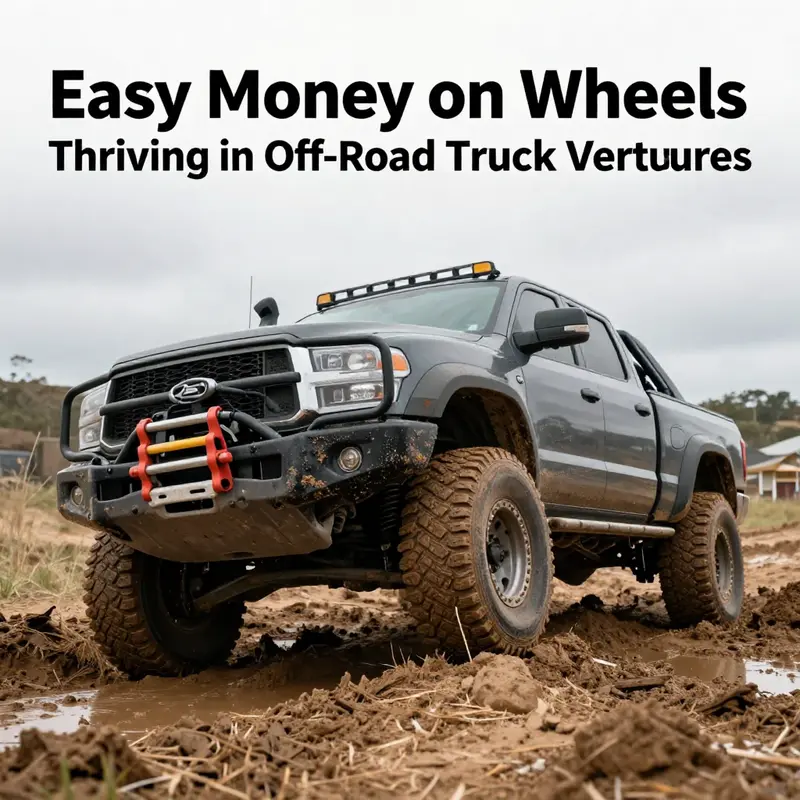
Every call to a bush rescue carries more than the weight of cargo; it carries the weight of responsibility, the precision of trained hands, and the potential to turn risk into revenue. Heavy‑duty off‑road recovery sits at the edge of ordinary roadside assistance and full‑blown field service, where a driver’s skill isn’t simply about moving goods but about restoring mobility in places standard tow trucks won’t reach. The core idea is simple in theory: a truck equipped for the harshest terrain can pull people and machines out of mud, sand, snow, and rock, and in return demand premium rates for speed, safety, and reliability. In practice, the opportunity is less about luck and more about building a portable, purpose‑built service that travels with you and your rig. A single well‑equipped recovery vehicle, operated by someone who can read the terrain as quickly as a map, can become a mobile business hub in the middle of nowhere. The money follows the service you provide when people have no other option but to call for help, and that service must be delivered with both speed and scrupulous attention to safety. The first impression matters as much as the rescue itself, because every successful recovery creates a ripple effect that expands your credibility—more pilots in the sky, more contractors at remote sites, more landowners trusting your team to keep their operations moving. This is not a high‑volume, plug‑and‑play enterprise; it’s a high‑precision craft that hinges on equipment readiness, tactical planning, and the ability to move fast without taking reckless risks. It’s a business built in the quiet hours between calls as much as in the dramatic moments when a vehicle is perched on a dune or wedged in a muddy trench. The payoff, when done right, is meaningful: premium pricing that reflects expertise, repeat business from fleets operating in harsh environments, and the chance to scale through a small but highly capable fleet rather than chasing a flood of ordinary jobs. And the math isn’t merely about a single job; it’s about how you structure your operations to convert a handful of complex recoveries into a steady stream of income, while maintaining the trust that turns one rescue into a long‑term relationship. In this landscape, success rests on three pillars: access to the right gear, a clear understanding of the markets with the deepest holes in the map, and a practical approach to pricing, safety, and professional image. The equipment you carry is not a luxury but a nonnegotiable core: a heavy‑duty winch at a capacity sufficient to move large vehicles out of hazard, high‑clearance recovery vehicles that won’t get stuck themselves, snatch straps and recovery boards capable of withstanding harsh pull forces, and a suite of support tools—high‑lift jacks, suitable traction aids, air compressors, portable lighting, and robust comms. These tools extend your reach beyond the limits of a typical tow. They also define your value proposition. When a mining operation’s carrier or a multi‑ton excavator drops into a mud pit, the difference between a delay and a prompt, professional extraction is determined by the gear you’ve brought and your ability to deploy it with calm precision. This is where the business case begins to crystallize. Revenues accrue not just from the rescue itself but from the surrounding service ecosystem you can create. You can price per recovery based on complexity, duration, and equipment used, often in a band like five hundred to two thousand dollars per job or more in truly challenging cases. The potential multiplies when you start offering add‑ons: towing, diagnostics of the vehicle after extraction, or fuel deliveries to stranded operations, all of which can push the final invoice higher while providing tangibly valuable support to remote clients. The recurring value comes from contracts with fleets and sites that operate in extreme environments. A standing agreement to be on standby for a mining camp, a logging operation, or a large agricultural operator can yield predictable revenue across the year, even when the weather turns unfriendly. Equipment rental builds a separate stream: your truck becomes a mobile depot for winches, traction boards, and other recovery gear that otherwise sits idle in a shop. A fair markup—often in the 30–50 percent range for rentals—can generate consistent income, especially if you package a training session or a basic safety refresher with the rental. A simple winch rental priced at a modest daily rate may produce meaningful monthly income if it is in demand across multiple job sites. The combination of per‑recovery work, contracts, and rentals creates a portfolio that is more resilient than a single revenue line. The market realities prove compelling reasons for pursuing this path. Heavy‑duty off‑road recovery operates in niches where standard tow services struggle or fail, and those niches exist in abundance across mining districts, remote construction zones, agricultural belts, and adventure tourism corridors. In these settings, your expertise is not a luxury; it’s a necessity. Mining and construction sites routinely confront breakdowns that leave equipment immobilized miles from paved roads, while expedition operators require rapid extraction to keep tours on schedule and clients safe. Agricultural and forestry operations regularly contend with muddy fields or dense terrain where a lighter unit cannot reach. In each case, the operator who can deliver reliable, safe, and timely recovery becomes a trusted partner, not just a one‑time contractor. The demand dynamics are further reinforced by the broader market environment. The global roadside assistance market is expanding as more people operate vehicles in remote or challenging terrains, and the demand for specialized recovery grows with it. This broader trend translates into reduced competition in the most demanding segments while lifting the ceiling on what is possible for a capable heavy‑duty operator. The practical implication for an aspiring operator is clear: invest thoughtfully in equipment, identify high‑value markets, and build a service model that makes it feasible to respond quickly and safely to complex recoveries. Start with your current truck and upgrade only when the math proves the upgrade will pay for itself. Build trust with clients through preparedness—insurance, first‑aid readiness, and robust communication gear that keeps your team connected even when you’re out of cellular range. The social dimension matters, too. Networking with local off‑road clubs, mining contractors, and outdoor recreation centers provides introductions to those who will become your first repeat clients. Communities are often the crucible in which a reliable, responsive recovery service earns its reputation. And there is a practical, incremental path to growth. Beginning with modest recoveries and a limited set of gear, you can demonstrate proficiency and safety to your markets. As you build a track record, you can flesh out the offering with rental gear, field training workshops, and then, if the economics align, a second recovery vehicle. The more you prove that you can operate safely in remote locations under pressure, the more you can command for specialized services and faster response. The core risk factor remains safety: off‑road recovery is inherently hazardous, and the line between a successful rescue and an accident is fine. This makes training non‑negotiable. You will need formal instruction in winching techniques, vehicle recovery, hazard assessment, and communication protocols. Insurance must reflect the specialized risk, including both liability and equipment coverage. A well‑crafted risk management plan is not optional; it is the backbone that allows you to price confidently and operate sustainably. After all, your client’s trust is the currency that sustains long‑term profitability. Relationships with local service networks matter as well. Establishing a dependable support ecosystem—mechanics who can perform post‑recovery diagnostics, spare parts suppliers, and even a remote dispatch capability—will smooth operations and shorten response times. In practice, this means spending time in the field with the right people, working through scenarios that cover the spectrum of terrain and weather you might encounter. The client expectation in remote recoveries is simple yet exacting: be faster than the problem seems possible, be precise in your use of gear, and be transparent in your approach. Your pricing must reflect the expertise and risk you carry, but it should also acknowledge the time and logistics involved in getting to a stranded site, setting up recovery gear, performing the operation, and delivering the vehicle safely to a shop or its owner. The potential for growth becomes tangible as you combine multiple streams of revenue. Per‑recovery work builds the front end; subscriptions or contracts for routine standby services create a backbone; equipment rental adds a quarterly revenue layer that leverages the capacity you already own. The key is to remain disciplined about safety and to document your work; that documentation becomes a powerful tool when negotiating contracts or applying for insurance coverage. It’s also essential to keep learning. The terrain and the vehicle technology evolve, and staying abreast of new recovery methods, better winching systems, or more versatile recovery boards can sharpen your competitive edge. One practical way to advance is to connect maintenance with learning. Maintain your rig with the same rigor you apply to a rescue plan. For instance, you might consult resources like the detailed guide on diesel mechanics that lays out step‑by‑step paths to keep your powertrain and hydraulics in prime condition, ensuring your recovery work doesn’t hinge on luck. mastering-diesel-mechanics-your-step-by-step-path-to-success is a resource that encapsulates the discipline of keeping a heavy machine performing at peak when you’re thousands of miles from a workshop. While this chapter favors a narrative approach over a how‑to, the practical upshot is clear: invest in capability, align it with client needs, and maintain a culture of safety that makes every permission to operate sustainable. The economic framing reinforces the viability of this path. Per‑recovery work, when priced to reflect its complexity and risk, can command premium fees, especially when you include the value of on‑site diagnostics or fuel delivery. Contracts with recurring demand from fleets or camps create predictable revenue, while rentals convert idle gear into productive, income‑producing assets. The most successful operators don’t rely on any single channel; they blend these streams into a coherent portfolio that sustains cash flow through seasons of varying demand. In the broader context, the ongoing expansion of the roadside assistance market signals growing receptivity to specialized services like heavy‑duty off‑road recovery. This broader market tailwind helps justify the upfront investment and the ongoing training required to stay competitive. It is not a straight path, and it does not promise instant riches. It demands careful planning, a readiness to take calculated risks, and a commitment to safety that protects both clients and your team. Yet the result can be a durable, scalable business that makes full use of a rugged truck and a well‑equipped crew. In the end, the value you deliver becomes as tangible as the asset you protect: resilience in the face of a rough landscape and a dependable routine that gets people and equipment moving again. As you scale, you’ll find that success compounds in quiet ways—the repeat calls, the faster response times, and the growing confidence of your clients. And in those moments, the off‑road truck is more than transport; it is a portable recovery solution that blends technical prowess with entrepreneurial precision. External market insights underscore this trajectory, framing recovery services within a broader growth arc for the industry and offering evidence that there is money to be made when capability meets opportunity. For further context on the broader market trends shaping this space, see the external resource on the roadside assistance market’s growth and projections. https://www.grandviewresearch.com/industry-analysis/roadside-assistance-market
Mobile Off-Road Equipment Rental: Turning Your Truck into a Revenue Platform
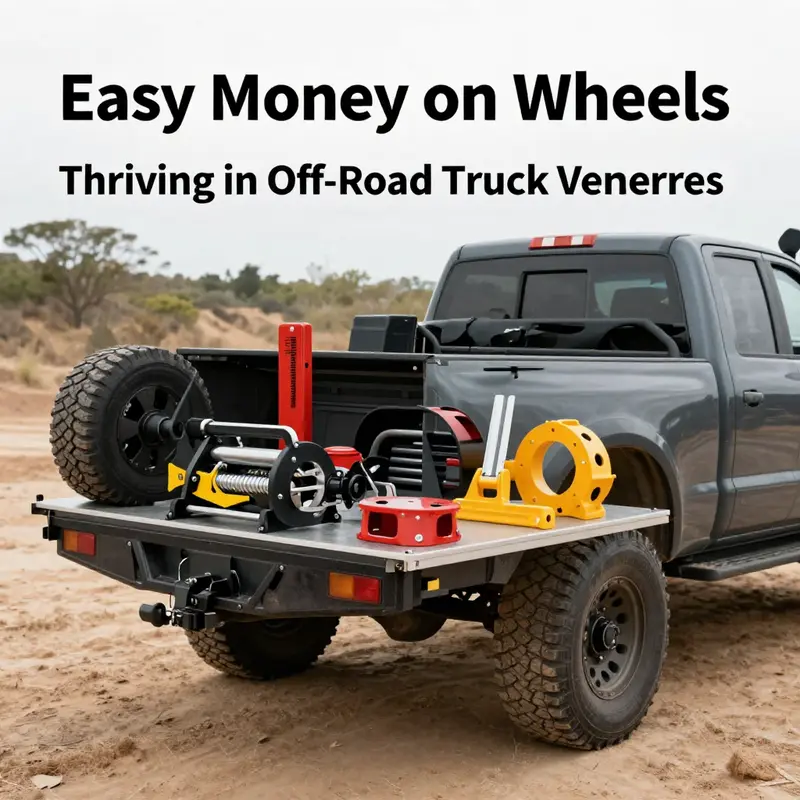
The idea of turning a working truck into a revenue generator goes beyond off road fun. It rests on a simple truth: specialized gear that keeps adventures moving is expensive to own and store, and many users prefer access over ownership. A mobile off road equipment rental service can meet demand precisely where it arises by delivering gear with speed and reliability. This model scales with your truck network and a disciplined delivery and maintenance plan.
Focus on high demand portable and easy to install items. Think electric or manual winches that can be secured on a hitch or bumper; traction boards; portable tire inflators and air compressors; snorkels; headlamps and lighting kits; small jump starters. The idea is to carry gear to trailheads, hotels, or campgrounds and charge for the exact window of use. Data shows that the market for on demand gear is growing; customers want experiences and the gear to enable them to pursue them.
Your truck becomes a rolling storefront and warehouse. Start with a modest inventory that is easy to transport and deploy. Add GPS tracking and a simple inventory mindset. You do not need the most expensive system to begin; a practical check in and check out process helps prevent loss and makes replenishment predictable. The goal is on time gear arrival, gear that works, and a smooth handoff to a new customer.
Technology is the bridge to scale. An online catalog with real time availability, integrated booking, and secure payment turns a vehicle into a scalable enterprise. The convenience factor matters as much as price. Offer two or three delivery windows, clear terms, and simple damage protection. A practical plan includes a lightweight dispatch option and basic fleet management to align deliveries with tours and rentals with guides.
Partnerships and pricing. Work with local adventure outfits and gear shops to expand reach. Bundled offerings can raise average order value. Start small, validate demand with a minimal catalog and a reliable delivery promise, and track results over a few months. As you grow, gradually broaden the catalog and optimize routing to maximize utilization. This approach relies on safety, maintenance, and fast support to keep customers coming back.
Real world viability and beyond. Test a few items, measure utilization, and refine your process. The truck becomes a platform for a flexible, resilient business that serves the needs of a rugged outdoor community. With a focus on safety, transparency, and reliability, a mobile off road rental operation can produce repeat customers and sustainable growth.
Final thoughts
As the dust settles on these rugged landscapes, it’s clear that owning an off-road truck opens the door to lucrative ventures. Whether you’re guiding climbers through craggy hills, rescuing adventurous souls from muddy ditches, or renting out indispensable gear, the opportunities are vast. Combining these avenues not only ensures a diversified income but creates a community of fellow adventurers who share your passion. The road ahead is filled with potential—gear up, plan your next adventure, and watch as your truck transitions from being merely a vehicle to a thriving mobile business.