
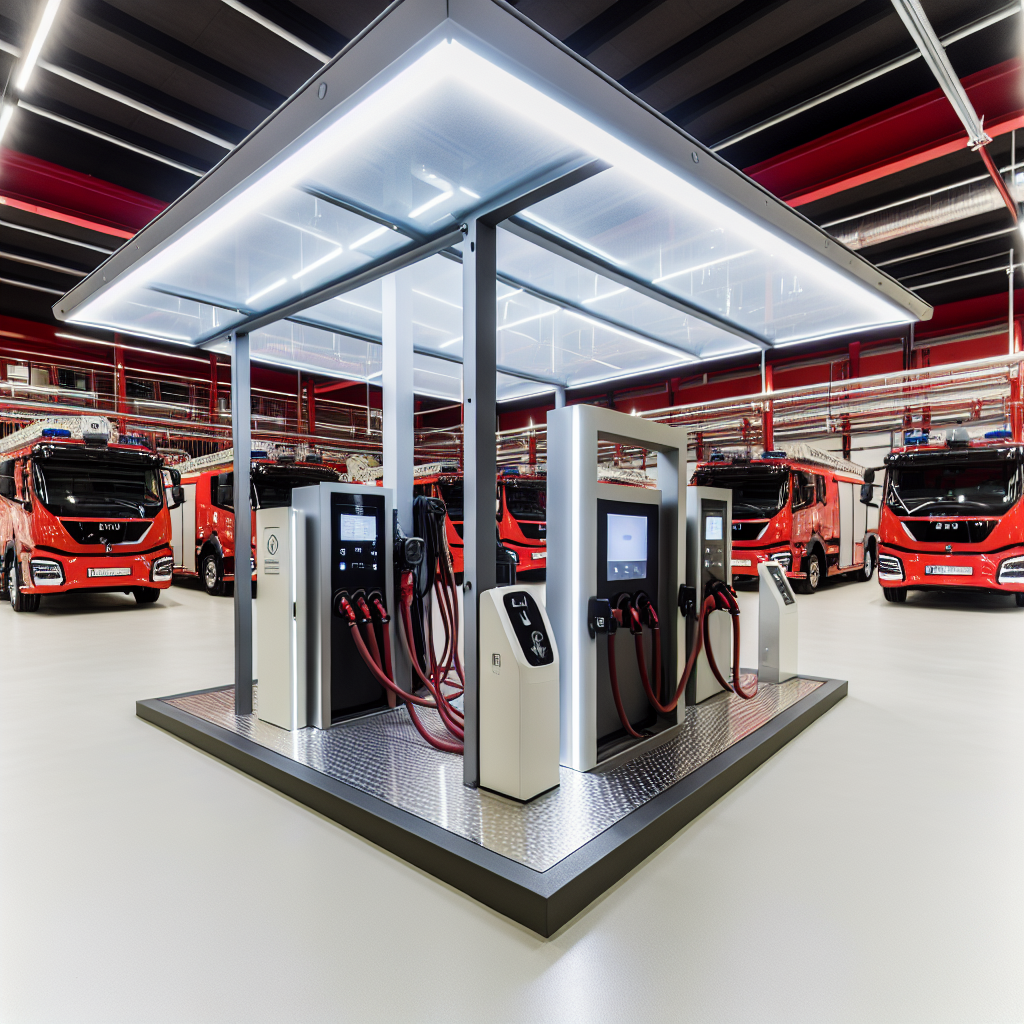
Electric Fire Truck Charging Infrastructure is a crucial component for modern firefighting services, particularly as municipalities increasingly look toward sustainable solutions to meet their operational needs. The transition to electric fire trucks represents a significant shift in emergency response capabilities, aligning with global environmental goals and contributing to reduced carbon footprints. However, for these advanced vehicles to operate effectively, a robust and well-planned Electric Fire Truck Charging Infrastructure is necessary. This infrastructure not only ensures that fire trucks are ready and operational at all times but also signifies a commitment to innovation in public safety.
As Michael Benson, a former fire chief and co-owner of Command Consulting LLC, notes, “There’s no way to have robust charging without a microgrid.”
Understanding the importance of this infrastructure is essential for fire departments aiming to enhance their service delivery and operational efficiency while paving the way for a greener future. In this article, we will explore the significance of Electric Fire Truck Charging Infrastructure and how investment in this area can revolutionize firefighting.
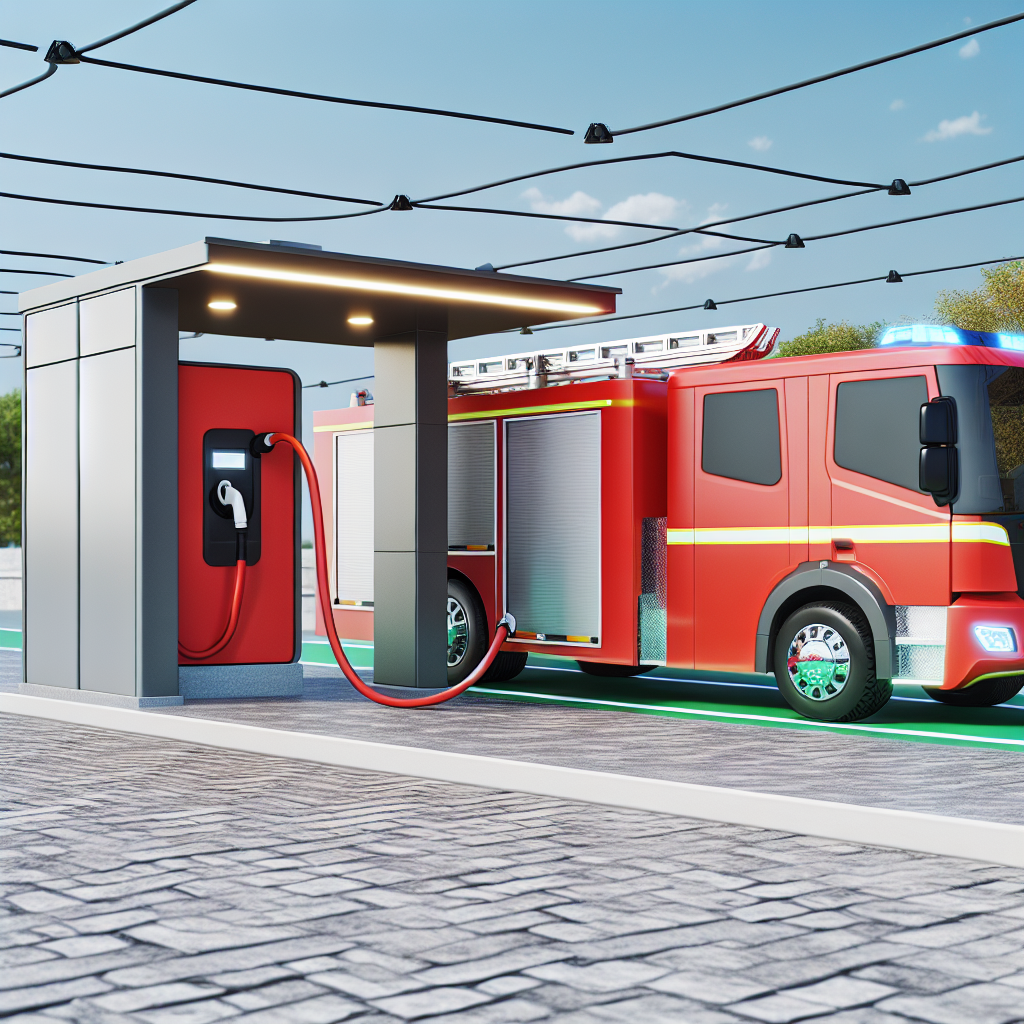
Electric fire trucks require a dedicated charging infrastructure to operate effectively, especially when considering their unique power demands. The primary requirement is for a 480-volt three-phase power supply. This power configuration allows for faster charging of the fire trucks, ensuring they are operational when needed. Fire departments must evaluate their current electrical infrastructure to determine if upgrades are necessary to accommodate the demands of electric fire trucks, including transformer installations and additional cabling.
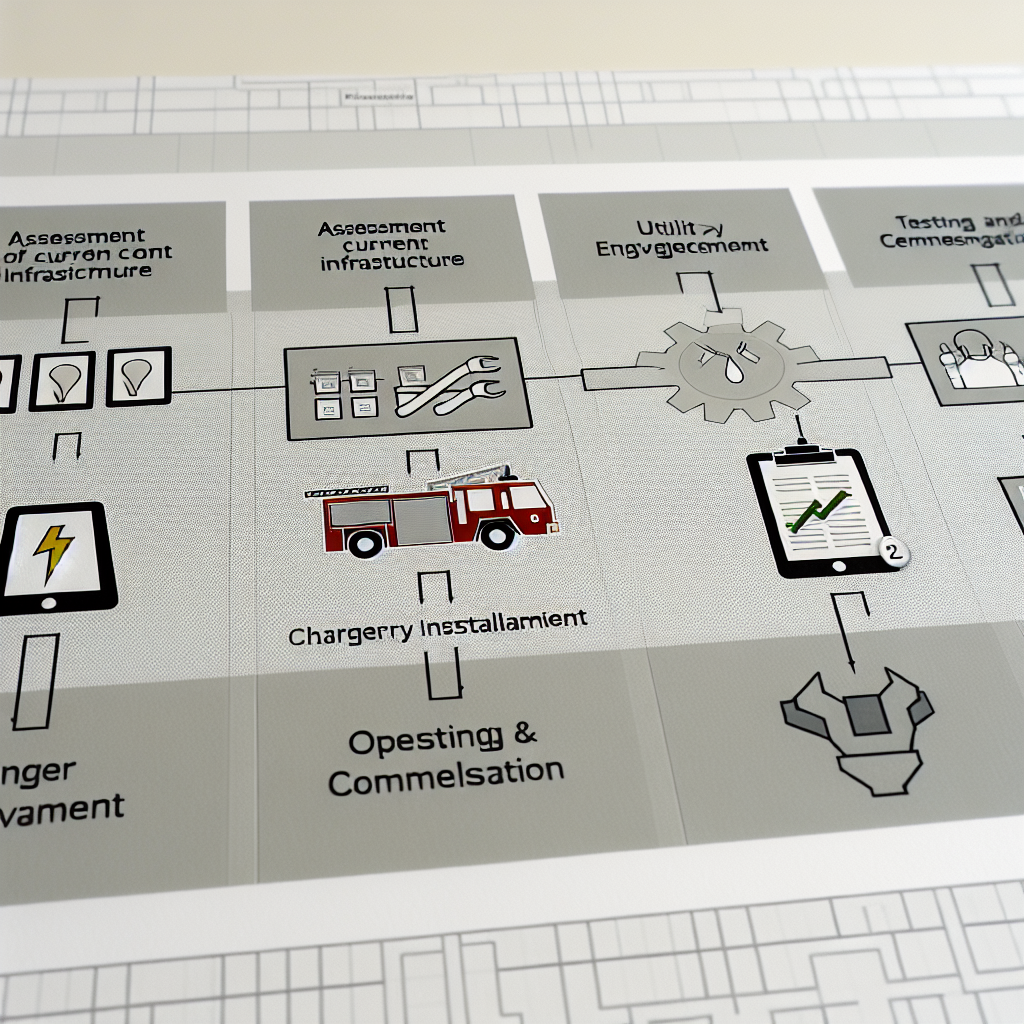
Planning should ideally begin nine to twelve months prior to the arrival of the electric truck to allow for adequate time to install the necessary equipment. It’s also crucial to assess the fire station’s location concerning utility supply and to engage with local electric companies for support and potential incentives.
In addition to the power supply, charging locations should be strategically designed for quick access and should include features such as weather protection and security to safeguard the investment in electric fire trucks. Furthermore, departments should consider if overhead charging systems would benefit their operations, offering an efficient solution that minimizes space consumption.
Having a solid maintenance strategy for the charging infrastructure is also vital, although it is worth noting that the maintenance of electric charging systems is typically straightforward, with no special tools required, which keeps the operational downtime minimal.
| Element | Description | Potential Utility Collaboration |
|---|---|---|
| Power Supply | Requires 480-volt three-phase power for charging. | Work with local utilities for power upgrades. |
| Charging Locations | Designated spaces with weather protection and security. | Engage utilities for site assessments. |
| Overhead Charging Systems | Efficient space-saving option for chargers. | Collaborate for infrastructure support. |
| Maintenance Strategy | Simple ongoing maintenance with no special tools needed. | Partner with utilities for maintenance training. |
| Planning Timeline | Begin planning 9-12 months in advance. | Access utility incentives for early planning. |
| Charging Infrastructure Type | Initial Setup Costs | Maintenance Expenses | Remarks |
|---|---|---|---|
| Level 2 Charging Station | $5,000 – $10,000 | $500 – $1,000/year | Suitable for slower charging, can be installed in various locations. |
| DC Fast Charging Station | $40,000 – $100,000 | $1,500 – $4,000/year | Requires significant power; rapid charging suitable for high-demand fleets. |
| Overhead Charging System | $20,000 – $60,000 | $1,000 – $2,500/year | Minimizes footprint and provides quick access; more complex installation. |
| Solar-Powered Charging Station | $30,000 – $80,000 | $500 – $1,500/year | Renewable energy source; savings on electricity over time. |
Effective Infrastructure Planning for Electric Fire Trucks
Effective infrastructure planning is a crucial aspect of integrating electric fire trucks into municipal fleets. Initiating this process nine to twelve months before the expected arrival of the electric truck is not just a recommendation but a necessity for several reasons.
Benefits of Early Infrastructure Planning
-
Sufficient Time for Evaluation and Upgrades
Early planning allows fire departments to thoroughly evaluate their existing electrical infrastructure and determine necessary upgrades. This may include installing transformers, cabling, and other equipment necessary to support the unique power demands of electric fire trucks, specifically the required 480-volt three-phase power supply. -
Coordination with Utility Providers
Engaging with local utility companies early in the process is vital. Utility providers can offer insights into the feasibility of upgrades, potential rebates, and incentives, making it easier to establish a financially viable infrastructure. -
Installation Timing
Proper scheduling of installations ensures that any electrical work or construction is completed without rushing. This proactive approach helps to avoid logistical challenges that could result in delays and increased costs. -
Minimized Operational Downtime
By preparing adequately, departments can reduce the downtime of their electric fire trucks. When the vehicles arrive, they need to be operational right away. If the infrastructure is already in place, it allows for immediate deployment, which is critical in emergency response situations. -
Strategic Charging Location Design
Early planning gives departments the chance to design charging locations strategically. This is vital for ensuring quick access to charging facilities, weather protection, and security, all of which safeguard the investment in electric fire trucks while creating an operationally efficient workspace. -
Implementation of Overhead Charging Systems
With ample lead time, departments can also evaluate the feasibility of overhead charging systems, which can enhance both functionality and space management, enabling a more efficient use of the station’s infrastructure.
By prioritizing early planning, fire departments not only facilitate seamless installation but also significantly enhance their operational efficiency and readiness. Ultimately, taking proactive steps in the planning phase lays the groundwork for successful integration and utilization of electric fire trucks in their fleets.
Maintenance Requirements for Charging Infrastructure
Maintaining electric vehicle (EV) charging infrastructure, particularly for electric fire trucks, is essential for ensuring their reliability and performance. Importantly, the maintenance tasks involved do not require any special tools, making it accessible and manageable for fire department staff.
General Maintenance Tasks
- Regular Inspections: Conducting periodic visual inspections of the charging stations is crucial. These checks should focus on identifying physical damage, wear on cables and connectors, and ensuring the charger is securely mounted. As noted by experts at PFMPCS, “Periodic visual checks for physical damage and wear are essential to ensure the continued operation of charging stations.”
- Cleaning: Keeping the equipment clean is vital to prevent overheating and ensure efficient operation. Removing debris and dirt is a straightforward task that enhances the longevity of the charging infrastructure.
- Software Updates: Regular updates to the charger’s firmware and software are recommended to maintain optimal performance and cybersecurity standards. Hardware maintenance, such as replacing worn-out parts, can often be executed without specialized tools. According to ACDC Power Technologies, “Most maintenance tasks focus on inspections and updates, all of which do not require special tools.”
- Functional Testing: Conducting functional tests to confirm that the charging station provides the correct power output is also essential. This step ensures that all safety features, such as ground fault detection, operate effectively.
Specific Considerations for Electric Fire Truck Charging Stations
For charging infrastructure catered to electric fire trucks, maintenance is particularly straightforward. It generally involves cleaning filters annually—similar to the maintenance required for a residential furnace. Pierce Manufacturing mentions that “annual cleaning of filters helps ensure good airflow and cooling, essential for efficiency in charging stations.”
Industry Standards and Recommendations
It is important to note that while maintaining EV charging stations is generally uncomplicated, it is advisable for qualified technicians to conduct this maintenance to ensure safety and regulatory compliance. This requirement aligns with U.S. Department of Transportation guidance that mandates the installation, operation, and maintenance of EV infrastructure by qualified individuals.
Supporting Statistics
The U.S. Department of Transportation provides a helpful budgeting guideline, suggesting that EV charging station owners allocate approximately $400 annually per charger for maintenance costs. This budget typically covers inspections, repairs, and cleaning, all of which can be performed with standard tools.
In conclusion, the maintenance of electric fire truck charging infrastructure does not necessitate special tools. Routine tasks such as inspections, cleaning, and testing can be done effectively with readily available equipment, thereby facilitating sustained operational readiness and reliability.
In conclusion, the transition to electric fire trucks presents an opportunity for fire departments to improve sustainability and efficiency in their operations. However, successful integration relies heavily on the establishment of a well-planned and maintained charging infrastructure. Key factors include a dedicated 480-volt three-phase power supply necessary for rapid charging, and strategic planning that should ideally commence nine to twelve months before the arrival of the electric vehicle. This early preparation allows for comprehensive evaluations of existing infrastructure and necessary upgrades, ensuring that all logistical challenges are addressed in advance.
Maintenance of the charging stations is straightforward, with no special tools required, enabling fire department staff to carry out necessary inspections and routine tasks easily. By prioritizing these elements—planning, installation, and ongoing maintenance—fire departments can enhance their operational readiness while embracing the benefits of electric firefighting solutions. Ultimately, proactive management of charging infrastructure is essential not just for immediate operational effectiveness but also for setting the foundation for a more sustainable and innovative future in firefighting services.
Frequently Asked Questions about Electric Fire Truck Charging Infrastructure
1. What are the primary challenges in integrating charging infrastructure for electric fire trucks?
- High Power Requirements: Electric fire trucks often require substantial power for rapid charging, with charging infrastructures needing to accommodate at least 600 kW of energy for emergency vehicle charging. This necessitates significant electrical upgrades at fire stations.
- Infrastructure Costs: Upgrading electrical systems and installing high-capacity chargers can be expensive. Collaboration with utilities and city engineering departments is essential to manage these costs effectively, especially in the context of transitioning to renewable energy fire services.
2. How can fire departments ensure reliable charging infrastructure?
- Microgrid Implementation: Deploying microgrids can provide a resilient power supply, ensuring that electric fire trucks remain operational during grid outages. Microgrids also help manage energy costs by optimizing charging times, which is crucial for maintaining fire department efficiency.
- Regular Maintenance: Establishing a maintenance schedule with routine inspections, software updates, and prompt repairs is crucial to prevent unexpected failures and ensure the sustainability of charging infrastructure.
3. What maintenance practices are recommended for EV charging stations?
- Routine Inspections: Conduct monthly visual inspections of all charging equipment to identify potential issues early.
- Cable and Connector Checks: Inspect cables and connectors quarterly for signs of wear or damage to ensure uninterrupted emergency vehicle charging.
- Software Updates: Regularly update charging station software to ensure compatibility, security, and optimal performance.
- Cooling System Maintenance: For liquid-cooled chargers, clean and inspect cooling systems quarterly to maintain optimal performance.
4. How can fire departments manage the costs associated with charging infrastructure?
- Time-of-Use Optimization: Implement charging schedules that take advantage of lower electricity rates during off-peak hours to reduce operational costs associated with electric fire truck charging.
- Load Management: Utilize load management strategies to distribute power usage evenly, avoiding demand charges and minimizing strain on the electrical grid.
- Grants and Incentives: Explore federal, state, and local grants or incentive programs designed to offset the costs of EV infrastructure installation and upgrades, fostering the shift towards renewable energy in fire services.
5. What considerations should be made for charging infrastructure during emergencies?
- Backup Power Solutions: Ensure that charging stations are connected to backup power sources to maintain functionality during power outages, ensuring that emergency vehicle charging is uninterrupted.
- Rapid Charging Capabilities: Invest in high-capacity chargers that can quickly recharge fire trucks, ensuring they are ready for deployment at all times during emergencies.
- Redundant Systems: Implement redundant charging stations to provide alternative options if one station becomes inoperable, thus enhancing fire department efficiency in critical situations.
Understanding the costs associated with different types of charging infrastructure is vital, as these financial considerations significantly influence the planning timeline and the necessary preparations to ensure seamless implementation.