
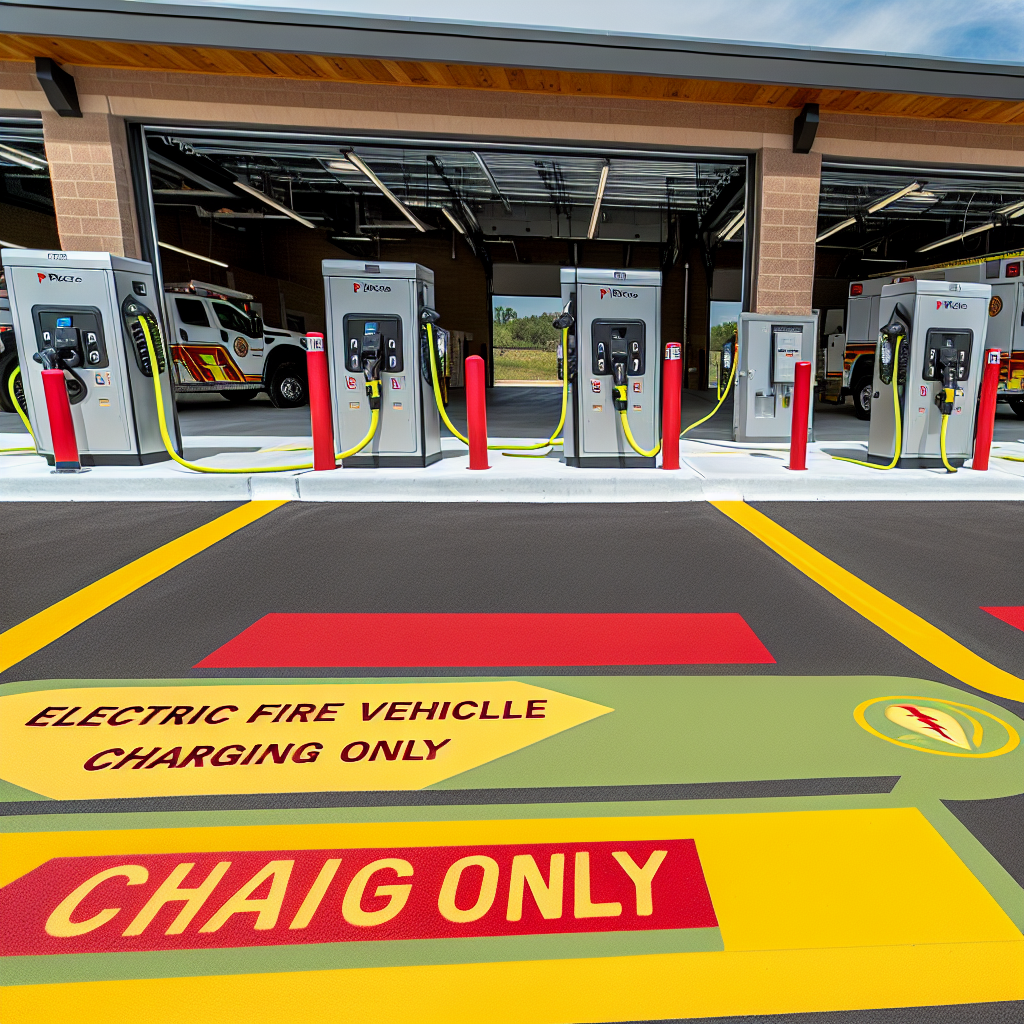
As we move deeper into the age of sustainability, adapting fire services to electric vehicles emerges as a critical focus. The transition to electric fire trucks is not simply about integrating new technology into existing systems; it requires developing a robust electric fire truck charging infrastructure. This infrastructure is essential for ensuring that fire departments can effectively utilize electric vehicles, maintaining their commitment to readiness and response in the communities they serve.
With environmental concerns and operational efficiency at the forefront, the importance of investing in electric fire truck charging infrastructure cannot be overstated. It not only supports the deployment of cutting-edge electric fire apparatus like the Pierce Volterra, but it also contributes to reducing the carbon footprint and operational costs for fire departments. Moreover, the strategic planning for this infrastructure needs careful consideration, as departments must address space requirements, charging speeds, and maintenance regimes to seamlessly incorporate these advanced vehicles into their fleets.
In this article, we will delve into the factors influencing the successful integration of electric fire trucks, the different types of charging solutions available, and best practices for establishing a sustainable electric fire truck charging infrastructure that supports modern firefighting operations.
Planning for Electric Fire Truck Infrastructure
Planning for electric fire truck infrastructure involves careful consideration of various factors such as power requirements, charging station installation, and budgeting. With a timeline of 9 to 12 months before the arrival of new electric fire trucks, departments must initiate this process early to ensure efficient integration.
- Assess Current Infrastructure: Fire departments need to evaluate their existing electrical systems to determine if they can support the charging needs of electric fire trucks. Typically, a 480-volt three-phase power supply is required for charging these vehicles. If the current infrastructure is inadequate, departments must explore upgrades.
- Identify Charging Locations: Departments should designate specific locations for charging stations within or near the fire station. Considerations include accessibility, safety, and the impact on daily operations. The design should accommodate the size and dimensions of electric fire trucks.
- Budgeting and Funding: Charging station installation requires financial investment. Costs can vary significantly depending on factors like power upgrades, installation complexity, and the number of stations necessary. Departments should lay out a budget and seek potential funding sources, including grants, government assistance, or partnerships with local utilities.
- Install Charging Stations: Once planning is complete and funds are secured, the actual installation of charging stations can commence. It’s crucial to work with experienced contractors familiar with electric vehicle technology and infrastructure.
- Training and Maintenance: After installation, ensure that staff are adequately trained to operate and maintain the charging stations. Regular maintenance should be scheduled to ensure optimal performance and reliability.
- Ongoing Evaluation: Following installation, departments should continuously evaluate the effectiveness of their charging infrastructure, making adjustments as needed based on the operational experience with the electric fire truck fleet.
By following these steps, fire departments can effectively plan for the necessary charging infrastructure to support their electric fire trucks and enhance their operational readiness.
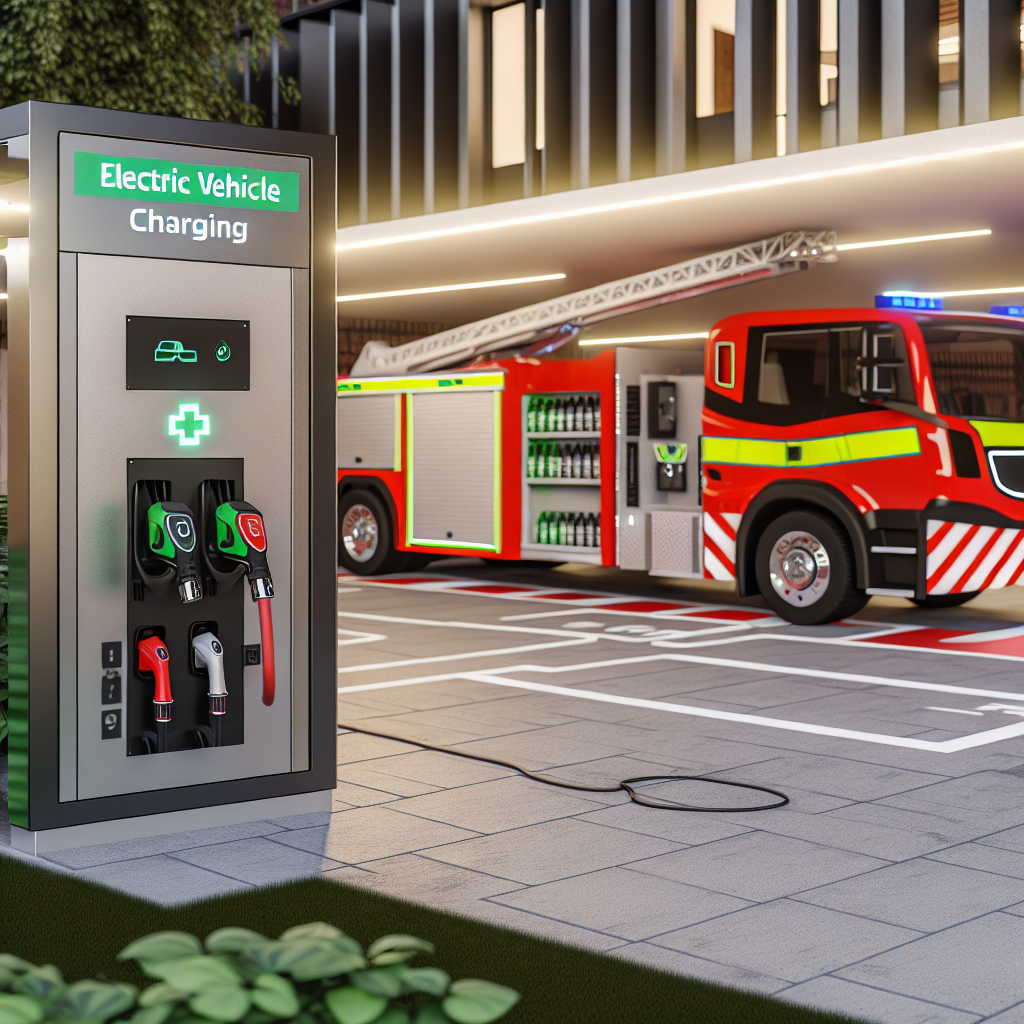
Image of an electric fire truck charging station that illustrates the concept effectively.
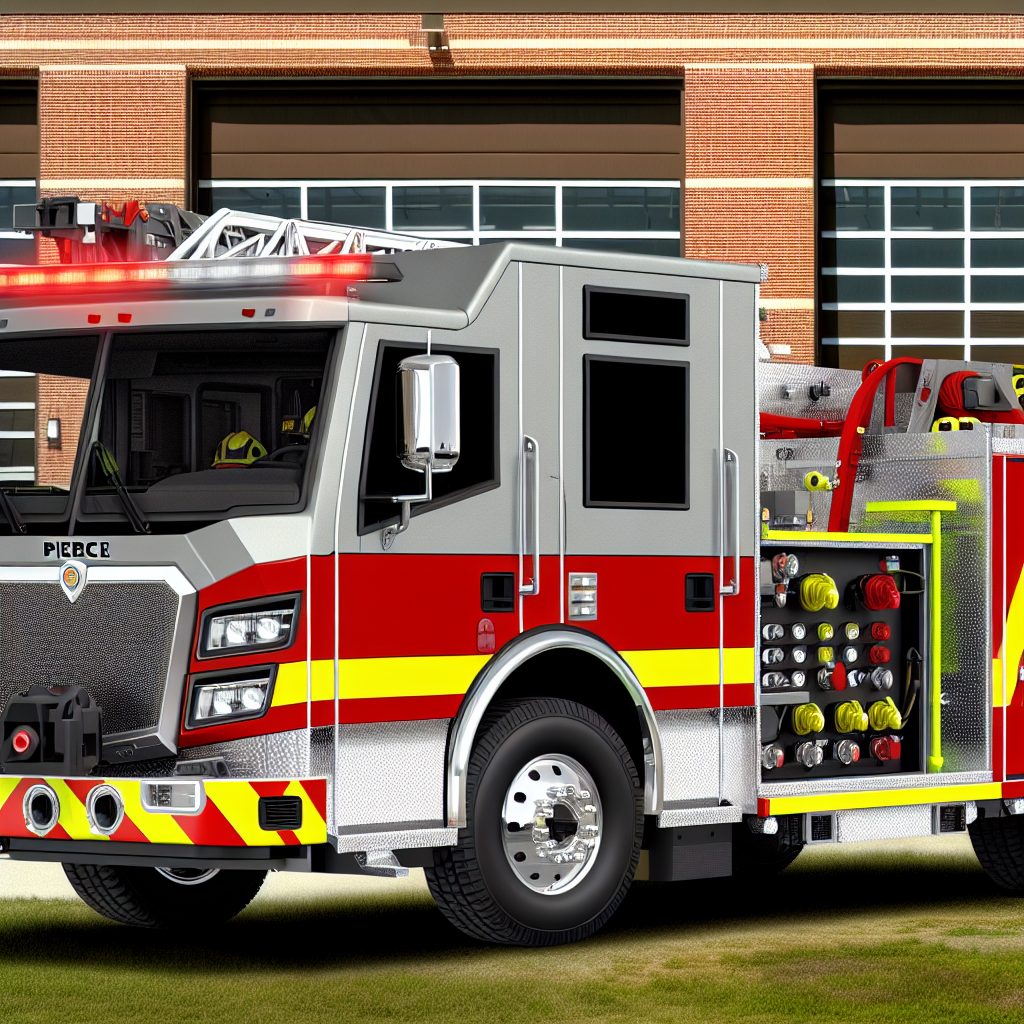
Image of the Pierce Volterra electric fire truck showcasing its modern design and features.
Maintenance Needs for Electric Fire Truck Charging Infrastructure
Maintaining electric fire truck charging infrastructure is vital for safety and efficiency. Regular maintenance helps ensure that charging stations deliver peak performance over time. Here are key practices departments should follow:
- Annual Cleaning of Cabinet Filters:
Cleaning cabinet filters is essential for cooling the internal parts of charging stations. Dust and debris can build up and restrict airflow, increasing the risk of overheating. Cleaning or replacing these filters at least once a year is necessary to keep your charging units functioning well. This maintenance not only prevents malfunctions but also extends the lifespan of the equipment. (source) - Routine Visual Inspections:
Conducting regular visual inspections is important to spot wear and tear or any potential damage. Monthly inspections should be done for residential chargers, while weekly checks are needed for commercial or public chargers due to their higher usage. These inspections should check structural components, wiring, and connectors. Detecting issues early can prevent serious problems later. - Cleaning and Seasonal Care:
Keeping charging stations clean is vital to avoid performance issues caused by dirt buildup. Use a soft, damp cloth with non-abrasive cleaners to wipe surfaces. Harsh chemicals or high-pressure water should be avoided to prevent damage. In snowy climates, snow and ice should be cleared regularly, and in warmer areas, cooling systems should be monitored to avoid overheating. - Electrical System Checks:
Regularly checking electrical components is necessary to ensure chargers function safely. Include voltage and current testing in your maintenance practices. Inspect circuit breakers and verify grounding to avoid faults. These checks are critical for maintaining safety and effectiveness. - Software Updates:
Keeping charging stations updated with the latest software is important for security and functionality. Regular updates help address any vulnerabilities and improve user experience. This practice is crucial for maintaining infrastructure that is both reliable and secure. - Partnering with Service Providers:
Working with service providers can simplify maintenance. This allows fire departments to maintain focus on their main responsibilities. Charging-as-a-Service (CaaS) models can keep charging infrastructure in optimal condition without overstraining internal resources.
By adhering to these maintenance strategies, fire departments can keep their electric fire truck charging infrastructures running reliably, ensuring effective support for operational readiness. Investing in regular maintenance reflects a commitment to sustainability and efficiency in emergency services.
| Charging Solution | Charging Speed | Estimated Cost | Key Features |
|---|---|---|---|
| Standard AC Charger | 7 kW | $2,000 – $5,000 | Cost-effective, suitable for overnight charging, basic installation. |
| DC Fast Charger | 50 kW – 350 kW | $10,000 – $40,000 | Rapid charging, ideal for short turnaround times, high power output. |
| Overhead Charging Systems | Varies | $15,000 – $100,000 | Space-saving, automatic connection, suitable for large fire stations. |
| Mobile Charging Units | Varies | $30,000 – $100,000 | Portable, flexible deployment, can support multiple vehicles. |
| Solar-Powered Charging Stations | Varies | $20,000 – $80,000 | Eco-friendly, reduces dependency on grid power, utilizes renewable energy. |
This table summarizes various electric fire truck charging solutions, focusing on their specifications, costs, and key features to assist fire departments in making informed decisions.
Long-Term Operational Cost Benefits of Electric Fire Trucks
The shift to electric fire trucks offers significant long-term operational cost benefits compared to traditional fuel-powered vehicles, particularly in efficiency, sustainability, and potential savings for fire departments.
Operational Cost Savings
- Fuel and Energy Costs: Electric fire trucks yield considerable reductions in fuel costs. For example, a traditional fire truck consumes about 50 liters of diesel per 100 kilometers, costing approximately $75 per trip. In contrast, an electric fire truck would incur an energy cost of only $9.18 for the same distance, translating to a staggering savings of $65.82 per 100 kilometers, marking electric operation as roughly 88% cheaper source.
- Maintenance Expenses: With fewer moving parts and elimination of oil changes, fuel filters, and exhaust system maintenance, electric fire trucks typically command lower maintenance costs throughout their lifespan source.
Efficiency and Performance
- Energy Efficiency: The efficiency of electric motors surpasses that of internal combustion engines, converting a greater percentage of electrical energy into motion, which leads to reduced energy consumption and longer operational ranges source.
- Noise Reduction: Operating quietly, electric fire trucks present less noise pollution, facilitating communication among firefighters and minimizing disturbances in residential areas source.
Sustainability and Environmental Impact
- Reduced Emissions: Zero tailpipe emissions from electric fire trucks significantly diminish the environmental impact of firefighting. Such reductions are aligned with municipal efforts to lower greenhouse gas emissions and improve air quality source.
- Integration with Renewable Energy: Charging electric fire trucks with renewable energy sources boosts sustainability while further minimizing their carbon footprint source.
Potential Savings for Fire Departments
- Total Cost of Ownership: Although electric fire trucks may have higher initial costs, their significantly lower operating and maintenance expenses can lead to reduced total cost of ownership over time source.
- Government Incentives: Numerous regions provide tax credits and incentives for adopting electric vehicles, assisting fire departments in offsetting initial investment costs source.
In conclusion, transitioning to electric fire trucks enables fire departments to realize substantial long-term savings, enhanced operational efficiency, and a significantly smaller environmental footprint.
User Adoption Data for Electric Fire Trucks
The adoption of electric fire trucks by fire departments across the United States is rapidly increasing, showcasing a significant shift toward sustainable emergency response solutions. Highlights of recent user adoption data reveal promising trends and implementations:
Adoption Rates and Trends
- Market Growth: The global fire truck market is projected to reach $9.6 billion by 2030. With electric fire trucks being the fastest-growing segment of this market, driven by stringent emission regulations and a push for more sustainable solutions in emergency services (source).
- Electrification Trends: Approximately 45% of new fire truck orders in 2024 and 2025 will feature battery-assist or fully electric powertrains, largely due to urban policies aimed at reducing emissions for municipal fleets (source).
Notable Implementations
- Denton, Texas: In April 2025, Denton introduced Texas’ first electric fire truck, the Pierce Volterra. Despite its $1.8 million price tag, approximately $600,000 more than its traditional diesel counterpart, this initiative reflects a commitment to sustainable operations (source).
- Mesa, Arizona: The Mesa Fire and Medical Department ordered the E-ONE Vector, a fully electric fire truck capable of pumping 750 gallons per minute for up to four hours on a single charge, demonstrating significant operational capacity (source).
- Madison, Wisconsin: In June 2021, the Madison Fire Department began operations with the Pierce Volterra, marking a significant milestone as the first electric fire truck deployed in North America (source).
- Los Angeles, California: The Los Angeles Fire Department has incorporated the Rosenbauer RTX, highlighting commitments to reducing emissions within emergency services (source).
Challenges and Considerations
Despite the positive trajectory, challenges remain for the adoption of electric fire trucks:
- Cost Implications: Electric fire trucks often come at a premium compared to traditional diesel models. For instance, the Rosenbauer RTX is priced considerably higher, posing budgetary constraints for some departments (source).
- Market Dynamics: The consolidation within the fire truck manufacturing industry, with three companies—REV Group, Oshkosh, and Rosenbauer—controlling around two-thirds of the market has led to increased pricing and extended delivery times. This consolidation has raised calls for antitrust investigations to address these challenges (source).
In summary, the growing trend towards electric fire trucks signifies an important advancement for fire departments, supporting their transition towards more sustainable and efficient emergency response solutions. Through careful planning, funding strategies, and awareness of challenges, these departments can embrace the future of firefighting.
Conclusion
In conclusion, the transition to electric fire trucks marks a transformative step for fire departments aiming to enhance operational efficiency and environmental sustainability. The integration of these vehicles not only requires the establishment of a robust electric fire truck charging infrastructure but also carries significant implications for the communities they serve.
When fire departments embrace electric fire trucks like the Pierce Volterra, they are making a commitment to their communities, improving safety, and setting an example in environmental responsibility. This transition enables fire services to operate efficiently while minimizing greenhouse gas emissions, contributing to a healthier environment for everyone. Furthermore, the benefits extend to emergency response capabilities; electric fire trucks are often quieter, allowing firefighters to communicate effectively in the heat of action, thereby enhancing their response in critical situations.
By investing in such innovations, fire departments not only achieve cost savings on fuel and maintenance but also foster community trust through their commitment to sustainability. The future of firefighting is undeniably electric, offering a unique opportunity to revitalize emergency services while caring for the planet and the people who rely on them. The time to act is indeed now, as communities look to their fire departments not just for protection, but as leaders in the urgent quest for a sustainable future.
“Our exhibit at FDIC 2025 will highlight this dedication with a showcase of new fire apparatus, cutting-edge safety advancements, and the latest developments in our fully integrated systems—all engineered to work as a unified force to support the fire service.”
This quote perfectly encapsulates Pierce Manufacturing’s commitment to the transition to electric fire trucks and their comprehensive support for fire departments in adapting to new technologies.
In transitioning from the long-term operational cost benefits of electric fire trucks to the user adoption data, it is clear that the momentum around electric vehicles in fire services is more than just an economic trend; it represents a judicious shift in the approach to emergency response. As fire departments increasingly recognize the significant financial advantages, the next focus naturally includes understanding how these vehicles are being embraced nationwide by various jurisdictions.
The data showcasing the user adoption rates gives a comprehensive view of how fire departments are responding to not only the cost benefits but also the environmental imperatives driving this transition. This highlights the practical steps departments are taking to integrate electric fire trucks within their fleets, positioning them to meet future challenges in a sustainable and efficient manner.
Electric Vehicle Technology
- 23 CFR § 680.106 – Installation, operation, and maintenance by qualified technicians of electric vehicle charging infrastructure. – This federal regulation outlines standards for the installation, operation, and maintenance of EV charging infrastructure, ensuring transparent procurement and specifications.
- Electric Vehicle Charging Stations are Regulated by TDLR – The Texas Department of Licensing and Regulation oversees EV charging stations, including installation and consumer protections, reinforcing their regulatory framework.
Charging Station Regulations
- DOT Releases Final Standards for Federally Funded EV Charging Stations – This article discusses final standards set by the U.S. Department of Transportation for EV charging stations funded under the Infrastructure Investment and Jobs Act.
- Alternative Fuels Data Center: Electric Vehicle (EV) Charging Signage and Parking Regulations – This resource details mandatory signage and parking regulations for public EV charging stations.
- Design Recommendations for Accessible Electric Vehicle Charging Stations – Guidelines by the U.S. Access Board ensure EV charging stations are accessible to all individuals, focusing on inclusive design.
By integrating these links, you not only improve the article’s SEO but also provide readers with valuable information on the regulatory frameworks surrounding electric vehicles and their technologies.