
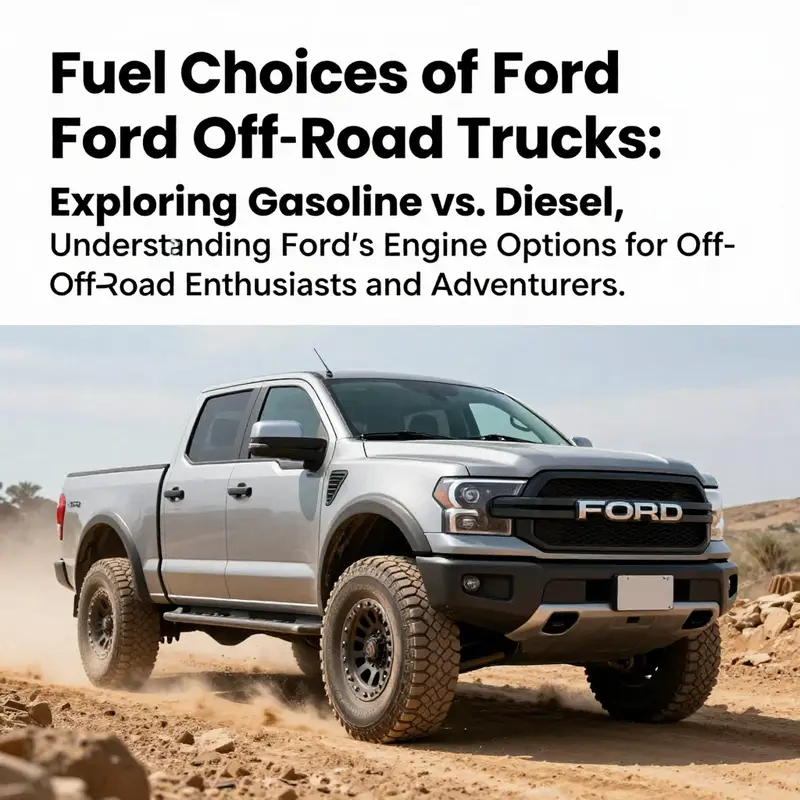
When it comes to Ford’s off-road truck lineup, enthusiasts often wonder about the fuel options. Primarily, trucks like the Ford F-150 Raptor and the rugged Bronco showcase superior performance with powerful gasoline engines. As we delve deeper into the mechanics and preferences of these vehicles, we will explore whether Ford’s celebrated off-road trucks take diesel gas or are exclusively gasoline-powered. We’ll analyze the performance of these gas engines, compare diesel choices within Ford’s lineup, and discuss prevailing consumer preferences in the market. Each chapter will provide essential insights, ensuring you understand the capabilities and limitations of Ford’s off-road trucks concerning fuel types.
Exploring Fuel Options: Do Ford Off-Road Trucks Really Use Diesel Gas?
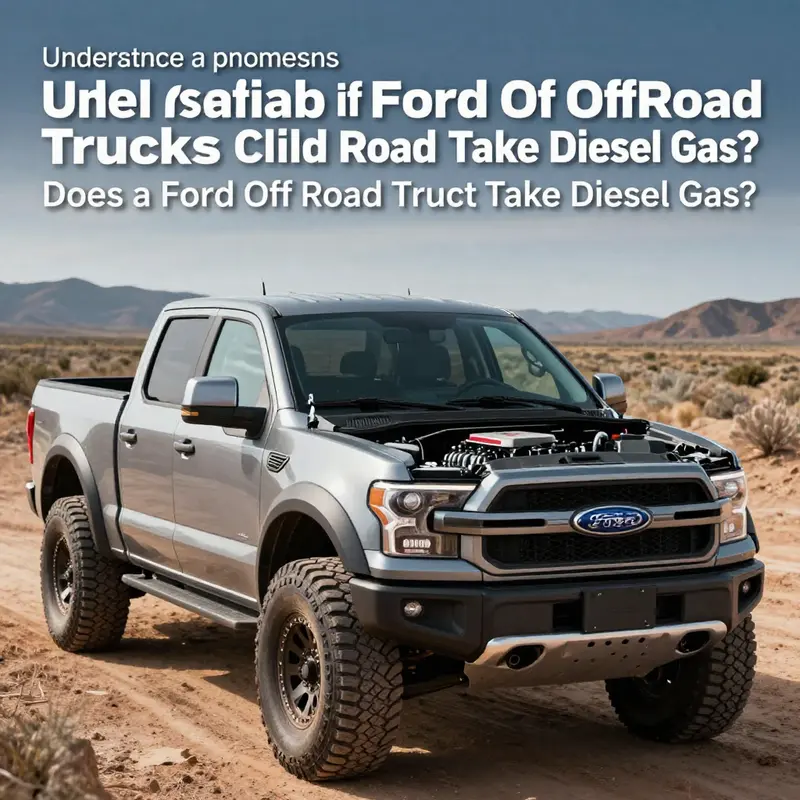
The world of off-road trucks is an exhilarating realm, inviting drivers to conquer rugged terrains and explore untouched landscapes. Among the competitors in this exciting sector, Ford has carved their niche, producing a collection of celebrated off-road vehicles that make adventuring an accessible prospect for many enthusiasts. The question, however, often arises in discussions about these powerful machines: does a Ford off-road truck take diesel gas? To unravel this inquiry, we must first explore the dynamics of Ford’s off-road offerings, their engine options, and how fuel types vary across their lineup.
Ford’s iconic off-road models, particularly the Ford F-150 Raptor and the Ford Bronco, are intended predominantly for performance-driven experiences and have found a loyal following among off-road aficionados. Most notably, these vehicles come equipped with robust gasoline engines that cater to high-speed driving and thrilling off-road capabilities. For instance, the F-150 Raptor is powered by a formidable 3.5L EcoBoost V6 engine, delivering an impressive balance of power and efficiency, designed to tackle various terrains—from sandy dunes to rocky trails—with relative ease. The gasoline engines in the Raptor and Bronco emphasize speed, agility, and excitement, ensuring an enjoyable and responsive driving experience, especially in off-road conditions.
However, there is a noteworthy exception in Ford’s lineup—the Ford F-150, particularly in its PowerBoost Hybrid configuration, which offers a diesel engine option. This variant appeals to drivers seeking enhanced fuel efficiency and torque output, attributes that are particularly advantageous in off-road scenarios. With its efficient diesel engine, the F-150 can outperform traditional gasoline engines in specific aspects, especially regarding fuel economy and sustained power under load. This makes the diesel option suitable for those who frequently find themselves tackling challenging terrains or towing heavy equipment. The robust torque offered by diesel engines is beneficial for climbing steep inclines and navigating rugged landscapes where traction and control are paramount.
Yet, despite the diesel option available in the F-150 lineup, it’s critical to clarify that many of Ford’s classically recognized off-road trucks, like the Raptor and Bronco, primarily rely on gasoline engines. When drivers inquire about diesel fuel compatibility, it is essential to distinguish between various models and their specific engine configurations. Thus, while some Ford off-road trucks indeed offer diesel as a fuel choice, the majority do not feature this option, sticking instead to gasoline usage to optimize performance.
For potential buyers and off-road enthusiasts, understanding the implications of fuel choice can significantly affect their driving experience. Gasoline engines are generally lighter and provide immediate throttle response, translating to faster acceleration and an overall dynamic driving experience on winding trails and open landscapes. Conversely, diesel engines, while slightly heavier and often stirring up discussions about noise and finer emissions issues, offer distinct advantages in terms of durability and longevity, making them appealing for towing tasks or extended overland trips.
Adapting to these varying requirements, Ford has tailored its off-road models accordingly. The F-150 PowerBoost Hybrid represents a modern pivot towards integrating fuel efficiency with off-road capability, thereby appealing to a range of driving preferences. This innovative approach allows for versatility not often associated with traditional off-road trucks. With the diesel F-150 variant, owners can cover more ground on a single tank while maintaining robust performance across diverse terrains. This makes it a particularly enticing option for those immersed in the outdoor lifestyle or frequent long-distance travel.
It’s important to center any discussion about Ford’s off-road trucks around how these vehicles meet driver’s needs and expectations while remaining aligned with their brand philosophy. Ford has positioned itself not only on providing vehicles for performance but also ensuring that these vehicles address practical concerns like efficiency and usage versatility. Diehard fans of off-roading are likely to have experienced the push for automotive manufacturers to find common ground between performance and economy, and Ford’s offerings demonstrate a keen awareness of balancing these demands within their truck features.
A final aspect worth considering when evaluating Ford’s off-road trucks and their associated fuel types is the overall impact on driver experience. As off-roading technology continues to evolve, manufacturers like Ford remain competitive by not only integrating modern fuel systems but also adapting to the shifting expectations of consumers. Understanding the intricate details of engine variants will empower potential buyers to make informed decisions that resonate with their off-roading ambitions. Therefore, prospective owners are encouraged to consult Ford’s official documentation for the latest and most accurate information on specific models, trims, and available fuel types, including options that emphasize off-road performance.
For the most current and detailed specifications on fuel options for the entire range of Ford’s off-road vehicles—including the versatile F-150 series and its diesel variants—visit the Ford F-150 Official Page. Here, enthusiasts can delve deeper into their inquiries and discover the possibilities that become available when selecting a vehicle tailored not just for peak performance but also for optimal functionality under various conditions.
In summary, while Ford’s hallmark off-road trucks predominantly operate on gasoline engines, the availability of diesel options, particularly in the F-150 variant, puts a distinctly advantageous tool in the hands of modern off-roaders. With the right understanding of fuel choices, off-road enthusiasts can better tailor their experiences—whether they are blazing trails or hauling gear—ultimately leading to an even richer adventure every time they take the wheel.
Unleashing the Power of Gasoline: Understanding Ford Off-Road Truck Performances
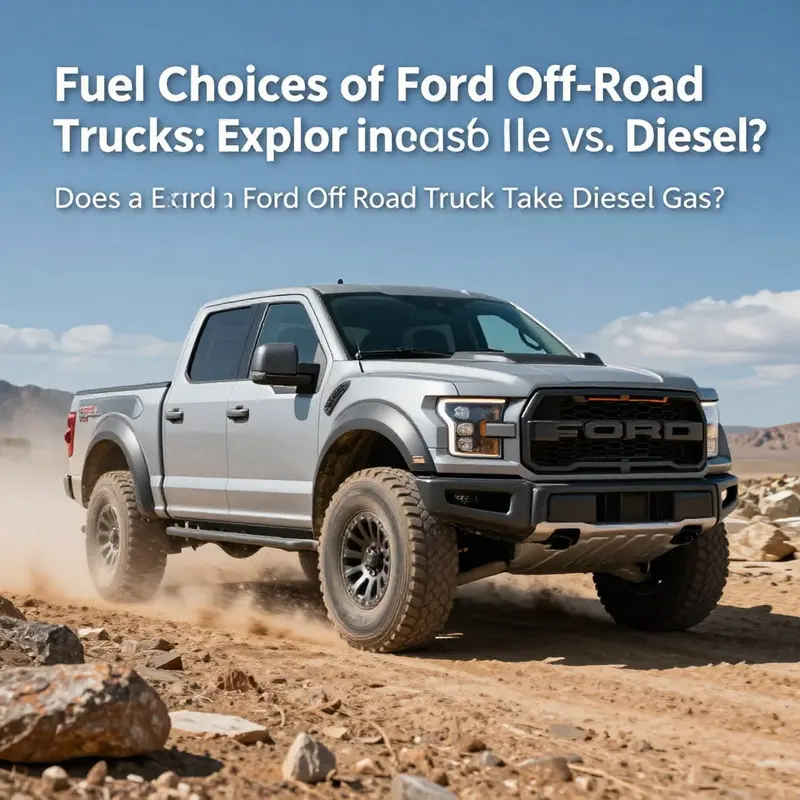
When it comes to off-road capability, Ford’s lineup, particularly the F-150 Raptor and the Bronco, stands as a testament to engineering prowess and performance. These vehicles are not just trucks; they are purpose-built machines designed to conquer rugged terrain, ascend steep inclines, and forge through obstacles that a lesser vehicle would falter against. At the heart of this unrivaled off-road experience is the engine, and for Ford’s premier off-road offerings, that engine is predominantly gasoline-powered.
The Ford F-150 Raptor, equipped with a formidable 3.5L EcoBoost V6, is the embodiment of speed and power, delivering breathtaking torque and horsepower suited for adrenaline-pumping off-road escapades. This high-performance variant offers a robust build that includes advanced suspension systems, aggressive tires, and a host of technological features, all working in unison to provide drivers with the confidence needed to tackle everything from loose gravel paths to rocky outcrops. The gasoline engine not only provides immediate throttle response but also ensures that the vehicle is lightweight, thus enhancing its dynamic handling characteristics in challenging environments.
Conversely, the Ford Bronco, returning to popularity with its unmistakable rugged aesthetic, continues the tradition of providing a powerful gasoline option for enthusiasts and everyday drivers alike. With variants that offer turbocharged inline engines, the Bronco is designed to engage with the untamed outdoors effectively while delivering comfort and practicality for everyday use. Like the Raptor, the Bronco offers an array of features designed to enhance off-road performance, including selectable drive modes that adjust the vehicle’s systems to suit various terrains.
The crux of the matter surrounding whether a Ford off-road truck can operate on diesel fuel highlights a fundamental difference in design philosophy. While Ford does manufacture diesel models, particularly within the Super Duty range, these trucks are targeted towards operators needing enhanced towing capabilities, not nimble off-road performance. The F-250 and F-350 Super Duty trucks serve their own purpose, characterized by robustness and power suited for commercial use rather than recreation. Therefore, they cannot be equated to the performance-oriented gasoline engines found in the Raptor and Bronco.
Using the wrong type of fuel, particularly filling a gasoline engine with diesel, holds dire implications as it can lead to catastrophic damage. Gasoline engines rely on a different combustion cycle, and forcing them to operate on diesel can cause significant operational failures. This unfortunate reality underscores the importance of understanding vehicle specifications and maintaining adherence to manufacturer recommendations.
To delve deeper into the technological specifications of Ford’s model range, one might reflect upon how Ford has equipped these vehicles with features designed to endure and excel in off-road conditions. The heavy-duty alternators, reinforced chassis, and durable axle designs work in conjunction with powerful gasoline engines to create a vehicle that can withstand extreme conditions while delivering exhilarating performance.
On the other hand, where remote-controlled (RC) off-road trucks come into play, they utilize a different paradigm altogether. These smaller-scale models often find life powered by specialized fuels like nitro-methanol blends or gasoline tailored for smaller engines, which diverges from the full-sized trucks we typically discuss. While their design may not emphasize performance in the same way a large Ford Raptor does, they still encapsulate the spirit of off-roading. The heart of the power and speed they deliver—and the logistics of proper fuel utilization—highlight the diverse nature of off-road vehicles and their applications.
For anyone considering adding a Ford off-road truck to their fleet, the choice of gasoline over diesel is significant. The trucks are engineered to harness the advantages of gasoline engines, particularly in delivering excitement and responsiveness that diesel systems traditionally do not match in the context of recreational driving or competitive off-roading. It’s this essence that makes Ford’s gasoline-powered off-road trucks a popular choice for enthusiasts who crave both adventure and capability.
In conclusion, confirming the specifics of fuel requirements, we clarify: Ford off-road trucks are, by design, gasoline-powered. They align perfectly with the demands of performance in off-road conditions, an exhilarating experience only possible through the robust engineering of gasoline engines. The strategic decision surrounding fuel choice underscores both the innovative design of Ford’s off-road trucks and the future trends in vehicle performance—a topic that will always invite discussion in the ever-evolving automotive landscape.
For further insights into the specifications and performance of off-road vehicles, relevant resources can be found through forums and specialized sites that cater specifically to enthusiasts. One recommended source is RC Tech Forum – Gas Powered Off Road Trucks Technical Discussion.
Understanding the details behind how these vehicles operate can enrich your appreciation of Ford’s dedication to off-road excellence. As we reflect on the future, innovation continues to drive the automotive industry, reminding us of the exciting possibilities that lie ahead.
Unveiling the Fuel Choices: Exploring Diesel and Gasoline in Ford’s Off-Road Trucks
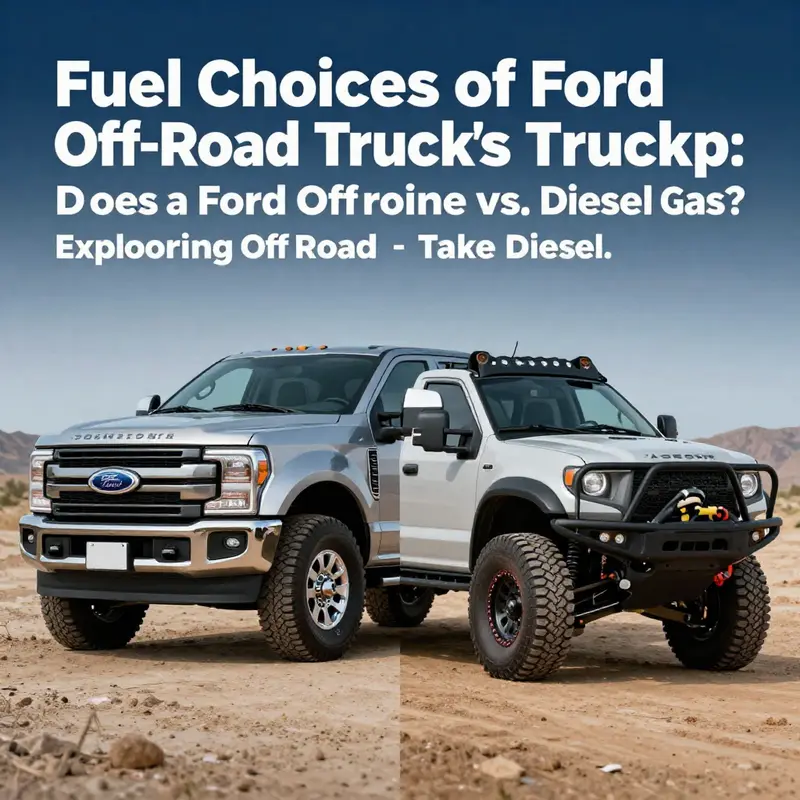
Ford has carved a niche as a dominant player in the off-road truck market, particularly evident with its popular models like the Ford F-150 Raptor and Ford Bronco. These vehicles, celebrated for their ruggedness and off-road prowess, have fascinated consumers looking to tackle challenging terrains. However, one question often arises among potential buyers and enthusiasts alike: Do Ford’s off-road trucks take diesel gas? To fully grasp this inquiry, we must dive deeper into the fuel types found in Ford’s vehicle lineup.
At the heart of Ford’s off-road offerings lies the emphasis on performance, adaptability, and robustness. Models such as the Ford F-150 Raptor are primarily fitted with powerful gasoline engines designed specifically to enhance acceleration, towing capacity, and overall driving experience in demanding conditions. The Raptor typically comes equipped with a robust 3.5L EcoBoost V6 engine, known for its remarkable power output and efficiency, making it an exceptional choice for those who venture into the wild. There’s also an option for a 5.0L V8 in certain configurations, reinforcing the idea that the company’s off-road trucks are fundamentally aligned with gasoline engine technologies.
This trend isn’t unique to the Raptor. The Ford Bronco, another stalwart in Ford’s line of off-road vehicles, also relies on gasoline engines. With its return to the market, the Bronco was designed to cater to enthusiasts searching for adventure, emphasizing maneuvers over rugged landscapes rather than the heft of a diesel engine. Consequently, it is explicitly designed to utilize regular unleaded gasoline, steering clear of the diesel option that might be perceived as a viable contender in such vehicles.
However, this distinction between off-road and heavier-duty models becomes clearer when we explore the broader scope of Ford’s truck lineup. While the Raptor and Bronco champion the use of gasoline, Ford does offer powerful diesel engines in its heavy-duty offerings such as the F-250 and F-350 Super Duty models. These trucks typically sport a formidable 6.7L Power Stroke V8 diesel engine, engineered to deliver optimal torque, fuel efficiency, and a towing capacity suited for commercial use. This alignment is logical—heavy-duty trucks often face different demands compared to off-road variations, often called upon to tow cargo over long distances or operate in work environments that necessitate sustained power and performance.
The diesel engine excels in these scenarios, primarily due to its configuration which provides superior torque delivery. This characteristic allows vehicles like the F-350 Super Duty to handle heavier loads effortlessly. Moreover, as fuel prices fluctuate, many commercial users appreciate diesel for its potential longevity and endurance compared to gasoline. Thus, while Ford’s off-road trucks lean heavily on gasoline, their commercial counterparts retain a solid diesel presence complemented by a sensible application of technology.
It’s essential to underline that the focus on gasoline engines in off-road trucks like the F-150 Raptor is not merely a matter of tradition or performance logistics; it is intricately tied to consumer demand for agility and versatility. Off-road enthusiasts often prioritize high RPMs and quick throttle response, characteristics that gasoline engines can provide more reliably than their diesel counterparts in this specific application area. This understanding cultivates an expectation that off-road performance will almost always cater to gasoline-driven solutions, aligning with Ford’s design ethos around excitement and capability on both asphalt and untamed pathways.
In summary, when one asks whether Ford off-road trucks take diesel gas, the straightforward answer is no. The leading models, the F-150 Raptor and the Bronco, are fundamentally gasoline-powered vehicles, equipped to deliver the high-performance standards associated with off-roading. Although diesel options are prominently featured in other Ford models, particularly those designed for duty and towing, they do not cross over into the off-road segment in a typical consumer context. This clear delineation ensures that consumers understand their choices when preparing to purchase a Ford truck geared towards adventure. As always, for the most accurate and up-to-date specifications regarding Ford’s vehicle lineup, it is best to refer directly to Ford’s official page.
Exploring the Fuel Choices for Ford Off-Road Trucks: The Diesel vs. Gasoline Debate
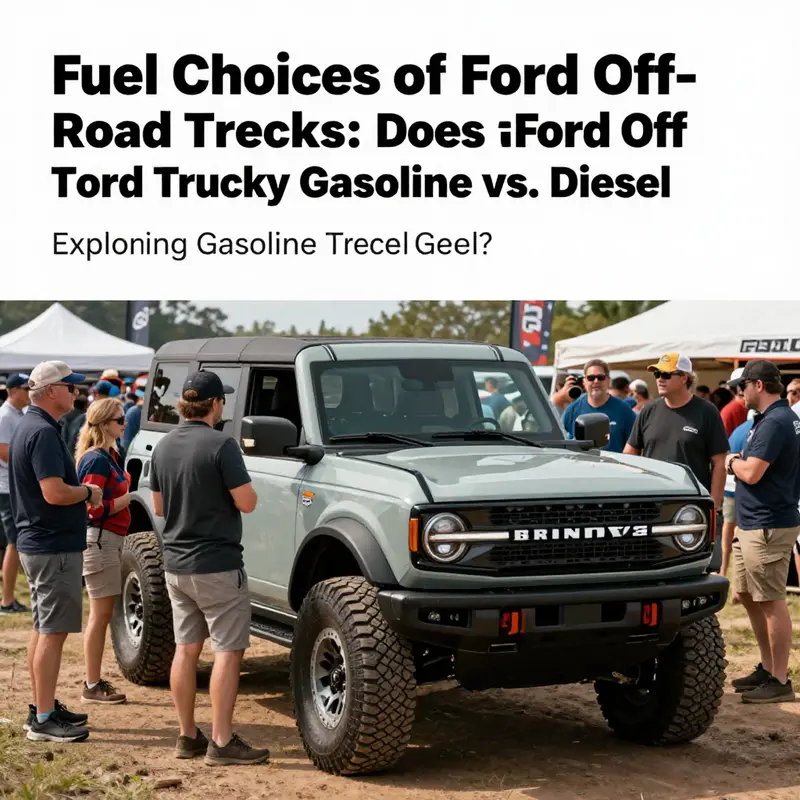
When considering the fuel choices for Ford’s off-road trucks, the focus often pivots towards two primary types of engines: diesel and gasoline. This dichotomy is particularly significant as consumers seek to align their vehicle choices with their needs—whether those are rugged off-roading adventures, heavy towing requirements, or simply a preference for specific engine performance characteristics. Ford, a prominent player in the truck market, offers a compelling lineup that demonstrates this duality, especially when examining their off-road variants like the Ford F-150 Raptor and the Ford Bronco.
The Ford F-150 Raptor, celebrated for its high-performance capabilities, is equipped with a powerful gasoline engine, the 3.5L EcoBoost V6. This engine, known for its impressive power and efficiency, is engineered for off-road supremacy, delivering exceptional torque and acceleration that enthusiasts crave. A gasoline engine, in this context, contributes to a performance-oriented vehicle ideal for navigating the unpredictable terrains that off-road conditions present.
In contrast, the diesel engine option becomes particularly relevant in heavier-duty applications. Models like the Ford F-250 and F-350 Super Duty series feature the renowned 6.7-liter Power Stroke V8 diesel engine, which is optimized for substantial torque and fuel efficiency, particularly when towing or hauling in demanding environments. This makes diesel engines highly appealing for those who frequently engage in labor-intensive tasks or require significant load-carrying capacities. While these models are not classified explicitly as off-road trucks in the spirit of the Raptor or Bronco, their off-road capabilities make them contenders in this arena, especially for work-related or commercial use.
Now, let’s explore why consumers might lean towards either gasoline or diesel when making their truck choices. With consumer preferences evolving, the diesel engine has seen increased favorability particularly among those who prioritize towing capabilities and fuel economy over long distances. The torque produced by diesel engines is particularly advantageous in scenarios involving heavy loads, making them an essential choice for contractors and outdoor adventurers alike who might frequently find themselves navigating rugged landscapes with equipment in tow.
As market trends have revealed, the stability of diesel engine sales within the light-duty truck segment continues to highlight the diesel’s appeal. Early 2024 analyses noted a notable consistency in diesel sales, bolstered by the ongoing demand for versatile, performance-oriented vehicles that fulfill a range of user requirements—from business usage to personal recreational pursuits. Consequently, while gasoline engines dominate in the lighter-duty and more sport-oriented models, diesel remains robust as a choice among heavier-duty truck users who undertake significant towing and off-roading endeavors.
Moreover, the operational costs associated with diesel versus gasoline can also inform consumer decisions. Diesel engines, while generally having a higher upfront cost not only for the vehicle but also at the pump, are often more efficient over long hauls, leading to savings in fuel expenses over time. This economic argument is compelling for those using vehicles primarily for work purposes, further consolidating the case for diesel as a preferred fuel choice in specific truck segments.
However, it’s not just performance metrics that motivate consumer preferences; the cultural narrative surrounding trucks also plays an integral role. Off-road culture has historically been intertwined with rugged individualism, adventure, and the pursuit of thrill, making gasoline-powered trucks symbolize a connection to these ideals. This cultural affinity manifests among consumers who relish the spirited responsiveness and agility commonly associated with gasoline engines, particularly in performance-focused models like the Raptor and Bronco. These trucks not only thrive in off-road conditions but also represent a lifestyle choice rooted in exhilarating experiences.
Indeed, Ford has actively catered to these diverging consumer preferences by diversifying their truck lineup. The integration of advanced technologies, such as EcoBoost engines and enhanced fuel management systems, has elevated the performance of gasoline engines, ensuring they compete favorably against their diesel counterparts in terms of efficiency and power. Additionally, features such as terrain management systems and off-road driving modes further enhance the capabilities of these gasoline-powered trucks, solidifying their presence and appeal in the off-road segment.
Nevertheless, it is essential for prospective buyers to align their truck choice with their intended use. For weekend warriors looking to explore the trails without heavy hauling needs, a gasoline-powered Ford off-road truck like the Raptor or Bronco may serve as the perfect companion, offering an exhilarating driving experience imbued with the spirit of adventure. For those whose activities involve towing heavy gear or operating in harsh conditions and requiring a vehicle capable of handling more strenuous operations, a Ford Super Duty with a diesel option may indeed be the more logical choice, balancing power and resilience.
The off-road domain is inherently versatile, and so too are the preferences of its enthusiasts. Whether one finds themselves gravitating towards gasoline or diesel options, Ford’s expansive offerings provide ample opportunities for consumers to find the vehicle that aligns with their needs and aspirations. Consumers stand at a crossroads when making their choice—assessing factors such as engine power, operational costs, and cultural significance in the context of their truck’s intended purpose.
Ultimately, it is the combination of these factors that shapes the ongoing conversation surrounding fuel choices in Ford off-road vehicles. It’s clear that standard Ford off-road trucks, like the Raptor and Bronco, do not utilize diesel, instead favoring gasoline engines that boast performance and agility. On the other hand, the heavy-duty models appeal to those demanding durability and efficiency, ensuring that diesel remains a viable choice when the utility of a vehicle takes precedence.
For those exploring the full range of options available from Ford, both in gasoline and diesel configurations, direct resources such as Ford Motor Company – F-250 Super Duty Diesel Engine Specifications can provide all the necessary details, ensuring consumers make informed decisions as they embark on their off-road journeys.
Final thoughts
In summary, Ford’s off-road lineup predominantly features trucks that run on gasoline, such as the F-150 Raptor and Bronco, designed for adventure and performance. While there are diesel options available in Ford’s broader vehicle offerings, they do not cater to off-road enthusiasts in the same vein. This focus on gasoline engines caters to the demands of performance, excitement, and capability, echoing the desires of off-road adventurers and racers alike. By understanding these distinctions, consumers can make informed choices that align with their lifestyle and off-road aspirations.