

Off-road truck racing is more than just a sport; it’s an exhilarating adventure that combines skill, courage, and a love for rugged terrain. For off-road enthusiasts and adventurers, participating in this action-packed environment offers not only the thrill of competition but also an opportunity to unleash the full potential of your vehicle. Whether you’re a racing fan or a rural landowner eager to explore new terrains, this guide establishes the necessary steps to transform your dream into reality. From understanding the vital personal qualifications needed to participate, to gaining insight into the strict vehicle requirements and navigating the competition licensing pathway, this article will ensure you are well-prepared to hit the dirt. Let’s dive into what it takes to join this thrilling world.
Forging the Racer Within: Personal Qualifications as the Keystone to Off-Road Truck Racing Success
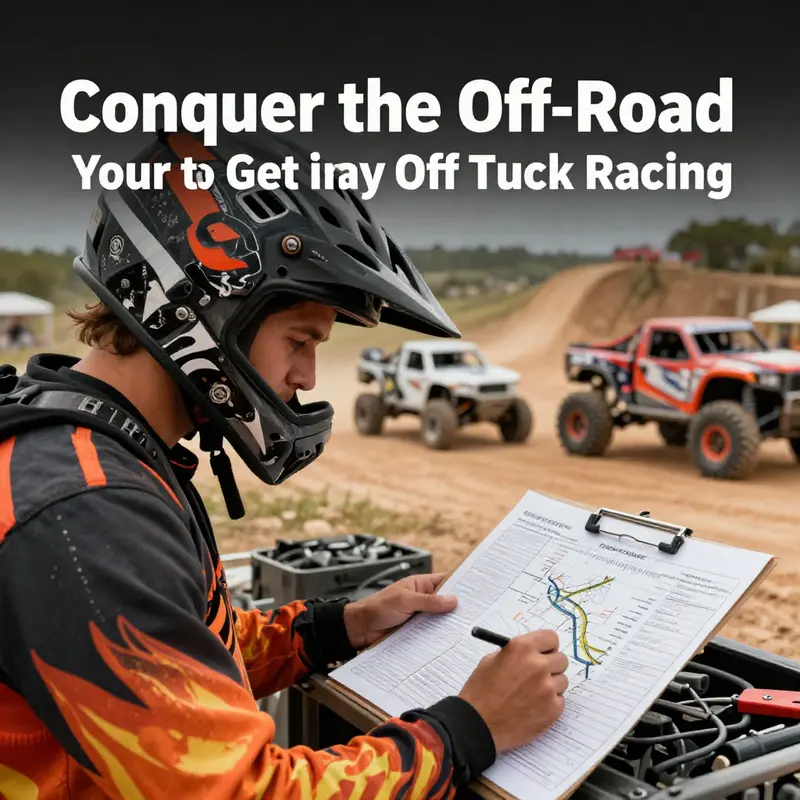
Off-road truck racing distinctly challenges both the body and the mind, requiring a blend of grit, determination, and unquestionable skill. At its very core lies a rigorous set of personal qualifications that form the foundation of safety and competitive excellence. The journey to becoming a respected participant in off-road truck racing is not simply about learning how to maneuver a powerful machine through unforgiving terrain. It is a holistic endeavor, demanding that aspirants develop and validate every aspect of their personal readiness, from legal eligibility and physical health to mental resilience and formal racing certification.
The first and foremost requisite for any potential racer is the legal permission to operate a motor vehicle. Every candidate must ensure that their driver’s license is not only current, but classified at a minimum as a Class C license issued by the public security department. This stipulation is more than a mere bureaucratic hurdle; it symbolizes the baseline ability to responsibly command a vehicle in varied and potentially hazardous environments. Moreover, this license is a universal symbol of trust and competence, serving as evidence that the competitor has once navigated through the involved processes of vehicle operation regulations. Without this critical credential, an aspiring off-road truck racer cannot legally or safely set foot on a track that ignores no standard.
Integral to the licensing requirement is the age prerequisite. The realm of off-road truck racing traditionally welcomes competitors who are at least 18 years old, a boundary set to ensure that racers possess a maturity level that extends beyond raw physical strength. The age requirement is in place to protect the safety of the individual as well as that of the other competitors. Although there are exceptional events, such as some international rallies, where drivers as young as 16 may be granted competitive participation under strict oversight, the general rule reinforces a cautious approach. This age threshold is a balancing act between giving young talents the opportunity to participate and ensuring they are physically and mentally capable of managing the high-stress dynamics encountered during races.
Before an individual can fully immerse themselves in off-road truck racing, a thorough medical examination stands as a non-negotiable requirement. This evaluation is typically mandated to be performed by a certified national healthcare institution within a recent time period. The intent behind this measure is to meticulously screen for hidden health issues that might compromise the ability to participate in high-intensity races. The medical clearance focuses on identifying conditions that may include, but are not limited to, congenital heart disorders, hypertension, cerebrovascular diseases, severe arrhythmias, and diabetes. These conditions, if unchecked, could exponentially increase the risks during a race that tests the limits of a driver’s endurance and mental control. In this regard, the medical screening process is a dual assurance: it confirms that the racer is in praiseworthy physical condition and provides a safeguard against unexpected health emergencies mid-race.
The rigorous nature of racing further demands that participants maintain not just physical health but also an exemplary level of mental resilience. Off-road racing is a sport where split-second decisions, handling unpredictable terrains, and managing sudden obstacles become part of the adrenaline-fueled environment. Competitors are required to prepare both physically and psychologically for events that constantly test their ability to remain composed under pressure. Mental toughness, characterized by the ability to maintain focus and clarity amid chaos, becomes as critical as physical stamina. The race environment is unforgiving, and even the slightest lapse in judgment could lead to grave consequences. Thus, a competitor is expected to possess robust psychological resilience—a readiness honed by practical experience and mindful training.
Physical fitness is another cornerstone in the mosaic of personal qualifications. Off-road truck racing is a demanding sport where controlling a powerful vehicle on rough terrain requires significant strength, endurance, and agility. The physical demands of the sport are high; competitors must be able to withstand extended periods of high-intensity concentration, rapid shifts in body position, and the physical impacts that come with traversing uneven surfaces at high speeds. Regularly engaging in comprehensive fitness routines that encompass cardio, strength training, and flexibility exercises is imperative. The emphasis on physical fitness goes beyond puberty muscle reinforcement; it is about ensuring that every maneuver, twist, and turn is performed with the stamina and precision needed to avoid mishaps or accidents during the competition.
The process of validating one’s readiness does not end with a medical check-up or a fitness assessment. For a racer to truly establish their credentials, formal documentation and certifications play a vital role. Aspiring competitors must secure a racing certification that usually falls under the auspices of established motorsport federations such as the China Automobile and Motorcycle Sports Federation (CAMSF) or an equivalent national body in their respective countries. These licenses, typically classified as B-level or higher for advanced competition, verify that the driver not only understands the technicalities of the sport but has also successfully undergone specialized training. The pathway to obtaining a formal racing license usually begins with participation in entry-level events, such as national short-track rallies. Here, drivers are first issued a temporary D-level competition license, which, after accumulating sufficient track experience and completing rigorous training sessions, can be upgraded. This progression signifies a racer’s journey from a novice driver to a seasoned competitor capable of handling national rallies and high-stakes racing events.
Training in this context transcends mere practice; it encompasses a structured development program that systematically builds a racer’s competence. This program often focuses on critical aspects such as advanced driving techniques, situational awareness, and emergency response strategies. It is not uncommon for racing institutions to require participants to complete a series of national short-track events, which act as both training grounds and testing arenas. Through these controlled yet competitive environments, drivers gain practical experience that reinforces their physical and psychological preparation. Completing these events not only sharpens their skills but also contributes to their official documentation—the finishing certificates serve as tangible proof of their racing aptitude. In this light, the challenges they overcome on these early tracks are instrumental in preparing them for national and eventually international competitions.
In addition to formal licensing and rigorous training, a critical element of preparation for off-road truck racing is the effective integration of safety protocols. Even before drivers set foot on the racing track, they must ensure that they are equipped with the necessary safety gear. This includes the mandated helmet, HANS (Head and Neck Support) device, and in some cases, a certified fire-resistant racing suit along with gloves and specialized racing shoes. These pieces of equipment are not mere accessories; they are lifelines designed to protect the racer in the event of a collision or other racing mishaps. The commitment to safety is ingrained in every aspect of racing culture, and competitors are continually reminded that rigorous adherence to safety protocols is the first step towards ensuring both their personal safety and the safety of their peers on the track.
Beyond the individual training and safety measures, the journey toward mastering the sport brings with it the subtle yet significant influence of a supportive network. Learning from experienced racers, mentors, and coaches often proves invaluable. Engaging with a community of racing enthusiasts can reveal insights that are not readily apparent through formal training alone. In fact, the importance of investing in people and relationships has been highlighted in various resources that discuss how best to support both personal development and team dynamics. For instance, those interested in understanding the nuances of nurturing talent in high-stress environments can explore the strategies outlined in an insightful article on how to invest in people to achieve fleet management success. These peer-supported learning environments create an ecosystem where personal experiences and technical expertise merge, ultimately aiding drivers in building the resilience necessary for off-road truck racing.
A less quantifiable, yet equally important, aspect is the inherent passion and commitment that every racer must bring to the track. This passion is a driving force that pushes individuals to train harder, learn continuously, and strive for excellence even when facing setbacks. The mental fortitude required in off-road racing can often only be developed through repeated exposure to high-pressure conditions and challenging scenarios. Racers who have nurtured a robust internal drive typically demonstrate an unmatched dedication, not only in terms of physical training but in the disciplined pursuit of continuous improvement. This inner motivation, fueled by a desire to compete, excel, and overcome obstacles, makes all the difference when every maneuver matters and each second can be pivotal. It is this relentless pursuit of perfection that transforms raw talent into a polished skill set essential for thriving in the unforgiving terrains of off-road racing.
Moreover, personal readiness extends to one’s commitment to lifelong learning. The world of off-road truck racing is ever-evolving, and staying abreast of new racing techniques, safety protocols, and competitive strategies is essential. Whether it is participating in advanced training modules or engaging with industry forums and discussions, the commitment to ongoing personal development cannot be overstated. Racers who proactively update their skills and knowledge not only improve their performance but also contribute to the overall safety and advancement of the sport. Every new track, new weather condition, or updated racing rule represents an additional challenge that requires adaptability and an eagerness to learn. The sport’s dynamic nature ensures that no matter how experienced a veteran racer may be, there is always room for further refinement and innovation.
Another critical dimension of personal qualifications is the acknowledgment and management of one’s vulnerabilities. Recognizing the limits of one’s physical and mental capabilities is a crucial skill in off-road racing. This self-awareness ensures that drivers do not overestimate their abilities or ignore potential safety hazards. It is common for racing coaches and experienced competitors to emphasize that understanding personal limits is as important as mastering advanced techniques. This measured approach is what differentiates a well-prepared and confident racer from one who might take undue risks. Over time, this self-assessment becomes an integral part of a racer’s decision-making process, especially in moments when quick judgment calls are necessary. The ability to pause, evaluate, and respond appropriately under intense conditions is a testament to a racer’s comprehensive training and disciplined mindset.
In practical terms, all these personal qualifications come together to create a competitor who is not only technically proficient but also holistically prepared for the physical and mental rigors of off-road truck racing. This comprehensive preparation is what sets the stage for success. It is not simply about having a fast truck or mastering sharp turns; it is about embodying the spirit of safety, persistence, and continual self-improvement. Every element—from maintaining a valid driver’s license and passing a stringent medical assessment to achieving a high level of physical fitness, mental resilience, and official racing certification—plays a pivotal role in forging a true competitor. The cumulative effect of these requirements ensures that when a racer steps onto the track, they are fully equipped to tackle the unpredictable challenges of off-road terrain, secure in the knowledge that they have met the high standards expected of a professional in this demanding sport.
The journey to this elite level of personal qualification is both arduous and rewarding. Each step along the way is marked by a blend of rigorous training routines, extensive health evaluations, and the priceless experience gained from competitive events. Racers spend countless hours in practice sessions, enduring the harsh conditions of off-road tracks, and gradually adapting their bodies and minds to the extreme demands of the sport. It is through this process that the raw enthusiasm for racing is transformed into a mature, disciplined prowess. Each milestone achieved—whether it is receiving a temporary competition license or upgrading to a full rally license—serves as a testament to the racer’s dedication and the meticulous adherence to the stringent safety and performance standards that govern off-road truck racing.
The evolution of a racer does not occur in isolation. The support systems surrounding an individual, including mentors, trainers, peers, and regulatory bodies, all contribute significantly to their development. This network not only provides guidance on technical and tactical aspects of racing but also reinforces the importance of a holistic approach to personal qualification. The interplay between practical experience on the track and the theoretical knowledge acquired through training and certification shapes the very character of a successful racer. Ultimately, this integrated approach—encompassing legal, medical, physical, psychological, and educational qualifications—ensures that every competitor is adequately prepared to face the multifaceted challenges of off-road truck racing.
For enthusiasts eager to start their journey in this challenging sport, the path is clearly paved with well-defined prerequisites and a structured progression plan. The combination of having a valid driver’s license, meeting the appropriate age requirements, undergoing comprehensive medical assessments, and cultivating both physical fitness and mental strength are non-negotiable elements. They lay the groundwork for a racing career that is not only exhilarating but also deeply respectful of the rigorous standards set by the sport’s governing bodies. Additional steps such as acquiring the necessary competition certifications and progressively advancing through sanctioned events further refine an individual’s capabilities. Embracing these requirements with diligence and determination is the surest route to ensuring that every moment on the track is both thrilling and safe.
In summary, the personal qualifications required for off-road truck racing represent a series of interconnected commitments, each reinforcing the importance of safety, legal compliance, physical readiness, and mental fortitude. These prerequisites are not imposed arbitrarily; they are the culmination of years of accumulated experience and a deep understanding of what it takes to succeed in one of the most challenging motorsports out there. By adhering to these standards, racers not only elevate their own performance but also contribute to a culture of excellence and safety that benefits the entire off-road racing community.
Aspiring competitors are reminded that every element—from the moment they acquire their first driver’s license to the day they qualify for national events—is a step toward not only being a better racer but also a more disciplined, resilient individual. The comprehensive approach to personal qualifications mirrors the very nature of the sport itself: a blend of heart, precision, endurance, and unwavering commitment to excellence. For those who invest wholeheartedly in this journey, the rewards are profound both on and off the track.
For those interested in a deeper investigation into the human element of racing and the importance of building robust support systems, there is much to learn from discussions on how to invest in people effectively in high-pressure professional environments. An excellent resource that delves into these dynamics can be found via this insightful article on how to invest in people for fleet management success, which, although focused on fleet management, resonates with the broader principles of nurturing talent and resilience found in off-road racing.
To explore further details about the specific standards and training pathways endorsed by leading motorsport authorities, you may also refer to the official website of the China Automobile and Motorcycle Sports Federation at https://www.camf.org.cn. This resource offers comprehensive and up-to-date information on licensing, safety protocols, and competitive guidelines that define the high standards of the racing world.
Ultimately, the transformation from an enthusiastic beginner to a capable off-road truck racer is an ongoing expedition—a continuous commitment to personal growth and the relentless pursuit of excellence. Embracing every facet of the required qualifications is not merely about meeting regulations; it is about forging a mindset and a body that are tuned for the unpredictable and electrifying domain of off-road truck racing. With unwavering dedication, rigorous discipline, and a spirit that is ready to overcome every obstacle, every aspiring racer can confidently embark on a career that is as challenging as it is rewarding. Every twist and turn on the rough and tumble tracks represents an opportunity to prove one’s mettle and to further refine the skills that make successful racing possible.
In embracing these rigorous standards, potential racers are not only investing in their future competitiveness but also in a tradition of safety, excellence, and respect within the off-road racing community. The pathway defined by personal qualifications is both a journey of self-improvement and a pledge to honor the sport’s uncompromising standards. This holistic preparation ensures that every racer is truly ready for the challenges ahead, thereby protecting their lives and those of their fellow competitors while also elevating the overall level of performance in off-road truck racing.
Engineering the Perfect Ride: Navigating Strict Vehicle Regulations for Off Road Truck Racing Triumph
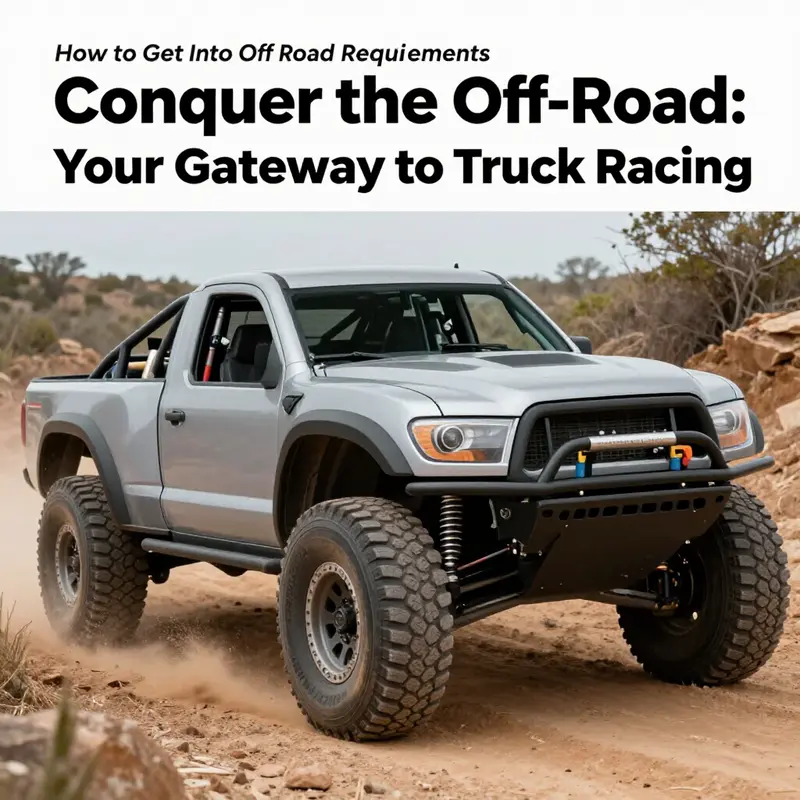
Off-road truck racing demands not only skills behind the wheel but also a meticulously prepared vehicle that meets stringent safety and performance standards. Every aspect of the truck—from the protective roll cage to engine adjustments and even the choice of tires—plays a crucial part in ensuring that competitors are safe while pushing their machines to the limit. This chapter provides a comprehensive exploration of the essential vehicle requirements that one must understand and implement to succeed in the exhilarating yet unforgiving world of off-road truck racing.
Deep preparation begins in the garage and workshop, where racers and builders dedicate hours to ensuring that every element of the vehicle complies with national regulations and event-specific rules. In off-road racing, the vehicle is more than a tool—it is a partner that must perform reliably under intense pressure. The regulations are designed not only to provide a level playing field but also to maximize safety, and understanding these specifications is the first step towards racing success.
One of the primary safety features required in these vehicles is a robust roll cage. The roll cage is constructed from seamless steel tubing, with a minimum diameter of 38mm to guarantee structural integrity during high-impact collisions. Its design often involves cross-bracing at pivotal points such as the inner side of the driver’s door, the vehicle roof, and other critical structural areas that absorb impact forces. The roll cage is not an optional accessory but a mandatory safety installation that must be designed and installed with precision. Its well-engineered framework shields the driver from potential impacts while also providing structural support to maintain the vehicle’s integrity during intense maneuvers on rough terrain.
Equally essential is the installation of racing seats coupled with a state-of-the-art four-point or higher safety harness system. Racing seats are engineered to withstand the lateral forces that occur during high-speed turns and abrupt stops, while the harness system secures the driver firmly in position. This combination minimizes the risk of injury in case of sudden impacts. The careful integration of these safety features is mandated by racing organizations and is subject to rigorous pre-race inspections. Inspectors have the authority to disqualify any vehicle that fails to meet these safety standards, underscoring the importance of adhering to every regulation with exactness.
In addition to structural reinforcements like roll cages and racing seats, off-road trucks must be outfitted with essential fire suppression systems. A minimum of one fire extinguisher, with a capacity of at least 2 kg, is required to be on board at all times. Fire safety is paramount in off-road racing, where combustible materials and high-performance engines generate significant heat and risk. The inclusion of a dedicated fire suppression system significantly reduces the dangers posed by engine fires or fuel leaks during the most demanding portions of a race. These fire safety measures not only protect drivers but also safeguard teams, spectators, and the integrity of the sport itself.
Engine modifications also play a significant role in the regulations governing off-road trucks. For instance, any turbocharged engine is subjected to a displacement multiplier of 1.5, a rule that ensures the playing field remains even among competitors. Adjustments to the engine itself, such as tuning and performance modifications, are carefully scrutinized, ensuring that unauthorized alterations do not compromise vehicle balance or safety. The restrictions are equally strict when it comes to critical aspects like the original axle track, wheelbase, chassis suspension, and the engine’s position. Racing bodies mandate that drivers respect the vehicle’s original design and structure, which serves to maintain fairness and uniform performance across the field. In some cases, enthusiasts may refer to resources such as insights from articles on mastering diesel mechanics to better understand how these modifications affect performance and safety. For those willing to delve deeper into the mechanics that power their machines, resources like the article on mastering diesel mechanics provide valuable practical tips and detailed technical guidance. Learn more about diesel mechanics insights here.
The body of the truck also comes under strict regulations to ensure that its structural integrity remains uncompromised during extreme racing conditions. Essential features such as the original front grille, headlights, turn signals, taillights, and side mirrors must not be tampered with or replaced by substandard aftermarket parts. The guidelines require that these components remain intact or, if they need replacement, that they be substituted with original equipment manufacturer (OEM) parts that meet stringent quality standards. These unchanged elements are critical for visibility and signaling, both of which are vital safety considerations during chaotic race scenarios when clear communication and proper lighting can play a key role in averting accidents.
Attention to vehicle body modifications extends to components like the windshield, hood, fenders, and all doors except the tailgate. Even minor alterations such as making extra holes for weight reduction in the door panels are strictly prohibited. Only one hole on the hood is allowed, and its area may not exceed one-third of the total hood area. Similarly, while materials used for side windows and doors can be upgraded, they will not be permitted to incorporate soft materials like fabric, tape, netting, or film. The rationale behind these restrictions is rooted in the need for vehicles to maintain their original rigidity and durability. These guidelines ensure that during high-impact collisions or rolls, the vehicle’s shell remains bolstered against deformations that could otherwise lead to catastrophic failures in protecting the driver.
When it comes to modifications, the rules are uncompromising. Any unauthorized alterations to elements such as the wheelbase or engine position not only risk disqualification but also endanger the competitor’s life. Even a seemingly innocuous change, such as altering the chassis suspension, can upset the delicate balance that has been meticulously engineered into the truck. The inherent complexity involved in fine-tuning these vehicles is a testament to the precision required in preparing a race-ready truck. Every modification is carefully measured against a set of well-defined standards. These standards are designed to create a competitive yet safe environment where the skill of the driver, rather than obscure mechanical advantages, determines the outcome of the race.
The electrical systems in off-road trucks also fall under strict supervision. A master power switch is mandated to be connected directly to the positive terminal. This feature is not just a convenience but a critical safety component that ensures the electrical system can be quickly shut down in an emergency. This level of control is essential for preventing electrical fires or providing an immediate shutdown when a malfunction is detected. The electrical standards extend in part to the integration of additional safety features that ensure all circuits and control systems within the vehicle are both reliable and compliant with the broader safety standards imposed by regulatory bodies.
Before any race, the vehicle undergoes a rigorous pre-race inspection that scrutinizes every aspect of its construction and modifications. This inspection is a comprehensive check of everything from the integrity of the roll cage to the proper installation of the fire extinguisher and even the correct functioning of the master power switch. The inspection process is designed to identify any deviations from the prescribed standards. If any discrepancies are found, inspectors have the authority to reject the vehicle outright, regardless of the racer’s reputation or past performance. This process instills a discipline in competitors, ensuring that every racer must dedicate time and resources to fully adhere to the regulatory blueprint.
The pre-race inspection is a critical juncture where theoretical compliance is tested in practice. Competitors must prepare evidence that their vehicles meet every specification—from the engine modifications that comply with displacement multipliers to the physical reinforcements like a robust roll cage and a dependable fire suppression system. The challenge is ensuring that the vehicle remains not only competitive in terms of speed and agility but also conforms strictly to the parameters set by the governing bodies. Such comprehensive inspections demand a high level of technical and mechanical acumen. Technicians and mechanics work hand-in-hand with the drivers to prepare vehicles for these inspections, verifying that every component is secure and every modification is documented. These practices are fundamental to the sport, as they serve to protect the lives of racers while preserving the spirit of fair competition.
Beyond the obvious safety elements, off-road truck racing regulations also address ancillary systems that contribute to the overall functionality of the vehicle. One crucial aspect is the inclusion of a master power switch, which must be installed in a manner that guarantees it will effectively cut the positive electrical terminal power. The use of such a switch is pivotal during emergencies, allowing for rapid disconnection of the electrical system—a feature that can prevent sparking and reduce the risk of fire during collisions or severe impacts.
Another critical facet of vehicle compliance is tire selection. Regulations explicitly prohibit the use of so-called “mud tires” or “nail tires”. Tire selection is often a balancing act between traction, durability, and adherence to competition rules. While racers are generally free to choose among various tire types, the ban on certain kinds ensures that competing teams do not gain unfair advantages through tires designed for extreme grip that could undermine safety or the intended spirit of the competition. Tire manufacturers and teams often engage in extensive testing to identify the best type of tire that aligns with both racing performance and regulatory compliance. These decisions can make a significant difference in terms of vehicle handling, performance during sharp turns, and overall race dynamics on rugged and unpredictable terrain.
From the earliest stages of vehicle medley modifications to the final pre-race inspections, the process is one filled with diligence and adherence to regulations. The journey begins with the design and assembly of the truck, emphasizing safety and performance. Mechanics, engineers, and drivers collaborate to implement modifications that not only enhance the vehicle’s performance but also adhere to a solid framework of safety rules. The regulations are exhaustive and require a careful balance between innovation and adherence to established standards. Every modification, no matter how minor it may seem, is subject to verification against these regulations. This meticulous approach ensures that the field remains competitive and that racers can focus on the thrilling and demanding aspects of off-road truck racing.
It is important to understand that the vehicle design is central to the success of any aspiring off-road truck racer. The basic components—such as the chassis, engine, and suspension system—are engineered with performance and durability as top priorities. However, when these components are modified for off-road conditions, they must be built, installed, and immediately inspected under the strict guidelines stipulated by regulatory authorities. These guidelines are not arbitrary; they are the culmination of years of experience, technological advances, and hard-earned lessons in automotive safety. The evolution of these rules reflects the ongoing dialogue between innovation in racing technology and the unwavering commitment to driver safety.
In preparing for a race, participants must invest countless hours in ensuring that every detail meets the highest standards of safety and performance. This process often begins with an in-depth study of the governing regulations. Racers learn about every aspect of vehicle safety—from the necessity of using OEM parts for essential components to the strict limitations placed on body modifications and even the correct installation of safety harnesses. Every detail matters, and even slight deviations can result in severe consequences during an inspection or, worse, a malfunction on a treacherous track.
The educational journey for off-road truck racing enthusiasts is as challenging as the physical race itself. Competitors often participate in workshops and technical training sessions where seasoned mechanics and experienced racers share their insights. These sessions cover intricate details such as the proper installation of roll cages, correct measures for fire extinguisher placement, and the technical nuances behind the engine modifications that are deemed acceptable. The intricate balance between performance and safety requires a robust understanding of mechanical engineering fundamentals as well as a practical insight into how these principles are applied under the unique conditions of off-road racing.
Every modification, every installation, and every adjustment is documented and then scrutinized during the pre-race inspections. The checklist used by inspectors is exhaustive, leaving no room for oversight. Items such as the master power switch, which might appear trivial in less demanding contexts, become critical components in an emergency scenario. The strict enforcement of these rules acts as both a deterrent to shortcuts and an assurance that every competitor is operating on an equal playing field. These measures help standardize the competitive environment and support the notion that while skill and bravery drive the race, rigorous safety standards protect lives.
The significance of comprehensive vehicle regulations cannot be overstated. A well-prepared vehicle is a foundation of success that allows racers to fully focus on strategy and control during competitions. When a driver climbs behind the wheel of a truck that meets all regulatory standards, there is an added layer of confidence that comes from knowing every safety protocol has been met. This confidence is not misplaced; it is the direct result of countless hours spent ensuring that every bolt is tightened, every piece of safety equipment is securely installed, and every modification is performed within the bounds of the law.
In many ways, the vehicle becomes a reflection of the driver’s own discipline and commitment. As racers push their trucks to new limits on unpredictable and rugged terrain, the vehicle needs to perform flawlessly. The preparation involves testing under simulated race conditions, adjustments based on detailed inspections, and often multiple iterations of upgrades. Every improvement is guided by clear regulatory guidelines that ensure performance enhancements do not come at the expense of safety. This intricate balance between performance boosts and safety measures epitomizes the spirit of off-road truck racing—a sport where the drive to push boundaries coexists with an unwavering dedication to protecting life and limb.
All these rigorous preparation standards and modifications are not just bureaucratic hurdles; they serve a critical role in fostering a spirit of fairness and responsibility across the sport. The regulations help to prevent the emergence of a culture where shortcuts might be considered acceptable in pursuit of speed. Instead, they create an environment where the intellect and engineering prowess of the team behind the vehicle have as much importance as the reflexes of the driver. It is this blend of technical expertise and daring driving that defines the high-octane world of off-road truck racing.
In summary, understanding and adhering to vehicle requirements is a fundamental pillar in the journey toward competitive off-road truck racing. From the installation of robust roll cages crafted from high-strength seamless steel tubing and the integration of racing seats with advanced safety harnesses, to the rigorous pre-race inspections that ensure every modification conforms to established guidelines, the process is as demanding as it is rewarding. Each regulation, no matter how meticulous, is designed with the intent to protect competitors and maintain a spirit of fairness in racing. For those who are passionate about entering this challenging arena, investing time to learn and apply these standards is not just a formality—it is an essential commitment to the craft and a necessary step towards racing excellence.
As enthusiasts continue to innovate and push their vehicles to the limits, they do so under a framework of robust, safety-focused regulations. This pathway, though complex, offers a blueprint for success that combines precision engineering, rigorous testing, and an unwavering commitment to safety. The result is a racing sport where the thrill of competition is harmoniously balanced with the imperative of reliable vehicle construction and meticulous safety protocols.
For the dedicated individual looking to break into off-road truck racing, a comprehensive understanding of the vehicle requirements is not optional—it is the starting line. With every critical component—from body modifications and prohibited alterations to power management systems and tire specifications—the focus remains clear: ensuring that every truck on the track is as safe and competitive as possible. This dedication to safety and uniformity is the cornerstone of racing, and it is this commitment that enables off-road enthusiasts to test the limits of speed while trusting that every vehicle is battle-tested and thoroughly inspected.
The technical and regulatory challenges detailed above are not mere obstacles; they are invitations for prospective racers to dive deeper into the intricate world of automotive engineering. By mastering these requirements, racers lay a solid foundation upon which they can build their competitive careers. The transformation of a standard truck into a race-ready machine is a labor of love marked by precision, innovation, and an adherence to regulations that ensure every race is as fair as it is thrilling.
For those preparing to embark on this exciting journey into off-road truck racing, detailed guidelines and updates are available through reputable sources. A notable reference is the comprehensive information provided by the China Automobile and Motorcycle Sports Federation. Their online resource offers authoritative guidance on the exact specifications and evolving safety protocols, ensuring that every competitive racer remains up-to-date with the latest regulatory developments. For further insights into vehicle specifications and safety standards, please visit China Automobile and Motorcycle Sports Federation.
In the high-stakes arena of off-road truck racing, where every second counts and every decision matters, the unwavering commitment to rigorous vehicle standards is the real game-changer. It imbues each race with a level of trust and professionalism that goes far beyond sheer speed or mechanical enhancements. As racers across the globe continue to perfect their machines and push the boundaries of what is possible, the adherence to these comprehensive safety regulations remains the best indicator of future success. Each rule met and every protocol followed transforms a promising racer into a safety champion on wheels, fully prepared to embrace the challenges and adrenaline of off-road truck racing.
Mastering the Competitions and Licensing Journey: The Road to Off-Road Truck Racing Glory
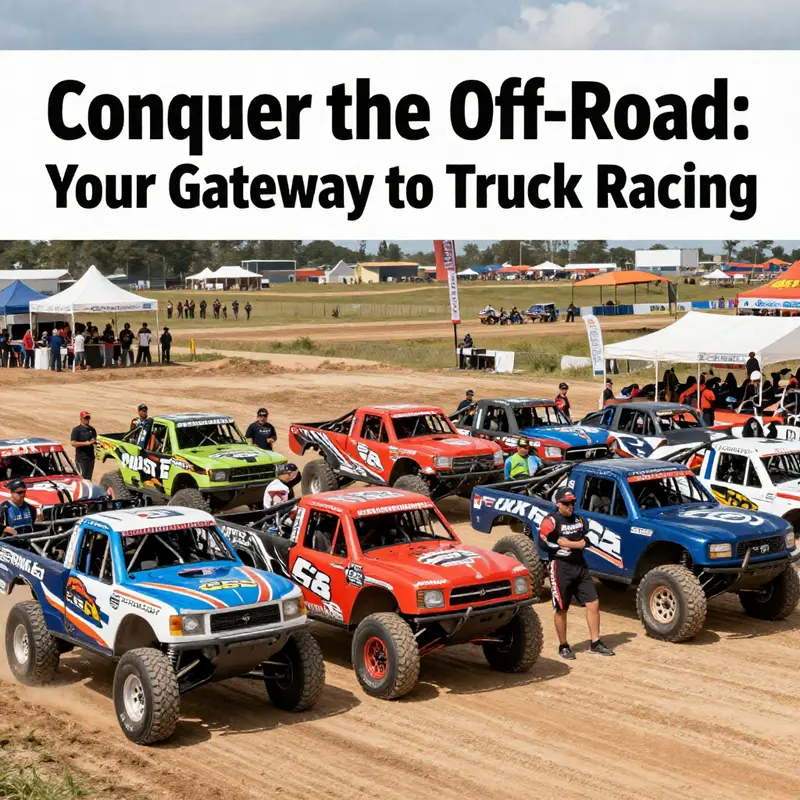
Embarking on the career path toward off-road truck racing is an intricate process that fuses raw passion with methodical preparation, unwavering persistence, and a commitment to both personal excellence and technical mastery. Within this arena, every participant is called to rise above the challenges presented by unpredictable terrain, demanding vehicle specifications, and rigorous regulatory frameworks. The journey begins with a deep personal commitment to developing extensive competition experience while simultaneously navigating the multi-layered licensing system that governs the sport. This chapter offers a comprehensive narrative on how aspiring off-road truck racers can build a robust profile, gain invaluable competition experience, and secure the proper credentials necessary to compete at higher levels.
The first essential step in this journey is understanding and meeting the personal qualifications laid out by racing authorities. Riders and drivers in off-road racing are expected not only to possess a valid driver’s license but also to demonstrate an exceptional level of physical fitness and mental readiness. Overcoming the inherent challenges of off-road conditions requires discipline and a high degree of situational awareness. For many, the process encompasses rigorous pre-race physical assessments, safety training courses, and learning the subtleties of high-speed control on rugged landscapes. The emphasis on safety is paramount: racers are required to utilize specialized safety equipment, ranging from helmets and HANS devices to specialized racing suits and gloves designed to protect against fire and impact hazards. Engaging deeply in the physical training aspects, and understanding the mental fortitude required to make split-second decisions under high stress, lays an indispensable foundation for any competitor.
Fueling this physical preparedness is the need to immerse oneself in the racing community. Established organizations, such as the Sports Car Club of America (SCCA) and various local off-road racing clubs, provide an invaluable network for newcomers. These communities are hubs for sharing insider knowledge on best practices, event scheduling, safety protocols, and race tactics. By participating in these groups, new racers gain access to mentorship opportunities where veteran competitors share their experiences and strategies. They also get firsthand exposure to race setups, preparation routines, and an understanding of how seasoned drivers fine-tune their performance both on and off the track. The sense of camaraderie and collective pursuit of excellence in these circles not only propels individual growth but also fortifies the safety culture essential for the sport’s sustainability.
Integral to the journey is the process of accruing competition experience, which acts as a bridge between amateur enthusiasm and professional competence. Many aspiring racers begin their competitive careers in entry-level events such as national short-track rallies. Here, drivers typically start by obtaining a D-level temporary competition license after completing basic training and successfully navigating initial race conditions. The D-level license, while modest in its scope, serves as the gateway into a more advanced competitive environment. Participation in these initial events tests a driver’s ability to adapt to high-speed decision-making and handling challenges under real race conditions, including variable weather, shifting terrain, and the unpredictable dynamics of close-quarters competition. This experience, while grounded in an environment that emphasizes safety and gradual skill development, is pivotal in building the self-assurance and technical know-how necessary for more advanced circuits.
As racers gain experience, the natural progression leads to an upgrade in their license status. A notable turning point occurs after competitors have successfully completed a pre-determined number of short-track rallies within a set period. In many jurisdictions, consistent performance over two national short-track events can automatically elevate a racer’s status from a temporary D-level to a full D-level rally license. This upgrade is not a mere administrative formality; it symbolically represents the racer’s mastery over the initial learning curve and their readiness to face more challenging competitions that often attract a higher caliber of participants. The upgraded license opens the doors to national automobile rally races, where the competition is fierce, the courses are more technically demanding, and the entire dynamic of off-road racing is heightened.
The world of off-road truck racing is as much about technical proficiency as it is about the grueling physical and mental demands of competition. Alongside the pathways for licensing and experience accumulation, understanding your vehicle’s mechanics and modifications plays a crucial role in competitive performance. Technical competence involves being conversant with vehicle modifications allowed under regulatory standards, mastering the delicate balance of engine tuning, suspension adjustments, drivetrain modifications, and tire selection. Racers need to appreciate the nuanced differences between vehicle chassis configurations and how these adjustments can impact performance in rough and variable conditions. For many, this technical journey is complex and often intertwined with learning opportunities provided by workshops, peer discussions, and online guides. For a deeper dive into the technical modifications that ensure your off-road truck is race-ready, one might appreciate insights found in articles discussing steps toward mastering diesel mechanics, which can provide a clearer understanding of how to optimize truck performance to meet competitive standards mastering diesel mechanics.
It is important to note that safety and competition regulations extend far beyond just personal skill and vehicle mechanics. They are part of a carefully constructed ecosystem designed to protect participants and ensure that the exhilarating world of off-road racing remains a sport founded on fairness, precision, and accountability. From the proper installation of non-assembled roll cages made from seamless steel tubing to the mandatory outfitting of racing seats and harness systems, safety standards are rigorously enforced. These enforceable regulations not only minimize the risk during the high-speed competition but also fortify the credibility of the sport. When an off-road truck racer meets these safety benchmarks, it signals to governing bodies and event organizers that they not only have the drive but also the discipline to respect the sport’s standards. Hence, aspiring racers must acquaint themselves well with the technical requirements and regulatory guidelines—a study that often goes hand in hand with practical experience in sanctioned events.
Beyond the technical training, many off-road racers find that the process of acquiring the correct license invites a series of additional administrative and practical challenges. Documentation, for example, plays an essential role in legitimizing a racer’s credentials. Prospective contestants are often required to submit original identification, copies of driving licenses, and sometimes additional proof such as completion certificates from previous races. In cases where underage drivers are involved—though typically limited by age restrictions—there may be mandates involving written consent signatures and liability agreements. This comprehensive documentation process ensures that every competitor meets the requisite standards and fully understands the responsibilities that come with competing in high-stakes events. It is a multi-layered checkpoint that, while bureaucratically rigorous, eventually fosters trust between competitors, organizers, and regulatory bodies.
The licensing and competition pathway is not merely about ascending a ladder of regulatory certifications; it is a journey that shapes the mindset and skill set of the off-road truck racer. The early stages of participating in national short-track rallies serve as a testing ground both for physical abilities and for strategic planning. Each race provides a unique set of circumstances where drivers can experiment with race strategies, learn to balance aggression with controlled maneuvers, and analyze competing styles. Over time, this iterative process of experience and learning helps cultivate an intrinsic understanding of race dynamics. Experienced competitors learn that off-road racing is not solely about raw acceleration or mechanical prowess, but about the seamless interplay of instinct, strategy, and adherence to regulatory standards.
Aspiring racers are well-advised to maintain a continuous loop of learning and self-improvement. Engaging with mentors, participating in workshops, and tracking one’s progress through race logs and performance data are practices that distinguish novices from those who eventually excel at the highest echelons of off-road truck racing. The journey is demanding, yet each experience fuels a deeper understanding and paves the way for sustained success. In the crucible of the race environment, every mistake is an opportunity to learn, every success a stepping stone toward mastering more advanced techniques and achieving higher rankings. The gradual transition from a D-level temporary license to a full rally license is emblematic of this transformative journey—a journey that tests resilience and determination while also instilling a sense of peer respect and self-assured competence.
Racers also benefit from positioning themselves within larger networks that are dedicated to off-road truck racing. National events, local meetups, and specialized training sessions offer more than just a venue for competition; they create platforms for comprehensive professional networking. Such communities often provide detailed insights into competitor performance, evolving safety standards, and technological innovations that influence the design and functionality of racing trucks. The value of networking cannot be overstated, as many successful racers recount that crucial advice and opportunities often emerged from informal interactions at these gatherings. Through sustained participation and active engagement with these communities, individuals can not only refine their driving skills but also develop the critical leadership qualities that can propel them into future roles as trainers, team captains, or even organizers.
In the ever-evolving landscape of off-road truck racing, staying informed of regulatory changes and new guidelines is crucial for sustained success. Racing authorities routinely update safety protocols, vehicle modification requirements, and licensing procedures to reflect the latest advancements in technology and the changing demands of the sport. Competitors need to be proactive in seeking out these updates, whether through official newsletters, racing event briefings, or online forums dedicated to off-road racing. Being well-informed ensures that every modification or upgrade to a vehicle is preceded by a thorough understanding of its legal and competitive implications. This diligent upkeep of knowledge not only protects the racer from potential disqualification but also affirms the racer’s commitment to integrity and safety.
The competitive landscape of off-road truck racing is also characterized by its rich tradition of transforming inexperienced racers into national champions. Many of the sport’s most accomplished drivers began their careers at modest local rallies, gradually making their way through intense competition rounds. Their journeys illustrate that success in off-road racing is not merely about natural talent, but about dedication, continuous skill development, and an unyielding passion for the sport. Along the journey from entry-level participation to national and even international competition, every race, every training session, and every technical adjustment contributes to refining a racer’s edge on the track. For many racers, the transition from a temporary license to a fully recognized rally license is accompanied by significant personal and professional growth—growth that mirrors the evolution of off-road truck racing itself into a sport that embraces innovation, safety, and the relentless pursuit of excellence.
As participants immerse themselves further into the competitive circuit, they begin to understand that every licensing upgrade is a doorway to more sophisticated levels of competition. This progression is strategically structured so that racers are continuously challenged to raise their game. In environments that demand precision driving and accelerated decision-making, racers learn to balance the thrill of high-speed competition with the required prudence of well-informed strategy. Balancing risk and reward becomes an art form—a skill honed by countless hours behind the wheel and through interactions with fellow racers who share similar ambitions. The journey is punctuated by moments of triumph as well as setbacks, each of which provides vital insights into the intricacies of high-performance off-road racing.
Beyond the mechanics of race competition, the licensing journey represents an ongoing commitment to personal development. Many racers draw parallels between the rigor required to upgrade licenses and the discipline needed to make split-second decisions on treacherous sections of desert trails. This dual emphasis on technical expertise and continuous personal improvement underscores a broader philosophy within the off-road racing community: that success is derived from an unwavering dedication not only to one’s vehicle or physical conditioning but to a well-rounded mastery that includes regulatory knowledge, safety acumen, and a competitive spirit. Over time, what begins as a daunting labyrinth of requirements transforms into a well-charted route that defines the racetrack for life.
In practical terms, the journey toward advanced licensing and competition often involves a multi-step process that requires both administrative diligence and field experience. Early on, racers are advised to participate in as many events as possible. This high-frequency engagement helps in internalizing what works on the track and what does not, and provides a platform to experiment with diverse racing strategies. With every race, there is an opportunity to refine car handling, improve reaction times, and develop an instinct for high-stakes environments. The incremental challenges of each event eventually build a reservoir of experience that is later formalized through the successful acquisition of upgraded licenses.
For many, the pathway to a full rally license is punctuated by training that encompasses not only the technical components of race driving but also communication, crisis management, and teamwork. Engaging in intensive training sessions—where seasoned professionals simulate race conditions—serves as a critical preparatory exercise. These sessions are designed to mimic the unpredictable nature of real races and ensure that drivers are capable of making rapid decisions under pressure. The ability to navigate these intricacies not only strengthens the racer’s resolve but also significantly boosts confidence when stepping onto the competitive stage.
Equally significant is the recognition that off-road truck racing is a sport that thrives on resilience in the face of adversity. The pathway through licensing and competitive ranks is rarely linear. Setbacks and challenges are inevitable, but for those who maintain focus and a hunger for improvement, every obstacle becomes a foundation for future success. Many racers recount periods of uncertainty after difficult races, only to emerge back on the track with a renewed strategy and heightened awareness of their limits and potential. Such experiences embody the true spirit of off-road racing—a sport that champions the journey as much as it celebrates the victories.
As the racing season unfolds with its series of competitions, team dynamics and mutual support begin to play a larger role. Racers often form alliances, with more experienced veterans guiding novices through the labyrinth of regulatory paperwork and the nuances of race strategy. This mentorship culture fosters not only better performance on the track but also a strong sense of community and solidarity among competitors. It is not unusual for teams to share detailed analyses of race performance and feedback on vehicle behavior under varying conditions, creating a collective knowledge base that benefits all. This shared wisdom reinforces the importance of continuous learning and adaptability—a key factor in progressing from initial participation to recognized excellence in the sport.
In conclusion, the journey through competition experience and the licensing pathway is replete with both challenges and rewards. It is a meticulously structured progression that marries personal development with technical and administrative rigor. For aspiring off-road truck racers, this journey begins with a commitment to physical excellence, expands through active community involvement, and ultimately transforms through the acquisition of regulated credentials and invaluable race experience. Each step forward, whether it is an upgraded license or a well-executed race strategy, echoes the larger narrative of passion, persistence, and perpetual improvement. The road to off-road racing glory is paved with moments of intense learning, personal triumphs, and the deep satisfaction that comes from knowing one has met both the rigorous demands of the sport and the high standards of safety and skill.
For additional, up-to-date insights on the technical and organizational aspects of off-road racing competitions, interested readers are encouraged to consult the official website of Best In The Desert at Best In The Desert’s official website. Through careful study, continuous practice, and a commitment to excellence, every aspiring racer can carve out their own success story in the thrilling world of off-road truck racing.
Final thoughts
Embarking on the journey of off-road truck racing calls for a potent blend of passion, knowledge, and preparation. A firm grasp of personal qualifications ensures your readiness to navigate the thrilling yet demanding landscape of racing. Understanding the meticulous vehicle requirements allows you to secure a competitive advantage while prioritizing safety. Lastly, navigating the licensing pathway builds the foundation for your racing career, culminating in exhilarating competitions that reward your hard work and commitment. Remember, the off-road community thrives on the spirit of adventure, camaraderie, and resilience. Take that first step, rev up your engines, and thrill to the excitement that awaits!