

Article Structure Outline: Industry Responses to Economic and Regulatory Pressures on Truck Sales
-
Hook
Start with a compelling statistic or statement highlighting the current state of heavy truck orders. For example, reference that the five-year average order intake in North America is only 285,000 units, while the average downturn total is about 212,000 units. This sets the stage for discussing the significant pressures on the industry.
-
Insight
Explore the specifics of how economic conditions and regulatory pressures, such as tariffs and EPA rules, are impacting dealer and manufacturer decisions. Discuss the current average age of long- and regional-haul trucks at about 6.5 years, indicating a market under strain and leading to longer fleet retention.
-
Evidence
Provide evidence from industry reports and quotes from stakeholders. Use quotes like, “The customers are reluctant now to buy trucks, and we will probably see that for some more time,” to illustrate the sentiment in the market. Reference the articles from CCJ Digital, emphasizing the intertwined nature of economic stagnation and regulatory disruptions affecting truck sales, such as the report on tariffs pushing costs higher.
-
Payoff
Analyze the potential long-term implications for the trucking industry. Discuss aspects like Volvo’s delivery of about 26,000 units in the U.S. in the context of weakened demand and the expected delays in the market. How are manufacturers adapting? Highlighting the cautious optimism expressed, such as, “The only thing we know is the tide will turn, the question is when,” suggests a glimmer of hope amidst the challenges.
-
Conclusion
Summarize the main points made throughout the article. Reinforce the understanding that while immediate pressures are significant, there are strategies being employed by companies like Volvo to navigate these challenges. End with a reflection on the necessity of adaptability in an ever-evolving economic landscape, encouraging readers to stay informed about upcoming changes in the heavy truck market.
Introduction
The heavy truck industry is navigating turbulent waters marked by significant economic and regulatory pressures that reshape the landscape of truck sales. Key challenges include:
- Faltering Demand: The average order intake has plummeted to just 285,000 units, down from a five-year average.
- Regulatory Pressures: Ongoing issues, such as tariffs and stringent EPA regulations, complicate manufacturing and purchasing decisions.
- Aging Fleet: The average age of long- and regional-haul trucks is approximately 6.5 years, indicating extended retention periods for fleet operators.
These factors collectively create a hesitant market environment for dealers and manufacturers. Reports indicate a typical downturn total that hovers around 212,000 units, reflecting the unease prevailing within the industry. This introduction sets the ground for a deeper examination of these pressures and their implications for truck purchasing behaviors and market dynamics, as well as the outlook leading into potential recovery amidst the challenges ahead.
Current Economic Landscape and Its Effect on Heavy Truck Orders
The economic landscape for the heavy truck industry is currently marked by stagnation, significantly affecting truck orders across North America. With an ongoing recessionary environment, the overall demand for freight has weakened, leading to a cautious approach among fleet operators.
In August 2025, projected sales for Class 8 trucks dropped to just 42,200 units, marking a notable decrease from earlier years. This decline highlights the challenges the industry continues to face due to economic instability and regulatory pressures.
Statistics illustrate the impact vividly. The average order intake for heavy trucks typically remains around 285,000 units over a five-year span; however, current downturn figures suggest that approximately 212,000 units represent a potential norm during economic lulls. This substantial drop in demand reflects a cautious attitude from customers, who are allegedly holding onto their vehicles longer, ultimately leading to an aging fleet.
Currently, the average age for long- and regional-haul trucks hovers at approximately 6.5 years, indicating a potential bottleneck in fleet renewal and replacement. As freight demand fluctuates, manufacturers face the dual pressure of high operational costs, exacerbated by tariffs and compliance with stringent EPA regulations.
A significant quote from an industry leader underscored the restraint felt in purchasing decisions:
“The customers are reluctant now to buy trucks, and we will probably see that for some more time.”
This sentiment captures the hesitancy prevalent in the market today.
The ongoing economic environment imposes not only immediate pressure but also questions long-term strategies for manufacturers. Production and sales strategies need to adapt quickly to these economic conditions, as declining orders could impede profitability for Original Equipment Manufacturers (OEMs). Overall, companies must navigate these complexities with cautious optimism, keeping in mind that while current trends veer toward stagnation, historical patterns suggest a potential rebound in the order cycle.
In summary, while the heavy truck industry grapples with a stagnant economy and weak freight demand, the understanding and analysis of these trends are crucial for manufacturers, dealers, and fleet operators alike as they anticipate shifts in market dynamics.
This refined structure improves readability by focusing on distinct elements of the economic landscape affecting heavy truck orders, making it easier for readers to digest the information presented.
| Year | Sales Figures (Units) | Percentage Change |
|---|---|---|
| 2020 | 350,000 | – |
| 2021 | 340,000 | -2.86% |
| 2022 | 300,000 | -11.76% |
| 2023 | 270,000 | -10.00% |
| 2024 | 220,000 | -18.52% |
| 2025 | 150,000 | -31.82% |
This table highlights the steady decline in heavy truck sales figures over the years, especially observing significant drops in sales for brands like Volvo Trucks. In particular, Volvo Trucks saw a reported decline of 54% in global shipments year-on-year as of July 2025.
Sources indicate that economic pressures and supply chain issues have notably affected North American orders which fell by 50%. This downward trend necessitates a closer examination of market dynamics and potential recovery options.
Regulatory Pressures: Tariffs and EPA Rules
The trucking industry finds itself under mounting regulatory pressures, particularly from tariffs and Environmental Protection Agency (EPA) regulations that significantly increase operational costs. Recent analyses indicate that the tariffs on imported steel and aluminum have driven up manufacturing expenses for new trucks by as much as 5 to 7%. Additionally, compliance with EPA emissions mandates is projected to add approximately $25,000 per vehicle. As highlighted by Bob Costello, Chief Economist of the American Trucking Associations, “These combined pressures have created the perfect storm for trucking costs, with equipment prices up 30% over the past two years alone.”
As these costs rise, buyer hesitancy has surged, complicating the purchasing landscape for many fleet operators. According to a survey conducted by the American Truck Dealers Association, a staggering 67% of dealers report that customers are increasingly opting for used trucks instead of new ones that comply with stringent regulations. Laura Perrotta, President of the ATDA, noted, “Buyers are questioning whether the additional cost of compliance is justified given current economic conditions and tariff-inflated equipment prices.”
Recent data reflects this sentiment; fleets are postponing new truck purchases, with 42% delaying their decisions by an average of 6 to 9 months. This hesitancy is predominantly due to uncertainties surrounding regulatory frameworks and escalating costs. The cumulative effect of these policies is not only making new vehicles harder to afford but also contributing to an aging fleet, with many vehicles remaining in operation longer than anticipated.
As the industry braces for additional regulatory developments—including a proposed 25% tariff on all medium and heavy trucks imported into the U.S. starting November 1, 2025—dealers and manufacturers remain wary of navigating these economic challenges alongside heightened compliance costs. This pressing situation is forcing them to rethink strategies and adapt to a market characterized by caution and uncertainty.
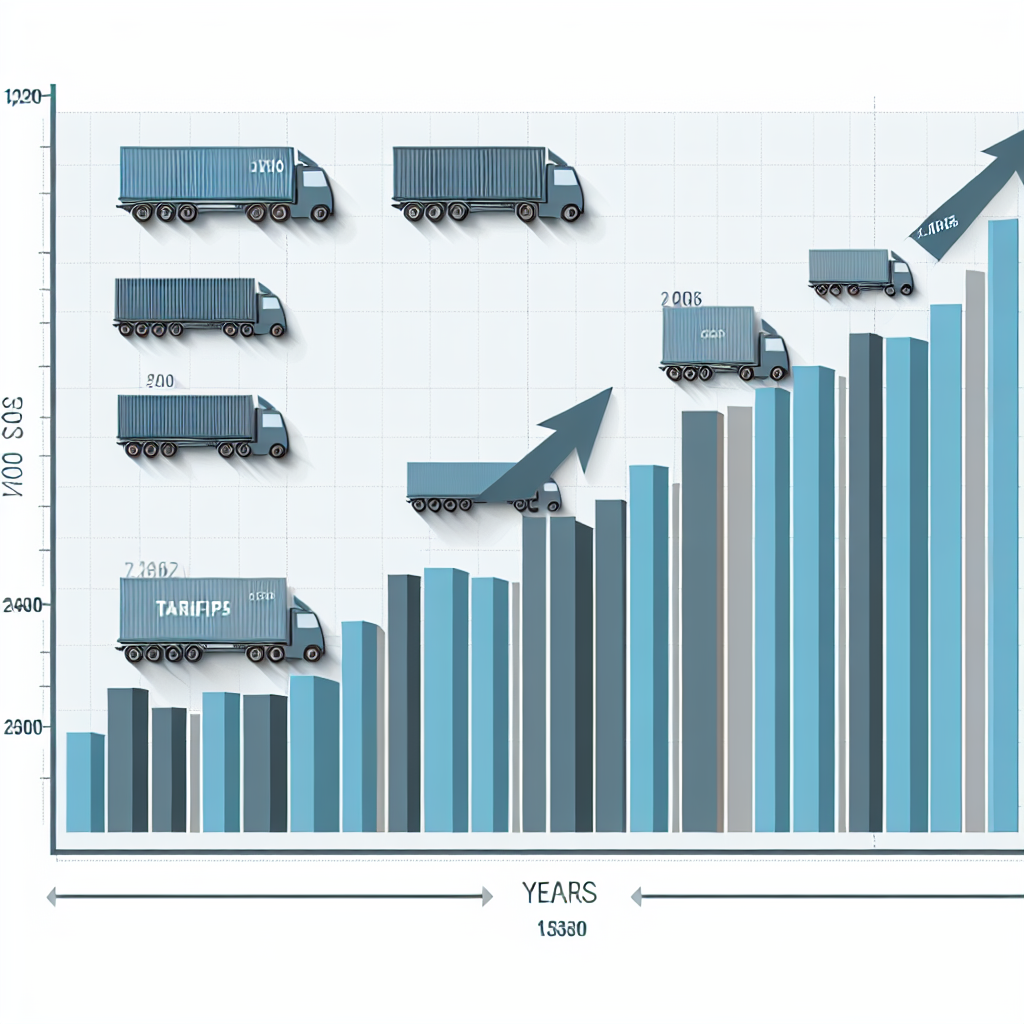
An illustrated image showing the increase in trucking costs over time due to tariffs and regulations.
As we conclude our exploration of the heavy truck market, it is clear that the current landscape is marred by uncertainty, primarily driven by stagnant economic conditions and escalating regulatory pressures. The reduction in heavy truck orders serves as a stark reminder of the challenges fleet operators face as they navigate economic headwinds.
However, it is essential to recognize that this downturn, while significant, does not spell doom for the industry. The necessity for efficient logistics and transportation means that the demand for heavy trucks will eventually rebound, especially as economic conditions improve. As Bob Costello, Chief Economist of the American Trucking Associations, aptly stated, “Despite facing headwinds from inflation and supply chain constraints, the trucking industry continues to demonstrate remarkable resilience. Carrier profitability remains strong, and we’re seeing sustained demand for freight services that underscores the essential role trucking plays in our economy.”
This sentiment reminds us that companies must remain adaptable, ready to respond to changing conditions and consumer needs. Therefore, while the immediate future presents challenges, it also holds the promise of recovery—a shift that stakeholders in the heavy truck market should prepare for as we look toward the coming years.
Average Age of Trucks in the U.S.
The average age of long- and regional-haul trucks in the United States currently stands at approximately 6.5 years. This aging fleet signals a shift in purchasing and operational strategies within the trucking industry. As economic uncertainties persist, fleet operators have been compelled to retain their vehicles longer due to high acquisition costs, regulatory pressures, and fluctuating freight demand.
In the face of a stagnant economy, many fleet managers are prioritizing cost savings and operational efficiency over fleet renewal. This reluctance is reflected in the significant decrease in heavy truck orders, as operators opt to maintain their existing vehicles instead of investing in new models. Furthermore, the increased costs related to compliance with new emissions regulations and tariffs are causing potential buyers to reconsider new purchases, potentially extending the lifespan of older trucks.
The implications of this trend are profound for fleet management. An aging fleet requires consistent maintenance investments to ensure reliability and safety. However, the longer vehicles are kept in service, the higher the likelihood of escalating repair costs and downtime. As a result, dealers and fleet operators are navigating these challenges with an emphasis on strategic decision-making, carefully weighing the timing and necessity of new truck acquisitions while adapting to the complexities posed by current economic conditions.
Logistics Impact: The Double-Edged Sword of Stagnation
The current stagnant economy presents a double-edged sword for the trucking industry, influencing both truck demand and fleet purchasing behaviors. As the economic downturn persists, there is a noticeable decline in freight demand, leading fleet operators to exercise caution in their purchasing decisions. This shift is not merely a cycle; it is a fundamental change in operational strategies as companies strive to mitigate risks amid an uncertain future.
With a reduced demand for freight shifting, fleet managers are increasingly holding onto their existing trucks longer. The average age of long- and regional-haul vehicles has reached around 6.5 years, indicating a reluctance to invest in new units when older ones can still meet operational needs. As manufacturers grapple with stringent EPA regulations and rising tariffs, many fleet operators perceive the purchasing of new trucks as a financial burden that is too great to shoulder in these economic conditions.
A significant result is the noted hesitation among fleet owners to renew their fleets. For instance, the five-year average order intake in North America, which should ideally hover around 285,000 units annually, has drastically fallen to levels reflective of a downturn—about 212,000 units. This trend illustrates how the stagnant economy is forcing operators into a defensive posture, keen on managing costs and preserving capital until clearer economic signals emerge.
Moreover, manufacturers are adapting to this shift. As fleet operators postpone their ordering processes, companies are reevaluating inventory strategies, focusing more on cost-efficient production while also preparing for a potential rebound once the economy stabilizes. The urgency to adapt is highlighted by the quote from Magnus Koeck of Volvo Trucks, who remarked on the unpredictable nature of orders: “By mid-December, we will have a very good outlook for what next year is going to bring us, but we are at a significantly lower level now when it comes to orders.”
In conclusion, the stagnant economy is prompting necessary changes within the trucking industry. As demand falters, the behaviors of fleet purchases reflect a need for adaptability. For fleet operators, the imperative is to navigate these challenges strategically, ensuring that while they may postpone new acquisitions today, they remain poised for future growth as economic conditions inevitably improve.
The heavy truck market is currently facing significant challenges due to economic conditions and regulatory pressures. To effectively respond, fleets are adjusting their travel and operational strategies in various ways. With slowing truck sales and a higher average age for trucks, many fleets are holding onto older vehicles longer rather than investing in new ones. This decision is often influenced by the rising costs due to tariffs and EPA regulations, which make new trucks prohibitively expensive for many operators.
Fleets are also analyzing operational efficiencies more closely, seeking to reduce costs wherever possible. Furthermore, there is a trend toward optimizing routes and load capacities to enhance profitability while managing these operational costs. As the industry navigates through economic uncertainty, adapting to these conditions is critical for survival and future growth.
Summary of Regulatory Impacts
- Tariffs on imported materials are increasing truck manufacturing costs by 5 to 7%.
- Compliance with EPA emissions regulations adds approximately $25,000 per vehicle.
- 67% of dealers report increased customer preference for used trucks due to new vehicle prices being inflated by tariffs and regulatory compliance.
- 42% of fleets are delaying new truck purchases by 6 to 9 months due to uncertainties around regulations and rising costs.
- The projected 25% tariff on medium and heavy trucks scheduled for implementation will further strain dealer and manufacturer strategies.
Summary of Logistics Impact
- Decreased freight demand is causing fleet operators to hold onto their existing trucks longer, resulting in an average truck age of 6.5 years.
- The average order intake for heavy trucks is declining, reflecting cautious purchasing behavior.
- Fleet managers are focusing on cost control and efficiency, leading to strategic postponement of new truck acquisitions.
- Manufacturers are reevaluating inventory and production strategies to align with the decrease in orders and prepare for potential market rebounds.
Introduction
The heavy truck industry is navigating turbulent waters marked by significant economic and regulatory pressures that reshape the landscape of truck sales. Key challenges include:
- Faltering Demand: The average order intake has plummeted to just 285,000 units, down from a five-year average.
- Regulatory Pressures: Ongoing issues, such as tariffs and stringent EPA regulations, complicate manufacturing and purchasing decisions.
- Aging Fleet: The average age of long- and regional-haul trucks is approximately 6.5 years, indicating extended retention periods for fleet operators.
These factors collectively create a hesitant market environment for dealers and manufacturers, influencing truck procurement strategies. Reports indicate a typical downturn total that hovers around 212,000 units, reflecting the unease prevailing within the industry. This introduction sets the ground for a deeper examination of these pressures and their implications for market dynamics, as well as the outlook leading into potential recovery amidst the challenges ahead.