
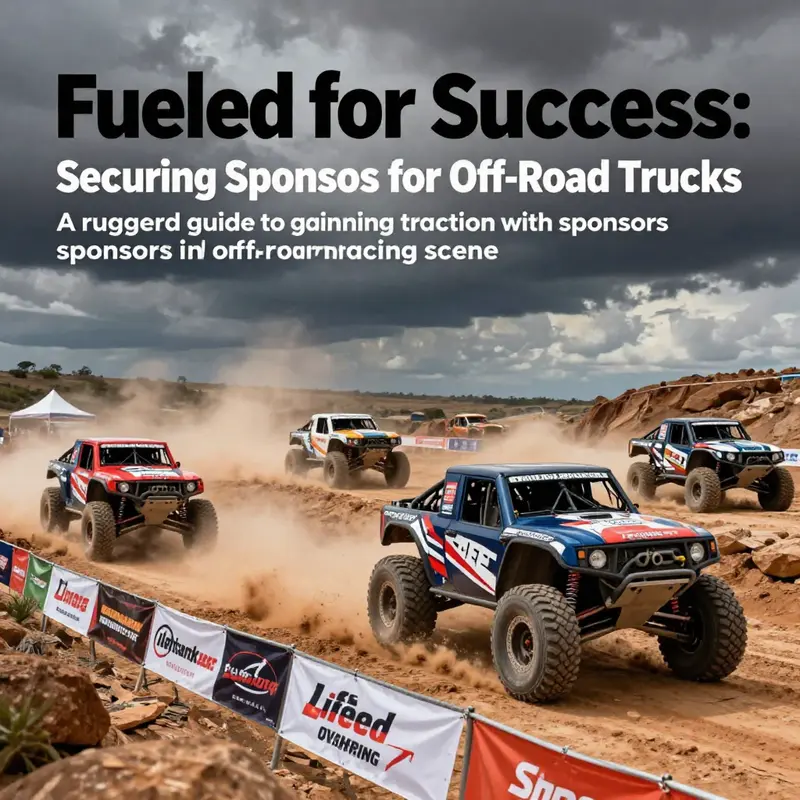
In the thrilling world of off-road racing, securing sponsorship is vital for teams and individual racers alike. This guide dives deep into six strategic avenues for attracting sponsors—essential insights for enthusiasts, racers, and businesses associated with off-road culture. Each chapter encapsulates the journey from building visibility and establishing a strong brand to assembling effective sponsorship teams and creating profitable events. Whether you’re a landowner, a truck modification shop, or a dedicated racing fan, these tactics will help you navigate the trails to sponsorship success.
Amplify Your Presence: Turning Media Exposure into Off-Road Truck Sponsorships
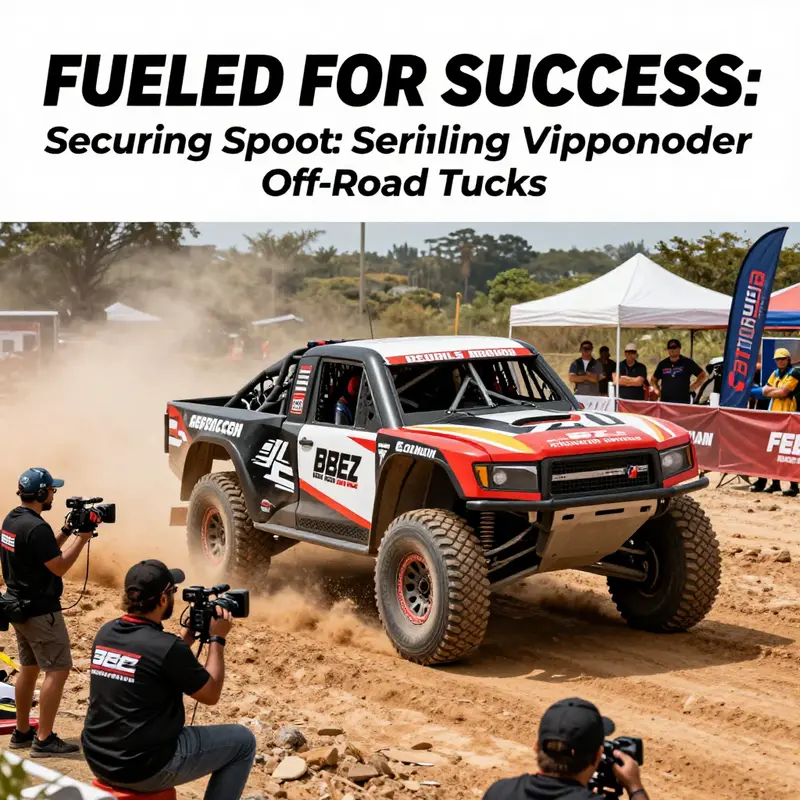
Visibility is the currency of sponsorship. For off-road truck teams, visibility is not a single tactic but a coordinated strategy that turns raw performance into measurable value for potential partners. Media exposure validates a team, grows an audience, and creates clear touchpoints where sponsors can be seen and felt. This chapter explains how to build that exposure from the ground up, how to weave sponsorship opportunities into every public-facing asset, and how to present a professional, data-backed case to brands that want measurable returns.
Start by treating media as an ecosystem rather than a one-off channel. Broadcast opportunities remain powerful because they convey third-party validation. Secure time in established programming where possible, but do not rely only on others to distribute your story. Develop your own high-quality content pipeline: race highlights, technical breakdowns of vehicle prep, driver profiles, and short, polished features that explain what your team stands for. Consistent, well-edited material published on your owned channels demonstrates control and reliability, and it shows sponsors that their brand will be presented professionally.
High production value matters less than consistency and authenticity, but you should aim for both when resources allow. Invest in straightforward upgrades that elevate output: a solid camera on the truck, clear audio for driver interviews, and a basic editing workflow that delivers clean cuts and branded openers. Schedule content so fans and potential sponsors see a rhythm—weekly updates during race season, monthly feature stories off-season, and immediate post-race highlight reels. Every piece of content is an asset you can show prospective partners to prove reach and engagement.
Audience-building is not an accident. Engage in two parallel efforts: grow reach and deepen engagement. Reach comes from distribution—getting your content where more eyes are likely to be. This includes partnering with niche motorsport outlets, contributing guest pieces to respected websites, and cross-promoting with complementary teams and events. Deep engagement comes from the relationship you build with fans: respond to comments, host live sessions where your crew answers technical questions, and create recurring segments that fans anticipate. Sponsors pay for attention measured in meaningful interactions, not just passive views. Demonstrating high comment rates, repeat watchers, or active membership participation is often more persuasive than raw follower counts.
Turn events into media moments. Races are natural content magnets, but you must plan to capture and distribute. Pre-race launch videos, live backstage coverage, in-race telemetry highlights, and post-race debriefs create multiple sponsor impressions from a single event. Think of your race day as a mini broadcasting schedule: pre-event teasers, a live feed or near-live updates during the race, and immediate recap content afterward. Integrate sponsor mentions naturally: short interview thank-yous, branded scene transitions, and dedicated sponsor segments that highlight product relevance to off-road performance.
Create sponsor-friendly content formats. Brands want placements that feel native to the audience and boost credibility. Develop recurring segments that integrate sponsor messages organically—product walkthroughs tied to vehicle prep, safety features demonstrated during training clinics, or lifestyle pieces that show how the sponsor’s audience aligns with your fans. Keep each segment short and focused. Offer sponsors the option to co-produce content, which reduces your production costs and gives them creative control while keeping your team visible.
Merchandise and owned products multiply visibility. Launching team-branded apparel and gear turns fans into walking billboards. A thoughtful merchandise program also provides tangible ROI data: sales figures, captive audience size at events, and item popularity by region. Use limited-edition drops tied to major races or victories to foster urgency and increase sponsor exposure. When partners are featured on merchandise, highlight the collaboration in content and at events to show that sponsor branding extends beyond the truck itself.
Visibility without measurement is a pitch without proof. You need a system that tracks key performance indicators relevant to sponsors: impressions, views, engagement rate, time watched, event attendance, and merchandise sales. Build simple monthly reports that combine digital analytics with event metrics. Include qualitative data as well—media mentions, notable influencer interactions, and community testimonials. When you approach brands, lead with a one-page executive summary that shows where your audience is, how they behave, and how sponsor assets will be delivered across media touchpoints.
Professionalize sponsorship delivery. Sponsors value reliability. Create clear, tiered sponsorship packages that map to deliverables and outcomes. Each tier should include a set number of content placements, event activations, and visibility elements on the vehicle and driver gear. Include guaranteed metrics where possible—number of social features, minimum impressions, or specified event activations. Deliverables must be documented in contracts, and you should establish an internal calendar that ties content production to those contractual obligations.
Build relationships with media partners intentionally. Aim for mutual value rather than transactional placement. Offer behind-the-scenes access that enhances editorial storytelling, provide exclusive content that outlets can use to draw audiences, and be open to collaborative series that benefit both parties. Long-term media partnerships often start with a single strong piece of content and expand as trust grows. Treat media relationships like any sponsorship: nurture them, respect deadlines, and deliver consistent quality.
Local and niche media can be surprisingly effective. While national exposure is attractive, targeted local coverage often yields higher engagement per impression because the audience is more relevant to sponsors seeking regional customers. Similarly, niche motorsport outlets reach enthusiasts with purchase intent. Cultivate relationships across the full media spectrum to create a layered presence that sponsors will appreciate.
Leverage live formats to create urgency and authenticity. Live sessions during preparation, Q&A streams with drivers, and live race commentary generate real-time engagement and create emotionally charged moments that sponsors can capitalize on. Plan live events with clear sponsor integrations: branded overlays, mid-stream shout-outs, and sponsored segments where the partner’s value to off-roading is demonstrated. Train your team to host professionally on camera and to execute sponsor mentions naturally and confidently.
Prepare a media kit that functions as your team’s resume. Include audience demographics, engagement statistics, recent media placements, a summary of content assets, and case studies of past sponsor activations. High-quality stills and a concise highlight reel should be included. Keep the kit lightweight and easy to share, but also maintain a full dossier for in-depth discussions. Presenting a polished media kit signals that you understand how brands buy visibility.
Finally, integrate sponsorship into every visible element of the team. Vehicle graphics, driver suits, pit signage, event booths, and merchandise should all be thought of as inventory that delivers impressions. Plan how each asset will be rotated, refreshed, and measured. Offer sponsors a calendar of when and where their branding will appear, and be transparent about audience expectations for each placement. Transparency builds trust and increases the likelihood of renewals.
By executing a deliberate media and visibility strategy you create a predictable stream of branded impressions, meaningful engagement, and measurable outcomes. Sponsors are less interested in flashy promises than in repeatable results. Show them a system: consistent content, thoughtful distribution, precise measurement, and reliable execution. That system turns your off-road truck from a passion project into an attractive marketing channel for brands seeking authentic connections with a dedicated audience.
For deeper context on how media exposure shapes sponsorship strategies in off-road racing, consult this external resource: https://www.racer.com/off-road/2025/03/15/sponsorship-strategy-media-exposure/.
You can also learn more about investing in the people who run teams and fleets, which underpins professional media and sponsorship work, at this internal resource: invest in people: key to fleet management success.
Brand as the Engine: Crafting a Distinct Identity That Attracts Off‑Road Sponsors
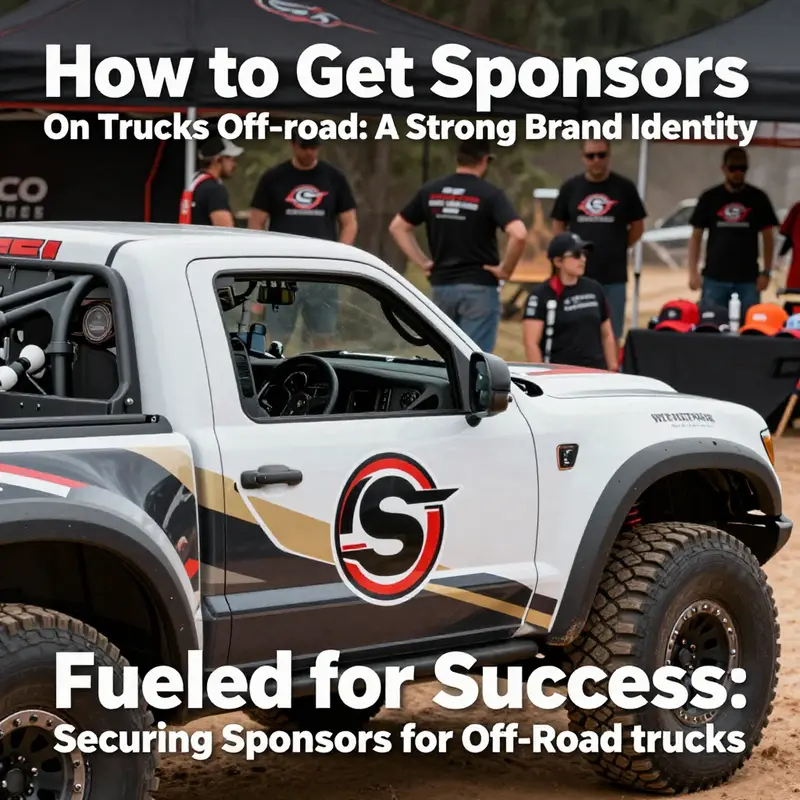
The brands that win sponsorships in off‑road racing do more than paint a truck and string a few decals. They build a coherent, living identity that people can feel, follow, and invest in. In a world where a rig can be a rolling billboard, the most durable sponsorships come from teams that operate like small brands with mission, narrative, and a clear promise of value. A strong brand identity turns a rugged machine and a daring driver into a recognizable platform for marketing. It makes sponsorships less about luck and more about alignment, storytelling, and predictable asset delivery. This is where the journey from hobby to funded program starts: with a brand that can travel far beyond the next race weekend and still be relevant when the dust settles.
Positioning your team as a standalone brand is the first decisive move. Off‑road teams often lack broad recognition, especially when they are just starting out. By creating a distinct brand—think a memorable team name, a unique visual identity, and a story that fits with your audience’s values—you convert a truck into a brand asset. This approach isn’t about vanity; it’s about leverage. A standalone brand can be marketed beyond a single season. It can attract sponsors who want longevity, not just exposure for one race. The more your brand exists as a living entity, the more sponsors can attach to it as a partnership with a lifestyle, a community, and a promise of ongoing engagement. The narrative you craft around your team should feel authentic from the first contact. If you lead with a compelling origin, clear purpose, and a road map for growth, sponsors see not just a vehicle, but a platform they can lean into over time.
Effective communication of value is the second pillar. Sponsors care about reach, but they also care about relevance. Your brand should articulate the reach and demographics of your audience, the channels you will use to promote their products, and the tangible benefits they will receive. The value proposition should be concrete and easy to quantify. Share past successes in terms of engagement, follower growth, and content performance. If you are early in your journey, project plausible outcomes using conservative benchmarks from similar teams, and be candid about what success looks like. A well‑constructed pitch shows you understand sponsor objectives—brand awareness, association with a rugged, adventurous lifestyle, or access to a niche community—and that you have a plan to deliver those outcomes. Demonstrating a track record of consistent content creation, reliable event appearances, and disciplined post‑event reporting can be as persuasive as a large audience.
Visual identity anchors perception. A distinctive color palette, a legible logo, and a consistent typeface are not merely cosmetic; they are the bones of your brand language. The palette should reflect the terrain you race on—desert, mountains, or forest trails—and it should translate well across platforms, from helmets to social posts to streaming overlays. A strong visual identity supports recognition, which in turn makes your sponsorship proposition stronger. The logo and color system should be scalable, working on a helmet, a truck door, banners, and digital thumbnails alike. Consistency earns trust. When a sponsor sees the same look across video intros, race day graphics, and product promos, they interpret reliability and professionalism. The story you tell through visuals—how the truck is presented in pit areas, how the team communicates in interviews, and how the community around you engages—becomes part of the sponsorship value itself.
Narrative is the bridge between you and potential supporters. People invest in stories they can follow, not just logos on a truck. Your brand story should celebrate resilience, teamwork, and the thrills of off‑road exploration, while aligning with sponsor values. A powerful narrative makes your team memorable in a crowded field. It gives sponsors a reason to stay engaged beyond the thrill of the race. The origin, the mission, and the daily rituals of training, maintenance, and community involvement provide a rhythm that sponsors can plug into—event appearances, social campaigns, and content series that repeatedly showcase the partner’s role in the journey. A well‑told story also invites fans to participate, turning sponsorship from a transaction into a shared experience.
Driver personality is a living component of brand identity. A driver’s character—drive, attitudes, communication style—becomes part of the brand’s voice. A driver with charisma can attract individual sponsorships that complement team partnerships. The driver’s outreach, interviews, and social presence become asset channels that amplify sponsor exposure. But personality must be authentic and consistent with the brand’s values. If your driver cultivates a relatable persona that resonates with the community you serve, sponsors gain access to a broader, more engaged audience. The driver’s story, paired with the team’s mission, strengthens the brand’s emotional resonance and invites deeper sponsorship engagement rather than one‑off logo placements.
The metrics, too, must become part of the brand’s vocabulary. Sponsors increasingly want to see proof of impact, not promises alone. Build a simple dashboard that tracks reach across media, audience demographics, engagement rates, and content performance. Use this data to inform sponsorship tiers and content commitments. For example, outline how a given post will reach a specific audience segment, or how many event appearances will feature sponsor branding in a way that aligns with the buyer’s goals. Regular reporting reinforces credibility and demonstrates a professional approach to sponsorship stewardship. In time, your brand identity will carry its own proof of value—the kind of consistency sponsors seek when assessing risk and potential return.
Brand architecture matters. Treat your team as a brand portfolio rather than a single entity. The core brand sits at the center—the identity fans rally behind—but you can layer extensions that create additional touchpoints for sponsors. For example, you might offer a member program, a behind‑the‑scenes video series, or a community event tied to your race calendar. These extensions are not mere extras; they are deliberate channels to deliver sponsor exposure in varied contexts and formats. Each extension should reinforce the central brand story, while offering sponsors new and predictable opportunities for visibility across channels and moments in time. This approach keeps your sponsorship proposition fresh, without sacrificing consistency.
Partnerships that reinforce the brand’s values are essential. Look for collaborations with community initiatives or brands that share your audience’s interests and values. Collaborative projects can become powerful narratives that elevate your brand beyond a single race. For instance, a community‑mocused initiative can showcase the team’s commitment to giving back, while a content collaboration can deliver value to fans and sponsors alike. The key is alignment: the partnership must feel natural and authentic, not transactional. When sponsors see alignment, they perceive less risk and greater long‑term opportunity. The brand, in this sense, becomes a vehicle for shared storytelling—the audience benefits, the team grows, and sponsors gain measurable, credible exposure.
The practical pathway to implementing this brand strategy is anchored in a few disciplined steps. First, codify your brand’s mission and audience in a concise statement. This serves as a compass for visual choices, content topics, and partner outreach. Next, develop a one‑page branding brief that outlines your logo usage, color codes, typography, and key storytelling themes. This brief reduces drift and ensures consistency across all materials—pitch decks, social content, race day assets, and partner communications. Third, design a modular set of sponsorship assets that can be flexibly deployed. Think of a pitch deck, a media kit, and a baseline set of on‑truck and on‑helmet placements, plus digital assets for social and streaming. These assets should clearly connect sponsor exposure to audience reach and engagement projections. Finally, implement a simple, regular cadence of content and events that keep the brand active in the public eye. Consistency compounds value. A brand that shows up reliably—post after post, race after race, season after season—builds trust with sponsors and fans alike.
The internal presence of a brand is as important as external visibility. Your team’s culture, the quality of your prep work, and your on‑track professionalism all feed into the brand narrative. A brand grows strongest when its internal standards match its external promises. The result is a brand that feels durable, not decorative; practical, not performative. When sponsors walk into your operation, they should sense an ecosystem, not a one‑off campaign. They should envision long‑term collaboration, content series, event activation, and stable fan engagement that extend well beyond the next race. This is the power of branding for off‑road sponsorship: it transforms passion into a sustainable platform that sponsors want to join, protect, and grow with.
For teams ready to take the next step, consider embracing community and lifestyle partnerships as part of the brand’s outward reach. These alliances offer authentic value exchanges, from co‑branded content to joint events and charitable initiatives. In some cases, such collaborations can reveal shared commitments to the places you race and the people who support you. They help demonstrate that your brand is not solely about speed and spectacle but about values, contribution, and shared experiences. The result is a more compelling sponsor proposition, one that can withstand the ebb and flow of motorsport seasons.
As you begin to implement these branding fundamentals, you may find additional avenues to connect with audiences and sponsors. One approach is to explore partnerships with community programs and campaigns that align with your values and racing lifestyle. For example, Trucks for Change illustrates how a brand can leverage its platform for social impact while maintaining high visibility and fan engagement. These kinds of initiatives can deepen sponsor affinity by showing a tangible commitment to the community. Trucks-for-Change-Supporting-Habitat-for-Humanity serves as a model for how off‑road teams can integrate social impact with branding, adding another layer of appeal to potential partners.
The fusion of a strong brand identity with a clear value proposition creates a powerful platform for sponsorship growth. It makes your team more than a race entry; it makes your truck, your crew, and your culture a marketable asset. The work is iterative and ongoing. Each season provides new data, new stories, and new opportunities to refine the narrative and deepen sponsor commitments. And as your brand matures, it will increasingly attract partners who see themselves reflected in your mission, audience, and community footprint. The path from a DIY project to a funded program is not a sprint; it is a disciplined journey of branding discipline, storytelling, and reliable execution. This is how off‑road teams turn passion into partnership and, ultimately, into a sustainable operation.
External resource: https://www.theguardian.com/lifeandstyle/2025/sep/12/how-adventurers-are-building-brands-to-attract-sponsorship
Assembling the Sponsorship Engine: Building a Professional Sales Team to Fuel Off-Road Truck Partnerships
Sponsorship in the world of off-road trucks is less about waving a checkbook and more about engineering a durable, mutually beneficial partnership. It requires a deliberate blend of business development, storytelling, and process discipline. The heart of a successful program is a professional sponsorship team that lives at the intersection of racing know-how and marketing savvy. This is not a one-person hustle; it is a coordinated effort that turns visibility into value and relationships into long-term funding streams. When a team operates like a well-tuned engine, prospects sense steadiness, credibility, and a clear path to return on investment. They are more willing to invest, not just in a truck, but in the ongoing narrative of the program and its audience reach.
The first frame of this engine is the sponsorship manager, a role that combines hunter, negotiator, and steward. A sponsorship manager does not merely collect business cards; they quantify the value proposition, translate it into a deck that speaks the language of a sponsor, and manage a pipeline that keeps opportunities moving toward closure. Behind the scenes, a reliable sponsorship operation requires accomplices: a content strategist who can map sponsor visibility to every touchpoint, a data analyst who turns metrics into stories of impact, and a logistics coordinator who ensures promises become measurable experiences at events, on the track, and online. Together, they form a compact unit whose purpose is to turn a team’s ambition into sponsor alignments that feel like natural extensions of a sponsor’s own brand mission.
Defining goals sits at the core of this effort. Before a single pitch is drafted, the team clarifies what sponsorship is meant to achieve. Is the objective primarily financial support, or is it equipment, services, or technical know-how that will drive performance and safety? The clearest partnerships come when goals align with a sponsor’s business objectives. A sponsor does not want to be seen as a benevolent donor alone; they want measurable outcomes that enhance their market position and connect with an audience that shares their values. This is where the team’s early conversations become more than introductions. They become joint planning sessions that map out how a sponsor’s products and messages will appear on the truck, in the pit area, across social channels, and within the broader media ecosystem.
A comprehensive sponsorship proposal becomes the next essential artifact. It is the most visible expression of the engine’s design. A well-crafted deck outlines the project’s purpose, identifies the target audience, presents a realistic budget and timeline, and, crucially, emphasizes the return on investment. ROI in off-road sponsorship is not abstract; it sits in tangible outcomes: vehicle wraps that maximize visibility during broadcasts, social media campaigns that translate reach into engagement, event signage that frames the brand for every attendee, and media coverage that extends the sponsor’s footprint beyond the racetrack. The most compelling proposals connect sponsor goals to the team’s activities across the season, from practice sessions and qualifying runs to endurance events and community outreach. In practice, this means presenting data on viewership trends, engagement rates, and site traffic that demonstrate past impact and future potential. The proposal should also include a credible plan for measurement and reporting, because sponsors want reassurance that their investment remains visible and accountable over time.
As the team articulates the value proposition, they also shape the identifying story of the program. A strong, authentic brand identity provides the emotional and aesthetic framework for sponsor partnerships. The team’s name, colors, logo, and story become a living canvas on which sponsors can project their own values. This branding is not cosmetic; it is strategic. It anchors all sponsorship materials, from the deck to the pit banners to the social content. Sponsorship packages should be clearly tiered, but the value delivered at each tier must be concrete and repeatable. Platinum, gold, and bronze levels, for instance, should map to distinct branding opportunities and audience-facing promises. Yet the packages should be designed with flexibility, allowing sponsors to customize elements that resonate with their strategic goals. In this space, the team can offer premium exposure through vehicle graphics, exclusive social media features, and unique access to events, while also providing more accessible channels like logo presence on apparel or shoutouts in press materials. The aim is to create a palette of options that feels generous to sponsors without overcommitting the team’s bandwidth.
This is also the moment to recognize the importance of technical credibility. Sponsors trust teams that understand the vehicle’s systems, setup, and performance in real scenarios. A sponsor’s risk is minimized when the team can speak to reliability, maintenance, and on-track behavior in concrete terms. A vehicle-focused literacy, grounded in the realities of off-road engineering and repair, signals discipline and preparedness. This is not about boasting technical prowess; it is about demonstrating that the team can safeguard sponsor investments through solid operations and transparent communication. A useful reference point for cultivating this depth of knowledge is the broader body of practice around vehicle mechanics and performance tuning. For teams seeking a structured path, a resource like mastering diesel mechanics can be worth exploring to reinforce the technical backbone of the operation. See more at mastering-diesel-mechanics-your-step-by-step-path-to-success.
Identifying potential sponsors involves a disciplined view of who shares a compatible audience and values. The best partnerships emerge when brands serving automotive enthusiasts, outdoor adventurers, or lifestyle communities see a natural fit with the team’s story. The process begins with a broad scan of categories—automotive components, outdoor gear, and local service providers near race venues—followed by a narrowing filter that assesses alignment with sponsor objectives and brand fit. It is not enough to chase big names; the program must cultivate relationships with a spectrum of brands whose customers resemble the team’s followers. Local businesses also play a crucial role. A mechanic shop, a fueling station, or a nearby restaurant can become ambassadors and test the team’s credibility while offering practical, on-the-ground support that strengthens the sponsor package. Networking serves as the bridge between cold outreach and warm engagement. Industry associations, trade shows, and regional meetups provide the venues where credibility is earned through consistent presence, thoughtful conversation, and demonstrable passion for the sport.
The art of networking is complemented by the science of relationship-building. The sponsorship manager should lead conversations with a calm, data-driven poise that respects a potential sponsor’s time. Presentations should anticipate questions about reach, engagement, and deliverables. The team should have ready answers on audience demographics, geographic footprint, event calendars, and content pipelines. And they should be prepared to discuss risk management, compliance, and post-sponsorship reporting. Consistent follow-up is not nagging; it is stewardship. A well-timed update on campaign performance, new content drops, or upcoming events reinforces the sponsor’s sense of partnership and ongoing value. In this world, the sponsor relationship extends beyond a single season. It becomes a channel for ongoing co-creation, where sponsors participate in content series, clinics, or community events that extend the partnership’s footprint and relevance.
Execution hinges on the ability to present a case that is both compelling and credible. The sponsorship deck must translate the team’s on-track energy into a predictably advantageous arc for the sponsor. It should highlight audience reach, engagement metrics, and media opportunities, but it should also tell a story about the people behind the truck, the community built around the program, and the experiential aspects of the sponsorship. Prospects want to know not only what they’ll gain in impressions but how their brand will be integrated into authentic experiences. This means detailing how branding will appear on the truck and gear, how the sponsor will be recognized in press materials, and how social and digital content will feature sponsor messaging. It also means outlining event presence, such as signage, booth space, and product sampling opportunities that create direct interaction with fans. The narrative must be specific, measurable, and deliverable, with clear timelines and responsibilities assigned to both sides.
Once a sponsor comes onboard, the work shifts from acquisition to stewardship. The team must deliver on all commitments and establish a cadence of communication that keeps sponsors engaged. Regular progress reports, post-event recaps, and transparent performance dashboards build trust and justify continued support. The post-sponsorship phase is not a farewell; it is an opportunity to harvest learnings, recognize contributions, and plan for the next season with improved precision. Recognition should be meaningful and visible, whether through branding on the truck, inclusion in media releases, or featured content that audiences can follow across seasons. A strong relationship also opens doors to secondary partnerships—collaborations with allied brands, co-branded initiatives, or referral programs that extend reach and deepen impact. In this long game, every interaction matters, from a formal quarterly update to a casual thank-you note following a hard-fought race.
The sponsorship engine, ultimately, is powered by alignment, credibility, and ongoing value delivery. It thrives when the team treats sponsorship as a strategic partnership rather than a one-off transaction. The professional sales and sponsorship team must embody discipline, adaptability, and storytelling finesse. They should be capable of adapting to shifting sponsor priorities while maintaining a consistent narrative about the program’s purpose and audience. They should also invest in a robust measurement framework, one that translates impressions into meaningful outcomes for sponsors and translates sponsor feedback into program improvements. The result is a sponsor portfolio that grows not by chasing big names alone but by cultivating a community of partners who see the off-road program as a credible platform for authentic engagement. This is how a team moves from a scrappy beginning to a well-funded operation with a sustainable future, where sponsorship becomes a core capability rather than an occasional windfall.
For readers seeking further guidance on building sponsorship strategies within the motorsports ecosystem, there are established frameworks and best practices from respected organizations. These resources can help refine the process of engaging sponsors in competitive racing environments. External reference: IMSA Sponsorship. https://www.imsa.com/sponsorship/.
Monetizing Off-Road Action: Turning Events and Services into Sponsor Magnets
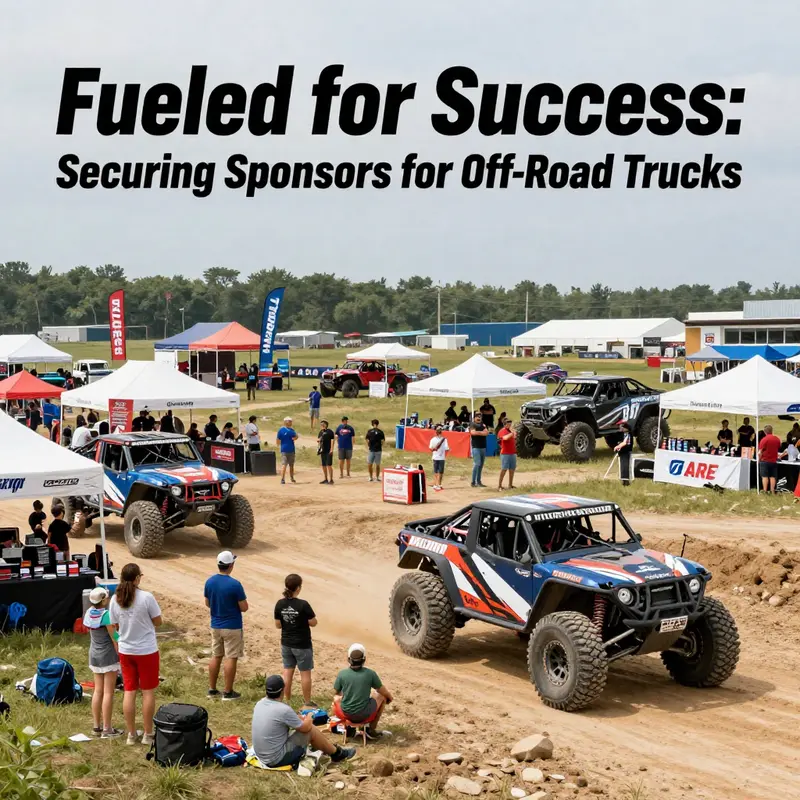
The off-road world thrives on motion, grit, and the undeniable appeal of machines pushing beyond their limits. But for a team chasing sponsors, speed alone isn’t enough. Sponsors want scale, access to real audiences, and a proven path to return on investment. The most durable way to deliver that is by turning your events and services into a tightly choreographed platform where brand partners can be seen, tested, and measured. When a race truck rumbles into a desert arena, it should carry more than sponsors’ logos; it should carry a narrative that translates into quantifiable exposure, tangible fan engagement, and ongoing business value. In practice, monetizing events and services means designing experiences that balance competition with opportunity—competition on the track and opportunity off it that sponsors can count on long after the flag drops.
Organizing high-profile off-road events is the most direct path to sponsor attraction. A well-structured race, rally, or adventure challenge functions as a magnet for brands seeking access to a dedicated audience. The first step is to codify the sponsorship proposition into a tiered model that is easy for potential partners to understand and easy for your team to execute. Platinum, Gold, and Silver tiers can be defined with precision: Platinum delivers naming rights, prominent branding along the course, vehicle wraps, and exclusive media coverage; Gold covers logo placement on event merchandise, digital ads, and prominent social mentions; Silver offers recognition in program listings and on the event website. The clarity of these tiers reduces back-and-forth and accelerates decisions. It also makes it easier to forecast revenue, plan staffing, and allocate on-site opportunities like booths, product demonstrations, and hospitality areas.
From there, revenue streams must be diversified to give sponsors multiple pathways to visibility and value. Entry fees from participants create a base fund that supports prize purses and logistics. Spectator tickets expand the audience and widen brand exposure through turnstile counts, parking lot activity, and media coverage. Vendor booths and product demonstrations turn the event into a live showroom where sponsors can connect with enthusiasts face-to-face, test gear, and gather feedback in real time. Merchandising—t-shirts, caps, stickers, limited-edition swag—offers a culture-driven touchpoint that fans assume as part of the event experience. Together, these streams can add up quickly: a single well-attended event can approach six figures in gross revenue when ticket sales, sponsorship, and on-site commerce converge. The exact numbers will depend on location, scale, and the level of media attention, but the logic remains: more touchpoints, more sponsorship value, more return.
A robust media strategy is essential to amplify the sponsor’s exposure and ensure the event is not just a dust-up in the desert but a story that travels beyond the venue. Sponsors crave visibility across multiple channels, so a plan that blends local broadcast or streaming partnerships with targeted digital content works best. Live coverage or event-day streams give sponsors on-air recognition and a chance to integrate logo placements into broadcast graphics. Behind-the-scenes footage, driver interviews, and training clips feed social feeds with authentic content that fans share and engage with. When a team coordinates pre-race hype videos, in-race moments, and post-race recaps, sponsors receive a steady drumbeat of exposure that compounds over weeks and months. The beauty of this approach is that it extends the life of the sponsorship beyond the actual race day, turning one event into a continuing campaign rather than a single moment in time.
Yet exposure alone rarely seals the deal. Sponsors want a clear value proposition and a credible plan for measurement. That means presenting a professional sponsorship deck and a transparent ROI framework. A sponsorship manager or a dedicated marketing lead should be responsible for tailoring proposals to each sponsor’s audience, products, and upcoming campaigns. Proposals should show audience demographics, anticipated media reach, social engagement, and historical data from past events where available. After events, post-event reports should quantify impressions, engagement, website visits, and any direct sales lift observed by the sponsor. Performance-based elements—bonuses for meeting attendance targets, for instance—provide a concrete incentive to improve outcomes in year two and beyond. In short, the sponsor relationship becomes a predictable business transaction, not a one-off grant of support.
Beyond races, offering services that align with sponsor objectives creates additional partnership angles. Training clinics, vehicle-prep workshops, or survival-skills courses positions your team as an authority in the off-road domain. Sponsors can fund these clinics in exchange for on-site branding, product demos, or co-branded content that features their gear in use under real conditions. The pricing for these clinics should reflect the value of hands-on instruction, the scarcity of seats, and the premium nature of the experience. If a course runs at several thousand dollars per participant, the sponsor benefit can be scaled accordingly—with exclusive access for Platinum partners and reduced-rate slots for Gold or Silver sponsors. Vehicle rentals and guided tours offer another tier of collaboration. Sponsors fund specific vehicles or packages and gain visibility through branded interiors, vehicle wraps, and driver wearables. Each offering is an opportunity to showcase sponsor products—whether it’s tires, protective gear, recovery tools, or navigation tech—while providing fans with meaningful, horizon-expanding experiences they can tell friends about.
Co-branded merchandise is another powerful lever. A thoughtfully designed line of apparel or gear that bears both your team’s brand and the sponsor’s emblem can become a walking advertisement. Fans wear the gear at events, in daily life, and in social posts, creating organic amplification for sponsor campaigns. A well-timed release of limited-edition items can also drive excitement and urgency, translating directly into ticketed events and booth revenue. The key is to ensure that co-branded products feel authentic to the off-road culture and do not look like a forced marketing stunt. Consumers quickly sense when a collaboration respects the tribe, so the branding should feel earned, not imposed. Build the story around shared values: resilience, innovation, and rugged capability. A genuine narrative, supported by data on who is engaging with the content, makes sponsor partnerships more resilient and more lucrative over time.
Everything hinges on brand identity. A recognizable team or event brand acts as a magnet for sponsors who want to align with an authentic community. The branding should be consistent across trucks, gear, event signage, and digital channels. A strong identity simplifies sponsorship negotiations because it carries its own marketing collateral—the audience trust, fan enthusiasm, and the recognizable look that signals to sponsors that this is a serious, scalable platform. Co-branding opportunities should be explored with brands whose customers overlap with the off-road audience. Tire brands, suspension suppliers, and rugged outdoor gear makers are natural fits because their products are part of the same ecosystem fans follow with passion. The aim is not merely to place logos but to create a lifestyle brand that sponsors want to be associated with, a brand that fans wear, share, and advocate for.
A professional sales engine is essential to keep this engine running. Sponsors buy certainty and clarity. A dedicated sales team should manage outreach, present compelling decks, and maintain relationships through follow-ups and timely updates. Clear sponsorship packages, backed by data and success stories from prior events, help convert inquiries into commitments. After a deal is signed, the sponsor must receive predictable value. Regular reports, dashboards, and executive summaries should show who is reached, how content performs, and what fans are saying. The best programs are not static; they adapt to sponsor feedback and market shifts. If a campaign underperforms in one cycle, the next should adjust pricing, positioning, or exposure to improve outcomes. A long-term sponsor strategy should include renewal conversations early, offering new value through additional media slots, expanded branding, or exclusive experiences that deepen the relationship.
Strategic partnerships extend the reach of sponsorship programs beyond the track. Auto manufacturers and parts brands are natural allies because their products sit at the heart of the fan experience. Outdoor and lifestyle brands complement the audience’s preferences and can participate through co-branded content, gear giveaways, and experiential booths. Local businesses near tracks—gas stations, repair shops, eateries—can provide grassroots sponsorships that benefit both the team and the community by driving local traffic and creating authentic, place-based moments of engagement. What makes these partnerships appealing to sponsors is the way they can be woven into the fan journey: a fan visits the booth, samples a product, attends a training clinic, and then heads home with a story about meeting the team and trying the gear in real-world terrain. The more integrated the partnership, the longer the value stays with the sponsor and the fan.
A practical roadmap helps translate this vision into reality. Start with a year-long plan that maps out event dates, clinic calendars, and product launch windows. Build a content calendar that synchronizes with media partners, social platforms, and sponsor campaigns. Draft sponsorship decks well before outreach begins, with clearly defined audience segments, media reach, and case studies from prior events—even if those case studies are from small, test-run efforts. Prepare post-event reports immediately after each event, with metrics that matter to sponsors: impressions, video views, engagement rates, website referrals, and direct inquiries attributed to the sponsorship. Maintain a living database of sponsor contacts, notes from conversations, and next-step actions. The discipline of planning, measuring, and iterating ensures that sponsorship revenue becomes predictable rather than episodic, and it reinforces the perception of your team as a serious business partner rather than an amateur operation.
The ambition is simple: create a pipeline where events and services consistently generate sponsor interest and revenue while maintaining the integrity and culture of the off-road community. When fans experience the thrill of a race, learn something in a clinic, or walk away with a limited-edition jersey, they are absorbing not just the competition but the story that sponsors helped fund. For sponsors, that story translates into tangible assets—visibility, engagement, and loyalty—that contribute to their business goals. For teams, it means a sustainable future where the trucks don’t just chase trophies, they chase lasting partnerships. The blend of high-profile events, accessible services, authentic branding, and disciplined sales creates a robust ecosystem where sponsorships are not a one-off grant but a strategic component of growth. And as the community grows, so too does the sponsorship value, feeding back into better equipment, more ambitious events, and deeper connections between teams, fans, and brands.
External resource for deeper practice: Sporting News offers insights into how professional teams structure sponsorships and measure impact, helping you model your approach after proven practices used by established programs. https://www.sportingnews.com/us/sports/other/2024-04-29/wrc-teams-how-get-sponsors
Final thoughts
Securing sponsors in the off-road racing domain is not merely about logos and placements; it’s about creating a vibrant ecosystem ripe with opportunity. From boosting your visibility to developing a compelling brand, assembling a dedicated team, and monetizing your events, every step forms part of a robust sponsorship strategy. Commit to these methods, and you’re bound to attract the support that can elevate your off-road endeavors to a new level.