
Every off-road enthusiast understands the thrill of racing across rugged landscapes, the roar of powerful engines, and the camaraderie of the racing community. However, to excel in Trucks & Offroad, securing sponsorships is a vital key to not only funding your adventures but also enhancing your vehicle’s performance. In this comprehensive guide tailored for off-road racers and their supporters, we will explore the essential steps to attract and negotiate with the right sponsors. From dominating races to building your team’s reputation, unlocking new opportunities, and engaging with the community, each chapter will provide you with the insights needed to elevate your game and pave the way to success in the thrilling world of off-road racing.
Shifting Gears to Sponsorship: Building Drive, Reputation, and Partnerships Through Races in Trucks Off Road
Sponsorship in Trucks Off Road isn’t a single moment of luck; it’s the natural arc of a driver and a team that prove they can handle pressure, stay on message, and push their limits race after race. The career mode is designed to reward more than speed; it rewards consistency, resilience, and a narrative that sponsors can invest in. As you move from local heats to the Offroad Championship and Desert Rally, your name becomes a recognizable brand within the game’s ecosystem. The easy route is to chase a sponsor after a single win, but the smarter path is to build a story—your team’s identity, the way you approach each challenge, and how you translate raw skill into sustained value for a partner who wants to be part of your journey.
Complete races with intent, and let the results speak as clearly as your wheelwork. Off-road racing tests every facet of a driver: line selection through rough terrain, tire grip on unpredictable surfaces, throttle control when momentum wanes, and the nerve to push into unfamiliar territory. It is not enough to win a single event; sponsors look for a cadence of success. They want to see you finish high in multiple events, especially those that carry more weight within the game’s hierarchy. When you consistently place near the top, your reputation on the track starts to travel faster than any rumor. It’s a signal that you can manage risk, execute under pressure, and deliver on a plan even when the dirt proves unforgiving. The arena rewards not only speed but the efficiency of your team’s operation—pit timing, maintenance quality, and the ability to recover quickly from a setback.
Achievements function as a ledger of capability. They document more than quick lap times; they capture your mastery of difficult routes, your willingness to attempt high-difficulty stunts, and your ability to complete specific, demanding challenges. Each unlock expands your in-game profile, turning your name into a compact résumé that sponsors value. When a potential partner studies your achievement history, they aren’t simply seeing a driver who can win; they’re seeing a driver who can take on and conquer the kinds of tests that would challenge their own brand’s image if left unaddressed. The power of milestones lies in their clarity. They translate into tangible evidence that your team possesses the breadth needed to handle complex campaigns, multi-event sponsorships, and long-term collaborative projects. As your trophy case grows, so does the menu of sponsorship options, giving you the leverage to shape deals that align with your team’s evolving ambitions.
A coherent track record is the vehicle that carries sponsors from curiosity to commitment. It is the arc across a season—from early breakthroughs to consistent late-stage performance—that creates trust. Sponsors are risk-conscious and prefer teams with a demonstrable trend line: an upward trajectory that shows not only skill but the discipline to sustain performance over time. The game mirrors this mindset by expanding sponsorship opportunities in step with your demonstrated capability. Early on, offers may focus on essential support—funding for travel, spare parts, and entry into mid-tier events. As you prove reliable results in higher tiers, the offers become more strategic: access to upgraded equipment, more sophisticated parts, or exclusive testing windows that give you a tangible edge in critical races. The decision on whether to accept such deals hinges on alignment, not immediacy. A sponsor’s cash helps you stay on the road; a product partnership helps you sustain a longer climb. The right balance is one that accelerates your growth while preserving your identity as a team that fans can rally behind.
Choosing sponsorships wisely requires more than a calculator; it requires discernment about identity and long-term strategy. Early offers can form a foundation, but losing your direction to flashy perks can create vulnerabilities later. When weighing options, consider how the partnership would shape your race program across a season: Does the sponsor’s branding enhance, or clutter, the visual story you present on the track? Do the rewards align with your upgrade path—vehicles, parts, or logistical support—that you actually need to progress? It also matters how much you retain control over your public persona. A sponsor that demands overly aggressive branding or aggressive messaging may clash with your team’s voice and alienate fans who value authenticity. The most resilient partnerships are built on mutual respect: you keep performance and integrity at the center, and sponsors contribute resources that magnify what you already do well, without forcing you to stretch beyond what your team can responsibly manage.
Beyond the track, the broader narrative you craft matters just as much as the races themselves. Sponsorship is, at its core, a partnership where you bring performance, story, and audience engagement to the table. Your engagement with fans and peers shapes the value you offer a sponsor. Active participation in community discussions, sharing insights from your most challenging races, and keeping fans informed about your progress can elevate your standing. The game rewards visibility, but sustainable visibility comes from meaningful contribution. It’s not just about finishing in the top positions; it’s about showing how your team learns, adapts, and grows in ways that resonate with a sponsor’s brand values. That resonance is what transforms a sponsorship from a one-off stipend into a collaborative platform for ongoing development—new vehicle upgrades, advanced training programs, or shared marketing campaigns that reach a wider audience.
A practical way to manage this growing partnership is to strategize around your team’s development needs alongside your sponsorship flow. Run your season with intention: schedule the most technically demanding events when you’re prepared to push boundaries, and allocate downtime for maintenance, skill refinement, and team bonding. Sponsors notice the willingness to plan rather than chase every race with maximal risk. They appreciate a crew that treats upgrades and logistics as a coordinated effort, not a scattered series of improvised fixes. In this light, your sponsorship menu becomes a living roadmap. It evolves with your capabilities, offering more ambitious resources as your performance solidifies. The key is to maintain a narrative that your fans can follow, sponsors can trust, and your crew can execute with confidence.
The decision to accept a sponsor is a critical moment in your team’s story. It’s a decision that shapes the resources you bring to future challenges and clarifies the direction you’ll pursue in subsequent campaigns. A well-chosen sponsor expands your options without compromising the integrity of your program. It creates a platform for developing faster vehicles, more reliable parts, and smoother logistics, enabling you to take on tougher tracks and longer seasons with less friction. To keep the relationship healthy, you should commit to transparent communication, meet on deadlines, and deliver on the promised milestones. Your team’s performance will remain the primary driver of sponsor interest, but the way you collaborate, report progress, and celebrate shared victories will determine whether a partnership persists beyond a single season.
As you refine your approach, remember that the most durable sponsorships come from teams that combine exceptional on-track performance with a coherent, authentic brand story and a credible plan for the future. It’s a cycle: better results attract more sponsorship opportunities; those opportunities enable further improvements that lead to better results; and the cycle repeats. This is not about game-theory gambits or a lone winning streak. It is about building a credible, compelling narrative that aligns with a sponsor’s goals and your team’s culture. If you internalize this approach, you will find sponsorships that are more than just financial subsidies; they become strategic allies who share in your growth and help you reach higher levels of competition.
For readers seeking a broader lens on team leadership and growth, the link between investing in people and fleet management offers a resonant principle. The idea that people are the most critical asset translates well into sponsorship psychology: the sponsor wants to back a team that can recruit, train, and retain the talent needed to stay competitive. Invest in people: key to fleet management success is a succinct reminder that the most critical assets are the people who translate strategy into action on the track and in the workshop. Invest in people: key to fleet management success. As you build your reputation race by race, you’ll see sponsors becoming more than patrons; they become partners who share your ambition to push the limits of what your trucks can do in the wild world of trucks off road racing.
If you want a quick snapshot of how players translate sponsorship tactics into practice, you can explore the community discourse and bite-sized tips that surface in periodic clips from the player base. These perspectives complement the detailed progression you’ll experience in game modes, offering a practical sense of how sponsors respond to the unique mix of performance, consistency, and storytelling players bring to the dirt. For a quick glimpse into how ideas circulate in practice, a recent community clip highlights the dynamic interplay between race results and sponsorship choices in action: TikTok sponsorship tips clip. This external resource captures the pulse of the community’s approach to sponsorship, reinforcing the message that sustained excellence and authentic narrative are the true engines behind sponsorships that endure.
Riding for Recognition: Building a Sponsorship-Fueled Legacy in Trucks Off Road
Sponsors do not arrive on cue in Trucks Off Road; they arrive when a team’s story becomes compelling enough to justify backing. The path to funding starts long before the crest of a final finish line. It begins with a consistent rhythm of competition and the careful shaping of a narrative that translates raw speed and stubborn soil into credibility. Your reputation is the currency sponsors crave, and it grows from the sum of decisive races, calculated risks, and a demonstrated commitment to improvement. In practice, that means you don’t just win; you win with poise, you push your limits on tough courses, and you show you can finish strong where others falter. The game’s career mode rewards this steadiness. Each race you conquer, each challenge you complete, nudges your team’s profile upward in the eyes of observers who watch not just for who crosses first, but for who can endure the grueling grind of off-road competition and keep their machine intact through the worst conditions. The most effective sponsorship runs are built on narrative as much as performance. Sponsors want a future for their investment: a team that can deliver on a season-long promise, not a one-off miracle. That is the foundation of building a sponsorship-driven strategy in Trucks Off Road.
Progress through the tiers matters, but it is the quality of the performances that truly tells the story. Higher-tier events such as the Offroad Championship and the Desert Rally are not merely harder; they are where reputations crystallize. The field is thinner at the sharp end, but the rewards are sharper as well. Your ability to navigate treacherous terrain—muddy hills that grab tires, stair-step climbs that test torque and balance, or cliff faces that demand precise throttle control—demonstrates a driver who can handle pressure. Sponsors are scanning for drivers who can stay calm when the course fights back and who can translate that calm into consistent lap times and finishing positions under the most strenuous conditions. It’s not enough to be fast; you must be reliable, too. A sponsor’s risk calculus weighs both speed and survivability. The more you show you can manage both, the more appealing you become as a partner who won’t squander their investment over a single, spectacular but unsustainable run.
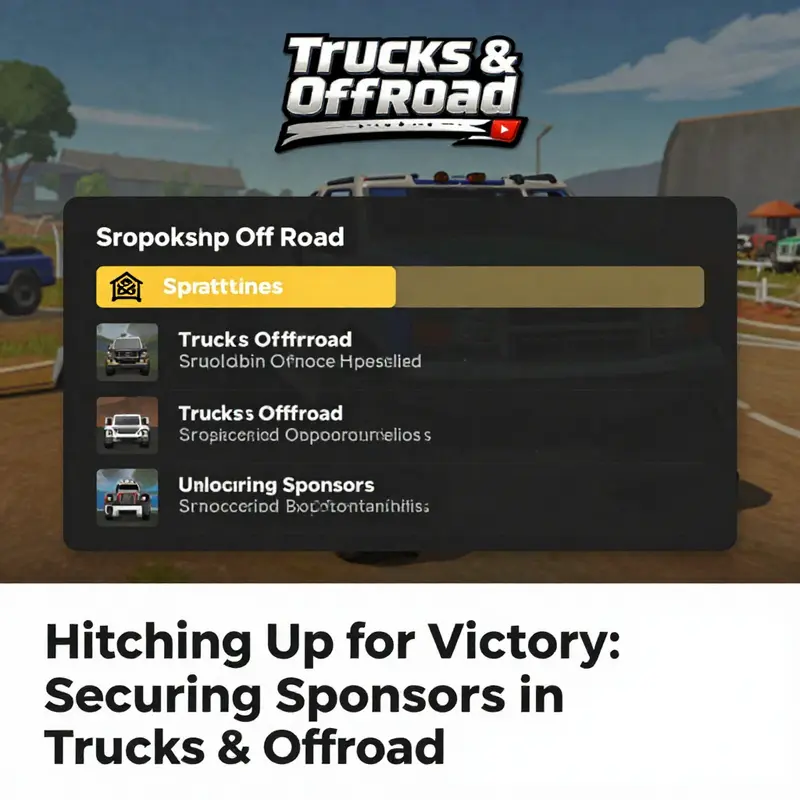
As your performance solidifies, the game reveals a practical pathway to sponsorship opportunities. The Sponsors menu in Team Management unlocks gradually as your track record grows. The offers you receive are not random drops; they are reflections of your current prestige and projected value. Some sponsors may provide cash that fuels faster upgrades or more frequent participation in ambitious events. Others may offer exclusive vehicles or parts—speed boosters that help close the gap you fight on rough terrain. The key is alignment. A sponsor should fit your team’s identity and your long-range goals. If your aim is to conquer grueling, multi-stage events, you’ll want partners who support endurance and reliability. If your plan centers on rapid progression through a handful of marquee races, cash-backed backing that accelerates development in a shorter window can be more valuable. The trick is to view each offer not as a one-time windfall but as a strategic tool that shapes your season’s trajectory.
This is where the nuance of decision-making comes into play. You don’t simply accept the biggest offer; you evaluate the sponsor’s terms and the implications for your team’s roadmap. Some sponsors come with performance obligations—mandatory appearances, minimum finish thresholds, or specific challenge-type completions. Others promise access to better equipment or exclusive testing opportunities. The prudent path is to map out how each partnership would alter your schedule, your spare-part inventory, and your upgrade cadence. If a sponsor demands aggressive race participation that strains your logistics, you may damage your reliability score and dampen overall momentum. In turn, a sponsor with a generous but flexible agreement can provide stability that lets you plan longer-term without sacrificing consistency. The balance is delicate. You want sponsorships that reinforce your growth without pushing you into a narrow path that could become brittle if the next season’s roster or rules shift.
Creating a compelling sponsorship narrative also means shaping the public-facing arc of your team. It’s not enough to perform well; you must present the team as a resilient, evolving story that fans and sponsors alike can invest in. Documenting the progression—your early, scrappy finishes, the breakthrough race, the moment of composure under pressure on a muddy descent—transforms raw results into a storyline. In practice, that means focusing on moments that illustrate growth: the careful setup and execution in a championship race, the adjustments you make between rounds, and the way your crew handles setbacks. The team that can illustrate improvement over time, while maintaining consistent results, becomes an attractive partner for brands seeking a long-term association rather than a one-season splash.
To optimize this narrative, it pays to treat the sponsorship quest as a parallel competition, with its own metrics and milestones. Track not only race results but also engagement—how often your race clips are viewed, how your team appears in the leaderboard narratives, and how quickly you respond to sponsor requests. A well-managed sponsorship program is as much about reliability and communication as it is about horsepower. The team that communicates a clear plan for incorporating sponsor feedback into the car’s development and race strategy earns trust more quickly. It’s a simple truth that sponsors value teams that respect timelines and deliver results while honoring the commitments embedded in their contracts. This approach also reduces the risk of misalignment. When expectations are clearly defined and met, the relationship grows more durable, enabling you to pursue larger, more ambitious opportunities over time.
An important element of credibility comes from the breadth of your competition experience. Consistent success across both single races and championship modes demonstrates versatility and resilience. Off-road environments are dynamic and unforgiving; the same principles that apply in a desert rally apply, with different textures of challenge, in a muddy sprint or a cliff-side run. Sponsors look for drivers who can adapt, who can read the terrain, and who can adjust strategies on the fly without losing tempo. This is what sets teams apart when the spotlight is brightest—the ability to maintain performance while navigating the unpredictable. It is this reliability that translates into sponsor confidence, the sense that backing your team is a safe bet with high potential payoff as the season evolves.
As you pursue sponsorships, remember that your strategy should be coherent with your longer-term goals. The game rewards a sustained, credible progression—an unfolding arc in which every race, every upgrade, and every decision to accept or decline a sponsorship aligns with a clear vision for the team. A well-crafted plan preserves flexibility while charting a path forward. It avoids the trap of chasing every shiny offer and instead prioritizes partnerships that strengthen core capabilities—improved vehicle performance, enhanced crew efficiency, and better testing cycles. In this frame, sponsorship is not merely an infusion of funds or gear; it is a lever that accelerates your team’s capacity to push further into more challenging terrains, to refine the balance between risk and control, and to build a legacy that endures beyond a single season.
As you refine the craft of sponsorship, you can also benefit from drawing lessons from related simulation titles and the broader landscape of realistic off-road progression. These sources often emphasize player progression, leaderboard visibility, and event-based competition as engines for recognition. While the environments may differ, the core dynamics are the same: consistency in performance, a credible record of achievement, and a compelling narrative that ties the on-track successes to tangible support off the track. This alignment between what you do in-game and how sponsors perceive value is the bridge that turns hard-fought finishes into meaningful resources for your team. The more seamless that bridge, the more natural sponsorship becomes as part of your season-long strategy, not merely a lucky windfall at the end of a race.
For players seeking to sharpen the technical side of performance alongside the storytelling of sponsorship, consider exploring broader mechanics and community-driven insights. The practice of refining engine and drivetrain behavior, improving tire choices on different terrains, and understanding how upgrades influence lap times are all parts of building a credible, sponsor-ready profile. A robust engine of performance—paired with a compelling, documented progression—creates a compelling case for any sponsor looking to align with a team that can deliver both speed and staying power. As you build that case, keep the focus on reliability and growth. The best partnerships are born from teams that demonstrate they will be ready when more ambitious events arrive and that they can translate sponsor support into sustained, measurable results across a season.
For a broader perspective on how these ideas play out in related off-road simulations and progressive driver development, you can consult other gameplay discussions and leaderboards that highlight realistic progression and player recognition. External resources provide additional context on constructing a winning legacy within the genre and offer a comparative lens for your own journey in Trucks Off Road. To dig deeper into the mechanics that underpin performance improvements and the patience required to build a sponsor-friendly record, you can explore related materials that emphasize hands-on learning, iterative testing, and strategic planning as part of long-term success.
External resource: https://www.spintires.com/
Internal link for practical tuning: mastering diesel mechanics
Turning Results into Deals: Unlocking Sponsorships in the Trucks Offroad Career
Turning Results into Deals: Unlocking Sponsorships in the Trucks Offroad Career
Getting a sponsor in the game starts with a simple principle: visibility wins deals. The in-game systems reward repeatable excellence and consistent presence across events. Sponsors scan performance metrics, consistency, and activity. They look for drivers who win races, clear difficult challenges, and keep appearing on leaderboards. That means every race, time trial, and mission contributes to a growing dossier that potential partners evaluate.
Begin by treating the career mode as a staged audition. Each event you enter creates data about your reliability and skill. Focus first on finishing events cleanly and quickly. A steady streak of podiums matters more than a single spectacular win followed by erratic results. High-tier events act as accelerators. Wins in those races change how the system rates your team. Prioritize championships and rally stages that feed more reputation points. When you plan a season, include a mix of sprint events and longer rallies. Sprint events polish your speed. Long rallies show endurance and mechanical resilience. Both matter for sponsor algorithms.
Complete in-game achievements and seasonal challenges deliberately. Achievements often unlock sponsor interest faster than raw rank alone. Many sponsors prefer drivers who complete special missions, like environmental stages or endurance tasks. Track these targets in the career menu and aim to clear the milestone list. Reward walls and short in-app tasks can also supply sponsor cash. Use them to pad your resources while you work toward competitive milestones. This steady flow of small rewards increases your team’s flexibility. It allows you to invest in upgrades that improve finishing consistency.
Visibility is not only about winning. It is about presence. Compete regularly in competitive modes and leaderboards. Enter time attack events and public cups even when you cannot win. A steady record on seasonal leaderboards signals active engagement. Sponsors favor profiles that show frequent play and community involvement. If the game offers branded campaigns or partnered events, participate. These modes place your name in sponsor filters more often. They act like direct auditions for marketing deals.
Build your team deliberately. Sponsors look at the whole organization, not just the driver. Invest in crew upgrades that speed repairs and optimize setups. A truck that spends less time in the pits and more time on track helps your win rate. Allocate resources to balance performance and reliability. If a sponsor offers parts as part of a deal, compare the long-term benefit to cash. Parts that reduce mechanical failures can unlock consistent podiums. That stability attracts recurring offers.
Choose sponsors with a plan. Not all offers are equal. Some give immediate cash. Others offer parts or exclusive vehicles. Think about longevity. Cash helps fund short-term upgrades and entry fees. Parts and vehicles can raise your baseline performance for months. If you need to climb tiers quickly, prioritize offers that directly improve truck capability. If you already compete at a high tier, a cash infusion for team expansion or event entries might be wiser. Keep one principle: match the sponsor to the gap you must close.
Treat sponsorships as strategic relationships. Renegotiate by performing. Meet or exceed sponsor goals and look for milestone bonuses. Some partners provide incremental payments for visibility targets. Plan races to align with those goals. If a sponsor requires a certain number of podiums, pick events where you have the best chance. If visibility targets hinge on public cups, increase your presence there. Sponsors are more likely to renew when you consistently deliver measurable returns.
Use the in-game reward systems strategically. Some tasks and reward walls grant in-game currency labeled as sponsor cash. Use that currency to secure upgrades that will generate future value. Avoid spending sponsor cash on cosmetic items that do not improve performance unless a cosmetic boost directly improves visibility metrics. Cosmetic upgrades may help in promotional campaigns. Only buy those if they are tied to a sponsor requirement or clear marketing benefit.
Create a progression roadmap that balances short-term wins and long-term growth. Early on, aim for quick reputation gains through achievable events. Use inexpensive parts to reduce race DNFs. Mid-career, focus on unlocking high-reputation events and branded cups. Late career, pursue exclusive sponsorships and long-term partnerships that offer recurring benefits. Keep a record of what each sponsor values. Adapt your schedule to deliver those values.
Leverage community events and shared competitions. Even without external content creation, active participation in community-driven events raises your profile. Sponsor systems often reward players who engage with seasonal community tasks. Join team challenges and collective goals when available. These events expose your name to sponsor-selection filters that evaluate both individual and team contributions.
Balance risk and reward when chasing big sponsors. High-visibility events offer large reputation boosts but carry larger fields and tougher competition. Prepare trucks and crew for those risks. Practice the stages in free runs. Tune your setup for margin, not just raw speed. Winning by a safe margin improves reliability across the season. Sponsors prefer drivers who finish races they can market.
Pay attention to how the game signals sponsorship availability. New options appear as you reach milestones. Check the team management menu regularly. When offers appear, review the terms carefully. Some opportunities come with strings, such as exclusivity clauses or promotional tasks. Ensure those terms do not block better future offers. If an exclusivity requirement hinders your progression, pass on the deal unless the compensation clearly offsets the limitation.
Invest in driver skill deliberately. Practice the trickier terrains that the game emphasizes: mud, steep climbs, and deep ruts. Sponsors notice drivers who excel in signature stages. Spend time learning soft-surface handling, throttle control, and recovery techniques. A driver who masters these elements is more marketable. Sponsors seek names associated with specific skills. Become the go-to driver for certain terrain profiles to increase your attractiveness.
Plan promotional alignment. Some sponsors look for drivers who fit a marketing story. Without naming brands, consider what image your team projects. Are you the rugged endurance crew or the precision speed team? Choose sponsors that match that image for a coherent presentation. When the sponsor expects promotion, meet the ask with authentic in-game content. Align truck livery, event selection, and social engagement to the sponsor’s theme.
Be mindful of renewal mechanics. Some sponsors evaluate performance monthly or quarterly. Keep performance steady through those audit windows. If renewal depends on visibility, avoid long inactivity before evaluation. If a sponsor rewards cumulative achievements, pace your season to show steady growth.
Finally, learn from data. Watch how each sponsor responds to your actions. Track which events produce the most offers. Note which upgrades lead to improved sponsor interest. Use that feedback to refine your calendar. Over time, you will build a reliable system for attracting and keeping sponsors. Treat sponsorships as a craft you can improve through practice and careful planning.
For deeper guidance on managing team growth and people-centered strategies, see this resource on investing in people for fleet success: invest in people: key to fleet management success.
For direct access to the in-app sponsorship features and reward systems referenced above, visit the game page: https://apps.apple.com/app/trucks-off-road/id1578932295
Turning Wins into Wealth: Choosing and Managing Sponsors in Trucks Off Road
Turning Wins into Wealth: Choosing and Managing Sponsors in Trucks Off Road
Securing sponsors in career mode begins with a simple truth: visibility drives opportunity. Winning races and completing high-profile events raises your team’s reputation. That reputation unlocks sponsor approaches. But converting those approaches into lasting advantage requires strategy. This chapter walks through the decisions that turn a single offer into steady funding and improved kit over a full season.
Start by treating every race as a reputation-building exercise. Top finishes matter more than participation. A podium in a marquee event has greater weight than multiple mid-pack results. Longer-distance events, such as national cups and cross-country rallies, give the biggest visibility boosts. They test your vehicle, team, and stamina at once. Finishing these races near the front not only grants prize money. It also accelerates sponsor unlocks and improves the quality of offers you receive.
Team appeal is central. Appeal is a numeric measure that affects how quickly and how often sponsorship opportunities appear. Improve appeal primarily through consistent race success and a string of high finishes. Invest in vehicles and components that match each event’s demands. A well-tuned machine that performs reliably across varied terrain keeps results steady. Equally important is investing in your crew. Training drivers, upgrading engineers, and hiring staff who raise overall charisma leads to better on-track execution. When your team looks cohesive and professional, offers shift from basic cash advances to deals that include parts or exclusive equipment.
Understanding the types of offers helps you weigh decisions. Typical offers fall into three categories: pure cash sponsorship, technical partnerships, and in-kind deals. Pure cash sponsors provide upfront payments and regular semi-annual disbursements. These are easiest to compare because their value is immediate and fungible. Technical partners supply parts, upgrades, or exclusive vehicles. These can lift your performance directly and often come with activation conditions. In-kind deals reduce upgrade costs and speed development, but their value depends on your long-term vehicle plans. The best approach mixes cash and in-kind value to cover immediate needs and future growth.
Contract terms matter. Sponsors usually pay in installments, often semi-annually. That makes them a reliable income source across seasons. Check duration, renewal conditions, and performance clauses. Some contracts reward promotion levels; others penalize poor finishes. A short contract with a high reward can be tempting, but it may lock you into expectations you cannot sustain. Longer contracts with moderate payments provide stability. If an offer requires a specific vehicle or liveries, ensure you can meet those terms without sacrificing race competitiveness.
Promoting current sponsors is a powerful multiplier. Many sponsors have promotion meters tied to activation tasks or race results. Push your active sponsors to full promotion by completing their in-game objectives and displaying their branding during events. Fully promoted sponsors often recommend you to other partners. This referral effect accelerates new opportunities and can unlock premium deals faster than raw appeal alone. Think of each sponsor not only as funding, but as a channel to further growth.
Balance short-term funds against long-term growth. Early in your career, cash can be the difference between upgrading a suspension and skipping it. Choose cash when immediate upgrades unlock a clear competitive edge. Later, when your core performance is stable, accept technical partners offering high-value parts or unique vehicles. Those in-kind benefits become compounding returns, improving finishes and, therefore, future sponsor offers.
Avoid offers that conflict with your strategic path. A sponsor that requires you to use a mismatched vehicle type or forces frequent changes to your roster can disrupt momentum. Declining such offers may cost short-term money, but it preserves your development pipeline. Also consider sponsor visibility requirements. If a deal demands heavy promotion during events you rarely win, you will spend resources promoting a brand without securing the promised benefits.
Leverage event selection to maximize sponsor value. Align your calendar with both sponsor expectations and your development goals. If a sponsor values long-distance exposure, prioritize cups and rallies that deliver that coverage. If a technical partner aims to showcase a specific upgrade, enter events where that upgrade shines. This alignment increases the chance of meeting contract conditions naturally, without extra strain on your team.
Monitor cash flow closely. Semi-annual sponsor payments smooth earnings, but sudden upgrade needs can create shortfalls. Keep a reserve equal to a few critical parts or a mid-tier upgrade. This reserve reduces the pressure to accept poor-value sponsorships. When multiple offers arrive, favor those that shore up your reserve while still offering performance benefits.
Negotiation comes into play when multiple offers overlap. If you can choose between a higher cash deal and a lower cash plus high-value parts offer, calculate the net competitive gain. Sometimes the parts give an equivalent or greater return on investment than raw cash. Use your race schedule and upgrade plan to quantify expected gains. If the math is unclear, lean toward options that increase consistency and reduce failure points.
Sponsor synergy is underrated. Complementary sponsors that offer both cash and visibility create a stronger portfolio. One partner finances development while another supplies parts or a new vehicle. Together they improve finishes and push your appeal higher. Avoid stacking too many similar sponsors offering the same narrow benefit. Diverse portfolios cover more needs and produce more organic growth.
Track sponsor expectations and meet them reliably. Missed objectives erode reputation and may end deals early. Keep an eye on activation tasks, required finishes, and promotional milestones. Make sure livery and brand placement are correctly applied. Small administrative slip-ups can break large deals.
Use achievements and milestone races as leverage. Completing achievements triggers fame boosts and attracts more lucrative offers. Targeting marquee races can be a more efficient path to premium sponsors than chasing multiple small wins. Plan a season with a few high-impact events as focal points. Use those races to showcase upgrades and to push your promotion meters to completion.
Invest in long-term team development. Driver and engineer upgrades add compounding benefits. Higher driver skill leads to consistent top finishes. Improved engineers reduce repair time and increase upgrade efficiency. These investments improve both appeal and the quality of sponsor offers. If you want a quick reference point, consider content on investing in staff and development for fleets and teams; it aligns closely with in-game benefits and long-term success: Invest in people: key to fleet management success.
Finally, accept offers with an eye for the future. A sponsor’s immediate cash is useful. But the best sponsors lift your competitiveness. They provide parts, promotional synergies, and referrals. Prioritize deals that match your vehicle roadmap and race calendar. Use longer-distance events and marquee races to unlock the highest tier sponsors. Keep sponsors promoted and managed. With careful acceptance decisions, your team’s income will stabilize, and your path through career mode will open steadily into higher tiers.
For deeper, official guidance on progression systems and sponsorship mechanics, consult the game’s official support and community pages: https://www.xbox.com/en-US/game-pass
Branding on the Move: Building Sponsors for Trucks Off Road Through Community Engagement
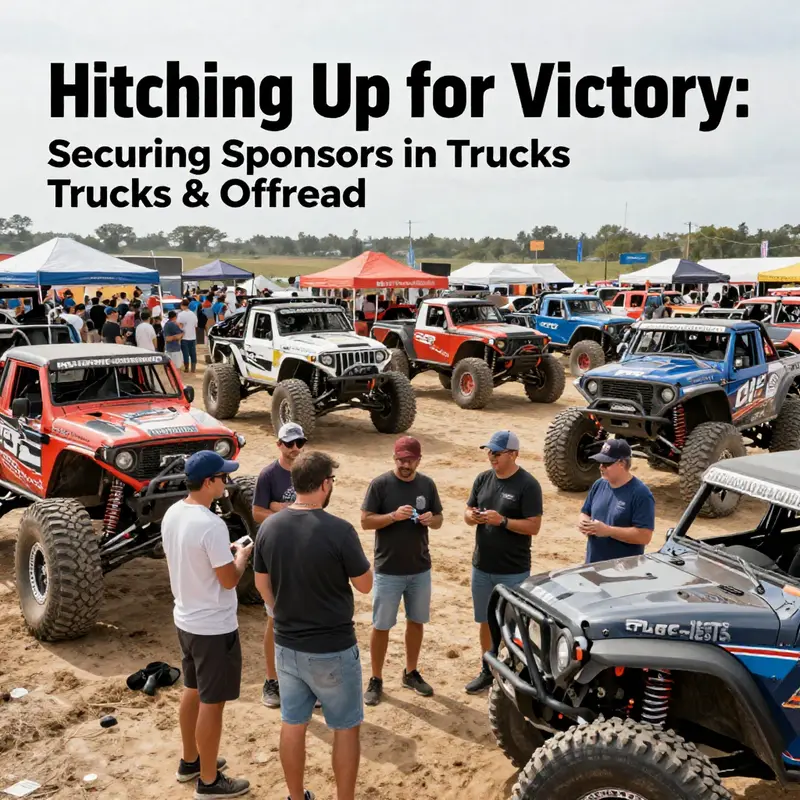
Sponsorship in Trucks Off Road isn’t a blunt exchange of coins for horsepower. It’s a narrative about visibility, credibility, and how a player’s in-game presence translates into real-world or virtual-brand partnerships. In a community-driven ecosystem, sponsors don’t merely pay for laps; they buy audience attention, authentic storytelling, and the promise of consistent content that fans want to share. The chapter you’re about to read treats sponsorship as a process that weaves together performance in races, portfolio branding in-game, and active participation in the wider fan community. When done well, sponsorship becomes a natural extension of your racing identity, rather than a bolt-on deal that disrupts the flow of your career. The road to sponsorship starts with what you already control: your team’s results, your branded content, and your connection to the people who follow the game and cheer for your next run.
The first principle is value. In a game that rewards progression, a sponsor’s interest grows as your results accumulate and your visibility climbs. It’s not enough to win; you need to demonstrate a cohesive story around your team. High-tier events, such as the Offroad Championship or the Desert Rally in your career mode, act as proving grounds. They provide the metrics that sponsors crave: faster lap times, more consistent finishes, lower retirement rates, and a rising reputation score within the game’s ecosystem. Every podium, every hard-fought finish, and every throwback clip from a difficult stage adds to the narrative you’re selling. Sponsors want to be aligned with a winner, but they also want a story they can tell alongside their own product. Tie your on-track success to a broader message—precision, durability, endurance, or innovation—and you begin to attract offers that feel like extensions of what you already do well.
As you advance, the game opens new sponsorship opportunities in the Team Management menu. This is where your in-game decisions matter as much as your race strategy. Some offers will be straightforward, providing cash in exchange for a branded vehicle livery or a banner on the trailer. Others may offer exclusive parts or vehicle upgrades that fit your squad’s identity. The key is to evaluate each sponsor not just by the size of its cheque, but by how well the partnership aligns with your goals. A sponsor that emphasizes endurance and reliability should complement a career built on consistent performances and careful risk management. Conversely, a brand that prioritizes bold, eye-catching visuals might pair better with a high-risk, high-reward racing style. The best partnerships feel like a natural extension of your in-game persona rather than a deviation from it.
To move beyond raw game mechanics and into the realm of real-world relevance, think about branding as a storytelling tool. In Trucks Off Road, certain vehicles are already associated with fictional sponsors, which provides a template for how your own in-game presence can carry branding. You can take that idea and translate it into content that resonates with fans: a branded build narrative, a character arc for your driver avatar, or a community event that showcases your team’s voice. The point is to present sponsorship as a creative opportunity that creates memorable moments, not just a financial arrangement. When your content is memorable, it becomes shareable, and sharing is the currency sponsors care about in a community-driven game.
One practical pathway to making this happen is to identify your value proposition clearly. If you’re a streamer or a creator who builds community around Trucks Off Road, you’re not just a player; you’re a creator with an audience. Your value proposition includes audience reach, engagement metrics, and your ability to tell compelling stories within the game world. Look at your channels: streams, clips, screenshots, and community challenges. If you can quantify your audience—views, average watch time, comments, and social media interactions—you have something concrete to bring to a sponsor’s table. You don’t need a large following to be attractive. Sponsors often seek authentic engagement over sheer numbers. A smaller, dedicated, highly engaged community can outperform a larger but passive audience when it comes to converting fans into customers for the sponsor’s products or services.
With value defined, your sponsorship proposal becomes a concise, persuasive document. A strong pitch should include a description of your in-game project or community initiative, the target audience (off-road enthusiasts, racing fans, or the broader gaming community), and how the sponsor will be featured. For instance, you might propose branded vehicle livery that travels through your streams, in-game shoutouts during live racing sessions, and exclusive behind-the-scenes content that gives fans a peek into the design and testing phases of your builds. Then comes the numbers: your reach and engagement across streams, forums, and social media. Your proposal should translate those metrics into potential impact for the sponsor—how many impressions you expect, how many dedicated fans, and what kind of sentiment you typically receive from your audience. A well-structured pitch is less about asking for money and more about offering a mutually beneficial storytelling platform where the sponsor’s brand becomes a natural part of the fan experience.
A critical element of the approach is community engagement. Sponsors increasingly look for creators who are not just broadcasting but actively participating in the life of the game’s community. Join official channels and popular forums where players gather. Participation should be authentic: contribute thoughtful feedback, help moderate events, share useful tips, and celebrate others’ successes as well as your own. Platforms like official Discord servers and fan forums offer a way to surface your brand’s voice in a constructive, inclusive manner. When sponsors see you as a community builder who adds value beyond your own content, you become a credible partner rather than a transactional deal. Sharing impactful clips, high-quality screenshots, and analytics from past events reinforces your reliability and demonstrates what you can deliver when a sponsorship is in place.
Creativity is your ally here. You want to show future sponsors how their brand will live in the world you’ve built around Trucks Off Road. Real-world relevance helps; connect your in-game sponsorship idea to brands that focus on off-road gear, automotive parts, or gaming peripherals without naming specific products. The aim is to sketch a marketing ecosystem where the sponsor benefits not just from in-game exposure but from the story you tell, the challenges you tackle, and the ways fans interact with your content. A well-crafted campaign could involve limited-edition in-game liveries released in coordination with a live stream series, a community challenge where fans vote on design elements, or a charity event that ties your racing to a tangible cause. Such initiatives demonstrate social and cultural savvy, which many brands view as essential to a successful collaboration.
A practical, grounded way to approach this is to research and reference official pathways. Look for any formal partnership programs announced by the game developers or related organizers. While the game itself may not have a formal sponsorship system, there are channels through which communities and creators can collaborate with brands. In practice, this means subscribing to official announcements, participating in developer-led events, and staying informed about community hubs where partnerships are discussed. This is not about chasing random offers; it’s about aligning with opportunities that reflect your values and your audience’s interests. When you combine a proven track record with a clear, well-structured proposal and active community participation, you create a compelling case for a sponsor to join your journey.
Beyond the practical steps, there is a broader philosophy to sponsorship in a community-driven game: partnerships should feel like a shared adventure rather than a product placement. Fans respond to authenticity and consistency. If your branded content integrates seamlessly with your racing narrative and your community events, sponsors see a multiplier effect. Viewers come for the races and stay for the community experience you curate. This is the core reason sponsorship in Trucks Off Road can be more than a financial arrangement; it can be an engine for storytelling, learning, and collaboration. And as you expand your efforts, you can share your success stories with fans and future partners alike, building a portfolio that shows not only what you achieved on the track but also what you achieved through collaboration with communities and like-minded brands.
To bring a practical, human touch to this framework, consider how you present your story. A short, well-edited reel that captures your best runs, your branded content, and your community moments can be a powerful visual hook. If you’re comfortable, pair it with a concise written summary that highlights your audience, your engagement, and your proposed impact for sponsors. The goal is to make it easy for someone who has never watched you before to understand who you are, what you stand for, and why aligning with you makes sense. Sponsorship is, at its heart, a collaborative venture built on trust, shared goals, and a mutually beneficial vision of how to bring the game to life for fans. In this sense, your most important asset is your consistency: steady performances on the track, steady quality in your content, and steady, genuine engagement in the community.
The next step is to embed a practical example of alignment with a cause-driven initiative. For readers who are exploring how sponsorship can link to real-world impact, consider this path: develop a branded in-game community initiative that channels support toward a worthy cause. When you narrate this as part of your content strategy, it signals to sponsors that your brand stands for something beyond the racing numbers. It also strengthens the bond with fans who value social responsibility. If you choose to pursue this angle, you can bring in the community’s voice—an essential element in sponsorship negotiations. The more your fans feel involved, the more valuable your content becomes to sponsors seeking authentic partnerships rather than traditional advertising. For readers seeking a concrete example of community-aligned branding, explore the concept of Trucks for Change and how it has been framed around supporting Habitat for Humanity. This approach helps illustrate how your own in-game brand could partake in real-world initiatives without losing focus on the game itself.
Truly, the sponsorship journey in Trucks Off Road is a blend of performance, storytelling, and community stewardship. The in-game environment rewards progression, but real partnerships emerge when you translate that progression into consistent, compelling content and meaningful engagement. The opportunities are not only about money; they are about access—access to creative collaborations, audience growth, and the chance to co-create experiences that fans will remember. When you treat sponsorship as a collaborative project that extends your racing world into the broader community, it becomes a sustainable, scalable part of your playbook. And as your journey unfolds, you’ll discover sponsors who value the same outcomes you do: authentic engagement, shared storytelling, and a passion for pushing both your team and the game’s community forward.
Internal link: For an example of brand-aligned community initiatives tied to real-world outcomes, you can explore the concept behind Trucks for Change — Supporting Habitat for Humanity. This resource provides a relatable framework for presenting in-game partnerships as meaningful, observable projects that fans can rally behind. Trucks for Change: Supporting Habitat for Humanity
External resource: For broader context on community engagement and potential brand alignment, see this official community update: https://www.gamersky.com/news/202409/1784239.shtml
Final thoughts
Acquiring sponsorships in the Trucks & Offroad game requires dedication, strategy, and a deep understanding of both your team’s identity and the off-road racing community. By completing races and achievements, building your team’s reputation, unlocking sponsorship opportunities, wisely accepting offers, and engaging with the community, you will position yourself as an attractive prospect for sponsors. The path to success is multifaceted, yet it is accessible for those willing to embrace the challenges and joys of off-road racing. As you hit the dirt trails, remember that every leap towards sponsorship is not just a personal victory but a chance to transform your passion into an achievable dream.