

Off-roading is not just a hobby; it’s a way of life for many enthusiasts and adventurers. Whether you’re conquering rugged trails, racing across vast landscapes, or working on rural land, having a truck that can handle the harshest terrains is essential. This guide will lead you through the critical stages of modifying your truck, from selecting the appropriate base vehicle to upgrading its suspension, tires, ground clearance, and essential recovery tools. Each step will prepare you for the wildest adventures, ensuring not only your truck’s performance but also your safety and enjoyment on the trails.
Laying the Groundwork: Selecting the Ultimate Base Vehicle for Off-Road Mastery

When embarking on the adventure of converting a truck into an off-road powerhouse, every modification and upgrade eventually traces its lineage back to one critical decision: choosing the right base vehicle. In the world of off-roading, the journey begins not with add-on accessories or high-performance tires, but with the inherent qualities of the truck you choose. This selection determines not only the efficiency and durability of your future modifications but also sets the stage for countless adventures across rugged landscapes.
At the heart of this decision is the emphasis on resilience, durability, and design integrity. Off-road vehicles endure conditions that are not typically encountered on everyday roads. They must survive impacts with rocks, delicate stress on the chassis when traversing steep inclines, and the repeated abuse of uneven terrain, all while providing steady performance and reliable power. This is why the ideal off-road truck is built on a body-on-frame construction—a design that prioritizes a robust, non-load-bearing chassis, ensuring that the vehicle can absorb shocks and protect vital components hidden beneath the surface. A body-on-frame design, with its robust framing and structural reinforcements, is far better equipped to handle the jolts and stresses of off-road excursions than unibody configurations more common in passenger vehicles.
In addition to the fundamental structure, the base vehicle must offer high ground clearance. This is not merely about aesthetics or the perception of ruggedness. High ground clearance is the first line of defense against undercarriage damage when encountering boulders, deep ruts, and rocky surfaces. It minimizes the risk of the truck’s vital components—such as the engine oil pan, transmission, and differential—coming into contact with harsh, unforgiving terrain. Many vehicles designed for industrial or heavy-duty applications naturally incorporate elevated ground clearance, making them ideal candidates for off-road modifications. This added height not only prepares the truck for obstacles but also provides an advantageous platform for later enhancements like lift kits or larger off-road tires that can further increase clearance and improve performance.
Another element that cannot be overlooked is the importance of approach, departure, and breakover angles. These angles define the limits of what the truck can conquer without suffering damage. A generous approach angle means that the truck’s front end is well designed to climb steep inclines or over obstacles without scraping the bumper or damaging the engine bay. Similarly, a steep departure angle ensures that the rear end can clear sudden drop-offs or uneven ground, while an ample breakover angle prevents the undercarriage from hitting the ground when cresting a sharp hill. Trucks with extended front or rear overhangs often fall short because they lack the necessary geometry to navigate obstacles with grace and safety. Even before any modifications are made, the truck must naturally possess these favorable angles to provide a sound basis for any off-road challenge.
The drivetrain is another cornerstone in selecting a base vehicle. A true four-wheel drive system is indispensable for serious off-roading. While all-wheel drive can offer good performance on slippery roads and light off-road conditions, it is the four-wheel drive system—often equipped with low-range gearing—that offers the level of control and torque distribution necessary for conquering extreme terrain. This system allows for slow, deliberate progress over obstacles, reducing the risk of wheel spin and making it easier to navigate steep slopes and unpredictable surfaces. The mechanics behind this system deliver consistent power to all four wheels, ensuring that every part of the vehicle contributes to traction and stability.
Integral to the overall capability of a truck is its suspension system. Off-road excursions place severe demands on the suspension, exposing it to frequent shocks and stresses that would challenge a standard setup. When selecting a base vehicle, one must consider whether it comes equipped with a suspension system that can be enhanced or is already built to manage rough terrain. Many heavy-duty trucks are designed with long-travel suspensions that provide increased wheel movement, thereby keeping the tires in contact with the ground even when the terrain is unpredictable. This consistent contact is crucial for maintaining traction and control. A strong suspension system also underpins the fundamental safety of the vehicle by absorbing impacts, reducing the likelihood of structural damage, and ensuring a smoother ride no matter the landscape.
It is not enough for a base vehicle to simply meet these physical benchmarks; its history and condition play a significant role. A new or well-maintained used truck that has been cared for will always present a better starting point than one that has seen excessive wear and tear. This attention to detail ensures that as additional modifications are layered onto the vehicle, its base will not falter. Every component—from the frame to the engine—should be in sound condition, ready to support not only the enhanced suspension and tires but also any advanced recovery or protection devices that might be added later on.
The decision-making process also involves a critical evaluation of the truck’s overall design philosophy. Trucks built for heavy industry or military applications often exhibit features that are naturally more aligned with the demands of off-road driving. Their blueprints incorporate redundancies and reinforcements that are ideal for supporting high-impact activities. For instance, a truck with a proven record of handling industrial applications usually comes with a strong powertrain, robust axles, and a chassis that is engineered to endure severe stress. These qualities, although sometimes overlooked by the casual buyer, represent the core of what makes a vehicle not just capable but safe on the most challenging trails.
A practical example of this is seen in the way many off-road enthusiasts favor trucks designed originally for mining, logging, or military use. The inherent design elements of these vehicles—such as short overhangs, deep cradles for the engine, and reinforced frames—naturally lend themselves to the extreme conditions of off-road driving. The natural synergy between these vehicles and the necessary modifications for off-road use means that additional upgrades, like installing long-travel shocks or lift kits, are more likely to perform as intended without compromising safety or structural integrity.
Beyond physical characteristics, the selection of a base vehicle is a deeply personal process that reflects the driver’s intended use, lifestyle, and off-road aspirations. For some, the base vehicle is a tool for professional work in rugged environments; for others, it is an enabler of recreational exploration where the thrill of the unknown reigns supreme. In all cases, the vehicle must offer the potential for customization while already embodying a level of quality and resilience that can be built upon. This is why potential modifiers should take the time to research and, if possible, physically inspect the truck. Understanding the vehicle’s history, paying attention to signs of structural fatigue, and verifying that all mechanical and structural systems are in top working order is as important as any aftermarket upgrade.
Once the base vehicle is selected, a clear vision for the future modifications can be developed. Every upgrade from suspension enhancements to recovery tools or improved lighting systems must harmonize with the original capabilities of the truck. The confidence that comes with knowing you have started with a robust foundation enables modifications to be approached with creativity and technical insight, ensuring that the final product is not only off-road ready but also uniquely tailored to the driver’s needs.
The next step in this journey often involves reinforcing the suspension and drivetrain systems, planning for increased tire size, and integrating advanced recovery equipment. However, at the root of all these subsequent modifications lies the initial base vehicle decision. A vehicle that already boasts high ground clearance, superior approach and departure angles, a reliable four-wheel drive system, and a resilient suspension is far more likely to succeed when transformed into a machine capable of tackling the most challenging off-road environments.
In practical terms, consider a truck that has demonstrated its durability and capability in work environments requiring involvement with heavy loads and persistent vibrations. Such vehicles are commonly found in industrial settings where reliability under stress is paramount. The engineering behind these trucks is such that many of the potential challenges—whether related to axle strength, frame rigidity, or overall balance—have already been addressed. With that strong foundation in place, any modifications aimed at enhancing ground clearance, such as upgrades to larger off-road tires or the installation of lift kits, complement rather than compromise the vehicle’s inherent capabilities.
For lovers of off-road mechanics, every detail matters. A well-chosen base vehicle provides the best canvas upon which enhancements such as robust suspension systems can be added. When the right truck is selected, it opens the door to a wide array of possibilities. It makes the installation of powerful recovery tools like winches and differential locks not only practical but also reliable in extreme conditions. Likewise, the integration of protective skid plates or improvements to braking systems is greatly enhanced when the initial vehicle is designed to handle significant impacts. This interplay between the factory design and aftermarket upgrades creates a harmonious system where every part works to augment the performance of the other, leading to a vehicle that is not only technologically advanced but also profoundly rugged.
A practical tip for those in the process of selecting the right base vehicle is to consider the vehicle’s intended environment and usage patterns. Urban drivers converting trucks for off-road use must ensure the vehicle can bridge the demands of daily driving with those of rugged terrain. In contrast, vehicles that are intended primarily for off-road use may benefit from design choices that sacrifice some on-road comfort in favor of unmatched durability and performance. Being honest about the trade-offs and potential challenges that lie ahead can provide invaluable insight during the decision-making process.
It is also wise to seek out expert advice and firsthand accounts from seasoned off-road enthusiasts. Many experts recommend closely inspecting the suspension, undercarriage, and drivetrain before finalizing any purchase. This due diligence often involves reviewing technical documentation, inspecting wear patterns on tires and suspension components, and evaluating the overall integrity of the chassis. In many cases, a vehicle that appears to be a bargain may have hidden issues that could severely compromise its transformation into an off-road champion. The sensible approach is to invest in a well-documented, high-quality base vehicle that offers room for growth and customization.
Equally important is the mindset with which one approaches this foundational selection. Building an off-road truck is not merely an exercise in mechanical modifications but a journey that demands foresight and strategic planning. It requires an appreciation for engineering principles and a keen eye for detail. Each modification builds upon the reliability of the base, and choosing a truck that has been engineered to face severe conditions ensures that subsequent upgrades are more effective and longer lasting. This holistic perspective helps prevent major setbacks later in the process and fosters a spirit of innovation and ingenuity.
Taking a moment to reflect on the overall purpose of the off-road conversion, it becomes clear that every component—from the chassis and suspension to the tires and drivetrain—must be viewed as part of an integrated whole. The base vehicle is the anchor that holds all modifications together. It exemplifies the perfect blend of durability and potential, ready to be enhanced through discipline and technical know-how. The integrity of the base, therefore, is paramount because it is the one element that will ultimately dictate the longevity, safety, and performance of the truck in the unyielding conditions of off-road travel.
This foundation allows trade-offs to be managed more effectively. For example, a vehicle that boasts a naturally high ground clearance will better accommodate larger tires and lift kits without necessitating overly drastic adjustments that might compromise suspension geometry. Similarly, a superior frame design with strategically placed reinforcements makes installing and utilizing off-road recovery tools, such as winches and differential locks, more secure. Each choice made at this early stage has ramifications that resonate throughout the entire modification process, making it one of the most critical decisions in the journey to build an off-road ready truck.
For those interested in delving deeper into the mechanics behind truck performance and ensuring every mechanical aspect is optimized for rugged use, exploring detailed guides on engine and drivetrain improvements can prove invaluable. One helpful resource available is an insightful article on mastering diesel mechanics, which covers essential topics relevant to building a robust off-road machine. This resource can be explored further via this link: mastering diesel mechanics.
Ultimately, the transformation of a standard heavy-duty truck into an unbeatable off-road machine begins at the very moment you select the right base vehicle. It is this careful, contemplative decision that informs all subsequent modifications. From enhanced suspension and improved tire choices to the integration of protective undercarriage shields and advanced recovery systems, every element finds its place on a foundation that was built to endure. By ensuring that the base vehicle naturally possesses high ground clearance, favorable approach and departure angles, an effective four-wheel drive system, and a robust suspension, you set yourself up for success on the most demanding trails.
As enthusiasts well know, the beauty of off-road conversion lies in the pursuit of perfection—making a machine that is as reliable as it is adventurous. With the right base vehicle, your modifications will not only perform their intended tasks but will also work in concentric harmony to create a vehicle that feels like an extension of your vision for off-road mastery. This is where the art and science of vehicle modification meet, each upgrade reinforcing a legacy of resilience and mechanical excellence.
For those seeking further technical insights into the practicalities of off-road truck modifications beyond the fundamentals of base vehicle selection, additional guidance is available from dedicated automotive resources. A particularly comprehensive reference can be found at Pacifica Auto’s off-road truck modifications guide, which provides detailed diagrams, expert advice, and product recommendations. This external resource offers a deep dive into the technical modifications that follow the initial and most critical step of choosing the perfect foundation.
In every sense, the process of selecting the right base vehicle is an exercise in precision, passion, and practical knowledge. It is a decision that involves not just assessing the truck’s current capabilities but envisioning its potential as a robust platform for thrilling off-road adventures. By taking the time to evaluate factors such as frame construction, ground clearance, suspension integrity, and drivetrain reliability, you lay a solid groundwork that transforms a mere truck into an off-road warrior ready to take on nature’s toughest challenges. The meticulous attention to these details ensures that your investment of time, money, and energy yields a vehicle that stands up to the rigorous demands of off-road travel, providing a reliable, enduring, and exhilarating driving experience.
For anyone embarking on this journey, remember that it all starts with the basic structure of the truck. Build your modifications upon a foundation that is designed for durability and performance, and you will soon experience the confidence that comes from knowing your off-road machine is truly ready for the wild. Every bump, every rocky trail, and every unforeseen challenge on the path will be met with a level of robustness and precision that could only be achieved by starting with the best possible vehicle. In the art of off-road conversion, the right base vehicle is, without question, the most critical component of your overall success.
The quest for an off-road ready truck is a continuous process of improvement and adaptation, but it always begins with laying a solid groundwork that honors the legacy of engineering excellence. With a carefully chosen base vehicle as your starting point, every modification becomes a step toward creating a machine that is capable of conquering even the most relentless terrains. Your journey is marked by technical challenges, creative problem-solving, and a passion for adventure that is reflected in every bolt and every enhancement you add. The rewards of such a journey are immeasurable—resulting in a vehicle that not only meets the functional demands of off-road travel but also stands as a testament to the art of engineering ingenuity.
In conclusion, the choice of the base vehicle is indisputably the cornerstone of any successful off-road conversion project. It is a decision that demands careful consideration of the vehicle’s structural design, inherent durability, and potential for future enhancement. By focusing on these crucial elements, you ensure that your off-road transformation is built on a foundation capable of withstanding harsh environments, providing both reliability in performance and endless opportunities for customization. With every mile traversed on treacherous paths, you will appreciate the profound impact of a well-chosen base vehicle—a reminder that true off-road mastery begins with the fundamentals.
Revamping Suspension: The Cornerstone of Off-Road Truck Transformation
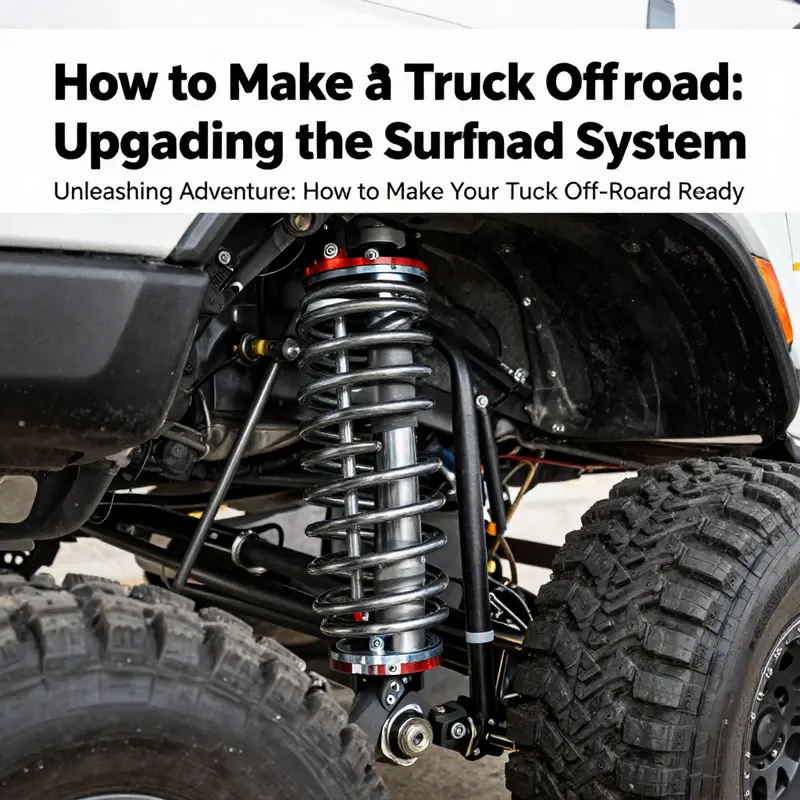
Upgrading a truck’s suspension system is not merely an optional enhancement—it is the cornerstone of transforming a standard vehicle into an off-road beast. In the challenging, unpredictable environment of rough terrains, the truck’s ability to absorb shocks, maintain stability, and articulate its wheels can mean the difference between conquering obstacles with confidence and facing debilitating vehicle damage. A robust suspension system makes the truck not only more capable but also significantly safer, ensuring that every component from tires to drivetrain benefits from improved performance. In this chapter, we take an in-depth look at the multi-faceted world of suspension upgrades and how each element plays a crucial role in preparing a truck for off-road adventures.
At its essence, the suspension system works to connect the vehicle’s body to its wheels while absorbing impacts, distributing forces, and ensuring a balanced ride. When upgrading the suspension for off-road readiness, the primary goal is to increase ground clearance, enhance wheel articulation, and boost durability. Such enhancements allow the truck to reliably traverse bumpy trails, rocky inclines, and rugged landscapes. The first step in this transformation is the integration of high-performance shocks and springs. Upgrading to premium shock absorbers, such as those offered by renowned manufacturers, enables the truck to control damping more efficiently, keeping the tires in constant contact with uneven ground. These improvements are crucial when the vehicle is constantly bombarded by sharp, irregular impacts that can otherwise destabilize the ride and lead to premature wear on components.
Alongside upgraded shock absorbers, the installation of reinforced springs helps maintain a consistent and resilient ride. Using springs engineered for heavy-duty conditions, whether they are long-travel coil springs or multi-leaf spring systems, provides the necessary support to withstand steep drops and rapid terrain changes. The relationship between the springs and shock absorbers is symbiotic; while the shocks dampen the immediate impact of obstacles, the springs work to return the suspension to its original state, ensuring the travel remains smooth and forgiving. By improving both components, the truck experiences a significant boost in handling and overall ride quality, even under extreme conditions.
One of the most transformative modifications in this arena is the addition of a lifted suspension kit. Increasing the vehicle’s height by three to five inches not only contributes to immediately noticeable gains in ground clearance but also creates additional space for more aggressive tire fits. A lift kit is more than a mere aesthetic upgrade; it provides a strategic advantage on rough terrains by reducing the likelihood of the truck bottoming out on rocks or ruts. The lift kit functions in tandem with the other suspension upgrades by allowing additional travel, enabling components to flex without compromising safety or comfort. Moreover, a raised stance can improve the overall approach and departure angles, which are critical for climbing steep inclines or descending rugged slopes without scraping essential underbody components.
Another innovative suspension enhancement that has captivated off-road enthusiasts is the use of portal axles. Unlike traditional axle designs, portal axles effectively place the axle center higher relative to the ground, without the need for excessively large tires. This means that the vehicle can maintain a low center of gravity while still benefiting from increased ground clearance. Such a configuration is ideal for extreme off-roading, where the truck must navigate unpredictable terrain that might otherwise knock the axles into harm’s way. The clever engineering behind portal axles allows for substantial off-road performance gains while keeping the vehicle’s overall balance intact.
In addition to lift kits and portal axles, the inclusion of reinforcement elements such as anti-sway bars and upgraded bushings cannot be overstated. Reinforcing the frame and adding robust anti-sway bars work to minimize body roll during aggressive maneuvers and tight cornering on uneven surfaces. These components are designed to ensure that the vehicle remains stable even when its suspension is under maximum strain. Heavy-duty bushings and mounting hardware further secure the suspension assembly, reducing the risk of premature wear and tear resulting from the constant jarring and flexing associated with off-road driving. The synchronization of these elements creates a holistic system that not only improves handling but also extends the service life of the truck’s critical components.
The dynamic nature of off-road terrain necessitates a suspension system that adapts seamlessly to varying conditions. One of the more advanced adaptations in modern suspension systems is the integration of air suspension configurations. Air suspension provides the ability to adjust the ride height dynamically, shifting the vehicle’s stance for different driving conditions. This versatility means that the truck can be lowered to reduce wind resistance and improve high-speed highway stability, and raised when approaching obstacles on rugged trails. Such adaptability ensures that the off-road experience is optimized regardless of the driving context. Even a minor adjustment in ride height can significantly influence the distribution of weight across the suspension, enhancing tire grip and overall vehicle stability.
Another aspect that deserves careful attention is the overall suspension travel. Adequate travel—the distance the suspension can move to absorb impacts—is instrumental in ensuring that the truck can negotiate unexpected obstacles without loss of control. Trucks that are configured for extreme off-road use generally require extended travel options compared to conventional vehicles. By incorporating long-travel shocks or specially designed spring setups, off-road enthusiasts can achieve a suspension system that maintains tire contact consistently, even when subjected to severe undulations or abrupt terrain changes. This enhanced wheel articulation not only improves comfort but also bolsters traction, thereby reducing the likelihood of becoming stuck or losing steering control on challenging surfaces.
Equally important in the pursuit of off-road suspension mastery is the meticulous upgrading of all ancillary suspension components. Over time, the harsh environments encountered off-road cause faster degradation of everyday suspension parts. Transitioning to heavy-duty alternatives for components like steering linkages, control arms, and tie rods is an essential part of the upgrade process. When these parts are improved to withstand the increased stress of off-road driving, the entire suspension network benefits from greater cohesion and resilience. Specialized anti-wear coatings and higher-grade materials are often used in these upgraded parts to ensure long-lasting performance and protection against corrosion and impact damage.
The fine-tuning of a modified suspension system, however, does not end with installation. Careful alignment, calibration, and ongoing maintenance are required to ensure that every component works harmoniously together. Proper alignment after suspension modifications is critical not only for safe handling but also for preventing uneven tire wear and undue stress on the underlying chassis. Professional tuning on a dedicated test track or off-road course allows for adjustments in shock preload, tire pressure, and suspension geometry to match the specific demands of off-road environments. Such testing and fine-tuning are integral to the process, ensuring that the modifications do not only meet theoretical performance benchmarks but also deliver tangible improvements on the ground.
Beyond the purely mechanical improvements, the upgrade of the suspension system also has indirect benefits that contribute to the overall performance of the truck. A well-tuned suspension directly affects the reliability of the drivetrain by ensuring that impacts are absorbed and distributed evenly across the vehicle. This can reduce the likelihood of sudden shifts in power delivery or the damaging effects of misaligned shocks on critical mechanical components. The integration of a high-performance suspension system often works synergistically with other truck modifications, such as enhancements to the braking system and even engine tuning. For instance, a suspension system that keeps the tires in consistent contact with the ground can improve traction, which in turn can reduce the strain on the brakes during abrupt stops or emergency maneuvers.
Even practical aspects such as energy efficiency and fuel consumption see indirect improvement from suspension upgrades. By reducing unnecessary vibrations and maintaining a balanced chassis, the energy losses that typically occur from constant shock absorption and mechanical friction are minimized. This streamlined performance, while subtle, contributes to an overall more economical driving experience, especially when traversing long, rugged trails where every drop in efficiency can add up over time. The combination of mechanical resilience, improved handling, and more efficient power distribution makes a truck with an upgraded suspension system better prepared for the multifaceted challenges of off-road travel.
One cannot ignore the safety implications intertwined with suspension modifications. When pushing a vehicle to its off-road limits, it is paramount that all modifications meet strict safety standards. The reinforced, high-performance components used in upgraded suspension systems not only protect the truck’s structural integrity but also safeguard its occupants. The integration of additional protective features such as skid plates and reinforced undercarriage coatings ensures that vital components remain unscathed in the face of collisions with rocks and other obstacles. Moreover, a properly calibrated suspension helps mitigate the risk of rollovers, a serious hazard when off-roading on particularly uneven terrains. By absorbing impacts and regulating body roll, a superior suspension system minimizes the forces that can lead to dangerous tipping scenarios.
The process of retrofitting a truck with a new suspension system is a blend of art and science. It requires an intimate understanding of the interplay between the vehicle’s weight distribution, the elasticity of the new components, and the harsh realities of off-road physics. Enthusiasts and professionals alike spend considerable time researching and testing various configurations to achieve the optimal balance. Many find that the path to a perfect suspension setup is iterative, requiring multiple test runs and adjustments. The pursuit of this ideal setup often evolves into a real passion for mechanics, one where an initial modification sparks further curiosity and subsequent refinements that eventually converge into a practically unstoppable off-road machine.
In the overall framework of truck modification, the suspension upgrade stands out as one of the most rewarding yet challenging projects. It is both an investment in performance and an assurance of safety on rugged trails, making it an indispensable element of off-road truck transformation. While the installation of high-performance shocks, enhanced springs, and lift kits requires careful planning and technical precision, the benefits are undeniable: increased ground clearance, improved travel distance, and a more resilient structure capable of withstanding the punishing conditions of off-road adventures.
Beyond the mechanics, there is an element of craftsmanship involved in ensuring that all parts harmonize to achieve the best possible outcome. As modifications accumulate, each element must work in unison with the others. For example, installing upgraded anti-sway bars and reinforced bushings not only contributes to the robustness of the suspension but also complements the performance of the lift kit and high-performance shocks, creating a synergy that enhances overall handling. The attention to detail during installation, including the precise calibration of shock preload and the correct alignment of suspension components, is critical to the longevity and effectiveness of the system.
A notable consideration during this process is compliance with local regulations and safety standards. It is imperative that any modifications made to the suspension system are certified and, where necessary, inspected to ensure they do not jeopardize road safety or result in legal complications. Meeting these compliance requirements may involve additional steps during the tuning process and possibly even professional certification of the modifications. Such diligence not only guarantees a safer off-road experience but also preserves the vehicle’s integrity and value for years to come. It is reassuring for many off-road enthusiasts to know that the commitment to excellence in their suspension modifications is backed by both personal expertise and adherence to recognized standards.
For those interested in further insights on truck modifications and technical troubleshooting, there is additional information available that delves deeper into the recommendations and engineering principles behind robust mechanical enhancements. Explorations into diesel systems and engine performance, for example, complement the suspension upgrade by highlighting the importance of an integrated approach to vehicle modification. Professionals who are passionate about modifying trucks often find that a comprehensive understanding of all vehicular systems leads to better overall performance. In one detailed guide, you can learn more about the intricate relationship between mechanical components and performance optimization here, which provides a broader context for considering suspension upgrades as part of a holistic vehicle improvement strategy.
In summary, upgrading the suspension system embodies the essence of off-road truck transformation. It encapsulates the art of balancing performance, durability, and safety while adapting a vehicle to the unpredictable challenges of rugged landscapes. With every upgraded shock, every reinforced spring, and every precisely calibrated anti-sway bar, the truck advances closer to its full potential as an off-road powerhouse. Whether you are a seasoned enthusiast or a newcomer to off-road modifications, investing in a high-quality suspension system will fundamentally transform your driving experience, ensuring that you not only meet but exceed the demands of challenging terrains. For the technically inclined and daring adventurers alike, the journey of building an off-road capable truck is as much about innovation and perseverance as it is about the open road.
For those eager to dive even deeper into the technical specifications and expert advice surrounding advanced off-road suspension systems, additional detailed guidance is available on external platforms such as the comprehensive resource offered at Off-Road Suspension Upgrades. This external guide provides valuable step-by-step visual diagrams, expert insights, and in-depth discussions on every aspect of off-road suspension tuning, ensuring that your truck’s suspension transformation not only meets but exceeds the demands of extreme off-road conditions.
Conquering Rough Terrain: Mastering Off-Road Tire Installation and Ground Clearance Enhancements for Your Truck
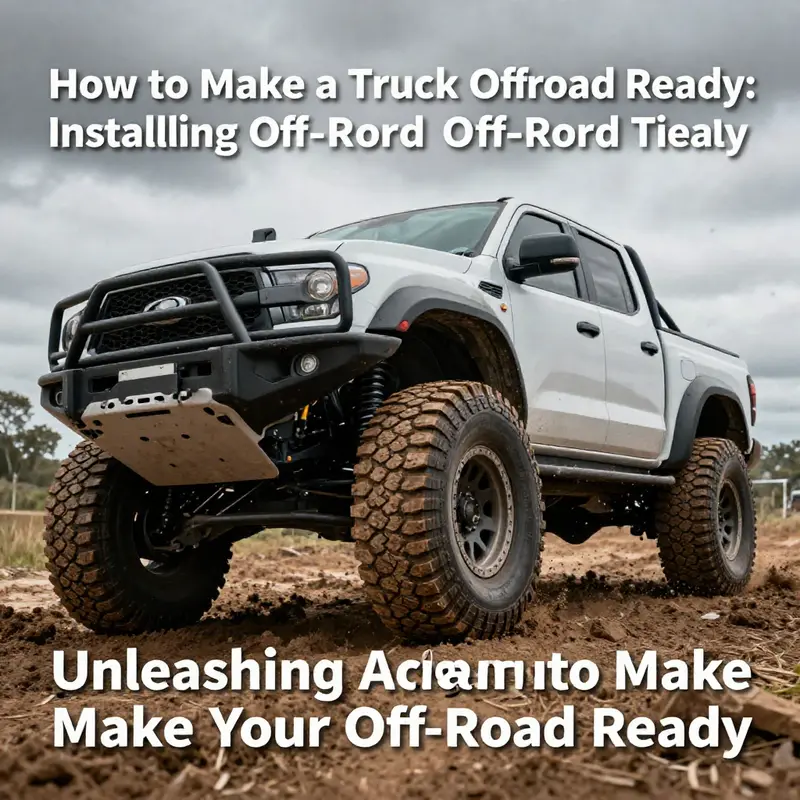
When it comes to preparing your truck for uncharted, rugged landscapes, two modifications stand at the forefront of any serious off-roading build: installing superior off-road tires and dramatically increasing ground clearance. These two elements work hand in hand to transform your truck from a mere highway machine into a durable, agile, and resilient partner for adventure. Off-road tires provide the traction, grip, and control necessary to negotiate uneven surfaces, while increased ground clearance ensures that your truck can safely overcome obstacles without risking undercarriage damage or compromised handling. In this chapter, we seamlessly explore the technical intricacies, the practical benefits, and the installation techniques that come together to make your off-road vehicle truly battle-ready.
The journey begins with off-road tires, which are designed to deliver unparalleled grip on surfaces where standard tires would quickly lose their well-earned traction. These robust tires feature deep, aggressive tread patterns sculpted to channel away mud and debris, thereby maintaining tire contact with the surface and reducing the risk of the truck becoming mired in loose soil or water. The tread patterns intelligently disperse concentrated pressure while offering enhanced bite on gravel and rocky terrains. Selecting the right tires for your vehicle is critical. You must consider factors such as tire size, load ratings, and compatibility with your truck’s specifications. For example, when considering modified setups like those on high-performance trucks, many off-road enthusiasts turn to tires that are specially designed for both durability and performance. The careful balance between tire width and aspect ratio ensures that the tread delivers maximum flow in challenging conditions without compromising the vital on-road stability required during everyday driving.
In addition to ensuring superior traction by means of the tire’s design, the material composition of these tires also plays a crucial role in off-road performance. Manufacturers have honed compounds that maintain flexibility even in extremely cold or hot environments, enhancing resistance to cuts, punctures, and abrasions. As such, the installation of off-road tires is not just a matter of swapping out the standard rubber; it is about selecting a tire engineered for conditions that push the truck’s capabilities to the limit. This process requires careful measurement and an assessment of alignment, balancing, and even the tire pressure. Lower tire pressures can improve the tire’s contact patch on soft terrain, leading to increased traction. However, running tires at lower pressures when on high-speed roads might lead to premature wear if not adjusted accordingly. The task is one of dynamic adjustment where proper tire inflation becomes a science in itself—one that every off-road enthusiast must understand to fully exploit the benefits of rugged tire technology.
While tire technology gives your truck the edge it needs on difficult terrains, increased ground clearance elevates this advantage by ensuring that your truck’s chassis and critical components remain unscathed by rocky outcroppings or deep ruts. Boosting ground clearance can be achieved through a combination of suspension upgrades, the strategic use of lift kits, and even the installation of specialized axle systems. Suspension upgrades typically involve high-performance shocks and robust springs that not only raise the overall vehicle height but also buffer the ride from the severe jolts often encountered on uneven ground. By absorbing impacts efficiently, these upgraded suspension systems help maintain tire contact with the ground, preserving the tire’s effectiveness as it grips rugged surfaces.
The adoption of a lift kit is another popular method for increasing ground clearance. Lift kits raise the entire body of the truck without drastically altering its overall geometry, allowing for larger off-road tires while maintaining the structural integrity of the vehicle. These kits, available in varying increments, can lift the truck by three to five inches or more depending on the desired performance and the intended off-road conditions. For heavy-duty vehicles, even a modest lift can significantly improve both approach and departure angles – two critical factors that determine how easily your truck can climb obstacles or safely descend steep slopes. A well-installed lift kit also enhances the truck’s overall stance, giving it a more rugged appearance that mirrors its enhanced capability.
Complementing these modifications is the use of alternative axle systems like the portal axle. Portal axles elevate the axle’s center well above the surface level without the need for extremely large tires, providing an elegant solution to the clearance challenge while optimizing performance. This axle configuration not only increases ground clearance but also enhances the vehicle’s stability, ensuring that the truck’s core components are well-protected during treacherous off-road excursions. The technology behind portal axles works by effectively lengthening the suspension travel, giving your truck a smoother ride even over obstacles that might cause standard axles to bottom out. Each component of this integrated approach is designed to work synergistically with the off-road tires, ensuring that the tire consistently maintains contact with the terrain regardless of bumps, dips, or sudden lateral shifts in the path.
Once the modifications are physically in place, a fine-tuned approach is necessary to ensure that the truck performs at its peak. It is critical to validate the installation of off-road tires and the lift components in controlled environments before taking the vehicle into full-blown off-road conditions. Many off-road enthusiasts take to specialized test courses that simulate the most challenging terrains to evaluate how well the new tires perform and how effectively the increased clearance preserves the undercarriage from damage. A comprehensive test should include a series of maneuvers such as acute turns, steep inclines and declines, and sudden stops. Each test scenario reveals insights not only about the tire performance but also about the interplay between the suspension, chassis stability, and the modified geometry of the truck.
Moreover, during these trials, fine-tuning adjustments are often necessary. The tire pressure might require periodic changes to find the optimal balance for different types of terrain. It is common to see off-road drivers carry portable tire inflators or deflators to adjust the pressure on the fly, enabling them to transition smoothly between different surfaces. Similarly, if the new suspension components allow for adjustable settings, drivers can fine-tune the preload and rebound characteristics to absorb impacts more efficiently. These adjustments are not only about performance; they are also about safety. Precise tuning ensures that the truck does not exhibit unpredictable handling, which could be perilous on a narrow, rugged trail. In essence, the combination of reliable off-road tires and increased ground clearance works best when integrated with an attentive driver who understands the nuances of vehicle dynamics.
A notable benefit of these enhancements is the improved versatility of the truck. Off-road tires with aggressive tread patterns contribute not only to enhanced off-road performance but also to improved adhesion on wet and snowy roads. This dual capability means that modifications made for off-road adventures do not necessarily compromise on-road behavior. In fact, many modern modifications are designed to provide an optimal balance between off-road prowess and everyday usability. Such versatility is invaluable in regions where weather and terrain can change rapidly, requiring the truck to adapt to shifting road conditions without sacrificing performance or safety.
In practical terms, installing off-road tires and implementing ground clearance modifications should be executed with precision and care. The process typically starts with a visual inspection of the truck’s suspension and undercarriage to ensure that there are no preexisting issues that could be exacerbated by the modifications. Once the baseline is established, the installation begins with the off-road tires. Technicians clean the wheel assemblies and use specialized equipment to correctly fit the new tires, paying careful attention to balancing and ensuring the tread is aligned properly. The tire mounting process involves calibration systems that measure the tire’s rotation and balance, which is essential for high-speed performance and longevity of the tires. A meticulous installation process minimizes vibrations, uneven wear, and potential damage during extended off-road journeys.
Similarly, the process of increasing ground clearance is executed with the same precision. Suspension modifications require the removal of existing shocks and springs, followed by the installation of components designed for higher travel distances. The physical installation of lift kits involves precise measurements to align the body and suspension, ensuring that no undue stress is placed on the truck’s frame. Once the components are installed, technicians perform rigorous tests to verify that the new configuration meets design specifications. In many cases, professionals also calibrate the electronic stability controls and other safety systems affected by the altered ride height. This integration process is essential to ensure that your truck maintains its handling characteristics, protects its mechanical components, and delivers consistent performance regardless of the off-road environment.
The relationship between tire performance and ground clearance is dynamic. Without adequate clearance, even the most robust off-road tires can encounter obstacles that force the truck to scrape or undercut the bumper or chassis, leading to potential mechanical damage. Conversely, even a truck with impressive ground clearance might suffer poor traction if equipped with tires that do not adequately grip the ground. In this light, the modifications mutually reinforce each other, creating a vehicle that is as safe as it is capable. This synergy of design elements is at the heart of what it means to make a truck off-road ready – every system, from the suspension and tires to the drivetrain and safety equipment, must perform in concert to achieve the highest possible level of performance and reliability in unpredictable conditions.
For enthusiasts who are serious about off-roading, investing time in mastering these modifications is an essential part of the hobby. Beyond the purely technical aspects, there is an emotional appeal to knowing that each component of your vehicle has been chosen and installed with care. It is a process that transforms a machine into an adventure partner. The thrill of navigating a rocky obstacle or conquering a steep incline is greatly amplified when you are confident in your truck’s powerful off-road tires and the extra space provided by your increased ground clearance. This confidence is built on the understanding that every detail has been optimized – from the tire’s traction capabilities to the suspension’s shock absorption, ensuring that when challenges arise, you are well-equipped to meet them head-on.
An additional resource for those interested in further technical depth is a comprehensive guide that delves into advanced modifications and maintenance procedures. For instance, our detailed exploration of complex engine and drivetrain adjustments can be found in an article on mastering diesel mechanics. This guide provides insights into tuning, power optimization, and enhancing overall durability, thereby completing the picture of a truck that is not only capable off the beaten path but also reliable on conventional roads. For more on the interplay between engine performance and off-road modifications, you might find valuable insights in this comprehensive diesel mechanics guide. Understanding the full spectrum of modifications reinforces the concept that every change, no matter how small, is part of a holistic strategy to maximize performance and safety.
When all of these improvements come together, the truck transforms into a finely tuned piece of off-road machinery. The rugged tires, carefully selected for their grip and durability, pair perfectly with the enhanced ride height provided by effective ground clearance modifications. The end result is a vehicle that can traverse muddy trails, brush aside large rocks, and handle steep inclines with a confidence that comes from meticulous engineering and thoughtful design. This transformation is both a technological achievement and a personal triumph—a testament to the effort and attention invested in making the truck capable of overcoming nature’s most formidable challenges.
Finally, as you embark on your journey to configure your truck for off-road adventures, it is vital to appreciate that these modifications are not static. The performance of off-road tires and lifted suspensions often evolves over time as the truck adapts to changing conditions and wear patterns. Regular maintenance, periodic inspections, and small adjustments along the way ensure that your vehicle remains in peak condition. Keeping an eye on tire wear, suspension integrity, and even recalibrating your tire pressure monitoring systems are all part of the ongoing process of keeping your truck adventure-ready. With every journey and every challenge overcome, you learn more about managing the complex balance between traction, clearance, and overall performance.
For those seeking further practical insights, the detailed instructions provided in external resources can be invaluable. As mentioned earlier, the BFGoodrich Off-Road Tire Installation Guide offers authoritative advice on proper mounting techniques, balancing procedures, and even tire alignment strategies. This external resource, available at BFGoodrich Off-Road Tire Installation Guide, provides step-by-step visual diagrams and expert tips that can further enhance your understanding and ensure that your installations are both safe and effective.
Embracing these modifications means entering a world where every technical improvement is part of a larger vision—a vision of adventure, durability, and the unyielding drive to conquer uncharted environments. The process of installing rugged off-road tires and enhancing ground clearance is not merely a project; it is a commitment to excellence that redefines what your truck is capable of. Each installation, each adjustment, and every careful calibration is a stepping stone to a more capable, reliable, and exhilarating off-road experience.
In summary, the integration of off-road tire installation and increased ground clearance represents a meticulous blend of engineering, practical know-how, and passion for the outdoors. This chapter emphasizes that the journey to making your truck off-road ready is as much about preparation and precision as it is about adventure. By ensuring that your truck is equipped with the right tires and that every critical component is elevated to meet the demands of rough terrain, you lay the foundation for memorable journeys and challenging expeditions, ready to be conquered with confidence and skill.
Mastering Off-Road Resilience: Uniting Traction Enhancements and Recovery Tools for Ultimate Truck Performance

Building an off-road truck that stands tall against the toughest terrains demands far more than a mere engine upgrade or a cosmetic lift. It requires a comprehensive approach that centers on two critical aspects: enhancing traction and equipping your machine with robust recovery tools. Each of these elements plays a pivotal role in ensuring that your truck not only performs well on smooth highways but also conquers the unpredictable challenges of off-road environments. In this chapter we delve into the integration of advanced traction systems and recovery apparatus, creating a unified strategy for off-road resilience and reliability.
A truck’s ability to grip challenging surfaces is a foundational pillar of off-road performance. At the heart of this capability lies the power of high-quality, all-terrain tires coupled with modern technology that allows for on-the-fly adjustments. Upgrading to tires designed for extreme conditions, with aggressive tread patterns and reinforced sidewalls, provides the necessary contact and grip on uneven surfaces such as mud, sand, gravel, and rock. Tires with taller sidewalls and robust designs are capable of absorbing shocks while preventing punctures and maintaining traction where conventional tires might fail. A carefully selected set of off-road tires is often the difference between a sustained journey through rugged landscapes and getting stranded in the middle of a rocky pass.
The technology behind tire performance has also advanced with the integration of tire pressure monitoring systems (TPMS) and portable air compressors. These devices are not mere accessories; they form an integral part of your off-road arsenal. Lowering the tire pressure in soft terrain increases the tire’s contact patch with the ground, enhancing grip, while inflating them when you hit harder surfaces preserves your tire’s structural integrity and reduces wear. Such adjustments are essential, as the ideal tire pressure may vary from a loose, muddy trail to a rocky incline. A driver who is equipped with a reliable TPMS and an onboard compressor can quickly adapt to changing conditions, ensuring optimal traction regardless of the terrain. This type of technological synergy between the tire and its operating environment illustrates how a smart integration of modern tools significantly elevates your off-road capabilities.
Beyond tire enhancements, ensuring that power is effectively transferred to the ground is crucial. Differential locks serve this purpose with remarkable efficiency. In a conventional differential system, one wheel may spin freely on a slippery surface while the other struggles for grip. By installing a differential locker, both wheels on the same axle are forced to rotate at the same rate, even if one loses traction. This secure power distribution translates into improved performance in deep mud, sand, or snow. The decision to add front or rear differential locks, or even a selectable locking differential, should be tailored to your specific off-road needs. When the environment is unpredictable and obstacles abound, having a differential locker on board means that a single lost grip does not spell disaster.
Equally important in the quest for traction is the truck’s suspension system. Performance suspension upgrades, such as a lift kit accompanied by heavy-duty shocks and springs, dramatically enhance a truck’s capacity to navigate uneven surfaces. A performance suspension not only increases ground clearance but also improves wheel articulation, ensuring that the tires remain in contact with the road at all times. This constant contact maximizes the grip offered by your enhanced tires. Suspension upgrades allow the truck to absorb the impact of rocks and ruts while delivering stability and control. They enable modifications that are finely tuned to the particular challenges of off-road driving, ensuring that every component from tire to transmission works in harmony.
Achieving superior traction is only part of the formula for off-road readiness. Equally essential is the suite of recovery tools that ensure you are never left stranded after encountering unexpected obstacles. A high-capacity winch installed on a sturdy front bumper is one of the first lines of defense against becoming immobilized. Whether you face a deep rut or a muddied ditch, a winch can pull you back into moveable terrain. The winch transforms the truck into a self-sufficient rescue vehicle, capable of recovering itself or even assisting fellow off-road enthusiasts. When investing in a winch, it is essential to choose one that offers ample capacity to handle the weight of your truck under stress. Equally critical is the quality of the cable or synthetic rope, as it must be durable enough to withstand repeated use and extreme conditions.
In tandem with a winch, recovery straps or chains come into play as versatile and indispensable tools. Made from high-tensile materials and often equipped with ratchet systems, these recovery aids allow you to establish solid anchor points that can be critical in extracting your vehicle from challenging spots. Whether you attach a strap to a nearby tree or another vehicle, its role is to create enough pulling power to overcome the resistance of muddy or sandy surfaces. Recovery straps are lightweight and portable, making them an ideal companion when traversing remote areas where assistance may be far away.
Beyond winches and straps, a well-prepared off-road truck is also equipped with a portable air compressor. This tool not only supports the modulation of tire pressure as already discussed, but it serves multiple roles in maintaining and restoring your vehicle’s readiness for difficult conditions. A portable air compressor can help re-inflate tires after deliberate deflation during off-road excursions, thereby improving handling on highways or pavement. In some cases, an air compressor can even be used for clearing water from brake lines after an unexpected deep water crossing. With its multifaceted utility, this tool is a small yet pivotal element in ensuring that all systems are optimally aligned for extended journeys.
In addition to these mechanical and technological upgrades, physical recovery tools such as shovels and recovery boards are critical. A durable shovel is invaluable when faced with the need to dig out entrenched tires or clear debris from around the wheels. Its robust design allows it to serve multiple functions, whether it is used to dig a pathway for your truck or to create a stable base for other recovery tools. Similarly, recovery boards—sometimes referred to as sand mats—offer an immediate solution when your tires lose grip. By placing a recovery board under a tire, you provide a stable platform that can transform an otherwise slippery surface into a secure footing for your vehicle. This simple, yet effective tool, integrates seamlessly with the broader spectrum of off-road gear, underscoring the need for a holistic approach to truck modification.
The synthesis of traction enhancements and recovery tools is not merely a matter of assembling parts; it requires an integrated strategy that considers the interplay between various systems. For instance, while upgraded tires and TPMS systems improve your truck’s primary ability to grip the surface, they are most effective when the drivetrain and suspension are equally responsive. Engineers and off-road experts suggest that aligning these components results in a vehicle that is not only more capable and durable but also more forgiving and safer when confronted with adverse conditions. A truck that has been meticulously modified to excel in the off-road arena becomes a partnership between driver and machine—one that leverages performance enhancements and recovery strategies synergistically.
An often-overlooked facet of truck customization is the emphasis on regular testing and fine-tuning. Off-road modifications are subject to the unpredictable forces of nature, and even the most robust enhancements require continuous evaluation. This iterative process ensures that each component, from a newly installed differential lock to a freshly mounted winch, is performing exactly as anticipated in real-world conditions. Test runs on dedicated off-road courses not only validate the performance of the modifications but also highlight areas that might need additional adjustments. As part of this process, paying attention to details such as shock preload, tire pressure, and alignment can significantly improve both traction and recovery performance. Only through diligent monitoring and systematic tuning can the full potential of your modified truck be realized.
Furthermore, the integration of these modifications should always be accompanied by a focus on safety. The rugged nature of off-road driving means that the stakes are often high, with every decision on the trail having a direct impact on your well-being. Equipping your truck with supplemental safety features—such as reinforced skid plates, upgraded brake systems, and additional lighting—creates a safety net that protects both the vehicle and its occupants. While enhanced traction and recovery tools provide operational excellence, they must be balanced with preventive measures to mitigate risks associated with high-impact driving situations. The careful installation of safety features alongside performance upgrades ensures that every off-road venture is as secure as it is exhilarating.
It is also vital to consider the maintenance and periodic adjustment of your modifications. Recovery tools, in particular, are subject to wear and environmental degradation. Regular inspections and proactive maintenance routines—for example, checking the integrity of winch cables, ensuring the proper functioning of air compressors, and verifying the condition of recovery straps and chains—can prevent unexpected failures in critical moments. By scheduling routine checks and servicing your gear, you not only extend its lifespan but also maintain the reliability that is so crucial when you’re hundreds of miles away from the nearest mechanic.
Integrating these multiple forms of traction and recovery enhancements into one cohesive system is an art form in itself. The process begins with a thorough assessment of the truck’s existing capabilities. Understanding the unique strengths and weaknesses of your vehicle sets the stage for a targeted approach, where each upgrade is selected based on specific performance metrics rather than as an afterthought. This systematic method transforms the truck into a finely tuned machine capable of meeting the grueling demands of off-road terrain. The cumulative effect of these modifications is not just increased performance—it is a comprehensive transformation of the truck’s character.
For those who are eager to delve even deeper into the technical aspects of truck performance, there is value in exploring complementary areas of modification. For example, incorporating lessons from a detailed guide on advanced truck performance can further enhance the efficiency of your recovery and traction systems. This is evident in many practical scenarios where the interplay between engine performance and recovery capability can optimize overall results. In fact, a deeper understanding of diesel mechanics can contribute to the customization process. Check out this article on mastering diesel mechanics on a step-by-step path to success to explore how finely tuned power delivery systems can further support these modifications.
The journey toward creating an off-road ready truck is an ongoing process of learning, experimenting, and adapting. It is a melding of raw mechanical power with precision engineering, where every added feature—be it an advanced TPMS unit, a rugged off-road tire, or a high-capacity winch—plays a part in establishing a resilient, adventure-ready vehicle. The true beauty of off-road modifications lies in this harmonious blend. Each component, while effective on its own, truly shines when working in lockstep with a suite of other enhancements designed to mitigate the challenges of nature.
Equally compelling is the mindset required to make these modifications work in real-world conditions. Off-road driving is as much about preparation and knowledge as it is about modifications. A driver must not only be proficient in handling the machine but must also be equipped with the know-how to troubleshoot issues on the fly. Whether it’s understanding the appropriate tire pressure for a given terrain or knowing exactly how to deploy a recovery board in a sticky situation, operational competence is an essential part of the off-road equation. This blend of technical modifications and practical know-how forms the backbone of a truly off-road ready truck.
In blending traction enhancements with recovery tools, a truck’s owner forges an alliance between technology and tenacity. Every element—from the low-profile, aggressive tread pattern of an off-road tire to the dependable pull of a well-installed winch—serves as a testament to the advances in automotive engineering and the spirit of adventure. This intricate relationship is what transforms a standard truck into a formidable machine that thrives in extreme conditions. It is this same robust design philosophy that empowers drivers to embark on journeys where the path is uncharted, and the terrain, though treacherous, is full of promise.
Such a high level of off-road preparedness is not achieved by merely following standard modification blueprints; it is cultivated through a process of continuous learning and careful adaptation to the environment. With each expedition into difficult terrain, drivers acquire insights that challenge conventional wisdom and spur further innovation in their approach. It is this relentless pursuit of perfection that drives enthusiasts to constantly refine their trucks. Whether it is adjusting the settings on sophisticated suspension systems or rethinking the layout of recovery gear for easier accessibility, such modifications become part of a dynamic evolution geared toward unmatched performance.
The final piece of the puzzle is a commitment to ongoing education and practical experience. Off-road environments are unpredictable, and even the best-laid plans can be tested in the field. Periodic evaluation of the truck’s performance under stressful conditions can reveal subtle insights that lead to further refinements. This proactive stance means that every drive serves as both a test and an opportunity for incremental improvement. In embracing this iterative process, off-road enthusiasts ensure that their vehicles remain as agile, responsive, and resilient as the very challenges they are designed to overcome.
Ultimately, the synthesis of enhanced traction components with versatile recovery tools not only elevates a truck’s off-road credentials but also reinforces a core philosophy: preparedness paired with innovation yields the best outcomes. As you continue to modify and fine-tune your off-road truck, remember that every enhancement—from an upgraded tire to an advanced winch—contributes to a broader strategy of overcoming obstacles and embracing adventure. This holistic approach is what transforms a standard truck into a true off-road warrior.
For enthusiasts seeking further insights into the broader landscape of off-road innovation and advanced vehicle modifications, additional resources are available that cover a range of related topics. One such resource that offers in-depth analysis and technical guidance is The Drive. Their articles provide a wealth of expert advice that complements the practical strategies outlined here, ensuring that your journey into off-road mastery is as informed as it is adventurous.
In conclusion, the essence of making a truck off-road ready is captured through an unwavering focus on both enhancing traction and arming your vehicle with indispensable recovery tools. When these elements work together, you not only boost the performance of your truck but also secure the confidence to explore untamed territories. It is this integrated approach that ultimately defines the resilience and agility required for true off-road success.
Final thoughts
Equipping your truck for off-road challenges is not merely an investment in machinery; it’s an investment in unforgettable experiences and unforgettable adventures. Selecting a solid base vehicle, enhancing the suspension, installing robust tires, and implementing reliable recovery tools comprise the essence of an off-road-ready truck. As you venture into the wild, remember that each modification unlocks new possibilities, drawing you closer to the rugged landscapes and the thrill of exploration. Approach this enthusiastically, tailor your truck to your needs, and let every adventure be a testament to your off-road ambitions.