
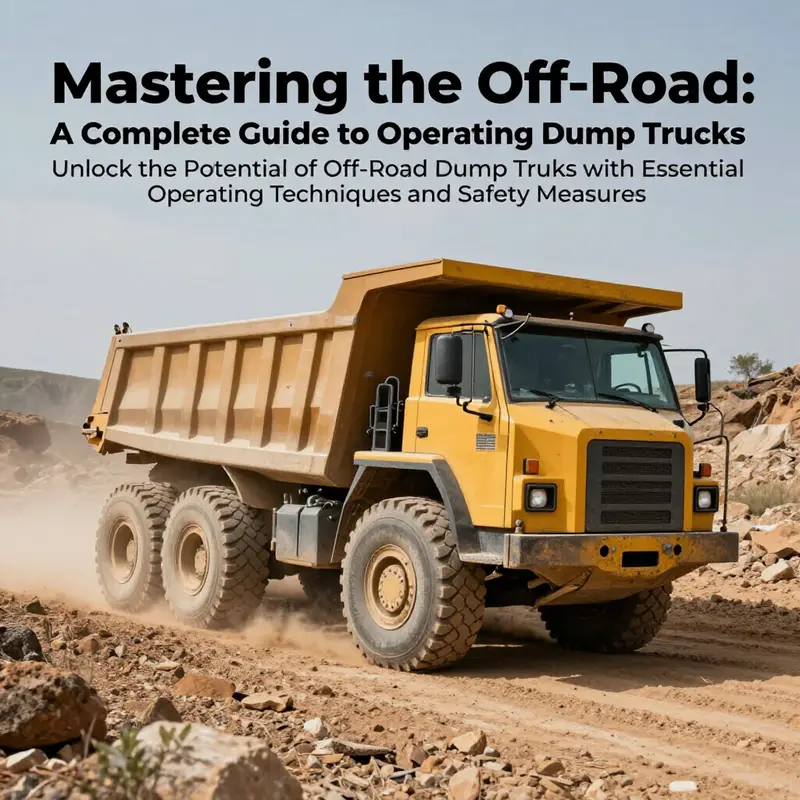
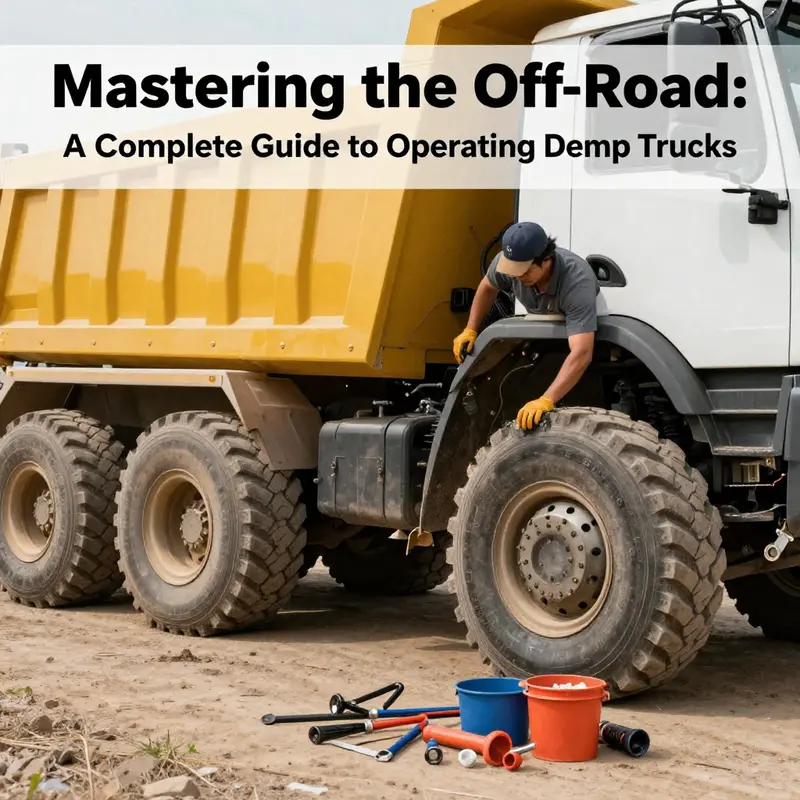
Operating an off-road dump truck is not just about moving materials from point A to B; it’s about mastering a powerful machine designed for rugged terrains. As off-road enthusiasts and adventurers, you understand the thrill of navigating challenging landscapes while executing vital functions on the job. From farmers managing rural properties to racing fans seeking the adrenaline of heavy equipment, knowing how to operate these dump trucks correctly is essential. This guide breaks down the critical phases of off-road dump truck operation, highlighting pre-operation checks, engine start-up procedures, lifting techniques, and post-operation protocols. Embracing these principles will not only enhance your proficiency but also ensure inspired safety on the job.
Before the First Lift: Essential Pre-Operation Checks for Safe, Grounded Off-Road Dump Truck Work
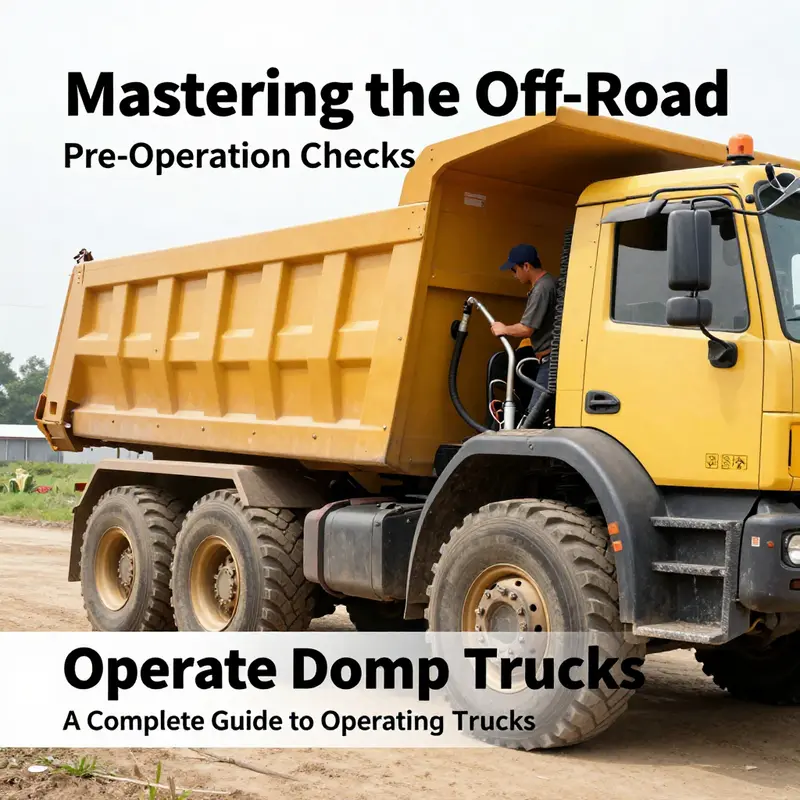
On the edge of rough terrain, where rock, dust, and unpredictable ground conspire to challenge a machine, the difference between a controlled, safe operation and a costly, dangerous failure is not the power of the engine or the heft of the dump bed. It is readiness. The pre-operation checks are the quiet, methodical ritual that translates a driver’s intent into safe motion. They are not mere formalities; they are the primary line of defense against overloads, leaks, and surprises that can arise in minutes when a vehicle works in off-road conditions. A disciplined approach begins with the operator, who enters the cab not as a mere operator but as a coordinator of multiple systems—engine, hydraulic pumps, transmission, brakes, dump mechanism, and the surrounding environment. The first principle is qualification. A valid special vehicle operation license and a solid foundation of training—typically measured in hours rather than days—form the baseline. Without that baseline, the risk multiplies. The worksite that demands off-road competence is unforgiving, and the landscape rarely forgives error. The operator’s readiness then becomes not just a matter of safety but of efficiency. When a crew member knows what to check, how to check it, and why each check matters, the day’s tasks flow with fewer interruptions and fewer last-minute improvisations. The pre-operation routine, in its essence, embodies this outlook. It begins with human readiness—ensuring the person in the seat is focused, rested, and aware of the site conditions—then moves outward to the machine and its subsystems. The checks cover a spectrum, from the visible to the invisible, from what can be seen with a quick glance to what requires a deliberate test. The aim is not to catch every problem at once but to build a progressive confidence that the truck is ready to perform its role with predictable stability. One of the most vital elements is the verification that the operator possesses the appropriate qualifications and has completed a meaningful amount of professional training. The rig demands more than familiarity; it demands competence. A well-trained operator reads the site, anticipates shifting load demands, and understands the limits of the vehicle’s capabilities. Next, the checks reach the heart of the truck’s structural integrity. The load-bearing components—particularly the chassis, suspension, and frame—must show no signs of cracks, deformation, or excessive wear. In off-road environments, the stresses are uneven, and over time those stresses can manifest as subtle misalignments or hairline fractures. A casual glance is not enough; a thorough visual inspection follows, seeking fatigue signs where metal meets weld, where suspension arms join the frame, where axles soak up the impact of a heavy load over uneven ground. The hydraulic system, which powers the lift and dump functions, sits at the center of operational risk. Any leak, bulge, or damaged hose is not just an expense but a potential hazard. The integrity of hydraulic lines is checked along their entire length, carefully tracing routes that may expose lines to sharp edges or pinching. Fluid levels must be within the recommended range, and the fluid itself should be clean and free from contaminants. Contamination is a frequent culprit behind sluggish or erratic lifting—a symptom that can mask more serious issues if left unchecked. This is why routine maintenance remains non-negotiable: replacing or replenishing hydraulic oil on schedule, typically around every 500 working hours, preserves system performance, protects seals, and reduces the likelihood of operational surprises. The dump body’s locking mechanism is another crucial safety hinge. A malfunction here can convert a secure load into a hazardous projectile if movement occurs while the vehicle is in transit or during a shift in terrain. The lock must engage solidly and hold the cargo during transit, with no play that could permit partial dumping or unsecured movement. A quick functional check often follows the structural inspection, confirming that the mechanism locks and unlocks as intended and that there are no obstructions that could impede engagement. Tires and braking systems receive careful attention too. The off-road environment subjects tires to uneven wear, cuts, and heat, while braking systems must perform reliably when traction is compromised by dust, moisture, or slope. Inflation, tread depth, and the absence of damage are assessed, and the brakes are tested to ensure service and emergency functions respond promptly. A truck with compromised braking or worn tires is not simply a performance risk; it is a safety liability that magnifies every hazard present on a rough worksite. Safety equipment is not a decorative add-on but an operational necessity. Seat belts, warning lights, horns, mirrors, and fire extinguishers must be present and operational. The checks expand to the environment as well, because ground conditions on a mine, quarry, or remote construction site are a constant variable. The operator looks for slope angles, ground stability, and the presence of soft spots or hidden obstacles that could destabilize the truck when the dump body begins to rise. A slope of five degrees or less is a common guideline for safe lifting, and surfaces must be stable enough to bear the truck’s loaded weight without shifting unexpectedly. If unloading near trenches or pits, safety barriers and clear zones should be in place to prevent close-quarters hazards. The checks also encompass cargo loading. The rule of thumb—never to exceed 90% of the truck’s rated load capacity—serves both safety and reliability. Overloading strains the hydraulic system, raises the center of gravity, and increases the risk of rollover or equipment failure. This practical limit is an essential discipline that aligns engine output, hydraulic demand, and vehicle stability with a margin for the dynamic forces encountered during dumping. The functional test, conducted in a controlled area, ties the checks together. A brief run verifies that the dump mechanism operates smoothly, that controls respond accurately, and that there are no unusual noises or vibrations. Any anomaly here triggers a pause in operations. The operator has to stop, reassess, and resolve the issue before proceeding. The sequence is not about catching every fault in one pass but about creating a defensible routine that becomes second nature. The pre-operation phase thus embodies a philosophy of proactive risk management. It treats safety as a continuous state rather than a one-off checklist, integrating human readiness with mechanical reliability and environmental awareness. In practice, the routine becomes a shared language on the worksite. Supervisors expect, and rightly demand, that operators approach each shift with the same disciplined mindset. They know that missing a single check can cascade into a series of events that escalate risk—from a minor hydraulic leak that worsens under load to a misread ground condition that leads to a rollover. The narrative here is not about memorizing a long list but about cultivating an attention to detail that stabilizes every subsequent action: from engine start and PTO engagement to the moment the dump body lowers back to rest. The pre-operation checks also invite a broader view of maintenance. They are the gateway to a maintenance culture that tracks hours, schedules oil changes, and documents issues so they can be analyzed and addressed. This practice reduces downtime and extends equipment life by ensuring that the truck works within its designed tolerances, does not operate with compromised components, and retains predictable performance under demanding off-road conditions. In this sense, the checks create a feedback loop between operation and maintenance. Operators identify symptoms in daily use, mechanics verify the root causes, and management uses the data to plan service intervals and parts upgrades. A well-documented routine supports safety, accountability, and efficiency, turning a potentially dangerous task into a controlled sequence that respects the terrain and the cargo. For readers seeking to deepen their understanding of mechanical reliability beyond the immediate pre-start checks, broader insights into diesel systems and maintenance practices can be found at Mastering Diesel Mechanics: Your Step-by-Step Path to Success. This reference is not a replacement for site-specific procedures but a resource that expands the operator’s toolbox for diagnosing, understanding, and addressing the kinds of issues that emerge in heavy-duty, off-road work. As part of the ongoing commitment to safety and efficiency, operators should also keep in mind the explicit guidance that comes from manufacturers’ manuals. The emphasis on following the official procedures—without deviation unless a supervisor approves a clear safety justification—helps ensure that the truck’s integrity is preserved under load and on rough ground. Finally, the chapter on pre-operation checks closes with a reminder of the broader ecosystem surrounding off-road dumping operations. The vehicle is one element in a complex system that includes the ground, the loads, the weather, the other workers, and the site’s safety barriers. Each element interacts with the others, and a single lapse can shift the balance from productive work to dangerous exposure. A disciplined routine, therefore, must harmonize all these factors, sustaining a steady tempo of movement that respects both the machine and the people nearby. When the routine is performed diligently, it becomes the quiet confidence behind every lift, every discharge, and every return to a safe, resting position. The operator’s responsibility, then, is not merely to run the controls but to maintain an ongoing conversation with the truck, the terrain, and the team about what is safe to do now, what demands caution, and what must be deferred until conditions improve. In this way, the pre-operation checks are not a ritual of fear but a disciplined practice of preparation. They turn uncertainty into informed action and risk into manageability. They are the first line of defense that preserves life, protects assets, and keeps the work moving forward with the minimum disruption that unsafe work would inevitably cause. External resource: https://www.cat.com/en_US/products/equipment/dump-trucks.html
Ignition Rhythm: Safe Start-Up and System Engagement for Off-Road Dump Trucks
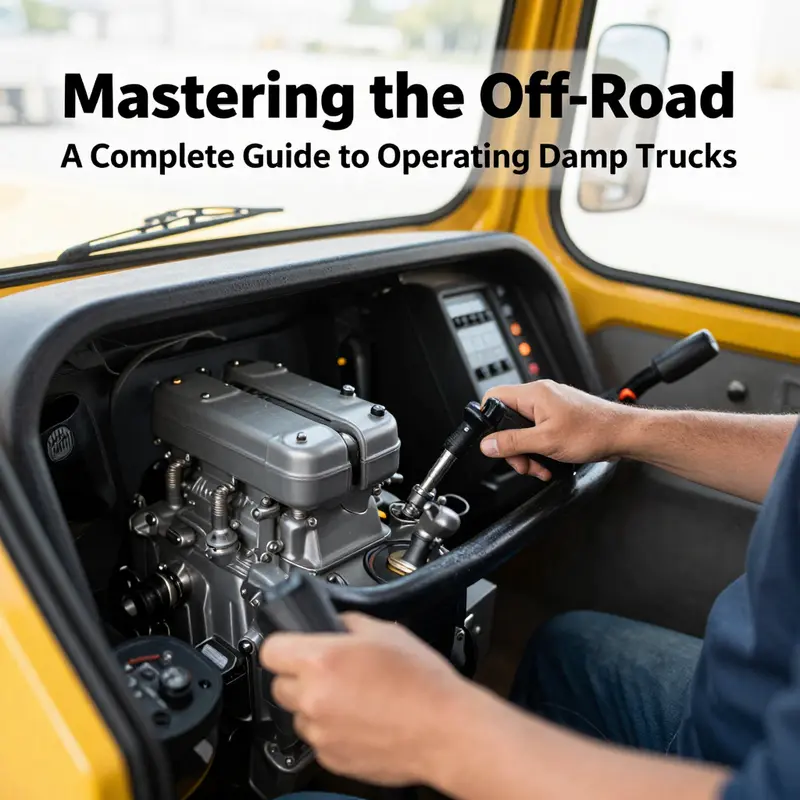
The moment a crew arrives at a site with an off-road dump truck, the day’s work hinges on a precise, disciplined start-up rhythm. It’s more than pulling a starter lever or pressing a button; it is a sequence that blends attention to safety with a mechanical courtesy to the machine. When done correctly, the start-up becomes the foundation for productive cycles, clean dumps, and a workday that stays in control even in uneven terrain. The chapter that follows threads the critical steps with a mindset that keeps people, the truck, and the operation itself aligned. It isn’t a checklist so much as a trained, practiced flow that operators cultivate until it becomes instinctive. Within this rhythm lie pre-start awareness, a measured ignition, and a cautious but confident engagement of the system that powers the dump body and its hydraulic heart.
The first act in this rhythm is pre-start safety and environmental awareness. An off-road site is a dynamic place: dust can obscure hazards, uneven ground can shift under load, and nearby personnel may be working within sight or just beyond it. Clear the area as a rule of thumb before you even approach the cab. Look for any obstacles that could trap a tire, snag a hydraulic hose, or interfere with the dump body as it moves. The second layer of readiness concerns fluid integrity and the physical condition of the truck. Check engine oil, coolant, hydraulic fluid, and fuel to ensure they are at the recommended levels. Inspect tires for proper inflation and any visible damage, and give the brakes and steering a quick, qualitative check—if the brakes feel spongy or if the steering doesn’t respond predictably, the truck should not be started. Lighting, signals, and backup alarms need to function. In such an environment, lights throwing a distraction or a bell that doesn’t ring when the truck moves could cause a critical misread of the truck’s intentions by others nearby. The essence of this stage is vigilance, not haste. As one seasoned operator likes to say, the truck’s health and the site’s safety share the same air of attention, and one careless turn can erase days of careful planning.
Once the site and the truck pass the safety screen, preparation for startup becomes the next movement in the rhythm. The operator should ensure the controls are in their correct positions before ignition. For a manual-transmission system, the gear shift must be in neutral, and the clutch pedal must be fully depressed. The parking brake should be engaged to prevent any unintended movement as the engine comes to life. Inside the cab, the operator should adjust the seat for full reach to pedals and levers, fasten the seat belt, and verify that mirrors are properly positioned for maximum visibility. These adjustments are not mere comfort; they are safety-critical because precise control depends on an unobstructed view of the dump body, tailgate, and surrounding ground.
Starting the engine then follows a straightforward sequence that varies slightly with ignition design, but the underlying safety logic remains constant. For key-based ignition, the ignition switch is first turned to the ON position to power electrical systems and allow self-diagnostics to occur. A brief pause—typically about 5 to 10 seconds—lets warning indicators cycle and settle. The clutch remains fully depressed during this initial moment to ensure the engine cranks without loading the transmission. When the driver is ready, the key is turned to START while the clutch is still engaged. The engine should catch and begin to run, at which point the driver releases the key, letting the ignition return to the ON position as designed. A critical advisory is never to crank for too long in one attempt—excessive cranking can overheat the starter or drain the battery. If the engine fails to start after a couple of attempts, a brief pause is warranted, and the operator should re-check for obvious faults before retrying.
Some trucks use push-button starts, especially in newer or mixed fleets. In these cases, the operator sits in the seat, keeps the key fob in range, presses the brake (or clutch, depending on transmission) and then activates the start function. The dashboard should illuminate with normal operation, and any fault codes or persistent warning lights require attention before proceeding. Diesel engines often feature a glow plug indicator; waiting for this preheat indicator to extinguish before cranking helps ensure combustion readiness, particularly in cold conditions. Heeding these nuances is more than a matter of procedure; it directly affects the longevity of the engine and the reliability of the hydraulic system that powers the dump body.
After the engine fires, a short warm-up period follows. Allow the engine to idle for two to five minutes, with longer waits in cold weather or after extended shutdowns. This warm-up period builds oil pressure, circulates fluids through the system, and brings the hydraulic pump and other heart components to a stable operating temperature. During this time, the operator should monitor the dashboard gauges for abnormal readings: oil pressure that is too low, coolant temperature that is rising too quickly, or electrical warnings that could indicate charging system trouble. It is during this phase that the operator develops a feel for the truck’s baseline of behavior. If anything seems out of the ordinary, it is prudent to pause and investigate rather than forge ahead.
With the engine idling and the system warmed, the next step is to engage the hydraulic system gradually, ensuring that the dump body and associated functions respond correctly. The hydraulic pump is driven by the engine via a power take-off, or PTO, which must be engaged before the lift sequence can commence. The PTO’s purpose is to connect the engine’s power supply to the hydraulic pump and allow hydraulic pressure to build so that the dump body can rise. Depending on the truck’s layout, the PTO activation may be indicated by a dashboard light or a specific switch at the dash or console near the steering column. The critical practice here is to confirm PTO engagement before any lift attempt. A misstep—trying to raise the dump body without sufficient hydraulic pressure—can cause a stall, a hydraulic fault, or a dangerous load shift.
When PTO engagement is confirmed, the operator proceeds to the lift sequence with deliberate, controlled motion. The truck should be parked on a level surface, ideally with a ground slope of less than five degrees to minimize the risk of tipping during the lift. It is essential that no personnel are within a safe radius—the directive is to maintain a minimum distance, often around five meters, from the truck during dumping. The clutch is depressed and the transmission placed in neutral if not already in neutral. The lift control is then activated to raise the dump body. The throttle is used conservatively to regulate lifting speed, avoiding rapid movements that could destabilize the vehicle or cause the load to shift abruptly. As the dump body lifts, the operator watches for the rear door or tailgate to open automatically. If it fails to open, the procedure requires a safe, manual clearance using an appropriate tool such as a rod or hammer, never hands or body parts, to avoid injury.
The lifting continues to the maximum tilt angle, which is typically around 55 degrees for many off-road dump configurations. At this peak angle, gravity naturally facilitates the discharge of material. The operator should hold the dump body at the peak for a brief interval—long enough to ensure complete discharge but not so long that the truck or its surroundings are exposed to unnecessary risk. Abrupt, uncontrolled dumping can damage the dump bed or tailgate, stress the hydraulic system, or generate dangerous material splash. After discharge, the lift cycle is reversed with care: return the lift control to the neutral position and allow the dump body to descend slowly under gravity. A forceful or rapid return can shock the hydraulic circuit, causing wear or misalignment that reduces system fidelity. Once the dump body returns to its resting position, the tailgate should be checked to ensure it has closed securely. If it is still open, a brief lift cycle to reposition it may be needed, but avoid forcing the system by quick repetitions
Post-lift and post-operation tasks complete the start-up cycle. The operator disengages the PTO, then powers down the engine. Even as the truck winds down, there is routine maintenance to consider. Cleaning debris from the dump body and undercarriage, logging hours of operation, and scheduling maintenance tasks—such as hydraulic oil replacement every several hundred working hours—are essential parts of keeping the machine reliable. These activities aren’t mere housekeeping; they are practical investments in a machine that lives in tough environments. Documenting any unusual behavior or malfunctions to supervisors helps close the loop between daily work and long-term reliability. A disciplined operator treats each start-up as an opportunity to reinforce safety and to set the tone for the day’s work. The flow becomes a habit, a sequence that reduces decision fatigue and keeps the team aligned on safety and efficiency.
This integrated approach to starting and engaging the system is more than a rote ritual. It builds confidence in the machine’s behavior and in the operator’s own readiness to handle the unexpected that off-road sites invariably present. The mid-day routine may demand adjustments—temperature shifts, changing load characteristics, or variations in terrain—but the core rhythm remains intact: assess, secure, prepare, start, engage, lift, dump, lower, and reset.
Lifting the Dump Body with Precision and Safety
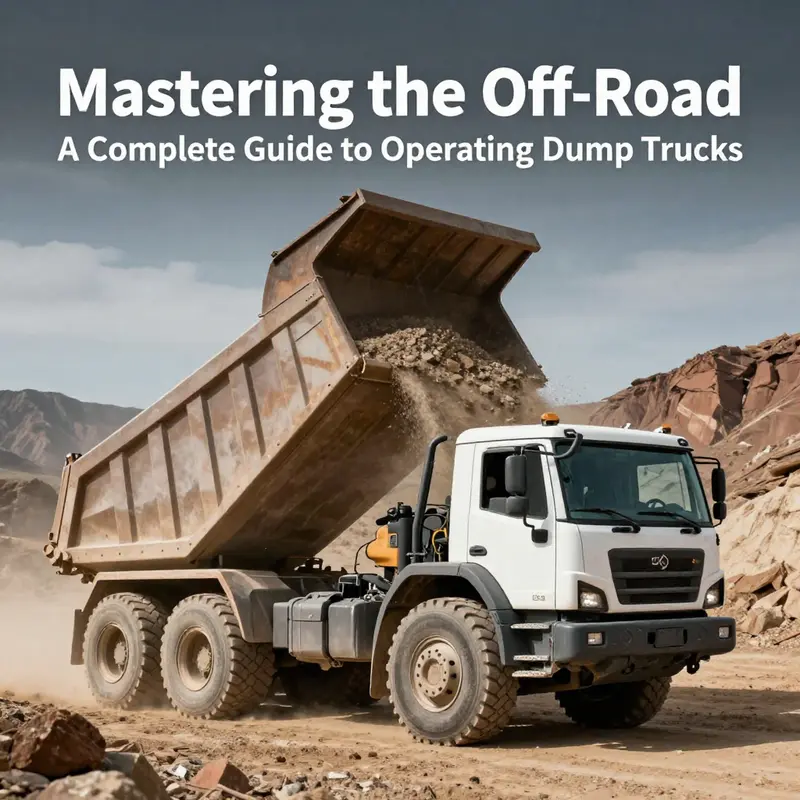
In off road work, the dump truck is a platform that requires discipline in every lift. The operator begins with a level ground check and a clear area around the vehicle. A five meter safety radius is a prudent minimum. Inspect hydraulic hoses and cylinders for leaks and check the hydraulic fluid level. Look for tire or suspension issues that could affect stability during the lift.
Before lifting, the operator tests the lift mechanism, brakes, warning devices, and PTO indicator. The load must not exceed ninety percent of the rated capacity. This precaution helps keep the center of gravity within safe limits and reduces the risk of sudden instability during tilt.
Engine start and system engagement: transmission in neutral, parking brake applied, engine started, clutch held to keep drivetrain disengaged. Engage PTO to power the hydraulic pump. Confirm PTO through a dashboard indicator if present.
Lift behavior: the control is near the driver seat. In neutral, the operator uses the raise control and modulates throttle to manage hydraulic flow. Raise gradually for a smooth ascent that preserves stability and minimizes load shift.
During lifting, monitor tailgate and rear area. If tailgate fails to open, stop and address the issue. Keep hands clear of moving parts. Watch for overhead hazards and ground obstacles. Use level or gentle slope to minimize tipping risk; avoid lifting on steep grades.
Discharge phase: height should allow material to fall out; hold briefly to ensure complete discharge. Sudden movements should be avoided to prevent momentum shift.
Descent and post operation: lower slowly; level the body; ensure tailgate is closed; recheck area. After the lift, disengage control and power down engine. Clean the bed, document any anomalies, and schedule maintenance as needed. Wear PPE during operation: hard hats, high visibility, and steel toed boots.
Effective practice combines pre checks, standard procedures, maintenance, and a culture of learning from near misses. Operators should continue training and follow safety rules such as never lift with people in the vicinity and never exceed vehicle capacity. An ongoing program to maintain hydraulic health and inspect seals supports reliable operation.
null
null
Final thoughts
Mastering the operation of an off-road dump truck goes well beyond merely understanding its mechanics. It embodies a dedication to safety, efficiency, and skill. By committing to thorough pre-operation checks, consistently executing established engine start-up protocols, and understanding the nuances of lifting and dumping, you not only become a proficient operator but also a steward of safety in rugged terrains. Embrace your role as an off-road enthusiast with confidence, knowing you possess the knowledge and readiness to navigate these powerful machines effectively.