
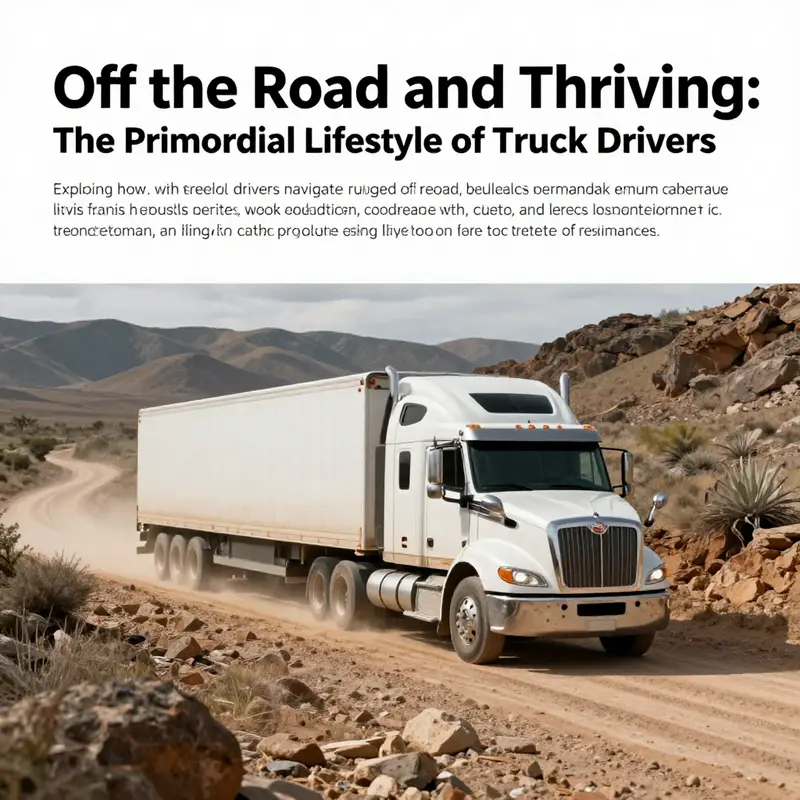
Truck drivers, often viewed through the lens of a sedentary lifestyle, epitomize rugged endurance as they traverse vast roadways and landscapes, sustaining a unique life off the road. While their daily grind involves long hours behind the wheel, these modern-day cowboys adapt with remarkable ingenuity—transforming their trucks into mobile homes, honing meal planning techniques, and navigating essential infrastructure like rest stops. Furthermore, compliance with health standards is an ever-pressing reality, pushing them towards innovative solutions for wellness while on the move. This article unfolds the intricacies of their lives, detailing four aspects: mobile living conditions and trucking cabins, the essential infrastructure that supports their journeys, their nutritional strategies, and the evolving standards of health and wellness that shape their existence.
Living Where the Road Ends: shelter, steadiness, and the quiet resilience of truckers in mobile habitats

The highway is a moving home for many truck drivers, a space that must morph from a cab into a sanctuary, from a temporary bed into a reliable kitchen, and from a quiet corner into a workbench for makeshift repairs. When someone spends days, weeks, or even months away from a fixed address, the line between vehicle and residence blurs. The core challenge is not simply to survive the road, but to sustain a sense of comfort, privacy, and routine within a compact, dynamic footprint. In this chapter, we explore how drivers stitch together living arrangements that maximize practicality without sacrificing dignity, how the design and arrangement of mobile spaces shape daily life, and how this life, though rooted in wheels and weather, still calls for habits that protect health and safety over the long haul.
The practical magic of mobile living lies in versatility. A truck cabin, conceived as a workspace and a sleeping nook, must become a private retreat when the engine finally rests. For those who spend extended periods away from home, these living spaces are not merely amenities; they are essential infrastructure. They must accommodate a sleeping area that recharges the body after long hours behind the wheel, a compact but functional kitchen that supports nutrition without demanding elaborate setups, and sufficient storage to keep clothing, tools, and personal items organized. In many cases, the living space is supplemented by a detachable or temporary unit that can be added when the trip demands it—yet the core habit of living off the road rests on what the driver can tailor within the cab’s finite square footage. The most successful configurations balance a tight squeeze with intelligent zoning: a resting zone that does not intrude on the work area, a cooking corner that minimizes smells and heat in the driver’s sleep space, and a storage plan that makes every item accessible without turning the cab into a cluttered field kitchen.
A common theme across these arrangements is simplicity and modularity. Drivers prefer configurations that can adapt to varying routes, climates, and loads. A compact sleeping area might be equipped with a fold-down bed or a high-efficiency bunk, paired with thoughtful insulation and moisture control to maintain comfort across seasons. The kitchen area, though small, can become surprisingly capable when paired with smart, space-saving devices and containers that keep ingredients fresh and ready for quick meals. Even compact bathrooms or wet areas, when they exist in higher-end rigs, are designed for easy cleaning and minimal maintenance, turning daily routines into predictable rituals rather than chaotic chores. In contrast, more stripped-down setups rely on external facilities at rest stops and truck stops to tackle hygiene and laundry, blending personal space with communal resources. The balance between independence and shared infrastructure is a constant negotiation, one that reflects the driver’s priorities, route patterns, and the level of comfort they seek after years of road life.
The landscape of mobile living is as much about design philosophy as it is about actual hardware. A rugged, off-road-capable cabin mounted to a truck chassis offers resilience in harsh terrain and remote work contexts. The design emphasis here is durability, weatherproofing, and the ability to withstand the daily rigors of off-pavement travel. Drivers who traverse unpaved or uneven routes often prize reinforced flooring, excellent ventilation, and heat retention that doesn’t overburden the power system. They may choose configurations that feature a separate, easily accessible storage zone for tools and gear, ensuring that the living area remains uncluttered even as the trip demands quick access to equipment. For others, a lighter mobile home that can be towed when the truck is parked offers flexibility and a softer footprint on the road. The choice between a fixed, built-in cabin and a towable living unit depends on the driver’s typical routes, maintenance capacity, and how much time they expect to spend moving between locations. In every case, the goal remains the same: to convert the vehicle into a dependable home base that can travel with the driver wherever the job takes them.
Food and nourishment sit at the heart of daily life off the road. The challenge is not only acquiring healthy options but also turning limited space into an efficient kitchen. Many drivers lean on careful meal planning, batch cooking, and the strategic use of nonperishable staples alongside fresh items that can be stored in energy-efficient coolers or small refrigerators. The trend toward healthier options has accelerated with the rise of delivery services and apps that can coordinate meals to be ready at or near truck stops. Yet even with this convenience, the rhythm of eating on the road demands discipline: regular meals, balanced nutrients, and hydration, all adapted to irregular schedules that may include overnight shifts or unpredictable delays. In practice, this means planning for proteins that travel well, fruits and vegetables that stay fresh longer, and grains or legumes that offer sustained energy. It also means designating a small, clean cooking area that can be used without summoning the entire rig to a standstill. A well-organized kitchen in a mobile habitat reduces the lure of highly processed convenience foods and supports better health outcomes over time. When meals are planned and prepared with intention, the road becomes a place of nourishment rather than a perpetual dash between chips and coffee.
The social and mental dimensions of living off road are inseparable from the physical space. Drivers carry not only their cargo but also a set of routines that preserve their sense of self and purpose. Privacy matters: a defined sleeping zone, proper window coverings, and quiet that gives rest a chance to recover from long drives. Routine matters: regular wake times in line with delivery windows, predictable workout moments, and a space that supports both work and rest without constant readjustment. The aesthetic of the space matters too. Lighting designed to reduce eye strain, sound-dampening materials that soften road noise, and a clean, organized environment contribute to more stable mood and better sleep. When the cabin feels like a personal domain—a place to reset after a demanding haul—the risk of burnout lowers and the driver’s decision-making quality tends to improve. It’s not simply about comfort; it’s about sustaining performance, safety, and cartage integrity during days when a single misstep can ripple through a week’s schedule.
Health and safety form the backbone of any extended off-road lifestyle. The medical standard environment is tightening under regulatory changes, and drivers who stay on the road must adapt by prioritizing self-care and preventive health. Even within the confines of a mobile home, regular light activity, stretching, and micro-workouts become critical when space is limited. A brief circuit of bodyweight movements, simple resistance routines, and mindful breathing can counteract the stiffness and fatigue that accumulate after hours behind a wheel. For many drivers, the challenge is not only to exercise but to do so in ways that remain consistent with the shifting rhythm of a transport schedule. Sleep quality, which is often compromised by irregular shifts, must be improved through controlled light exposure, consistent pre-sleep routines, and a cooling climate that supports deeper rest. Insulation, air quality, and moisture control in the living space also contribute to health outcomes by preventing allergens or dampness that could hamper breathing or disturb sleep. When these health practices are integrated with a responsible driving routine, the road becomes a channel for steady performance rather than an arena of volatile health risks.
The environmental edge of mobile living involves how drivers interact with their surroundings and manage the logistics of staying on the road. When off-road routes are part of the job, the living space must tolerate dust, vibration, and variable weather, while still offering a sense of home. Maintenance routines extend beyond the engine and tires to the habitat itself: cleaning, organizing, and occasionally repairing parts of the living area, all of which contribute to reliability and morale. The relationship between vehicle and dwelling is intimate; each must support the other. A well-kept cabin reduces the likelihood of breakdowns in the middle of nowhere, while a well-planned route and rest-stop strategy minimize the temptation to push beyond safe limits. For drivers who see the road as a canvas for adventure, these considerations do not dampen the spirit. They refine it, turning a demanding life into a manageable system that can sustain focus, safety, and health over time. The living arrangement becomes, in effect, a practical partner to the truck, an affordable, flexible home on wheels that supports both the work and the life outside work.
As lifestyles evolve, drivers and fleets alike seek smarter, safer ways to design and deploy mobile habitats. The capacity to adapt extends beyond individual rigs; it informs policy, training, and the culture of trucking itself. The move toward healthier, more stable routines reflects a broader shift in the industry toward safety and well-being as core performance metrics. In this sense, the modern mobile living space is less a luxury and more a strategic resource—an investment in the driver’s health, the freight’s reliability, and the continuity of service that keeps supply chains moving. The road will always be a place of movement, but through careful design, discipline, and a touch of ingenuity, it can also be a place of quiet, productive life. For drivers whose work demands that life extends far beyond a fixed address, mobile homes and truck cabins are not mere shelter; they are the practical, evolving infrastructure that allows a person to live, work, and sustain themselves wherever the road leads.
For readers curious about how these living solutions connect to broader trucker life, consider this: the journey of living off road is as much about community, resourcefulness, and ongoing adaptation as it is about the physical space. When a driver learns to harmonize sleep, meals, movement, and privacy within the cab or a portable home, they embody a unique blend of resilience and pragmatism. That resilience does not occur in isolation; it is reinforced by a network of facilities at rest stops, informal sharing among fellow drivers, and the singular discipline of turning a moving vehicle into a dependable home base. The future of mobile living will likely continue to emphasize modularity, safety, and health, recognizing that the road is not just a route to a destination but a living environment that must support life, work, and well-being in equal measure. In this light, the living spaces carved out along the routes become an integral part of the trucking profession’s identity—an emblem of adaptability, patience, and a constant willingness to design better ways to live off road.
For those who wish to explore community support that aligns with this ethos, a practical link points toward initiatives aimed at improving conditions for those who live and work on the move. Trucks for Change supporting Habitat for Humanity offers a model of how the transport world can contribute to broader social goals while reinforcing the stability of individuals who navigate the road daily. This cross-pollination of purpose—between the needs of a mobile workforce and the social good of housing—reflects a broader ambition within the industry to harmonize professional demands with personal dignity. It is a reminder that living off road is not merely about surviving a nomadic schedule; it is about shaping a life that respects health, safety, and the opportunity to build a future grounded in stability and community. See the related initiative here: Trucks for Change supporting Habitat for Humanity. Note: internal link provided for contextual reference.
External resource: Learn more about mobile home truck guides and their technical specifications. https://www.engineeringnews.com/mobile-home-truck-guide-structure-performance
Fuel, Rest, and the Road Ahead: How Rest Stops and Truck Stops Scaffold the Off-Road Life of Truckers
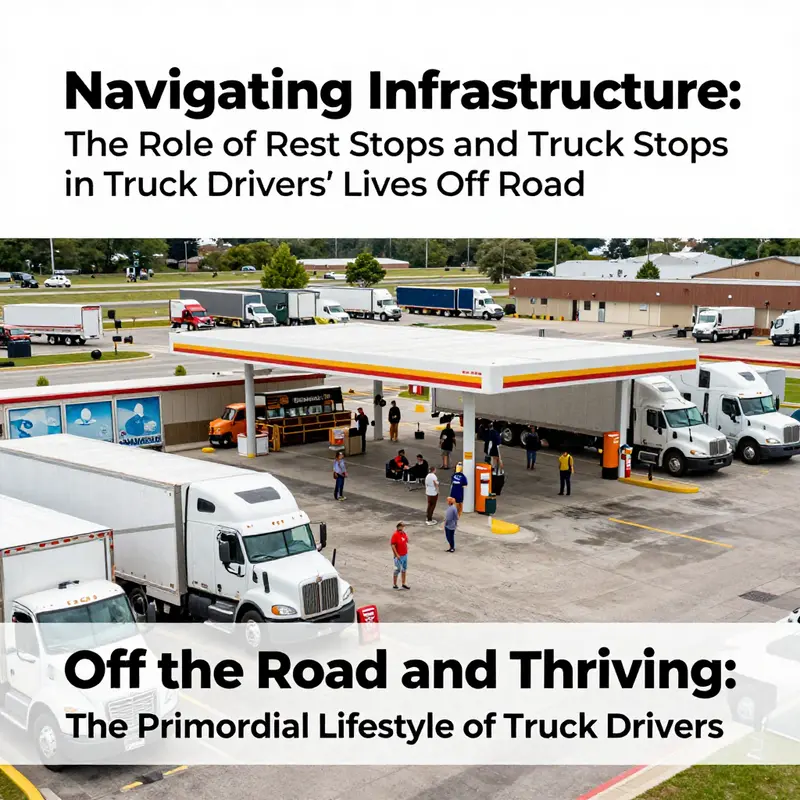
Across the vast network of American highways, rest stops and truck stops form more than a map legend. They are anchors of life on the road, the moments to reset body and focus before the miles. For truckers living off the road, these facilities shape rhythm, health, safety, and career viability. They translate Hours of Service (HOS) into daily practice and achievable routines. The story of life on the road cannot be told without paying attention to how drivers use these spaces, how the spaces have evolved, and how this evolution intersects with nutrition, maintenance, and wellbeing on a journey with no real finish line.
To understand the role of rest stops and truck stops is to recognize the tempo of long-haul work. A driver’s day tends to orbit around the clock, with mandated breaks designed to prevent fatigue and keep the vehicle and its cargo safe. When the clock dictates a pause, the nearest rest area offers a legally and physically safe stage to step out of the cab, stretch, and breathe. These spaces—designated turnouts or facilities along interstates—provide the basics: parking, toilets, and a place to sit or lie down for a short spell. But the value of these pauses goes far beyond the basics. They become planning hubs where drivers map the next leg of a trip, check the vehicle, and decide how to nourish their bodies in the absence of a garden, a kitchen, or a familiar grocery store. The contrast between a restful break and a rest break is subtle but meaningful. A rest break is regulatory; a rest stop is tactical. The truck stop, meanwhile, elevates the pause into a multi-service operation designed for a professional lifeline; it is where a weary traveler can refuel, eat, clean up, attend to small repairs, or catch a moment of warmth before the next push toward the horizon.
The design and function of these spaces matter. Rest stops, with their bathrooms, picnic tables, and benches, are intended to provide a predictable, safe zone in a landscape defined by speed. They help prevent drowsy driving by transforming fatigue into a managed pause. But the daily work of a long-haul driver often takes place near the edge of comfort. The interior of a cab, for all its familiarity, is a compact living space with a bed, a small kitchenette, and a counter of essential gear. The rest stop becomes an extension of that space—a place to put on a jacket after a night encounter with a chilly air, to revise a meal plan, or to audit the truck’s tire pressure and fluids. The truck stop, in contrast, offers a one-stop ecosystem: refuel, stock up on nourishment, wash clothes, shower, and address minor maintenance tasks that would be impractical on the open road. This integration is not incidental. It is a response to the realities of the road: drivers move fast, and time is a resource as scarce as fuel. A well-stocked, well-organized truck stop reduces the need to chase down services in separate towns, enabling an efficient cadence that keeps deliveries on track and fatigue at bay.
Health and nutrition, in particular, reveal both dependence on and opportunity within these spaces. The literature on trucker eating patterns has highlighted a reliance on fast food and convenience items, tied to long hours, limited fresh options, and quick, portable meals. Rest stops and truck stops have historically echoed this pattern, shaping a food environment that can challenge someone trying to maintain energy, weight, and health on a multi-day or multi-week schedule. Yet there is clear movement toward positive change. In many regions, offerings at truck stops include healthier vending options, fresh fruit, yogurt, salads, and meal-to-go choices. Some drivers now leverage delivery services or mobile apps that deliver nutritious meals directly to a truck stop, bypassing crowded dining rooms or limited service hours. The rest-stop ecosystem is gradually embracing nutrition as a safety question, not merely a convenience. The result is a driver who can fuel the body with steadier energy, stay alert for longer stretches, and recover more effectively during rest periods.
At the same time, growth in health monitoring and compliance adds a meaningful undertone to the rest-stop narrative. The FMCSA has tightened medical standards, underscoring the industry’s push toward healthier, safer long-haul practices. The implications are twofold: more drivers must monitor health parameters closely, and those who remain on the road learn to prioritize self-care as a core professional responsibility. The rest stop becomes a checkpoint where health, safety, and performance converge. A driver might schedule a brief wellness check at a clinic located in or near a major truck stop, or use downtime to track sleep quality, hydration, and meal timing. The interplay between regulation and daily habit is not punitive; it is designed to produce a culture in which health is treated as a prerequisite for sustained work rather than an afterthought.
Maintenance is another indispensable thread in this fabric. A truck may visit a maintenance bay during a long layover at a truck stop, an opportunity to address tire wear, fluid levels, or a tractor-trailer connection that otherwise would become a bottleneck later on. The ability to perform modest repairs near a safe, well-lit bay reduces breakdown risk and keeps the vehicle—and by extension, the driver’s schedule—on track. Drivers often arrive at these bays with a mental checklist from weeks of road experience: check the brakes, verify the air lines, ensure the coolant system is at the right temperature, and top off the essential fluids. The capacity to handle this in a controlled environment is a contrast to the improvisation that might occur on a desolate stretch of highway. The link between infrastructure and competence becomes apparent here: access to maintenance facilities at truck stops translates into operational resilience, not merely convenience.
The cultural and economic dimensions of this infrastructure are worth noting, too. Truck stops are not just public facilities; they are nodes in a broader economy that balances the needs of drivers with those of the communities they traverse. In some regions, along interstates that pass through tribal lands, truck stops have grown into large-scale economic enterprises. They provide employment, supply chain circulation, and a sense of place for drivers who spend weeks on the road. Yet the food environment at these establishments has drawn concern from public health perspectives, with discussions about the availability and quality of options for drivers who rely on them for daily sustenance. The challenge is to reconcile the efficiency and convenience of the one-stop model with a healthier, more varied, and culturally sensitive food ecosystem. It is a practical problem with real consequences for driver well-being, performance, and long-term health outcomes.
Beyond the tangible, rest stops and truck stops sit at the intersection of technology, culture, and recreation. The digital layer—GPS routing, real-time weather, mobile ordering, and even relaxation tools—shapes how drivers approach the pause. For some, a well-timed break becomes a moment to engage in a quick mental reset, perhaps by stepping into a well-lit space, listening to a calm playlist, or briefly stepping outside to feel the air. For others, it is a chance to simulate the drive and practice focus in off-road driving games that mirror cognitive demands. These activities, though recreational, reveal how the daily practice of long-haul driving remains a skillful craft that blends physical endurance with mental discipline.
The social texture of life at rest and truck stops is equally instructive. Drivers often form informal micro-communities that gather around meals, showers, and maintenance bays. These moments of connection can mitigate the isolation that long stretches on the road can foster and can be a source of practical knowledge—from weather patterns and traffic bottlenecks to recommended routes and service suggestions. When designed with accessibility and safety in mind, these spaces can help reduce loneliness, encourage shared routines, and reinforce a culture of mutual support among professionals who spend most of their working days apart from home life. The social economies of these spaces, reinforced by regulations and business models, become part of the fabric that keeps the freight system moving and the drivers engaged and healthy.
In charting a course for the future, the evolution of rest stops and truck stops will hinge on two converging trajectories: enhanced service diversity and improved health outcomes. On the service side, more integrative, driver-centric offerings—such as better food choices, longer operating hours for essential services, and more robust maintenance facilities—will reduce downtime and enhance safety. On the health side, there will be a growing emphasis on nutrition education, sleep management, and physical activity opportunities that fit the constraints of a trucking schedule. For a driver who spends days or weeks on the road, the rest stop becomes not just a waypoint but a partner in health and performance. The infrastructure is capable of supporting a healthier, safer, and more efficient mode of life on the road, provided it is designed with the realities of trucking in mind and with the flexibility to adapt to regional differences and evolving regulatory standards.
To connect these ideas back to the broader arc of the chapter, rest stops and truck stops are the scaffolding of a life lived off road. They are the places where a driver transitions between the isolated cab and the wider world of services, people, and possibilities. They are where planning happens, where safety is reinforced, and where nourishment and care are made accessible for a profession that demands constant motion. The story of life on the road, therefore, cannot be told without acknowledging the thoughtful design, the strategic development, and the everyday use of these facilities. They are not mere waypoints; they are essential, living components of a complex system that keeps the economy moving and keeps drivers performing at their best, mile after mile.
For readers seeking a practical lens on on-the-ground maintenance or the craft of keeping a vehicle ready for the road, the following resource offers a structured introduction to the skills that drivers often rely on during downtime at stops: Mastering diesel mechanics: a step-by-step path to success. Mastering diesel mechanics: a step-by-step path to success. External resource: For regulatory and safety context relevant to the discussion of rest periods and fatigue management, see the Federal Motor Carrier Safety Administration (FMCSA) website. https://www.fmcsa.dot.gov
Healthy Eating on the Go: Meal Planning Strategies for Truck Drivers Living Off Road

Healthy Eating on the Go is less about a fancy kitchen and more about deliberate planning, smart choices, and steady habits that harness the rhythm of a life spent behind the wheel. For drivers who spend long stretches away from home, the road becomes not just a route but a daily calendar of meals, snacks, and sleep opportunities that all collide in real time. Healthful eating, therefore, isn’t a luxury; it is a practical, ongoing project that can influence energy, mood, alertness, and long-term well-being. The challenge is real: limited access to fresh produce, the pressure to keep moving, and the cultural pull of quick, highly processed options that promise speed but siphon energy. Yet with a few disciplined approaches, truckers can transform the in-cab pantry and the rest-stop menu into a reliable engine for better health and steadier performance on the road.\n\nOne of the most effective anchors is pre-planning meals and snacks before departure or during brief home time. When a driver knows a week of meals is already mapped out, the decision to opt for a greasy, high-sodium meal at the next stop loses some of its power. Pre-planning isn’t about perfection; it’s about predictability. Insulated containers and compact coolers become the chef’s toolkit, allowing perishable items like lean proteins, cut vegetables, fruit, yogurt, and wholesome grains to travel securely. The logic here is simple: if you can carry fresh options, you reduce the impulse to reach for processed foods. This approach also helps manage portions and calories, which matters when the day’s routine involves long hours with limited movement. Health organizations reinforce this mindset, noting that meals planned ahead are more likely to be balanced and to include vegetables, whole grains, and lean proteins, while reducing reliance on high-calorie, ultra-processed items.\n\nEven without a full kitchen, the cab can function as a practical eating space. A few thoughtful setups make a big difference. A small cooler or refrigerator keeps perishables safe, while durable containers help portion out meals in advance. The goal is to mimic home cooking as much as possible within the constraints of the rig. When drivers can portion meals into easy-to-heat portions, they can quickly assemble a satisfying lunch or dinner between hauls without straying into convenience-store temptations that offer heavy sodium and artificial additives. The discipline of packing ahead also curbs the habit of grazing during downtimes, a tendency that erodes energy levels and focus on the road. In the long run, the time invested in planning pays dividends in steadier energy, better digestion, and more reliable sleep.\n\nChoosing fuel for the body at rest stops requires a conscious eye for nutrient balance. Modern truck stops increasingly offer healthier options alongside the standard fare. When possible, drivers should aim for meals that incorporate lean proteins, whole grains, and vegetables. Grilled rather than fried items, when available, can significantly reduce saturated fats and calories. Favor fruit cups, fresh salads, and wraps that emphasize vegetables, whole grains, and moderate portions of protein over heavy, high-sodium sandwiches. Portion awareness matters here as much as the food choice. The USDA’s ChooseMyPlate guidance provides a practical framework: fill half the plate with vegetables and fruits, a quarter with lean protein, and a quarter with grains or dairy. This simple rule helps drivers navigate unfamiliar menus without getting overwhelmed by calorie counts or complex nutrition labels. It also helps to be mindful of sodium; many seasoned fast foods and convenience meals load in salt, which can raise thirst, raise blood pressure, and contribute to bloating—issues that are especially problematic during long driving shifts.\n\nBeyond meals, snacks are the daily marathon that sustains focus and energy between heavier meals. Portable, non-perishable options are the backbone of a resilient on-the-road diet. Unsalted nuts offer healthy fats and protein, dried fruit without added sugar can provide quick energy, and whole-grain bars or crackers deliver steady release carbohydrates. Pre-cut vegetables with hummus or a small cheese portion can be a refreshing, satisfying mid-day pick-me-up, all without requiring a kitchen appliance. The trick is to balance convenience with nutritional value: choose snacks that deliver protein and fiber to curb hunger, while limiting items high in added sugars and unhealthy fats. Hydration plays a companion role here. A large, reusable water bottle, kept handy, helps distinguish true hunger from thirst. Hydration isn’t merely about quenching thirst; it supports digestion, metabolism, and cognitive clarity, which are all critical for safe driving and alertness.\n\nThe road also shapes habits around mealtimes and sleep, making routine a powerful ally. Drivers often follow a rhythm of breaks at roughly the same intervals; these moments can become anchor points for nourishment. Striving for regular mealtimes aligns energy with hours behind the wheel and helps regulate appetite, reducing the likelihood of late-night cravings or impulsive vending-machine choices. The concept of mindful eating is particularly valuable in this environment. Slowing down, appreciating texture and flavor, and avoiding multitasking while eating can reduce overeating and improve digestion. Mindfulness becomes a practical tool for a life characterized by interruption and fatigue, turning meals into restorative moments rather than quick distractions.\n\nThe health implications of evolving eating patterns on the road extend into the realm of safety and regulation. In late 2025, new FMCSA standards emphasized the importance of driver health, signaling to the industry a broader push toward safer and more sustainable practices. For drivers who stay on the road, healthful eating is a proactive form of compliance with a changing regulatory landscape. When eating patterns support steady energy, regular sleep, and steady hydration, drivers experience improved focus, steadier reaction times, and a more stable mood—factors that directly influence safety on busy highways and in urban deliveries. The practical upshot is clear: better eating translates into better driving.\n\nTechnology and service models also influence how a driver can eat well without returning to a kitchen. Delivery services to truck stops, online menus designed for quick assembly, and apps that help plan meals around a driver’s route are reshaping what is possible on the road. These tools can reduce the tyranny of last-minute choices by presenting healthier options that fit within a set time window and budget. When used thoughtfully, they become part of a broader system: pre-planned menus, on-demand healthy options, and a supportive network that makes healthier eating feasible even in the most demanding schedules. The key is to approach these tools with intention, using them to reinforce established routines rather than to derail them with occasional indulgence.\n\nThe cultural dimension should not be overlooked. The trucking lifestyle often includes long nights, varied sleep opportunities, and social dynamics that influence food choices. Break rooms at truck stops, conversations with fellow drivers, and even the sight of communal meals can sway behavior. In that social context, taking a leadership stance—by sharing nutritional tips, offering to split healthier meal options, or encouraging others to pack smart snacks—can create a ripple effect that improves the overall health of a fleet. This isn’t about preaching virtue; it’s about building a support network that makes healthy eating the default, not the exception. When drivers see peers prioritizing nutrition, they are more likely to adopt similar patterns, creating a culture where well-being is compatible with the demands of the road.\n\nFinally, it is worth acknowledging the ongoing tension between a demanding schedule and sustained health. The road’s endless miles can tempt shortcuts that deliver momentary relief but compromise long-term well-being. Yet the strategies outlined here—planning meals, selecting balanced rest-stop options, carrying portable, nutritious snacks, staying hydrated, and leveraging supportive technologies—provide a durable framework. The aim is not to erase the realities of life on the road but to integrate healthful practices into that reality so they become second nature. With time, these habits can redefine what it means to live off the road: not a compromise, but a disciplined, practical approach to vitality that sustains the driver through the long haul and into the miles ahead.\n\nFor readers seeking a concrete starting point, the principle remains simple: map meals to the plate. Plan ahead, choose balanced options when you eat out, snack smartly, and hydrate consistently. Each meal is a chance to refuel with intention, a moment to reinforce energy, resilience, and safety on the road. The journey toward healthier eating on the go is iterative, not instantaneous. It rewards consistency, small wins, and a willingness to adjust as routes, schedules, and stops evolve. As the truck keeps rolling, so too can a driver’s commitment to nutrition—crafted to endure the rigors of the road and to support a longer, healthier career behind the wheel.\n\nExternal resource: https://www.choosemyplate.gov/healthy-eating-tips
Living Well Behind the Wheel: Health Standards, Cabin Innovation, and the Off-Road Life of Long-Haul Drivers
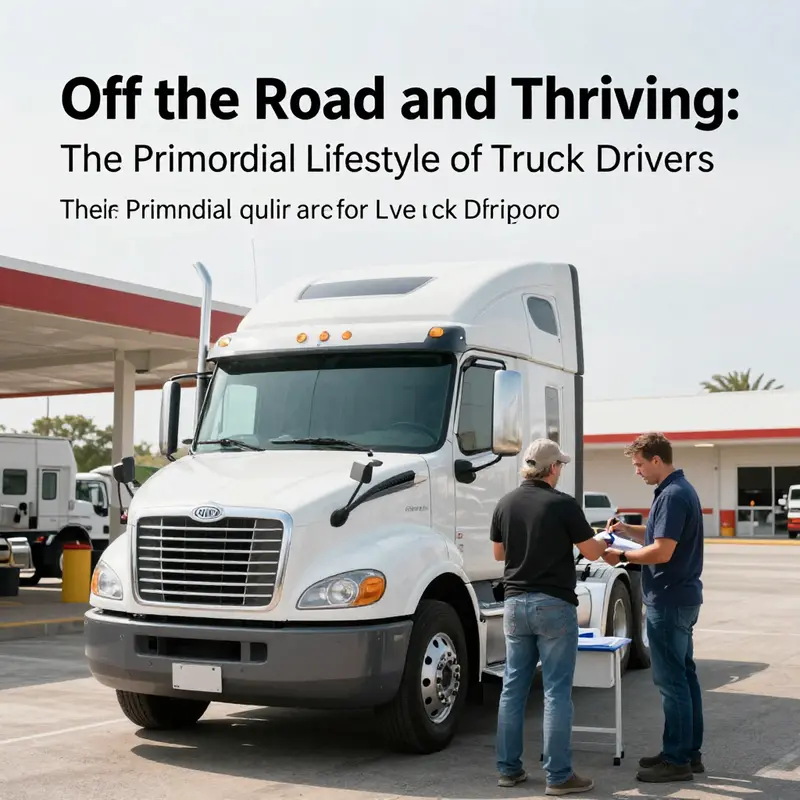
Living off the road is not merely about covering miles; it is about crafting a sustainable life inside the cab, where the vehicle becomes a moving home, a workspace, and a health hub all at once. The pressures of long stretches away from family, irregular sleep, and the demanding pace of freight schedules converge in a single, compact environment. In this light, the trucking industry has begun to treat the cab as a living space that can nurture wellness without sacrificing safety or efficiency. The result is a shift from viewing health as a personal burden to recognizing it as a system-wide requirement that blends technology, design, and policy. The recent regulatory emphasis on medical compliance has sharpened the sense that fatigue, poor nutrition, and isolation are not abstract risks; they are real constraints that impact safety outcomes and operational reliability. As fleets and drivers navigate these pressures, innovations aimed at making the cab more livable—without compromising safety—are becoming core to the off-road life.
The heart of this evolution is the cab itself. A growing chorus of drivers supports the integration of wellness-focused features directly into the truck cabin. A 2025 study found that 75 percent of drivers expressed openness to in-cab gadgets designed to monitor and improve wellbeing, while 80 percent endorsed smartwatches that track heart rate, sleep, and activity. Driver-facing cameras, once solely about monitoring behavior for safety, are increasingly used to detect fatigue or distraction and to trigger timely interventions. These tools are not ornamental; they are practical accelerators of safer driving and better health management. When a device can alert a driver to impending sleep debt or rising heart rate, the chance of slipping into unsafe fatigue states is reduced. In the best cases, such monitoring dovetails with regulatory rest and duty requirements, helping drivers stay within limits while preserving their long-term health. The shift is not about surveillance for punishment; it is about proactive support that respects the complexity of life on the road.
Beyond the digital nervous system, cabin ergonomics and environmental controls are reshaping how drivers experience the lane hours. Ergonomic seating with adjustable lumbar support, seat cushions designed to mitigate back pain, and redesigned steering wheels that reduce shoulder strain are becoming standard rather than luxury options. Climate control systems are more than comfort; they are instruments for sustained alertness. When the air is filtered more effectively and airflow is tailored to the driver’s preferences, the body remains less stressed by the cabin’s microclimate. Noise reduction technologies, a quieter cab, and better isolation from road vibrations translate into a more restful biofield during breaks and a more focused mind during driving. This combination of comfort and clarity creates a cab that can support a driver’s health without demanding a costly daily sacrifice in time or energy.
A striking feature of modern cab design is the application of biophilic elements—design choices that mimic natural environments to regulate mood and circadian rhythms. LED lighting that mimics natural daylight cycles helps align alertness with the body’s internal clock, especially for night-shift operations or early starts after days of late driving. Such lighting, paired with clean air filtration and a view through the windshield that offers minimal visual fatigue, can subtly stabilize circadian rhythms. While this might seem small, the cumulative impact on mood, sleep quality, and daytime performance is meaningful. If a driver can maintain a more consistent sleep window across weeks, their overall health markers improve, and fatigue-related errors decline. The trend toward a more livable cab is not a cosmetic luxury; it is a health technology strategy with measurable safety and efficiency dividends.
Nutrition remains a central challenge for those living off road. The proximity to healthful options is uneven, and the time pressure of freight cycles often pushes drivers toward fast food or convenience-store fare. Yet the landscape is changing. Delivery platforms and mobile ordering services that bring nutritious meals directly to truck stops or even to the truck alongside a quiet rest area are expanding. Drivers who plan ahead can access balanced meals that emphasize whole grains, vegetables, lean protein, and hydration. The practical implication is not a culinary transformation but a logistical one: better access to real food means better energy balance, improved digestion, and steadier energy levels during long drives. The wellness cockpit view embraces nutrition as a daily discipline rather than a weekend wellness project. When meals are planned with the same rigor as miles, the risk of energy dips and unhealthy snacking diminishes.
Healthy eating, sleep, and physical activity are connected. The integration of health monitoring devices into the cabin—paired with forgiving, user-friendly interfaces—helps translate awareness into action. Some drivers adopt a routine that uses wearable data to set personalized targets: hydration goals, steps or light activity during breaks, and wind-down routines before bedtime. The result is a lifestyle loop where information leads to behavior. A driver may notice that a late-night snack coincides with disrupted sleep patterns and opt for a lighter, more balanced option instead. The feedback loop is reinforced by technologies that respect privacy while offering actionable guidance. The practical effect is a driver who can sustain longer periods on the road with fewer health-related interruptions and safer driving performance.
The social and psychological dimensions of living off road can’t be ignored. Isolation, long separations from loved ones, and the monotony of constant movement can exact a psychological toll. In response, some fleets are cultivating a culture that treats wellness as a shared value. The idea is simple: when a driver feels supported by the organization, they are more likely to engage in proactive health behaviors. This philosophy translates into policies that encourage regular rest, provide access to telehealth services, and foster community through shared experiences at fuel stops and rest areas. Even in a solitary profession, drivers can build a meaningful sense of connection through peer networks, mentorship programs, and wellness groups that meet virtually during layovers. The result is a more resilient workforce, capable of maintaining concentration, reducing stress, and sustaining performance over the course of months and years on the road.
From a policy perspective, the regulatory environment around driver health is increasingly explicit. The end of September 2025 marked a turning point, when stricter medical standards were reinforced and reinforced by enforcement. Reports projected that these changes could disqualify up to 26,000 drivers annually. While this statistic sounds severe, it also underscores a pivotal opportunity: health compliance is not a punitive constraint; it is a performance optimization for safety-critical work. When drivers meet or exceed medical requirements, the risk of incidents tied to fatigue, hypoglycemia, or cardiovascular stress drops, and fleets experience fewer costly delays, better on-time performance, and improved insurance profiles. The tension between stricter standards and the need to retain a capable workforce is real, but the direction is clear. The industry is moving toward a model in which wellness tools, ergonomic cab design, and real-time health monitoring are standard features, not optional add-ons. In this sense, compliance and wellbeing are mutually reinforcing: meeting health standards becomes part of the driver’s daily toolkit, not a distant goal.
The broader ecosystem around the cab reinforces this shift. Rest stops and truck stops, historically places to refuel and rest, are increasingly equipped with resources that support health and recovery. Access to showers, clean water, and quiet spaces becomes part of the essential infrastructure of life on the road. Some facilities are experimenting with on-site clinics or wellness rooms where drivers can receive basic preventative care, schedule a telemedicine appointment, or decompress after a long shift. This expansion of health infrastructure aligns with the design of the cab itself: if the external environment supports well-being and the internal environment is engineered for health, a driver can navigate weeks of travel with fewer health interruptions and more consistent performance.
A related trend is the growing recognition that off-road life requires mental and cognitive readiness as much as physical health. Fatigue management, situational awareness, and sustained attention are all influenced by how drivers structure their daily routines. Recreational activities that are constructive rather than distracting are part of the strategy. For example, some drivers enjoy off-road driving simulation games during breaks, as a way to maintain focus, hand-eye coordination, and problem-solving skills related to real-world driving tasks. This relationship between entertainment and skill-building reflects a deeper understanding: the road rewards preparation, practice, and the deliberate cultivation of cognitive stamina. The line between recreation and professional readiness in this context is nuanced, but the intention is clear—wellness supports performance, and performance reinforces wellness.
Within this evolving landscape, the industry is moving toward a holistic model where regulatory compliance and driver wellbeing are interwoven through thoughtful design and technology. The cab is no longer a passive container but a proactive health partner. A driver’s intrinsic motivation to stay healthy is strengthened by external supports—smart devices, ergonomic seating, air quality improvements, and daylight-mimicking lighting—that make healthy choices easier, more intuitive, and more sustainable. The goal is not only to prevent illness but to create days on the road that feel manageable, predictable, and even energizing. This is especially crucial given the episodic nature of long-haul work, where the best of days can be followed by extended periods of fatigue if health routines are neglected. When wellness becomes a daily operational standard, safety and reliability no longer stand in opposition to driver quality of life; they become two sides of the same coin.
For readers seeking a practical entry point into this evolving culture, the linked discussion on investing in people as a core fleet management strategy offers a concise framework. It highlights how leadership decisions about training, health monitoring, and supportive policies translate into safer roads and more durable teams. Investing in People: Key to Fleet Management Success is a reminder that the human element remains central to efficiency and safety. In this sense, wellness technologies, enhanced cab design, and supportive policies are not separate programs; they are integrated investments that help drivers stay healthy, stay compliant, and stay engaged with their work.
Looking ahead, the trajectory of the industry suggests that the next generation of long-haul operations will blend humane cab environments with data-driven health management. Biophilic design, smarter climate control, and tailored fatigue interventions will become standard, not exceptions. The regulatory landscape will continue to tighten, but the tools to meet those standards will be more accessible and user-friendly. In this future, a driver who spends weeks on the road will do so with a built-in health ecosystem—one that respects the body, nurtures the mind, and honors the emotional demands of life on the move. The off-road life will be characterized not by hardship alone, but by resilience forged through thoughtful design, compassionate policy, and practical technology that keeps the driver securely in command of both health and performance. External resource: https://www.trucking.org/research/driver-wellbeing-2025
Final thoughts
In the relentless world of trucking, drivers manifest strength and adaptability as they navigate a life off the road that is both challenging and rewarding. From meticulously outfitting their trucks as mobile homes to being reliant on the infrastructure of truck stops, they have forged a lifestyle marked by resilience. Their strategies for healthy living—ranging from inventive meal planning to embracing stringent health standards—illustrate a commitment to maintaining their wellbeing while on the move. The journey of truck drivers extends beyond mere transportation; it reflects a vibrant community of adventurers who thrive amidst the challenges. In understanding their lives, we celebrate their rugged spirit and the evolution of a profession poised for a healthier and more innovative future.