
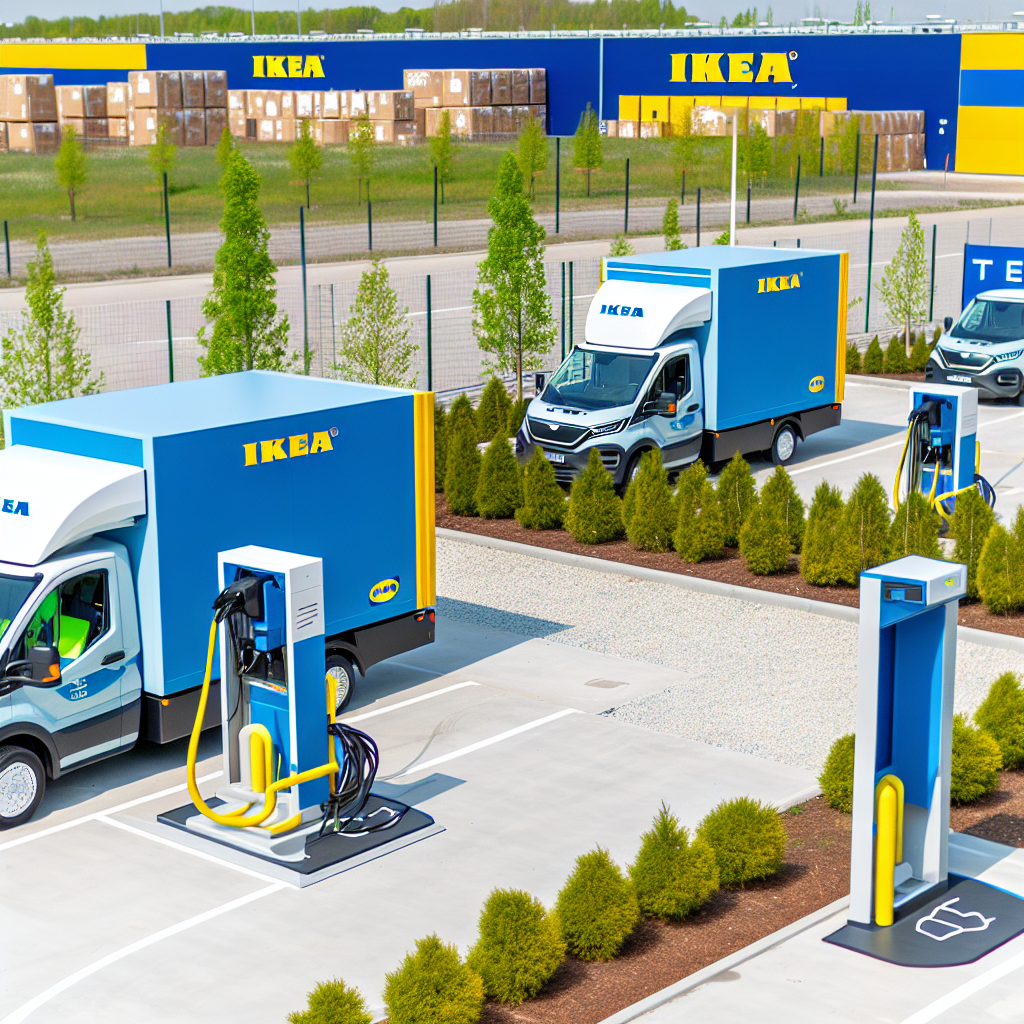
In a groundbreaking shift towards sustainability, Ikea Canada has reached a remarkable milestone in their delivery operations. For the first time ever, the majority of Ikea home deliveries by EV have surpassed those made by traditional diesel trucks. This monumental achievement is not just a win for the company but reflects a significant step forward in reducing carbon emissions and promoting environmentally responsible practices in the transportation industry.
In August 2025, a staggering 72% of Ikea’s big and bulky home deliveries were made using electric vehicles, showcasing the brand’s unwavering commitment to a greener future. With ambitious goals to achieve over 90% zero-emission deliveries by 2028, Ikea is not only innovating in logistics but also making sustainable choices more accessible and affordable for its customers.
Join us as we explore the impact of this pivotal transition and what it means for the environment and the future of home deliveries.
Significance of the 72% Delivery Rate in Green Logistics
Ikea Canada has reached a key moment in its effort to be more eco-friendly by completing 72% of its big and bulky home deliveries with electric vehicles (EVs). This is a big change from the traditional use of diesel trucks, which are known for causing pollution and contributing to climate change. By choosing to use electric vehicles more, Ikea shows it is serious about being responsible towards the environment and is taking an important lead in the retail industry towards more sustainable delivery options.
Ikea’s focus on sustainability connects well with consumers today, who care deeply about the environmental choices they make. Many shoppers prefer to buy from brands that share their values, especially when it comes to protecting the planet. By using electric delivery vehicles, Ikea strengthens its image as a modern retailer that wants to lessen its impact on the environment. This approach builds trust among customers and encourages them to stay loyal to the brand, affecting their buying choices in a positive way.
Additionally, Ikea aims for over 90% of its home deliveries to be zero-emission vehicles by 2028. This target sets a strong example not just for Ikea but also for other companies in the industry. It boosts discussions about sustainable practices in delivery and encourages other businesses to adopt similar measures. As Ikea sets these goals, it not only leads by example but also inspires others in retail to follow suit.
In summary, Ikea’s strategy for delivery reflects its broader commitment to sustainability. Achieving and sharing milestones like the 72% delivery rate with electric vehicles is not only about reaching environmental goals but also about reinforcing Ikea’s position as a leader in promoting eco-friendly practices, benefiting both the environment and its customers.
| Metric | Electric Trucks | Diesel Trucks |
|---|---|---|
| Delivery Speed | Better for urban routes with frequent stops, more efficient in stop-and-start conditions. | More efficient on long-haul routes and higher-speed deliveries. |
| Initial Purchase Price | Generally higher due to battery technology. Subsidies may offset costs. | Lower initial purchase price. |
| Operational Costs | Approximately $0.17 per mile cheaper in fuel and maintenance. | Higher fuel and maintenance costs. |
| Total Cost of Ownership | Median TCO can be up to 22% lower in urban scenarios. | Lower TCO initially but higher long-term operating costs. |
| Environmental Impact | Zero tailpipe emissions, about 40% fewer greenhouse gases in urban settings. | Emits pollutants like nitrogen oxides and particulate matter. |
| Noise Pollution | Operates quietly, reducing noise in urban areas. | Noisy operation, contributing to urban noise pollution. |
Customer Perspective on IKEA’s Commitment to Sustainability
IKEA’s dedication to sustainability resonates strongly with its customer base, particularly regarding their innovative zero-emission delivery initiatives. The company has successfully transitioned to electric vehicles for a significant portion of its home deliveries, marking a pivotal achievement in its sustainability journey. As of August 2025, a remarkable 72% of its big and bulky home deliveries were completed using electric vehicles, a testament to IKEA’s commitment to reducing carbon emissions and promoting environmental stewardship.
Customers appreciate not just the eco-friendly approach but also the affordability it brings. Liz Wilson, the head of customer fulfillment at IKEA Canada, emphasized this point by stating, “Most importantly, we’re proud that IKEA customers never have to pay a premium for zero emission deliveries, reflecting our dedication to making sustainable choices both accessible and affordable for the many.” This commitment to providing zero-emission deliveries without additional costs has been well-received by customers, who increasingly prioritize environmentally responsible choices.
Moreover, Simon Henzell-Thomas, Climate and Nature Manager at Ingka Group, highlighted the broader impact of switching to electric vehicles: “By promoting the use of electric vehicles (EVs) or other zero emission options for deliveries, we want to improve the local environment around our stores and act as a good neighbour. With this we hope to see healthier cities, and a healthier climate.” This statement reinforces IKEA’s focus on enhancing sustainability through their delivery choices.
Surveys indicate that an impressive 95% of customers express positive sentiment regarding IKEA’s sustainability efforts and its delivery efficiency. Many shoppers have commented on their satisfaction with the process, highlighting how the seamless integration of electric vehicles into their delivery services reinforces their decision to choose IKEA over competitors.
For customers, this initiative signifies more than just an operational change; it reflects a brand they can trust to align with their values on sustainability. As consumers become more conscious of their environmental impact, IKEA’s initiatives not only enhance their brand loyalty but also inspire hope that they are contributing to a more sustainable future with every purchase.
Conclusion
Ikea Canada’s achievement of surpassing diesel home deliveries with electric vehicles marks a significant milestone in the company’s sustainability journey. This accomplishment not only reflects Ikea’s commitment to reducing its carbon footprint but also establishes its leadership in the retail industry, meeting the growing consumer demand for environmentally responsible practices. The impressive 72% of big and bulky home deliveries completed using electric vehicles underscores Ikea’s dedication to integrating sustainability into its operations.
Additionally, the ambitious goal of reaching over 90% zero-emission deliveries by 2028 exemplifies a proactive approach to climate action and a commitment to a greener future. As consumers increasingly prioritize eco-friendly choices, this transition aligns well with their values and strengthens their loyalty to the Ikea brand.
The success of Ikea’s EV deliveries not only contributes to the company’s sustainability goals but also serves as a powerful example for the logistics industry, encouraging other companies to adopt similar sustainable practices. Ultimately, Ikea’s leadership in this arena has the potential to drive widespread change, benefiting both the environment and consumers alike.
IKEA Canada has made significant strides towards achieving sustainable delivery systems. The company first achieved a major milestone in August 2025, where 72% of big and bulky deliveries were completed using electric vehicles (EVs), marking a shift from diesel trucks. An ambitious goal was set to achieve 90% zero-emission deliveries by 2028, a target adjusted from an initially ambitious goal of 100% by 2025 as challenges arose.
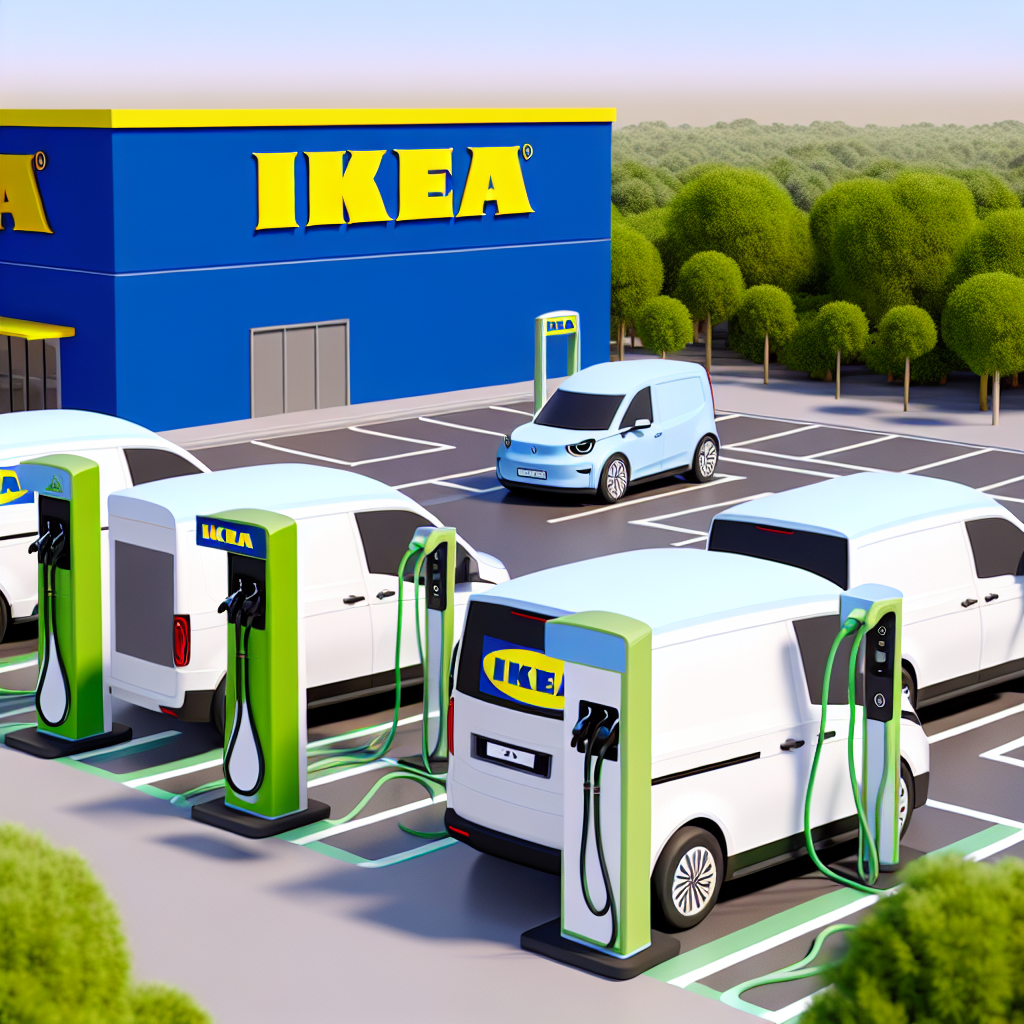
In addition to their timeline preparations, IKEA has invested heavily in infrastructure, including $3.75 million towards installing EV chargers at 17 home delivery fulfillment centers, ensuring that they can meet their electric vehicle delivery demands. Furthermore, with $1.175 million in funding from Natural Resources Canada, the company is further supporting its commitment to electric vehicles.
Their network has expanded with 25 new charging stations in Ontario and Quebec, aligning with goals to ensure sustainable practices going forward. Their initiatives not only target operation efficiency but contribute to healthier urban environments by collaborating with delivery service partners.
Statistics on EV Adoption in the Delivery Service Sector
The electric vehicle (EV) adoption in the delivery service sector has witnessed significant growth, reflecting wider trends towards sustainability and eco-friendly logistics. As of 2025, the following statistics illustrate the commitment to zero-emission vehicles in the industry:
Market Growth Projections
- The electric last-mile delivery vehicle market is projected to escalate from $34.8 billion in 2025 to $205.1 billion by 2035, showcasing a robust commitment to electrification in logistics. source
- The all-electric e-commerce delivery sector is set to rise from $15 billion in 2024 to a staggering $100 billion by 2030, paralleling the growing demand for sustainable options in online shopping. source
Fleet Owner Intentions
- A survey has revealed that 87% of fleet owners plan to integrate electric vehicles into their operations within the next five years, suggesting a significant industry transformation towards electrification.
Consumer Preferences
- Approximately 70% of consumers favor brands that are committed to reducing their carbon footprints, demonstrating a pronounced demand for sustainable delivery solutions.
- Younger demographics express an even stronger inclination towards zero-emission vehicles, perceiving them as vital in combating climate change.
Charging Infrastructure and Technology
- In 2024 alone, over 1.3 million new public charging points were installed globally, greatly enhancing the feasibility of electric delivery fleets. source
- Innovations such as solid-state batteries are expected to further boost the appeal of zero-emission vehicles by improving energy capacity and cutting charging times.
These statistics underline the growing trend towards the adoption of electric vehicles for delivery services, echoing Ikea’s significant strides towards sustainability in its logistics operations. As consumer demand increases and infrastructure improves, the delivery sector is set to become progressively greener, paving the way for a more sustainable future.
For more information on logistics and EVs, you can check these resources:
Be a Part of Ikea’s Sustainable Future
Are you ready to make a positive impact on the environment while enjoying the incredible products Ikea has to offer? Choose Ikea’s sustainable delivery option today! With an impressive 72% of our big and bulky home deliveries now completed using electric vehicles, you can trust that your choice supports a greener future.
Not only does Ikea offer electric vehicle deliveries at no extra cost, but you’re also contributing to reducing carbon emissions and promoting environmental stewardship. By selecting our delivery service, you are joining Ikea in its commitment to achieving over 90% zero-emission deliveries by 2028.
Make a statement today—choose electric delivery with Ikea and be a part of this transformative journey toward sustainability. Let’s create a better tomorrow together!