
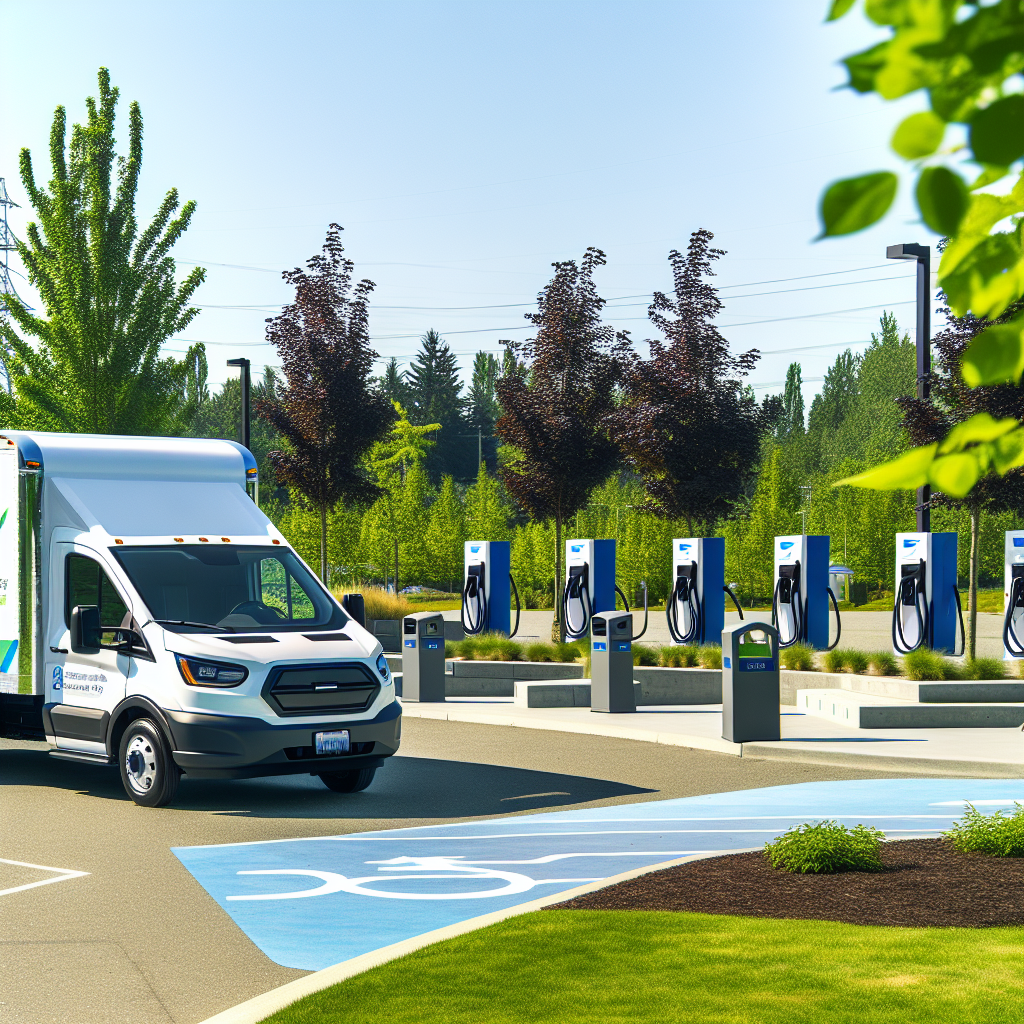
In an unprecedented achievement, Ikea Canada has surpassed diesel trucks in home deliveries, marking a significant victory for sustainability and innovation. During August 2025, a remarkable 72% of Ikea home deliveries were executed using electric vehicles (EVs), steering the company closer to its ambitious goal of ensuring that 90% of its deliveries are zero-emission by 2028.
This breakthrough not only highlights Ikea’s commitment to reducing its carbon footprint but also illustrates the effective implementation of electric mobility in the logistics sector. With a robust investment of $3.75 million towards installing EV chargers at key locations across Canada, Ikea is not just transforming its delivery approach but actively contributing to a greener future.
The momentum is building, and as Ikea Canada drives forward with its sustainability initiatives, consumers can look forward to a cleaner and more responsible delivery service.
Significance of Milestone
Ikea Canada’s achievement of completing 72% of its big and bulky home deliveries using electric vehicles (EVs) in August 2025 signifies a remarkable advance towards a more sustainable delivery model. Surpassing diesel trucks for the first time, this milestone illustrates Ikea’s commitment to reducing carbon emissions and reflects its alignment with global sustainability trends. It paves the way for future innovations in the logistics sector.
This achievement is particularly noteworthy, supporting Ikea’s ambitious goal of reaching 90% zero-emission deliveries by 2028. The company has made significant investments, totaling $3.75 million, with assistance from Natural Resources Canada’s Zero Emission Vehicle Infrastructure Program. This funding is directed towards installing EV chargers at 17 delivery fulfillment centers in Canada. Such investments ensure the necessary infrastructure is in place for a reliable and efficient EV delivery network.
Liz Wilson, Head of Customer Fulfillment at Ikea Canada, highlighted the importance of this transition, stating, “Having more of our truck home deliveries fulfilled by EVs than diesel trucks in August 2025 is an incredible milestone in advancing Ikea Canada’s sustainability goals.” This statement reflects Ikea’s dedication to making green alternatives accessible and affordable for its customers. By not requiring customers to pay a premium for zero-emission deliveries, Ikea further strengthens its commitment to sustainability and contributes positively to the environment.
Key points about this milestone:
- Reduction of Carbon Emissions: This achievement marks a significant reduction in carbon emissions.
- Infrastructure Investment: The commitment to infrastructure development plays a crucial role in supporting efficient logistics.
- Consumer Accessibility: By avoiding additional costs for eco-friendly deliveries, Ikea is increasing accessibility for all consumers.
In conclusion, this milestone emphasizes Ikea Canada’s leadership in adopting clean technologies and sets a precedent for other companies within the logistics sector. As the industry moves toward more sustainable practices, Ikea’s success in achieving a dominant share of EV deliveries serves as a critical example, encouraging broader adoption of environmentally friendly solutions across the supply chain.
Investment in EV Infrastructure
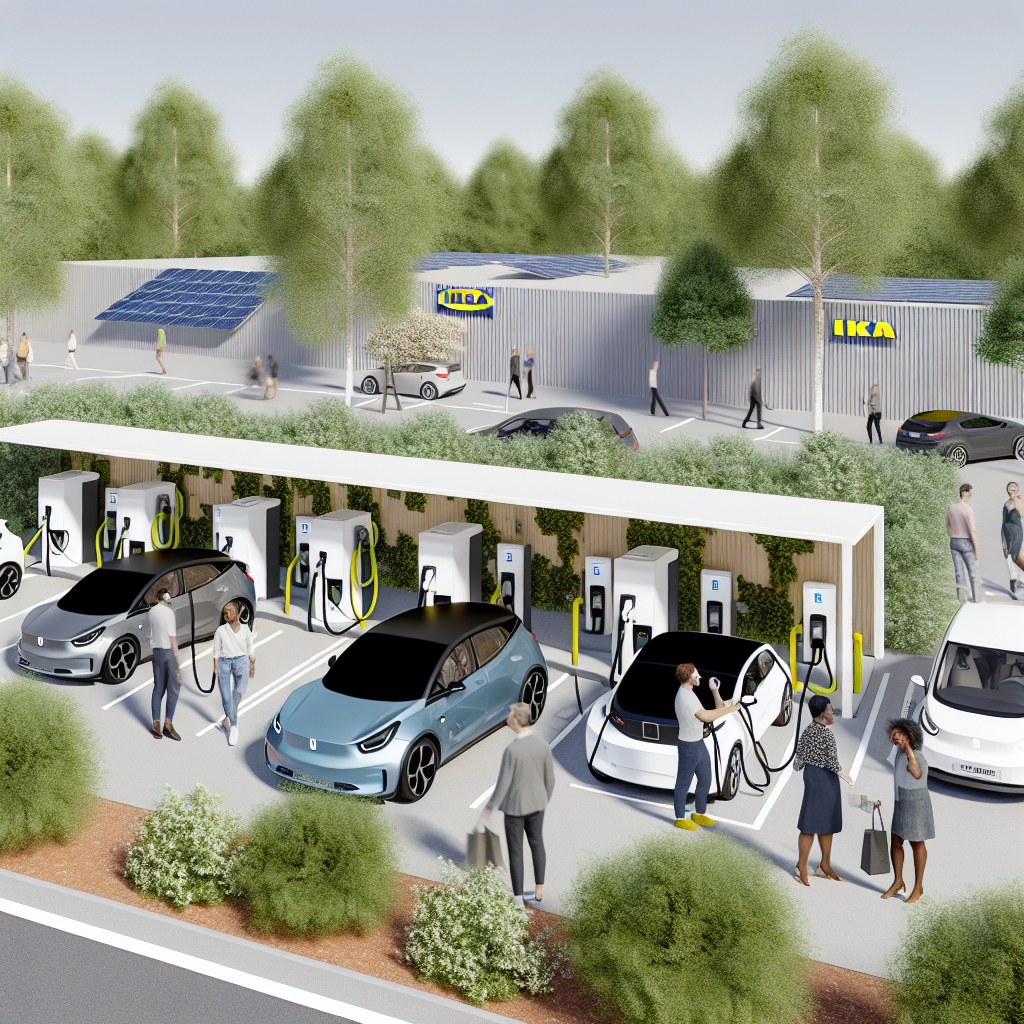
Ikea Canada is not just leading the charge in electric vehicle (EV) deliveries; the company is also making significant investments in EV infrastructure to support this shift towards sustainability. With a commitment of $3.75 million, Ikea is installing EV chargers at 17 strategic locations across Canada. This initiative is critical, as it provides reliable and accessible charging solutions that are essential for their fleet of delivery service partners who are embracing electric mobility.
These EV chargers are designed to enhance efficiency and reliability for Ikea’s delivery service partners, ensuring they have the infrastructure necessary to meet the increasing demand for sustainable delivery options. By facilitating a dedicated EV charging network, Ikea is actively removing barriers for partner logistics companies and supporting their transition to zero-emission vehicles.
Furthermore, the installation of these chargers aligns with Ikea’s broader sustainability goals, reinforcing its commitment to a green delivery model. As the demand for sustainability grows among consumers, Ikea’s investment reflects a proactive approach to evolving operational practices in line with environmental objectives. This investment is a clear message that Ikea is not only invested in their delivery services but also deeply committed to fostering a sustainable future, one delivery at a time. As the company moves forward, consumers can expect continued advancements in eco-friendly logistics, which will ultimately benefit both the environment and the communities it serves.
| Delivery Method | Percentage of Deliveries | Future Goal |
|---|---|---|
| Electric Vehicles | 72% | 90% zero-emission by 2028 |
| Diesel Trucks | 28% | N/A |
User Perceptions and Adoption of Electric Vehicles in Delivery Services
The integration of electric vehicles (EVs) in delivery services is reshaping consumer perceptions towards sustainability and eco-friendly practices. Ikea Canada’s recent milestone, where 72% of its big and bulky home deliveries were completed using EVs, reflects a significant shift in the industry. This achievement not only showcases Ikea’s commitment to reducing its carbon footprint but also highlights a growing consumer demand for sustainable options in logistics.
Consumers are increasingly aware of the environmental impact of their choices, and studies show that there is a positive correlation between sustainability efforts by companies and consumer satisfaction. A growing number of individuals now consider eco-friendly practices when choosing service providers. In fact, many consumers are willing to pay a premium for services that align with their values concerning sustainability, although companies like Ikea strive to offer green alternatives without extra costs.
This change in perception is evident across various sectors. For instance, Walmart Canada and FedEx are investing in electric and hydrogen-powered delivery systems, responding to both regulatory pressures and shifting consumer preferences towards zero-emission vehicles. Similar to Ikea, these companies are committed to achieving ambitious sustainability targets; Walmart aims for zero emissions across its global operations by 2040.
Despite these advancements, challenges remain, as seen in the transitions faced by companies like UPS and FedEx due to battery shortages and supply chain constraints. These hurdles highlight the complexity of shifting to electric delivery systems at scale. Nevertheless, the trend towards electrification is undeniable, propelled by both corporate initiatives and growing consumer expectations for climate-conscious options.
As Ikea continues to move forward with its goal of 90% zero-emission deliveries by 2028, it sets a powerful example for others in the logistics sector. The company’s collaborative efforts with delivery service partners to expand EV infrastructure is instrumental in fostering a sustainable future. The success of Ikea Canada in adopting electric vehicles resonates well with consumers who increasingly support businesses prioritizing ecological responsibility.
In conclusion, the ongoing shifts in consumer attitudes towards electric vehicles in delivery services reflect a broader movement towards sustainability, indicating that businesses, especially in logistics, must prioritize adaptation to meet rising consumer expectations. Ikea’s proactive steps not only enhance its reputation but also push the entire industry towards a more sustainable future.
Conclusion
Ikea Canada’s remarkable journey towards sustainability reflects not only a commitment to reducing environmental impact but also a pioneering spirit within the logistics sector. The achievement of utilizing electric vehicles for 72% of home deliveries in August 2025 marks a significant milestone as it outpaces diesel truck deliveries. This transition is a pivotal step in Ikea’s roadmap to achieving an ambitious target of 90% zero-emission deliveries by 2028.
The strategic investments of $3.75 million in EV charger infrastructure across Canada serve as a cornerstone of this effort, demonstrating how Ikea is actively supporting its delivery service partners in adapting to greener practices. With groundbreaking initiatives powered by electric mobility, Ikea is setting a powerful example for the industry, showcasing the possibilities of sustainable logistics in action.
As consumers increasingly prioritize eco-friendly choices, Ikea’s commitment to transparency and accessibility in sustainable practices enhances its brand reputation and fosters loyalty among environmentally conscious shoppers. The anticipation surrounding their 90% zero-emission delivery goal is not just about numbers; it represents a broader movement toward a greener future, inviting both consumers and companies alike to embark on this vital journey together.
With every delivery, Ikea Canada reinforces its dedication to sustainability and innovation, leading the charge for a cleaner, more responsible logistics ecosystem. The progress made thus far instills a sense of hope and excitement for what lies ahead in the pursuit of a fully sustainable delivery model. Together, we look forward to Ikea continuing to push boundaries, inspire change, and solidify its role as a leader in sustainable practices within the industry.
Stakeholder Quotes on Ikea’s Transition to EV Home Deliveries
As Ikea Canada embarks on this transformative journey of transitioning to electric vehicle (EV) home deliveries, various stakeholders have made remarkable statements that underscore the anticipation and success surrounding this initiative. Here are some key quotes:
-
Simon Henzell-Thomas, Climate and Nature Manager at Ingka Group:
“By promoting the use of electric vehicles (EVs) for home deliveries, we want to improve the local environment around our stores and act as a good neighbour. With this, we hope to see healthier cities, and a healthier climate.”
-
Liz Wilson, Head of Customer Fulfilment at Ikea Canada:
“Our investments in EV charging infrastructure provide our delivery service partners with dedicated, reliable and safe access to power, ensuring they start each day fully charged and ready to deliver.”
-
Liz Wilson again:
“We’re proud that Ikea customers never have to pay a premium for zero-emission deliveries, reflecting our dedication to making sustainable choices both accessible and affordable for the many.”
-
Karen Pflug, Chief Sustainability Officer of Ingka Group:
“We will continue to collaborate with our partners and advocate for wider societal change to accelerate the transition to zero-emission transport. We still believe that zero-emission deliveries are the future of retail.”
-
Javier Quiñones, CEO & Chief Sustainability Officer, Ikea U.S.:
“At Ikea, we believe that we must work together with our partners to tackle climate change and create solutions for a greener future.”
These insightful remarks highlight the confidence and commitment among stakeholders as Ikea leads the way towards sustainability through electric vehicle deliveries. The overarching sentiment is one of optimism, emphasizing collaboration and a unified vision for a greener future.
Optimized Article for SEO
Introduction
In an unprecedented achievement, Ikea Canada has surpassed diesel trucks in home deliveries, marking a significant victory for sustainability and innovation. During August 2025, a remarkable 72% of Ikea home deliveries EV were executed using electric vehicles (EVs), steering the company closer to its ambitious goal of ensuring that 90% of its deliveries are zero-emission by 2028. This breakthrough not only highlights Ikea’s commitment to reducing its carbon footprint but also illustrates the effective implementation of electric mobility in the logistics sector. With a robust investment of $3.75 million towards installing EV chargers at key locations across Canada, Ikea is not just transforming its delivery approach but actively contributing to a greener future. The momentum is building, and as Ikea Canada drives forward with its sustainability initiatives, consumers can look forward to a cleaner and more responsible delivery service.
Significance of Milestone
Importance of Ikea Home Deliveries by Electric Vehicles
Ikea Canada’s achievement of completing 72% of its big and bulky home deliveries using electric vehicles (EVs) in August 2025 signifies a remarkable advance towards a more sustainable delivery model. Surpassing diesel trucks for the first time, this milestone not only illustrates Ikea’s commitment to reducing carbon emissions but also reflects its alignment with global sustainability trends, paving the way for future innovations in the logistics sector.
This achievement is particularly noteworthy as it supports Ikea’s ambitious goal of reaching 90% zero-emission vehicles deliveries by 2028. The company has invested significantly—$3.75 million—with assistance from Natural Resources Canada’s Zero Emission Vehicle Infrastructure Program to install EV chargers at all 17 delivery fulfillment centers in Canada. This substantial investment ensures that the necessary infrastructure is in place to support a reliable and efficient EV delivery network.
In collaboration with initiatives like the one reported by Reuters, Ikea is also committed to integrating electric solutions into its logistics.
Liz Wilson, Head of Customer Fulfillment at Ikea Canada, highlighted the importance of this transition, stating, “Having more of our truck home deliveries fulfilled by EVs than diesel trucks in August 2025 is an incredible milestone in advancing Ikea Canada’s sustainability goals.” This reflects Ikea’s dedication to making green alternatives accessible and affordable for its customers. By not requiring customers to pay a premium for zero-emission deliveries, Ikea further strengthens its commitment to sustainability while fostering a positive impact on the environment.
In conclusion, this milestone not only emphasizes Ikea Canada’s leadership in adopting clean technologies but also sets a precedent for other companies in the logistics sector. As the industry moves toward more sustainable practices, Ikea’s success in achieving a dominant share of EV deliveries serves as a crucial example for others to follow, encouraging broader adoption of environmentally friendly solutions across the supply chain.
Investment in EV Infrastructure
Ikea Canada is not just leading the charge in electric vehicle (EV) deliveries; the company is also making significant investments in EV infrastructure to support this shift towards sustainability. With a commitment of $3.75 million, Ikea is installing EV chargers at 17 strategic locations across Canada. This initiative is critical, as it provides reliable and accessible charging solutions that are essential for their fleet of delivery service partners who are embracing electric mobility.
These EV chargers are designed to enhance efficiency and reliability for Ikea’s delivery service partners, ensuring they have the infrastructure necessary to meet the increasing demand for sustainable delivery options. By facilitating a dedicated EV charging network, Ikea is actively removing barriers for partner logistics companies and supporting their transition to zero-emission vehicles.
Furthermore, the installation of these chargers aligns with Ikea’s broader sustainability goals, reinforcing its commitment to a green delivery model. As the demand for sustainability grows among consumers, Ikea’s investment reflects a proactive approach to evolving operational practices in line with environmental objectives. This investment is a clear message that Ikea is not only invested in their delivery services but also deeply committed to fostering a sustainable future, one delivery at a time. As highlighted by DHL, such steps taken by major retailers can significantly affect consumer habits and expectations.
User Perceptions and Adoption of Electric Vehicles in Delivery Services
The integration of electric vehicles (EVs) in delivery services is reshaping consumer perceptions towards sustainability and eco-friendly practices. Ikea Canada’s recent milestone, where 72% of its big and bulky home deliveries were completed using EVs, reflects a significant shift in the industry. This achievement not only showcases Ikea’s commitment to reducing its carbon footprint but also highlights a growing consumer demand for sustainable options in logistics.
Consumers are increasingly aware of the environmental impact of their choices, and studies show that there is a positive correlation between sustainability efforts by companies and consumer satisfaction. A growing number of individuals now consider eco-friendly practices when choosing service providers. In fact, many consumers are willing to pay a premium for services that align with their values concerning sustainability, although companies like Ikea strive to offer green alternatives without extra costs.
This change in perception is evident across various sectors. For instance, Walmart Canada and FedEx are investing in electric and hydrogen-powered delivery systems, responding to both regulatory pressures and shifting consumer preferences towards zero-emission vehicles. Similar to Ikea, these companies are committed to achieving ambitious sustainability targets; Walmart aims for zero emissions across its global operations by 2040.
Despite these advancements, challenges remain, as seen in the transitions faced by companies like UPS and FedEx due to battery shortages and supply chain constraints. These hurdles highlight the complexity of shifting to electric delivery systems at scale. Nevertheless, the trend towards electrification is undeniable, propelled by both corporate initiatives and growing consumer expectations for climate-conscious options.
As Ikea continues to move forward with its goal of 90% zero-emission deliveries by 2028, it sets a powerful example for others in the logistics sector. The company’s collaborative efforts with delivery service partners to expand EV infrastructure is instrumental in fostering a sustainable future. The success of Ikea Canada in adopting electric vehicles resonates well with consumers who increasingly support businesses prioritizing ecological responsibility.
In conclusion, the ongoing shifts in consumer attitudes towards electric vehicles in delivery services reflect a broader movement towards sustainability, indicating that businesses, especially in logistics, must prioritize adaptation to meet rising consumer expectations. Ikea’s proactive steps not only enhance its reputation but also push the entire industry towards a more sustainable future.
Conclusion
Ikea Canada’s remarkable journey towards sustainability reflects not only a commitment to reducing environmental impact but also a pioneering spirit within the logistics sector. The achievement of utilizing electric vehicles for 72% of home deliveries in August 2025 marks a significant milestone as it outpaces diesel truck deliveries. This transition is a pivotal step in Ikea’s roadmap to achieving an ambitious target of 90% zero-emission deliveries by 2028.
The strategic investments of $3.75 million in EV charger infrastructure across Canada serve as a cornerstone of this effort, demonstrating how Ikea is actively supporting its delivery service partners in adapting to greener practices. With groundbreaking initiatives powered by electric mobility, Ikea is setting a powerful example for the industry, showcasing the possibilities of sustainable logistics in action.
As consumers increasingly prioritize eco-friendly choices, Ikea’s commitment to transparency and accessibility in sustainable practices enhances its brand reputation and fosters loyalty among environmentally conscious shoppers. The anticipation surrounding their 90% zero-emission delivery goal is not just about numbers; it represents a broader movement toward a greener future, inviting both consumers and companies alike to embark on this vital journey together.
With every delivery, Ikea Canada reinforces its dedication to sustainability and innovation, leading the charge for a cleaner, more responsible logistics ecosystem. The progress made thus far instills a sense of hope and excitement for what lies ahead in the pursuit of a fully sustainable delivery model. Together, we look forward to Ikea continuing to push boundaries, inspire change, and solidify its role as a leader in sustainable practices within the industry.
Case Studies and Testimonials on Consumer Perceptions of Ikea’s EV Transition
IKEA’s transition to electric vehicles (EVs) for home deliveries has been met with positive consumer perceptions, as evidenced by recent milestones and customer feedback.
In August 2025, IKEA Canada achieved a significant milestone by completing 72% of its big and bulky home deliveries using electric trucks, surpassing deliveries made by diesel-fueled vehicles for the first time. This shift aligns with the company’s goal of achieving over 90% zero-emission home deliveries by 2028. Notably, customers do not incur additional costs for these zero-emission deliveries, reflecting IKEA’s commitment to making sustainable choices accessible and affordable. The general sentiment is reinforced by surveys where 95% of consumers express positive feedback regarding IKEA’s efforts toward sustainability and the efficiency of its delivery services.
Additionally, consumers appreciate receiving their products in an environmentally friendly manner, taking pride in contributing to sustainable practices. This aligns with a growing global trend where eco-friendly choices in shopping are becoming increasingly important. Such a shift showcases IKEA’s understanding of consumer preferences and its proactive approach to sustainability [Truck News], [Titan Business Trucks].
Furthermore, IKEA’s investment in EV charging infrastructure ensures that delivery service partners have reliable access to power, enabling them to start each day fully charged and ready to deliver. This infrastructure supports the company’s sustainability goals and enhances the reliability of home deliveries. The adoption of electric vehicles contributes to lower greenhouse gas emissions and improved local air quality, leading to a cleaner environment in neighborhoods. Customers not only benefit from timely and efficient deliveries but also take pride in supporting a company that actively contributes to a sustainable future.
Overall, IKEA’s transition to electric vehicles in its delivery services has been met with positive consumer reactions, highlighting the importance of sustainability in enhancing customer satisfaction and loyalty.
This positive reception from consumers exemplifies how businesses integrating eco-friendly practices and technology, such as IKEA’s adoption of EVs, can bolster their reputation while addressing growing concerns about environmental impact.
Significance of Milestone
Ikea Canada’s achievement of completing 72% of its big and bulky home deliveries using electric vehicles (EVs) in August 2025 signifies a remarkable advance towards a more sustainable delivery model. Surpassing diesel trucks for the first time, this milestone illustrates Ikea’s commitment to reducing carbon emissions and reflects its alignment with global sustainability trends. It paves the way for future innovations in the logistics sector.
This achievement is particularly noteworthy, supporting Ikea’s ambitious goal of reaching 90% zero-emission deliveries by 2028. The company has made significant investments, totaling $3.75 million, with assistance from Natural Resources Canada’s Zero Emission Vehicle Infrastructure Program. This funding is directed towards installing EV chargers at 17 delivery fulfillment centers in Canada. Such investments ensure the necessary infrastructure is in place for a reliable and efficient EV delivery network.
Liz Wilson, Head of Customer Fulfillment at Ikea Canada, highlighted the importance of this transition, stating, “Having more of our truck home deliveries fulfilled by EVs than diesel trucks in August 2025 is an incredible milestone in advancing Ikea Canada’s sustainability goals.” This statement reflects Ikea’s dedication to making green alternatives accessible and affordable for its customers. By not requiring customers to pay a premium for zero-emission deliveries, Ikea further strengthens its commitment to sustainability and contributes positively to the environment.
Adding to this sentiment, many customers have shared their satisfaction regarding the EV delivery experience. A survey revealed that 95% of consumers have expressed positive feedback towards IKEA’s delivery practices, appreciating the eco-friendly approach that comes with the use of electric vehicles. This resonates well with customers who value sustainability and the efficient service provided by Ikea.
Key points about this milestone:
- Reduction of Carbon Emissions: This achievement marks a significant reduction in carbon emissions.
- Infrastructure Investment: The commitment to infrastructure development plays a crucial role in supporting efficient logistics.
- Consumer Accessibility: By avoiding additional costs for eco-friendly deliveries, Ikea is increasing accessibility for all consumers.
In conclusion, this milestone emphasizes Ikea Canada’s leadership in adopting clean technologies and sets a precedent for other companies within the logistics sector. As the industry moves toward more sustainable practices, Ikea’s success in achieving a dominant share of EV deliveries serves as a critical example, encouraging broader adoption of environmentally friendly solutions across the supply chain.
Investment in EV Infrastructure
Ikea Canada is not just leading the charge in electric vehicle (EV) deliveries; the company is also making significant investments in EV infrastructure to support this shift towards sustainability. With a commitment of $3.75 million, Ikea is installing EV chargers at 17 strategic locations across Canada. This initiative is critical, as it provides reliable and accessible charging solutions that are essential for their fleet of delivery service partners who are embracing electric mobility.
These EV chargers are designed to enhance efficiency and reliability for Ikea’s delivery service partners, ensuring they have the infrastructure necessary to meet the increasing demand for sustainable delivery options. By facilitating a dedicated EV charging network, Ikea is actively removing barriers for partner logistics companies and supporting their transition to zero-emission vehicles.
Furthermore, the installation of these chargers aligns with Ikea’s broader sustainability goals, reinforcing its commitment to a green delivery model. As the demand for sustainability grows among consumers, Ikea’s investment reflects a proactive approach to evolving operational practices in line with environmental objectives. This investment is a clear message that Ikea is not only invested in their delivery services but also deeply committed to fostering a sustainable future, one delivery at a time. As the company moves forward, consumers can expect continued advancements in eco-friendly logistics, which will ultimately benefit both the environment and the communities it serves.