

The landscape of fleet management is experiencing a seismic shift as automation continues to transform operations and efficiencies. With technological advancements streamlining processes, it may be tempting for organizations to prioritize digital tools over their most valuable asset—people. However, the true success of fleet management rests on a delicate balance between investing in innovative technologies and nurturing human resources.
Today, as fleets grapple with monumental generational shifts and the adoption of artificial intelligence, it becomes increasingly clear that a workforce trained to navigate these tools is essential. The future of fleet management demands not only the implementation of cutting-edge solutions but also the investment in personnel who can leverage these advancements to improve operational effectiveness, morale, and customer satisfaction.
This article explores why investing in people is just as crucial as adopting digital innovations, ultimately revealing that automation and human expertise, when harmonized, can drive unprecedented success in the industry.
“Some just don’t want to use digital tools.” – David Kelly
This sentiment encapsulates a critical aspect of the workforce resistance that many organizations face when implementing digital tools. As technology evolves, so does the need for training and engagement strategies that address the hesitancy some employees have towards these advancements. Emphasizing the importance of human involvement alongside digital innovations is essential from a management perspective.
| Investing in People | Investing in Digital Tools |
|---|---|
Benefits
|
Benefits
|
Drawbacks
|
Drawbacks
|
Generational Shifts in Workforce
The workforce is undergoing significant generational shifts, leading to evolving attitudes toward technology and digital tools. Understanding these shifts is vital for organizations aiming to foster a productive and collaborative environment. Here’s an overview of the impact these changes have on the adoption of digital tools:
-
Different Comfort Levels with Technology:
Older generations, particularly Baby Boomers, may hesitate to embrace new digital tools due to their comfort with traditional methods, while Millennials and Generation Z are more inclined to integrate technology into their work processes. -
Training Preferences:
A 2024 Deloitte survey found that 75% of Gen Z employees prioritize continuous skill development, favoring personalized and relevant learning experiences. Contrarily, older workers may prefer structured training environments over technology-driven instruction. -
Impact on Productivity:
Data indicates that companies leveraging the strengths of each generation and providing tailored training report higher workforce engagement and productivity. A PwC study noted that nearly 73% of employees across all ages prefer digital, self-directed formats.
Examples of Generational Influence on Tool Adoption
-
Digital Integration:
Younger generations seek digital tools that align with their workflows, often pushing organizations to adopt tech solutions that streamline processes. For instance, many fleet companies are utilizing telematics and GPS systems to improve operations, driven by the demand for real-time data access. -
Resistance to Change:
Approximately 45% of fleet managers experience difficulties integrating legacy systems with modern digital solutions, underscoring a generational divide in how change is approached.
Insights from Research
-
Tailored Training:
Investing in training specifically designed for various age groups can enhance employee satisfaction and retention. Organizations that provide flexible learning paths witness increased morale as employees feel more equipped to use digital tools. -
Creating a Collaborative Environment:
Fostering an environment where older and younger workers collaborate can facilitate knowledge sharing and leverage the unique perspectives each generation brings to digital transformation initiatives.
Conclusion
Adapting to generational shifts in the workforce is paramount. By recognizing the distinct needs of different age groups concerning technology adoption and training, organizations can establish more inclusive and effective workplace practices. This approach not only enhances engagement but also drives operational success in a rapidly evolving digital landscape.
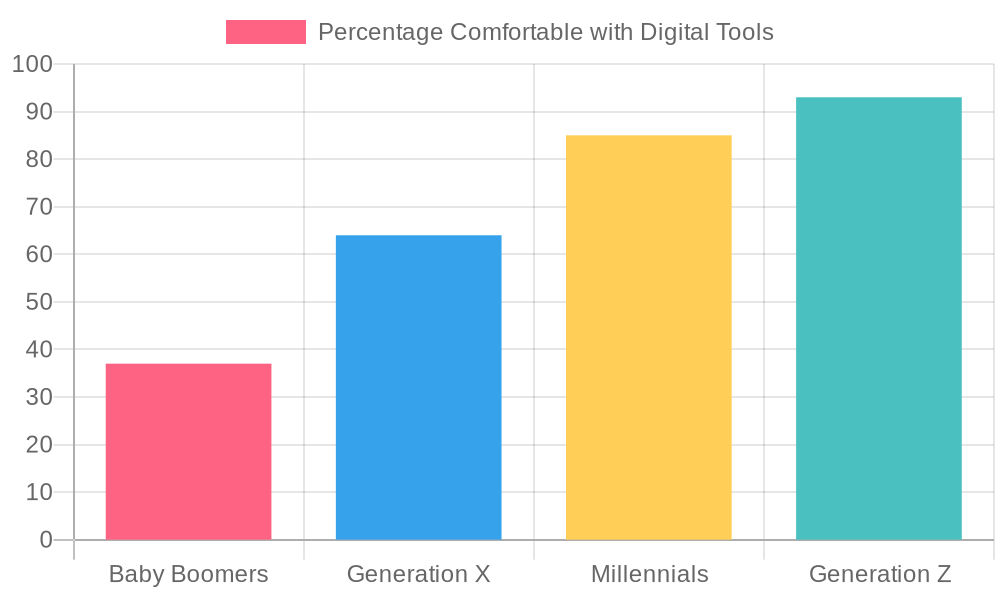
This graph represents the percentage of various generations comfortable with digital tools, illustrating a significant trend towards higher comfort levels in younger generations.
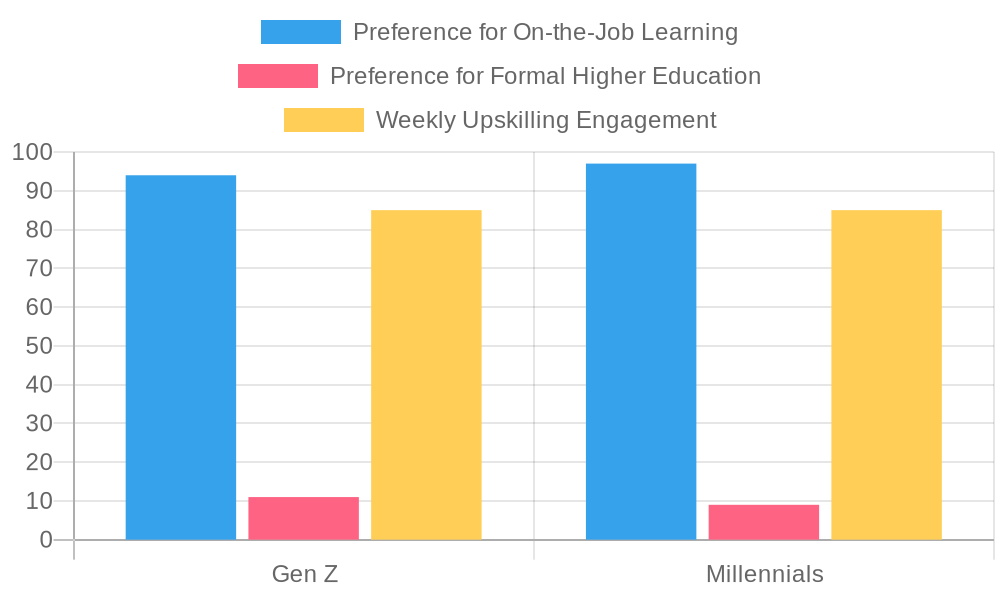
This graph illustrates the training preferences of Gen Z and Millennials, highlighting a strong preference for on-the-job learning compared to formal education.
Workforce Engagement
Workforce engagement is a critical element of successful fleet management. Engaging employees means actively involving them in their work and decision-making processes. This level of involvement fosters a sense of ownership and loyalty towards the organization.
Investing in workforce engagement initiatives is essential. Organizations should consider strategies such as providing opportunities for professional development, encouraging open communication, and creating a positive work environment. These strategies not only enhance employee morale but also increase productivity.
Programs that focus on employee well-being and satisfaction lead to better retention rates. When employees feel valued and supported, they are more likely to contribute to the success of the fleet. Therefore, fostering an engaged workforce is integral to navigating the challenges posed by technological advancements and operational demands in the fleet industry.
The Need for Agility and Exposure in Workforce Training and Operations
As organizations look to navigate the complexities of the modern workforce, the importance of agility and adaptability in training and operations cannot be overstated. Whether it’s adapting to digital tools or responding to changing market demands, a flexible approach is essential for success.
“Agility requires exposure across the business.” – Kristen Fess
This quote serves as a key takeaway for businesses striving to maintain relevance in an ever-evolving landscape. By fostering an environment where learning and adaptability are prioritized, organizations can better prepare their workforce to tackle challenges and seize opportunities more efficiently.
Moreover, embracing a culture of continuous learning and cross-departmental exposure equips teams with the diverse skill set needed to operate effectively in a rapidly changing environment. In this context, agility not only enhances operational performance but also strengthens the organization’s capacity to innovate and respond proactively to new challenges.
Training Efficiency in the Era of Automation
In recent years, automation has revolutionized the training landscape, slashing onboarding and training times across various industries, particularly within fleet management. For instance, logistics companies have drastically reduced their onboarding duration from weeks to just hours by adopting innovative training methodologies such as microlearning. One case study highlighted that a logistics operator cut down their onboarding time from 14 days to under 5 days through targeted microlearning modules, enhancing knowledge retention and engagement among new hires. This approach of breaking down training into manageable segments allows for more efficient learning and quicker integration into the workforce.
Furthermore, around 70% of fleet management companies are now integrating safety protocol and fleet technology training into their upskilling programs, moving the average time for upskilling from six months to approximately four months. The adoption of online learning platforms and virtual training has played a pivotal role in this transformation. For instance, 60% of fleet operations are investing in virtual reality training methods to upskill drivers, leading to a projected reduction in training costs by as much as 12%.
Another striking example comes from a Fortune 500 shipping company that utilized AI-driven voice solutions for pre-operational truck inspections. This innovative solution cut inspection times from 15 minutes to just 60 seconds per vehicle, an impressive 85% reduction, thereby accelerating operational efficiency in daily operations.
The Role of Cross-Training
Cross-training initiatives have emerged as a powerful strategy to reduce inefficiencies within organizations. Cross-training employees to perform multiple roles fosters a versatile workforce that can adapt to varying operational needs, enhancing overall productivity. Studies indicate that organizations that embrace cross-training experience a 30% increase in project delivery efficiency within the tech sector and a 25% increase in customer satisfaction scores in retail environments. This adaptability not only addresses immediate staffing challenges but also promotes a culture of teamwork and employee readiness.
Moreover, cross-training programs have been linked to a 32% higher employee retention rate. Organizations that invest in cross-training see their workforce becoming more resilient during disruptions, reducing potential losses in challenging times. This multifaceted approach to workforce training showcases how strategic investments in both automation and cross-training lead to substantial operational improvements and more engaged employees.
Furthermore, for further reading on the balance between investing in people and digital tools, consider exploring this insightful article: Executives urge fleets to invest in people, not just digital tools – Truck News.
“It’s really about redeploying people into higher-value work.”
This quote underscores the need for organizations to focus on enhancing workforce capabilities rather than merely replacing personnel with technology. By transitioning employees to roles where their skills and expertise can drive greater impact, organizations will not only boost morale but also optimize their operations effectively.
It is essential for fleet executives to recognize that while digital tools streamline operations, investing in their workforce can create a more adaptable and resilient business model, fostering growth and innovation in the long run.
Conclusion
In today’s rapidly evolving landscape of fleet management, the balance between investing in technology and fostering human talent is crucial for sustained operational excellence. As we have discussed, successful fleet management hinges on leveraging digital innovations while simultaneously prioritizing the development and engagement of the workforce. By integrating technologies like telematics and AI with comprehensive training programs, fleets can not only enhance operational efficiency but also empower their employees to adapt and thrive in this changing environment.
Moreover, implementing predictive maintenance systems, optimizing route planning with AI, and fostering a culture of continuous improvement can position fleets for long-term success. These strategies underline the importance of equipping both equipment and personnel to meet emerging challenges.
Fleet executives are encouraged to recognize that a harmonious investment in both technology and people will lead to heightened morale, increased productivity, and ultimately better customer satisfaction. Therefore, I urge fleet leaders to commit to this balanced approach—prioritize the training and development of your workforce just as strongly as you do the latest digital tools. Embrace this dual focus, and your fleet will be well-prepared to navigate the complexities and opportunities of the future.
“We can’t just say, ‘Do what we did.’ We have to adapt.” – Gary Vandenheuvel
This quote serves as a poignant reminder that in the realm of fleet management, adaptation is not just beneficial but essential. As businesses face evolving challenges, the ability to pivot and adjust strategies becomes key to maintaining operational effectiveness and competitiveness.
Organizations must embrace flexible approaches that allow them to respond promptly to market demands and technological advancements. Integrating adaptive strategies into workforce training and operations ensures that employees are equipped not just with current tools, but with the mindset to innovate and stay ahead of the curve.
Training Efficiency in the Era of Automation
In recent years, automation has revolutionized the training landscape, slashing onboarding and training times across various industries, particularly within fleet management. For instance, logistics companies have drastically reduced their onboarding duration from weeks to just hours by adopting innovative training methodologies such as microlearning. One case study highlighted that a logistics operator cut down their onboarding time from 14 days to under 5 days through targeted microlearning modules, enhancing knowledge retention and engagement among new hires. This approach of breaking down training into manageable segments allows for more efficient learning and quicker integration into the workforce.
Furthermore, around 70% of fleet management companies are now integrating safety protocol and fleet technology training into their upskilling programs, moving the average time for upskilling from six months to approximately four months. The adoption of online learning platforms and virtual training has played a pivotal role in this transformation. For instance, 60% of fleet operations are investing in virtual reality training methods to upskill drivers, leading to a projected reduction in training costs by as much as 12%.
Another striking example comes from a Fortune 500 shipping company that utilized AI-driven voice solutions for pre-operational truck inspections. This innovative solution cut inspection times from 15 minutes to just 60 seconds per vehicle, an impressive 85% reduction, thereby accelerating operational efficiency in daily operations.
The Role of Cross-Training
Cross-training initiatives have emerged as a powerful strategy to reduce inefficiencies within organizations. Cross-training employees to perform multiple roles fosters a versatile workforce that can adapt to varying operational needs, enhancing overall productivity. Studies indicate that organizations that embrace cross-training experience a 30% increase in project delivery efficiency within the tech sector and a 25% increase in customer satisfaction scores in retail environments. This adaptability not only addresses immediate staffing challenges but also promotes a culture of teamwork and employee readiness.
Moreover, cross-training programs have been linked to a 32% higher employee retention rate. Organizations that invest in cross-training see their workforce becoming more resilient during disruptions, reducing potential losses in challenging times. This multifaceted approach to workforce training showcases how strategic investments in both automation and cross-training lead to substantial operational improvements and more engaged employees.
Seamless Transition to Resource Optimization
Building on the efficiency achieved through innovative training, organizations can capitalize on these improvements by focusing on resource optimization and employee redeployment. The enhanced training processes not only equip employees with necessary skills but also enable them to transition smoothly into higher-value roles within the organization.
In the discussion regarding resource optimization and employee redeployment, the words of Jason Belgrave resonate profoundly:
“It’s really about redeploying people into higher-value work.”
This quote underscores the need for organizations to focus on enhancing workforce capabilities rather than merely replacing personnel with technology. By transitioning employees to roles where their skills and expertise can drive greater impact, organizations will not only boost morale but also optimize their operations effectively. It is essential for fleet executives to recognize that while digital tools streamline operations, investing in their workforce can create a more adaptable and resilient business model, fostering growth and innovation in the long run.
Introduction
The landscape of fleet management is experiencing a seismic shift as automation continues to transform operations and efficiencies. With technological advancements streamlining processes, it may be tempting for organizations to prioritize digital tools over their most valuable asset—people. However, the true success of fleet management rests on a delicate balance between investing in innovative technologies and nurturing human resources.
Today, as fleets grapple with monumental generational shifts and the adoption of artificial intelligence, it becomes increasingly clear that a workforce trained to navigate these tools is essential. Furthermore, digital transformation in fleet management is critical for operational success, and that necessitates integrating adaptive training methods to prepare employees for the evolving technological landscape. The future of fleet management demands not only the implementation of cutting-edge solutions but also the investment in personnel who can leverage these advancements to improve operational effectiveness, morale, and customer satisfaction.
This article explores why investing in people is just as crucial as adopting digital innovations, ultimately revealing that automation and human expertise, when harmonized, can drive unprecedented success in the industry.
Generational Shifts in Workforce
The workforce is undergoing significant generational shifts, leading to evolving attitudes toward technology and digital tools. Understanding these shifts is vital for organizations aiming to foster a productive and collaborative environment. Here’s an overview of the impact these changes have on the adoption of digital tools:
- Different Comfort Levels with Technology: Older generations, particularly Baby Boomers, may hesitate to embrace new digital tools due to their comfort with traditional methods, while Millennials and Generation Z are more inclined to integrate technology into their work processes.
- Training Preferences: A 2024 Deloitte survey found that 75% of Gen Z employees prioritize continuous skill development, favoring personalized and relevant learning experiences, including adaptive training methods. Contrarily, older workers may prefer structured training environments over technology-driven instruction.
- Impact on Productivity: Data indicates that companies leveraging the strengths of each generation and providing tailored training report higher workforce engagement and productivity. A PwC study noted that nearly 73% of employees across all ages prefer digital, self-directed formats.
Conclusion
Adapting to generational shifts in the workforce is paramount. By recognizing the distinct needs of different age groups concerning technology adoption and training, organizations can establish more inclusive and effective workplace practices. This approach not only enhances engagement but also drives operational success in a rapidly evolving digital landscape. The balanced investment in both adaptive training methods and digital tools will empower a workforce that is resilient, skilled, and ready to meet the challenges of fleet management today and in the future.