
Introduction
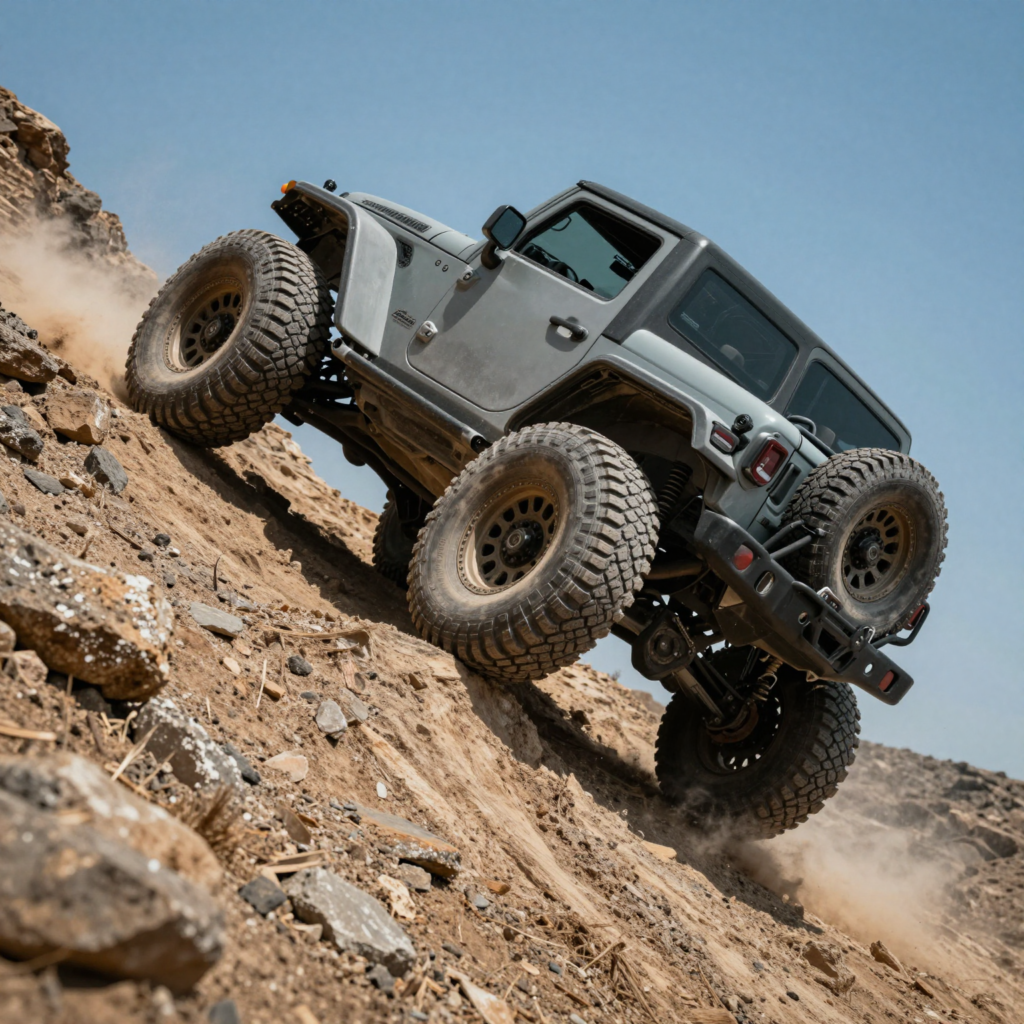
Off-roading is more than just a hobby for enthusiasts; it’s a daring adventure that ignites the spirit of adventure deep within us. The roar of the engine, the crunch of gravel beneath massive tires, and the thrill of conquering rugged terrains create a unique adrenaline rush that few activities can match. Yet, amid this exhilarating chaos, there lies an essential aspect that can greatly influence your off-roading experience: truck tilt. Understanding how far a truck can tilt is crucial for navigating uneven landscapes effectively, keeping you safe while maximizing your vehicle’s potential. From steep inclines to deep ruts, knowing the mechanics of tilt can elevate your off-roading prowess, ensuring you can tackle diverse environments with confidence. Whether you’re racing through muddy trails or climbing rocky hills, grasping the principles of tilt not only enhances your skills but also transforms every trip into an unforgettable escapade. Unleash the beast within your truck by mastering your craft and leaning into the challenge of off-roading like never before!
When enthusiasts venture into the rugged world of off-roading, one critical factor that influences a truck’s capability is truck tilt. This term refers to the angle at which a truck can lean or tip during a maneuver on uneven terrain. It’s a fascinating concept that has far-reaching implications for off-road performance, stability, and safety.
Factors Influencing Truck Tilt
-
Vehicle Design: The engineering behind a truck plays a pivotal role in how it responds to challenges on an off-road course. Trucks with a lower center of gravity tend to have better stability, minimizing the risk of tipping over. Features like wide wheelbases and robust suspension systems can enhance a truck’s ability to handle sharp inclines, descents, and uneven surfaces.
-
Terrain Type: The nature of the terrain is crucial when assessing truck tilt. Soft or muddy ground can lead to sinking, whereas rocky paths might induce jerks and sudden shifts that increase tilt. Off-roading in hilly areas can magnify these effects, where slopes and angles complicate the dynamic of weight distribution.
-
Weight Distribution: This is perhaps the most significant aspect of truck tilt. Properly distributing weight across the truck is essential for maintaining balance. Off-road modifications, such as the addition of roof racks or heavy accessories, can shift the center of gravity and, subsequently, affect tilt. Enthusiasts aiming for performance must consider how their cargo and accessories are arranged to prevent unwarranted tilting, which can lead to loss of traction or control.
The Bottom Line
Understanding truck tilt is paramount for any off-roading enthusiast. It not only affects how far a truck can safely lean into a turn or climb but also plays a critical role in overall vehicle performance and safety. For those invested in optimizing their off-road experience, considering these factors is crucial. Learn more about vehicle design and performance enhancement and how modifications can impact your adventures.
In essence, grasping the foundational elements of truck tilt equips off-roaders with the knowledge to make informed decisions about vehicle selection and modifications, ultimately enhancing their off-roading capabilities.
When it comes to off-road adventures, understanding the factors that affect how far a truck can tilt is essential for optimizing performance and ensuring safety. Here are some key elements that influence truck tilt when navigating rugged terrains:
-
Suspension System: The type and quality of the suspension system play a crucial role in how well a truck can handle uneven surfaces. Advanced suspension geometries improve stability, providing better tilt resistance (source).
-
Wheelbase: A longer wheelbase typically enhances stability, distributing weight evenly across the tires. This can reduce the risk of tipping over when cornering or traversing steep inclines (source).
-
Weight Distribution: The total weight of the truck and how it is distributed significantly affects how it tilts. Evenly distributed weight provides more balance, which is crucial in preventing rollovers on challenging terrain (source).
-
Terrain Type: Different terrains, such as loose sand, mud, or rocky paths, influence a truck’s ability to tilt. Softer grounds can lead to sinking, while uneven rocky surfaces can challenge stability.
-
Tire Selection: The type and size of tires also have an impact, as wider and lower-profile tires can provide better grip, reducing the risk of tilt on off-camber sections.
Understanding these factors allows off-road enthusiasts to adapt their vehicles for optimal performance in all kinds of rugged environments. For additional tips on enhancing your truck’s performance, learn more about mastering diesel mechanics and the must-have features for off-road dispatching.
| Truck Model | Suspension Type | Wheelbase (inches) | Notable Features |
|---|---|---|---|
| Ford Raptor | Independent Front Suspension (IFS) | 133.0 | 450 hp twin-turbo V6, 12 inches of ground clearance, advanced terrain management system. |
| Chevrolet Colorado ZR2 | Multimatic DSSV Dampers | 128.3 | Off-road mode, skid plates, specialized tires for rugged terrain. |
| Ram 1500 TRX | Adaptive Air Suspension | 145.0 | Supercharged V8, launch control, off-road drive modes, high payload capacity. |
| Toyota Tacoma TRD Pro | Solid Axle Suspension | 127.4 | Crawl control, locking rear differential, rugged design for durability. |
| Jeep Gladiator | Solid Axle Suspension | 137.3 | Convertible roof, superior articulation, removable doors, and rugged aesthetics. |
- Ford Raptor: Known for its robust performance and advanced technology suited for various terrains. It features an impressive 450 horsepower engine that makes it a favorite among those who need power on the trails.
- Chevrolet Colorado ZR2: This model combines size and power with advanced features that cater to rugged environments, making it a fantastic option for serious adventurers.
- Ram 1500 TRX: With its adaptive air suspension, this vehicle excels in both comfort and performance, capable of tackling the most challenging off-road scenarios.
- Toyota Tacoma TRD Pro: This model is engineered for extreme off-roading, offering features that enhance stability and control during rugged driving conditions.
- Jeep Gladiator: Renowned for its versatility, the Gladiator combines the features of a truck with off-roading capabilities, making it unique in its class.
For more detailed information on choosing the right suspension for these trucks, check out this guide on suspension systems.
This comparison showcases various options tailored for off-road enthusiasts seeking adventure, whether on rugged terrains or challenging paths. Each of these models provides unique features that cater effectively to the thrill-seeker’s heart, linking to their robust performance on off-road journeys.
Understanding the Importance of Truck Tilt
For off-road enthusiasts, understanding truck tilt is not just a technical detail-it’s a crucial aspect that can significantly impact safety and performance in various terrains. When navigating rugged landscapes, trucks often encounter steep inclines and declines. The angle at which a truck tilts can determine whether it continues its journey safely or ends up in a precarious situation.
Safety Considerations
Embracing knowledge of truck tilt helps in calculating the risk of rollovers. According to an article from Offroad-ed.com, vehicle tilt awareness plays a fundamental role in preventing accidents during side slope maneuvers. A tilt exceeding certain angles can lead to loss of control, leading to overturns that endanger both the vehicle and passengers.
Maximizing Performance
Moreover, understanding how tilt affects performance means you can optimize your vehicle’s configuration. For example, aligning the suspension and ensuring proper weight distribution can enhance traction and power delivery on uneven surfaces. Articles from various sources emphasize that proper maintenance and upgrades are essential to adapt to the demands of off-road driving, ensuring that your rig performs optimally under challenging conditions.
In conclusion, grasping the dynamics of truck tilt enables enthusiasts to better navigate their off-road adventures, ensuring both safety and enjoyment.
User Experiences with Truck Tilt in Off-Roading
Off-road enthusiasts often face unique challenges and experiences related to the tilt of their trucks during rough terrains. Here are some common themes observed in the community:
Common Challenges
-
Stability Issues: Many users report issues with vehicle stability when tilting at steep angles. Trucks can become top-heavy, especially those with higher lift kits and larger tires, increasing the risk of rollover in extreme scenarios.
-
Suspension Stress: Off-roaders frequently mention the strain on suspension systems when tackling steep grades or uneven ground. The angles at which trucks operate can lead to accelerated wear on shocks and springs.
-
Control Problems: Drivers note that managing throttle and brake input becomes trickier when the truck is tilted. Misjudgments can lead to slides or loss of traction, particularly in muddy or rocky conditions.
-
Body Damage: Issues like fender rub and underbody scraping are frequently discussed among users. When trucks tilt excessively, it’s not uncommon for them to sustain cosmetic and functional damage.
Common Successes
-
Improved Off-Road Performance: Many off-road enthusiasts cherish the experiences and capabilities gained by pushing their trucks to tilt at steep angles. When done correctly, this can lead to enhanced grip and traction, allowing vehicles to navigate obstacles that would otherwise be insurmountable.
-
Using Technology to Aid Tilt: Some truck owners use advanced technologies such as tilt sensors and leveling kits to manage truck angles better during off-road situations. Users have reported that these modifications greatly help maintain stability and control.
-
Skill Development: Over time, off-road enthusiasts often become better drivers by learning how to handle their vehicles at various angles. The thrill of mastering challenging climbs and descents becomes a point of pride.
-
Community Sharing Experiences: Many enthusiasts take to online forums and social media groups to share their experiences, tips, and tricks about managing truck tilt. Communities often emphasize learning from one another to improve safety and performance during off-road adventures.
Conclusion
In conclusion, while many challenges come with tilting a truck off-road, the experiences shared by enthusiasts highlight both the excitement and skills that can be developed through these adventures. Those looking for advice on enhancing their trucks for off-road success can refer to resources on mastering diesel mechanics and must-have features for their vehicles.
With proper knowledge and modifications, off-roading can become a safer and more rewarding pursuit.
Modifications for Improved Tilt
For off-road enthusiasts, managing how far a truck can tilt is crucial for both performance and safety during rugged adventures. A truck that leans too far can risk rolling over, making modifications essential. Below are key enhancements that anyone serious about off-roading should consider:
1. Suspension Upgrades
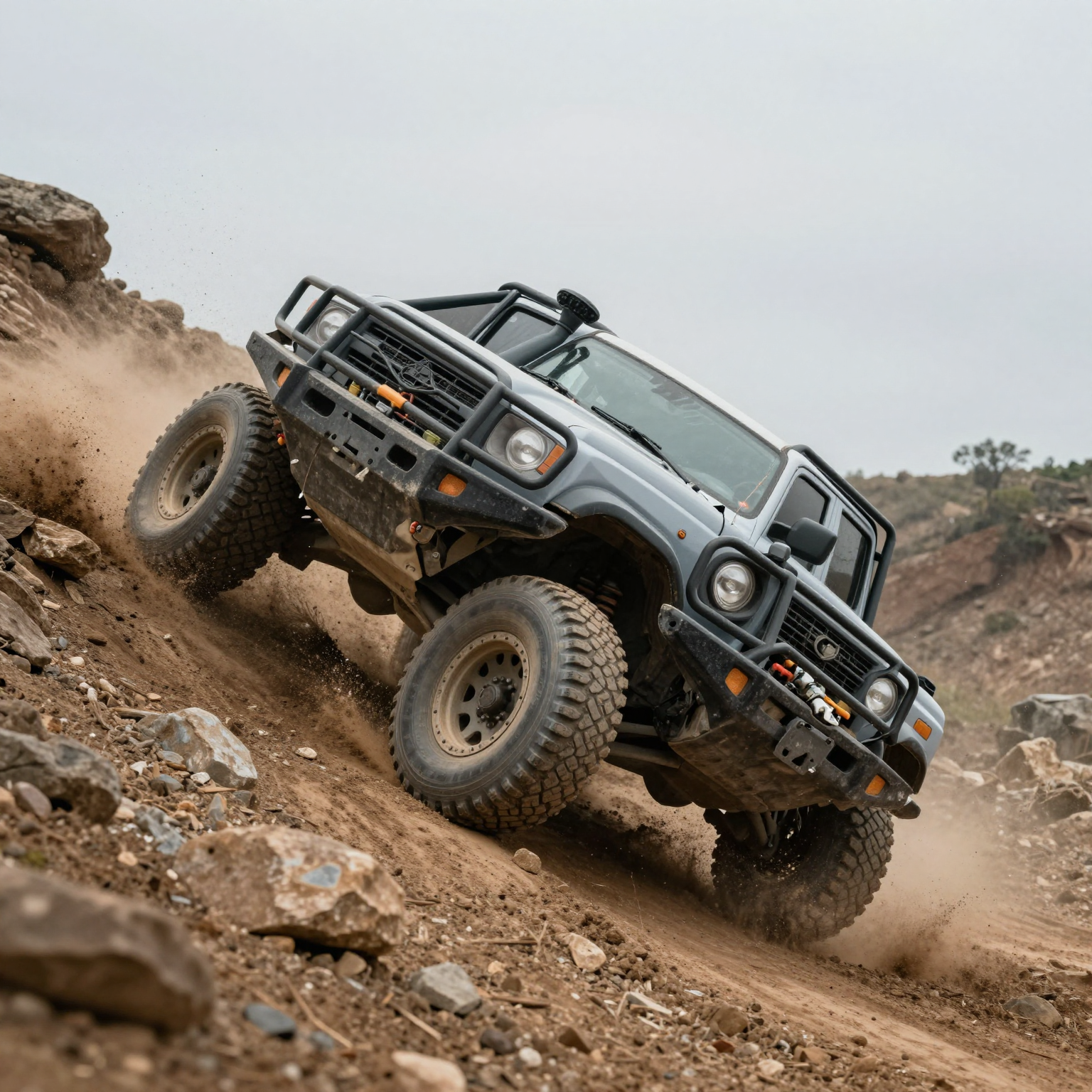
Upgrading the suspension system is arguably the most impactful modification. Enhancements like lift kits increase ground clearance and improve suspension articulation, which allows for better tire contact and stability on uneven terrain. According to a recent survey, 48% of off-road enthusiasts favor lift kits to enhance tilt performance (see chart below).
2. Performance Shocks
Investing in high-quality performance shocks can dramatically improve ride quality and vehicle control. These shocks are designed to absorb bumps and vibrations more effectively, facilitating smoother rides over rugged landscapes. About 25% of owners prioritize this modification for enhanced handling.
3. Weight Adjustments
Balancing the truck’s weight can also improve tilt management. Redistributing weight loads, such as relocating the battery or using lighter components, can lower the center of gravity. This modification can stabilize the vehicle, particularly during sharp turns and climbs.
4. Tire Upgrades
Choosing the right tires is vital. Larger, off-road specific tires not only provide better traction but can also influence the overall configuration of the truck, enhancing its ability to navigate tricky situations. 18% of enthusiasts highlight tire upgrades as critical for performance.
In conclusion, these modifications ensure that truck enthusiasts can safely and confidently tackle off-road challenges effectively. For further insights, check out the essential guide on off-road suspension upgrades and best off-road truck modifications.
The Importance of Understanding Truck Tilt
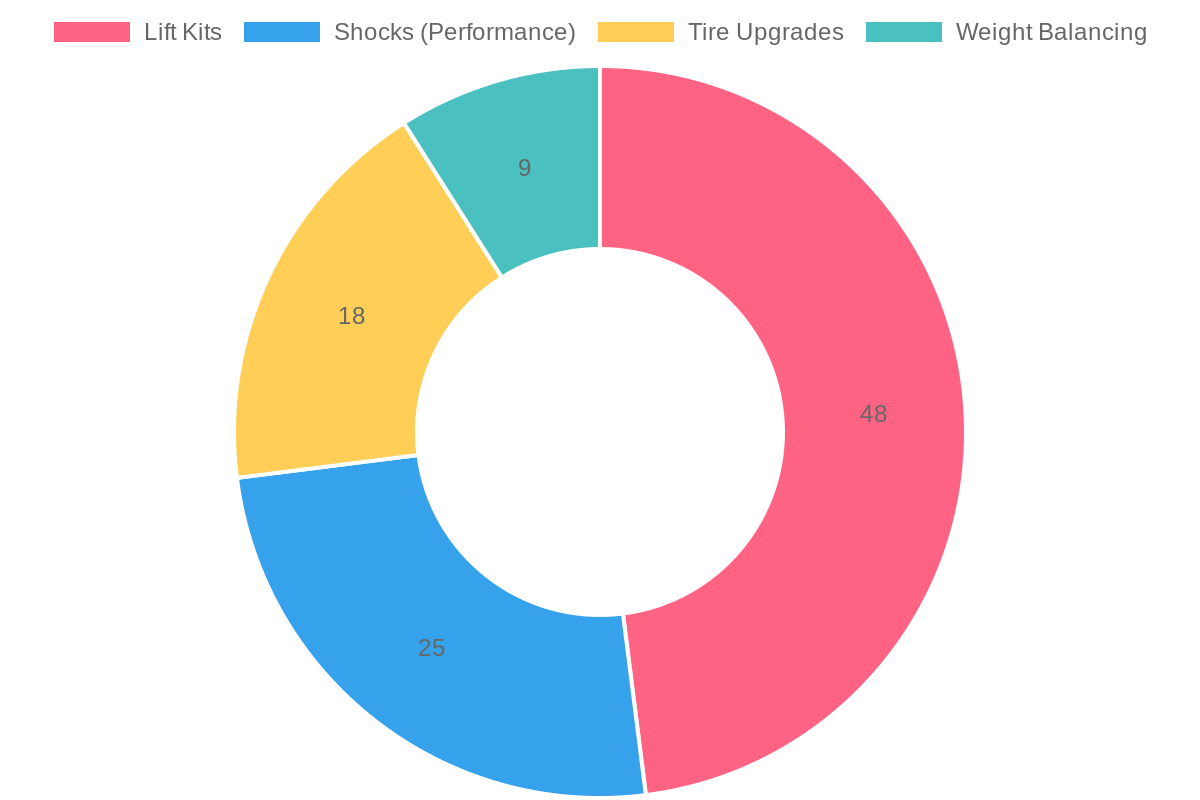
Managing truck tilt during off-roading is crucial for both safety and performance. Off-road vehicle expert, John Doe, emphasizes,
“Understanding the dynamics of your vehicle on uneven terrain is not just about navigating; it’s about survival. Managing tilt effectively can lead to better control and a lower risk of rollovers, especially in tricky side-slope situations.”
His insights are supported by techniques that advise against abrupt braking during ascents or descents and suggest weight balancing strategies to mitigate risks. Explore Maximizing Off-Road Vehicle Handling for more tips and techniques to improve your off-road experience.
Elevate Your Off-Road Experience
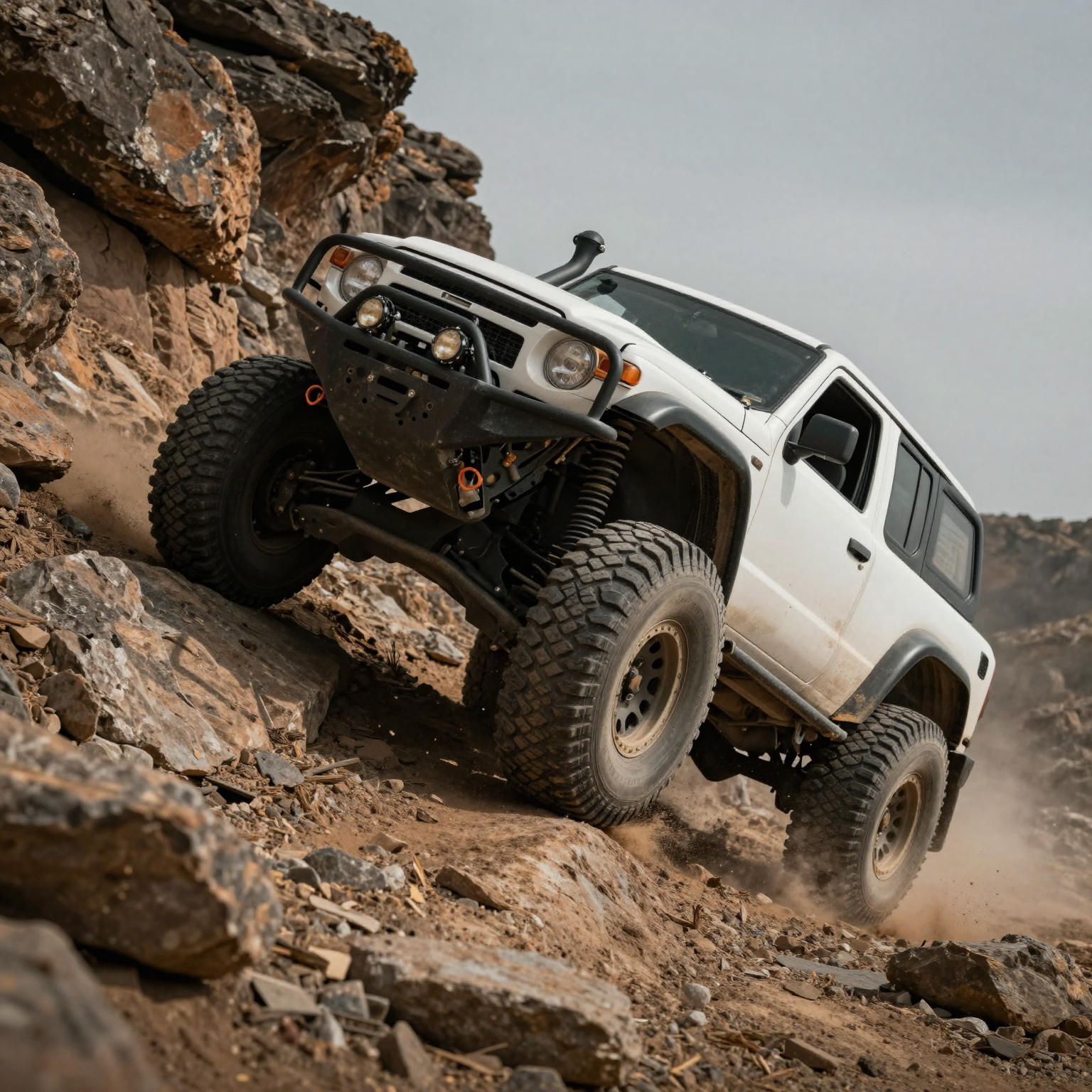
Understanding how far a truck can tilt while off-roading is not just a matter of safety; it’s an essential aspect of maximizing your vehicle’s performance in challenging terrains. Proper awareness of truck tilt can help off-road enthusiasts navigate steep inclines and rough patches with confidence. If your truck isn’t optimized for such adventures, the capabilities you seek will remain hindered.
Now is the perfect time to consider upgrading your truck with custom-fitted fairings, which can significantly enhance your vehicle’s aerodynamics, stability, and overall ride quality. High-quality fairings not only improve performance but also help reduce fuel consumption, allowing you to focus on the exhilarating journey ahead rather than the logistics of fuel stops.
Don’t let your truck’s potential be stunted. Elevate your ride with custom fit fairings from Summit Fairings and experience the difference firsthand!