
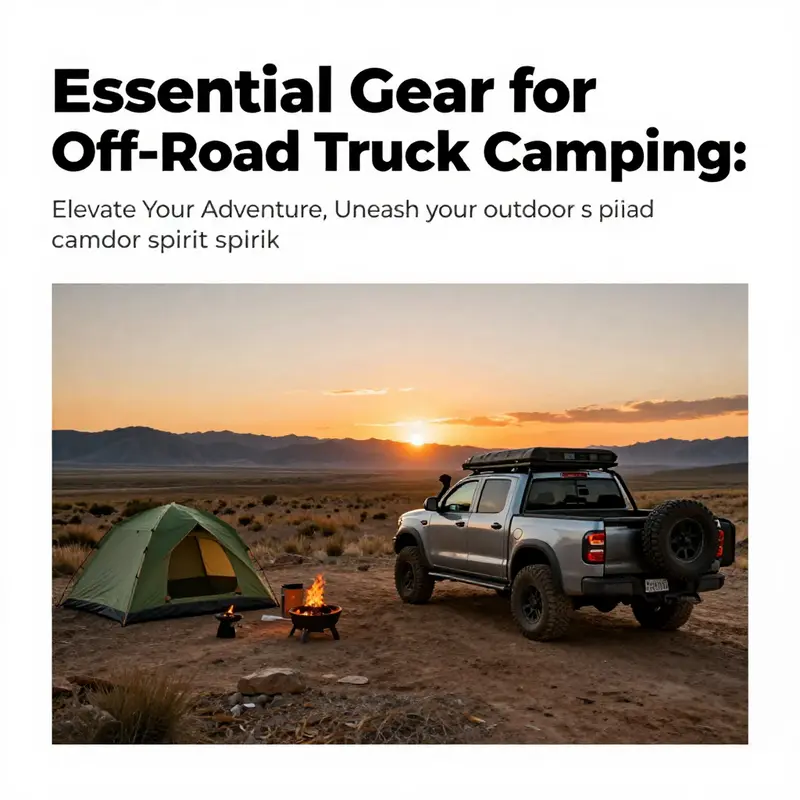
Off-road truck camping is the ultimate way to merge adventure with the great outdoors. For hardcore off-road enthusiasts and rural landowners, having the right equipment is essential for safety, comfort, and survival. This article dives into the critical gear and systems that keep you secure while you explore nature’s toughest terrains. From survival systems that form the backbone of your camping experience to personal protection that ensures your health and safety, we’ll dissect the essentials of off-road truck camping. Each chapter will outline crucial components that enhance your journey from vehicle reliability to effective energy management, demonstrating how these elements interconnect to form a comprehensive camping approach.
Lifelines in the Wild: The Core Survival Systems and Protective Gear that Define an Off-Road Truck Camper
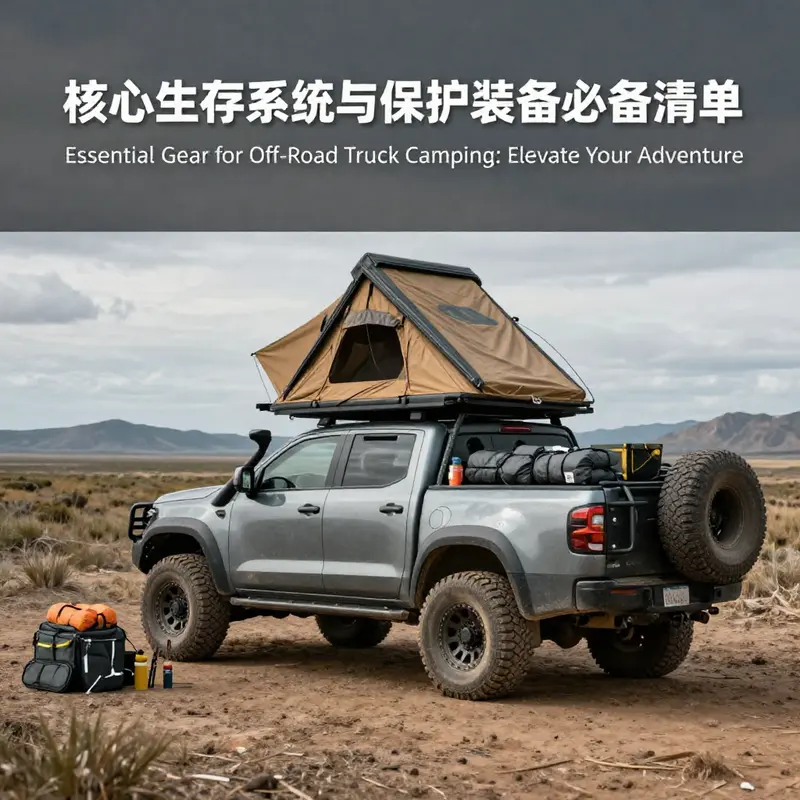
Survival on the move is not a single gadget or a single moment of luck. It is an integrated philosophy that treats the vehicle as a rolling base camp and the wilderness as a potential test of precision, not a stage for bravado. For the off‑road truck camper, the three pillars of safety—shelter, energy, and communication—must be engineered into every mile of travel. The goal is not to chase comfort at the expense of reliability, but to build a living system that can endure shifts in weather, terrain, and personal stamina. In practice, that means selecting and coordinating gear that keeps you dry, warm, and connected, while preserving the vehicle’s performance and your ability to respond calmly to the unexpected. The focus is precision, reliability, and efficiency. The core survival systems are your lifelines when signals fade and the wind bites hard; they turn roughing it into a controlled endurance test rather than a reckless gamble.
The shelter you bring with you is more than a roof over your head; it is a weatherproof, insect‑free, elevated refuge that minimizes exposure, condensation, and fatigue. A roof top shelter—designed for a truck chassis and built to resist wind, rain, and dust—offers a decisive edge over ground tents. Its advantages are more than convenience: higher clearance from ground moisture, reduced exposure to ground-dwellers, and a commanding view that aids situational awareness in dense terrain. But shelter alone is not enough. You need a sleeping system that translates the shelter’s protection into real warmth and dryness through the night. A quality sleeping bag or quilt, chosen for anticipated nighttime temperatures, becomes a critical barrier against hypothermia. Layering matters here: a down or high‑loft synthetic fill, paired with a moisture‑wicking liner, can maintain core warmth even if humidity climbs inside the shelter. An equally important companion is a sleeping pad that isolates you from damp ground and cold bridges of air. A self‑inflating pad, or a compressed foam pad, serves not only as insulation but also as a buffer against the hard floor of a camper shell. The ground’s moisture and chill are merciless, and the right pad minimizes heat loss through conduction, sustaining sleep quality and morale after long, effortful driving days.
The shelter system’s effectiveness hinges on air movement and sealing. Proper ventilation reduces condensation, which otherwise becomes a stealth energy thief and a breeding ground for damp fabrics. A tent that breathes well and sheds rain efficiently keeps clothing dry and reduces moisture load inside the sleeping area. In harsh climates, a rapid, simple setup and teardown becomes a daily test of your discipline and planning—an aspect that can shape whether a night is restorative or exhausting. The shelter’s fabric, the tent’s seams, and the roof rack’s mounting points all deserve regular inspection, especially after off‑road channels that yield grit and vibration. Inspecting for wear and tear becomes part of the ritual before every expedition, a ritual that keeps the life‑support system dependable rather than reactive.
Beyond shelter and warmth, energy becomes the second pillar—fueling life support, lighting, cooling, and communication. An onboard power station, sized to meet the essentials, is a modern caravan’s heartbeat when you are far from grid power. A high‑capacity power station paired with solar charging capabilities ensures you can keep lights on, phones charged, and a small fridge or cooler running during multi‑day trips. It is not simply about running gadgets; it is about maintaining a routine that preserves body heat, preserves food, and preserves safety. A practical approach is to map out your daily energy budget: how many hours of lighting, how many phone recharges, and how long the fridge must run for per day. When you know your consumption, you can size the power system with confidence and avoid the trap of overloading. In addition, a reliable, portable cooking setup with a wind‑resistant flame is essential. A compact, sealed cooking method paired with wind shields keeps a steady boil or simmer even in gusting conditions, letting you prepare meals that sustain you in challenging environments. The culinary routine matters as much as the meal; the simplicity of a predictable cooking process saves both time and patience on tough days.
Food preservation is another practical piece of energy strategy. The difference between a hearty, well‑balanced menu and a fatigued, near‑starved itinerary often comes down to refrigeration and cold‑chain control. A well‑insulated cold box or a dedicated cooling solution, even if improvised, can extend the life of perishables and reduce waste. In a pinch, the “low‑tech, high‑efficiency” approach—think foam insulation, reflective wraps, and careful packaging—keeps perishables safe without draining your power reserve. The loss of food warmth, like the loss of heat in a cabin, multiplies discomfort, so smart design for the cold chain is worth the thoughtful investment. It is also crucial to consider fuel safety. Propane or butane stoves, used with a windbreak and proper ventilation, provide dependable heat for cooking and hot beverages. The design principle is simple: ensure the system remains stable in variable wind and rain, with secure anchoring and leak checks routinely performed before departure.
A third pillar—the safety net of communication and navigation—transforms the potential isolation of backcountry miles into a controlled risk landscape. In remote regions, traditional cell service can vanish, but a satellite‑based communication device becomes a lifeline. A satellite phone, paired with a robust offline navigation solution, lets you summon help if you encounter vehicle trouble, a medical emergency, or a difficult pass or detour. The value of offline maps cannot be overstated; they empower you to choose safer routes when conditions deteriorate and to find a viable way forward without relying on signal. In conjunction with these, a compact two‑way radio can maintain coordination with fellow travelers within the same dispersed group, especially when terrain blocks sightlines or hinders cell coverage. A personal locator beacon (PLB) serves as a final, unwavering backup, broadcasting a distress signal with your coordinates to rescue authorities. The sense of security that comes from these tools is hard to quantify, but it is easy to feel when you need them.
The vehicle itself must be treated as a critical accident‑prevention platform. A well‑stocked tools and parts kit is the starting point for a safe, self‑reliant journey. It should include a full set of basic hand tools, tire repair materials, and a compact air system to address tire pressure changes that accompany rough tracks and temperature swings. In addition to the nominal tools, a spare tire in good condition and a robust jack are non‑negotiable. The presence of chains or traction aids for winter conditions, where feasible, is equally important, since ice and snow can render otherwise capable machines immobile. Regular practice with these tools yields confidence. Practicing tire changes in a controlled setting exposes gaps in preparation before an expedition, turning an emergency operation into a routine maintenance task that reduces time and risk on the trail. An aware crew can secure and protect critical equipment, preventing a cascade of failures that could leave you stranded.
The health and personal protection layer of this system completes the trip‑ready profile. No preparation is complete without a comprehensive medical kit. A well‑curated kit includes items for immediate wound care, burn relief, and infection prevention, along with generic medications for common ailments. A snake bite prevention and treatment component is especially important in remote or scrubby habitats where encounters with venomous species are possible. Headlamps with ample battery life and hands‑free operation support late‑night checks or repairs. Weather‑ready outerwear, layered clothing, and moisture‑wicking fabrics protect against temperature swings and precipitation. A rain shell, insulating midlayer, and base layers create a modular system that you can adapt to changing conditions without overburdening the pack. Thoughtful allocation of clothing and shelter materials reduces the risk of fatigue and hypothermia in unpredictable climates.
To keep everything aligned, a disciplined approach to packing and maintenance becomes essential. Weight distribution matters for handling on rough tracks, and proper storage keeps important items accessible yet secure. The goal is efficiency and resilience, not maximal load capacity. A pre‑trip maintenance checklist should review engine health, transmission and suspension status, tire wear, and essential fluids. A cooling system check, battery health, and electrical harness integrity are critical, given how quickly heat and vibration can degrade component life on rugged roads. The shelter, power, and comms triad must complement one another: a leak in any one pillar weakens the entire system and raises the risk that minor issues become major setbacks. The strongest routine is simple: inspect, test, and rehearse. When the habit becomes second nature, you reduce risk and preserve the joy of exploration.
Incorporating a single, accessible reference point for the mechanics of keeping a vehicle in top form can help reinforce confidence. For readers who want to explore the margins of reliability through a mechanical lens, a practical resource on diesel systems and tuning can be a helpful companion. See the guide titled mastering-diesel-mechanics-your-step-by-step-path-to-success for a detailed, hands‑on path to maintaining and understanding the core mechanical systems that keep a truck camper dependable on remote routes. It is the kind of grounding that makes the difference between improvising under stress and executing a calm, deliberate plan. This chapter’s survival focus aligns with that deeper knowledge: resilient systems built on sound mechanical fundamentals, thoughtful energy management, and dependable communication networks.
One more layer of context comes from broad, practical references that address the broader field of off‑road preparedness. For anyone who wants a concise, field‑tested overview of essential kits and their organization, an established guide on 4WD survival kits offers useful perspectives and a clear baseline for what should be included in a well‑stocked kit. While the exact contents may vary with region, season, and personal risk tolerance, the principle remains constant: be ready for the unexpected with a compact, logically laid out, and reliably maintained set of tools and supplies. In practice, this means keeping your kits organized, updating them after every trip, and rehearsing the steps needed to use them efficiently under pressure. The result is a more confident journey across varied terrain and weather, where the line between a near‑miss and a successful crossing is often a matter of preparation, not luck.
In sum, the off‑road truck camper demands a disciplined integration of shelter, energy, and communications—each element designed to support the others. The shelter keeps you dry and warm with a clear view of the horizon; the energy system keeps those protections powered and the roster of essentials refreshed; and the communication and navigation tools preserve orientation, provide options, and enable rapid assistance when needed. Together, these core systems translate rough roads into navigable journeys and make the prospect of wilderness exploration less about surviving and more about thriving. The result is a travel philosophy that respects the realities of the environment while preserving your sense of autonomy, capability, and safety. When you move, you do so with the confidence that you have a robust lifeline in place, a plan for contingencies, and the practical know‑how to implement it with calm efficiency.
For readers who wish to anchor this approach in practical resources, the following external reference provides a concise overview of field‑tested survival kits and the rationale behind their composition: https://www.4wd.com.au/4wd-survival-kits. As you plan, remember that the strongest chapters of any expedition are those that honor the balance between preparedness and peregrination, ensuring that every mile of the journey remains under your control rather than slipping into guesswork and improvisation.
null

null
烹饪与能量管理:越野卡车露营必备的系统与装备
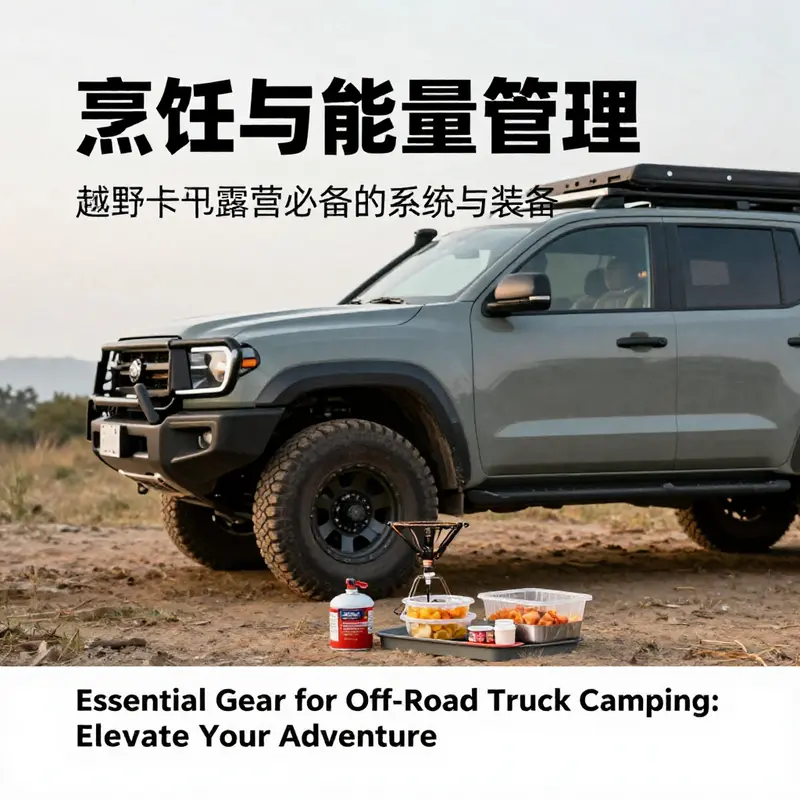
In the heart of off-road truck camping, cooking and energy management are not afterthoughts but the backbone of a reliable, satisfying expedition. A well-designed chapter of living beyond four walls centers on how you generate, store, and deploy power while keeping meals safe, flavorful, and efficient to prepare. The narrative here threads together the practical architecture of a mobile kitchen with a resilient energy ecosystem that can sustain you when corridors of civilization thin into wilderness. The guiding principle is precision: you do not carry more than you need, but you never compromise on the essentials that turn a night under canvas or canopy into a restorative, even joyful, experience. When the power system is smart and the cooking setup is adaptable, you unlock a rhythm that lets you focus on the terrain outside rather than the fears of hunger or fatigue inside your rig.
The first truth to hold is that energy management is a multi-source discipline. A modern off-road platform benefits from a large, high-density battery bank paired with a vehicle-to-load interface that can push several kilowatts out to high-demand appliances. This changes the camping game from “one genny or one stove” to a coordinated energy orchestra. You drive with the vehicle supplying propulsion, and when you stop, the same system can convert into a temporary power station. In practice, the smart energy management system monitors state of charge, anticipated consumption, and ambient conditions, then distributes power with a gentle, invisible hand. If you deploy a high-draw device such as an electric cooking module, the software can automatically reserve a minimum buffer, say twenty percent, to ensure you can safely return to town or reach your next fueling point. It may also stage the load, turning off nonessential lights or reducing fridge temperature slightly to avoid stressing the battery during a late-night cook.
To support this, a diversified energy backbone is indispensable. A vehicle-based battery pack serves as the primary reservoir, delivering steady energy for refrigeration, lighting, and essential electronics. A rooftop or portable solar array can replenish the battery during the day, reducing the need to idle the engine or overly rely on side-mounted auxiliary power. A compact power station, chargeable from both solar and AC sources, can act as a flexible node for when you are parked in shade or under exposed skies. With these components, your kitchen is no longer a separate burden but a seamlessly integrated subsystem. You can simmer a pot of soup while the engine is cooling, or reheat leftovers while the icebox keeps your perishables crisp. The most compelling setups balance capacity with weight and efficiency, leaning on intelligent distribution rather than brute force alone.
Within this energy framework, the cooking system itself deserves equal attention. A reliable two-burner or high-pressure stove that supports windproof operation is nonnegotiable. In the field, control and safety matter as much as heat. A stable, adjustable flame, combined with a windscreen and a protective shield, ensures quick, consistent cooking even on gusty days. For backcountry versatility, some cooks keep a compact, smokeless alcohol stove as a lightweight, dependable backup or as a gentle heat source for simmering sauces or warming water. Do not overlook the importance of a robust, spill-proof cooking setup: nested cookware that stacks into a single compact bundle, collapsible or foldable tools, and silicone or dehydrated food options that reduce weight and waste. The goal is a kitchen that travels light but remains capable of delivering a wide spectrum of meals—from a quick coffee and oats to a slow-braised stew that lends comfort after a long day’s drive or hike.
The actual cooking space is best designed as an integrated, modular system rather than a separate tent kitchen or a cluttered drawer. Mirrored to a camper’s workflow, a compact kitchen should slide out or fold into the vehicle with minimal setup, storing pots, pans, and utensils in nested formations. Water management becomes part of this kitchen story as well: a portable water reservoir, a collapsible basin, and a compact, gravity-fed filtration system ensure you can forage responsibly for water and treat it for drinking. Clean-up, too, should be straightforward—easy-access sinks, a waste plan for biodegradable leftovers, and a simple method to sanitize cutting boards and knives in the field. These details matter because they reduce cognitive load and preserve the emotional energy needed to enjoy the landscape rather than choreographing cleanup.
Another layer of the energy narrative is the refrigeration and food safety system. A compact 12V or multi-temperature refrigerator can keep perishables safe over multi-day trips, extending the window for fresh meals and reducing food spoilage. If a fridge isn’t in the plan, a well-insulated cooler with ice substitutes can still function effectively when combined with thoughtful meal planning and batch cooking skills. A critical discipline is to prepare meals that minimize opening the fridge, thereby conserving cold air and reducing power draw. Meal planning itself becomes a form of energy stewardship: using ingredients that are forgiving to temperature fluctuations and that reheat well without lengthy cooking times. In this way, energy management and culinary execution become two sides of the same coin—each informing the other and both enhancing resilience in harsh environments.
The environmental footprint of a mobile kitchen should also be a guiding principle. Energy-smart cooking includes choosing heat sources with minimal emissions and avoiding open flames where possible. When a wood-based fire is permissible in a controlled, safe setting, it can deliver a unique flavor that other heat sources cannot match; otherwise, gas or electric operations minimize smoke and particulate matter. Water usage is another sustainability lever: compact, reusable water containers, efficient dishwashing practices, and gray-water containment help protect the wilderness you came to enjoy. The cooking suite becomes a model for how to camp with a lighter ecological footprint while still enjoying the rituals of food, warmth, and companionship around a table that slides out from the vehicle or sits beside a camp chair under a shelter.
A subtle yet transformative element is the navigation of space and power through intelligent planning. The energy middle layer should be capable of responding to changes in mood and needs. If a long drive is forecast, the system can scale back nonessential loads and pre-cool the fridge for a rapid setup at the next stop. If a cold snap arrives, it can preheat the interior and keep the cooking area comfortable without draining the battery. The kitchen and energy system thus behave like a living organism—anticipating, adapting, and protecting you from the unexpected with calm efficiency. This is where experience meets engineering: seasoned campers learn to tailor the energy mix to their style of travel, shifting from rugged, utilitarian expeditions to more expansive, slower-paced journeys where comfort and safety coexist with a high degree of self-reliance.
A note on the broader workflow: power planning should be treated as an ongoing conversation with your future trips. Before you depart, sketch a simple load profile for cooking, refrigeration, lighting, and device charging. Estimate the peak simultaneous load and compare it with available capacity, then adjust by reducing nonessential consumption or carrying supplementary storage. During the trip, monitor battery health, track energy production from solar, and recalibrate appliance use based on weather and terrain. This disciplined approach turns a remote campsite into a temporary extension of your home, where meals—whether a quick breakfast burrito or a slow-simmered chili—are not compromises but confirmed, well-supported experiences.
To illustrate the practical connection to the broader field, consider the concept of an integrated energy hub—the idea that the vehicle, storage, solar, and appliances operate as a cohesive system rather than a collection of separate gadgets. This hub continuously evaluates power quality, system efficiency, and user demand, smoothing the friction between travel and comfort. In the real world, drivers and campers who embrace this integrated mindset report fewer anxious moments about dying batteries, more predictable meal timing, and deeper engagement with the landscape. The result is not simply a plan for surviving outdoors; it is a design for thriving there, even when the next town seems far away and the next meal must be a reward earned by careful preparation rather than a lucky breakthrough.
In continuing to refine this approach, we turn to a practical reference that maps the energy-to-cooking landscape in modern, off-road-capable platforms. For readers who want a foreground view of how automotive energy systems can expand remote cooking possibilities, a contemporary resource discusses the hardware and software that enable vehicle-to-load charging, smart energy management, and modular kitchen configurations in field-ready vehicles. The message remains clear: the future of off-road camping lies in systems that think ahead, adapt efficiently, and treat food as fuel for both body and spirit. The best setups marry reliability with flexibility, turning a campsite into a well-orchestrated kitchen that respects the land and supports the journey.
Internal link for deeper understanding of charging infrastructure in off-road contexts is available here: electric truck charging infrastructure.
As you progress through the subsequent chapters, you will see how this energy-cooking framework interacts with navigation, safety, and personal health. The next sections explore how to balance heavy-duty safety gear with comfort items, ensuring that the entire system remains coherent across varying climates and terrains. Yet the core philosophy remains constant: precision, reliability, and efficiency in both the kitchen and the power plant are what let you stay present with the land rather than preoccupied with the mechanics of survival. The stronger your energy backbone and the smarter your cooking workflow, the more opportunities you have to savor the unexpected moments—the glow of a campfire, the aroma of coffee at dawn, and the quiet satisfaction of a well-prepared meal after a day of ascent and exploration.
For readers seeking broader context on contemporary energy systems in rugged vehicle platforms, an external resource provides additional depth on how high-capacity energy storage and intelligent load management are shaping field mobility and culinary practices. External reference: https://www.bj40.com.cn/
Guarding Life on the Trail: Personal Protection and Health Management for Off-Road Truck Campers
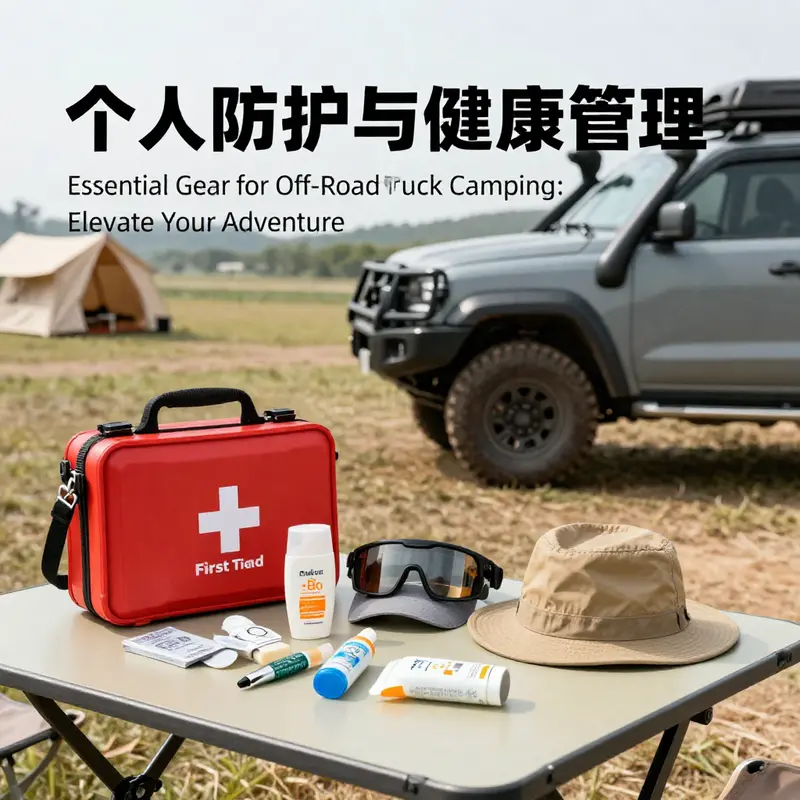
Night settles over the rough terrain as a lone truck sits at the edge of a piny forest, a shallow wind drumming the rainfly and the faint crackle of a camp stove fading into the hush of the desert air. In such stillness, the body becomes acutely aware of its vulnerabilities. The chill seeps in, the mind drifts toward what could go wrong, and the question arises not about how far you can drive, but how safely you can endure the night. Personal protection and health management are not accessories for the off-road camper; they are the lifelines that convert a daring adventure into a sustainable journey. The core idea is simple, yet demanding in practice: build a system that protects you from the wilderness while preserving your strength and judgment for the miles ahead. This chapter threads together sleep, shelter, mobility, medical readiness, hydration, nutrition, and vehicle care into one cohesive practice that keeps you safe, lucid, and capable when the road narrows and the horizon widens unpredictably.
The shelter you choose for the night is more than a roof you erect over your head. It is your first line of biosecurity, a barrier against moisture, insects, and the damp that can steal warmth and compromise morale. A roof-top sleeping platform, for instance, keeps you off the damp ground, away from creeping creatures, and higher than the dew line, but its setup and teardown demand care and time. In rough weather, the wind can sap energy and threaten stability, so the shelter you select must be purpose-built for the vehicle and the environment. If a roof-top approach feels too complex for a brief stop, a car-adjacent shelter provides shelter with greater flexibility and space, yet it also introduces more exposure to rain and sun, making ventilation and shade essential factors. A third option—sleeping inside the cab—offers simplicity and efficiency but reduces movement, increases claustrophobic risk, and can compromise sleep quality if the space is cramped. Each option carries health implications: better insulation and elevation reduce condensation and cold exposure; greater footprint can increase heat buildup or insect access if not designed with proper screening and airflow. The decision should be guided by the expected climate, the number of travelers, and the pace of the journey. Whatever the choice, high-quality insulation, a moisture barrier, and an appropriate sleeping pad are indispensable. A self-inflating pad or a dense foam pad acts as a thermal barrier and a moisture shield, helping to prevent surface cold from draining the body and keeping joints from stiffening after a long day under the sun.
Turning to nourishment and energy, a robust energy and cooking system sits at the heart of personal comfort and safety. A reliable power source that can be charged from solar input and stored energy ensures lights, a small cooling unit, and essential charging for communication devices remain functional through the night and into the next day. Portable cooking gear, designed to withstand wind and cold, will support warm meals and hot drinks that raise morale and maintain core temperature in chillier evenings. The cooking setup should be paired with a well-insulated cooler or a basic insulation chest that preserves perishable foods while minimizing the risk of bacterial growth in fluctuating outdoor temperatures. Yet, even the best insulation cannot compensate for poor food handling. Cleanliness, proper storage, and a cooldown period after cooking minimize the risk of foodborne illness and keep energy levels steady for the demand of the trail.
Health on the trail is inseparable from the way you navigate your surroundings and the way you monitor your body. A carefully assembled medical kit is not a luxury; it is a practical necessity designed to address minor injuries, bites, and sudden illnesses that could derail a trip far from help. A well-rounded kit includes bandages of varying sizes, antiseptic solutions, and sterile dressings, along with tools for simple wound care, such as sterile scissors and tweezers. In addition, a selection of non-prescription medications—pain relief, anti-nausea, anti-diarrheal, and antihistamines—reduces the chance of a small issue turning into a major disruption. A crucial, though often overlooked, component is a snakebite or venom-related response kit when you are in terrain where such encounters are plausible. The emphasis here is on practical readiness rather than heroics: knowing how to apply a pressure bandage, recognizing signs of allergic reactions, and having a plan for swift evacuation if required. Electricity and lighting are vital too; a dependable headlamp with spare batteries frees the hands for care, navigation, or rescue operations and keeps you alert through the night when fatigue could cloud judgment. A well-placed fire extinguisher within reach of the cooking area can also prevent a small flame from turning into a dangerous blaze that threatens both crew and vehicle.
Hydration is another pillar of safety that cannot be neglected. The body’s needs shift with exertion, heat, and altitude, yet the base requirement remains clear: conserve water and consume it steadily. In wilderness settings, you should store an ample supply for each traveler and have a plan for obtaining additional water safely. A simple, robust water filtration or purification method reduces dependence on remote water caches and lightens the load carried. The water plan should be coupled with a simple hydration schedule—sip regularly even when not thirsty—to prevent dehydration, which can mimic fatigue and sap reaction time. Food storage also plays a critical role in health. Perishables require disciplined handling and temperature control, and non-perishables should be balanced with fresh items that provide essential salts and minerals to replace sweat losses. Food safety is not merely about keeping odds at bay; it is about sustaining energy, mood, and cognitive sharpness—factors that determine whether you can read the terrain ahead, braid safety with risk, and make informed decisions in the moment.
Protection from the elements, however, extends beyond bodily warmth and food. Shelter, water, and food all hinge on intelligent planning, but so does the simple, constant air that passes through the cabin and the vehicle’s shelter. Maintaining good ventilation while keeping insects at bay is a balancing act. In hot climates, airflow through screened openings reduces heat accumulation, lowers humidity inside the living space, and reduces the risk of mold growth. In cooler conditions, you must maintain warmth without creating a stuffy, carbon-dioxide-rich environment. A subtle but important point is to keep true, breathable fabrics for sleeping and living areas and to avoid damp, mold-prone materials that can trigger allergic reactions or respiratory irritation. The aim is to create an environment where sleep is restorative, not interrupted by the discomfort of damp sheets or humid air.
But safety does not stop at the doorstep of the shelter. Parking location is a practical determinant of personal safety and health. You should seek a spot that minimizes exposure to dense vegetation where biting insects thrive and where natural windbreaks do not trap exhaust gases or ammonia from cooking. Guidance from experience suggests preferring well-lit, accessible areas with some ambient activity or visibility, especially if you are traveling alone or with a smaller group. For travelers who are female or journeying solo, the emphasis on situational awareness grows even stronger. Arriving at a location with visible paths, nearby activity, and a reasonable distance from wildlife corridors reduces the perception of threat and actual risk. Inside the vehicle, keep the space well-ventilated during the night to ensure fresh air circulation, while closing off insect entry points with screens or mesh to minimize bites and nuisance. A magnetic-screen veil over windows can be a simple, effective way to keep the air flowing while staying screened against pests. The power of routine cannot be overstated here: a simple nightly check list that confirms door latches, window seals, and the integrity of any screens can prevent discomfort or danger in the middle of a restless night.
Safety extends beyond the night, too. Emergencies should be anticipated with practical tools and knowledge, not fear. A comprehensive tool kit—a sturdy spare tire, a reliable jack, robust tire repair gear, and a tow rope—helps you keep moving or stabilize the situation until help arrives. In isolated areas, satellite communication becomes a literal lifeline. A satellite phone enables you to request assistance if you encounter a mechanical breakdown, a medical issue, or weather that closes routes. In line with this, a robust offline navigation system helps prevent getting lost, a risk that compounds danger when daylight fades and the terrain becomes unfamiliar. Having an emergency radio for short-range coordination within a camp or convoy increases your coordination and safety, especially in regions where phone access is inconsistent. These are not luxuries; they are the practical guardrails of a journey that can pass through remote, challenging environments where help is not near.
Vehicle maintenance remains a central, non-negotiable pillar of health and safety. A car that runs smoothly is the foundation of a safe trip, whereas a poorly maintained vehicle can transform a scenic route into a trap. Before departure, a thorough check of fluids, filters, tires, and braking systems is essential. The aim is not to chase perfection but to avoid unnecessary breakdowns that could strand you far from civilization. When you encounter mechanical issues, the ability to diagnose and address minor problems on the road prevents a small delay from turning into a hazardous stretch of travel. For those who appreciate a deeper dive into mechanical reliability, a practical guide such as Mastering Diesel Mechanics: Your Step-by-Step Path to Success offers frameworks for understanding how engines and powertrains behave under stress and how to perform essential, safe maintenance tasks with confidence. This kind of resource is valuable not as a substitute for professional service, but as a reliable companion for basic preventive care and on-the-road troubleshooting. Incorporating this mindset—proactive maintenance, careful observation, and a calm approach to repairs—transforms risk into manageable challenge instead of paralysis.
The environment itself teaches you lessons about restraint and responsibility. The practice of ‘no trace’ camping becomes a daily discipline: pack out trash, minimize noise, and avoid leaving behind traces that can degrade the landscape for wildlife or future travelers. The ethos of respect for the land you travel through ensures that you are welcome back to those places and that your presence does not become a burden for others who may follow. When a trip ends, you leave the site as you found it, or better, ready to share a story of stewardship rather than a reminder of clutter and damage.
These threads—sleep safety, shelter choices, hydration and nutrition, medical preparedness, ventilation and insect protection, strategic parking, emergency tools, and vehicle maintenance—form a unified tapestry of personal protection and health management. The goal is to craft a living system that scales with the journey: as distances grow, as conditions shift, as companions join or depart, and as miles accumulate. This is less about rigid rules and more about a disciplined, adaptable approach that keeps you capable and resilient in the face of the unknown. In practice, you do not carry more gear with the hope of securing safety; you curate and optimize the essentials so each item truly serves a purpose, reduces risk, and supports recovery when fatigue or weather tests your resolve.
To this end, integrate a clear plan for emergencies, reinforce your shelter and hydration strategy, and keep your vehicle in its best possible condition. The result is not only survival but the continued capacity to learn from each terrain, to read the land, and to respond with calm, informed action. In the broader arc of your off-road adventures, health and protection are inseparable from the thrill of exploration. They are the quiet assurance that you can push further, stay longer, and still return with stories that honor both the wild and your own limits. For a deeper dive into practical vehicle maintenance that supports safety on tough trails, consider the broader guidance available here: Mastering Diesel Mechanics: Your Step-by-Step Path to Success. And when you need broader safety awareness beyond the camp, keep in mind trusted external resources that offer foundational first-aid and wilderness safety guidelines to complement your on-trail practices, such as Red Cross wilderness safety and first aid guidance, which can anchor your on-site decisions in universally recognized standards.
Final thoughts
Having the right gear is essential for those who want to fully embrace the freedom of off-road truck camping. Each piece of equipment discussed plays a pivotal role in ensuring your safety, boosting comfort, and enhancing enjoyment during your outdoor escapades. By focusing on the core elements of survival systems, vehicle emergencies, energy management, and personal protection, you arm yourself with the ultimate toolkit for adventure. Prepare wisely, pack smartly, and revel in the exhilarating journey that awaits you in the wild.