

For the off-road enthusiasts, adventurers, and those hard at work on rural lands, the choice of fuel can be as thrilling as the journey itself. Off-road diesel, a fuel often overlooked by urban dwellers, carries with it a bounty of benefits and some potential pitfalls for your truck’s engine, structure, and operation. Each chapter in this guide explores the implications of using off-road diesel in detail—from its impact on your vehicle’s performance and emissions systems, to the structural integrity of your rig, all the way to economic viability and compliance with regulations. Understanding these aspects is crucial, especially for those modifying trucks for rugged adventures, racing, or agricultural work. Buckle up as we delve deeply into how off-road diesel can elevate your truck’s capabilities, ensuring you make the most of your off-road experiences.
What Off-Road Diesel Really Does to Your Truck: Performance, Durability, and the Legal Divide

Off-road diesel, sometimes called dyed or non-road diesel, has a chemistry that looks familiar at first glance but behaves differently in the real world. The effects on engine performance and efficiency hinge on two big factors: the truck’s design intent and the legal boundaries you must observe wherever you operate. In practice, this means that the same fuel can be a boon in one context and a costly burden in another, depending on whether your vehicle is built for harsh, non-road work or for highway miles and public roads. The nuance matters because the consequences go beyond a simple price per gallon; they touch the heart of how your engine breathes, how its exhaust system functions, and how your fleet stays compliant with a complex web of rules that are different from one jurisdiction to the next.
From a purely thermodynamic perspective, off-road diesel often delivers energy density that matches or nearly matches that of on-road diesel. That equivalence is why heavy-duty engines, particularly those tasked with hauling, lifting, or pushing through rough terrain, can feel the extra punch when the fuel is systemic to the job. In heavy duty applications—think long climbs, steep grades, arduous start-ups in cold or muddy conditions—the fuel’s higher energy content can translate into stronger initial acceleration and more consistent torque at lower RPMs. This is the kind of performance advantage that operators notice in the moment: quicker response under load, smoother torque curve, and the sense that the machine is less strained when it must push a payload through a challenging patch of terrain. Yet the same fuel that can deliver bite on the climb can also carry hidden risks, especially for engines and exhaust systems that are finely tuned to cleaner, highway-grade fuels with more predictable lubricity and additive packages.
The core of the risk lies in how off-road diesel is formulated and how that formulation interacts with modern emissions hardware. In a truck that was designed with state-of-the-art SCR (Selective Catalytic Reduction) and DPF (Diesel Particulate Filter) systems, the fuel’s lubricity, cetane number, and sulfur content can influence several dynamic processes. If the diesel lacks the lubricity needed by high-precision fuel injectors, or if cetane is not within the window expected by the ECU, injectors can experience accelerated wear, misfiring, or deposit buildup that reduces spray quality. When deposits accumulate on injector tips or in the valve train, combustion can become uneven, and the engine may respond with reduced peak power or a mismatch between requested and delivered torque. In some scenarios, increased deposits can trigger more frequent regeneration cycles for the DPF, elevating exhaust backpressure and stimulating more fuel use in order to keep the system clean. The net effect can be a subtle, persistent drift in efficiency that drivers notice as a gradual dip in miles per gallon or a need for more frequent maintenance visits.
If your truck is engineered for off-road use in environments where engines endure constant hammering—construction sites, forestry work, mining operations—the calculus shifts. These machines are built to tolerate harsher operating conditions and to function with differently tuned emissions controls that may not depend as heavily on ultra-low sulfur feeds. In such cases, off-road diesel can be safe, predictable, and even advantageous. The durability of the engine and the resilience of the fuel system can align with the fuel’s characteristics to yield steady performance under stress. In practice, operators who manage fleets in rugged, non-highway settings often report fewer headaches with engine reliability when the fuel is consistent with the equipment’s design intent. That does not come without caveats: even in robust off-road machines, hardware fatigue, injector wear, and ring seal stress can creep in if fuel quality, lubrication, and cooling aren’t managed meticulously.
One of the clearest boundaries in the discussion of off-road diesel is legality. Using non-road fuel in on-the-road, publicly licensed vehicles is illegal in many jurisdictions precisely because it evades road taxes and can upset emissions controls designed for taxed, monitored fuels. Enforcement comes in many forms, from road checks and fuel-tank labeling to infrared scanning at industrial facilities. The penalties can be severe, including fines, suspension of operating licenses, or other restrictions that ripple through a fleet’s ability to operate. In some countries, regulators have well-established mechanisms to detect off-road fuel use on public roads, and the rules are actively enforced. In the Chinese regulatory context, for example, the absence of road-taxed fuel in on-road vehicles and violations of fuel-management regulations can lead to fines and the potential suspension of operations. This is not a theoretical risk; it is a practical enforcement reality that directly affects the viability of a hauling or logging operation that might otherwise benefit from the price differential of off-road diesel.
Beyond legality, there is the economic calculus. Short-term savings at the pump can be attractive, especially when the fuel price gap between off-road and on-road diesel looks meaningful. The obvious lure is lower operating costs per mile. Yet those savings can be erased by several downstream factors: penalties, warranty voidance, more frequent repairs as a result of accelerated wear in fuel injectors or the exhaust system, and the cost of additional inspections to prove compliance whenever an auditor appears. Fleet managers face a delicate balancing act: maximize payload efficiency and fuel economy on rugged terrain while avoiding the regulatory and mechanical pitfalls that accompany non-grade fuels. The prudent path often involves strict separation of operations—reserve off-road fuel for non-public road tasks only, with thorough documentation of procurement, usage, and location. Keeping detailed records of fuel purchases and usage is not merely bureaucratic; it is a practical safeguard that can ease an audit and demonstrate that operations remained within the legal framework.
Maintenance strategy plays a central role in determining how much of the potential upside of off-road diesel your truck actually captures. Modern heavy-duty engines rely on precise fuel delivery, clean combustion, and well-functioning exhaust aftertreatment to meet performance and emissions targets. When off-road diesel is used in engines not calibrated for it, there is a greater likelihood of accelerated deposit formation on injectors and valves. That means the fuel can burn less efficiently, which can degrade power, increase heat in the combustion chamber, and shorten component life over time. The risk isn’t uniform, however. Engines that are routinely exposed to harsh operating conditions with minimal idle time may be less sensitive to certain fuel specifications, whereas engines that cycle between heavy loads and idling may show more noticeable performance drift. For the vehicle owner who operates in a non-road environment, the fix isn’t simply pumping more fuel; it’s engineering the fuel system, lubrication regimen, and cooling strategy to align with the fuel’s properties. In other words, the right maintenance plan, informed by the intended use and the fuel’s characteristics, can preserve the long-term health of the engine while still delivering the expected performance gains on rough terrain.
If you’re weighing decision options for a fleet, the question becomes not only what a tank of off-road diesel can deliver in the moment but what it implies across the life of the vehicle. The most compelling argument for off-road diesel rests on use cases where the vehicle operates exclusively off public roads, under conditions where the emissions system is either not as central to the operation or is designed to tolerate less refined fuels. In those environments, the fuel can support robust operation, predictable maintenance needs, and a lower fuel bill. Yet the moment a vehicle crosses into public highways or intercity routes, the math shifts dramatically. You must consider the penalties if caught, the warranty implications if the fuel damages components that the manufacturer warrants, and the ongoing cost of potential system repairs if deposits or sulfur-related issues impact the exhaust aftertreatment.
To help navigate these choices, it helps to frame the decision as a holistic, lifecycle view of the truck and its mission. The same power you seek on a steep grade may come with a price if that fuel undermines the efficiency of a DPF or SCR system. The same rugged reliability you expect in a mining yard can be undermined by injector wear if the fuel’s lubricity proves inconsistent over time. In general terms, for non-road use—where the vehicle operates strictly on private property, within regulated industrial zones, or on controlled access routes—the off-road diesel option is reasonable and often economical. For on-road operations—where the truck competes in the ordinary flow of traffic, touches public highways, and must meet stringent emissions standards—the safer course is to rely on road-taxed fuels designed for that duty cycle.
For those who want to dive deeper into the mechanics and maintenance guidance, a practical resource is available that focuses on diesel mechanics and a step-by-step approach to keeping these systems in peak condition. This resource can offer actionable insights into injector care, fuel system cleanliness, and the interplay between fuel quality and aftertreatment performance. It can help you translate high-level considerations into specific, on-ground maintenance practices that keep your machines reliable when the terrain does not cooperate. If you’ve found yourself curious about the granular mechanics beneath fuel quality and engine response, you can explore this deeper dive here: Mastering Diesel Mechanics: Your Step-by-Step Path to Success. Mastering Diesel Mechanics: Your Step-by-Step Path to Success.
From a policy standpoint, it is prudent to stay aligned with official guidance and regulatory expectations. The broader lesson is that fuel choice is not a stand-alone decision; it is part of a larger framework that includes maintenance discipline, regulatory compliance, and a clear understanding of the vehicle’s intended role. As governments and regulators continue to refine emission standards and enforcement mechanisms, the risk calculus around off-road diesel will remain dynamic. For engineers and operators, the path forward is to design and operate around the fuel system that matches the job, not just the cheapest option. That means documenting fuel sources, maintaining clean and well-calibrated fuel systems, and ensuring that exhaust aftertreatment remains in good health through every mile of rough terrain.
In sum, off-road diesel can deliver tangible performance benefits for correctly matched equipment operating in non-public environments, with durability and reliability that suit the harsh realities of mining, forestry, and construction work. It can, however, introduce a set of risks that are not negligible when a truck is used on public roads or in settings where emissions compliance and tax obligations matter. The choice requires a calm assessment of use cases, regulatory constraints, maintenance readiness, and a clear plan for monitoring fuel quality and system health. The result, when well managed, is a fleet that leverages the power and resilience of off-road diesel while staying on the right side of the legal and mechanical rules that govern modern trucking. External reading can deepen your understanding of the broader regulatory landscape and how it shapes engine performance, fuel choice, and the factory-level guarantees that family fleets and commercial operators rely on for peace of mind. See the EPA Vehicle Emissions Standards for a concise overview of how fuel quality and engine design intersect with regulatory expectations. https://www.epa.gov/standards/vehicle-emissions-standards
How Off‑Road Diesel Harms Emission Systems — Risks, Detection, and Compliance for Your Truck
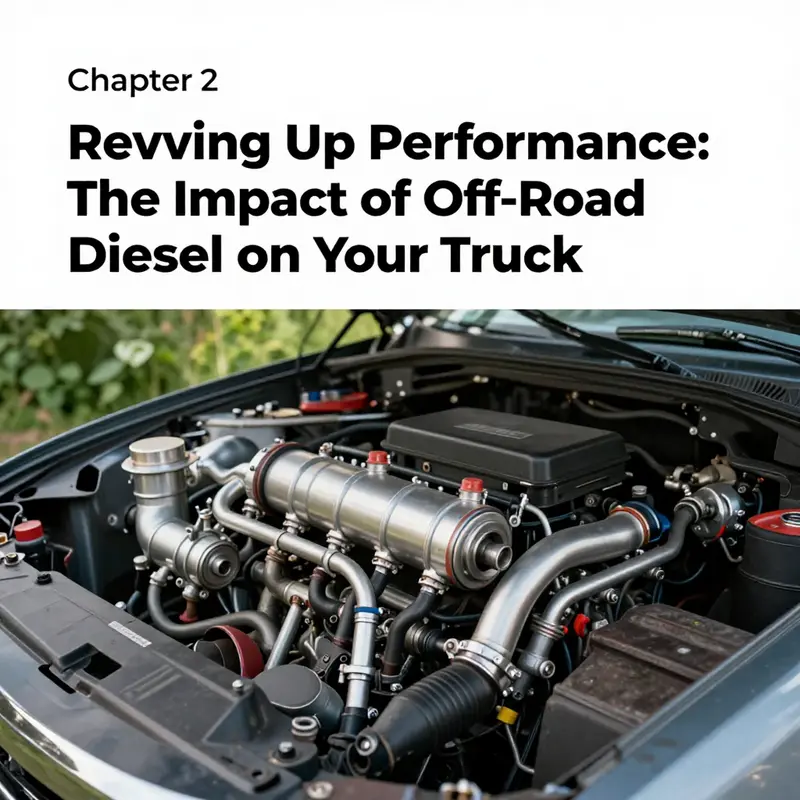
Emission systems, compliance and practical steps
Using off‑road diesel in a truck built for public roads is more than a paperwork problem. It creates a chain reaction that starts in the fuel tank and can end with a failed emissions system, a voided warranty, large repair bills, and legal penalties. Modern on‑road diesel trucks rely on tightly controlled fuel chemistry. Their exhaust aftertreatment systems were engineered around ultra‑low sulfur fuel and predictable additive behavior. Off‑road diesel, by contrast, is formulated for stationary equipment, construction machines, and other non‑highway uses. It may contain higher sulfur levels, different detergents, and marker dyes. Those differences matter to sensitive components such as the Diesel Particulate Filter (DPF), Selective Catalytic Reduction (SCR) catalyst, and Exhaust Gas Recirculation (EGR) circuits.
At its core, the problem is one of chemistry meeting precision engineering. A DPF traps soot and burns it off during regeneration. That process depends on predictable soot composition and controlled temperatures. When higher sulfur fuel enters the system, soot chemistry changes. Sulfur converts to sulfate on combustion and forms residues that are harder to oxidize. The result is more frequent regeneration attempts and faster ash buildup. Over time, the DPF can clog beyond the point where on‑board regeneration can clear it. Forced regeneration can sometimes recover a clogged DPF, but irreversible damage is common. A clogged or damaged DPF reduces power, raises fuel consumption, and can trigger limp mode. Replacing a DPF is expensive and time consuming.
SCR systems are equally sensitive. They use a catalyst to convert NOx into harmless nitrogen and water, but the catalyst surface can be poisoned by contaminants. Additives or higher sulfur levels in off‑road diesel can deposit on the SCR ceramic and block active sites. Once the catalyst is compromised, NOx conversion drops and the vehicle will fail emissions tests. SCR replacement is a high‑cost repair. EGR systems suffer from increased carbon deposits when fuel quality is poor. Carbon buildup chokes intake passages and EGR valves, reducing efficiency and increasing maintenance frequency.
Beyond hardware wear, off‑road diesel creates a compliance exposure that regulators take seriously. The dye used to mark non‑road fuel is an obvious identifier. During inspections, regulators can sample fuel and analyze it for the red dye and for sulfur content. If off‑road diesel is found in a road‑registered vehicle, this typically triggers fines, confiscation of the offending fuel, and sometimes seizure of the vehicle. Penalties vary by jurisdiction, but they can far exceed any short‑term savings from cheaper fuel. Moreover, environmental laws in many countries explicitly require the use of on‑road diesel for vehicles operating on public highways. That means using off‑road diesel is not just a tax issue — it is a violation of emissions and air quality rules.
Legal risk is coupled with operational risk. Warranties on engines and emission systems usually mandate the use of specified fuel grades. Using off‑road diesel can void these warranties. That shifts repair costs to the operator. It can also set off a chain of cascading obligations. If an emissions inspection flags excess pollutants, fleet licenses or operating permits can come under review. For commercial carriers, this can mean temporary suspension of operations until the matter is resolved. Long term, a pattern of non‑compliance can lead to higher insurance premiums and stricter oversight.
Detection is simple for authorities and can be simple for owners too. Visual inspection of the fill cap, fuel receipts, and storage drums often reveal the fuel type. Modern enforcement teams also run quick laboratory tests that detect the marker dye and measure sulfur content. Routine fleet audits often include fuel logs, delivery tickets, and supplier invoices. Keeping clear documentation is one of the easiest ways to show compliance. If you operate exclusively off‑road equipment, store separate labeled tanks and maintain receipts that trace every delivery. If a road truck is ever parked on site for non‑road work, ensure the fueling protocol prevents cross‑contamination.
Mistakes happen. If off‑road diesel is pumped into a road truck by accident, there are practical steps to limit damage. Stop using the vehicle on public roads immediately. Do not start or run the engine if you discover the mistake before ignition. If the engine has already run, do not continue to drive long distances. Have the fuel tank drained and flushed by a qualified technician. Replace fuel filters and inspect injectors. Request a fuel analysis to confirm sulfur levels and contaminants. After draining, fill the tank with the correct on‑road diesel and run the vehicle through short, controlled cycles to allow on‑board systems to purge residues. Follow the manufacturer’s guidance on additional checks for the DPF, SCR, and EGR systems.
Preventive measures are the most cost‑effective strategy. Segregate on‑road and off‑road fuel at every site. Use clear labeling and physical barriers between storage tanks. Train drivers and fueling staff to check fuel labels and delivery tickets before topping off. Implement a fuel receipt system that captures supplier, date, grade, and quantity. Periodic testing of stored fuel for sulfur content and contaminants is prudent. Maintenance schedules should reflect the quality of fuel used; poor fuel requires more frequent filter and injector checks.
For fleets that operate both on‑road and off‑road vehicles, administrative controls are crucial. Design fuel cards, locks, or keys that restrict which vehicles can access certain dispensers. Keep separate fuel inventories for compliant on‑road use versus non‑road equipment. When you work with subcontractors or third parties, verify their fueling practices. Audit their fuel logs during site visits. These steps reduce the chance of cross‑use and the resulting technical and legal headaches.
When damage does occur, effective diagnosis and repair need to be prompt. Technicians will look for DPF pressure differentials, higher than normal backpressure, unusual soot colors, and SCR fault codes. Fuel samples guide whether the issue is one of sulfur, additives, or contamination. If repairs are required, document everything. Photographs, shop invoices, supplier invoices, and chain‑of‑custody reports for fuel samples all help if appeals or insurance claims follow. For maintenance teams seeking deeper technical guidance on diagnosing and repairing fuel‑related problems, consult practical maintenance resources such as the fleet maintenance guides found in the diesel mechanics literature, for example the practical walkthrough at Mastering Diesel Mechanics: https://dirtantrucks.com/mastering-diesel-mechanics-your-step-by-step-path-to-success/.
Finally, know your legal framework. Regulations differ by country, but most jurisdictions penalize use of off‑road diesel in on‑road vehicles. Regulatory agencies publish fuel rules and enforcement policies. For a clear government reference on diesel fuel regulation and environmental requirements, consult authoritative sources such as Environment Canada: https://www.canada.ca/en/environment-climate-change.html. Staying informed helps you design fuel policies that protect equipment, budgets, and compliance status.
Throughout, the bottom line is straightforward. Off‑road diesel can harm modern emissions hardware and expose operators to significant compliance risk. Where vehicles are intended only for non‑road use, this fuel is appropriate. For road‑registered trucks, the safe choice is to use on‑road diesel and to control fuel handling tightly. That approach protects emissions systems, preserves warranties, and keeps your fleet on the right side of the law.
Off-Road Diesel and Your Truck: How Fuel, Structure, and Use Define Suitability, Strength, and Risk

Choosing off-road diesel for a work truck isn’t just about price at the pump. It is about entering a fuel environment that changes how a machine behaves under stress. Off-road diesel, sometimes described as non-road or industrial fuel, carries a distinct set of trade-offs. The chemistry of the fuel itself remains familiar in its basic hydrocarbons, yet the regulatory and operational context can be very different. In many regions, higher sulfur levels are allowed in off-road formulations, and the fuel is not taxed the same way as on-road diesel. This creates a practical incentive: lower purchase cost per gallon in the moment. But it also lays groundwork for a more complex operational story. For the truck operator, the choice extends beyond a single trip or a single season. It resonates through performance on rugged terrain, maintenance cycles, and the long arc of wear on a machine built to resist the heavy pounding of work in forest, mine, or construction site. The central question becomes not simply how much power the fuel can deliver, but how the fuel aligns with the truck’s design, its duty cycle, and the legal frame within which it must operate. In other words, what will off-road diesel do to my truck’s structure, its performance, and its ability to work where the pavement ends—and to do so without inviting unwanted legal or financial consequences?
The engine is where the most immediate and observable effects appear, but they are inseparable from the fuel system and exhaust collection that surround it. Off-road diesel typically shares the core chemistry with on-road diesel, yet the higher sulfur content common to many off-road formulations can influence combustion behavior in subtle but meaningful ways. Increased sulfur can shift lubricity and acidity in the fuel over time, which, in turn, affects injectors, fuel filters, and even the seals that keep high-pressure fuel systems from leaking. In harsh environments—steep grades, uneven surfaces, cold starts, and continuous idling—these small differences accumulate. A truck operating in rough terrain often runs longer between service intervals, experiences greater vibrational stress, and endures more frequent start-stop cycles. Each of these conditions magnifies how the fuel behaves inside the combustion chamber and through the fuel delivery path. When the engine is tuned for a lower-sulfur, road-diesel environment, the introduction of higher-sulfur fuel can lead to accelerated deposition on injector nozzles and on the surfaces of intake valves in engines that are not specifically redesigned for such fuels. The deposit buildup is not merely a cosmetic nuisance; it can dampen atomization, raise combustion temperatures locally, and gradually erode efficiency. The upshot is a potential drift in fuel economy, a shift in torque delivery under load, and the need for more vigilant maintenance to preserve peak performance.
Yet the story isn’t exclusively about deposits or emissions. The structural and chassis implications of operating with off-road diesel flow from the engineering that anticipates load and terrain. Trucks designed for off-road use—especially those built to endure rough forestry roads, rocky mining steps, or muddy work sites—employ reinforced frames, heavy-duty axles, and robust suspensions. The goal is resilience: to absorb and transmit forces that would crack a lighter vehicle. In that sense, the fuel choice sits within a broader design philosophy. A frame, a suspension arm, or a weld joint is not just a passive element; it is part of a dynamic system that must tolerate repeated torsional stress, lateral loading, and rapid changes in traction. When you pair that system with a fuel that may marginally change engine operating temperatures or exhaust gas composition, the interactions can affect long-term durability. A truck that regularly carries heavy loads along uneven routes benefits from a design where fuel quality is matched to endurance, not just instantaneous power. If a machine were pushed beyond its design envelope—carrying unusually heavy payloads for extended periods, or running at high speed over obstacles—the wear tends to show first in the structure: frame rails, welds, bushing life, and suspension components. The correlation is not deterministic, but it is real: better alignment between fuel characteristics, duty cycle, and mechanical design yields a more predictable life span of critical components.
The concept of suitability becomes particularly important when the operating context is clearly non-road. Off-road diesel’s lower price tag and its tax status are meaningful advantages only when the vehicle is kept off the public roadway and used within a regulated remit. The legal framework matters as much as the physics of combustion. Regulations that prohibit using off-road diesel in on-road vehicles are not merely bureaucratic hurdles; they are practical protections for air quality programs and for the integrity of fuel systems designed to operate on standard, road-certified fuels. In many jurisdictions, enforcement mechanisms can be rigid and relatively blunt: the presence of non-road fuel in a vehicle on public lanes can trigger penalties, fines, or the suspension of operating licenses. The consequences extend beyond cash outlay and include logistics disruption, vehicle downtime, and the potential loss of trust with clients who depend on predictable performance. For operators with a mixed-use fleet, stringent separation of fuel streams and careful record-keeping become not optional, but essential. In the context of a survey of non-road fleets, a recurring theme is the importance of understanding where and how a truck will work. If the work is confined to extraction sites, logging lanes, or industrial yards, off-road diesel can be a practical match. If the truck needs to contribute to a broader supply chain on public roads, the regulatory and financial risks often overwhelm any short-term fuel-cost savings. The reality is that the same machine can be a very different asset depending on where it is permitted to operate and under what rules its fuel is purchased and stored.
That practicality also dictates a different kind of maintenance discipline. Operators must acknowledge that the long-term cost of ownership is not simply the sum of fuel prices. It includes how often fuel filters are changed, how injector cleanliness is monitored, and how exhaust-treatment components such as particulate filters and catalysts are maintained. High-sulfur fuels can increase sulfur oxides in the exhaust, which, over time, can affect catalyst performance and the likelihood of ash buildup that complicates regeneration cycles in emission-control systems. A rugged off-road truck riding through dust, mud, and wet conditions will tend to ingest more particulates and moisture, which compounds the challenge of keeping the fuel system clean. A proactive maintenance plan—more frequent fuel-filter changes, regular inspection of fuel lines and seals, and a scheduled check of turbocharger health—becomes the practical counterweight to the cost savings from cheaper fuel. The philosophy here is straightforward: when the operating environment tests the limits of the chassis and powertrain, the maintenance plan must rise to meet that challenge. In other words, it is not enough to buy the cheapest fuel if it invites more frequent downtime or reduces the machine’s uptime when it is most needed.
The overall economic calculus is nuanced. Short-term cash savings from off-road diesel must be weighed against the lifetime cost of potential repairs, additional maintenance, and, in some regions, the risk of penalties for improper use. A fleet owner who deploys a large number of trucks in mining camps or forest operations may find that the true value lies in predictable performance and regulatory compliance rather than the lowest per-gallon price. The decision, then, becomes a careful balance: does the work demand the durability and torque characteristics that off-road diesel can support, and does the operating environment justify the potential penalties if a vehicle is inadvertently used on public roads? It is in this context that many operators adopt strict fuel-segregation practices, provide clear training for drivers and mechanics, and maintain meticulous fuel records. The discipline around fuel choices is not a form of bureaucratic overhead; it is a practical framework that helps guarantee that the machine remains as reliable as its design intends, within the boundaries of law and the work it is meant to perform.
For readers who want to deepen their understanding of diesel systems and the practical implications for off-road use, there is value in studying the broader mechanics of how fuel, air, and exhaust interact under heavy load. Practical guidance on diagnosing and maintaining diesel fuel systems, controlling deposits, and preserving injector performance can be found in specialized resources that emphasize hands-on, step-by-step techniques. Mastering Diesel Mechanics: Your Step-by-Step Path to Success (https://dirtantrucks.com/mastering-diesel-mechanics-your-step-by-step-path-to-success/) offers a comprehensive framework for keeping engines robust in demanding environments, and it can serve as a useful companion to the considerations raised in this chapter.
In sum, off-road diesel is not a one-note choice. It shapes, and is shaped by, how a truck is built, where it is allowed to operate, and how its maintenance schedule is structured. A properly matched pairing—one that aligns fuel properties with the machine’s structural design, loading patterns, and regulatory obligations—yields a vehicle that can perform at peak capability on the terrain it was meant to conquer. The risk, conversely, lies in misalignment: a fuel that is legal in one setting but not in another, a machine that needs more frequent care than a given fuel supports, or a work regime that outpaces the structure’s ability to absorb and recover from the abuse of off-road conditions. The practical takeaway is simple enough: know the work, know the law, and know the maintenance discipline that keeps a rugged truck reliable when the road ends. This triad—application, compliance, and upkeep—defines not just what off-road diesel will do to a truck, but what the truck can still do for you when the terrain is unforgiving and the clock never stops turning.
External reference: For further reading on the specific dynamics of off-road equipment and heavy-duty fuel considerations, see the external resource at https://www.example.com/logging-truck-guide.
The Hidden Ledger of Off-Road Diesel: Balancing Power, Compliance, and Long-Term Costs for Your Truck
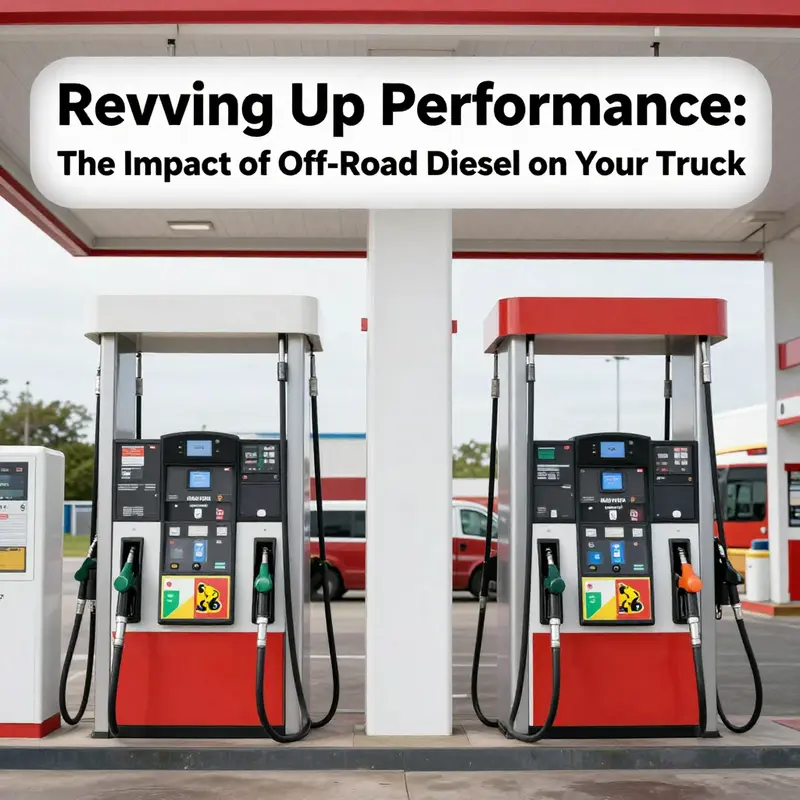
When you live and work on the edge of the pavement, off-road diesel can feel like a practical edge too. It’s a fuel built for rough terrain, heavy loads, and the kind of grunt that keeps a mining site, a forest road, or a construction yard moving. Yet the question at the center of this chapter—what will off-road diesel do to my truck—needs a broader answer than “it’s cheaper” or “it runs.” The truth sits in a subtle balance among engine design, regulatory rules, and the long-term economics of owning and operating a heavy-duty vehicle in demanding environments. For vehicles that never touch public roads, off-road diesel can be a sensible choice. For those that must travel highways or city streets, the math changes dramatically, and the consequences can stretch beyond a single tank of fuel. The chapter that follows threads those threads together into a single, usable picture of how this fuel interacts with your truck’s life cycle, rather than offering a quick, one-size-fits-all verdict.
To start with the engine, the chemistry of off-road diesel is often similar to its on-road cousin, but with notable distinctions that ripple through performance and maintenance. In many jurisdictions, off-road diesel carries a higher sulfur content and bypasses the road fuel tax. That higher sulfur content isn’t purely a number; it touches several practical realities of how a big diesel engine breathes and exhausts. On a long haul in the rubbly heartbeat of a worksite, higher energy density can translate into robust torque delivery and reliable peak power under heavy loads and steep grades. In other words, when a six-wheel drive or a heavy hauler is crawling up a muddy incline or accelerating a loaded dump through a rough cut, the fuel’s energy profile can feel like a real, tangible lift. Yet this comes with a caveat. If your truck was designed with low-sulfur, road-grade fuel in mind, prolonged use of higher-sulfur off-road diesel can encourage carbonization and deposits on injectors and valves. The severity of this risk depends on how your engine’s fuel system and combustion strategy tolerate sulfur-rich feeds. It isn’t universal, but it is a tension worth monitoring. Engine wear patterns, intake cleanliness, and fuel-injector behavior can subtly shift when fuel chemistry steps outside the expected range.
Beyond raw performance, the exhaust and aftertreatment story matters in ways that sit at the intersection of compliance and care. Off-road diesel’s higher sulfur content interacts with emissions-control components in ways that road-legal engines are not intended to endure over the long run. If a truck is certified for on-road use, its exhaust system, catalytic converters, particulate filters, and sensors are calibrated for ultra-low sulfur fuels and precise fuel-supply management. Pouring in a fuel that wasn’t designed with those calibrations can disrupt emission systems, raising the risk of alarms or, in some cases, triggering fault codes that force costly maintenance or downtime. The legal dimension is unambiguous in most places: using off-road diesel in a vehicle registered for road use is illegal, and enforcement can include fines, vehicle impoundment, or higher scrutiny at inspections. The practical impact is straightforward as well: any disruption to the exhaust system often means more frequent service, more time out of service, and higher maintenance costs, all of which subtract from the bottom line when you tally up a project’s duration and the machine’s availability. The moral here is not to demonize the fuel, but to recognize that the regulatory framework surrounding it creates a very real business risk if the vehicle ventures onto public roads with this fuel in the tank.
From the perspective of the vehicle’s structure and lifecycle, the picture diverges again based on how the truck is built and how it is used. For purpose-built off-road workhorses—vehicles designed for forestry operations, mining support, or heavy material handling—their life cycle and duty cycle typically align with off-road diesel. Those machines are robust by design, their cooling systems, fuel pathways, and exhaust routing expectations are set for the harsher environments in which they operate. In such contexts, off-road diesel often integrates smoothly with a maintenance cadence that already assumes rough start-stop cycles, dust exposure, and variable loads. In practice, this means fewer incremental changes to routine maintenance and a more predictable pattern of wear and tear. The question intensifies for trucks that are dual-purposed or that occasionally travel on public roads. In those cases, the wrong fuel choice can undermine components that were not built with sulfur-rich fuels in mind, accelerating injector wear or creating conditions that shorten the life of exhaust components. The consequence is not only higher maintenance costs; it also means more unpredictable uptime, which translates into delayed projects and less reliable delivery windows for customers and stakeholders.
The economics, inevitably, circle back to operational reality. Short-term savings on fuel are real: off-road diesel is often priced differently, sometimes lower per gallon, simply because it isn’t subject to road-use taxes or the same supply constraints as on-road diesel. A fleet manager who is calculating the daily cost of operation might be tempted to stock up and fuel exclusively at sites where the off-road variant is available. But these savings must be weighed against the longer horizon costs that may show up in penalties, regulatory exposure, or unseen wear-driven maintenance costs. If a vehicle is employed primarily in non-road work and never leaves the site, those savings can realize their potential. If the vehicle occasionally enters public lanes, you’re facing a risk premium that can erase or reverse the apparent advantage. Insurance implications, regulatory audits, and the need to maintain meticulous fuel receipts become part of the ongoing cost of ownership in a way that purely on-road fleets do not have to bear. And there is a broader, strategic cost to consider: the possibility of accelerated depreciation if maintenance needs escalate or if the fuel choice affects reliability during peak operation periods. In the most disciplined operations, the financial question is the simplest: does the fuel decision shorten total downtime or extend it? Do the expected maintenance costs stay within the budget for a project’s life cycle, or do they corner you into more aggressive contingency planning? The answer, once again, is context-specific, and it hinges on the clarity of your fleet policy and the discipline of your fuel-management practices.
That discipline matters. Fuel procurement records, usage logs, and clear delineation of vehicle roles become concrete tools for translating a fuel choice into predictable economics. If the vehicle is configured as a strictly non-road asset, it’s prudent to maintain a documented practice that aligns with this status—purchasing, storing, and handling off-road diesel in accordance with site requirements and local laws, all while ensuring the vehicle never operates on public highways. If your operation straddles road and non-road use, a robust segregation of fuel types and a transparent policy on where each fuel may be used can prevent legal trouble and unplanned downtime. It’s not just about avoiding fines; it’s about maintaining the trust of project sponsors who count on machine availability and predictable operating costs. In this vein, for readers who want to root their understanding in practical knowledge of diesel systems and maintenance, a deeper dive into the fundamentals of diesel operation can be invaluable. See Mastering Diesel Mechanics: Your Step-by-Step Path to Success for a hands-on exploration of how fuel quality, injector timing, and filtration influence performance and longevity, especially in rugged duty cycles.
As you weigh the economics, you’ll also want to consider the logistics and the life-cycle implications beyond the engine. Storage stability, filtration, and fuel stability practices become more than maintenance footnotes when you operate in environments where contamination risk is high or where refueling opportunities are sporadic. Off-road operations demand careful attention to the integrity of the fuel supply chain: from pump quality to storage tanks, from filtration to the potential for water ingress. Each of these factors can subtly shift power output, fuel economy, and maintenance intervals. The net effect on the economic viability of using off-road diesel is the sum of many small decisions that, when taken together, either protect margin or quietly erode it. In pursuing a clean, reliable, and cost-efficient operation, those decisions must be synchronized with the truck’s duty cycle, the regulatory environment, and the project’s financial contours.
One practical framework emerges from this synthesis. If the vehicle’s work is exclusively off-road, and the regulatory constraints are clear and enforceable, off-road diesel can be a rational choice that aligns with both performance and cost. Ensure you document the vehicle’s use profile, the fuel types permitted for each job, and the sourcing that proves compliance. Maintain rigorous fuel-use records and receipts to support audits or inspections. For mixed-use fleets, engage a policy-based approach that puts legality and uptime first: designate fuel types by vehicle and route, reinforce procurement controls, and invest in maintenance practices that mitigate potential carbon buildup and injector wear when higher-sulfur fuels are used. In either scenario, the balance is dynamic, not static. The chapter’s aim is not to finalize a universal rule but to illuminate the levers that shift the economics of owning and operating a truck in challenging environments. The vehicle’s value, uptime, and total cost of ownership hinge on how well you align fuel strategy with duty cycle, maintenance planning, and regulatory compliance, all while preserving the core purpose of your fleet: to move, reliably and cost-effectively, through the toughest terrain and the longest days.
In closing, the key takeaway centers on clarity and discipline. Off-road diesel will not automatically ruin a truck, but it does demand a precise fit between your vehicle, its duties, and the rules that govern where and how you operate. If your truck is a purpose-built non-road asset, the fuel can be a practical ally—when you manage it with careful record-keeping and site-specific policies. If your work encroaches on public roads, the risk becomes a cost center that overwhelms the occasional fuel savings. The economic dimension then becomes less about the sticker price of the fuel and more about uptime, compliance, and the predictability of your project schedules. And while the research notes that there is little in the literature about the exact economic implications, the lived experience of operators—who must balance power with law, and flexibility with accountability—offers the most reliable guide. The fuel choice, in the end, is a governance decision as much as a mechanical one—a choice that defines not only today’s cost but tomorrow’s reliability and opportunity on the job site. External resource: https://afdc.energy.gov/fuels/diesel.html
Navigating the Legal Minefield: What Off‑Road Diesel Really Means for Your Truck, Your Compliance, and Your Wallet
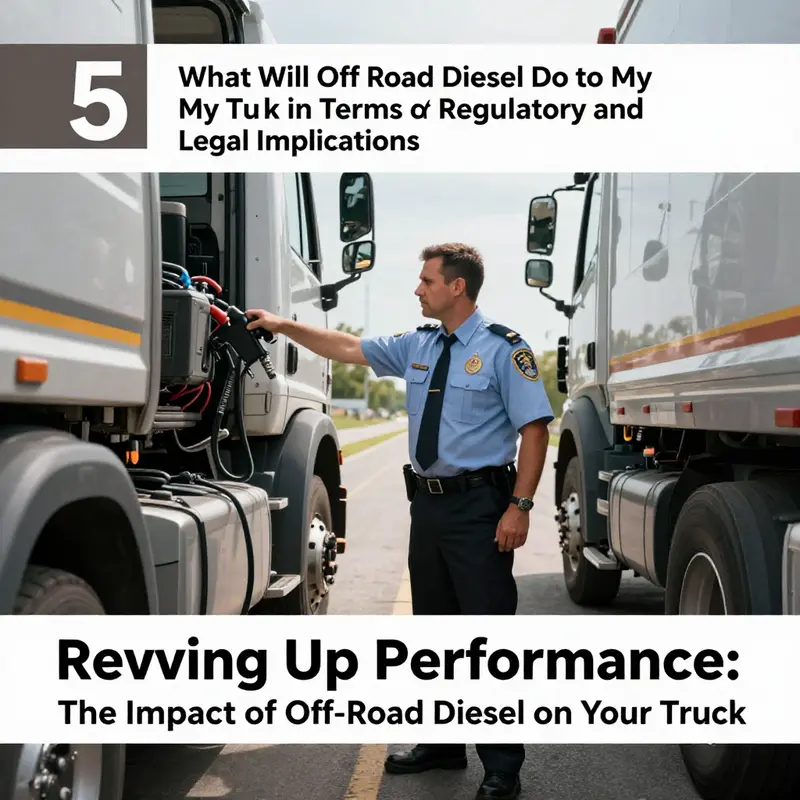
When a truck is designed and operated in legitimate non-road settings, the line between practical fuel choice and regulatory consequence narrows to a tight margin. Off-road diesel, also known as dyed or untaxed fuel, serves a specific purpose in construction, agriculture, and certain industrial roles. It is cheaper because it avoids road taxes and certain environmental fees. Yet that pricing advantage is inseparable from a set of statutory rules that govern where, how, and whether it may be used. The heart of the matter is not simply engine performance or loud exhaust notes, but the legal frame that separates lawful, site-limited use from prohibited, road-going operation. Understanding this frame is essential for any truck owner who wants to avoid surprise penalties that can overwhelm any fuel-cost savings. The core tension lies in the dye that marks off-road diesel from its on-road counterpart and the enforcement systems designed to detect and deter misuse on public roadways. This is not a niche concern for a few specialists. It affects fleets, owner-operators, and the countless trucks that routinely shuttle between worksites and nearby roads. In that sense, the topic sits at the intersection of mechanics, accounting, and law, a place where the wrong decision can ripple through maintenance schedules, payroll, and tenure on a license—never mind the engine wear and emissions consequences that might accompany improper fuel choices.
To appreciate why the regulatory piece matters, imagine a typical workday that straddles a job site and a public road. A haul truck might start the day on a mine ramp and then roll to a nearby highway to deliver its load to a processing yard. If that truck were fueled with off-road diesel for the entire run, the separation between on-site duty and on-road travel collapses. The off-road diesel in a vehicle that regularly operates on public roads becomes not just a tax evasion tactic, but a regulatory breach. In the United States, this distinction is policed with both federal oversight and state-level enforcement. The federal layer is anchored in the Internal Revenue Service (IRS) dye regulations, which distinguish taxed road diesel from untaxed off-road fuel by the presence of red dye and other markers. The Environmental Protection Agency (EPA) adds another layer by tying fuel choice to emissions controls and compliance with standards designed to minimize air pollution. The two agencies intersect in practical terms: improper fuel use can trigger financial penalties, vehicle seizures, and heightened scrutiny of a fleet’s entire operation. It is not merely a matter of being caught once; repeated use of off-road diesel in on-road vehicles increases the likelihood of sanctions and the potential for more severe outcomes, including loss of operating authority in certain jurisdictions. The combination of dye detection, tax tracing, and emissions scrutiny creates a compelling deterrent against misapplication of off-road fuels in road-going trucks.
The penalties are part of what makes this issue so consequential. The IRS, together with state authorities, enforces dye regulations that identify untaxed fuel. If a vehicle operating on public roads is found to run on off-road diesel, the consequences can be severe. Fines can reach substantial sums per violation, and in some cases penalties are pursued for multiple incidents, which can dramatically raise the financial exposure. Beyond civil fines, law enforcement and tax authorities have tools that can lead to more drastic outcomes, including seizure of vehicles or equipment when there is evidence of repeated misuse or systematic evasion. The practical impact goes beyond a one-time tax shortfall; it can affect a fleet’s licensing, financing, and even its ongoing eligibility to operate. The detection methods are robust enough that dye presence is a strong indicator of noncompliant fuel use. Agencies have access to testing kits and lab analyses that can confirm whether the dye traces align with off-road fuel. This means the risk is not abstract: it is readily verifiable with modern testing protocols. The immediate financial consequences, coupled with the possibility of longer-term regulatory action, create a powerful incentive to keep fuel choices strictly aligned with the vehicle’s intended operation and its legal status.
From a regulatory perspective, the interplay between fuel type and emissions controls adds another layer of complexity. Off-road diesel typically carries a higher sulfur content than on-road diesel. For modern diesel engines equipped with advanced emissions systems—such as selective catalytic reduction (SCR) and diesel particulate filters (DPF)—excess sulfur can accelerate wear or trigger faults in the catalytic and filtration systems. The result is not merely a potential for higher maintenance costs; it can also translate into failed emissions tests and noncompliance with air quality regulations. In practical terms, using higher-sulfur off-road diesel in a vehicle that is tuned and certified for on-road use can undermine the very environmental safeguards that modern trucks are designed to uphold. Combustion chemistry aside, the sustained presence of sulfur compounds in such fuel can corrode or contaminate sensitive emissions hardware, reduce regeneration efficiency in DPF systems, and degrade performance over time. The cumulative effect is a higher likelihood of service interruptions, unexpected downtime, and unplanned maintenance that compresses margins for fleets already working under tight schedules.
The legal landscape, however, does not exist in a vacuum of compliance theory. It is shaped by the operational realities of how trucks are used and where they travel. For non-road applications—such as equipment stationed at a quarry, a logging operation, or a construction site that rarely, if ever, accesses public roads—off-road diesel can be a rational choice. In those contexts, the fuel aligns with the duty cycle, and the vehicle remains outside the reach of on-road tax regimes. The challenge is to maintain strict separation between on-site operations and any road travel, to maintain precise records of fuel purchases, and to ensure that the vehicle remains inside the legal bounds of its designated use. In practice, this means adopting disciplined fueling and usage policies, keeping receipts and logs that demonstrate non-road usage, and training operators to minimize any cross-over into on-road itineraries that could trigger scrutiny. This is especially relevant for niche or specialized fleets, where a 6×6 all-terrain truck, a forest-service heavy hauler, or other rugged platforms might frequently operate in mixed environments. The decision to use off-road diesel should be made with clear documentation that the vehicle’s operating plan fits the fuel’s intended purpose and that the vehicle will not be used on public highways in a way that contravenes regulations. The line between legitimate off-road work and prohibited on-road use is defined not only by where the truck travels, but by how it is deployed within contract scopes, insurance policies, and enforcement risk.
The bottom line for operators is pragmatic: the potential savings from off-road diesel can quickly vanish if a misapplication triggers penalties or vehicle seizure. A short-term advantage in fuel price does not translate into long-term financial benefit if the vehicle becomes immobilized, or if the fleet incurs repeated penalties that affect cash flow and credit terms. The decision hinges less on a single fuel choice and more on a comprehensive compliance framework. This framework includes a clear policy on fuel sourcing, a strict boundary between on-road and off-road operations, and robust recordkeeping that demonstrates adherence to the law. It also requires a realistic assessment of the vehicle’s use case. If a truck performs primary road service, it is prudent to rely on on-road diesel, even if it carries the risk premium of fuel taxes. If a vehicle is confined to non-road duty cycles, off-road diesel can be appropriate, but only with strict adherence to non-road use policies and with awareness that any road travel could default to regulatory violations with potentially severe consequences.
For readers seeking a deeper, technical understanding of diesel systems and maintenance—especially as it relates to fuel quality and emissions controls—our diesel mechanics guide offers a practical companion resource. It walks through how fuel composition interacts with fuel injectors, high-pressure common rail systems, and EGR/DPF/SCR configurations, helping operators appreciate where fuel quality margins translate into engine wear or performance changes. See our detailed primer here: mastering diesel mechanics—your step-by-step path to success. This reference provides context on how fuel chemistry, engine design, and maintenance schedules come together to determine a truck’s reliability and longevity under different fuel regimes. It is a reminder that technical and regulatory considerations are inseparable when making fuel choices in complex, real-world operating conditions.
The regulatory dimension is not merely a theoretical risk; it is a practical constraint that shapes fleet design, driver training, and maintenance planning. Hence, any decision about off-road diesel must be accompanied by due diligence: confirm the vehicle’s operating permit status, verify the locations where the truck will operate, maintain rigorous fuel sourcing controls, and preserve auditable records that prove non-road use where applicable. The enforcement environment is explicit: if the vehicle is used on public roads, it should be fueled with on-road diesel and properly taxed; if it remains on non-road sites, off-road diesel may be permissible but not a passport to road travel. As a result, the optimal strategy is not simply choosing a cheaper fuel option; it is instituting a holistic compliance stance that integrates fueling practices with the vehicle’s route plans, contractual obligations, and the employer’s risk management framework.
External resource: for a regulatory reference on dye and fuel-use rules, see the IRS Dye Regulations documentation. https://www.irs.gov/pub/irs-utl/fuel_dye.pdf
Final thoughts
Navigating the world of off-road diesel is an exhilarating journey that brings both promise and responsibility. From vastly improving your truck’s engine performance and efficiency to ensuring your rig remains compliant with emissions regulations, understanding the implications of this fuel is crucial. Each chapter sheds light on the multifaceted benefits of off-road diesel, while also urging you to be mindful of the potential legal consequences. Whether you’re blazing trails in the wilderness or at a job site, embracing off-road diesel means embracing performance, sustainability, and the thrill of the ride. Ensure you remain informed and compliant to enjoy every adventure fully and responsibly.