

Off-road enthusiasts and adventurers understand the thrill of tackling rugged terrains, yet they often overlook a critical component: the fuel powering their vehicles. When it comes to storing off-road diesel in your truck, it’s essential to grasp both the opportunities and risks involved. This article delves into short-term and long-term storage strategies, examines the detrimental effects of moisture and fuel degradation, and outlines best practices to ensure your diesel remains in top condition for your off-road escapades. Each chapter builds upon the last, creating a comprehensive guide that equips you to make informed decisions about your fuel needs while maximizing your truck’s performance and reliability.
Short-Term Off-Road Diesel in a Truck: Safe, Smart Storage That Keeps Your Equipment Ready

Storing off-road diesel in a truck for short periods can be practical and convenient, especially for crews that rely on mobility and rapid response. When a truck sits ready with fuel in its tank, operators can avoid delays, prevent empty runs, and keep a job moving. But the ease of filling up and striking out again should not obscure the realities of fuel quality, moisture control, and safety. Short-term storage is not a license for lax handling; it is a discipline that blends practical know-how with a clear awareness of the risks that come with any flammable liquid. Diesel stored in a vehicle’s tank is part of a system, and the system’s reliability rests on how well each link is managed—from the containers that hold it to the environment that confines it, to the way fuel is transferred and circulated during use. In practice, the approach works best when someone treats the truck’s tank as a shared responsibility between the vehicle and the fuel it carries, a partnership that keeps the engine dependable and the work progressing without interruption.
A central challenge in short-term storage is keeping the fuel free of water and particulates. Diesel is unusually sensitive to water, and even small amounts can travel through the fuel system with consequences that range from clogged filters to injector damage. Water can enter the tank in several ways: through condensation when there are temperature swings, through contaminated handling, or via a tank that was not cleaned before filling. Once water is present, it can settle at the bottom of the tank and support microbial growth—often called the diesel bug—that thrives in the right moisture and temperature conditions. This microbial activity not only degrades fuel quality but also adds particulates that can accelerate corrosion inside the tank and lines. For this reason, purity of the storage environment matters more in the short term than it might seem at first glance. The tank should be clean and dry before it is filled, and any auxiliary storage arrangements should be designed to minimize exposure to moisture and contaminants.
Temperature control is another key factor. Diesel degrades more quickly at higher temperatures because heat accelerates oxidation. In practical terms, stored diesel should live in a cool, shaded space whenever possible. Direct sun and prolonged heat exposure can hasten the formation of varnish and gum, substances that eventually clog fuel filters and foul injectors. When a truck is parked for a shift or a duty cycle, shade or a garage can make a measurable difference in fuel stability over days and weeks. In environments where heat is unavoidable, keeping the tank full reduces the air space inside the tank, which limits both moisture condensation and oxygen exposure. The fewer air pockets you have, the slower the oxidation process will proceed, and the longer the fuel can stay usable for the short durations between fill-ups.
Safety is the backbone of any fuel-handling practice. Diesel remains flammable, and the proximity of fuel to ignition sources, electrical components, or hot surfaces can create serious risks. Grounding becomes a practical habit during transfer or when topping off a tank from a portable container. When transferring fuel, the receiving container and the vehicle’s tank should remain in contact with a ground path to dissipate static electricity. It is wise to use metal containers when possible, as metal can be more reliable in dissipating static compared with some plastics, which can build up static charges more readily. When you do choose to use an auxiliary tank or portable storage for short-term needs, ensure that the container is designed and rated for fuel storage and that it is kept clean and sealed. Before adding diesel to any tank, filter the fuel to remove particulates that could damage fuel delivery components. Even a small amount of dirt can act like sand in the system, wearing seals and clogging tiny passages that power an engine’s vital functions.
Legal and regulatory considerations also shape how people store diesel, even for brief periods. In many places, storing diesel in quantities beyond a defined threshold or outside approved facilities can trigger permits or licensing requirements. Some jurisdictions treat unapproved storage or sale of diesel as a serious offense because of the potential environmental and security risks. The risk isn’t merely punitive; it is practical. Improperly stored fuel can escape containment and cause soil or groundwater contamination, or create hazards for responders in the event of a fire. A concrete reminder of these concerns is found in recent regulatory actions in other parts of the world, where authorities have moved quickly to curb illegal storage and the illicit resale of fuel. The lesson for any operator is straightforward: know your local rules, obtain the necessary permits when they apply, and follow established storage practices that protect people, property, and the environment. In the end, compliance isn’t just about avoiding penalties; it’s about ensuring that the fuel you depend on is safe and reliable when you need it most.
Among the practical best practices, choosing the right container and maintaining a disciplined approach to air exposure are pivotal. Do not use containers that are not approved for fuel storage. Unapproved plastic jugs or drums can leak, degrade, or harbor moisture that you cannot easily detect. When possible, keep the tank as full as practical during short-term storage to minimize air space—and thus moisture exchange and oxidation. Before filling, confirm the fuel system and any auxiliary storage components are clean and dry. If you use a separate auxiliary tank for short-term storage, ensure it is designed for fuel and has been cleaned and inspected to meet the same standards as the primary tank. In all cases, a reliable filtration step before introducing fuel to the system helps remove stray particulates and water that could otherwise circulate through lines, potentially damaging filters and injectors. This attention to filtration, moisture control, and cleanliness is often what separates smooth operation from unexpected downtime when a job must resume on short notice.
Regular maintenance becomes a quiet, almost invisible ally in the short-term storage routine. Periodic checks for signs of water—such as cloudiness at the bottom of the tank—or obvious contamination should be standard practice. If water or dirt is detected, draining and replacing the affected fuel should be done promptly. This approach protects not only the engine’s immediate health but also the longevity of the fuel system’s components, including the fuel pump and injectors, which can be sensitive to degraded fuel. The rhythm of maintenance—fuel checks, visual inspection for leaks or corrosion around the tank, and a quick run of the engine to recirculate fuel—keeps a truck ready to move when the work window opens. A short idle to circulate fuel may seem minor, but it is a deliberate measure to prevent stagnation, especially in longer shifts where the truck sits idle between tasks.
Incorporating a reference point for broader learning can deepen understanding without turning the chapter into a manual. For readers seeking a broader framework on diesel systems, the topic blends well with more comprehensive fuel mechanics and maintenance guidance. As a helpful touchstone, consider exploring deeper insights in mastering diesel mechanics: your step-by-step path to success, which offers broader context on fuel handling, filtration, and system care. This resource can serve as a useful companion as you apply the principles of short-term storage to real-world scenarios and daily operations. mastering diesel mechanics: your step-by-step path to success.
Even with careful attention, it is realistic to acknowledge that short-term storage is not a substitute for longer-term stewardship of diesel fuel. If storage extends beyond a few weeks or months, stabilization strategies become important. A stabilizer slows oxidation and can extend usable life by several months, but it does not negate the fundamental challenges posed by moisture, heat, and contamination. The decision to extend storage time should be accompanied by a deliberate plan to minimize air exposure, reinforce storage cleanliness, and verify fuel quality before use. The balance here is practical: you protect your investment by controlling the environment, maintaining cleanliness, and adapting your approach to the length of storage and the climate you operate in. The guidance is consistent across contexts—short-term storage can be a practical part of a well-run operation, provided you respect the fuel’s sensitivity to water and particulates, actively manage temperatures, and follow safety and regulatory requirements. In doing so, you maintain engine reliability, minimize downtime, and preserve the readiness that your fleet needs to meet the demands of the job.
For readers who want to extend their understanding beyond the immediate topic, it is worth noting that fuel handling and storage intersect with broader environmental and safety considerations. Local regulations, safe handling practices, and responsible disposal of contaminated fuel all play a role in keeping operations compliant and sustainable. The guidance here emphasizes practical steps you can take now—ensuring the truck’s tank is clean and dry, limiting air in the tank, and storing in a cool, protected space—while also pointing toward a more comprehensive knowledge base for longer-term storage decisions. In everyday terms, short-term off-road diesel storage in a truck is a workable reality when it is treated with the same respect you give to the engine itself. With careful attention to water management, temperature control, container integrity, and regulatory awareness, you can keep your equipment ready and your work uninterrupted, even as conditions shift and jobs change. External resource: https://www.epa.gov
Holding the Line: Mastering Long-Term Off-Road Diesel in a Truck Without Compromising Engine Health
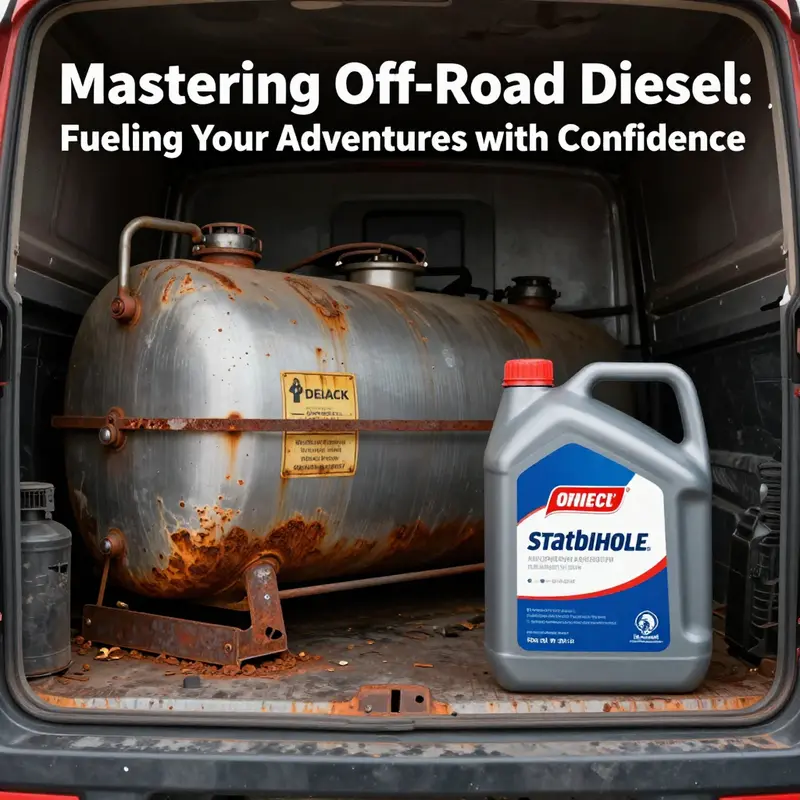
When a truck sits idle for weeks or months, it can tempt fleet managers and individual drivers to leave fuel in the tank and hope for the best. The idea of storing off-road diesel in a truck’s tank is not new, and there are times when it seems like a practical precaution—especially in remote jobsites, seasonal operations, or long-haul projects where frequent fueling isn’t guaranteed. Yet the reality is more nuanced. Off-road diesel, like any fuel, carries a shelf life that is strongly influenced by how the storage system is sealed, how temperature swings are managed, and how proactively the fuel is treated. In a world where engine reliability translates directly into uptime, the decision to store fuel long term must be anchored in an awareness of both the gains and the risks. Short-term storage—the kind that covers a few weeks up to a couple of months when a vehicle is still used regularly—can be manageable and often harmless. The engine receives fresh fuel during operation, and any marginal deterioration is usually corrected by the cycle of use. But when long-term storage enters the picture, the clock starts ticking in earnest. The fuel begins to degrade, moisture can accumulate, and contaminants may creep into the system, setting the stage for downstream problems that can surprise even careful operators. Diesel is relatively stable compared with some fuels, yet it is not immune to changes that affect performance, filtration, and fuel-system integrity. The decision to store diesel in a truck for an extended period should therefore be preceded by a plan that addresses chemical stability, water management, and mechanical health. The core challenge is not simply the presence of fuel in the tank but the conditions inside the tank and the fuel’s evolving chemistry over time. In practical terms, a long lull in usage often means air infiltration through venting, temperature-related moisture migration, and the slow oxidation of hydrocarbons. The air inside a tank acts like a reservoir of moisture when temperatures swing and humidity is present. As air cools and warms, condensation can form on the interior surfaces and along the fuel’s surface. This moisture becomes a breeding ground for microbial growth—the so-called diesel bug—and it can lead to a cascade of issues: rust on the metal of the tank, microbial mats that clog filters, and a tainted fuel profile that resists proper combustion. Even if the tank is sealed, tiny leaks or imperfect seals can permit slow air exchange, complicating moisture control. Add to this the physical realities of long-term storage: sediments can settle toward the tank bottom, leaving behind a slurry that can dislodge when circulation begins again. The consequences can range from clogged filters to degraded injector performance, which may manifest as reduced power, rough idling, or even outright engine misfires. The overarching risk is that a fuel-management decision made in the moment becomes a set of hidden maintenance chores later, often at inconvenient times in difficult operating conditions. The temptation to cut corners—to extend intervals between fuel turns, to skip stabilizers, or to delay tank inspections—can compound the risk. If a vehicle sits in a hot environment or experiences wide temperature fluctuations, the problem compounds. Heat accelerates oxidation, which creates gums and varnishes that cling to fuel lines and filters. These deposits can form bridges between injector nozzles and fuel passages, increasing fuel-system resistance and inviting pressure drops that the engine must overcome. The longer the fuel sits, the more prominent these symptoms can become, especially as some diesel blends are more prone to oxidation than others. The risk is not purely chemical. Moisture in the tank invites corrosion of the tank walls, particularly in older or poorly maintained tanks. Once rust forms, it can shed tiny flakes into the fuel, further aggravating filtration and potentially introducing metallic contaminants into the engine. Each of these factors—chemical degradation, microbial growth, settled sediments, and corrosion—speaks to a common thread: long-term storage requires a proactive, disciplined approach rather than a passive assumption that “the fuel will be fine if the vehicle is rarely used.” The good news is that the same toolbox used to prevent problems during long idle periods can be applied with equal effectiveness to off-road diesel in trucks. Stabilizers formulated for diesel can slow oxidation, helping preserve the fuel’s usable life by months and, in some cases, into the lower end of the second year under ideal conditions. The stabilizer’s role is not to turn diesel into a forever fuel but to slow the clock and provide a buffer against the worst effects of time and temperature. A practical regimen begins with filling the tank to minimize air space, a simple step that reduces the volume of air available for moisture absorption. In tandem with filling, a high-quality diesel stabilizer should be introduced according to the product’s directions before storage. The aim is to slow chemical reactions that lead to gum formation, varnish deposition, and phase separation, preserving the fuel’s physical and chemical integrity for a longer window. The storage environment matters just as much as the chemical treatment. A cool, dry, and shaded location is preferable to a tank left in direct sunlight or a heated, uninsulated space. Temperature swings are not just an energy concern; they drive moisture dynamics and can accelerate condensation on liquid surfaces. Placing a truck in a garage or covered storage area reduces the frequency and intensity of these cycles. Regular attention is also part of the preparation. If possible, starting and running the engine for short periods every few weeks helps circulate fuel, keeping it in contact with filters, lines, and injectors. This circulation is more than a mechanical ritual; it’s a practical move to prevent stagnation, reduce the chance ofwater settling in the bottom, and keep contaminants suspended rather than aggregated. Where a facility allows, adding a desiccant breathers or a fuel-water separator near the tank can create an additional moisture barrier. Desiccant breathers filter incoming air, reducing moisture carried into the system during any unavoidable venting, especially in environments with significant humidity or large temperature swings. Water-finding paste can be a simple, cost-effective tool to detect water accumulation in the bottom of a fuel storage tank, allowing timely action before water enters the fuel line. Another critical decision point involves whether the vehicle will be idle for months. If the prospect is extended, draining the tank and storing the fuel separately in approved containers may be the safer option. In some cases, starting the engine periodically to burn through the stored fuel and then refilling with fresh stock can be a viable approach, particularly if the vehicle will be placed back into service soon. For persistent or particularly harsh operating environments, a more structured plan might include a schedule for inspection and testing. Regular visual checks for signs of water pooling, rust on the tank exterior, or sediment at the tank’s bottom can alert the operator to emerging issues before they become costly. A simple water test with a clear sample can reveal the presence of free water in the tank, and if detected, it should be addressed by draining and re-fueling with fresh stock. The overarching principle is balance: a disciplined use pattern, combined with chemical stabilization and moisture management, offers the best odds of maintaining fuel quality over longer times. The narrative of long-term storage is not a cautionary tale about stopping use but a reminder that proper preparation converts a potential risk into an operational reality. For readers seeking a deeper, hands-on dive into diesel fuel behavior and preventive maintenance, a practical resource offers a guided tour of the mechanics behind these decisions. Mastering diesel fundamentals can illuminate why certain steps matter more in some climates than others and how small changes in storage practice can yield meaningful improvements in engine health. See Mastering Diesel Mechanics: Your Step-by-Step Path to Success for a deeper, practitioner-focused perspective that complements the storage-focused guidelines discussed here. As the chapter on long-term storage closes, the message is clear: diesel stored in a truck is not inherently dangerous or doomed to fail. With a clear plan, mindful preparation, and routine checks, it can remain a usable resource rather than a latent liability. The safest path emphasizes minimizing air exposure, controlling moisture, and keeping the fuel chemically stable. It invites operators to think beyond the moment of storage and to consider how every fuel-management decision affects the truck’s next mile, its uptime, and the reliability of the system that depends on clean, stable fuel. For a broader, field-tested framework that extends beyond the vehicle to the surrounding maintenance culture, refer to established diesel storage guidelines that synthesize practical experience with laboratory insight. Diesel storage practices are not about perfection at the moment of fill but about consistency over time. In the end, long-term storage has to earn its place in the operation by proving its value in reduced downtime, fewer filter changes, and a more predictable performance when the vehicle returns to service. For those seeking confirmed standards and deeper validation, see Diesel Fuel Storage Guidelines. (https://www.fuel-chemistry.com/diesel-fuel-storage-guidelines)
Preserving Power in the Field: Navigating Diesel Deterioration and Storage for Off-Road Truck Use

diesel storage in trucks is a practical and often necessary practice for field operations, but it is not without risk. When a truck sits idle with fuel in the tank, the same chemistry that powers every start and every mile also begins to work against the fuel itself. The fuel you see as a simple energy source is, after all, a complex blend of hydrocarbons that reacts with air, water, and heat over time. On a job site, in a remote vineyard, or at a mining camp, the decision to store off-road diesel in a truck’s tank is usually driven by the reality of long shifts, uncertain refueling points, and the need to keep equipment ready for action. Yet readiness depends on understanding what storage does to fuel quality and what practical steps keep that fuel usable when it finally returns to service. The conversation around storage is not about denying the need to hold fuel in reserve; it is about balancing that need with the chemical and physical realities that govern diesel stability in real-world conditions. The upshot is straightforward: short-term storage is often acceptable, but long-term storage requires a disciplined approach that blends proper filling practices, conditioning additives, environmental control, and proactive monitoring. Without this discipline, the quite common scenario of a truck returning to duty after a standstill can become a maintenance headache rather than a straightforward restart.
One of the earliest and most convincing reasons to favor short storage windows is the simple fact of how diesel changes when it sits. Initial concerns stem from oxidation, a slow reaction with air that happens even in closed tanks. Oxidation produces gums and varnishes that can migrate through the fuel system, eventually collecting at critical choke points like filters and injectors. In this process, the fuel becomes more viscous and less predictable, making it harder for pumps to draw or atoms to atomize properly. Add to this the fact that diesel is prone to absorbing moisture from the air, especially in tanks that are vented or exposed to humidity. Water in diesel is not inert: it can separate and form a water layer at the bottom of the tank, which becomes a breeding ground for microbial growth. The so-called diesel bug thrives where water and nutrients mix, producing sludge, acids, and particulates that compound the wear on fuel lines and seals. Microbial colonies are particularly insidious because they flourish in warm, damp environments and can migrate from the tank to the fuel filter, clogging lines and reducing flow. These dynamics are why the literature on fuel storage emphasizes moisture management and the importance of water-free samples whenever practical.
The physical threat to aging diesel is closely tied to the storage environment. Temperature swings, sunlight exposure, and the duration of storage interact with the composition of the fuel to accelerate the degradation process. In warm climates, heat acts like a catalyst, speeding up oxidation and inviting more rapid formation of particulates. In cooler environments, wax-like paraffins can precipitate if temperatures fall below the cloud point, especially in heavier diesel blends. Either extreme is troublesome because it changes the fuel’s handling characteristics and its combustion performance. The tank itself can be a source of trouble if it is corroded or if the interior harbors rust or metal fragments that can contaminate the fuel. Moisture accelerates both corrosion and microbial growth, reinforcing the need for moisture control as a central pillar of storage strategy.
Against these challenges, practical practices offer a clear path to preserving fuel quality over the life of a stored load. The most immediate and effective measure is simple in concept: fill the tank to minimize air space. Air exchange is the principal route by which moisture enters; reducing the volume of air inside the tank reduces the opportunity for water to condense and mix with fuel. Complementing this, use a high-quality diesel fuel stabilizer before storage. Stabilizers slow oxidation and help anchor the fuel chemistry, extending usable life by months in many scenarios. The stabilizer is not a guarantee against all deterioration, but it buys time and reduces the risk of forming gums and varnishes that are hard to clear later.
Where the storage happens matters as much as what is added to the fuel. A cool, dry, shaded area designed to minimize direct solar exposure and extreme temperature shifts helps slow chemical reactions. In the field, this may translate to parking in a covered area or using a protective shield that limits sun and heat. If the vehicle must sleep in a non-ideal space, taking extra precautions—such as ensuring proper ventilation, regularly inspecting the tank for moisture, and avoiding prolonged exposure to heat—can help mitigate some of the worst environmental drivers of deterioration. The goal is to keep the fuel in a relatively stable environment where the rate of chemical change stays as low as possible.
In addition to environmental controls, regular operational discipline matters. When feasible, start the engine and run it for a few minutes every two to four weeks. This circulation helps move older fuel toward the engine for burning, reduces stagnation, and prevents the stagnation layers that encourage microbial colonies from taking root. For fleets and individuals who rely on a stored reserve, this practice can be a simple but meaningful safeguard against issues that only emerge during restart, such as rough idle, decreased power, or unexpected injector response. These symptoms can masquerade as a mechanical fault when the root cause is fuel quality.
For fleets managing multiple vehicles and significant volumes of off-road diesel, inventory discipline becomes a practical necessity. A FIFO—first in, first out—system ensures older fuel does not linger beyond its useful window. Regular checks for water accumulation at the tank’s bottom promote timely water drainage and help prevent the water‑fuel interface from expanding into sludge-forming territory. Cleanliness in refueling areas, careful handling during fills, and attention to hose and nozzle cleanliness all contribute to a lower contamination risk as fuel moves through the system. In this context, the human side—the routine and training of operators and maintenance staff—becomes as important as any chemical intervention. A well-informed crew that understands the signs of deterioration and the steps to mitigate them can stop problems before they affect engine performance.
Testing is another essential piece of the maintenance mosaic. Periodic fuel sampling and testing against established standards provide a practical signal to act. Diesel fuel testing typically focuses on oxidation stability, water content, and contaminant levels. Standards such as ASTM D6751 and D976, or related guidelines, guide these assessments. When tests indicate rising water content or noticeable sludge, or when stability metrics trend downward, operators have a rational basis to either treat the fuel further, purge it, or replace it before it re-enters the engine. This test-driven approach reflects the broader principle that fuel management is not a one-off event but a continuous, data-informed process.
For readers who want a deeper technical frame, the guidance above aligns with hands-on diesel practice that technicians value. For those seeking a compact, practical guide to the mechanics behind diesel systems, see Mastering Diesel Mechanics: Your Step-by-Step Path to Success. It offers a hands-on perspective that complements the operational guidelines described here and reinforces the idea that fuel quality and engine reliability are linked through a cyclical, disciplined routine. As a companion, industry resources that address fuel stability and performance at fleet scale can provide a broader lens on how organizations synchronize storage, handling, testing, and consumption. They remind us that the stability of stored diesel comes not only from chemistry but also from process, governance, and the culture of maintenance that surrounds the vehicle fleet.
In practice, the most successful storage strategy blends storage best practices with realistic usage patterns. If the job site demands a truck for multiple days, plan refueling cycles to align with activity levels so that older fuel spends as little time in the tank as possible. This reduces the risk of aging fuel affecting performance during critical tasks. The aim is not to chase perfect fuel quality in every instance but to minimize the probability of issues that could disrupt a return to operation. A well-structured plan reduces the risk of misdiagnosis, unnecessary maintenance, and avoidable downtime, while maintaining engine efficiency and emission performance.
The broader perspective on whether to store off-road diesel inside a truck’s tank is rooted in field realities. A truck can function as a portable energy store in challenging environments, delivering power where infrastructure is limited. But that value depends on consistent fuel quality and predictable behavior from the engine when duty resumes. The practical takeaway is clear: diesel storage requires a purposeful routine that recognizes deterioration pathways, applies stabilization and environmental controls, and uses testing to catch problems early. The choreography of these actions—filling, stabilizing, insulating, circulating, testing, and auditing—forms a robust defense against the slide from clean, reliable power to degraded fuel and diminished performance.
For readers seeking further context beyond this chapter, the internal resource linked earlier provides a concise, developer-friendly lens on diesel systems and maintenance. It complements the broader storage discussion by focusing on diagnostic and repair approaches that help keep engines healthy even when fuel quality is imperfect. The external resource, included at the end, broadens the view to industry-wide fuel performance considerations and fleet-scale management, offering governance insights that can guide training programs and policy decisions in organizations that rely on off-road diesel. External resource: https://www.shell.com/business/customers/fuel-performance.html
Moisture in the Tank: The Hidden Costs of Water in Off-Road Diesel Stored in Trucks

Water and diesel are uneasy bedfellows in any storage scenario, but in the world of off road use, the consequences of moisture sneaking into a truck tank can ripple through the entire operation. Imagine a fleet that sits idle for days, weeks, or even months between jobs. The storage conditions might seem convenient, but air in the tank means air carries moisture. In a climate with humidity, those little water droplets can become a serious adversary. The result is not just a minor drop in fuel quality; it is a path to clogged filters, degraded engine performance, and costly downtime. The core danger is straightforward: water in diesel fuels the growth of unseen trouble. The task for operators is to understand how moisture enters the system, what it triggers inside the fuel and the engine, and how to minimize risk without turning the truck into a science experiment. In the broader arc of keeping a truck running smoothly, moisture control stands as a foundational practice that saves money, reduces maintenance headaches, and protects the integrity of the fuel system over time.
One of the most common entry points for moisture is condensation. When a tank breathes with daily temperature swings, especially in poorly insulated or unconditioned spaces, humidity in the air inside the tank can condense on the cooler surfaces. The result is a thin film of water that settles at the bottom of the tank, where it can mix with the diesel. In a short period, this free water becomes a reservoir for microbial life and a catalyst for chemical reactions that diesel was never designed to undergo. The problem compounds as the water and hydrocarbons separate, creating a two layer system with diesel on top and water at the bottom. When the engine draws fuel, those droplets can be sucked into the fuel line, leading to a cascade of issues. Regular usage helps, but it does not eliminate the risk. Water drips into tanks from poorly sealed caps, faulty vents, or contaminated fill hoses. Deliveries that arrive with moisture inside the container or tank also contribute to the problem. In the field, moisture is often invisible until symptoms appear, which is why proactive monitoring is essential.
Microbial growth, often called the diesel bug, is another direct consequence of moisture in diesel. These microbes feed on hydrocarbons and flourish where water pools. The metabolic byproducts they produce include acids and sludge that can accumulate over time. Sludge clogs fuel filters, fouls injectors, and alters fuel quality in ways that are hard to reverse with a simple filter change. The engine may begin to stumble, idle roughly, or lose power under load. The emissions profile can shift as combustion becomes less efficient, and the risk of overheating or premature wear to critical components increases. In severe cases, corrosion at certain points in the fuel system can accompany microbial activity, accelerating wear and creating new failure modes that demand expensive repairs.
Beyond microbial concerns, moisture catalyzes a process known as fuel stratification and phase separation. Diesel that has absorbed water is known to separate from the water under certain conditions. Water settles to the bottom, forming a free water layer that can be drawn into the fuel system during operation. This introduces micro air pockets and inconsistent fuel quality at the moment of combustion. The consequences range from injector fouling and poor combustion to misfires and even hydraulic lock in extreme cases. Hydraulic lock can stall engines and, in worst cases, cause internal damage that requires engine teardown. The risk is not merely in the presence of water but in the timing of its entry into the system relative to the engine’s operating state. In fleets that run long-haul or heavy-duty workloads, this risk is amplified because the system is often operating at high pressure and high demand, leaving less margin to absorb abnormal fuel behavior.
Moisture also accelerates oxidation chemistry in stored diesel. Oxygen in the air, facilitated by the presence of water, can oxidize hydrocarbons in fuel. Oxidation products contribute to varnish and gum formation, sludge, and a general decline in fuel stability. This is particularly problematic for fuels stored long term in off-road vehicles and heavy equipment. Oxidized fuel does not burn as cleanly, can lead to deposits on fuel lines and filters, and can degrade lubrication properties in the fuel itself. The longer the fuel sits with moisture present, the more pronounced these effects become. The cumulative impact is a reduction in overall fuel quality, a higher likelihood of clogged components, and more frequent maintenance events during operation.
Addressing moisture requires deliberate and ongoing maintenance, not a one-time fix. The mitigation framework starts with a few practical steps that any fleet can adopt without overhauling its operations. First, fill the tank to minimize air space when storage is longer than a few weeks. Reducing the volume of air in the tank lowers the amount of water that can condense. It is a simple, but often overlooked, habit that can substantially extend fuel life. Second, consider the use of a high-quality diesel fuel stabilizer or additive that is designed to slow oxidation and help manage water. These additives can slow the rate at which water-related degradation occurs and, in some cases, help emulsify small amounts of water so it stays suspended rather than separating and collecting at the bottom. Third, store the vehicle in a cool, dry location. A garage or covered area that shields the tank from direct sunlight and extreme temperature fluctuations reduces the driving force for condensation and slows chemical reactions that accelerate deterioration.
The day-to-day routine should also include regular use. When feasible, starting the engine and running it briefly every few weeks helps circulate fuel and flush the system. This keeps the fuel moving, prevents stagnation, and gives the operator a chance to detect unusual symptoms before they become major failures. For fleets operating in humid environments, reinforcing this routine with a robust fuel management program is essential. Regular fuel testing, filtration checks, and water drains from the tank bottoms are all prudent practices. Water drainage is not a one-off task; it should be part of a scheduled maintenance window that coincides with filter changes or routine inspections. If the bottom of the tank shows evidence of water accumulation, or if you notice a change in fuel quality, you should act promptly rather than waiting for a breakdown.
The practical toolkit for moisture management includes a blend of hardware, process, and mindset. Replacing or upgrading tank seals and vents to minimize air ingress is a proactive measure. Improved tank seals reduce the primary entry point for moisture and help maintain a more stable internal environment. In addition, incorporating water-absorbing or water-emulsifying additives into the fuel management plan can provide a buffer against moisture-related problems. It is essential to choose additives with proven performance in diesel fuels and to follow manufacturer guidance for dosing. The routine inspection of tanks for signs of corrosion or leaks is another cornerstone. Corrosion pits can harbor water and rust debris that can contaminate the fuel and accelerate deterioration of metal components in the tank and lines.
Draining water from the tank bottoms is a targeted, practical step that directly addresses one of the most corrosive and problematic aspects of moisture. Periodic draining of free water reduces the chance that water will be drawn into the fuel during operation. This is particularly important during long idle periods or when a truck is stored in a high humidity area. The process should be part of a broader maintenance cadence that includes fuel quality checks, filter condition assessments, and an overall evaluation of the fuel system’s health. The goal is to maintain a stable, clean fuel supply that supports reliable starting, steady performance, and predictable maintenance costs. The emphasis is on preventing the introduction and buildup of water rather than reacting to symptoms after failure.
To bring these ideas together in a real-world context, consider how a typical truck operator or small fleet manager might apply them. Start with a quick assessment of the storage conditions and storage duration. If the truck is going to sit for weeks, ensure the tank is topped off and moisture exposure is minimized. If the storage period extends to months, implement the stabilizer protocol, schedule a water drain, and plan a periodic engine run. Create a simple checklist that includes inspecting the fuel tank seals, verifying vent integrity, and documenting any evidence of water or dark sludge at the tank bottom during routine checks. If your operations involve frequent transitions between humid and dry climates, tailor the maintenance schedule to seasonal patterns. Invest in filtration capability that includes water separation to catch free water before it enters the fuel line. A disciplined approach to filtration and water management reduces the chance of downstream failures, maximizes engine performance, and protects the broader fuel system from moisture-driven damage.
For readers seeking deeper practical guidance, a deeper dive into diesel maintenance practices is available through targeted resources. See Mastering Diesel Mechanics: A Step-by-Step Path to Success for consolidated strategies on fuel system maintenance and how moisture considerations fit into broader mechanical care. https://dirtantrucks.com/mastering-diesel-mechanics-your-step-by-step-path-to-success/
In the end, moisture may be a constant companion in the field, but its impact is not inevitable. With thoughtful handling, regular monitoring, and disciplined maintenance, off-road diesel stored in trucks can stay robust enough for the demands of rugged terrain and uncertain schedules. The goal is not perfection but resilience: a fuel system that can tolerate the realities of storage and climate while delivering dependable performance when the throttle is opened and the wheels turn. A small investment in prevention—topped tanks, water drains, careful storage, and a measured use of stabilizers—yields a big payoff in reduced downtime, steadier performance, and lower long-term maintenance costs. For those who manage fleets and want a reliable anchor for their fuel management program, moisture control should be treated as a core practice rather than an afterthought. External research on diesel fuel quality reinforces the idea that controlling moisture is central to maintaining fuel integrity and engine reliability over time. https://www.dieselnet.com/tech/dieselfuelquality.php
Guarding the Tank: Practical Practices for Storing Off-Road Diesel in Truck Tanks

Fuel that sits in a truck’s tank is more than a reservoir; it’s a resource that can keep work moving, equipment ready, and teams on schedule. The question of storing off-road diesel in a truck tank is not a simple yes or no. It hinges on how long you plan to store it, the conditions in which the truck sits, and how much attention you’re willing to give the fuel over time. Short-term storage—days to a few weeks or even a couple of months—often works without drama, especially if the vehicle is driven enough to circulate the fuel and prevent stagnation. Yet when the clock ticks toward months and then years, the dynamics of diesel storage change dramatically. Diesel fuels don’t stay pristine forever. Even in a well-sealed tank, oxidation and moisture interactions begin to shift the chemistry. The result can be a less combustible blend, gum formation, and the formation of varnish that clogs filters and injectors. These are not issues you want to discover during a critical job where a truck needs to start and run reliably. The practical takeaway is straightforward: you can store off-road diesel in a truck tank, but it is a decision that should be evaluated against time, environment, and the avoidance of preventable damage.
Two forces drive the caution around long-term storage. The first is fuel deterioration. Diesel, even in a closed container, experiences slow chemical aging. Over roughly a year or two—depending on temperature swings, exposure to air, and the presence of oxygen—the fuel begins to form heavier compounds. These byproducts can form sludge and varnish, which in turn can irritate the filtration system, cause injectors to stick, and strain the entire fuel path. The second force is moisture. Diesel can absorb water from the air, especially when the tank breathes as temperature changes occur. Water in the fuel invites microbes to thrive, a situation colloquially known as a “diesel bug.” Microbial growth in the tank and lines is more than a nuisance; it can lead to clogged lines, degraded lubricity, and fuel separation that impairs combustion. Moisture also fosters rust and corrosion inside the tank, further complicating fuel quality and inviting metal particles into the system. Taken together, these factors explain why long-term storage demands a more deliberate approach rather than mere patience.
The best approach balances readiness with prevention. For many operators, the simplest rule is to keep the tank as full as possible when idle for extended periods. A full tank minimizes the air space where moisture can accumulate and reduces condensation. This is a practical shield against the moisture cycle, though not a foolproof guarantee. Alongside that, adding a high-quality diesel stabilizer before storage slows oxidation and helps slow the onset of gum formation. Stabilizers aren’t miracle cures, but they shift the chemistry in a favorable direction, buying time for the fuel to remain usable when storage stretches into weeks or months. Pair stabilizers with a cool, dry storage locale. Direct sun and extreme heat accelerate both chemical aging and moisture absorption, so a garage, shed, or shaded shelter becomes a strategic ally. Temperature stability contributes to a slower rate of deterioration because it dampens the daily thermal cycles that drive air exchange and moisture migration.
Even in short-term storage, routine maintenance remains essential. Start with a clean, dry tank. Before filling, a quick inspection for any signs of moisture intrusion or corrosion invites early detection. The concept of keeping the tank dry is not just about avoiding rust; it’s about discouraging microbial life that loves damp, nutrient-rich environments. After filling, ensure the fuel line and the tank are purged of any standing water or particulate matter that could have found its way in during the filling process. This is particularly important in environments where fuel is transferred from drums or tote systems to a vehicle’s tank. While the truck sits idle, a periodic ignition cycle—running the engine for a few minutes every few weeks—helps circulate the stored fuel. Circulation reduces stagnation, diminishes local fuel separation risk, and keeps gaskets, seals, and injectors conditioned through operation, even if only briefly.
A key practical detail is the fuel level. Maintaining a high level—generally around 80 percent or more when storage is planned—corresponds to a smaller air volume inside the tank. Less air means less moisture-laden air present to condense on the tank walls and mix with the fuel. It is a small discipline with outsized benefits, because condensation can contribute to both water in fuel and microbial growth in susceptible tanks. The 80 percent guideline is not a rigid law; it’s a practical target that reflects a balance between usable storage space, weight considerations, and moisture control. If space allows, keeping the tank near full during periods of idling serves as a quiet but effective form of protection against the twin threats of water ingress and oxidative aging.
When longer storage is unavoidable, more deliberate steps become prudent. Draining the fuel system entirely may be the best option for multi-month stints. This approach reduces the amount of fuel available to degrade and minimizes the risk of sediment and varnish forming in the bottom of the tank or in the lines. If full drainage is not feasible, a conservative alternative is to run the engine with a dedicated fuel additive designed to clear residual fuel and prevent gum formation. This must be done with care to avoid introducing contaminants into the system and to ensure the additive is compatible with the engine’s design and the fuel type. A note of caution accompanies any long-term storage plan: after draining, the fuel system should be thoroughly flushed, and any fuel filters should be inspected and replaced before the vehicle is put back into service. The goal is to avoid a scenario in which a dormant fuel supply becomes a catalyst for an engine hard-start or poor performance once work resumes.
It is also useful to recognize the broader context of off-road diesel. Off-road diesel is routinely dyed to differentiate it from on-road fuel. The dye has regulatory implications, and the use of off-road diesel is typically restricted to non-highway applications. This distinction can influence how fuel is stored and managed, because different environments and supply chains can introduce varying levels of moisture exposure and contaminant risk. The practical effects on storage are not dramatic on a day-to-day basis, but they do shape a maintenance mindset. A thoughtful operator keeps the storage plan aligned with the intended use—field service, construction sites, remote loads, or temporary off-road tasks—ensuring that the fuel remains fit for the job when the truck finally needs to move again.
For readers seeking a deeper, hands-on dive into diesel systems and storage decisions, a detailed exploration of mechanics and maintenance pathways can be invaluable. The idea is to integrate practical routines with an understanding of fuel chemistry, so the storage choice does not feel like guesswork. You can think of it as pairing common-sense procedures with a technical awareness of how diesel behaves when it sits in a tank. This approach makes the difference between a stored resource that lasts and a stored resource that becomes a problem you only notice when a job is on the line. As you consider your own fleet or personal truck, remember that storage practices are a living part of maintenance, not a separate, one-off step.
For readers who want a structured, drill-down guide on diesel mechanics as a foundation for these decisions, a broader resource offers a step-by-step path to mastery. Mastering Diesel Mechanics: Your Step-by-Step Path to Success provides a framework for understanding how fuel quality, engine tolerances, and filtering interact. While this chapter emphasizes storage, the underlying mechanics come from the same reservoir of knowledge that keeps engines running reliably after periods of idle use. The practical upshot is simple: coupling a disciplined storage routine with a basic understanding of diesel behavior yields a truck that starts, runs smoothly, and avoids the drama of degraded fuel.
In the end, the core message remains clear. You can put off-road diesel in a truck tank, but you should do so with a plan. A plan that starts with cleanliness and moisture control, moves through stabilization and temperature-conscious storage, and culminates in a mindful approach to level, circulation, and periodic checks. If storage is necessary for months at a stretch, consider draining or flushing the system, then reintroducing fuel with care and an appropriate additive. If storage is shorter or intermittent, keep a steady cadence of inspections and occasional engine runs to maintain the fuel’s quality and the vehicle’s readiness. These practices are not about fear or guesswork; they are about using a clear framework to protect a simple, essential resource—the diesel that powers your truck when you need it most.
External resource for formal guidance on diesel storage, including off-road contexts, can be found at the U.S. Department of Energy’s Alternative Fuels Data Center: https://afdc.energy.gov/fuels/diesel_storage
Final thoughts
The journey of an off-road enthusiast is incomplete without a keen understanding of how to store and maintain off-road diesel in your truck. While short-term storage is straightforward and manageable, long-term storage requires careful consideration of risks, fuel deterioration, and the impact of moisture. By adopting best practices and maintaining vigilance over your diesel fuel, you ensure optimal performance and reliability in your adventures. Always remember: how you treat your fuel today can very well dictate your adventures tomorrow.