

For off-road enthusiasts and adventure seekers alike, Wisconsin offers a rugged landscape and ample opportunities for exploration with your off-road truck. Whether you’re preparing for a race, addressing repairs, or simply seeking adventure, knowing where to head next is crucial. This guide dives into essential facilities—from authorized inspection stations to private depots, revealing the best spots to manage your off-road truck needs in Wisconsin. Each chapter is designed to equip you with the knowledge to navigate responsibilities and maximize fun, ensuring your off-road experience is both thrilling and compliant.
Beyond the Scale: Navigating Wisconsin’s Authorized Inspection Network for Off-Road Trucking

Off-road trucking in Wisconsin operates through a network of inspection and staging options designed to keep people safe and loads compliant. State weigh stations, CVSA-authorized facilities, and private depots form a layered system that drivers navigate to verify weights, safety, and documentation. WisDOT operates weigh stations along major corridors to check weight, braking, lights, and vehicle condition. For overweight or unsafe conditions, inspectors may direct unloading or corrective action. The goal is safety and regulatory compliance, not punishment. Knowing where stations are, what inspections entail, and what records to carry helps minimize downtime. The CVSA maintains a directory of Authorized Inspection Facilities that can perform pre-trip and post-trip inspections and comply with on-road and on-site requirements. Operators should use the CVSA directory to plan visits, ensuring facilities are certified to inspect off-road equipment. Private depots and repair yards provide maintenance and staging options, though unloading must still comply with rules. Temporary unloading or staging areas may appear during enforcement campaigns or near complex projects, but official sites remain the primary venues for formal inspections. Planning ahead, carrying up-to-date registration, permits, weight tickets, maintenance logs, and load diagrams speeds the process and reduces risk. In sum, Wisconsin’s authorized inspection network—state sites, CVSA facilities, and select depots—forms a coherent system to keep off-road trucking compliant while maintaining project momentum. External reference: https://www.cvsa.org/inspection-facilities
Grounded and Ready: Navigating Wisconsin’s Private and Public Depots for Off‑Road Truck Operations
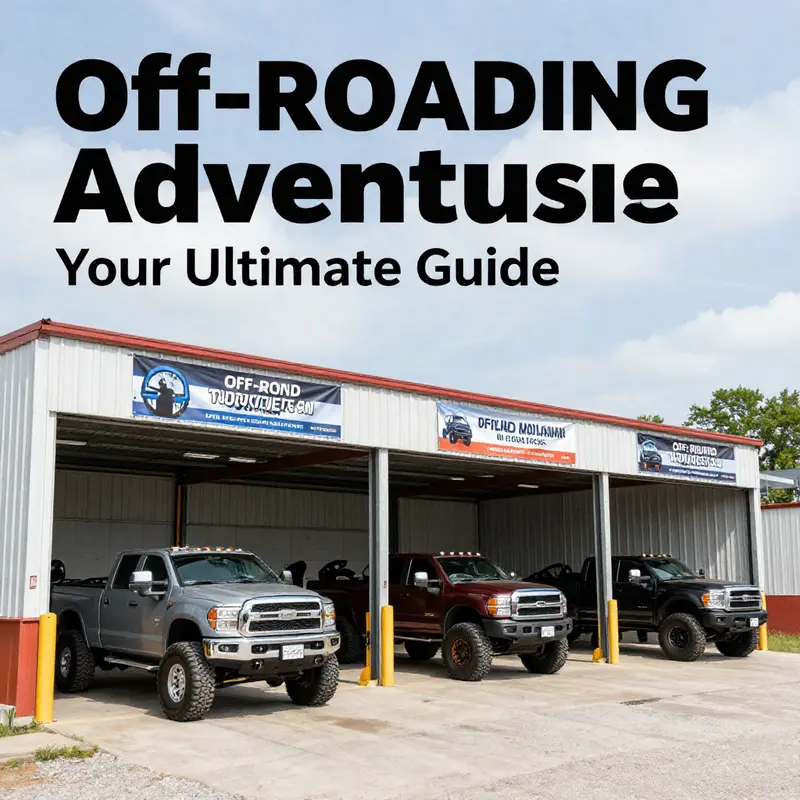
When a fleet of heavy off‑road trucks begins a project in Wisconsin, the question isn’t only where to work, but where to land the machines when they need care, custody, and a touch of ground‑truthing between assignments. Wisconsin’s landscape of private and public depots forms a resilient backbone for construction, mining, and agricultural operations that depend on trucks built to endure rough terrain, long hours, and the shifting demands of seasonal work. These depots are more than parking lots; they are the hubs where reliability is restored, safety is checked, and the mission can continue with minimal downtime. In a state where storms roll across prairies, roads swell with freight in harvest season, and new sites pop up along growing corridors, the depot ecosystem becomes as critical as the trucks themselves.
Private depots, typically controlled by large fleets or heavy‑equipment operators, are designed around the rhythms of the projects they serve. They tend to cluster near active work zones—industrial belts around Milwaukee, logistics corridors near Madison, or mineral and utility sites that thread toward Green Bay and the central plains. These yards are built to accommodate a fleet’s cadence: rapid tire changes, scheduled maintenance, fuel bunkers, and weather‑resistant storage for spare parts and long‑lead components. For a private operator, the advantage is straightforward: reduced transport time to and from the job site. The depot functions almost as an extension of the field camp, a place where the machine that digs, grades, or haul gauges its own performance against the clock. The maintenance philosophy at these yards emphasizes preventive care—oil and filter changes aligned with miles accrued, hydraulic checks after long pushes through rough terrain, and wheel and tire programs that keep a gravel road from becoming a bottleneck.
Public depots fill a complementary niche. They open their bays and bayside expertise to independent operators, small contractors, and regional outfits that may not have the capital to maintain a private facility of their own. In Wisconsin, industrial hubs near major highways and rail arteries host these depots, offering shared services that keep smaller fleets competitive. Mechanics, tire specialists, and fuel services form a collaborative network that helps a single‑truck operation punch above its weight. The public model recognizes that not every operator can justify a full‑scale on‑site shop, and it provides a path to reliable support without the capital outlay of private ownership. The result is a resilient spectrum of options: private yards with a predictable cadence for large fleets, and public depots that provide access to essential capabilities for the rest of the market.
What these depots deliver matters as much as where they sit. Maintenance is the obvious core, but the value goes deeper. Off‑road trucks typically operate in environments that test suspension, frame integrity, and hydraulic systems. A depot that understands this context will offer comprehensive service packages: preventive maintenance intervals tailored to heavy loads and long hauls, diagnostic testing for engines and transmissions, and alignment and steering checks that keep tire wear from spiraling into costly downtime. Beyond the mechanical, depots provide practical amenities that keep operations flowing: secure parking areas for overnight storage, wash bays to remove mud and debris before inspections, and mobilization lanes that enable rapid staging for the next haul. In Wisconsin, where weather can alter a project’s timetable in a matter of hours, that flexibility translates into earned uptime and extended equipment life.
The choice between private and public is rarely binary. It is a decision about scale, risk, and the cadence of work. A large, multi‑site operation will naturally lean toward a private depot network that can be tightly scheduled, with standardized maintenance windows, consistent parts supply, and the ability to implement in‑house safety and quality programs. A smaller operator, or a contractor with a rotating roster of sites, may gain more value from a public depot’s breadth of services and the ability to pay for what is used rather than maintaining in‑house capabilities for every job. The reality on the ground is often a hybrid approach: a private base that handles major overhauls and preventive care, with public facilities stepping in for urgent repairs or for parts that are not routinely stocked in a lean operation. In both models, the aim remains the same—keep the fleet mobile, compliant, and capable of performing in some of the most demanding environments in the upper Midwest.
Location, proximity, and performance follow a simple logic: the closer the depot to the job site, the higher the odds of uninterrupted productivity. Wisconsin’s geography rewards proximity. A road‑grimed hillside near a timber complex, a limestone quarry outside a growing suburb, or a municipal yard adjacent to an agricultural corridor—these are the strategic anchors that shorten the path from “need maintenance” to “back on the worksite.” The real world, however, is more nuanced. A depot’s value is not solely measured by its location on a map but by its readiness to support a truck’s specific mission. Some projects demand specialized equipment services—welding for reinforced frames, crane access for heavy components, or custom hydraulic fittings tailored to a particular hoe or digger. Others require rapid refueling with bulk fuels and efficient laydown areas that minimize congestion on busy corridors. A sophisticated depot network recognizes those nuances and aligns its capacity, staffing, and safety protocols to the task at hand, rather than to a generic maintenance template.
The human factor cements the depot’s effectiveness. Skilled technicians who understand off‑road machines—tractors with crawler tracks, heavy haulers, and high‑clearance dump trucks—can diagnose issues before they become failures. They speak in terms of uptime, load cycles, and mean time to repair, not just hours of labor. Their judgment is paired with reliable parts supply and the ability to source unusual components quickly when a critical failure threatens a project’s schedule. That human‑machine collaboration matters most when a crew is under pressure to keep a site productive through a winter thaw or a spring base‑layer commute. In practice, the best depots function as a logistics partner as much as a shop, coordinating with field managers, coordinating with suppliers, and sometimes coordinating with the project’s safety and compliance teams to ensure that preventive maintenance dovetails with regulatory requirements.
For the practitioner, a practical way to think about depot selection is to map the needs against capacity. Ask what the operation cannot tolerate in downtime, what maintenance cycles are already in motion, and how quickly a depot can mobilize a technician, a loader, or a tire truck for urgent work. The conversation should extend to contingency planning: what happens if a weather event closes a corridor or if a critical part is on backorder? Will the depot provide temporary storage for a machine that must be parked during a weather surge, or will it arrange a secure staging area for a longer wait? These questions reveal whether a depot is a place to simply park and repair or a fully integrated partner in the project’s lifecycle. In Wisconsin, where many projects ride along the major corridors and cross through rural districts, the answer often depends on a network approach—leveraging both private facilities and public depots to keep the fleet resilient and ready.
For those seeking guidance on the maintenance craft that keeps off‑road machines on track, there is a breadth of knowledge available. A well‑tuned diesel engine, a dependable hydraulic system, and correctly aligned wheels translate into fewer substitutions, smoother operations, and longer equipment life. For practitioners looking to deepen their technical foundation, a well‑regarded resource that outlines a practical path to diesel mastery can offer valuable perspectives, including step‑by‑step approaches to diagnostics and repair. Mastering Diesel Mechanics provides a narrative that complements hands‑on shop experience, helping crews translate theory into actionable field work. This kind of knowledge is particularly relevant as depots increasingly integrate diagnostics with predictive maintenance, using data from fleet management systems to anticipate wear and schedule preventative tasks before a failure occurs.
Ultimately, the depot network in Wisconsin belongs to a broader ecosystem of transportation planning and infrastructure that supports off‑road operations. Local economic development organizations and industry associations can be valuable partners in identifying certified service providers and logistics hubs that align with project needs. They help connect operators with a range of capabilities—from routine tire service and fueling to more specialized repairs and equipment storage. As with any critical infrastructure, drivers and operators should stay informed about regulatory expectations and official guidance. The state’s official resources provide the framework within which these private and public depots operate, ensuring that the network remains accountable to safety, weight compliance, and efficient movement of goods across the region. For official guidance on truck inspections and weight compliance, see WisDOT’s inspections page.
As Wisconsin’s off‑road trucking world continues to mature, the interplay between private and public depots will remain a defining feature of operational resilience. The most successful operators won’t rely on a single type of depot or a single playbook; they will cultivate a balanced network that can respond to the ebb and flow of project demands, weather, and regulatory cycles. They will invest in preventive maintenance, nurture relationships with skilled technicians, and maintain a clear view of where to store, service, and stage vehicles when time itself becomes a constraint. In the end, the right depot strategy is the quiet engine of the project—one that keeps the most indispensable tools of the trade ready to work when the ground is ready for it, and when the crews and machines are needed most on Wisconsin’s rugged, resourceful landscape.
Temporary Unloading Ground: Navigating Wisconsin’s Rules for Off‑Road Trucks

When a fleet operates in Wisconsin and a driver must unload or stage a load that isn’t meant for a standard highway routine, the terrain shifts from straightforward driving to a careful choreography of regulation, safety, and logistics. The state’s framework for handling commercial trucks emphasizes safety, road integrity, and environmental protection. It doesn’t encourage ad hoc unloading on public streets or in unapproved spaces. Instead, it points operators toward official facilities, private depots, or properly licensed temporary staging areas if circumstances require a pause in the journey or a stop for inspection, repair, or compliance actions. In practice, the choice of where to unload hinges on regulatory status, the nature of the load, and the urgency of corrective action. This isn’t about bypassing rules; it’s about aligning operational needs with the public interest in a way that minimizes disruption to traffic, protects the road surface, and reduces the risk of spills, dust, or noise that might affect nearby communities. The process begins with recognition that there are legitimate avenues for unloading, and those avenues are governed by a combination of state transport policy, local ordinances, and environmental safeguards.
Wisconsin’s central point of contact for many unloading-related decisions is the network of weigh stations and inspection facilities maintained by the Wisconsin Department of Transportation (WisDOT). These facilities are the primary nodes where commercial trucks are evaluated for safety, weight compliance, and regulatory adherence. If a vehicle is found non-compliant—due to overweight conditions, mechanical defects, or loading configurations that threaten roadworthiness—the operator may be directed to a designated location for unloading, adjustment, or corrective action. This pathway preserves the integrity of the interstate and state highway system while ensuring that commercial operations remain within legal limits. Because the exact location of a required unloading can depend on the truck’s route, load type, and the nature of the enforcement action, drivers and fleet managers benefit from knowing how to locate the nearest WisDOT facility. The official WisDOT site provides a consolidated map of weigh stations and inspections, offering practical guidance on where to stop for compliance-related needs. While the system is designed to minimize delays, it also emphasizes that unloading on public roads without authorization is not a permitted solution for most scenarios, particularly when weight or safety concerns are at stake.
Beyond state facilities, Wisconsin hosts a network of private and public depots and repair yards that are equipped to handle unloading, temporary storage, and routine maintenance. In major urban corridors—Milwaukee, Madison, Green Bay, and Appleton—numerous yards and service centers specialize in fast “back-to-work” servicing. For operators, these sites can provide a practical alternative when a road truck requires unloading due to a mechanical issue, inspection hold, or the need to swap or adjust payloads before continuing a journey. Such depots often offer controlled access, secure staging, and on-site services that reduce the time trucks spend off the road and minimize disruption to traffic flows. The decision to use a depot is typically driven by the urgency of the unloading, the expected duration of the stop, and the ability of the facility to manage dust, noise, and spill prevention in accordance with local requirements.
There are, in some states, designated temporary unloading areas set up specifically for enforcement operations or for oversized loads. These sites act as controlled staging points where trucks can offload in a constrained, monitored environment. The concept exists because large or overweight configurations require careful handling to prevent hazards to other road users and to ensure environmental protections. In Wisconsin, however, there are no public indications as of March 2026 that such temporary unloading sites have been established broadly within the state. That doesn’t render the concept irrelevant; it simply means operators should rely on established channels—WisDOT facilities, approved private yards, or permitted temporary occupancies in collaboration with local authorities—rather than assuming a makeshift unloading space will be available or legal.
Even when unloading is not at a formal facility, the role of local authorities remains critical. Municipalities and counties control many of the places where industrial activity can occur, including staging areas within industrial parks or logistics campuses. Any such plan requires alignment with traffic management, environmental protection, and public safety standards. The rules governing temporary occupancy of roads or rights-of-way often hinge on a license or permit that specifies where unloading may occur, during what hours, and under what conditions. These permits help prevent conflicts with through-traffic, protect against dust and particulates, and ensure that the load and vehicle types do not introduce excessive wear to the pavement. For heavy equipment or non-highway vehicles, the key considerations include ensuring that unloading activities do not obstruct lanes, maintaining safe clearances, and managing the potential spill or leakage of fuels, oils, and other contaminants.
From a regulatory perspective, the landscape draws on several pillars. The Wisconsin Statutes, particularly those touching on vehicle parking, road usage, and occupancies, set the baseline for what is permissible on roadways. The Wisconsin Department of Natural Resources (WDNR) also supplies important context on environmental safeguards when unloading activities occur near water bodies, soil, or ecological sensitive zones. The confluence of state statutes and local ordinances means that even a well-intentioned temporary unloading plan must be vetted with municipal or county authorities. This vetting typically involves clarifying whether the unloading occurs on public or private property, whether it involves the temporary use of a roadway or curb space, and how the operation will handle dust suppression, noise abatement, and spill containment. In practice, this means prior outreach is essential. Operators should contact the local traffic management office, planning department, or the appropriate WDNR regional office to obtain explicit guidance, permit requirements, and timelines. By engaging early, fleets can avoid penalties, ensure compliance with environmental protections, and keep public safety at the forefront.
The practical logistics of temporary unloading in Wisconsin thus hinge on a few key steps. First, determine whether unloading can occur at a WisDOT facility or if it requires a private depot with the appropriate authorization. If the load must be staged in a non-revenue stop, establish a site that is accessible, well-lit, and properly secured to prevent unauthorized access or theft. The site should have a defined space for the truck and the cargo, free of pedestrian traffic, with clear sightlines for drivers and spotters. Dust and noise controls are not mere niceties; they are often conditions of permits and municipal codes, especially in or near residential or mixed-use zones. Measures such as water spraying for dust suppression, enclosure or containment of loose materials, and scheduling unloading within designated hours help minimize community impact. While the temptation to conduct unloading in a quiet industrial corridor may be strong, it must align with the permit terms and the local road-use regulations.
Second, plan for traffic safety. Temporary unloading should never compromise lane integrity or the safe passage of other vehicles. Use signage or chambered approaches that alert other drivers to slow-moving vehicles and heavy equipment. If a temporary site requires road occupancy, the permit will typically dictate the maximum duration and the conditions for safe return to normal traffic flow. It is prudent to coordinate with a local traffic engineer or a municipal public works office to ensure that signage, barriers, and any necessary flagging are in place. Third, coordinate with the employer and the site owner. A private depot or logistics facility may require written authorization for access, proof of insurance, and a detailed activity plan that outlines the unloading sequence, the equipment involved, and the expected timeframe. The plan should also specify where the cargo will be stored after unloading, how long it will remain on-site, and what safeguards are in place to prevent contamination of soil, water, or air in and around the site.
For operators seeking broader guidance on how to manage these tasks, practical resources exist within the industry’s broader ecosystem. The workflow of coordinating with dispatch and fleet management systems can provide visibility into where and when unloading needs to happen, how to route trucks to appropriate facilities, and how to track compliance across multiple jurisdictions. For broader guidance on coordinating logistics and compliance, see dispatch software and fleet management. This kind of integrated approach helps ensure that temporary unloading aligns with capacity constraints, driver hours rules, and maintenance schedules, while keeping customers informed about status and ETA reductions. The emphasis is on proactive planning, not last-minute improvisation. A well-structured plan reduces the risk of delays, penalties, or environmental incidents, and it helps maintain good working relationships with municipal authorities and property owners.
Finally, the external framework that governs these decisions remains accessible through official channels. For operators who want to confirm the formal guidance around weigh stations, inspections, and the conditions under which unloading actions may be required or restricted, WisDOT’s Weigh Stations & Inspections page provides a reliable point of reference. It is a practical starting place for understanding the enforcement posture on heavy vehicles, how to interpret a directive to unload for compliance, and what documentation might be needed to demonstrate adherence to weight and safety standards. Accessing these official resources ensures that decisions about temporary unloading are grounded in current policy and reflect the state’s safety and environmental priorities.
In sum, Wisconsin presents a measured framework for handling off-road truck unloading that prioritizes safety, road integrity, and environmental stewardship. Operators should treat unloading as a regulated activity that requires appropriate facilities, permits, and coordination with local authorities. The most reliable path is to connect with WisDOT facilities for compliance actions, leverage vetted private depots when sanctioned, and, if a temporary staging site is needed, secure a formal permit with clear terms. With thoughtful planning, a temporary unloading event can proceed without compromising safety, without triggering unnecessary delays, and without eroding trust with the communities that share these roads and landscapes. For more guidance on the operational side of coordinating these efforts, refer to the linked resource on dispatch and fleet management, and keep official channels handy for up-to-date requirements and location-specific instructions.
External resource: WisDOT Weigh Stations & Inspections page provides current official guidance on where and how trucks can be inspected and unloaded when needed, ensuring alignment with state regulations and safety standards. https://www.dot.wisconsin.gov/trucking/inspections.htm
Rest Stops and Repositories: Navigating Wisconsin’s Off-Road Truck Staging and Parking Landscape

Wisconsin’s vast network of highways carries a steady cadence of heavy vehicles that keep commerce moving, even when trucks momentarily leave the main trunk for a legal, safe, and compliant pause. For operators who run off-road routes, or who simply need to address regulatory, safety, or maintenance concerns away from the immediate flow of traffic, the state offers a layered set of options. These range from official inspection and enforcement facilities to public and private parking and maintenance spaces, and, periodically, temporary unloading zones established to manage overloading and safety risks. The practical question for a driver or fleet manager is less about a single fixed location and more about knowing how Wisconsin structures access points for unloading, repair, compliance, and rest while keeping within federal hours-of-service rules and state transport regulations. The answer rests on understanding three core arenas: state-run inspection and enforcement facilities, private or public depots and repair yards, and designated rest areas and parking facilities that accommodate long-haul operations. Within this framework, rest areas and parking spaces are essential to observe mandatory breaks and fatigue management, while still respecting signage and local restrictions that may govern particular vehicle types or activities. The most reliable way to navigate this terrain is to couple advance planning with real-time information from WisDOT channels and the state’s open-data resources. This approach keeps a driver prepared for both routine stops and any unforeseen adjustments on the highway network en route to a destination or staging point.
At the first tier, authorized inspection and enforcement facilities are the state’s primary touchpoints for anything involving safety checks, weight compliance, or regulatory action. WisDOT operates weigh stations and inspection sites along major corridors so commercial trucks can be evaluated for axle weight, gross vehicle weight, proper hoppers and loads, and logbook compliance. If a truck is found non-compliant—whether overweight, unsafe, or in need of immediate corrective action—it may be directed to a designated location for unloading or remediation. The process typically unfolds as a standard enforcement procedure: a stop at a weigh or inspection point, an on-the-spot or immediately adjacent evaluation, and a decision about unloading, reloading, or on-site adjustments. The exact destination for unloading, if required, is determined within the enforcement framework and may be located at the facility itself or at a nearby, approved staging area under supervision. Drivers should be prepared for this possibility and carry necessary permits, documentation, and equipment to address weight or safety concerns efficiently. Planning ahead with the WisDOT map and the official contact resources can dramatically reduce delays when a stop is necessary.
Private and public depots and repair yards add another layer to Wisconsin’s ecosystem of support for off-road trips and heavy-haul operations. These sites are typically used when a truck requires routine maintenance, a repair, or a temporary storage solution during a service window. In urban centers such as Milwaukee, Madison, Green Bay, and Appleton, fleets can coordinate with local facilities that are equipped to handle loading and unloading, provide secure space, and perform diagnostic work. The advantage of these depots is the convenience of proximity to major routes and their capacity to host a vehicle for a short window while a driver attends to paperwork or a service task. The arrangement is usually more flexible than a formal state inspection stop, enabling a driver to address mechanical needs, compliance items, or small-scale load adjustments in a controlled environment. The key here is to communicate clearly with the operator or service center, schedule the visit in advance when possible, and ensure that the depot has the right clearances and equipment for the specific job. A driver who wants to refresh maintenance know-how can also blend this practical setting with hands-on learning resources, such as training materials that cover diesel mechanics and troubleshooting steps. For instance, drivers may consult focused instructional content to stay sharp between service visits, supporting safer diesel operation and compliance.
Temporary unloading areas present a more situational facet of Wisconsin’s landscape. In some states, authorities establish temporary or source-based unloading or staging areas to manage overloads or enforcement operations. While examples exist in other regions, Wisconsin has no public announcements indicating routine establishment of such sites within the state as of the date of this document. This means that, in practice, drivers should not assume a guaranteed temporary site will be available on any given route. Instead, they should rely on official WisDOT guidance and local authority advisories when planning for potential overload management or enforcement scenarios. If a disproportionate weight issue arises, the prudent approach is to seek the nearest inspection facility or authorized depot rather than attempting ad hoc unloading at an unapproved location. This minimizes risk and supports compliance with state and federal rules while reducing the chance of penalties or unsafe conditions on the road.
Beyond these more formal channels, Wisconsin’s network of truck parking and rest areas provides essential temporary staging when drivers need a mandated break, a place to rest, or a chance to review routing and paperwork before continuing. WisDOT maintains a network of rest areas along major corridors to accommodate long-haul operations. These facilities are designed to offer a safe, convenient escape from highway speeds and angles, with amenities that matter to truck drivers: clean restrooms, parking specifically designated for larger vehicles, potable drinking water, and accessibility features that ensure inclusivity for drivers with varied needs. The design intent is straightforward: create a safe space for drivers to meet federal hours-of-service requirements, refresh, and return to the road with a clear mind. It’s important, however, to treat these rest areas as temporary stops rather than destinations for overnight camping or extended stays. Some locations may have restrictions or signage that limit certain activities or vehicle types, so drivers should review posted guidance and, when in doubt, confirm via official sources before settling in for a longer break.
The practical navigation of these options hinges on reliable, current information. Real-time updates about rest-area status, available parking, amenities, and any closures or restrictions are published through WisDOT’s portals. For drivers at the wheel, this means routinely checking official channels before embarking on a leg of a trip, then rechecking as plans change. The WisDOT Open Data Portal offers updated maps and layer information that can be integrated into route planning, helping crews avoid surprise detours or crowded sites when weight or compliance concerns arise. This real-time visibility is especially valuable for fleets that manage mixed routes and varying load conditions, allowing better decision-making when a stop becomes necessary or when a preferred rest option fills up.
Having a clear sense of Wisconsin’s infrastructure for off-road or non-primary-route activity also means understanding what is available where along a given corridor. It is helpful to know where the major feeder routes intersect with the rest areas and the state’s weigh stations. A driver can map a plan that includes a scheduled break at a rest area to satisfy hours-of-service constraints, followed by a quick check at a nearby inspection facility if weights or logbooks warrant a check. If a maintenance need arises, contacting a nearby private depot or repair yard can smooth out the process, ensuring that the truck remains in safe, compliant condition while staying on schedule. In this way, the state’s system becomes a flexible ecosystem rather than a network of rigid checkpoints. It is this flexibility that helps fleets and drivers maintain productivity without compromising safety or compliance.
For those who want a touchstone beyond the official channels, practical maintenance references can be useful in tandem with on-the-ground planning. Drivers who brush up on diesel mechanics and related safety steps can navigate a maintenance visit with greater confidence. A resource such as Mastering Diesel Mechanics can provide foundational guidance on troubleshooting and routine checks, bridging the gap between a depot’s service work and the driver’s own responsibilities. For a direct link to such practical guidance, see the internal resource referenced here: Mastering Diesel Mechanics. This connection supports not only the efficiency of the service event but also a broader commitment to preventive upkeep and safe operation across a fleet.
In planning a route through Wisconsin, a driver should remain mindful of the balance between efficiency and compliance. The state’s official facilities are designed to streamline enforcement and safety checks, while depots and rest areas offer practical, everyday support for maintenance and fatigue management. The key is to treat each stop as a legitimate, regulated part of the journey, not an afterthought. Before you set out, light a few minutes to check the WisDOT site for weigh-station locations and to learn which rest areas are closest to your intended path. If you’re approaching a stretch of road with potential overload concerns or if a load adjustment becomes necessary, knowing where to go in advance can save time and reduce risk. And if you’re ever uncertain about a designated unloading or staging option, the wisest course is to contact WisDOT directly or consult the Open Data Portal to confirm current statuses and any temporary arrangements that might affect your plan. By combining official guidance with the practical know-how gained through ongoing maintenance education, truck operators can move through Wisconsin’s roadways with confidence, efficiency, and safety.
External resources can provide a broader context for those who manage fleets or coordinate long-haul operations across state lines. For real-time specifics and the most up-to-date facility statuses, the WisDOT Open Data Portal offers a comprehensive view of the current conditions that affect where a truck can safely stop, rest, or unload. Access to this portal helps ensure that decisions align with regulatory requirements while optimizing route planning and downtime. https://www.arcgis.com/home/item.html?id=59d3b4a6e71e490f8d3c4211e1e4626b
Wisconsin Off-Road Trucks: Unloading, Inspection, and Local Ordinances

Wisconsin operates a layered framework for off-road trucks that emphasizes safety, compliance, and community considerations. The state relies on WisDOT facilities for weight enforcement, safety inspections, and regulatory compliance. These weigh stations are checkpoints rather than unloading yards; if issues are identified, drivers may be directed to take corrective actions such as unloading or staging while adjustments are made. Planning routes with anticipated inspections helps minimize delays, and WisDOT’s website provides facility locators and guidance. When in doubt, contact WisDOT through official channels for current directions before attempting unloading or major road work.
In addition to state facilities, private and public depots and maintenance yards in Wisconsin’s urban and suburban corridors offer hands-on services, repairs, and temporary staging when needed. These depots coordinate with drivers to align loading/unloading needs, permits, and safety practices, reducing traffic disruption and ensuring compliance.
Temporary unloading or staging areas may be designated for oversized or unusual loads, particularly near construction zones or during enforcement operations. Wisconsin does not publish a statewide temporary unloading program as of March 2026, but local authorities may authorize staging in specific circumstances. Operators should heed local advisories and directives from law enforcement or transportation agencies to pursue lawful, safe unloading if a staging option is available.
America’s vast network of truck parking and rest areas provides legitimate places to stop, rest, and reassess plans without using shoulder spaces or informal unloading zones. Proper use of these facilities supports fatigue management and regulatory compliance while avoiding high-risk roadside activity.
Local ordinances also shape where off-road trucks may operate. Somerset’s municipal code illustrates how villages regulate off-road and all-terrain vehicle use, including permitted streets, operator qualifications, safety gear, and designated zones. Drivers should review the local code before entering a jurisdiction to understand operational limits and responsibilities, collaborating with local authorities when needed to ensure compliant activity.
The practical takeaway is simple: plan with state guidance in mind, build relationships with reputable depots, respect temporary unloading options when available, and comply with local ordinances to support safe, reliable operations. For deeper technical insight into maintenance, practitioners can consult established diesel mechanics resources and follow official WisDOT guidance on weigh stations and inspections.
Final thoughts
Wisconsin emerges as a premier destination for off-road trucking enthusiasts, blending adventure with regulatory compliance. From authorized inspection facilities ensuring safety to depots providing maintenance and unloading, the state caters to all your off-road needs. As you plan your next off-road journey, remember the importance of understanding compliance, utilizing dedicated rest areas, and knowing where to turn for immediate inspections or repairs. Equip yourself with this knowledge, and you’re set for an exhilarating off-road experience in the rugged terrains of Wisconsin.