
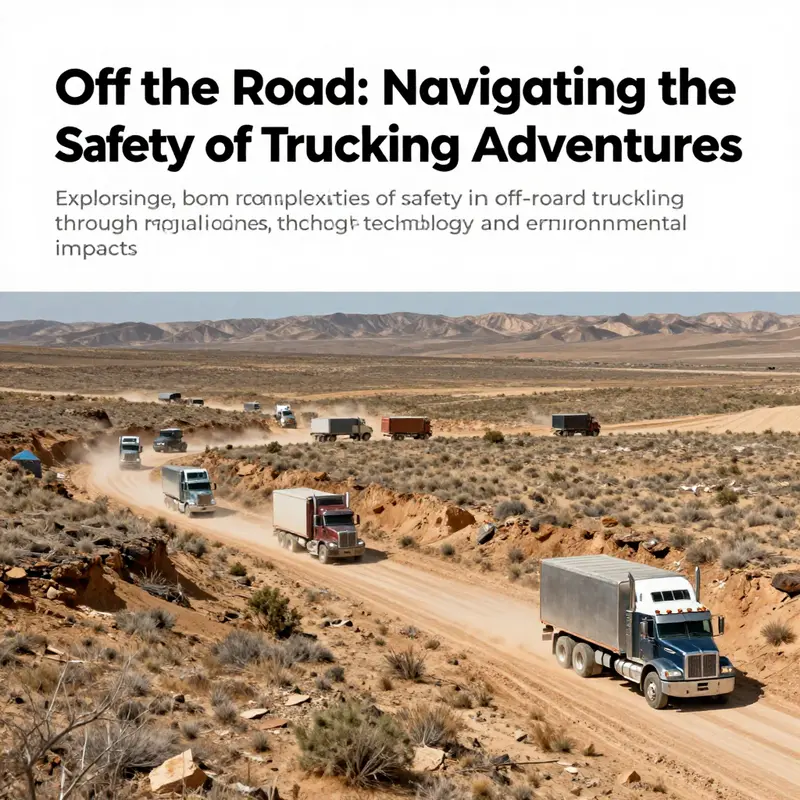
Off-road trucking is a thrilling venture, embraced by enthusiasts seeking adventure and rugged landscapes. As the popularity of off-road vehicles grows, so does the importance of understanding their safety implications. While off-road driving offers excitement and unique experiences, the safety of such operations hinges on a myriad of factors including regulatory compliance, environmental considerations, advanced monitoring technologies, and risk analysis. This article delves into these essential elements, providing valuable insights for off-road enthusiasts, racers, and agricultural landowners. Each chapter will unpack crucial insights, linking back to the overarching question—Is off-the-road trucking safe?
Off-Road Trucking, Regulated Safety, and Real-World Discipline: How Compliance Keeps Hazard at Bay
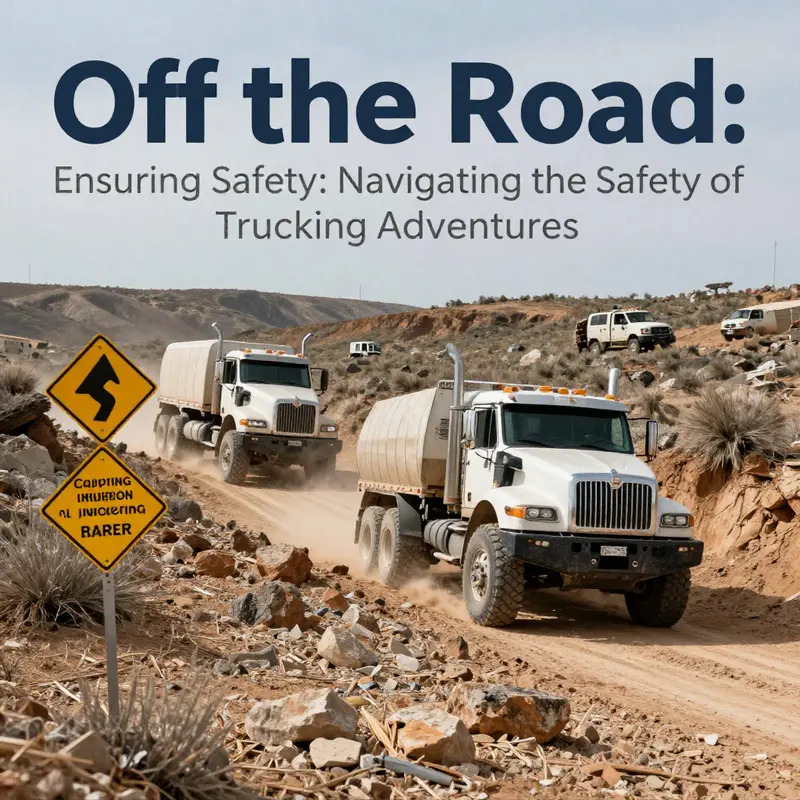
Is off-road trucking safe by default? The short answer is not. Safety in off-road or restricted trucking hinges on a disciplined blend of regulatory compliance, meticulous vehicle condition, and disciplined human factors. Across Australia, where the regulatory landscape for heavy vehicles is concentrated in a national framework, operators face a clear remit: manage fatigue, maintain equipment, secure loads, and adhere to road safety principles. When these elements align, off-road operations—whether they occur on construction sites, in mining corridors, or within remote deployments—can achieve a level of safety that mirrors on-road transport. When they do not align, the risks multiply quickly, not only for drivers but for nearby workers, other road users, and the public at large. The National Heavy Vehicle Regulator (NHVR) oversees the core standards, but the real test of safety is how a company translates those standards into day-to-day practice on challenging terrains and shifting job sites. The broader lesson from Australia’s approach is universal: safety in off-road trucking rests on a robust, proactive safety culture that permeates planning, execution, and review. The framework is designed to deter shortcuts and to make compliance the default, not the exception, even when time pressures or difficult weather draw attention away from process and toward urgency.
At the heart of this framework lies four interlocking core regulatory areas that shape safety beyond the everyday highway: fatigue management, vehicle maintenance, load securement, and road safety practices. Each area addresses a distinct risk axis, yet they converge in the daily routines of drivers, maintenance crews, and supervisors. Fatigue management is not a single rule but a system of duty hours, rest breaks, and fatigue risk management plans that recognize how demand cycles and long shifts challenge attention, reaction times, and decision quality. In peripheral environments—remote worksites, long-haul routes to mining camps, or multi-day deployments—the risk of drowsiness or microsleeps becomes real. The HVNL’s fatigue provisions push operators to implement crew scheduling that respects circadian rhythms and recovery, and they encourage, where appropriate, the deployment of fatigue monitoring technologies and clear reporting channels for fatigue signs. Safety is not about avoiding every risk but about reducing the probability of fatigue-driven errors to a tolerable level.
Maintenance follows fatigue in terms of leverage over safety. In off-road settings, vehicle condition is both a safety and an operational reliability issue. The HVNL framework emphasizes regular inspections, preventative maintenance, and a documented maintenance history. Remote sites heighten the importance of pre-shift checks, on-site defect reporting, and timely repair capabilities. A vehicle that leaves a works depot with a known healthy status can still encounter rough terrain, dust, vibration, and heavy payloads that test every bolt and component. When maintenance gaps exist, minor faults can bloom into catastrophic failures. The regulatory emphasis on maintenance is not punitive only; it is practical. It recognizes that a well-maintained machine operates more predictably, reduces breakdowns, and minimizes the likelihood of abrupt mechanical failures that could endanger lives on narrow, uneven access roads or during critical loads being positioned in precarious stances. The maintenance culture also aligns with the broader environmental and safety objectives that many operators value for long-term sustainability.
Load securement is the third pillar, and it is perhaps the most visual form of safety in off-road work. On fragile or uneven surfaces, unsecured or poorly restrained loads can shift, slide, or topple, creating hazards not only to the vehicle but to nearby personnel and structures. Regulations in the Australian framework require appropriate restraint systems, tensioned straps, chains, and anchorages that can endure shock loads and dynamic movements. The challenge deepens in off-road contexts where slope, washouts, or soft ground alter the dynamics of a load during braking, cornering, or recovery maneuvers. Proper load securement demands that teams plan for worst-case scenarios, choose the correct restraint techniques for the specific commodity and packaging, and verify securement through checks before and after loading. The practical payoff is straightforward: fewer load shifts, less risk of falling debris, and a safer working environment for everyone around the transport operation.
Finally, road safety considerations in off-road trucking are anchored in road-use guidelines, speed discipline where applicable, and a consistent emphasis on the broader public safety impact of heavy vehicles. Even when trucks operate largely within site boundaries or on private access ways, their movement can intersect public road networks or pedestrian zones in ways that require careful planning and compliance with general traffic safety norms. Road safety in this context, therefore, becomes a matter of integrated risk management: routes are planned to minimize exposure, vehicle configurations are chosen to optimize stability and braking, and communication protocols ensure that site traffic and public traffic do not collide in space or time. The regulatory approach thus reinforces that off-road does not mean “off safety.” It means safety must be planned with the seriousness usually reserved for on-road governance, tailored to the realities of remote locations, variable surfaces, and diverse load types.
Enforcement mechanisms complete the picture. In Australia, the NHVR works with state and territory authorities to verify compliance through audits, inspections, and on-site checks. This enforcement is not a punitive end in itself but a mechanism to sustain a high safety standard. Non-compliance triggers penalties or enforcement actions that emphasize corrective action and future compliance, rather than simple punishment. The logic is to deter unsafe shortcuts, uphold worker safety, and protect the public. For operators, this means a continuous cycle of improvement: regularly updated fatigue management plans, ongoing maintenance scheduling, refreshed load-securement practices, and adaptive safety training for personnel. The cycle is reinforced by digital tools such as telematics and e-log systems, which provide real-time feedback on driver behavior, vehicle performance, and route risk profiles. When integrated well, these tools create a safety envelope that helps managers anticipate problems before they become incidents. They also support a culture where workers are empowered to stop unsafe work and seek guidance, thereby embedding safety into daily routines rather than relegating it to periodic inspections.
These elements are not merely theoretical. They translate into tangible outcomes on rough terrain and at the edge of worksites where conditions can change with weather and time of day. In departments managing off-road fleets, safety is measured not only by the absence of accidents but by the predictability of performance, the reliability of equipment, and the efficiency with which risk controls are applied. A well-regulated off-road operation reflects a deep alignment between policy and practice. It shows up as smoother handovers between shifts, fewer unplanned maintenance events, more confident handling of heavy or irregular loads, and less time lost to preventable faults. In practice, the safest operations are those that treat compliance as a daily discipline rather than a checkbox, that invest in driver wellness and training, and that foster a listening culture where staff can report near misses without fear of reprisal.
For readers seeking a practical foothold on how to translate these regulatory expectations into day-to-day safety, a focus on maintenance discipline can be particularly instructive. A resource that distills the mechanical discipline behind safe heavy-vehicle operation emphasizes step-by-step reliability practices and the mindset that keeps trucks dependable in demanding environments: Mastering Diesel Mechanics: A Step-by-Step Guide serves as a bridge between theory and hands-on maintenance excellence. By internalizing the core ideas of systematic maintenance, operators can reduce the probability of component failure at remote job sites, where repair options are limited and downtime is costly. This is not a substitute for formal regulatory compliance, but it complements it by ensuring that the physical condition of vehicles mirrors the high standards set by HVNL and related guidance. The practical takeaway is simple: build maintenance into the culture, and the safety gains cascade through every facet of off-road work.
In sum, is off-road trucking safe? It becomes safe to the extent that operators embrace a comprehensive safety regime grounded in fatigue management, proactive maintenance, reliable load securement, and disciplined road-safety practices. The Australian model demonstrates how a strong regulatory framework can translate into real-world safety when backed by enforcement, technology, and a safety-first culture. Off-road trucking will always carry distinctive risks due to the nature of remote sites and variable environments, but those risks are manageable when compliance becomes the default way of operating. The message to operators around the world is clear: safety is a continuous, collaborative effort—rooted in regulation, reinforced by everyday practice, and elevated by a shared commitment to protecting people and property in every mile of movement.
External resource: National Heavy Vehicle Regulator (NHVR) – https://www.nhvr.gov.au
Environmental Compliance as the Bedrock of Off-the-Road Trucking Safety
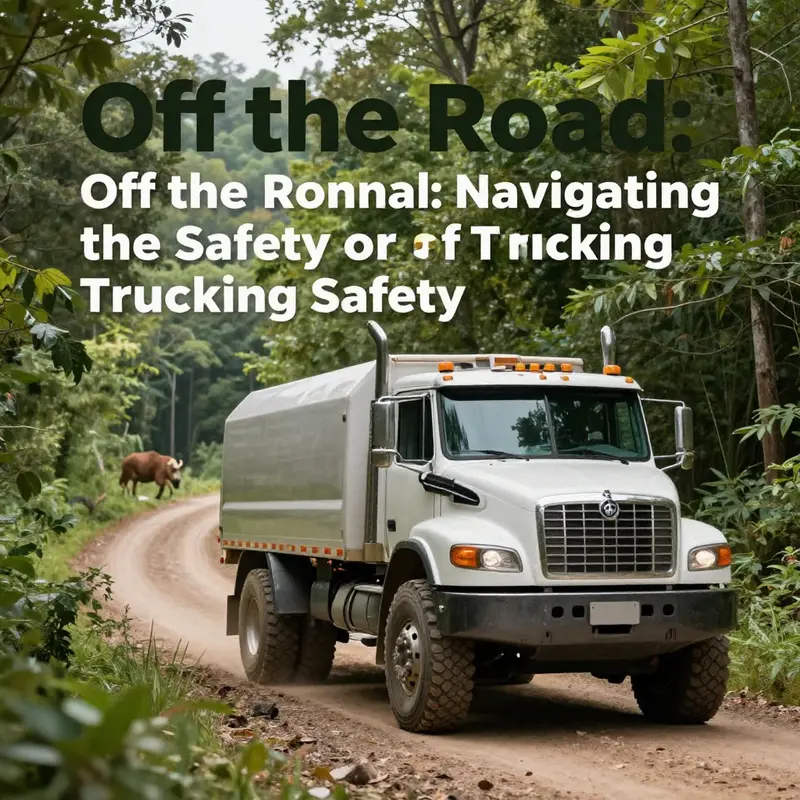
Off-the-road trucking unfolds beyond paved highways into mines, quarries, construction sites, and remote work zones. In these environments, safety depends not only on the driver’s skill or the truck’s mechanical condition, but also on environmental compliance that governs where, when, and how work can take place. When heavy equipment operates near communities or sensitive ecosystems, emissions, noise, soil disturbance, and spill prevention rules shape daily decisions and raise the bar for risk management. A safety program that treats environmental performance as core helps crews anticipate hazards and prevent incidents before they occur.
Environmental regulations are not mere paperwork. They set enforceable baselines for fuel use, exhaust treatment, tire wear, drainage, dust control, and incident response. Compliance drives the adoption of cleaner powertrains, routine maintenance, real time monitoring, and rigorous training. Operators who follow these standards reduce the likelihood of accidents caused by degraded ground conditions, reduced visibility, or unexpected equipment failure, and they protect nearby workers and residents as a matter of safety culture.
The regulatory landscape is evolving toward stronger air quality protections, stricter idling limits, and tighter controls on route access. For off road fleets that occasionally interface with public roadways or shared corridors, this means planning that balances productivity with environmental risk. Telematics, predictive maintenance, and evidence based scheduling become safety enablers, providing visibility into fuel consumption, engine load, hydraulic systems, and spill containment readiness. When environmental safeguards are embedded into daily routines, crews gain the situational awareness needed to prevent hazardous events and to respond effectively if issues arise.
In practice, a safety minded organization will align environmental goals with core safety indicators. Regular audits, transparent reporting, and continuous training help sustain a culture where compliance is not an obligation, but a driver of safer work practices. By treating environmental performance as safety by design, off the road trucking teams can meet regulatory expectations while protecting communities, ecosystems, and the people who operate in and around remote job sites.
Beyond the Roadbed: Real-Time Monitoring and the Safety Paradigm of Off-the-Road Trucking
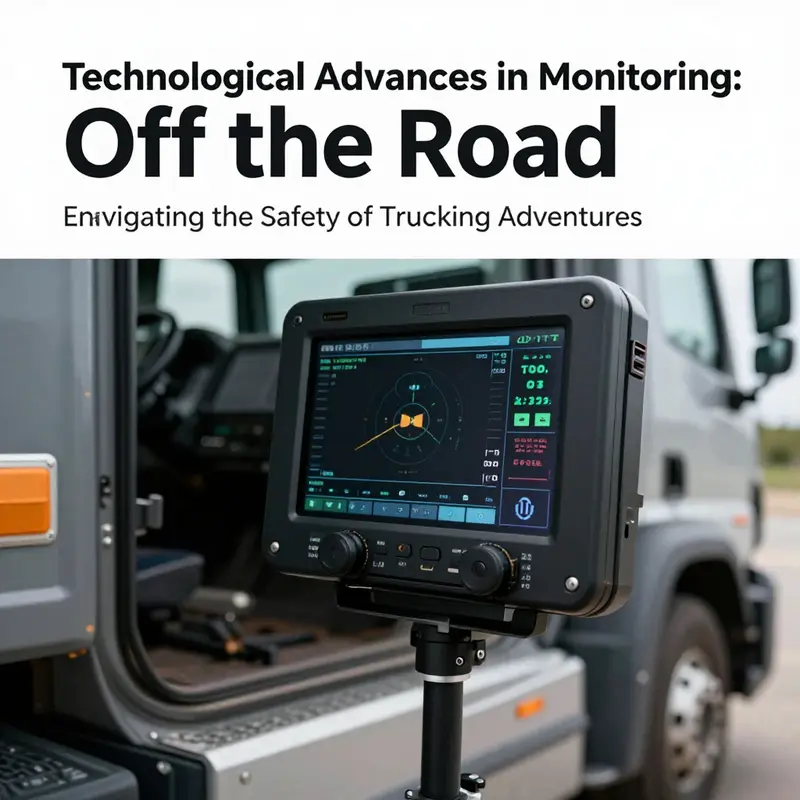
Safety in off-the-road trucking is not a matter of luck but a careful choreography of vehicle condition, human factors, and the invisible hand of data. In mining, construction, and agriculture, where wheels meet rough ground and visibility can vanish behind dust, the margin for error is small. The question of whether off-the-road (OTR) trucking is safe cannot be answered with a single rule or a timeless assumption. It depends on how well fleets apply real-time monitoring, how diligently drivers respond to feedback, and how regulatory constraints shape operational choices during high-risk periods. The latest developments in monitoring technology have begun to tilt the balance toward safer practice by turning what used to be reactive maintenance into proactive prevention and what used to be anecdotal risk assessment into evidence-based decision making.
At the core of these advances are telematics systems that gather streams of data from every corner of an OTR operation. GPS provides location and route history, while onboard diagnostics capture engine health, temperatures, and hydraulic pressures. Sensors monitor brake usage, tire condition, and even seatbelt engagement, turning a vehicle into a continuously reporting asset. When fleets connect these data streams to a centralized analytics layer, managers can identify patterns that precede incidents. A driver who exhibits frequent harsh braking on short segments, or a machine that idles excessively during a shift, signals a risk that can be mitigated through targeted coaching or policy adjustment. This is not about micromanagement; it is about harnessing data to recognize and shorten the window between warning signs and corrective action.
The benefits extend beyond human behavior. Predictive maintenance, powered by the same data streams, alerts maintenance teams to components showing abnormal wear or nearing failure. In off-road environments, where a breakdown can transform a routine job into a dangerous evacuation scenario, catching a developing fault before it becomes a halt is essential. Predictive maintenance reduces the probability of mechanical faults that could lead to loss of control, stalled operations, or after-hours rescues in risky terrain. The practical effect is a steadier uptime curve and a lower likelihood of accident escalation when something does go wrong. In this sense, monitoring shifts the focus from incident response to incident anticipation, a subtle but powerful change in safety culture.
Artificial intelligence and machine learning amplify these capabilities. Algorithms trained on historical telematics data can detect subtle anomalies that humans might miss. They can flag unusual speed patterns, erratic steering inputs, or spikes in torque that precede a component failure. The predictive insights become more precise over time as models learn from new operations, equipment types, and terrain. In the most demanding OTR contexts, AI-assisted monitoring acts as a virtual safety advisor, prioritizing the most urgent interventions and filtering out false positives that would otherwise contribute to alert fatigue. The result is a safer operating envelope without overwhelming drivers or supervisors with noise.
A cornerstone of the modern safety landscape is the suite of advanced driver assistance systems, or ADAS, which have become increasingly available for off-road applications. These features—collision avoidance, lane departure warnings, blind-spot detection, and automatic emergency braking—function as a set of virtual copilots. In the constrained spaces of a mine haul road or a steep sidetrack, ADAS helps bridge the gap between limited visibility and rapid decision making. They do not replace human judgment; they enhance it by delivering timely alerts and, in some cases, automated interventions that can prevent a misstep from becoming a catastrophe. For OTR fleet operators, ADAS represents a critical layer of redundancy, especially when crews work long shifts under demanding conditions.
Beyond vehicle-installed tech, remote monitoring platforms consolidate supervision across dispersed sites. Central control rooms or cloud-based dashboards give supervisors a bird’s-eye view of dozens or hundreds of assets operating across remote landscapes. This capability supports rapid response in the event of an incident and improves coordination among teams in different locations. When a crane is lifting, a excavator is traversing a slope, and a haul truck is navigating a blind curve, remote visibility ensures that everyone knows who is where and what risks are imminent. The moral of this development is not simply faster reaction; it is smarter, more synchronized action that reduces the chances of a minor issue spiraling into a major safety event.
Looking ahead, the convergence of several technologies promises to push safety even farther. Connected vehicle networks would allow OTR trucks to exchange critical data with nearby machines and infrastructure, creating a shared awareness of traffic, obstacles, and evolving road conditions in real time. Digital twins, digital replicas of actual vehicles and sites, enable simulation-based testing of safety protocols without exposing workers to risk. Augmented reality training modules could immerse drivers in hazardous scenarios, allowing them to rehearse and internalize safe responses before they confront real-world challenges. In combination, these technologies could transform the risk landscape by providing anticipatory guidance—what to expect, what to prepare for, and how to adjust behavior accordingly.
This trajectory of progress takes place within a broader regulatory and environmental framework that shapes what is permissible on the worksite and on public roads when the line between on-road and off-road becomes blurred. During peak travel periods, such as large-scale travel rushes or seasonal operations, authorities often tighten controls on certain classes of vehicles, particularly dangerous goods or those failing to meet emissions standards. The intent is clear: safeguard public health and reduce the probability of accidents in contexts where traffic density and complexity are elevated. For example, hazardous materials transport may face more stringent monitoring and could face temporary prohibitions from highways during holidays and peak periods. In cities with stringent emissions regimes, older vehicles without modern controls are restricted or banned from entering core zones during high-traffic windows. These regulatory measures do not exist in a vacuum; they are informed by data, risk, and the capacity of monitoring to detect violations and respond promptly.
The practical implication for OTR safety is straightforward: compliance and monitoring are two sides of the same coin. A non-compliant truck is not simply a legal risk; it becomes a safety liability that monitoring systems are designed to detect and deter. When fleets integrate real-time compliance checks with their ongoing safety analytics, they reduce the odds that a high-risk vehicle operates in a sensitive setting. In this sense, monitoring is not merely a safety feature; it is a governance mechanism that aligns daily operations with broader social obligations. The message to operators and drivers is consistent: safety is maximized when technology, people, and policy work in concert, rather than in competition.
Concretely, this means that a modern OTR fleet should view data as a safety asset rather than a management burden. It means building workflows where flagged risks trigger swift coaching, maintenance, or route adjustments while preserving uptime and productivity. It means recognizing that the value of ADAS and remote monitoring is not only in the ability to prevent accidents but in the capacity to learn, adapt, and refine safety practices across an entire operation. It also means embracing continuous improvement: updating models with new terrain data, adjusting thresholds as operations evolve, and ensuring that drivers remain engaged with the safety tools rather than overwhelmed by alerts. The most resilient safety programs treat monitoring as an ongoing partnership among drivers, technicians, supervisors, and regulators.
For readers navigating the broader question of whether off-the-road trucking is safe, the takeaway centers on a simple truth: safety in OTR contexts is dynamic and data-driven. It requires that vehicles be actively monitored, that drivers receive timely and meaningful feedback, and that operators stay current with regulatory expectations during periods of heightened risk. When these elements align, OTR trucking becomes safer not by eliminating risk but by managing it with precision, foresight, and shared accountability. In that sense, the future of OTR safety lies less in isolated miracles and more in the steady practice of watching, learning, and adapting together. And as fleets increasingly adopt integrated dispatching and monitoring ecosystems, the path to safer off-road operations becomes clearer, even in the most challenging environments.
To connect this discussion with practical tools already shaping the field, consider how modern fleet workflows increasingly rely on dispatch and monitoring software to coordinate safety-critical tasks across dispersed sites. This approach enables a cohesive safety culture where data-driven decisions are embedded in day-to-day operations, from route selection to maintenance scheduling. For readers interested in exploring how such tools support safety, a deeper dive into fleet management software features and benefits provides a useful frame of reference. Fleet dispatching software offers a concrete example of how technology can unify monitoring, communication, and compliance into a single, scalable system. While the specifics will vary by operation, the underlying principle remains universal: safety grows when information moves quickly and decisions are informed by reliable evidence rather than intuition alone.
For a broader perspective on the technical frontier driving these changes, external research highlights how telematics and driver-assistance systems are evolving in off-the-road contexts. This work underscores the role of data, automation, and human judgment in reducing risk and enhancing operational resilience in difficult environments. It is a useful companion to the practical insights shared above and invites ongoing examination of how emerging tools will redefine safety benchmarks in OTR trucking.
External resource: https://www.safetyandhealthmagazine.com/articles/10782-advancements-in-telematics-and-driver-assistance-systems-for-off-the-road-vehicles
Beyond the Pavement: Safety, Regulation, and Reality in Off-the-Road Trucking
Is off-the-road trucking safe? The question unsettles conventional wisdom about risk and consequence. It invites a closer look at not just the machine and the driver, but the entire ecosystem in which off-road operations unfold. In the run-up to peak travel and freight periods, the answer becomes even more nuanced. Real safety hinges on three intertwined factors: adherence to evolving regulations, the condition and capability of the vehicle, and the dynamic environments in which off-road work happens. Taken together, these elements shape a safety outcome that is neither inherently doomed nor inherently safe, but highly contingent on disciplined practices and rigorous oversight. During the 2026 Spring Festival travel rush, for example, regulators have deployed targeted safety production and service guarantees to manage risk in a time of extraordinary traffic and demand. Dangerous goods transport, in particular, faces tighter monitoring and, in many cases, prohibitions from highways during major holidays and peak periods. The logic is straightforward: when the stakes—and the volumes—are highest, the potential for catastrophic consequences rises. This is not a mere regulatory flourish; it is a pragmatic recognition that off-road trucking, even when conducted away from the main arteries, does not exist in a vacuum. If a vehicle that carries hazardous materials steps onto the highway, the ripple effects of an accident or spill can extend far beyond the immediate collision. The safety calculus thus requires not only compliance with general road rules, but also a granular alignment with specific seasonal and category-based restrictions that are designed to reduce exposure to high-risk scenarios. Regulation, in this sense, acts as a high-velocity brake on unsafe behavior rather than a mere compliance checklist. The same principle operates in urban corridors where emissions standards increasingly govern who may operate where and when. In dense cities such as Chengdu, older diesel trucks are barred from entering inner urban zones, particularly when air quality and congestion peak. National III and lower diesel vehicles are restricted within the Ring Expressway, while National IV and lower sanitation and concrete transport vehicles face their own constraints. These measures illustrate a broader safety truth: the empty road is not a guarantee of safety simply because a truck is off the main highway. When vehicles are out of regulatory alignment, the margins for error widen particularly in high-density or complex environments, and the consequences can be severe if a vehicle loses control or an operator misreads ground conditions. Another dimension of safety lies in technology-enabled oversight. Some jurisdictions have deployed robust monitoring systems that track a range of risky behaviors. For instance, a provincial program in Guangdong—often described in shorthand as a “Two Passengers, One Dangerous Goods, One Heavy Vehicle Intelligent Supervision System”—is designed to catch speeding, distracted driving, tampering, and fatigue. The presence of such systems shifts the risk profile: repeated violations can lead to license revocation, reinforcing the idea that on-road safety is not merely an individual driver’s obligation but a shared responsibility upheld by the state and the operator alike. The upshot is clear: off-road trucking is safest when it remains within the bounds of legality and technical reliability. Departing from permitted routes, ignoring load limits, or operating without regard for maintenance baselines compounds risk in ways that are amplified by the off-road context. The terrain itself provides its own set of hazards that can transform a routine maneuver into a catastrophe. Off-road work commonly takes place in mining sites, construction zones, and forestry operations where ground can be uneven, rutted, or unstable. A sudden shift in ground grip, an unexpectedly soft patch, or a rock that disrupts the tire footprint can push a heavy machine toward a loss of control. Weather adds another layer of uncertainty: heavy rain can turn a firm path into a churned, slick surface; snow can hide ruts and holes; and dust storms can erode visibility and mask incoming obstacles. Even in daylight, environmental hazards such as steep inclines, mud, or loose gravel demand precise vehicle handling, tire management, and load control. The equipment itself—size and weight—shapes the safety envelope of OTR operations. Off-road trucks are designed to haul large payloads, making stopping distances longer and response times slower. The moment a load shifts on an uneven surface, the risk of instability or rollover increases. Load management becomes a central safety discipline: unevenly distributed weight, unsecured cargo, or dynamic shifts can destabilize a vehicle in ways that are not as likely on paved highways. In such contexts, the driver’s ability to anticipate and compensate for changing ground conditions is crucial. The human factor, often the most variable component of safety, is tested in off-road settings by fatigue, isolation, and cognitive load. Long shifts in isolated environments, exposed to noise and vibration, fatigue both body and attention. Repetitive tasks, such as repetitive ground checks or routine site maneuvers, can dull situational awareness just when it matters most. Training must address these realities: how to read terrain, how to adjust speed to ground conditions, how to communicate with site personnel, and how to conserve mental bandwidth for critical decisions. The best training programs emphasize real-world drills, including simulated responses to loss of traction, sudden obstructions, and equipment alerts. They also stress the importance of a safety culture that rewards proactive risk reporting, even when reporting reveals a lapse in technique or equipment health. Maintenance and inspection protocols underpin every other safety measure. Remote locations pose unique challenges to keeping a fleet in prime condition. Delays in parts, limited access to diagnostic tools, and the need to schedule maintenance around site work can create windows where equipment vulnerability grows. A leaky hydraulic line in a dusty site or a worn suspension component on a muddy grade can spell trouble if not addressed promptly. Therefore, robust on-site or near-site maintenance capabilities are not a luxury but a necessity for safe OTR operation. In this regard, the value of a systematic approach to maintenance cannot be overstated. A comprehensive program that schedules proactive inspections, adheres to preventive replacement timelines, and leverages remote diagnostics can reduce the risk of unexpected failures that would be catastrophic under off-road conditions. Safety, in this view, is a continuous discipline rather than a one-off check. Yet safety cannot be achieved by technology and regulation alone. It requires a resilient safety culture that elevates safety above expedience and aligns every driver, mechanic, and site supervisor around shared goals and standards. The most effective organizations invest in ongoing training and create channels for reporting near-misses and unsafe conditions without fear of reprisal. They also implement simple, repeatable routines on site—start-up checks, terrain assessment, load securement, and post-operation reviews—that keep safety messages alive and actionable long after initial training. For readers seeking a deeper look at how maintenance and mechanical knowledge influence safety, a practical, accessible guide on mastering diesel mechanics offers a step-by-step path to staying ahead of common failures. That resource emphasizes not only technical competence but the mindset that maintenance is safety work, not a separate administrative burden. Within the broader narrative of off-road trucking safety, it is worth noting how this emphasis intersects with public-road expectations. Operating off the road does not exempt a truck from the consequences of non-compliance when the machine exits the site and enters public infrastructure. The same monitoring systems that track speed and fatigue can be extended to fleet operations that step onto public roads, and the same regulatory logic applies: when the truck operates outside the permitted envelope, risk multiplies for everyone. In other words, the safety of off-road trucking is not an absolution; it is a conditional state that depends on staying within the regulated and technically sound boundaries while maintaining rigorous site practices. The question, then, is not simply whether off-road trucking can be safe. It is how to design and enforce a system where off-road work is integrated with meticulous compliance, precise maintenance, and disciplined driving. The chapter therefore does not offer a platitude. It offers a framework: recognize the unique risk profile of off-road operations, invest in real-time monitoring and a strong safety culture, and maintain unwavering adherence to both general road rules and the specialized restrictions that apply to dangerous goods, emissions, and site-specific operations. When these elements align, off-road trucking can be conducted with a safety standard that foregrounds public welfare, operator accountability, and continuous improvement. Yet the counterpoint remains clear and important: there is no permissive clause for operating non-compliant or restricted vehicles on public roads. The higher the hazard, the tighter the controls must be. In that sense, the safety of off-road trucking is ultimately a product of governance as much as gear, discipline as much as dirt, and precaution as much as propulsion. For professionals grappling with these realities, the path forward lies in embracing both the rigor of regulation and the pragmatism of site-level safety culture. It is this fusion that moves the needle on off-road trucking safety from a speculative concern to a measurable, responsible practice. If readers want a broader, first-hand portrait of the off-road trucking experience, a comprehensive guide from practitioners in the field offers grounded insights into what it takes to stay safe when the pavement fades and the terrain takes charge. This resource complements the regulatory and technical perspectives discussed here and reinforces the practical message: safety is a continuous, integrative effort that begins where the road ends—and ends only when every risk is managed, every standard met, and every decision made with the public in mind. For further exploration of maintenance-focused safety practices, see the detailed discussion linked here: mastering diesel mechanics, which provides a concrete entry point into the hands-on knowledge that keeps off-road work safer. And for a broader, real-world perspective on the lived experience of off-road trucking, the external resource Driving Off-Road Trucks: What It’s Really Like offers a candid look at daily challenges and safety considerations in rugged environments. It reminds readers that the road beyond the pavement demands respect, preparedness, and a relentless commitment to safety in every turn and grade.
On the Edge of the Road: Safety, Compliance, and Driver Health in Off-Route Trucking During Peak Seasons
The phrase off the road trucking invites a spectrum of meanings, from operations that stray into restricted zones to tasks performed under unusual calendars and tighter regulatory winds. During peak travel seasons, such as the annual Spring Festival rush, the safety calculus for these operations shifts in important ways. It is not merely a matter of a vehicle’s mechanical health or a driver’s skill; it is about how regulatory boundaries, environmental pressures, and organizational culture converge to shape risk. When demand surges and roads grow crowded, trucks that operate outside permitted routes or outside required standards become focal points of risk. The core question, then, is not simply whether off‑the‑road trucking can be done safely, but how the system—regulators, carriers, and drivers—creates conditions that make safety possible rather than improbable during the most intense periods of the year.
The regulatory landscape provides a structured but demanding backdrop for off‑road trucking. During major holidays and peak traffic windows, guidelines often tighten restrictions on dangerous goods transport precisely because those loads require additional safeguards. In parallel, cities that enforce aggressive emissions standards curb the entry of lower‑tier vehicles into dense urban cores during high‑traffic times. When a truck cannot meet the applicable standard or is operating in a zone where it is prohibited, the risk profile increases not just for the operator but for surrounding traffic and pedestrians. Beyond the letter of the law, monitoring systems across provinces add a real-time dimension to safety. In some regions, automated supervision platforms scrutinize behaviors such as speeding, distracted driving, or tampering with equipment, and they can trigger consequences up to license revocation for repeat violators. The upshot is clear: operating non‑compliant or restricted vehicles on public roads, especially during peak seasons, is unsafe and discouraged by a growing lattice of checks and penalties.
Even within compliant fleets, peak periods amplify the hazards that are part of any trucking operation. The research on public health and safety in high-demand trucking emphasizes a web of interacting factors. The most immediate effects are tangible: more traffic, longer travel times, tighter schedules, and higher pressure on drivers to meet deadlines. In such conditions, safe following distances can shrink, and the margin for error narrows. Sudden maneuvers become more dangerous when lane availability is constrained and reaction times are pressured by time‑starved schedules. The antidote proposed by researchers centers on disciplined, defensive driving. Drivers are urged to anticipate the actions of others and to maintain space to absorb the impact of any sudden stop or erratic movement. Vigilance on the road thus becomes a daily practice rather than a sporadic cautionary habit.
Crucially, the evidence suggests that safety performance in trucking is driven less by who the driver is and more by how work is organized. Occupational characteristics—workload, scheduling practices, and the safety culture within a company—emerge as the primary levers for reducing risk. Fatigue, in particular, is cast not as a personal failing but as the product of system design: how work is planned, how rest periods are allocated, and how well safety policies are embedded in everyday operations. When schedules pack long drives back-to-back and demand spikes, the temptation to cut corners grows. A robust safety culture, therefore, is not a luxury but a necessity. It requires visible leadership, consistent training, and processes that make safe behavior easier than shortcuts. In this sense, safety during peak seasons hinges as much on the ethics and practices of a company as on the vigilance of any single driver.
The practical implications are clear. Defensive driving becomes more than a set of tips; it becomes a operating creed. Safe following distances must be standard practice, not negotiable; drivers should routinely plan for traffic variability and account for potential delays without sacrificing margins for safety. The avoidance of sudden lane changes and abrupt stops is especially important in congested corridors and mixed traffic environments where large vehicles have limited maneuverability. This is where the research aligns with day‑to‑day wisdom: the most effective mitigation involves a blend of personal discipline and systemic safeguards. Training that emphasizes anticipation, hazard recognition, and the gradual shaping of decision-making under pressure is essential. Simultaneously, scheduling practices must protect rest, ensuring that fatigue is not the default consequence of peak-season demands.
Yet even the best driver can be undermined by a weak safety ecology. That is why organizational practices—team communication, incident reporting, and a safety‑first culture—are pivotal. When a fleet builds a reputation for careful planning and accountability, drivers are more likely to flag unsafe conditions, even if those conditions seem manageable at first glance. Conversely, a culture that tolerates pressure-driven rule bending or rewards those who stretch schedules risks normalizing near-misses and accidents. In the context of off‑road or restricted operations, this dynamic is amplified. Deviations from permitted routes or load restrictions can place vehicles in unfamiliar, higher‑risk environments where road geometry, surface conditions, and enforcement patterns differ from standard corridors. The safest path is to align every carrier’s operational philosophy with clear compliance standards and to treat safety as a non‑negotiable performance metric.
Technology, when deployed thoughtfully, becomes a force multiplier in this safety equation. Real-time telematics and monitoring can enforce safe practices without sacrificing operational efficiency. A well‑designed system can alert drivers to unsafe following distances, excessive speed, or signs of fatigue and can trigger corrective actions—such as recommended rest breaks or alerting a supervisor to take over when a driver is fatigued. In addition, data from these systems can illuminate systemic bottlenecks in scheduling, route planning, and load management. What follows is not an accusation of individual failings but an invitation to optimize the process. By integrating fatigue management into daily routines and by building in buffers for delay and disruption, a fleet reduces the probability that a driver will feel compelled to choose safety shortcuts to meet a deadline. In peak seasons, these systems also support compliance with regulations that restrict certain loads or vehicle types in specific zones, by providing a transparent audit trail that proves adherence and helps identify areas for improvement.
The chapter’s findings converge on a practical, balanced approach to off‑road trucking safety during peak periods. They argue for a harmonized triad: strict adherence to the letter of traffic and environmental regulations; a robust safety culture that values continuous improvement and open communication; and a data-informed operational discipline that uses technology to augment, not replace, human judgment. The consequence of ignoring any one part of this triad is clear. Non‑compliant vehicles, parked at the edge of permitted operations, create a shadow risk that bleeds into the broader public safety landscape. Restricted or off‑route operations may seem to offer flexibility, but they frequently generate outsized risk that can spill into heavily trafficked roads and urban centers. The safest path is one where compliance is non‑negotiable, where fatigue is actively managed, and where drivers and managers collaborate through disciplined routines and transparent reporting.
This integrated perspective also resonates with the practicalities of fleet management. When managers invest in dispatch and fleet management capabilities, they enable safer decision-making without compromising service levels. The use of such systems supports better route selection, more accurate scheduling, and stronger control over driving hours. It also creates a shared, auditable log of decisions and actions that can be reviewed after incidents to prevent recurrence. For teams navigating peak seasons, this is not merely a technical upgrade; it is a strategic commitment to safety that aligns operational efficiency with public health imperatives. The goal is to move away from a mentality that equates speed with safety and toward one that treats every mile as a test of preparation, discipline, and care for others sharing the road.
The broader message is clear and practical: off‑road and restricted operations can be managed safely, but only within a framework that emphasizes compliance, fatigue management, and a culture of safety. When a carrier builds these elements into daily practice, peak-season pressure does not have to translate into higher risk. Instead, it can become a crucible that strengthens the resilience of the entire system and protects the health and safety of drivers, other road users, and the public. For readers seeking to deepen this approach, consider how the discipline of dispatch and fleet management can support safer, more predictable operations and help maintain a level of care that matches the demands of peak seasons. dispatch software and fleet management offers a concrete path for integrating these safeguards into everyday practice, without eroding the driver’s autonomy or the operational realities of a demanding schedule.
Beyond the practicalities, the chapter points to a shared responsibility: safety is a collective achievement, forged in the steady alignment of rules, routines, and real-time vigilance. In peak travel periods, this alignment is tested, but it is also where the investment pays the greatest dividends. When governments tighten controls around dangerous goods transport and emissions, when fleets adopt robust fatigue management and safety cultures, and when drivers themselves stay alert to changing road conditions and the behavior of others, the risk associated with off‑road or restricted trucking can be kept within acceptable bounds. The public health and safety outcomes, in turn, extend beyond the highway to communities that rely on steady, predictable freight flows and safe, reliable service. For those who operate at the edge of regulatory boundaries, the message is unambiguous: safety is not optional, even—and perhaps especially—during peak seasons.
External resources can provide a broader framework for understanding these dynamics. A credible national safety agency offers guidelines on transporting hazardous materials, fatigue management, and the role of enforcement in protecting road users. Access to authoritative research and best practices helps fleets calibrate their own safety programs to meet evolving standards and expectations. For practitioners seeking further reading, consult trusted safety authorities and practical manuals that translate policy into day‑to‑day actions on the road.
External resource: https://www.nhtsa.gov
Final thoughts
As we navigate the terrain of off-road trucking, one crucial takeaway remains clear—the safety of these ventures is both a shared responsibility and an ongoing challenge. By adhering to regulatory frameworks, utilizing advanced monitoring technologies, tackling environmental impacts, and preparing for risk factors, off-road enthusiasts and participants can ensure a thrilling yet safe adventure. Embracing these practices not only enhances personal safety but also fosters a culture of responsibility and respect for the diverse landscapes we navigate.