
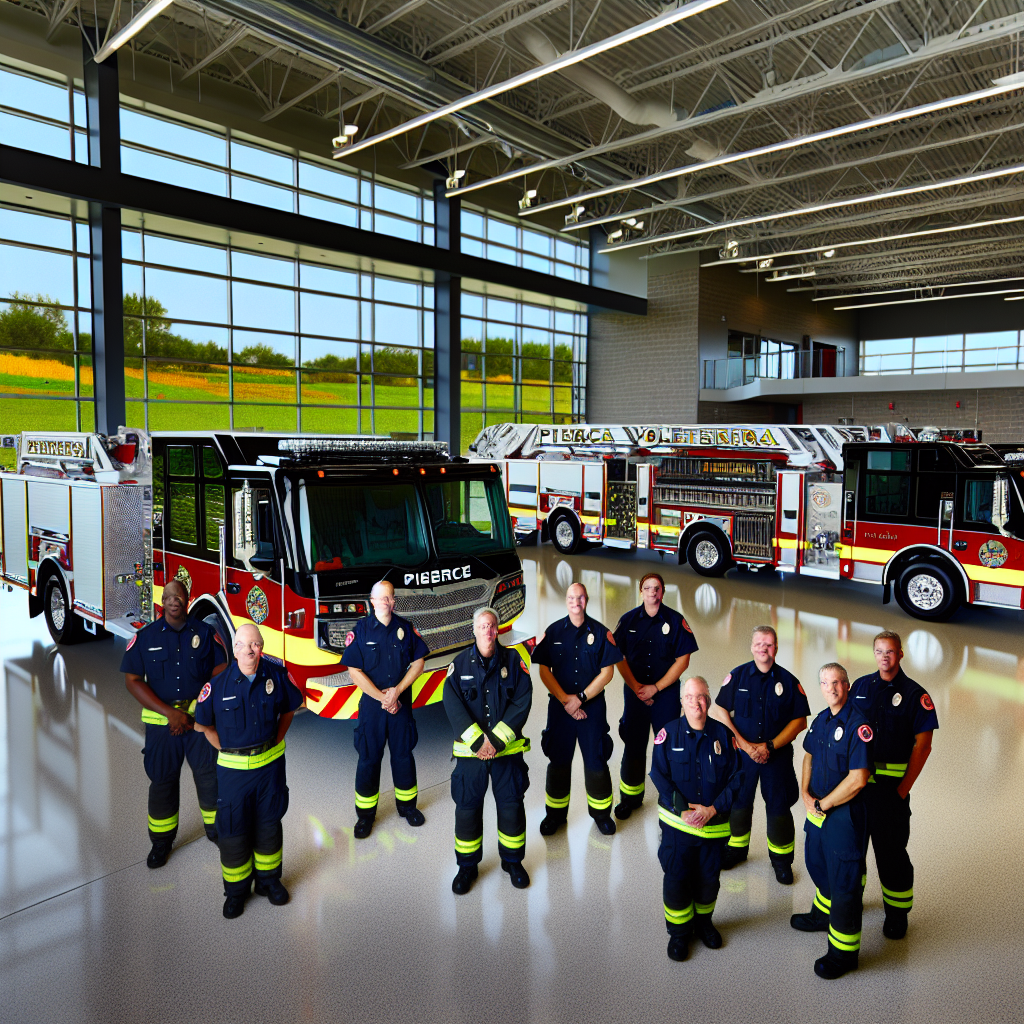
In a world increasingly mindful of its environmental footprint, the fire service sector stands at a pivotal crossroads, where tradition meets innovation. The urgent call for sustainability resonates in every community, challenging firefighters to forge a path that protects not only the people they serve but also the planet they inhabit.
Enter the Pierce Volterra electric fire truck—a game-changing solution that symbolizes hope and progress in the realm of sustainable firefighting. This pioneering technology is not merely a vehicle; it represents a commitment to operational excellence and environmental stewardship, as exemplified by the Madison Fire Department, the first in North America to embrace this electric wonder.
Join us as we explore how Madison is leading the charge into a greener future, demonstrating that heroism can coexist with ecological responsibility, and that the fight for our communities extends beyond the flames.
Quotes from Leadership
Matt Wong, Apparatus Engineer at Madison Fire Department
“It’s a huge boost for our confidence, for the pride in our city, for the fire industry as a whole to be able to take sustainable renewable energy and mix it with an old school thing like firefighting.”
Matt Sauter, Business Unit Director at Pierce Manufacturing
“It’s a real big deal to try to take diesel emissions out of these environments so they have healthier workplaces as well.”
“Reducing diesel emissions is crucial in enhancing the health and safety of our firefighters.”
These sentiments illustrate the leadership’s enthusiasm for the Pierce Volterra electric fire truck, emphasizing its positive impact on operational efficiency and firefighter health.
User Adoption of Electric Fire Vehicles
The user adoption of electric fire vehicles is notably increasing, particularly with Pierce Manufacturing at the forefront. Key highlights include:
- Madison Fire Department’s Experience: They were the first to adopt the Pierce Volterra, where the electric fire truck responded to 200 calls within three weeks, showcasing its seamless integration and performance comparable to traditional vehicles.
- New Initiatives: In 2025, Denton, Texas became the first in the state to introduce the Pierce Volterra, leading to significant advancements in eco-friendly firefighting practices. Frederick County, Maryland also joined this trend by ordering the electric vehicle, underlining a concerted shift towards cleaner technology.
- Environmental Benefits: Electric fire trucks yield zero tailpipe emissions versus diesel engines, significantly reducing carbon footprints. While their upfront costs are higher, the reduction in long-term operating costs (maintenance and fuel) favor the electric model. According to research, battery electric vehicles produce 73% fewer life-cycle greenhouse gas emissions compared to gasoline-powered vehicles, underscoring the environmental impact of such technology [source].
- Performance and Versatility: Users report enhanced torque, quieter operations, and the ability to perform emergency tasks without modification to established operational frameworks.
- Technological Advancements: The Pierce Volterra features a robust battery capable of recharging quickly, operating with a parallel-electric drivetrain that allows for uninterrupted power through conventional fuel if necessary.
- Infrastructure Development: Fire departments are also enhancing charging infrastructure to support these electric units, ensuring they are always ready for emergency responses.
These factors indicate a growing acceptance and momentum for electric vehicles in fire service, driven by technology advancements and a commitment to sustainability.
Environmental Benefits of the Pierce Volterra Electric Fire Truck
The adoption of the Pierce Volterra electric fire truck brings profound environmental benefits that resonate deeply with the goals of sustainability and health protection in firefighting. This innovative vehicle offers zero emissions, setting a new standard for reducing the carbon footprint of fire departments worldwide.
Zero Emissions and Environmental Impact
Electric fire trucks operate with zero tailpipe emissions, which significantly decreases greenhouse gas output. For example, the City of Madison estimates that their electric pumper will eliminate over 31.8 metric tons of carbon dioxide annually. The implications for air quality are substantial, as a recent study by Northwestern University indicates that converting 30% of heavy-duty vehicles, including fire trucks, to electric models in urban areas could prevent around 590 premature deaths each year. This is particularly significant in communities that historically bear the brunt of environmental setbacks, highlighting the equity benefits aligned with this transition [source].
Reduction of Carcinogens in Firehouses
The health implications of transitioning from diesel to electric are crucial. Traditional diesel engines release exhaust that contains carcinogens, posing serious health risks to firefighters. Electric fire trucks, like the Pierce Volterra, help mitigate these risks. For instance, grants provided to fire departments in Washington State for electric fire engines are expected to cut over 500 tons of greenhouse gases and reduce toxic emissions that jeopardize firefighter health, addressing respiratory and cardiovascular risks [source].
Expert Opinions Supporting Sustainability
Experts are increasingly advocating for electric fire trucks as a means to achieve both environmental and health goals. According to Michael Benson, a former fire chief, electrifying fire department fleets not only reduces emissions but also enhances energy resilience through technologies like microgrids [source]. Furthermore, a report from the American Lung Association posits that transitioning to zero-emission vehicles could yield $735 billion in public health benefits over the next 30 years, reinforcing the positive impact of adopting electric technology in heavy-duty sectors [source].
In conclusion, embracing the Pierce Volterra electric fire truck not only represents a commitment to cutting-edge firefighting technology but also plays a critical role in fostering a healthier, safer environment for both first responders and the community. The transition underscores a dedication to environmental stewardship, ensuring that the firefighting legacy honors both its commitment to service and its responsibility to the planet we all share.
| Feature | Pierce Volterra Electric Fire Truck | Traditional Fire Truck |
|---|---|---|
| Emissions | Zero tailpipe emissions | High emissions from diesel |
| Fuel Efficiency | No fuel consumption (electric power only) | Dependent on diesel fuel |
| Operational Costs | Lower long-term costs (less maintenance, no fuel costs) | Higher long-term costs (fuel and maintenance) |
| Maintenance Requirements | Reduced maintenance due to fewer moving parts | Higher maintenance due to complex systems |
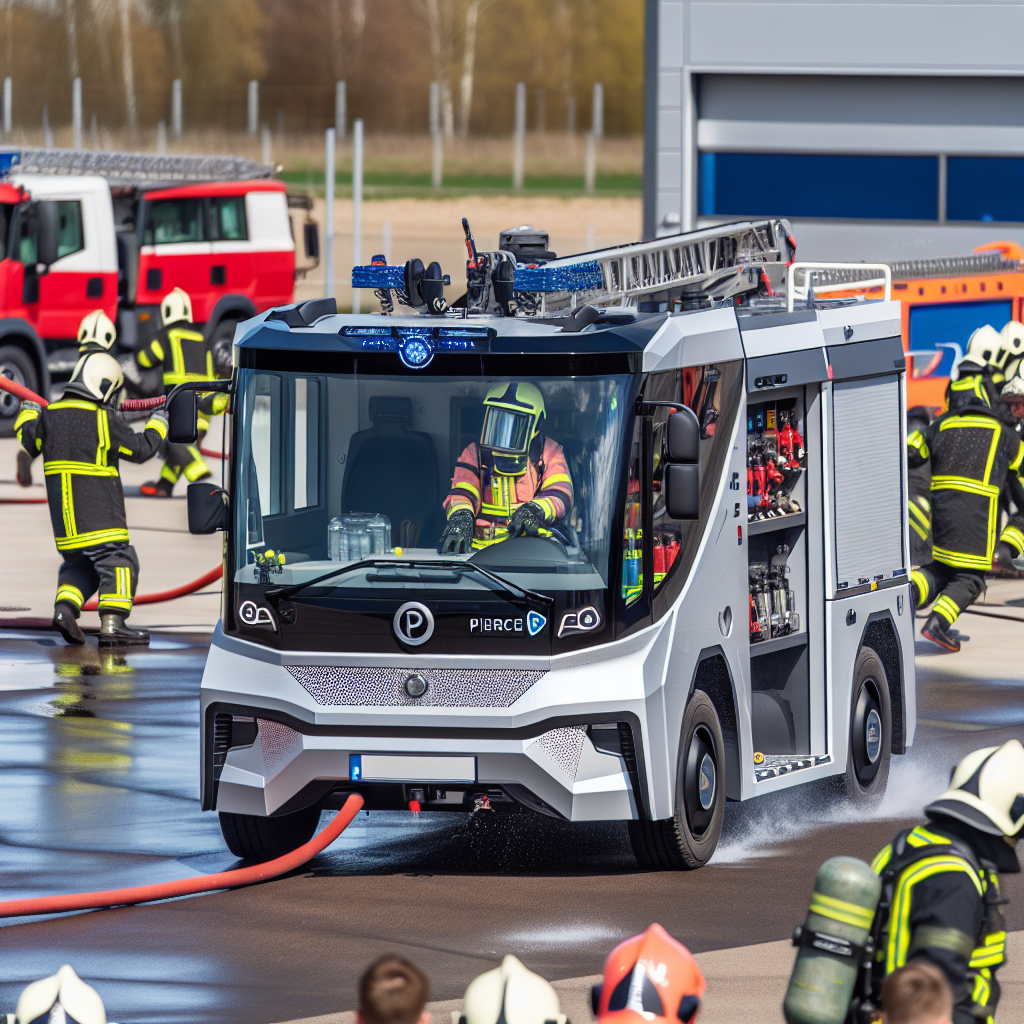
Operational Feedback from Firefighters
The operational feedback from firefighters who have utilized the Pierce Volterra electric fire truck has been overwhelmingly positive. Many firefighters have reported that the truck is easy to operate and fits seamlessly into existing emergency response protocols; no dramatic changes were necessary to their usual operational frameworks.
To ensure smooth integration, fire departments organized minor training sessions aimed at familiarizing staff with the electric systems and charging processes. Firefighters appreciated how quickly they could adapt, with most asserting that the Pierce Volterra operates similarly to traditional vehicles, making it accessible to all personnel without the need for extensive specialized training.
Additionally, the quiet operation of the electric fire truck has provided numerous benefits. Firefighters noted that the reduced noise levels not only enhance comfort during routine calls but also improve focus during critical operations. This aspect is especially appreciated in scenarios where communication is vital for coordination and strategic response.
Overall, satisfaction among firefighters is high due to the Pierce Volterra’s reliable performance, sustainability features, and its capacity to seamlessly integrate into established workflows. The vehicle is seen not only as a technological advancement but also as a meaningful step towards environmentally responsible firefighting, reflecting a commitment to public health and safety.
Conclusion
In summary, the Pierce Volterra electric fire truck signifies a transformative leap in the fire service sector towards sustainable technology. As the Madison Fire Department demonstrates, adopting electric vehicles is a practical step that results in reduced emissions and a healthier environment for firefighters and the communities they serve. The Volterra not only operates seamlessly within existing frameworks, enhancing rather than disrupting emergency response, but also serves as an exemplary model for other fire departments to follow.
Consider the story of Chief Matt Bavery of the Madison Fire Department. When they first integrated the Pierce Volterra into their fleet, he recalls an incident where they responded to a local school fire. As they arrived, the electric fire truck, known for its quiet operation, allowed firefighters to communicate effectively, saving precious time during firefighting efforts. The success and efficiency of this response not only restored the community’s faith in fire safety but also showcased the truck’s capabilities.
Residents expressed relief at having an eco-friendly firefighting service that reduces exposure to harmful diesel emissions. Local parents reported feeling a renewed sense of safety knowing that the fire department was using advanced technology that prioritizes health and air quality for everyone in the area. This incident and others like it underscore how the Pierce Volterra isn’t just a vehicle; it’s a beacon of hope for sustainable community-first emergency response.
The shift towards electric fire trucks is essential for fostering environmental responsibility and advancing public health. As we witness the positive impact of Pierce Volterra in real-world applications, it becomes clear that sustainable firefighting is not just the future, it is the present imperative for all fire service entities.
Now is the time for fire departments across the nation to champion similar sustainable practices. Together, let us ignite the movement toward a greener future in emergency services and set a precedent for others to follow. Embrace the change, invest in sustainable solutions, and be the catalyst for progress in your community!
Call to Action
Fire departments, it’s time to take the leap towards sustainability and innovation! The Pierce Volterra electric fire truck offers unmatched operational efficiency, significant cost savings, and a commitment to protecting both lives and the environment. By adopting the Volterra, you’re not just investing in advanced firefighting technology—you’re leading your community into a greener future. Join the pioneering cities like Madison and Denton in setting a precedent for environmentally responsible firefighting.
Don’t wait—experience the benefits of the Pierce Volterra firsthand. Contact your local Pierce Manufacturing representative today to learn how this revolutionary electric fire truck can enhance your operations and help you protect the environment. Together, let’s make a significant impact, one fire truck at a time!
Frequently Asked Questions (FAQ) about the Pierce Volterra Electric Fire Truck
1. How efficient is the Pierce Volterra Electric Fire Truck?
The Pierce Volterra features a patented parallel-electric drivetrain, allowing for zero-emissions operation with onboard batteries. It can operate in electric mode for approximately 40-80 miles depending on usage, making it suitable for typical daily operations. Additionally, it is equipped with a rapid recharging capability that can restore the battery from 0% to 100% in as little as 90 minutes. The pumping capacity matches traditional fire trucks with a 1,500 GPM (gallons per minute) pump, illustrating the advancement in electric firefighting technology. (Source: Pierce Manufacturing)
2. What are the training requirements for firefighters?
Firefighters generally require around three hours of additional training on the Volterra’s electrical systems. Its design mirrors conventional fire trucks, allowing for intuitive operation. The vehicle’s components are located to ensure that only minimal specialized training is necessary, making it user-friendly for all personnel. (Source: Firehouse)
3. What are the maintenance needs for the Pierce Volterra Electric Fire Truck?
Routine maintenance includes regular battery performance checks, implementing standard charging procedures post-operations, and ensuring personnel understand high-voltage components. The vehicle’s integrated diagnostics system aids in tracking maintenance needs and enhances operational readiness—this contributes to environmental responsibility by promoting sustainable practices in firefighting. (Source: Pierce Manufacturing)
4. How does the Volterra perform in emergency situations?
The electric fire truck has demonstrated its reliability and performance in various scenarios, maintaining the operational capabilities of traditional diesel trucks. For example, it effectively responded during a residential structure fire, utilizing its onboard systems without operational disruption. (Source: Cary, NC)
5. How does the Pierce Volterra contribute to sustainability?
The electric fire truck operates with zero tailpipe emissions, significantly reducing the carbon footprint compared to diesel-powered units. The City of Madison anticipates eliminating over 31.8 metric tons of carbon dioxide annually, showcasing a commitment to environmental responsibility. This shift not only enhances air quality but also promotes healthier working environments for firefighters and the communities they serve. (Source: Northwestern University)
Incorporating the Pierce Volterra into firefighting operations enhances both efficiency and sustainability, mitigating common concerns associated with transitioning to electric vehicles in this sector.
| Feature | Pierce Volterra Electric Fire Truck | Traditional Fire Truck |
|---|---|---|
| Emissions | Zero tailpipe emissions | High emissions from diesel |
| Fuel Efficiency | No fuel consumption (electric power only) | Dependent on diesel fuel |
| Operational Costs | Lower long-term costs (less maintenance, no fuel costs) | Higher long-term costs (fuel and maintenance) |
| Maintenance Requirements | Reduced maintenance due to fewer moving parts | Higher maintenance due to complex systems |
Operational Feedback from Firefighters
Firefighters using the Pierce Volterra electric fire truck have shared positive experiences. Many found it straightforward to operate within existing emergency protocols, requiring no major adjustments to their typical workflows.
Departments organized brief training sessions to familiarize their teams with the electric systems and charging methods. Firefighters adapted quickly, noting that the Volterra functions like traditional vehicles, making it accessible to all staff without extensive specialized training.
The truck’s quiet operation also had notable advantages. Firefighters reported reduced noise levels improved comfort during routine responses and heightened focus during critical moments. This is especially important in situations where clear communication is vital for coordination.
Overall, firefighters express high satisfaction due to the Pierce Volterra’s dependable performance, sustainability features, and smooth integration into typical operations. It is seen as not just a technological advance but also as a significant step towards environmentally responsible firefighting, addressing public health and safety concerns effectively.