
For off-road enthusiasts, adventurers, and landowners alike, the ability to rent a moving truck in Poway, CA, isn’t just about transportation; it’s about unlocking new paths and experiences. Whether you’re gearing up for an off-road race, relocating tools and equipment for agricultural use, or modifying vehicles for adventure-ready excursions, understanding the costs associated with truck rentals is crucial. Each chapter in this exploration will help you navigate the rugged landscape of renting, from the costs and local insights to truck sizes and insurance details, ensuring you’re fully equipped for your next endeavor.
Poway Road Moving Truck Costs: Unpacking Size, Distance, and Practical Planning
At Poway Road, renting a moving truck is also a budgeting decision as much as a logistics choice. The price you pay depends on truck size, how long you keep it, and the route you drive. Local moves can be cheaper than long trips, but you still pay for what you actually use. A smaller truck costs less per day, but you may end up paying more total if you require additional trips or a larger vehicle. The rental location itself also matters, with different Poway outlets offering different sizes and add ons, so the final total can vary by pickup point and date.\n\nBegin with the baseline: the daily rate for a compact 10 foot truck is typically in the low thirties per day. A 17 foot truck is larger and costs more per day, while a 26 foot truck, useful for bigger moves, can push the daily price higher, depending on demand and season. The exact numbers change with location and date, so get a current quote for your truck size and dates.\n\nIf your plan includes a one way trip, the math changes again. Local in town moves generally avoid the return trip fee, but mileage charges and possible one way fees can still affect the total. The distance you cover matters a great deal, and miles add up with fuel, tolls, and any required drop off at a different depot.\n\nInsurance is another frequent question. You will usually see basic protection as an add on, with higher levels offering more protection against damage or loss. If you already have auto or homeowner insurance, you may have overlapping coverage, so weigh the value of the extra protection against the cost. Taxes and fees also appear on the final invoice and can vary by outlet and locality.\n\nFuel costs are practical to plan for. A moving truck is not a tiny car and consumes more fuel, especially on longer trips. Some renters refill the tank before return, others leave it with a partial fill. Your choice changes the final price, so budget accordingly.\n\nDelivery or pickup options can add to the bill. Door to door service or loading help can be convenient but comes with an extra charge. If you need help with heavy items or delicate loads, factor this into your planning while keeping your schedule in mind to avoid delays.\n\nThe practical approach is to compare multiple outlets and look at the whole package, not just the daily rate. Determine the truck size you truly need, estimate the number of rental days, and decide whether a one way drop off makes sense. For more complex moves, coordinate with any helpers or teams to minimize idle time and parking hassles.\n\nWith careful planning and price checking, you can select a Poway Road moving truck that fits your needs and budget without paying for unused capacity.
null
null
Sizing Up the Move: Navigating Truck Size, Timing, and Costs on Poway Road
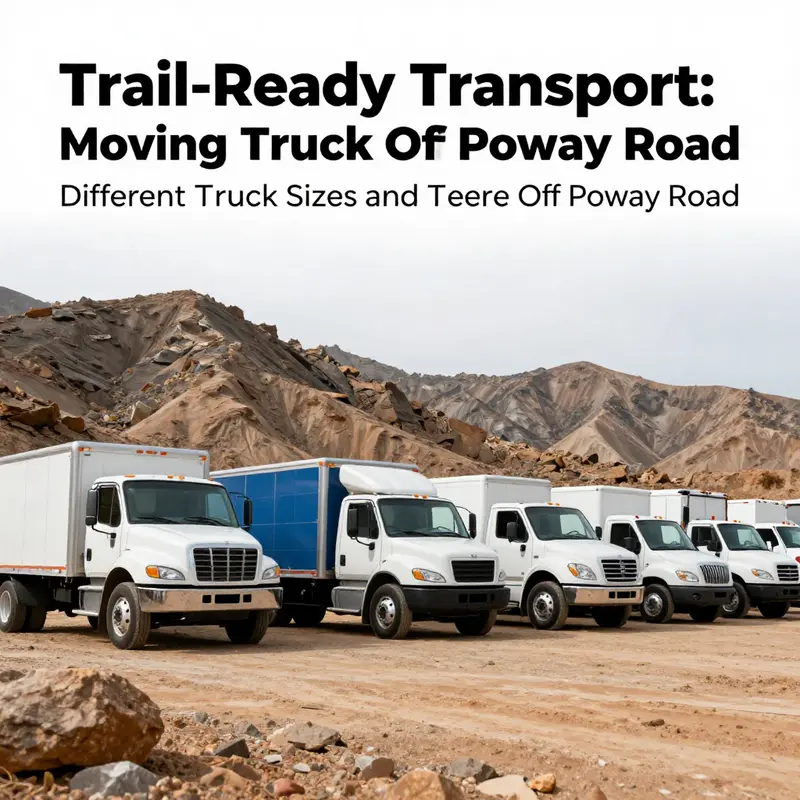
On Poway Road, choosing the right moving truck is about balancing size, rental duration, and distance to keep costs predictable. The smallest option, a 10 foot box, is usually suitable for a studio and may run roughly 25 to 30 dollars per day plus mileage and insurance. Larger trucks, like a 17 foot model, cost more per day and bring higher fuel use and mileage charges, with daily rates that can move into the mid to upper range depending on availability and the exact size you select. Always check the rental site for your dates and run the numbers for miles, days, and protection level to get an accurate total. Be mindful of hidden fees such as taxes, environmental fees, fuel surcharges, and any upfront deposits. In town moves typically have lower base rates and mileage as the main variable; one way moves can raise base costs due to longer trips and different mileage structures. Strategies to save money include scheduling midweek moves, packing efficiently to reduce the time you need the truck, and using a two leg plan with a smaller truck for the heavy items followed by a lighter vehicle to finish. Compare several nearby Poway Road locations and consider nearby routes to find the best rate. For a precise quote, talk to the rental staff about your exact dates, route, and the breakdown of charges before booking, and ask about protection options to balance cost and risk. External resources on moving fleets can provide broader context for costs and availability. In short, plan the load, pick the truck size that fits, time the rental to lower demand, and read the terms carefully to minimize surprises.
Beyond the Basics: Insurance, Fees, and Hidden Costs When Renting a Moving Truck Off Poway Road
Planning a move near Poway Road means more than locking in a low daily rate. The price you first see is only the opening edge of a larger, more complex total that unfolds as you choose truck size, rental duration, and how far you intend to drive. Two nearby depot options along Poway Road offer convenient access for locals, and their proximity matters because the route you take and the time you need the truck can influence the final tally just as much as the size of the vehicle. The core decision remains straightforward: pick the right truck for the job and the right rental window for your schedule. Yet even within that simple framework, the costs can drift with demand, seasonality, and the specifics of your move. To get an accurate picture tailored to your dates, it pays to check with the Poway location and ask for a precise written quote that accounts for all variables in your plan. The local team can help translate the headline price into a complete, move-ready figure, clarifying what applies to your exact dates and route.
The two fundamental levers that sculpt the baseline price are truck size and rental duration. The smallest, most maneuverable options carry the lowest daily prices, while larger models that can move bigger loads quickly command higher daily rates. These daily numbers are not written in stone; they shift with demand, inventory, and even the weather as you approach peak moving seasons. Seasonality can push availability in one direction or another, which means a similar move in the middle of the week might look different from a weekend transfer. Because the posted price is a snapshot, it is essential to confirm the current rate for your specific dates rather than relying on a generic figure. The Poway location staff can confirm the exact daily base and any surge pricing that might apply on your chosen day, helping you avoid surprises when you sign the contract.
Beyond the daily rate, the total cost hinges on whether your move is local or one-way, and how mileage is handled. Local moves typically include a defined amount of miles, with any overages billed at a per-mile rate once you exceed the included allowance. One-way moves, which involve dropping the vehicle at a different location, often carry separate fees and different mileage considerations. Either way, the mileage policy matters because it directly affects the bottom line. If you plan a route that stretches beyond the included miles, your per-mile charges can add up quickly, turning an initially attractive rate into a more substantial sum. To minimize this risk, map your route in advance, estimate the miles as accurately as possible, and discuss how many miles are included with your rental so you know how many you might need to pay for separately. A thoughtful planning process can keep the final price from drifting away from your budget.
Insurance and protection are another major element that shapes the final bill. The rental provider offers options intended to protect you from common incidents, including damage to the truck itself and loss or theft of cargo. A second option exists to extend liability coverage in case an accident affects a third party. The price of these protections is not fixed; it scales with the truck size and the duration of the rental, so a larger truck or a longer move will typically incur higher coverage costs. For some renters, protection is worth a predictable, modest daily addition that eases worries about potential mishaps in tight streets or densely populated neighborhoods. For others, existing personal or home insurance policies, or even credit card coverage, might provide comparable protection, potentially allowing you to decline the rental-protection add-ons or opt for a lower level of coverage. The best approach is to assess your risk tolerance, the type of items you are moving, and any coverage you already carry through other policies or payment methods. This evaluation helps prevent duplicative coverage and keeps the bill aligned with your actual needs.
In addition to insurance, a handful of fees commonly appear on the final invoice. Fuel policy is straightforward in theory: you are expected to return the vehicle with a full tank, and if you don’t, you’ll incur a fuel-charge that reflects the difference and the policy’s fuel pricing terms. Mileage overages are another frequent line item; if your trip uses more miles than your package allows, you’ll be billed for the extra distance at a per-mile rate. One-way rental fees come into play when the vehicle’s destination differs from its pickup location and is a common source of added cost for longer moves or cross-town transfers. Tolls and road charges can also show up if your chosen route includes toll roads or bridges, particularly when plans involve moving through multiple jurisdictions. While these charges are typical for many truck rentals, the exact amounts depend on the route, the vehicle size, and the rental terms. The practical takeaway is simple: the displayed daily rate is only the starting point. The full price emerges from the combination of fuel, mileage, insurance, one-way charges, and tolls tied to your particular plan.
To navigate these layers with confidence, build your plan with realism and detail. Start by selecting a truck size that matches the workload—overestimating rarely saves money if you end up renting a larger vehicle than you truly need, while underestimating can force inefficient trips or repeated loads. Then, chart your move carefully: a local transfer benefits from tighter mileage controls and a clearer understanding of included miles, whereas a one-way move requires explicit confirmation of drop-off charges and any relocation fees. It’s also wise to inquire about available promotions, seasonal discounts, or bundling options that can lower the overall cost, particularly when you compare the base daily rate against what is charged per mile and against any insurance offerings. If you have existing coverage through a separate policy or a credit card, bring documentation to the rental desk to compare whether it provides adequate protection for a vehicle of this type and whether it reduces the need for the rental-protection plan. Clarify the terms of the fuel policy so you know whether you must return the truck with a full tank, or whether a “fuel-charge” estimate will be assessed and billed at final checkout. Finally, be aware of any deposits or holds placed on your payment method, as these can affect your available funds during the moving window and delay the final settlement of the bill.
For precise, date-specific information, plan to reach the Poway location directly. Their staff can confirm current rates for the truck size you need, outline the exact mileage policy for your move, and explain which insurance options best fit your situation. To confirm rates and details, you can call the Poway site at (858) 486-3660. If you prefer a written reference, you can also visit the official Poway location page to see the latest options and price structure on your moving date: https://www.uhaul.com/rental-locations/california/poway/13210-poway-rd/.
Poway Road Moving Truck Rentals: Reading the Rates, Sizing Up Your Load, and Saving Time
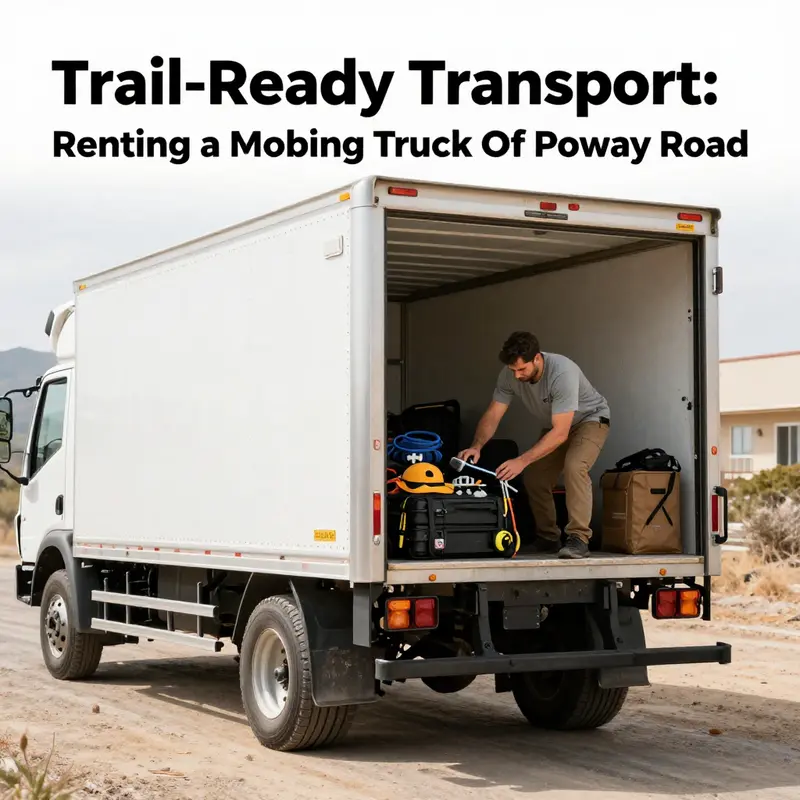
When planning a local move along Poway Road, the numbers behind renting a moving truck rarely skim the surface. The price you pay for a truck is not a single tag but a combination of size, duration, mileage, insurance, and even the time of year. The smallest rigs, designed for a modest apartment or a tight one-bedroom, can start around the low thirties per day, but those figures do not tell the full story. The daily rate often serves as a base, with mileage and insurance fees added on top. The more you move, the more the math tilts toward larger, more expensive trucks, especially if you need a larger box or a higher payload. Availability matters, too. Peak moving seasons can shrink options or push prices higher, while off-peak times may unlock better deals. In Poway, where Poway Road intersects with major corridors and sits close to I-15, the choices are many, but that abundance also requires careful comparison and planning to avoid sticker shock.
A practical starting point is recognizing the price spectrum and how it expands with your needs. A compact truck might hover near the $29.95-per-day range for base rental, but you will likely see a tiered step up as the vehicle size grows. A 17-foot or 26-foot truck, which is more typical for a multi-room home, tends toward the mid-40s to triple-digit per day range, depending on the exact size, features, and local demand. It’s not unusual to encounter additional per-mile charges after a bundled mileage allowance, plus optional coverage that protects against damage or theft. Some renters also encounter fuel surcharges or environmental fees, which can add a noticeable amount to the final bill. All of these variables interact with time: weekday vs. weekend, early morning vs. late afternoon, and the specific rental window you choose can push the bottom line in either direction. The takeaway is simple: know the size you truly need, estimate the distance you’ll travel within the rental period, and factor in the common extras before committing to a price quote.
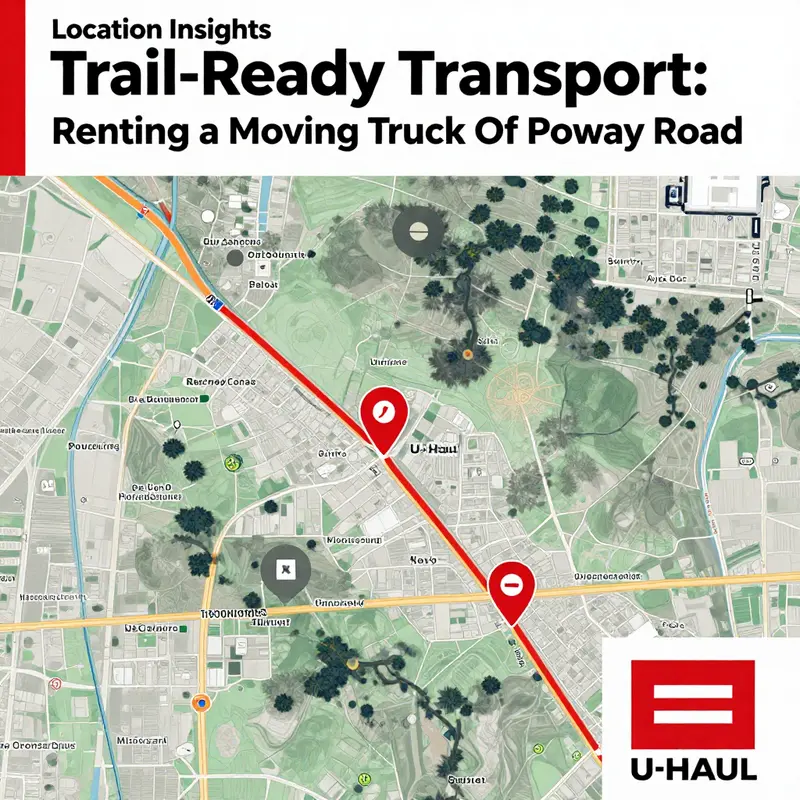
Poway Road itself anchors this decision with accessibility. The corridor runs near the I-15 and provides straightforward routes in and out of Poway, which is a practical advantage when you’re loading and unloading bulky items. Two prominent rental sites near the road sit within a few miles of the freeway, offering convenient pickup points for travelers moving locally within San Diego County. The proximity to major routes means you can plan a move that minimizes backtracking and reduces the time your truck is on the road. Yet proximity does not automatically equal savings. It’s still crucial to call ahead or check online for the latest availability and terms. Some days have tighter windows, and last-minute changes can trigger higher rates. The real benefit of local proximity is flexibility: a chance to adapt your schedule to traffic patterns, which can shave time and fuel costs from the equation.
To decide how much truck you actually need, start with a careful inventory of your belongings. This is not just a matter of counting boxes. It involves evaluating the heaviest or bulkiest items, the number of large furniture pieces, and the potential need for specialty equipment, such as dollies or moving straps. Online sizing tools can help, but there is no substitute for a realistic assessment of how many rooms you are moving. If you’re uncertain, err on the side of a slightly larger truck rather than overfilling a smaller one. Being disciplined about what you can fit in the vehicle reduces the risk of multiple trips, which would quickly erase any savings from choosing a smaller truck. If you opt for a larger vehicle, you may face higher daily rates, but you could still save time and labor—two commodities you will likely value on moving day.
Beyond size, the rental terms shape your final price in meaningful ways. Most agreements specify mileage limits, with additional miles charged at a per-mile rate beyond the included allowance. Fuel policy is another factor: some programs require you to return the truck with a full tank, while others bill a standard fill plus a convenience fee if you don’t. Insurance choices are frequently optional but can be wise if you’re moving fragile items or traveling through high-traffic routes. It’s essential to read the terms and conditions carefully, comparing the cost of coverage against the risk you’re willing to accept. If you already have a personal auto policy or a credit card that offers rental protection, you might be able to forego the rental company’s insurance entirely. That decision should be weighed against your comfort level with potential out-of-pocket costs in the event of an incident.
Planning the move around Poway’s traffic realities can yield tangible time and energy savings. The surrounding highways, including I-15 and nearby connectors, can experience heavier volumes during morning and evening rush hours. If your pickup or drop-off can be scheduled in mid-morning or early afternoon, you’re more likely to encounter smoother traffic and fewer delays. On weekends, even mid-day windows can become busy as residents and visitors move about the area. Allow extra buffer time for loading, securing cargo, and unloading, especially if you’re handling heavy furniture or appliances. A well-timed arrival reduces the risk of rushing the loading process, which in turn lowers the chance of damage or injury. It also means a calmer drive, with less driver fatigue and fewer mistakes when operating a larger vehicle through busy avenues and through the local neighborhoods around Poway Road. For most movers, time is money, and a calmer schedule can translate into a lower overall price by avoiding overtime fees or rushed, less careful handling of belongings.
Before you head out, a thorough vehicle inspection is a nonnegotiable step. Check the exterior for new dents or scratches, test the lights and signals, and verify that the tires are in good condition. Inside, confirm that the cargo area is clean and dry, and ensure the hitch and ties are secure for any trailer attachments you might use. Document existing damage with photos or video, and keep notes of any pre-existing issues. This documentation helps protect you from disputes when you return the vehicle. During the move, make sure your load is properly balanced and secured, with heavier items placed low and evenly distributed. A steady load minimizes shifting during transit and reduces the chance of damage to the truck itself as well as to your belongings. It also improves handling, which is especially important when navigating Poway’s intersections and the busy stretches near the I-15.
On moving day, give yourself a little extra time for the unexpected. The best-laid plans can be derailed by weather, late-arriving packing crews, or a hiccup with drop-off logistics. Having a contingency plan—extra straps, blankets, and a basic toolkit—can save precious minutes when you encounter an unplanned snag. If you’re coordinating a larger move that stretches beyond a single trip, consider a pragmatic approach: book a single truck for the core load, then assess whether a second vehicle is necessary. This approach can be more straightforward than juggling multiple trips with the same truck, especially if traffic or route constraints are tight along Poway Road and its feeder streets. Some movers even opt for a professional packing service for the trickier items, which can reduce the number of trips and thereby curtail the total rental time.
To bring a sense of practical synthesis to this process, many planners find value in tying rental choices to broader logistics strategies. The way you manage scheduling, route selection, and even the sequence of loading can influence the ultimate cost and efficiency of the move. A resource on dispatching and fleet management offers useful perspectives on balancing timing, pricing, and service levels when coordinating multiple vehicles or moving tasks. For readers interested in these broader processes, a concise guide on dispatching software provides actionable tips and pricing considerations that translate well to a one-vehicle move or a small fleet supporting a relocation. You can explore that guidance here: Choosing dispatching software tips and pricing.
Finally, while this chapter focuses on the Poway Road context, it’s worth acknowledging that price and availability fluctuate. A practical strategy is to compare several nearby pickup points, confirm the exact truck size needed for your load, and read the fine print for mileage and insurance charges. If your move involves a weekend or a holiday period, expect tighter schedules and potentially higher rates. Booking in advance remains one of the surest ways to lock in a reasonable rate and ensure you’ll have the right size truck when you need it. If you want to verify current pricing and pick-up options, consult the official rental page for the Poway area and review the terms carefully before finalizing any agreement. External resources can provide a snapshot of availability and policy details that help you finalize the plan with confidence: https://www.uhaul.com/locations/ca/poway
Final thoughts
Renting a moving truck off Poway Road is more than a simple transaction; it’s an entryway into exhilarating adventures in the great outdoors. With a solid understanding of cost factors, local insights, and best practices, off-road enthusiasts and landowners can confidently choose the right truck to tackle any challenge. As you navigate the rugged roads ahead, remember that preparation is key to successful off-road experiences. Equip yourself with knowledge on insurance and fees, and discover the perfect truck size to bring your ambitions to life.