
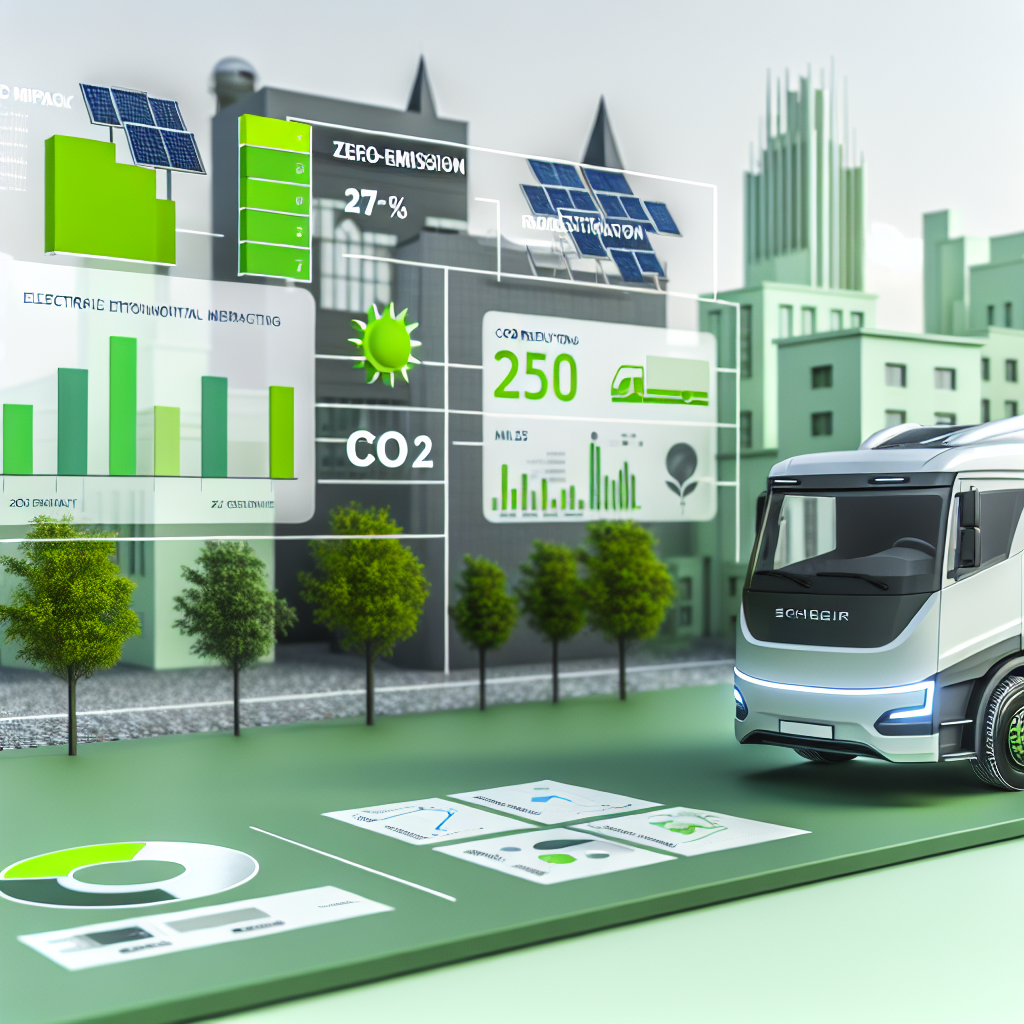
In an era where sustainability is no longer just a trend but a necessity, the emergence of electric and hydrogen-powered trucks is revolutionizing urban transportation. As cities grapple with air pollution and traffic congestion, these innovative vehicles offer a promising solution that marries efficiency with environmental responsibility.
Schneider National has been at the forefront of this movement, showcasing its commitment through the impressive achievements of its eCascadia fleet. Recently surpassing six million zero-emission miles, Schneider has significantly contributed to cutting down carbon emissions—equivalent to removing over 2,100 gasoline-powered vehicles from the road for an entire year.
Mark Rourke, Schneider President and CEO, stated, “Reaching 6 million zero emission miles is a testament to our steadfast dedication to sustainability and innovation.”
This article will delve into the impact of electric and hydrogen trucks in urban settings, highlighting not only Schneider’s groundbreaking efforts but also the broader implications for the future of sustainable logistics.
| Specification | Electric Trucks | Hydrogen-Powered Trucks |
|---|---|---|
| Emissions | Zero emissions | Water vapor emissions |
| Range | 100-300 miles | 250-500 miles |
| Refueling/Charging Time | 30 minutes to several hours | 15 minutes |
| Fuel Efficiency | Generally higher with urban driving | Moderate; depends on hydrogen production method |
| Infrastructure | Requires extensive charging stations | Requires hydrogen refueling stations |
| Environmental Impact | Higher battery resource impact | Cleaner energy potential if hydrogen is green |
| Cost | Higher upfront costs but lower operating costs | Moderate upfront costs with varied operating costs |
Schneider eCascadia’s Performance
The Schneider eCascadia has emerged as a leader in the realm of electric heavy-duty trucks, demonstrating remarkable performance metrics and environmental benefits since its inception. With the eCascadia fleet surpassing 6 million zero-emission miles, Schneider National has effectively reduced over 20 million pounds of CO2 emissions. This reduction is comparable to removing more than 2,100 gasoline-powered vehicles from the roads for an entire year, showcasing a significant step toward tackling urban air pollution.
The eCascadia boasts features that enhance its suitability for urban settings. Equipped with a battery capacity designed for range flexibility, these trucks typically cover distances between 100 and 300 miles on a single charge, making them ideal for short-haul routes. Schneider’s strategically located charging depot can power up to 32 trucks simultaneously, utilizing 16 dual-corded dispensers at 350 kW each, thereby minimizing downtime during urban operations.
In urban environments, where time is valuable and emissions regulations are stringent, the eCascadia presents a sustainable solution without compromising on delivery efficiency. Schneider’s partnership with major players like PepsiCo has further solidified its position, with the company recently completing 31,000 zero-emission miles in the transport of goods. This collaboration highlights the feasibility of integrating electric trucks into existing logistics networks and supports the growing demand for sustainable supply chain solutions.
In the words of longtime Schneider driver Marty Boots, “Once you drive an electric truck, you won’t want to go back to a diesel truck.”
The Schneider eCascadia is not just about performance; it also represents a commitment to innovation and sustainability, reflecting Schneider’s aim to lead the charge toward a greener future. With continued improvements and investments in electric vehicle technology, the potential for these trucks in urban settings continues to expand, paving the way for more widespread adoption.
Benefits of Electric Trucks in Urban Settings
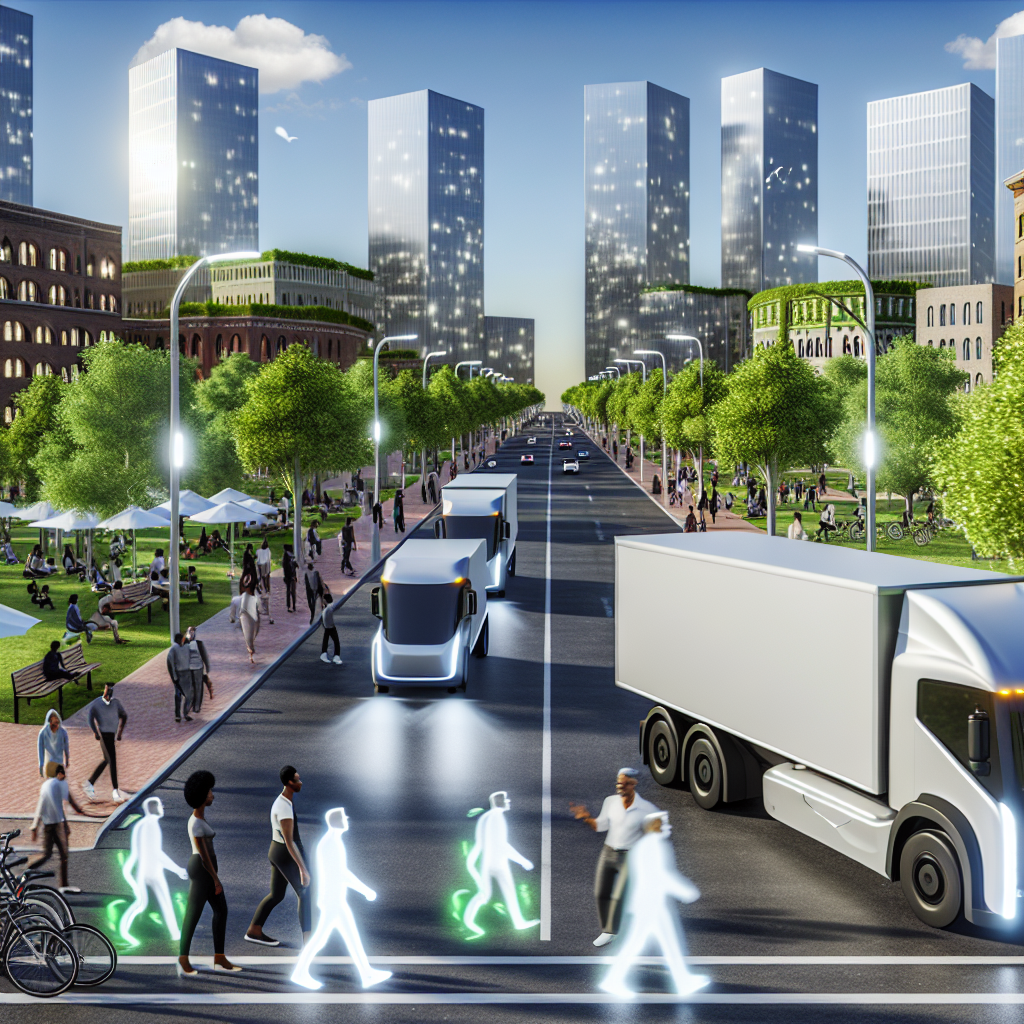
Electric trucks present a multitude of advantages specifically tailored for urban environments, and these advantages can significantly alter the dynamics of transportation and logistics in these bustling areas. One of the foremost benefits is the reduction of emissions. Electric trucks operate on electricity rather than fossil fuels, producing zero tailpipe emissions. This shift is particularly crucial in urban settings where air quality is often compromised due to vehicular pollution. By transitioning to electric trucks, cities can experience a profound decrease in greenhouse gas emissions and improved public health as air pollutants like nitrogen oxides and particulate matter diminish.
In addition to environmental benefits, electric trucks contribute to quieter operations. Conventional diesel trucks are notorious for their noise pollution, contributing to urban stress and impacting quality of life. Electric trucks, on the other hand, run quietly, providing a more peaceful urban atmosphere and enabling deliveries during nighttime hours—a feature that is increasingly becoming essential in densely populated areas.
Furthermore, electric trucks typically incur lower maintenance costs compared to their diesel counterparts. The fewer moving parts in electric drivetrains mean less wear and tear, resulting in reduced maintenance needs and longer intervals between service. These savings can substantially offset initial purchasing costs over time, making electric trucks not just a sustainable choice, but also an economically sound one for fleet operators.
User Adoption Data for Electric Trucks in Logistics
User adoption of electric trucks in the logistics industry has been steadily increasing over recent years. Here are some key trends and statistics:
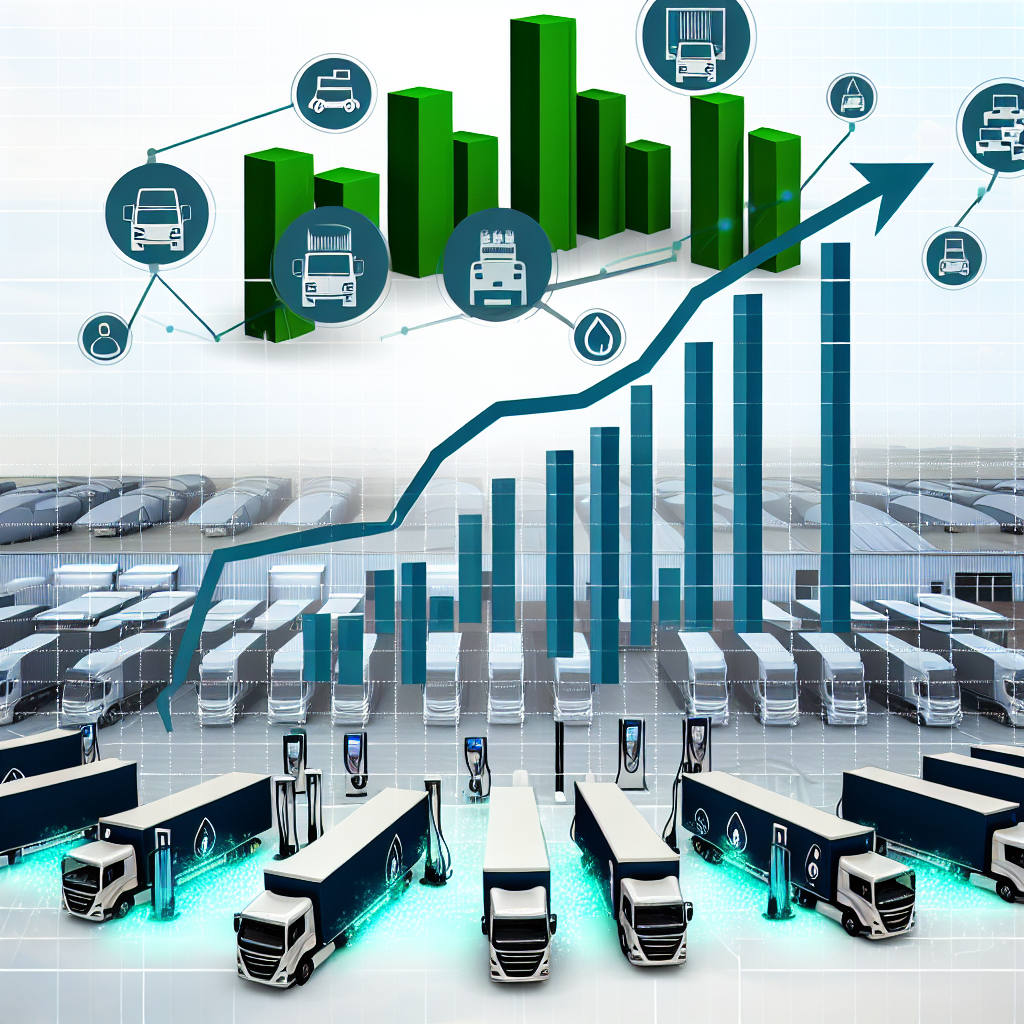
- Increasing Sales: In 2020, electric trucks accounted for only a small fraction of total truck sales, but by 2022, the share had risen to approximately 3-4% of total heavy-duty vehicle sales in the US.
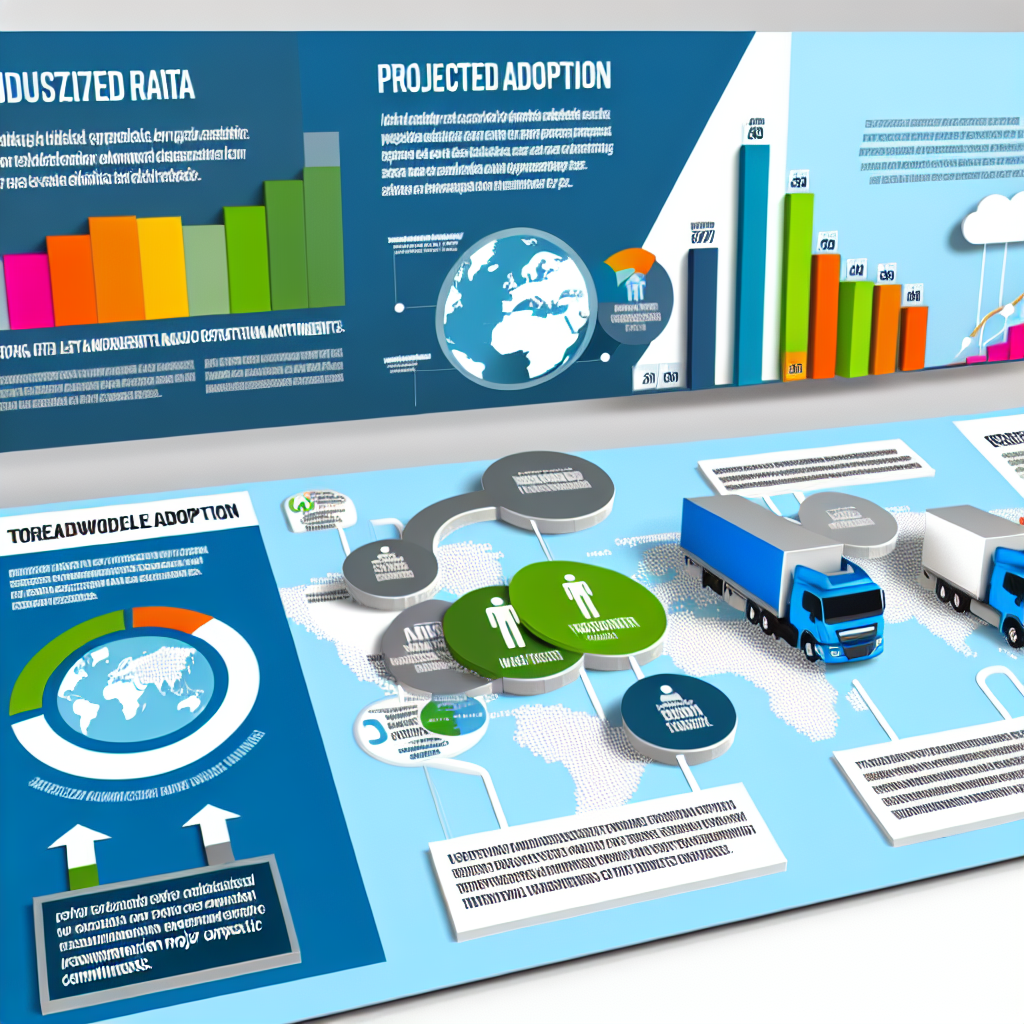
- Projected Growth: The International Energy Agency (IEA) projected that electric truck sales would increase significantly, with the market expected to reach about 13% of total heavy-duty vehicle sales by 2030.
- Market Leaders: Companies like Tesla and Volvo are ramping up production and are seeing a growth in pre-orders and interest in electric trucks. For instance, Tesla’s Semi has seen substantial pre-orders, reflecting a growing willingness among logistics firms to transition to electric vehicles.
- Corporate Initiatives: Several large logistics companies, including Walmart and Amazon, have committed to transitioning portions of their fleets to electric, adding pressure to manufacturers to increase production and innovate.
- Infrastructure Development: The establishment of charging networks has also enhanced the adoption of electric trucks. Various states in the US are investing in charging infrastructure tailored for heavy-duty vehicles.
Overall, the adoption of electric trucks is on an upward trajectory, influenced by environmental regulations, fuel savings, and increasing viability for logistical operations.
The statistics indicate that the market is not only growing but also becoming an integral part of the logistics industry’s push toward sustainability and efficiency.
User Adoption Data for Electric Trucks in Logistics
User adoption of electric trucks in the logistics industry has been steadily increasing over recent years. Here are some key trends and statistics:
- Increasing Sales: In 2020, electric trucks accounted for only a small fraction of total truck sales, but by 2022, the share had risen to approximately 3-4% of total heavy-duty vehicle sales in the US.
- Projected Growth: The International Energy Agency (IEA) projected that electric truck sales would increase significantly, with the market expected to reach about 13% of total heavy-duty vehicle sales by 2030.
- Market Leaders: Companies like Tesla and Volvo are ramping up production and are seeing a growth in pre-orders and interest in electric trucks. For instance, Tesla’s Semi has seen substantial pre-orders, reflecting a growing willingness among logistics firms to transition to electric vehicles.
- Corporate Initiatives: Several large logistics companies, including Walmart and Amazon, have committed to transitioning portions of their fleets to electric, adding pressure to manufacturers to increase production and innovate.
- Infrastructure Development: The establishment of charging networks has also enhanced the adoption of electric trucks. Various states in the US are investing in charging infrastructure tailored for heavy-duty vehicles.
Overall, the adoption of electric trucks is on an upward trajectory, influenced by environmental regulations, fuel savings, and increasing viability for logistical operations. These statistics indicate that the market is not only growing but also becoming an integral part of the logistics industry’s push toward sustainability and efficiency.
Conclusion
The transition to electric and hydrogen-powered trucks marks a significant leap forward in our quest for urban sustainability. As highlighted by Schneider National’s achievements, electric trucks like the eCascadia have successfully surpassed 6 million zero-emission miles, showcasing their capacity to dramatically reduce carbon emissions. This switch not only mitigates greenhouse gas emissions but also enhances urban air quality, positively impacting public health by reducing dangerous pollutants.
Moreover, the quiet operations and lower maintenance costs associated with electric trucks make them a practical choice for city logistics, facilitating deliveries while minimizing disruption in densely populated areas. The integration of electric trucks into the logistics sector is a critical step toward a greener future, paving the way for more sustainable urban transportation networks. Embracing this technology will be vital in addressing the environmental challenges cities face today and ensuring a cleaner, healthier environment for future generations.
Future Trends in Electric and Hydrogen Trucks
The electric and hydrogen truck market is poised for transformative growth, driven by several emerging trends and technologies aimed at enhancing sustainability. One of the most significant advancements is the development of solid-state batteries, which promise higher energy densities, faster charging times, and longer lifespans than traditional lithium-ion batteries. This technology could greatly increase the efficiency and range of electric trucks, making them more viable for long-haul operations.
In parallel, hydrogen fuel cell technology is evolving rapidly. They are increasingly viewed as a solution for heavy-duty trucking, particularly for applications requiring longer ranges and quick refueling capabilities. Companies like Volvo and Daimler are investing in research and partnerships to bring hydrogen-fueled trucks to market, emphasizing their potential for urban distribution and freight transport.
Additionally, the integration of electric and hydrogen trucks into smart city frameworks is gaining traction. Technologies such as IoT and AI are being implemented to optimize route planning, improve fuel efficiency, and manage vehicle charging and refueling schedules effectively.
Government regulations and incentives continue to drive the adoption of these vehicles, indicating a promising future for electric and hydrogen trucks as key components of sustainable urban transportation.
In an Era of Sustainability
In an era where sustainability is no longer just a trend but a necessity, the emergence of electric and hydrogen-powered trucks is revolutionizing urban transportation. As cities grapple with air pollution and traffic congestion, these innovative vehicles offer a promising solution that marries efficiency with environmental responsibility. Schneider National has been at the forefront of this movement, showcasing its commitment through the impressive achievements of its eCascadia fleet. Recently surpassing six million zero-emission miles, Schneider has significantly contributed to cutting down carbon emissions—equivalent to removing over 2,100 gasoline-powered vehicles from the road for an entire year. Mark Rourke, Schneider President and CEO, stated, “Reaching 6 million zero emission miles is a testament to our steadfast dedication to sustainability and innovation.” This article will delve into the impact of electric and hydrogen trucks in urban settings, highlighting not only Schneider’s groundbreaking efforts but also the broader implications for the future of sustainable logistics.
| Specification | Electric Trucks | Hydrogen-Powered Trucks |
|---|---|---|
| Emissions | Zero emissions | Water vapor emissions |
| Range | 100-300 miles | 250-500 miles |
| Refueling/Charging Time | 30 minutes to several hours | 15 minutes |
| Fuel Efficiency | Generally higher with urban driving | Moderate; depends on hydrogen production method |
| Infrastructure | Requires extensive charging stations | Requires hydrogen refueling stations |
| Environmental Impact | Higher battery resource impact | Cleaner energy potential if hydrogen is green |
| Cost | Higher upfront costs but lower operating costs | Moderate upfront costs with varied operating costs |
Schneider eCascadia’s Performance
The Schneider eCascadia has emerged as a leader in the realm of electric heavy-duty trucks, demonstrating remarkable performance metrics and environmental benefits since its inception. With the eCascadia fleet surpassing 6 million zero-emission miles, Schneider National has effectively reduced over 20 million pounds of CO2 emissions. This reduction is comparable to removing more than 2,100 gasoline-powered vehicles from the roads for an entire year, showcasing a significant step toward tackling urban air pollution.
The eCascadia boasts features that enhance its suitability for urban settings. Equipped with a battery capacity designed for range flexibility, these trucks typically cover distances between 100 and 300 miles on a single charge, making them ideal for short-haul routes. Schneider’s strategically located charging depot can power up to 32 trucks simultaneously, utilizing 16 dual-corded dispensers at 350 kW each, thereby minimizing downtime during urban operations.
In urban environments, where time is valuable and emissions regulations are stringent, the eCascadia presents a sustainable solution without compromising on delivery efficiency. Schneider’s partnership with major players like PepsiCo has further solidified its position, with the company recently completing 31,000 zero-emission miles in the transport of goods. This collaboration highlights the feasibility of integrating electric trucks into existing logistics networks and supports the growing demand for sustainable supply chain solutions.
In the words of longtime Schneider driver Marty Boots, “Once you drive an electric truck, you won’t want to go back to a diesel truck.”
This sentiment echoes the growing acceptance and positive feedback surrounding electric vehicles in the transportation sector.
The Schneider eCascadia is not just about performance; it also represents a commitment to innovation and sustainability, reflecting Schneider’s aim to lead the charge toward a greener future. With continued improvements and investments in electric vehicle technology, the potential for these trucks in urban settings continues to expand, paving the way for more widespread adoption.
Benefits of Electric Trucks in Urban Settings
Electric trucks present a multitude of advantages specifically tailored for urban environments, and these advantages can significantly alter the dynamics of transportation and logistics in these bustling areas. One of the foremost benefits is the reduction of emissions. Electric trucks operate on electricity rather than fossil fuels, producing zero tailpipe emissions. This shift is particularly crucial in urban settings where air quality is often compromised due to vehicular pollution. By transitioning to electric trucks, cities can experience a profound decrease in greenhouse gas emissions and improved public health as air pollutants like nitrogen oxides and particulate matter diminish.
In addition to environmental benefits, electric trucks contribute to quieter operations. Conventional diesel trucks are notorious for their noise pollution, contributing to urban stress and impacting quality of life. Electric trucks, on the other hand, run quietly, providing a more peaceful urban atmosphere and enabling deliveries during nighttime hours—a feature that is increasingly becoming essential in densely populated areas.
Furthermore, electric trucks typically incur lower maintenance costs compared to their diesel counterparts. The fewer moving parts in electric drivetrains mean less wear and tear, resulting in reduced maintenance needs and longer intervals between service. These savings can substantially offset initial purchasing costs over time, making electric trucks not just a sustainable choice, but also an economically sound one for fleet operators.
User Adoption Data for Electric Trucks in Logistics
User adoption of electric trucks in the logistics industry has been steadily increasing over recent years. Here are some key trends and statistics:
- Increasing Sales: In 2020, electric trucks accounted for only a small fraction of total truck sales, but by 2022, the share had risen to approximately 3-4% of total heavy-duty vehicle sales in the US.
- Projected Growth: The International Energy Agency (IEA) projected that electric truck sales would increase significantly, with the market expected to reach about 13% of total heavy-duty vehicle sales by 2030.
- Market Leaders: Companies like Tesla and Volvo are ramping up production and are seeing a growth in pre-orders and interest in electric trucks. For instance, Tesla’s Semi has seen substantial pre-orders, reflecting a growing willingness among logistics firms to transition to electric vehicles.
- Corporate Initiatives: Several large logistics companies, including Walmart and Amazon, have committed to transitioning portions of their fleets to electric, adding pressure to manufacturers to increase production and innovate.
- Infrastructure Development: The establishment of charging networks has also enhanced the adoption of electric trucks. Various states in the US are investing in charging infrastructure tailored for heavy-duty vehicles.
Overall, the adoption of electric trucks is on an upward trajectory, influenced by environmental regulations, fuel savings, and increasing viability for logistical operations.
The statistics indicate that the market is not only growing but also becoming an integral part of the logistics industry’s push toward sustainability and efficiency.
Conclusion
The transition to electric and hydrogen-powered trucks marks a significant leap forward in our quest for urban sustainability. As highlighted by Schneider National’s achievements, electric trucks like the eCascadia have successfully surpassed 6 million zero-emission miles, showcasing their capacity to dramatically reduce carbon emissions. This switch not only mitigates greenhouse gas emissions but also enhances urban air quality, positively impacting public health by reducing dangerous pollutants.
Moreover, the quiet operations and lower maintenance costs associated with electric trucks make them a practical choice for city logistics, facilitating deliveries while minimizing disruption in densely populated areas. The integration of electric trucks into the logistics sector is a critical step toward a greener future, paving the way for more sustainable urban transportation networks. Embracing this technology will be vital in addressing the environmental challenges cities face today and ensuring a cleaner, healthier environment for future generations.
Future Trends in Electric and Hydrogen Trucks
The electric and hydrogen truck market is poised for transformative growth, driven by several emerging trends and technologies aimed at enhancing sustainability. One of the most significant advancements is the development of solid-state batteries, which promise higher energy densities, faster charging times, and longer lifespans than traditional lithium-ion batteries. This technology could greatly increase the efficiency and range of electric trucks, making them more viable for long-haul operations.
In parallel, hydrogen fuel cell technology is evolving rapidly. They are increasingly viewed as a solution for heavy-duty trucking, particularly for applications requiring longer ranges and quick refueling capabilities. Companies like Volvo and Daimler are investing in research and partnerships to bring hydrogen-fueled trucks to market, emphasizing their potential for urban distribution and freight transport.
Additionally, the integration of electric and hydrogen trucks into smart city frameworks is gaining traction. Technologies such as IoT and AI are being implemented to optimize route planning, improve fuel efficiency, and manage vehicle charging and refueling schedules effectively.
Government regulations and incentives continue to drive the adoption of these vehicles, indicating a promising future for electric and hydrogen trucks as key components of sustainable urban transportation.
Schneider eCascadia’s Performance
The Schneider eCascadia has emerged as a leader in the realm of electric heavy-duty trucks, demonstrating remarkable performance metrics and environmental benefits since its inception.
- The eCascadia fleet has surpassed 6 million zero-emission miles, effectively reducing over 20 million pounds of CO2 emissions.
- This reduction is comparable to removing more than 2,100 gasoline-powered vehicles from the roads for an entire year, showcasing a significant step toward tackling urban air pollution.
The eCascadia boasts features that enhance its suitability for urban settings:
- Equipped with a battery capacity designed for range flexibility, these trucks typically cover distances between 100 and 300 miles on a single charge, making them ideal for short-haul routes.
- Schneider’s strategically located charging depot can power up to 32 trucks simultaneously, utilizing 16 dual-corded dispensers at 350 kW each, thereby minimizing downtime during urban operations.
In urban environments where time is valuable and emissions regulations are stringent, the eCascadia presents a sustainable solution without compromising on delivery efficiency. Schneider’s partnership with major players like PepsiCo has further solidified its position:
- The company recently completed 31,000 zero-emission miles in the transport of goods.
- This collaboration highlights the feasibility of integrating electric trucks into existing logistics networks and supports the growing demand for sustainable supply chain solutions.
In the words of longtime Schneider driver Marty Boots:
“Once you drive an electric truck, you won’t want to go back to a diesel truck.”
This sentiment echoes the growing acceptance and positive feedback surrounding electric vehicles in the transportation sector.
The Schneider eCascadia is not just about performance; it also represents a commitment to innovation and sustainability, reflecting Schneider’s aim to lead the charge toward a greener future.
Benefits of Electric Trucks in Urban Settings
Electric trucks present a multitude of advantages specifically tailored for urban environments. Here are some key benefits:
- Reduction of Emissions: Electric trucks operate on electricity rather than fossil fuels, producing zero tailpipe emissions and drastically reducing greenhouse gas emissions.
- Quieter Operations: Compared to traditional diesel trucks, electric trucks run quietly, enabling deliveries during nighttime hours while maintaining peace in densely populated areas.
- Lower Maintenance Costs: Electric drivetrains feature fewer moving parts, resulting in reduced maintenance needs and savings that can offset initial purchasing costs.
User Adoption Data for Electric Trucks in Logistics
User adoption of electric trucks in the logistics industry has been steadily increasing over recent years, influenced by several key trends:
- Increasing Sales: In 2020, electric trucks accounted for only a small fraction of total truck sales, but by 2022, this share rose to approximately 3-4% of total heavy-duty vehicle sales in the US.
- Projected Growth: The International Energy Agency (IEA) projects significant increases in electric truck sales, estimating the market could reach about 13% of total heavy-duty vehicle sales by 2030.
- Market Leaders: Companies like Tesla and Volvo are ramping up production, reflected by substantial pre-orders and interest in electric trucks.
- Corporate Initiatives: Major logistics companies, including Walmart and Amazon, are committing to transitioning portions of their fleets to electric, pushing manufacturers to innovate.
- Infrastructure Development: States in the US are investing in charging infrastructure tailored for heavy-duty vehicles to support adoption.
Overall, the adoption of electric trucks is on an upward trajectory, framed by environmental regulations and increasing logistical viability.
Conclusion
The transition to electric and hydrogen-powered trucks marks a significant leap forward in our quest for urban sustainability. As illustrated by Schneider National’s achievements, electric trucks like the eCascadia have successfully surpassed 6 million zero-emission miles, demonstrating their capacity to dramatically reduce carbon emissions.
This shift not only mitigates greenhouse gases but enhances urban air quality, positively impacting public health. Moreover, the quiet operations and lower maintenance costs associated with electric trucks make them practical for city logistics.
Integrating electric trucks into the logistics sector is essential for paving the way toward a greener future and sustainable urban transportation networks. Embracing this technology will be vital in addressing environmental challenges and ensuring a cleaner, healthier environment for future generations.
Introduction
In an era where sustainability is no longer just a trend but a necessity, the emergence of electric and hydrogen-powered trucks is revolutionizing urban transportation. As cities grapple with air pollution and traffic congestion, these innovative vehicles offer a promising solution that marries efficiency with environmental responsibility. Schneider National has been at the forefront of this movement, showcasing its commitment through the impressive achievements of its eCascadia fleet. Recently surpassing six million zero-emission miles, Schneider has significantly contributed to cutting down carbon emissions—equivalent to removing over 2,100 gasoline-powered vehicles from the road for an entire year. Mark Rourke, Schneider President and CEO, stated, “Reaching 6 million zero emission miles is a testament to our steadfast dedication to sustainability and innovation.” This article will delve into the impact of electric and hydrogen trucks in urban settings, highlighting not only Schneider’s groundbreaking efforts but also the broader implications for the future of sustainable logistics.
Overview of Electric and Hydrogen Trucks
| Specification | Electric Trucks | Hydrogen-Powered Trucks |
|---|---|---|
| Emissions | Zero emissions | Water vapor emissions |
| Range | 100-300 miles | 250-500 miles |
| Refueling/Charging Time | 30 minutes to several hours | 15 minutes |
| Fuel Efficiency | Generally higher with urban driving | Moderate; depends on hydrogen production method |
| Infrastructure | Requires extensive charging stations | Requires hydrogen refueling stations |
| Environmental Impact | Higher battery resource impact | Cleaner energy potential if hydrogen is green |
| Cost | Higher upfront costs but lower operating costs | Moderate upfront costs with varied operating costs |
Schneider eCascadia’s Performance
The Schneider eCascadia has emerged as a leader in the realm of electric heavy-duty trucks, demonstrating remarkable performance metrics and environmental benefits since its inception. With the eCascadia fleet surpassing 6 million zero-emission miles, Schneider National has effectively reduced over 20 million pounds of CO2 emissions. This reduction is comparable to removing more than 2,100 gasoline-powered vehicles from the roads for an entire year, showcasing a significant step toward tackling urban air pollution.
The eCascadia boasts features that enhance its suitability for urban settings. Equipped with a battery capacity designed for range flexibility, these trucks typically cover distances between 100 and 300 miles on a single charge, making them ideal for short-haul routes. Schneider’s strategically located charging depot can power up to 32 trucks simultaneously, utilizing 16 dual-corded dispensers at 350 kW each, thereby minimizing downtime during urban operations.
Urban Efficiency and Partnerships
In urban environments, where time is valuable and emissions regulations are stringent, the eCascadia presents a sustainable solution without compromising on delivery efficiency. Schneider’s partnership with major players like PepsiCo has further solidified its position, with the company recently completing 31,000 zero-emission miles in the transport of goods. This collaboration highlights the feasibility of integrating electric trucks into existing logistics networks and supports the growing demand for sustainable supply chain solutions.
Testimonials from Drivers
The Schneider eCascadia is not just about performance; it also represents a commitment to innovation and sustainability, reflecting Schneider’s aim to lead the charge toward a greener future. With continued improvements and investments in electric vehicle technology, the potential for these trucks in urban settings continues to expand, paving the way for more widespread adoption.
In the words of longtime Schneider driver Marty Boots:
“Once you drive an electric truck, you won’t want to go back to a diesel truck.”
This sentiment echoes the growing acceptance and positive feedback surrounding electric vehicles in the transportation sector.
Benefits of Electric Trucks in Urban Settings
Electric trucks present a multitude of advantages specifically tailored for urban environments, including:
- Reduction of Emissions: Electric trucks operate on electricity rather than fossil fuels, producing zero tailpipe emissions and drastically reducing greenhouse gas emissions.
- Quieter Operations: Compared to traditional diesel trucks, electric trucks run quietly, enabling deliveries during nighttime hours while maintaining peace in densely populated areas.
- Lower Maintenance Costs: Electric drivetrains feature fewer moving parts, resulting in reduced maintenance needs and significant cost savings over time.
User Adoption Data for Electric Trucks in Logistics
User adoption of electric trucks in the logistics industry has been steadily increasing over recent years, influenced by several key trends:
- Increasing Sales: In 2020, electric trucks accounted for only a small fraction of total truck sales, but by 2022, this share rose to approximately 3-4% of total heavy-duty vehicle sales in the US.
- Projected Growth: The International Energy Agency (IEA) projects significant increases in electric truck sales, estimating the market could reach about 13% of total heavy-duty vehicle sales by 2030.
- Market Leaders: Companies like Tesla and Volvo are ramping up production, reflected by substantial pre-orders and interest in electric trucks.
- Corporate Initiatives: Major logistics companies, including Walmart and Amazon, are committing to transitioning portions of their fleets to electric, pushing manufacturers to innovate.
- Infrastructure Development: States in the US are investing in charging infrastructure tailored for heavy-duty vehicles to support adoption.
Overall, the adoption of electric trucks is on an upward trajectory, framed by environmental regulations and increasing logistical viability.
Conclusion
The transition to electric and hydrogen-powered trucks marks a significant leap forward in our quest for urban sustainability. As illustrated by Schneider National’s achievements, electric trucks like the eCascadia have successfully surpassed 6 million zero-emission miles, demonstrating their capacity to dramatically reduce carbon emissions. This shift not only mitigates greenhouse gases but enhances urban air quality, positively impacting public health. Moreover, the quiet operations and lower maintenance costs associated with electric trucks make them practical for city logistics.
Integrating electric trucks into the logistics sector is essential for paving the way toward a greener future and sustainable urban transportation networks. Embracing this technology will be vital in addressing environmental challenges and ensuring a cleaner, healthier environment for future generations.
Future Trends in Electric and Hydrogen Trucks
The electric and hydrogen truck market is poised for transformative growth, driven by several emerging trends and technologies aimed at enhancing sustainability. One of the most significant advancements is the development of solid-state batteries, which promise higher energy densities, faster charging times, and longer lifespans than traditional lithium-ion batteries. This technology could greatly increase the efficiency and range of electric trucks, making them more viable for long-haul operations.
In parallel, hydrogen fuel cell technology is evolving rapidly. They are increasingly viewed as a solution for heavy-duty trucking, particularly for applications requiring longer ranges and quick refueling capabilities. Companies like Volvo and Daimler are investing in research and partnerships to bring hydrogen-fueled trucks to market, emphasizing their potential for urban distribution and freight transport.
Additionally, the integration of electric and hydrogen trucks into smart city frameworks is gaining traction. Technologies such as IoT and AI are being implemented to optimize route planning, improve fuel efficiency, and manage vehicle charging and refueling schedules effectively.
Government regulations and incentives continue to drive the adoption of these vehicles, indicating a promising future for electric and hydrogen trucks as key components of sustainable urban transportation.