
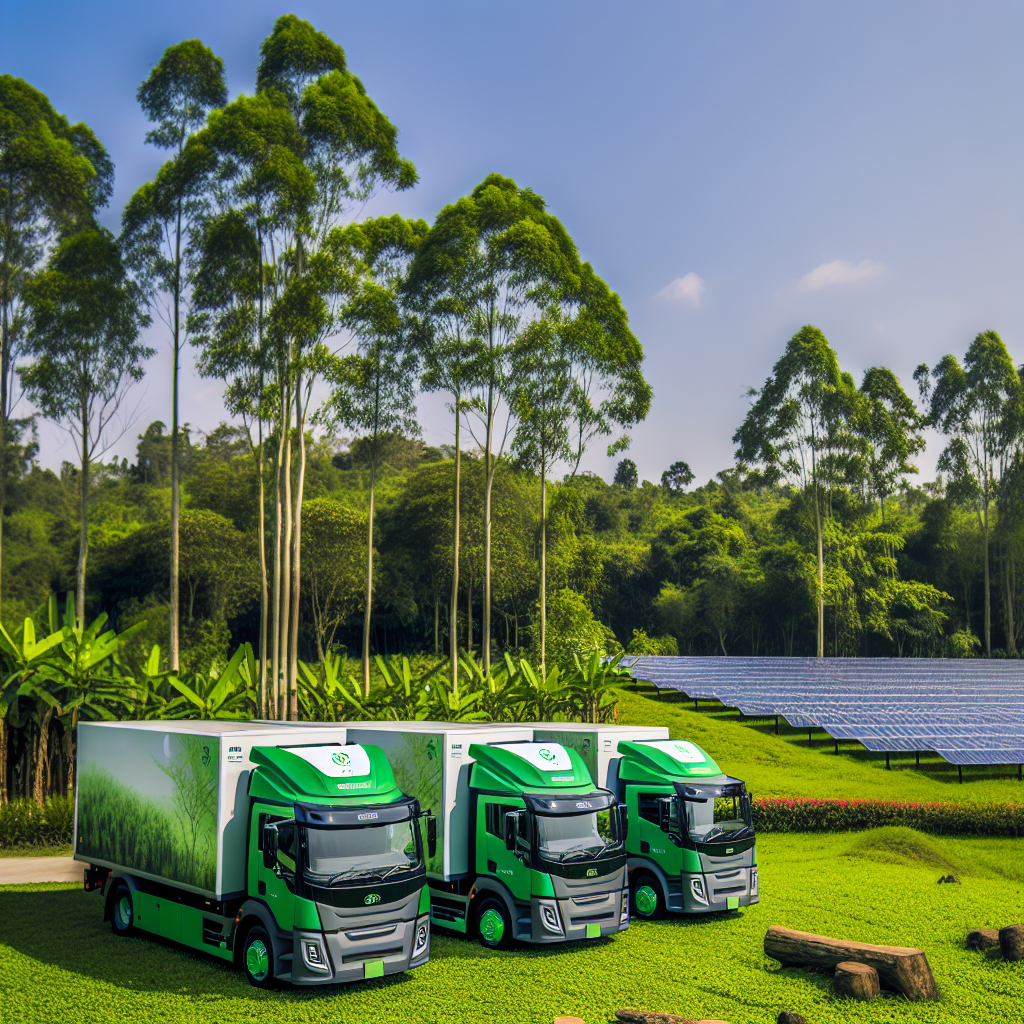
In a monumental stride towards sustainability, Schneider National has proudly announced its remarkable achievement of surpassing 6 million emission-free miles with its fleet of battery electric trucks. This landmark milestone not only underscores Schneider’s commitment to reducing carbon emissions and transitioning to cleaner transportation solutions but also sets a new standard in the logistics industry. By integrating innovative electric vehicle technology, Schneider is significantly contributing to global sustainability goals while inspiring others to follow suit. This achievement is a testament to the potential of sustainable trucking and the importance of investing in emission-free solutions for a healthier planet.
In a monumental stride towards sustainability, Schneider National has proudly announced its remarkable achievement of surpassing 6 million emission-free miles with its fleet of battery electric trucks. This landmark milestone not only underscores Schneider’s commitment to reducing carbon emissions and transitioning to cleaner transportation solutions but also sets a new standard in the logistics industry. By integrating innovative electric vehicle technology, Schneider is significantly contributing to global sustainability goals while inspiring others to follow suit. This achievement is a testament to the potential of sustainable trucking and the importance of investing in emission-free solutions for a healthier planet.
As Mark Rourke, President and CEO of Schneider, aptly stated, “Reaching 6 million zero emission miles is a testament to our steadfast dedication to sustainability and innovation.” This sentiment reflects the leadership necessary in fostering an environmentally conscious approach within the logistics sector.
Environmental Impact
Reaching 6 million zero-emission miles with Schneider National’s battery electric trucks represents a transformative step in mitigating climate change. This achievement translates into a remarkable reduction of 20 million pounds of CO2 emissions. To put this into perspective, such a reduction is comparable to the annual emissions produced by hundreds of households. This substantial cut signifies not just an operational milestone for Schneider but also a crucial contribution to the global effort against climate change.
The significance of this accomplishment cannot be overstated. The transportation sector is a major contributor to greenhouse gas emissions, accounting for nearly 30% of the total emissions in the United States. By adopting battery electric vehicles (BEVs), Schneider is actively participating in the transition towards cleaner transportation. This transition is essential for meeting ambitious climate targets and improving air quality, particularly in urban areas where air pollution poses serious health risks.
Additionally, the impact of reducing CO2 emissions extends beyond immediate environmental benefits. Each pound of CO2 not emitted is a step taken towards fulfilling international climate agreements, such as the Paris Agreement, which aims to limit global warming to well below 2 degrees Celsius. As companies like Schneider lead the charge in sustainable logistics, they not only enhance their competitive advantage but also set a benchmark for the industry. This leadership role is critical in inspiring other organizations to invest in greener technologies and practices.
In conclusion, Schneider’s milestone of 6 million zero-emission miles is a clear demonstration of the potential that exists in the logistics sector to combat climate change. The reduction of 20 million pounds of CO2 emissions supports a vision of a cleaner, more sustainable future, and underscores the importance of continued investment in battery electric technology as a viable solution for reducing greenhouse gas emissions in transportation.
Environmental Impact
Reaching 6 million zero-emission miles with Schneider National’s battery electric trucks is an important step in fighting climate change. This achievement has led to a significant reduction of 20 million pounds of CO2 emissions. To provide context, this reduction is similar to the yearly emissions produced by hundreds of households. This milestone is not only an operational achievement for Schneider but also a crucial contribution to the global effort against climate change.
- 20 million pounds of CO2 emissions reduced: Comparable to hundreds of households’ annual emissions.
- Transportation sector emissions: Contributes nearly 30% of total greenhouse gas emissions in the U.S.
- Adoption of battery electric vehicles (BEVs): Schneider actively participates in the transition towards cleaner transportation.
- Importance of this transition: Essential for achieving climate targets and improving air quality, especially in urban environments.
- Global agreements: Each pound of CO2 not emitted helps meet international climate agreements, such as the Paris Agreement.
- Industry leadership: Schneider’s actions encourage others to invest in greener technologies and practices.
In conclusion, Schneider’s milestone of 6 million zero-emission miles shows the potential for the logistics sector to combat climate change. The reduction of 20 million pounds of CO2 emissions supports a vision of a cleaner future. It also highlights the need for ongoing investment in battery electric technology to reduce greenhouse gas emissions in transportation.
| Aspect | Schneider eCascadia | Traditional Diesel Trucks | Other Electric Trucks |
|---|---|---|---|
| Emissions (g CO2/mile) | 0 | 100+ | 0-10 |
| Efficiency (miles/kWh) | 2.0 | – | 1.5 – 2.2 |
| Operational Costs ($/mile) | 0.60 | 0.70 | 0.50 – 0.80 |
Technology Behind Schneider’s Charging Depot
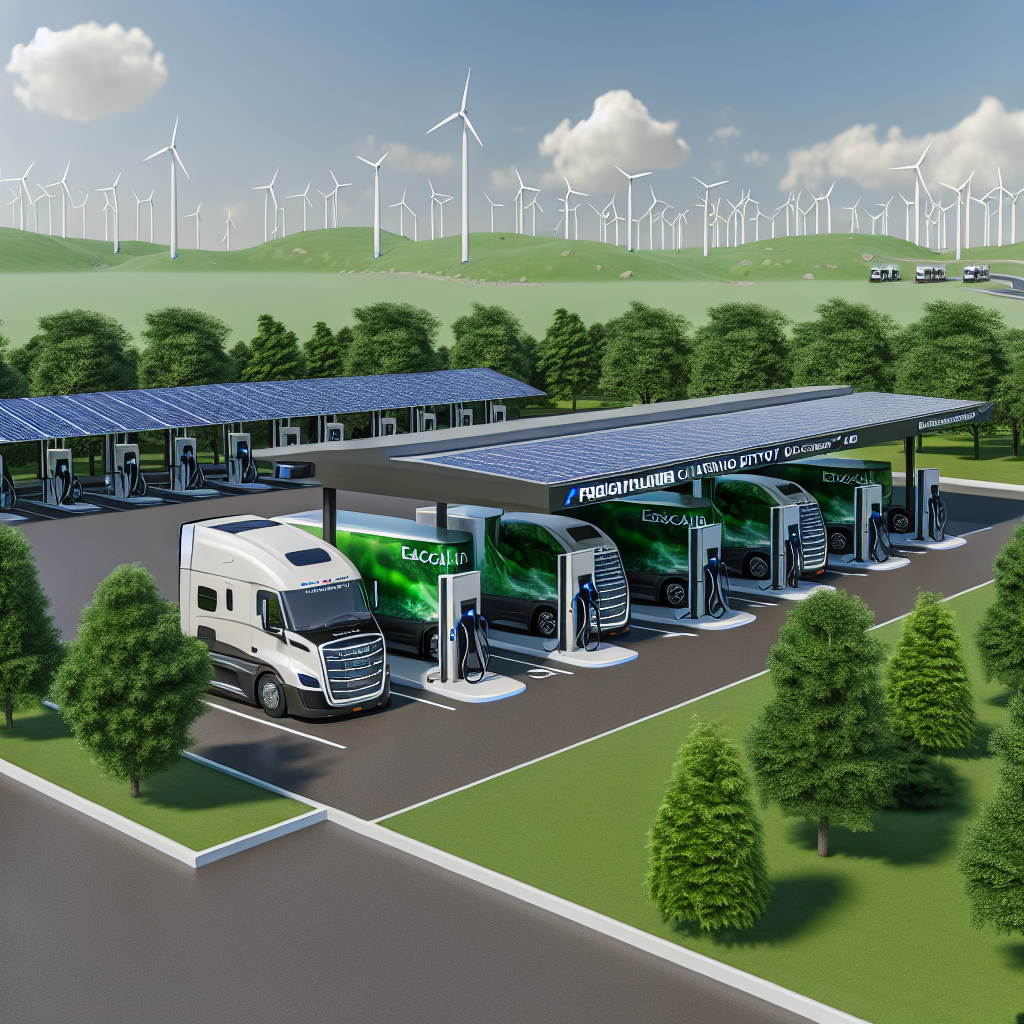
Schneider National has developed a state-of-the-art electric charging depot at its South El Monte Intermodal Operations Center in Southern California to support its fleet of nearly 100 Freightliner eCascadia battery electric trucks (BETs).
Technology Specifications:
- Charging Infrastructure: The depot features 16 dual-corded dispensers, each with a power output of 350 kilowatts (kW), enabling the simultaneous charging of 32 trucks.
- Power Supply: The dispensers are powered by four 1.2-megawatt power cabinets supplied by Power Electronics.
- Charging Performance: The Freightliner eCascadias can achieve an 80% charge within approximately 90 minutes, providing a driving range of up to 220 miles per charge.
Advantages:
- Simultaneous Charging: The dual-corded dispensers allow for the concurrent charging of 32 trucks, significantly reducing downtime and enhancing fleet availability.
- Rapid Charging Capability: The high-power output of 350 kW per dispenser ensures quick turnaround times, with trucks reaching 80% charge in 90 minutes.
- Strategic Location: Situated in the Los Angeles metropolitan area, the depot is adjacent to major highways and within a 50-mile radius of a high density of customers, optimizing logistics and reducing transit times.
Operational Efficiency:
- Fleet Utilization: The efficient charging infrastructure supports the operation of one of North America’s largest zero-emission fleets, enabling Schneider to surpass six million zero-emission miles by December 2024.
- Environmental Impact: The BET fleet has avoided approximately 20 million pounds of carbon dioxide emissions, equivalent to removing over 2,100 gas-powered passenger vehicles from the road for one year.
- Collaborative Development: The depot’s construction was part of the Joint Electric Truck Scaling Initiative (JETSI), a project funded by state and local agencies to increase the number of zero-emission heavy-duty trucks on the roads. Schneider collaborated with clean transportation engineering and construction company Black & Veatch to build the site and create an operationally efficient layout.
Schneider’s investment in this advanced charging infrastructure underscores its commitment to sustainability and operational excellence in the transportation and logistics industry.
Partnership with PepsiCo
In 2023, Schneider National and PepsiCo’s Frito-Lay North America division launched a transformative collaboration aimed at enhancing sustainability within the logistics industry. Schneider became the first third-party logistics provider to transport PepsiCo products using battery electric vehicles (BEVs), specifically their fleet of nearly 100 Freightliner eCascadias, achieving over 31,000 zero-emission miles.
This partnership not only represents a significant milestone but also demonstrates the potential of electric vehicle integration in logistics. Through these innovative efforts, Schneider completed 779 electric vehicle shipments for Frito-Lay, effectively preventing approximately 48 metric tons of CO₂ emissions. This translates to emissions reductions of over 70% compared to traditional diesel transportation, mimicking the positive impact of eliminating more than 180,000 miles driven by gasoline-powered cars.
Recognition of this collaboration was evident when Schneider was honored as the PepsiCo Asset Sustainability Carrier of the Year for the third consecutive year, highlighting their commitment to sustainable practices and their alignment with PepsiCo’s environmental goals.
Such partnerships are crucial in the logistics sector, where transportation is a major source of greenhouse gas emissions. The achievements between Schneider and PepsiCo serve as a model for other organizations, illustrating how strategic partnerships can create opportunities for reducing carbon footprints. By committing to such environmentally responsible choices, both companies inspire others in the industry to follow suit, pushing towards a sustainable future that emphasizes clean transportation alternatives. As Schneider continues to expand its electric fleet and charging infrastructure, the company is well-positioned to contribute even further to the global efforts against climate change.
Driver Stories and Testimonials
The integration of electric trucks into Schneider National’s fleet has been transformative, not only for the company’s operational standards but also for the drivers who operate these innovative vehicles. Longtime driver Marty Boots shares his personal experience: “Once you drive an electric truck, you won’t want to go back to a diesel truck. The ride quality and the quietness make a huge difference in our daily operations.” This sentiment reflects a growing appreciation among Schneider’s drivers for the enhanced driving experience offered by the Freightliner eCascadias.
As part of its partnership with PepsiCo’s Frito-Lay, Schneider has completed numerous deliveries using electric trucks, effectively demonstrating the viability of zero-emission logistics. The collaboration allowed Schneider to achieve over 31,000 zero-emission miles and prevented approximately 48 metric tons of CO₂ emissions.
Additionally, feedback from drivers indicates that the eCascadia’s features contribute to a more enjoyable work environment. Advantages such as quieter operations, reduced vibrations, and smoother handling not only improve daily routes but also enhance energy and focus throughout long shifts.
Drivers appreciate the environmental impact of their work; knowing they are part of a collective effort to reduce carbon footprints resonates strongly within the workforce. This alignment of professional responsibilities with personal values exemplifies a modern workforce’s demand for environmentally sound practices within the logistics industry.
Schneider’s commitment to sustainability resonates through these authentic experiences, highlighting how electric trucks are not just transforming logistics but also enhancing the lives of the drivers who navigate the roads every day.
By sharing these stories, Schneider illustrates the significant benefits of electric trucking, setting a powerful example for the industry and encouraging others to embrace sustainable transport options.
“Once you drive an electric truck, you won’t want to go back to a diesel truck,” reflects Marty Boots, a longtime Schneider driver. His experience underscores the positive user experience offered by electric vehicles, highlighting the satisfaction and preference of drivers when it comes to battery-electric technology. This sentiment echoes the growing consensus among truck drivers that electric trucks provide a superior driving experience compared to their diesel counterparts.
Conclusion
In conclusion, Schneider National stands as a beacon of sustainability in the logistics sector, having recently achieved an impressive milestone of surpassing 6 million emission-free miles with its fleet of battery electric trucks. This noteworthy accomplishment not only showcases their commitment to reducing carbon emissions but also highlights their leadership role in driving the transition towards cleaner transportation. By eliminating approximately 20 million pounds of CO2 emissions, Schneider is not only improving air quality but also influencing industry standards and practices by setting a prime example for others to follow.
Looking ahead, Schneider remains dedicated to further enhancing its sustainability efforts. The company is focused on expanding its electric vehicle fleet and investing in innovative charging infrastructure to support the growing demand for battery electric vehicles. Their continued partnership with companies like PepsiCo reflects a solid commitment to developing strategic collaborations that align with global sustainability goals.
As Schneider forges ahead, the integration of green technology and innovation will remain at the forefront of their operations, paving the way for a more sustainable logistics industry and contributing significantly to the global fight against climate change. With ongoing advancements and unwavering dedication, Schneider is poised to lead the industry toward a brighter, greener future.
In the words of Mark Rourke, President and CEO, Schneider’s success is rooted in their steadfast dedication to sustainability and innovation, an ethos that will continue to drive their journey into the future.
In a monumental stride towards sustainability, Schneider National has proudly announced its remarkable achievement of surpassing 6 million emission-free miles with its fleet of battery electric trucks. This landmark milestone not only underscores Schneider’s commitment to reducing carbon emissions and transitioning to cleaner transportation solutions but also sets a new standard in the logistics industry. By integrating innovative electric vehicle technology, Schneider is significantly contributing to global sustainability goals while inspiring others to follow suit. This achievement is a testament to the potential of sustainable trucking and the importance of investing in emission-free solutions for a healthier planet.
As Mark Rourke, President and CEO of Schneider, aptly stated, “Reaching 6 million zero emission miles is a testament to our steadfast dedication to sustainability and innovation.” This sentiment reflects the leadership necessary in fostering an environmentally conscious approach within the logistics sector.
Environmental Impact
Reaching 6 million zero-emission miles with Schneider National’s battery electric trucks represents a transformative step in mitigating climate change. This achievement translates into a remarkable reduction of 20 million pounds of CO2 emissions. To put this into perspective, such a reduction is comparable to the annual emissions produced by hundreds of households. This substantial cut signifies not just an operational milestone for Schneider but also a crucial contribution to the global effort against climate change.
The significance of this accomplishment cannot be overstated. The transportation sector is a major contributor to greenhouse gas emissions, accounting for nearly 30% of the total emissions in the United States. By adopting battery electric vehicles (BEVs), Schneider is actively participating in the transition towards cleaner transportation. This transition is essential for meeting ambitious climate targets and improving air quality, particularly in urban areas where air pollution poses serious health risks. Schneider’s commitment to sustainable logistics further strengthens this transition.
Additionally, the impact of reducing CO2 emissions extends beyond immediate environmental benefits. Each pound of CO2 not emitted is a step taken towards fulfilling international climate agreements, such as the Paris Agreement, which aims to limit global warming to well below 2 degrees Celsius. As companies like Schneider lead the charge in sustainable logistics, they not only enhance their competitive advantage but also set a benchmark for the industry. This leadership role is critical in inspiring other organizations to invest in greener technologies and practices.
In conclusion, Schneider’s milestone of 6 million zero-emission miles is a clear demonstration of the potential that exists in the logistics sector to combat climate change. The reduction of 20 million pounds of CO2 emissions supports a vision of a cleaner, more sustainable future, and underscores the importance of continued investment in battery electric technology as a viable solution for reducing greenhouse gas emissions in transportation.
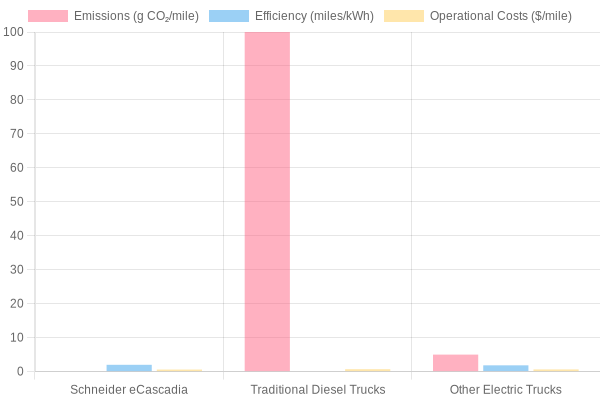
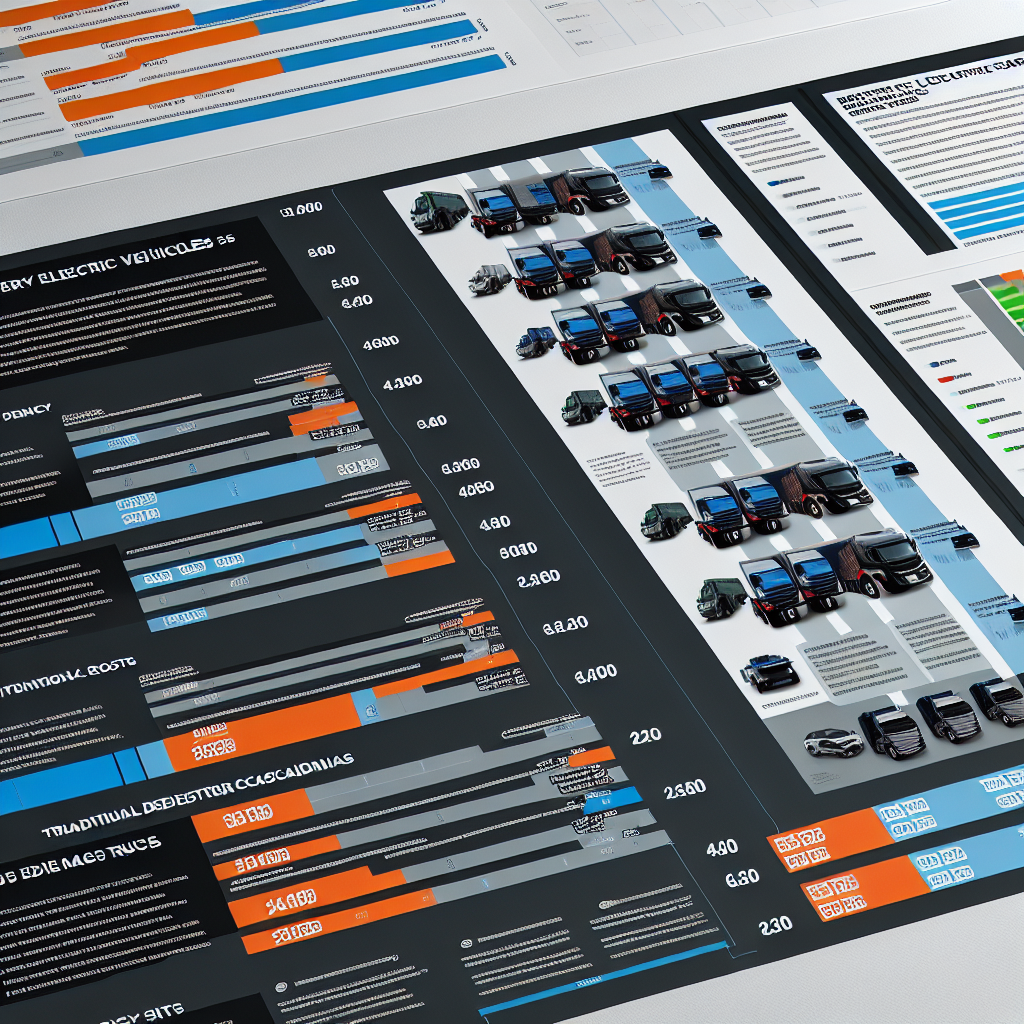
Comparative Graph of Truck Metrics: This graph visually represents the trends in emissions, efficiency, and operational costs for Schneider eCascadia, traditional diesel trucks, and other electric trucks, providing clearer insights into the performance of these vehicles in terms of sustainability and cost.
Sources:
- Schneider eCascadia emissions and efficiency data: investors.schneider.com
- Traditional diesel trucks emissions data: apnews.com
- Operational costs for electric and diesel trucks: camcexport.com