
Sponsorship cash is the lifeblood of off-road adventures, providing the support needed to drive your passion further. Off-road enthusiasts and adventurers, racers, and those who modify trucks all seek ways to secure financial backing, allowing them to explore new terrains and push their vehicles to the limit. The world of off-road trucks is vibrant and full of opportunities, yet the pathway to securing sponsorship can feel daunting. From established brands looking to partner with passionate adventurers, to leveraging social media’s vast reach, participating in thrilling off-road events, and forging collaborations with local businesses, there are multiple avenues to explore. This guide will delve into each of these strategies to help you not only survive but thrive in the enticing world of off-road sponsorship funding.
Brand Partnerships on the Open Trail: Securing Cash Sponsorships for Off-Road Trucks
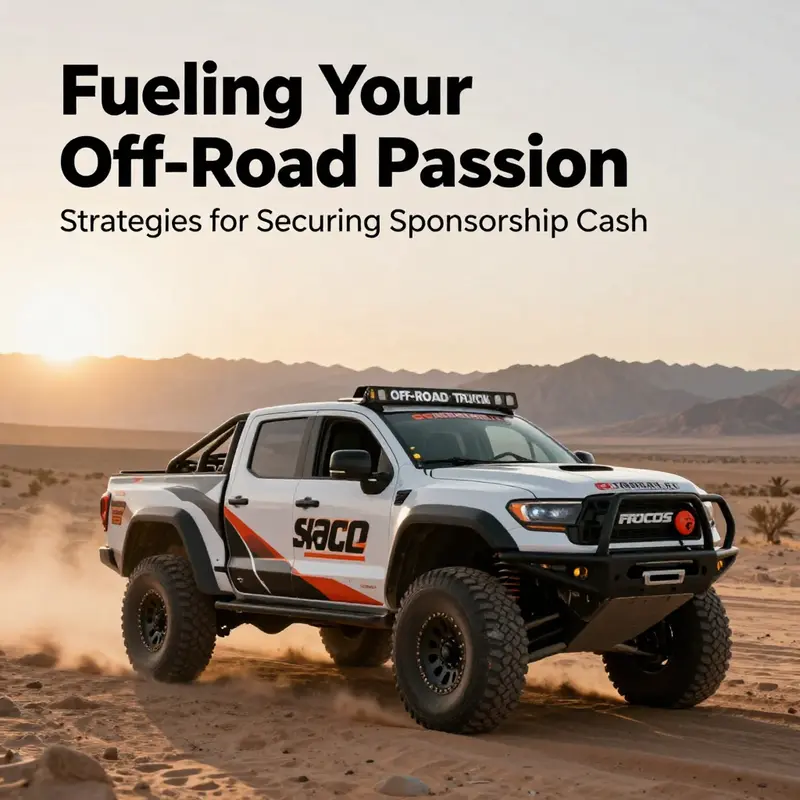
A successful sponsorship strategy for off-road trucks hinges on more than flashy visuals and a loud pitch. It rests on a clear, compelling story that aligns your team’s capabilities with a sponsor’s goals and a trackable return. The mindset is professional, the execution is disciplined, and the narrative you present is consistently reinforcing how collaboration creates value. In practice, this means shaping your brand not as a single event, but as a moving platform—one that travels, engages communities, and generates content that brands can map directly to their audience. When you view sponsorship as a long game rather than a one-off check, you begin to build relationships that endure through multiple seasons, different events, and changing market conditions. Off-road enthusiasts already understand the power of persistence; sponsorships are simply a process that translates that persistence into fuel, parts, and cash to propel your expedition forward.
Defining the brand you want to represent is the foundational step. Your off-road project or team should be positioned as unique and credible, with a narrative that goes beyond khaki-trimmed logos and glossy photos. Highlight the concrete achievements—whether you’ve earned top finishes, completed challenging terrain, or led community initiatives—that demonstrate skill, reliability, and ambition. You’ll also want a clear portrait of who follows you. Sponsors care about reach, engagement, and the willingness of your audience to act—whether that means showing up to events, purchasing gear recommended by your channel, or sharing a story with friends. Demographics, engagement rates, and audience sentiment collectively quantify the value you offer. The stronger your audience alignment with potential sponsors’ markets, the easier it becomes to articulate why a brand should invest in you rather than another team.
Research is a quiet force that amplifies your outreach. Look for brands that already invest in off-road, automotive, outdoor lifestyle, or rugged adventure segments. Do not chase every potential partner; instead, build a curated roster of candidates whose product categories intersect with your audience and your mission. Use professional channels—LinkedIn, industry forums, and event directories—to identify brands that have supported similar efforts. Gather basic data: who the brand is targeting, what audiences they care about, and how they measure success in sponsorships. This is not about guessing ROI; it is about demonstrating a credible pathway to measurable brand lift. A thoughtful research phase also helps you tailor your outreach so each sponsor sees a personal fit rather than a generic pitch.
The sponsorship proposal is where your storytelling becomes a publishable plan. Think of it as a compact business case that a sponsor can skim in a few minutes and then revisit with a deeper look. Start with a concise overview of your project or team, followed by specific goals—for instance, funding a national touring schedule or upgrading a critical portion of your vehicle for reliability. Include robust audience demographics and engagement metrics, such as social media followers, video views, event attendance, email subscriptions, and website traffic. The message should be concrete, not fluffy. Then spell out the sponsorship packages with a clear menu of benefits. These benefits typically include prominent logo placement on the vehicle and crew uniforms, recurring social media shoutouts, mentions in press releases, on-site branding at events, and access to exclusive or co-branded content. If your narrative emphasizes community impact or educational outreach, highlight opportunities such as product demonstrations at schools, public lands events, or service projects where the sponsor’s brand can be seen delivering real value.
Within the proposal, offer tiered sponsorship levels to simplify decision-making. A Platinum tier might include full vehicle wrap and top billing in media outreach, plus exclusive content and VIP access to events. A Gold tier could feature prominent logo placement, multiple social mentions per month, and branded merchandise. A Silver tier might cover logo inclusion on digital assets and regular mentions in newsletters. The tiered structure helps brands of different sizes engage without feeling boxed out, and it also creates a natural pathway for renewals and expansions over time. The language you use should emphasize partnership rather than transactional exchange. Position the sponsor as a co-creator of your journey, whose brand values align with your mission and whose investment accelerates your shared goals.
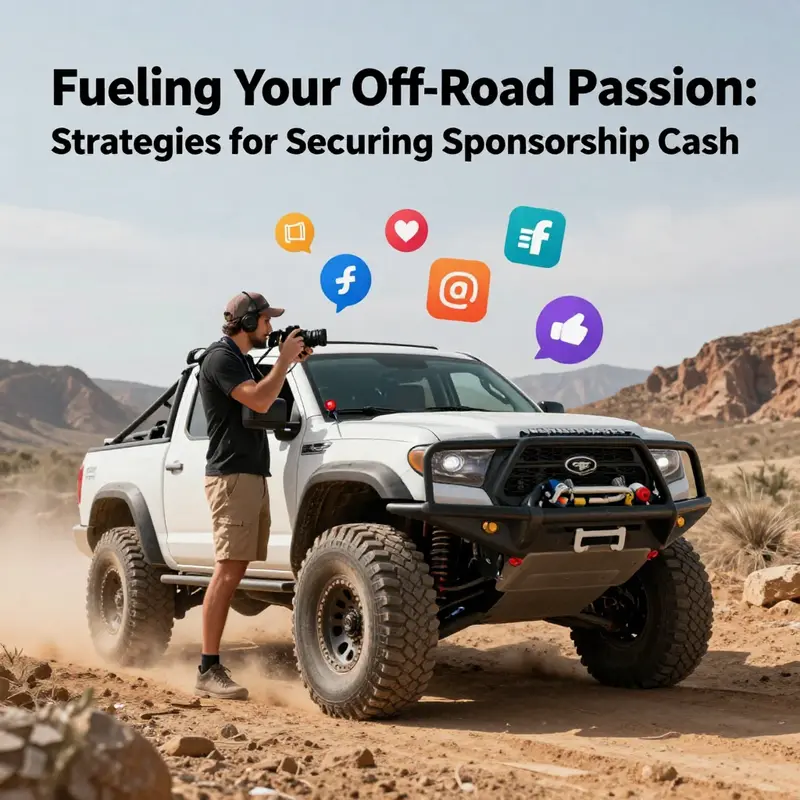
Digital and on-site visibility are not separate channels; they are two halves of a single, continuous story. On the digital side, plan a content calendar that features sponsor highlights in a way that feels authentic rather than ad-like. Short videos, behind-the-scenes clips, trail runs, and maintenance moments can all include sponsor logos and mentions in an integrated manner. Use platform-native formats and craft calls to action that invite the audience to engage—whether that means following the sponsor’s product journey, attending an event, or watching a new episode of your series. On-site exposure, meanwhile, should translate the sponsor’s visibility into tangible experiences. Consider signage at races, product demo zones, or test-drive opportunities where permitted. If you can, offer sponsors a live showcase or a co-branded activation that lets attendees interact with the product in a real-world setting. This combination of digital storytelling and physical presence creates multiple touchpoints for brand recall and audience engagement, increasing the likelihood of a sponsor’s long-term commitment.
Trust is the currency of sponsorship. Brands want to see evidence that you can deliver, not just promise. Build credibility by cataloging past successes, even if they are modest. A sponsorship history with smaller, local partners can be presented as a proof point for your reliability, consistency, and audience loyalty. Be responsive, transparent, and proactive in your communications. Provide sponsors with regular progress reports during campaigns and deliver post-campaign summaries that quantify exposure and audience impact. Case studies and testimonials from previous partners—anonymous if required—can fortify your credibility. The stronger your relationship-building skills, the more likely sponsors are to view you as a long-term collaborator rather than a one-season investment.
Partnerships are most durable when they grow beyond a single race or event. After a successful campaign, initiate renewal conversations well before contracts expire. Offer expanded roles that align with evolving sponsor objectives—perhaps extending digital rights, increasing on-site activations, or coordinating community events that feature their products or services. Demonstrating repeatable ROI is essential. It is not merely about a headline sponsorship; it is about measurable visibility, audience engagement, and a credible association with real-world, value-driven activities. A sponsor that sees sustained benefits will be more inclined to increase their investment over time, creating a virtuous cycle that sustains both your project and the partner’s marketing goals.
A practical, real-world reflection of this approach can be seen in how community-focused partnerships operate within the broad trucking ecosystem. Consider the kind of collaboration you might explore with a program that prioritizes charitable impact alongside brand visibility. A project such as Trucks for Change—Supporting Habitat for Humanity provides a useful touchstone for how brand collaboration can blend community service with corporate branding. This example demonstrates how a sponsor can gain meaningful exposure while also contributing to a worthy cause, reinforcing a positive brand image and deep audience goodwill. You can explore that model here: Trucks for Change: Supporting Habitat for Humanity.
Before you reach out, tailor your outreach message with care. Open with a succinct summary of who you are, what you’re trying to achieve, and why the sponsor’s product category is a natural fit for your audience. Move quickly to a data-driven rationale: your reach, engagement, and the specific assets you offer in exchange for support. Personalize each pitch to reflect the sponsor’s last campaign outcomes or stated marketing goals, and always include a clear, simple call to action. A professional outreach should read like a respectful invitation to collaborate—not a demand for money. Follow up with a short, data-backed update if you don’t receive an immediate reply. Persistence matters, but so does politeness and precision.
As you assemble your toolkit for sponsors, keep a few best practices in view. First, align your content with sponsor values and avoid misalignment that could undermine credibility. Second, provide transparent metrics from the start, including audience composition and geographic reach, so sponsors can forecast impact. Third, maintain an organized sponsorship kit with digital and print-ready versions of your proposal, a media one-sheet, and a portfolio of recent content that showcases the synergy between your team and potential brand partners. Fourth, safeguard compliance by respecting event rules, disclosure requirements, and any guidelines around logos, signage, or on-site activations. Sponsors appreciate partners who are easy to work with and who anticipate needs rather than creating extra friction at every turn.
Ultimately, the path to cash sponsorships in off-road trucking rests on a blend of storytelling, strategy, and reliable execution. It is less about chasing the biggest names and more about building a credible platform where brands see tangible value. The more you can demonstrate that your project amplifies audience reach, drives authentic engagement, and aligns with a sponsor’s strategic objectives, the more likely you are to secure meaningful support. In practice, this means combining the discipline of a well-structured sponsorship program with the energy of an adventurous community. It means presenting sponsors with a clear, measurable plan and then delivering on it with consistency, quality content, and on-the-ground professionalism. The result is a partnership that benefits your team’s capacity to compete and grow, while giving brands the exposure and association they seek in the off-road space.
External resource: for broader sponsorship strategies and success stories in sports and extreme events, you can consult Sponsorship.com at https://www.sponsorship.com.
null
null
Turning Mud into Money: Leveraging Off-Road Events for Sponsorship Funding
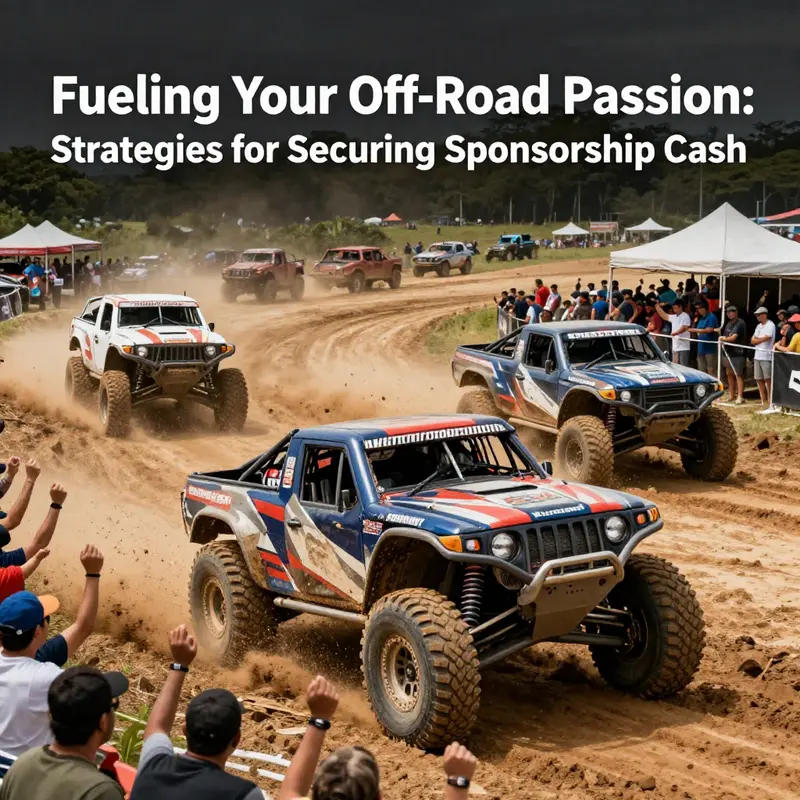
The road to sponsor cash in the world of off-road trucks runs through events. It is at races, rallies, and endurance challenges where visibility spikes, audiences form, and brands begin to see a partnership that feels less like a one-off ad and more like a shared mission. Off-road events are not just contests of speed or endurance; they are communities that gather around obstacles, camaraderie, and the shared language of durability. When approached with strategy, these events become catalysts for sponsor funding that can sustain travel, gear upgrades, and continued competition. The core idea is simple: perform consistently, tell a credible story through every mile, and present sponsors with a compelling case for investing in your journey as a living, mobile billboard and a driver who can move a brand forward in real, measurable ways.
Growing interest in off-road events across age groups and regions has made sponsorship conversations more dynamic. The events themselves attract more than local spectators; they generate social media ripples, highlight stories of determination, and showcase innovations in equipment and preparation. Sponsors are drawn not only to the spectacle but to the extended reach of a well-documented campaign. A strong presence at a recognizable event, paired with a professional approach to outreach, can unlock cash that covers travel, entry, safety gear, and maintenance, while also enabling deeper, ongoing collaborations that go beyond a single race. As these events expand in scale and visibility, they become a proving ground for sponsorship viability. A driver who can deliver consistent finishes and authentic content becomes attractive to funders who want a reliable channel for exposure and a narrative that resonates with audiences beyond the track.
To capitalize on this, a careful alignment between your goals and the event ecosystem is essential. Start by selecting events that fit your vehicle setup, terrain experience, and the communities you want to reach. High-profile endurance races, desert challenges, and cross-country rallies often boast larger sponsorship ecosystems because they pull in diverse audience segments—from local families and school groups to outdoor enthusiasts and regional businesses. The point is not to chase logos for every event, but to craft a credible, targeted story about why your team and truck are a good fit for a sponsor’s values and products. The right event becomes a stage where your track record, your community presence, and your media plan intersect with sponsor needs. Your credibility rests on two pillars: performance and professionalism. Performance is about the numbers—finishes, consistency, and reliability under pressure. Professionalism is about how you package, present, and deliver your outreach and on-site activations, from branding to post-event reporting.
Performance is more than speed. Brands want returns in the form of impressions, engagement, and positive sentiment associated with their values. A sponsor will look at your race results but also at your media reach, audience demographics, and your ability to articulate a clean value proposition. Build a simple, honest narrative around your journey: where you started, what you’ve learned, and where you’re headed. Your race diary becomes a living portfolio. Map each event to a clear sponsorship objective—brand visibility, youth outreach, or community engagement. Then translate that objective into concrete deliverables: a certain number of on-truck logo placements, a fixed amount of social content per event, or a media day for product storytelling. If you can demonstrate that your coverage is trackable—impressions, engagement rates, click-throughs, and regional reach—you make the sponsor’s ROI tangible rather than hypothetical.
The professionalism aspect extends beyond a one-page sponsorship pitch. It includes a polished media kit, a well-structured sponsorship deck, and a clear plan for activations. A compact, well-designed kit can be presented in minutes but should carry a narrative arc: who you are, what you’ve done, what you’re seeking, and what sponsors will gain. The deck should outline tiered sponsorship levels with concrete benefits at each level, from logo presence and naming rights for certain segments of the course to branded merchandise and on-site demonstrations. An effective approach is to propose a win-win activation that requires modest expense but yields meaningful exposure. For example, a sponsor might fund a dedicated on-site demo area, provide a safety and recovery gear package, or sponsor a post-race video series that lives on multiple platforms. Each activation should have a measurable goal and a clear method for reporting results back to the sponsor.
In practice, the path to securing sponsor cash through events relies on a blend of outreach discipline and creative, value-first ideas. Before you reach out, define your audience and your unique selling proposition. Who follows your truck, your team, and your content? What needs do those followers have that a sponsor can help meet? This is where content becomes content strategy. Off-road events provide rich material for stories: preparation rituals, mechanical challenges, on-site repairs, and the human elements of perseverance. Your content pipeline—pre-race build-ups, live updates, on-course action, and post-race reflections—should be designed with sponsor value in mind. Sponsors are often more interested in the impact of the overall package than in a single dramatic moment on race day. A steady rhythm of authentic storytelling—paired with high-quality visuals and consistent branding—builds lasting visibility and trust.
One practical approach is to treat events as the centerpiece of a broader sponsorship narrative rather than a standalone cash infusion. The event is the platform where multiple opportunities intersect: media coverage, community engagement, and brand alignment. For instance, you might intertwine your race schedule with charitable campaigns or community outreach that aligns with a sponsor’s values. A well-crafted sponsorship plan can include a charitable tie-in that resonates with public welfare initiatives, a model that appeals to funders who want to support more than a race and prefer to support programs that give back to communities. This approach increases the sponsor’s perceived social impact and broadens the pool of potential partners who see value in supporting a purpose-driven program.
The branding strategy in events should be thoughtful and deliberate rather than loud and ubiquitous. A clean, consistent look across the truck, apparel, and media materials helps brands recognize and remember your team. In the field, this means reliable logo placements, legible fonts, and a color scheme that complements sponsor identity without overwhelming the viewer. The on-site experience matters just as much as the on-track performance. A well-designed pit area or demo zone can become a sponsor-generated hub for engagement, where attendees try products, ask questions, and experience the story of your truck firsthand. The goal is to create micro-moments of brand interaction that accumulate into a larger, memorable impression over the season.
Community relevance is another powerful driver of sponsorship interest. When a team actively contributes to local events or charity projects in tandem with race participation, sponsors see a tangible link between racing action and community impact. For individuals and small teams, this approach can ensure that sponsorship feels sustainable and meaningful rather than transactional. It also helps build a narrative that can be extended beyond a single race, inviting sponsors to participate in ongoing campaigns that maintain visibility across the year. A practical example is featuring a community charity day in conjunction with an event, promoting a cause in parallel with the race presence. The combined message—toughness on the trail and commitment to others—resonates with sponsors looking for longer-term associations.
As your event strategy matures, direct relationships with event organizers become increasingly valuable. Organizers understand the marketing lift that a well-prepared team can bring to their events. By engaging early with organizers, you can explore official sponsorship packages and custom activations that align with the event’s goals. A professional ask, anchored by a proven track record, offers a credible path to securing cash support. Within this framework, consider also the value of cross-promotion with other teams or partners in the same event ecosystem. Collaboration can lead to co-branded content, shared activation space, and a more attractive package for sponsors who want to reach multiple audiences within a single event.
The personal-brand element should not be underestimated. A driver who shares authentic, engaging stories about the process of preparation, the challenges faced on the trail, and the learning curve of vehicle maintenance builds trust with audiences and sponsors alike. A strong personal brand translates into predictable engagement metrics, which sponsors crave when deciding how to allocate funds. Maintain a transparent, ongoing dialogue with sponsors. Share milestone updates, performance reports, and audience feedback. A sponsor should feel they are part of a living story rather than a one-time sponsor of a single race. The most enduring partnerships often emerge when teams demonstrate adaptability, reliability, and a consistent commitment to growth across seasons.
Event selection itself matters. Some events offer broader media reach or better alignment with a sponsor’s target demographics. The events you choose should complement your truck’s capabilities and your team’s narrative. A race that emphasizes endurance over top speed may suit sponsors who promote resilience or outdoor lifestyle products, while another event focusing on navigation or technical skill can align with sponsors that value precision and problem-solving. The best partnerships come from events where your performance and story harmonize with the sponsor’s brand values and audience expectations. In this way, sponsorship becomes a co-created journey rather than a one-sided grant, with both sides contributing to a compelling, shared narrative.
To illustrate the breadth of sponsorship opportunities tied to off-road events, consider the evolving sponsorship landscape in recent years. The appeal of off-road running and endurance events has grown, attracting sponsors from traditional outdoor and sports sectors and expanding into adjacent industries such as health and wellness, youth initiatives, and regional development programs. These shifts reflect a broader understanding: the off-road community represents a dynamic audience that values resilience, teamwork, and innovation. When a team demonstrates these qualities through consistent participation and measurable outreach, sponsors recognize the potential for lasting impact and value alignment. The result is a sponsorship model that can deliver cash support, in-kind resources, and meaningful collaboration across a season.
Ultimately, the key to turning events into sponsor funding lies in blending performance with a compelling outreach plan. Attend the right events, deliver consistent results, and ensure your media footprint tells a cohesive story. Pair this with a professional sponsorship package, clear activation ideas, and a transparent reporting approach. When a sponsor sees a credible future with your team—one where their products, values, and audience converge at every milestone—the cash investment becomes not only justified but mutually beneficial. The mud and dust of the track become a chorus of proof that your project is worth backing, with each mile reinforcing the case for continued support.
For teams looking to anchor their outreach in real-world examples, these approaches translate into practical steps. Start by compiling a season plan that maps races to dates, expected media windows, and target sponsor categories. Build a compact data packet detailing reach, audience demographics, and engagement metrics from your previous campaigns. Develop a tiered sponsorship framework, with clearly defined benefits at each level. Prepare activations that can be executed with modest resources yet deliver tangible sponsor value, such as on-site demos, co-branded storytelling, and consistent post-race coverage. When you frame every interaction as a chance to advance the sponsor’s reach and reputation, you create a compelling argument for cash sponsorship that integrates seamlessly with the grit, strategy, and momentum of off-road competition.
In the broader arc of an off-road career, events are the catalysts that transform ambition into legitimacy. They offer a stage where competitors, fans, and brands converge around shared passions. With disciplined outreach, a clear value proposition, and a narrative that persists beyond a single finish line, sponsorship becomes a sustainable resource rather than a one-off grant. The result is a practical, repeatable path to securing cash funding for travel, maintenance, and growth—one race at a time, one story at a time, until the sponsorship becomes as durable as the truck and as enduring as the road itself.
Trucks for Change: Supporting Habitat for Humanity
External resource for broader context: sponsorship dynamics at scale in off-road events are illustrated by public announcements of major race-backed funding initiatives. See the official announcement detailing sponsorship support for a large urban off-road race in 2026, which demonstrates how public and private partners engage to promote community health and grassroots sports development: https://www.csl.gov.cn/zhengce/2026/02/04/guangzhou-100-offroad-race-sponsorship.html
Local Ties, Big Sponsorship: How Community Collaborations Fund Off-Road Truck Ventures
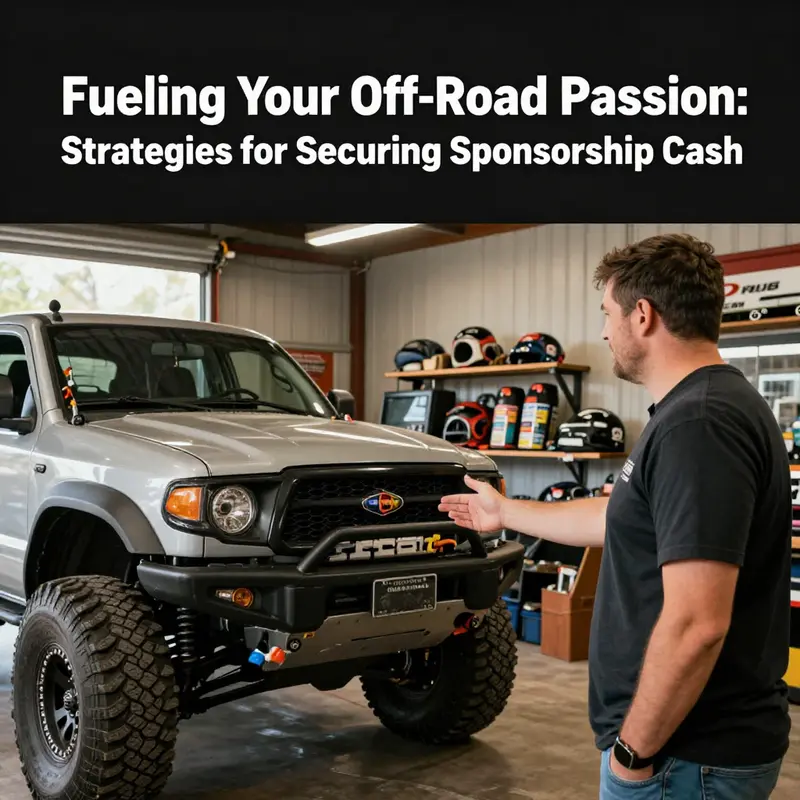
Sponsorship cash for off-road trucks often arrives through the back door of local relationships before it ever enters through formal programs. The busy lanes of the backcountry, the grit of a desert race, or the bustle of a regional show all create opportunities for community businesses to see visible value in supporting a sponsorable project. The core idea is simple: align your rugged, authentic story with a community that shares a stake in the region’s identity and in the audience that follows off-road life. When done thoughtfully, these collaborations feel less like a cash handout and more like a joint venture that expands everyone’s reach. A strong local collaboration does two things at once. It gives you the resources needed to upgrade equipment, maintain the truck, and keep competing at a higher level. It also gives the sponsor a clear, trackable pathway to exposure and a tangible point of contact with an engaged, passionate audience that is often overlooked by bigger, national campaigns. In practice, the strategy unfolds as a narrative of mutual advantage built on trust, clarity, and consistent follow-through.
The first move is not to draft a flashy letter and hope for a quick signature. It is to map the local business landscape with the eyes of a sponsorship manager who has seen dozens of pitches that miss the mark. Start by listing enterprises that already serve the community you race through or feature customers who care about outdoor adventures, maintenance, or rugged reliability. Auto repair shops, independent tire retailers, specialty toolshops, local fuel stations, outdoor gear stores, and regional tourism boards emerge as natural partners. Each of these businesses has a daily, tangible reason to connect with off-road audiences: a steady stream of potential customers who trust hands-on expertise and real-world testing. When you approach them, present a story rather than a product list. Explain what your truck represents, what your team stands for, and how the sponsorship will translate into visible, credible messaging that resonates with their customers. This is not about selling a single feature but about selling a shared experience that they can proudly align with in their storefronts, social channels, and community events.
The value proposition you present should be concrete and specific. The sponsorship should be framed around defined advertising space on the truck, explicit social media mentions, and opportunities for appearances at shop events or local gatherings. The more you can specify, the more compelling the offer becomes. A practical approach is to outline a one-page media kit that details not only where branding will appear on the vehicle but also how often the truck will appear at events, how many social posts will accompany each appearance, and what kind of post-event content will be produced. The kit should also translate into a simple, understandable reach metric: estimated impressions within the local community, consistent engagement from a dedicated audience, and the potential for repeat exposure across multiple channels. Even if your reach is modest by national standards, explain how a local sponsor can expect repeat visibility during peak season and the chance to become the go-to name for people who admire the truck’s story and the team behind it.
An essential element of the local collaboration is the dynamic between branding and storytelling. Local businesses are more likely to invest when they feel personally connected to the project. The partnership becomes a narrative of shared values: resilience, hands-on problem solving, and the joy of tackling demanding terrain with a reliable machine. In communications, emphasize authenticity and stewardship. Show how the sponsor’s support will enable regular maintenance, better safety upgrades, and more ambitious adventures that draw public interest to the region. When you share content, use a balanced mix of on-truck branding, behind-the-scenes maintenance footage, and candid interviews about challenges and fixes. The story sells itself best when it is honest and grounded in real experience rather than glossy hype. You can strengthen this with a simple, ongoing communication cadence: monthly updates with photos from events, quarterly performance summaries, and annual reflections on how the partnership improved both the truck’s readiness and the sponsor’s local footprint.
To illustrate how such collaborations can mature, consider a scenario built around three pillars: branding, community access, and content creation. Branding is about clear, legible logos and a defined placement plan on the truck that avoids clutter while ensuring visibility in photo and video captures. It also includes logo placement on social media banners and in event banners when the truck appears at local venues. Community access means the sponsor gains a direct line to customers at shop events, product demonstrations, or charity drives, turning the sponsor into a visible participant in the local off-road ecosystem. Content creation takes the form of driving narratives, repair diaries, and field tests that showcase the reliability of the sponsor’s environment while delivering compelling, shareable material for the sponsor’s channels. The synergy is powerful because each aspect feeds the others: excellent branding invites engagement, community access elevates credibility, and compelling content expands reach beyond the immediate locale. This is how a local collaboration becomes more than a donation; it becomes a brand-building, loyalty-generating engine for the partner.
The practical technique of proposal crafting matters a great deal in these local contexts. Keep proposals concise, but precise in what you offer and what you ask for in return. A typical proposal might include five elements: a description of the project and its goals, a map of advertising placements on the vehicle, a social media plan with a set number of posts per month, a schedule of appearances at events or in-store demonstrations, and an outline of the metrics you will report back. These metrics should be as concrete as possible. Track impressions from local social posts, note engagement rates, document event attendances, and collect qualitative feedback from customers who interact with the truck at sponsor-hosted activities. Importantly, propose a simple agreement that respects the sponsor’s time and budget. A modest, well-structured contract that covers branding rights, usage window, and a schedule of deliverables helps prevent misunderstandings and builds trust for future rounds of funding.
Another critical thread is the culture of ongoing relationship-building. Sponsors in local markets typically favor partners who communicate with honesty and reliability over those who promise dramatic gains but deliver little. A proactive cadence of updates helps. Share post-event photos, publish a short video recap, or prepare a one-page quarterly report showing how the sponsorship translates into tangible gains for the shop or retailer, whether that’s increased foot traffic, higher tips for staff during demo days, or more inquiries about services. Relationships often extend beyond a single campaign. A sponsor may be inclined to reinvest if they see long-term value, such as consistent participation in annual community events or a growing library of sponsored content that remains aligned with both brands’ identities.
In converting local collaborations into cash sponsorship, the approach balances humility and ambition. You win by proving you can offer reliable exposure and cooperative, community-centered energy. You win by demonstrating that the truck is a platform for storytelling that resonates with people who care about the region. And you win by keeping the business owner involved in the narrative: inviting them to share their expertise in a shop video, featuring their team in a behind-the-scenes segment about maintenance, or inviting them to participate in a local event where the truck is showcased. In short, sponsorship should feel like a partnership rather than a transaction. If the process feels transactional, it undercuts the authenticity that makes off-road culture compelling in the first place.
As you build this approach, you may find it valuable to learn from established community-driven sponsorships. A real-world reference, for instance, demonstrates how a local, people-first model can scale while preserving integrity. For a broader industry perspective shaped by community sponsorships in off-road racing contexts, see the external resource linked at the end of this chapter. And to see a concrete example of a local partnership in action, you can explore a case focused on community-driven campaigns that align a regional business with a traveling truck project. Trucks for Change — Supporting Habitat for Humanity. This narrative shows how a local project can become a platform for charitable engagement while delivering meaningful visibility for sponsors. It isn’t a blueprint for every situation, but it illustrates how authenticity and consistent effort can translate into sustained support from nearby businesses.
Across the board, the underlying philosophy is clear. Local collaborations succeed when they translate a sponsor’s desire for visibility into a tangible, community-centered experience. The truck becomes a moving billboard that also acts as a mobile ambassador for the sponsor’s values. The events and content generate real conversations with real people, and those conversations become a resource for both the sponsor and the driver. This mutual usefulness is the heart of cash sponsorship in the off-road space. It requires structured outreach, clear value propositions, and a dedication to ongoing communication that respects the sponsor’s time while offering a dynamic, story-rich platform for authentic engagement. When you blend these elements with steady maintenance, a thoughtful content calendar, and a genuine willingness to grow alongside your regional partners, you create a sustainable path to sponsor funding that feels less like begging and more like building a shared future. The road to funding through local collaborations is not a shortcut; it is a route built on trust, service to the community, and a compelling narrative that invites business owners to become co-pilots in a larger adventure.
External resource for broader industry context: https://www.sportingnews.com/us/sports/other/article/local-business-sponsorship-off-road-racing-2024/167854
Final thoughts
Embarking on the quest for sponsorship cash for off-road trucks is not only about funding but about building partnerships, creating community, and showcasing your passion. With established strategies, from brand partnerships to leveraging social media, participating in events, and collaborating with local businesses, the avenues for financing your off-road endeavors are numerous. By applying these insights and driving your passion, you can create compelling narratives that lure in potential sponsors. The world of off-road adventure awaits; now go out, gear up, and secure your sponsorship today!