
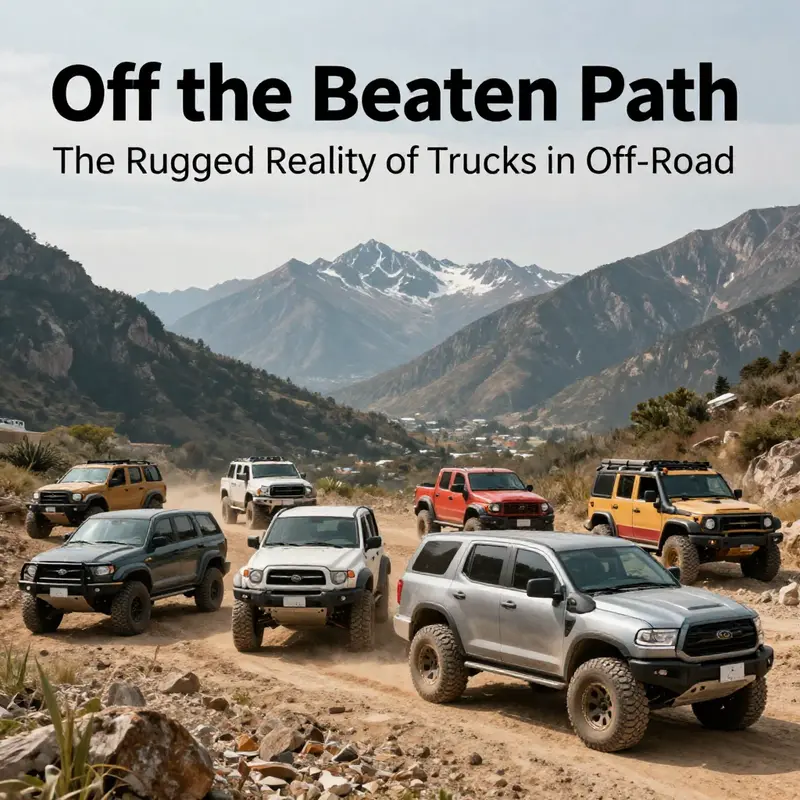
For adventurers, farmers, and motorsport enthusiasts, the question of whether trucks are good off road extends beyond simple capability; it uncovers the essence of hardiness and performance. Trucks are not just about taking the standard road; they are engineered for delivering thrilling escapades into the wilderness. As we dive into their various attributes, we’ll explore their robust off-road designs, evaluate how they perform on diverse terrains, discuss their economic implications within the automotive world, and forecast the exciting technological advancements paving the way for future off-road trucks. Buckle up, as this journey is as much about the rugged terrain we navigate as it is about the vehicles that dare to conquer it.
Masters of Rough Terrain: Unleashing the True Off-Road Potential of Trucks

Trucks have long been celebrated for their ability to traverse unforgiving landscapes, tackle steep inclines, and conquer obstacles that leave many vehicles in the dust. In the realm of off-roading, certain trucks stand out as the undisputed champions of rugged terrain. These machines are not only built to survive punishing conditions but are also engineered with precision to deliver performance, durability, and reliability for enthusiasts and professionals alike.
The evolution of truck design over the years has been marked by continuous refinement in both structure and technology. Modern off-road trucks blend raw power with advanced engineering. Manufacturers invest countless hours to enhance suspension systems, optimize wheel articulation, and reinforce every critical point of the frame. Notably, the specialized variants of popular models provide not only high-speed performance on almost inhospitable surfaces but also robust support for heavy-duty tasks. The intricate balance between comfort and functionality distinguishes a true off-roader from a mere road warrior.
Take, for instance, the celebrated performance seen in iconic models such as the F-150 variants. These trucks encapsulate the spirit of off-roading; every bolt and bracket plays a role in ensuring that the vehicle remains steady on rocky ascents, in deep mud, or on unforgiving desert tracks. Engineers have dedicated significant effort to enhance ground clearance, which in turn optimizes the angles of approach and departure. This is crucial when dealing with obstacles that could otherwise cripple less prepared vehicles. Complementing this, updated control arms and a series of shock absorbers maintain consistent traction, even when the terrain is littered with debris or sudden drops.
Beyond the high-performance F-150 models, heavy-duty trucks such as the Ford Super Duty and Ram Power Wagon have carved a niche among off-road aficionados. These trucks integrate heavy-duty suspension systems and innovative axle designs to manage severe conditions frequently encountered during demanding activities, whether it’s hauling heavy loads or navigating the erratic surfaces of remote trails. Their design generally features reinforced frames, electronic locking differentials, and skid plates that shield key components from damage. Each of these enhancements plays an indispensable role in maintaining the integrity of the truck when subjected to the full force of nature.
These technological advancements are not only evident in pickup trucks used for personal or recreational off-roading. In the industrial realm, specialized configurations, such as those found in the Howo Crank trucks, elevate performance to a whole new level. The Howo Crank, with its 6×4 configuration, exemplifies how design can meet the demands of heavy-duty applications. Its three-axle design provides added stability and improved weight distribution, which is essential when traversing construction sites or rugged mining areas. Although handling such a truck requires skill and finesse, the benefits in terms of traction and power output are undeniable. Its high towing capacity and enhanced stability make it a go-to choice in environments where reliability is paramount.
The world of off-road trucks has also taken an interesting turn with the advent of remote-controlled (RC) 4×4 models. While these miniatures do not replace full-sized vehicles on challenging terrains, they offer a unique perspective on the principles of off-road dynamics. Built for controlled stunts and testing driving techniques on diverse landscapes, these RC trucks rely on power supplied by nitro or gas-powered engines. Although they lack the sheer brute force of their larger counterparts, they simulate off-road challenges in scaled-down versions, offering enthusiasts a sandbox in which to refine their skills. This blend of recreational fun and educational value further adds to the tribe of off-road aficionados.
The distinction between off-road trucks and regular crossovers is stark. Many modern crossovers may offer all-wheel drive and enhanced traction control, but they are often designed with urban driving and fuel-efficiency in mind. These vehicles are well-suited for light gravel roads or moderate winter driving conditions. However, when pressed into service on steep, unpredictable terrains, their lower ground clearance and less aggressive suspension systems come into obvious conflict with the demands of rigorous off-road performance. The focus on comfort and economy invariably limits their capability in intensive off-road scenarios.
In contrast, trucks that excel off road are meticulously engineered with features that provide superior handling on uneven surfaces. Every element of these vehicles, from the tires to the drivetrain, is selected to maximize grip and control. Reinforced skid plates shield the undercarriage from rocks and other abrasives, ensuring that even in rocky conditions, the vital components remain intact. This emphasis on durability and protection is a testament to the rigorous testing and engineering that goes into every model designed for adventure. Whether it is muddy trails or sandy dunes, these trucks consistently prove their mettle by offering robust performance.
The emphasis on off-road capability is not merely a matter of aesthetics or marketing; it represents an ongoing commitment to safety, reliability, and functionality. Designers are constantly seeking new materials and configurations to enhance performance. For example, lighter yet stronger alloys are being used judiciously to reduce overall weight without compromising strength. Innovations in electronic stability systems allow drivers to maintain control even when faced with sudden shifts in terrain or abrupt changes in weather conditions. These developments contribute significantly to the overall safety of the vehicle, making off-road journeys less about balancing risk and more about enjoying the thrill of exploration.
Moreover, the legacy of off-road trucks is increasingly intertwined with sustainability and technological innovation. While traditional internal combustion engines continue to power many heavy-duty trucks, the industry has seen a notable increase in the development of electric off-road trucks. These electric models promise near-instantaneous torque delivery, an essential trait when quick responses are needed on rocky trails. In addition, they offer reduced emissions and lower operating costs over time, making them an attractive option for modern fleets concerned with environmental impact. Recent advancements in battery technology coupled with high-torque electric motors have given rise to models that do not sacrifice durability for efficiency.
It is interesting to note how some of these electric trucks find their niche in industrial applications, particularly in sectors like mining and construction. When off-road performance meets sustainability, the result is an innovative vehicle that can tackle both rugged terrain and strict environmental guidelines. The benefits of these trucks extend beyond the thrill of off-road adventures, playing significant roles in supporting sustainable industry practices. Such innovations represent a promising future for trucks that can do more than just transport goods; they actively contribute to building a more sustainable world. For a closer look at these emerging trends, one might explore the intriguing developments highlighted in Volvo’s Electric Construction Equipment Revolution which offers insights into how traditional heavy-duty industry standards are evolving.
Many enthusiasts appreciate the tactile feedback provided by these trucks. The engineering excellence of off-road vehicles lies not only in their performance metrics but in the experience they deliver. Every shift of the terrain, every bump over a hidden rock, is managed by finely tuned systems that reassure drivers their machine is built to withstand extremes. This integration of mechanical fortitude with sophisticated electronic aids transforms the ride into an engaging, almost intuitive interaction between man and machine. Drivers become intimately connected with their truck, understanding how to respond to changes in terrain with precision. The result is a synergy that enhances both control and the sheer pleasure of off-road exploration.
In terms of handling, modern off-road trucks exhibit a unique blend of agility and strength. This is especially evident when comparing these trucks with modern crossover SUVs. While crossovers are built with everyday convenience in mind, true off-road trucks demand more from their design. Every aspect is scrutinized under the harshest conditions, ensuring that even in the face of obstacles, the vehicle remains resolute. The reinforced suspension systems, advanced traction control, and rugged tires work in unison to mitigate the effects of uneven surfaces. Even when facing steep gradients, drivers can rely on the consistency provided by these vehicles. This reliability is what has cemented the truck’s status in the world of off-roading.
It is clear that for anyone serious about off-roading, the choice of vehicle is paramount. The differences between vehicles designed for harsh, off-road conditions and those built primarily for urban mobility are stark. Off-road trucks are imbued with an enduring sense of purpose, their every feature thoughtfully designed to empower drivers to push boundaries. This isn’t simply about reaching a destination; it is about experiencing the journey in a way that is unmediated by compromise. Every improvement—from robust frames to specialized drivetrain options—signals an unwavering commitment to performance that makes these trucks more than just machines; they become essential partners in adventure.
The allure of off-road trucks transcends mere engineering prowess—it is a celebration of human ingenuity and the spirit of exploration. Throughout decades of design evolution, enhancements in truck architecture have consistently demonstrated that with the right combination of mechanical innovation and precise engineering, even the most forbidding terrains can be tamed. The narrative of off-road trucks is one of constant improvement, driven by both market demands and the innate desire to push the limits of what is possible. As technology continues to evolve, drivers can expect even more refined capabilities that enhance safety, durability, and overall performance.
While the journey of off-road vehicles continues to unfold, each new model builds on the successes of its predecessors. The blend of raw power and nuanced engineering is a hallmark of these trucks. It is not simply about delivering torque and horsepower; it is about creating a holistic experience that marries modern technology with rugged reliability. With every revolution of the wheels, off-road enthusiasts are reminded that these vehicles are built for more than just straight highways—they are built for adventure. The compelling design choices reflect an engineering philosophy that prizes not only strength but also thoughtful innovation, where each component is optimized for the unique demands of off-road environments.
As the off-road market evolves, an increasing number of manufacturers are aligning their strategies with sustainability goals. Electric and hybrid off-road trucks are beginning to emerge alongside traditional models. This evolution is driven by the need to reduce environmental impact and respond to more stringent regulatory frameworks without compromising on performance. The advantages of electric motors in off-road conditions are significant, thanks to their ability to deliver high torque instantly. Trucks powered by electric systems require fewer moving parts and thus often exhibit lower maintenance requirements despite the intensity of off-road driving. This means that the experience of navigating rough terrain becomes even more accessible and cost-effective, opening up possibilities for a broader range of users who might otherwise be limited by operating expenses or environmental concerns.
In the end, the concept of a truck designed for off-road capability is a celebration of functionality intertwined with passion. These machines are designed to push the boundaries of what is possible while ensuring the safety and reliability that every driver expects. The intricate balance between performance and durability offers more than utility—it provides an immersive experience that connects drivers with the raw beauty of nature in its most formidable form. Each climb, each descent is a testament to the relentless pursuit of engineering excellence, turning every obstacle into an opportunity for adventure.
The story of off-road trucks is one of continuous innovation and adaptation. Just as the terrain evolves, so too does the technology that drives these magnificent machines. The rugged exterior is matched by an equally capable inner workings that handle the complexities of off-road navigation with finesse. This ongoing dialogue between design and functionality ensures that the trucks of tomorrow will build on the strengths of today, steering into a future where environmental concerns and performance are no longer mutually exclusive. The journey is far from over; it is only set to accelerate as new materials, powertrains, and design philosophies converge to redefine what a truck can achieve in the wildest conditions.
For those who view off-roading as more than just a hobby, these trucks represent a commitment to living life without boundaries. They embody the spirit of adventure and the courage to explore realms where few dare to go. As engineers and designers continue to draw inspiration from nature’s most challenging landscapes, the promise of safer, stronger, and more capable vehicles remains a steadfast goal. Driven by an unyielding passion for performance, the off-road truck is a symbol of human resolve to overcome every barrier and chart new paths in even the most unforgiving environments. For additional technical insights and verified performance details, readers may visit the Ford F-150 Official Site.
In this ever-evolving domain of truck engineering, every mile driven on unpredictable terrain is a testament to innovation and resilience. The narrative is not just about surviving the journey; it is about thriving in conditions where many others falter. The careful engineering behind each model stands as proof that with dedication and ingenuity, technology can meet nature head on. Whether powering up steep hills, navigating rocky paths, or crossing vast stretches of challenging landscapes, off-road trucks continue to set benchmarks for performance and endurance.
The spirit of off-roading is alive in every aspect of truck design. With a focus on performance, durability, and technological advancement, these vehicles keep pushing the envelope on what is achievable. The integration of new energy sources alongside traditional powertrains represents a truly transformative period in the off-road trucking world. As drivers shift gears and take on formidable challenges, they do so in vehicles that are the product of relentless innovation and an uncompromising dedication to quality. Every journey taken on rough terrain reinforces the undeniable truth that these trucks are not just machines—they are partners in adventure that capture the essence of free, unbridled exploration.
Dominating Difficult Terrains: Unraveling the Off-Road Prowess of Modern Trucks
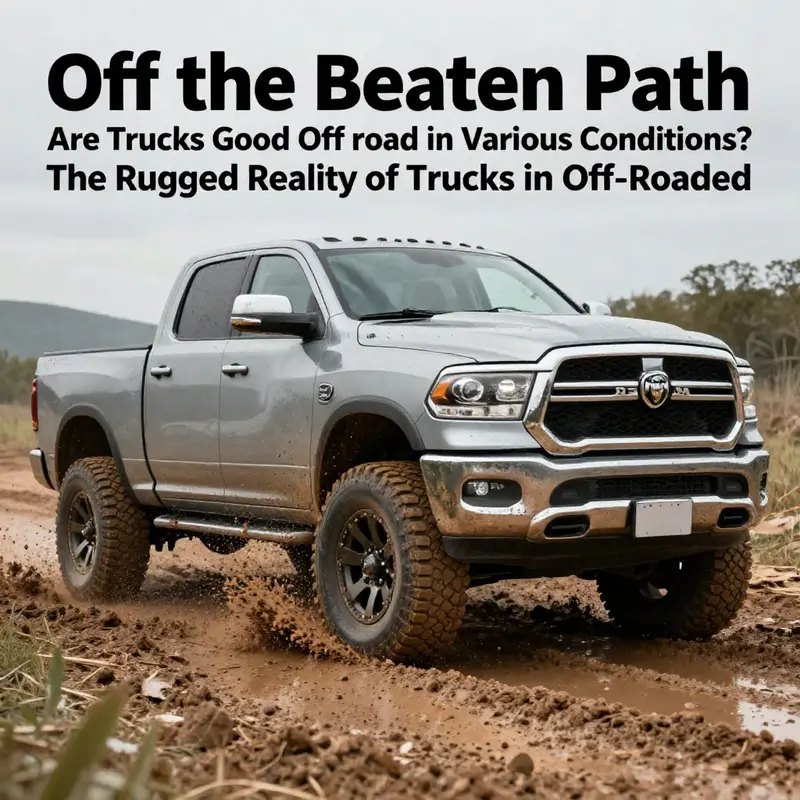
When considering whether trucks are good off road, it is essential to examine not only their impressive powertrains and robust construction but also the way these vehicles interact with an unpredictable and often unforgiving natural environment. In the world of off-road travel, trucks have long stood as the workhorses of adventure, engineered to traverse terrains filled with obstacles and challenges that would leave conventional vehicles stranded. At the heart of this discussion lies an exploration of the design innovations and engineering expertise that allow modern trucks to harness raw power, resilient suspension systems, and specialized features that improve traction on muddy trails, maintain stability on rocky paths, and achieve admirable speed on sandy deserts.
The evolution of the off-road truck can be traced back to a time when utility and durability were prioritized over comfort and efficiency. Traditionally, trucks have been built for work, whether that means hauling heavy loads or navigating construction sites, yet over time, the demand for off-road excursions ignited a transformation. Manufacturers began to focus on the intricate relationship between vehicle dynamics and off-road capabilities. Today’s trucks, including variants like performance-oriented models and heavy-duty off-road machines, incorporate sophisticated systems that optimize suspension travel, reinforce chassis structures, and maximize ground clearance. Such features ensure that these vehicles not only survive rough terrain but actively conquer it.
One can compare the advanced engineering of off-road trucks with the precision required in balancing motion resistance. In any scenario, trucks must overcome both external obstacles and internal mechanical constraints. Over rugged landscapes, every aspect of a truck’s design is tested – from the friction between its tires and the ground to the suspension’s ability to absorb shocks from uneven surfaces. Even seemingly minor details, like the choice of tire tread pattern or the firmness of the shock absorbers, can greatly influence performance. These factors allow modern trucks to push through soft soil, avoid stalling on steep inclines, and maintain momentum in areas where typical vehicles would be slowed by mud or loose gravel.
Integral to the performance of off-road trucks is the intelligent terrain classification that many manufacturers have integrated into vehicle systems. This approach goes beyond the conventional one-size-fits-all methodology of vehicle design. Instead of treating the environment in binary terms – passable or impassable – modern trucks assess various surfaces and conditions, assigning risk factors and adapting their behavior accordingly. For example, a truck might analyze the softness of a mud patch and decide to engage traction control systems that distribute torque more evenly or adjust the suspension settings to enhance stability. It is this capacity for dynamic adjustment that sets off-road trucks apart from their on-road counterparts.
Delving deeper into the mechanics of these machines, it becomes clear that the two primary factors influencing a truck’s ability to generate effective thrust are the power output of the engine (or motor in the case of electric variants) and the shear strength between the tires and the terrain. Manufacturers have learned that the best off-road performance arises when these two qualities are not only present but finely balanced. Consider a heavy-duty truck engineered for mining or construction; such vehicles often feature enhanced drivetrain systems that supply high torque even at low speeds, a critical advantage when dealing with the unpredictability of rough surfaces. With specialized equipment like electronic locking differentials and disconnecting sway bars, these trucks can adjust their handling behavior to overcome obstacles like steep grades and rocky inclines with remarkable ease.
Modern advancements in truck technology now introduce electrification into the mix, offering both environmental and performance benefits. The introduction of electric drivetrains into heavy-duty off-road trucks is more than a nod to sustainability; it is a leap forward in providing instant torque and precise power modulation. These capabilities are particularly important in industrial applications, where trucks are expected to function under constant heavy loads and adverse environmental conditions. Electric trucks bring new possibilities for drivetrain efficiency and reduced emissions while delivering the same rugged reliability as their diesel-powered predecessors. The rapid evolution of electric technology is highlighted by projects in industrial sectors, as shown by the innovations in electric construction equipment. For those interested in detailed insights into revolutionary developments in off-road and industrial vehicles, the discussion in this article is complemented by an excellent overview found in a recent piece on the revolution in electric construction equipment.
The true test of an off-road truck’s capabilities is its performance across a myriad of terrain types. Each environment poses its own unique challenges. In muddy conditions, for instance, trucks must maintain sufficient ground clearance while generating ample traction to avoid getting bogged down. This is where high-torque engines and specialized tire treads become essential. Mechanical enhancements, such as reinforced frames and advanced suspension systems, allow trucks to absorb the irregularities of challenging terrains, ensuring the vehicle’s body remains stable even as the wheels climb over obstacles. Meanwhile, in sandy environments, low tire pressures and distributed weight help prevent tires from sinking too deeply, making it easier to propel the truck forward. Similarly, rocky terrain demands superior shock absorption and carefully calibrated suspension geometries that reduce the risk of damage when encountering protruding stones or uneven surfaces.
Beyond the technical metrics of engine performance and suspension design, the strategic integration of safety systems further distinguishes off-road trucks. Modern models incorporate advanced traction control and electronic stability programs designed to maintain control even on treacherous slopes. These systems operate in tandem with the truck’s mechanical components to prevent wheel slip and optimize force distribution across the vehicle. In scenarios where sudden environmental changes occur – such as unexpected weather shifts or sudden obstacles – the truck’s onboard computers monitor sensor data in real-time and adjust parameters to maintain balance and control. This level of integration between technology and hardware illustrates the intricacy of modern truck design and its dedication to providing a stable, secure off-road experience for drivers.
The versatility of off-road trucks is another cornerstone of their appeal. These trucks are not designed for a single purpose; they must serve multiple functions on work sites, in recreational settings, and across industrial applications. In the commercial sector, heavy-duty trucks have become essential in mining, construction, and long-haul freight operations. Their rugged build and powerful engines allow them to haul heavy loads while still being nimble enough to navigate makeshift roads and undeveloped paths. This dual capability has opened up new avenues for industries where off-road performance is not merely a bonus but a critical requirement. Whether for transporting materials through uneven manufacturing sites or for aiding in emergency response operations in remote locations, these trucks are built to excel under extreme conditions.
In recreational off-roading, enthusiasts prize trucks for their ability to access remote destinations where paved roads end. Off-road excursions often require traversing landscapes that are unpredictable and varied, ranging from soft, rain-soaked mud to dry, shifting sand dunes. Each of these terrains demands a tailored approach to driving, and off-road trucks are equipped with features that adapt in real-time to the conditions. The sophisticated interplay between design and environmental response is a prime example of engineering meeting necessity—a union that empowers drivers to explore wild, uncharted territories without the typical constraints of conventional vehicles.
Notably, the intersection of technology and off-road engineering has spurred innovations that extend beyond purely mechanical improvements. Some modern off-road trucks come equipped with integrated camera systems, GPS-supported terrain mapping, and sensor arrays that provide the driver with constant feedback about the vehicle’s surroundings. These technological enhancements facilitate both manual and autonomous driving modes, offering invaluable assistance in conditions where split-second decisions are required. The result is an off-road experience that transitions smoothly between human intuition and machine precision, expanding the potential for off-road trucks to achieve higher levels of performance and safety.
At the interplay of high-torque power delivery and environmental intelligence lies the concept of risk mitigation. Off-road trucks are designed with an acute awareness of the challenges inherent in rough terrain. Engineers often incorporate adjustable ride-height systems that allow the driver to change the stance of the vehicle based on the demands of the current trail. This ability to adapt is crucial, as it provides both a tactical advantage in unforeseen circumstances and a comfort level that instills confidence in the driver. In commercial vehicles used for demanding industrial purposes, such adaptability is not optional – it is a survival mechanism in environments where the safety of both the vehicle and its occupants is paramount.
The success of off-road trucks ultimately rests on the comprehensive synergy between design, power, and adaptability. Each component, whether it is the mechanical robustness of the chassis, the innovative design of the suspension, or the sophisticated sensor systems monitoring vehicle stability, plays a key role in ensuring that trucks meet and exceed the demands placed upon them. Engineers and designers work tirelessly to ensure that every element is calibrated to perfection so that the vehicle maintains maximum performance regardless of the challenges it faces.
The journey of a truck over challenging landscapes can be likened to navigating a complex puzzle, where each piece—the terrain, weather conditions, and vehicle configuration—must align perfectly for successful traversal. Trucks that are good off road are quickly distinguished by their ability to seamlessly integrate these elements into a harmonious performance. Their design philosophy emphasizes versatility, ensuring that the vehicle remains effective across a broad spectrum of conditions. From rocky climbs and deep mud to the shifting sands of a desert, such trucks not only endure but thrive in conditions where most vehicles would falter.
For many prospective buyers and enthusiasts, the decision to embrace an off-road truck is rooted in a desire for both adventure and practicality. These vehicles offer a rare blend of rugged resilience with everyday utility. Whether used for work, leisure, or industrial applications, an off-road truck embodies a commitment to excellence in design and performance. It represents the intersection of traditional engineering principles and modern technology—a confluence that boosts driver confidence and ensures reliable operation even in the harshest environments.
While performance on varied terrain is a primary focus, off-road trucks also must contend with regulatory and environmental challenges. Emission standards and sustainability considerations have influenced the evolution of the truck industry. In response, manufacturers are increasingly looking at ways to integrate eco-friendly technologies without sacrificing performance. Here, electric drivetrains play a dual role by significantly reducing harmful emissions and by supplying immediate, high torque levels that are crucial for tackling difficult terrain. These innovations signal a broader trend towards more sustainable yet powerful off-road trucks. In doing so, they prepare the market for a future where efficiency and rugged performance are not mutually exclusive.
In addition to industrial and recreational considerations, modern off-road trucks are steering toward user-centered enhancements that streamline operation and maintenance. Digital interfaces that provide real-time diagnostics offer insights into everything from tire pressure to suspension health, making it easier for operators to adjust settings based on the terrain ahead. Even in hybrid or fully electric models, advanced software systems monitor energy consumption and distribution, ensuring optimal power output under varying load conditions. The effective use of technology in this space not only elevates performance but also minimizes downtime in challenging situations, further cementing the truck’s role as a dependable companion in off-road environments.
As off-road technology continues its rapid pace of innovation, the future of trucks in challenging environments looks increasingly promising. Integrated systems that combine enhanced mechanical components with sophisticated digital interfaces exemplify current trends in vehicle innovation. Manufacturers are no longer limited by the traditional boundaries of automotive engineering as they explore novel approaches that maximize performance while mitigating risk. This progression is not merely about incremental upgrades; it is a bold rethinking of what a truck can be when it comes to handling the extreme demands of off-road travel.
In summary, trucks designed for off-road performance must be understood as products of extensive research, dynamic design processes, and groundbreaking technological integration. Their ability to negotiate harsh terrains—whether muddy, rocky, or sandy—is not an incidental benefit but the result of deliberate engineering choices. The interplay between power, traction, suspension durability, and environmental sensing forms the backbone of these vehicles’ success. As we gain deeper insight into the science of off-road truck performance, it is evident that the answer to the question of whether trucks are good off road is an unequivocal yes, provided that the vehicle’s design is appropriately matched to the conditions it will face.
For those looking to explore in greater detail the technical aspects of off-road vehicles and the engineering breakthroughs that support their performance, additional insights are available in this comprehensive resource on off-road vehicle studies at ScienceDirect Topics (https://www.sciencedirect.com/topics/engineering/off-road-vehicle). Through continuous innovation and adaptation, modern trucks are not only conquering today’s rugged terrains but also paving the way for a future where off-road excellence is the norm rather than the exception.
In a landscape where adaptability and resilience are demanded more than ever, trucks that excel in off-road conditions stand as a testament to the enduring spirit of innovation. They are vehicles engineered with a deep understanding of the challenges posed by natural environments and built with the power, precision, and technological sophistication needed for today’s multifaceted requirements. As these machines evolve, they will continue to inspire confidence among drivers and businesses alike, reinforcing the notion that with the right combination of engineering ingenuity and forward-thinking design, trucks can not only meet but exceed expectations on any terrain.
From Rugged Roads to Revenue: The Economic Engine Behind Off-Road Trucks
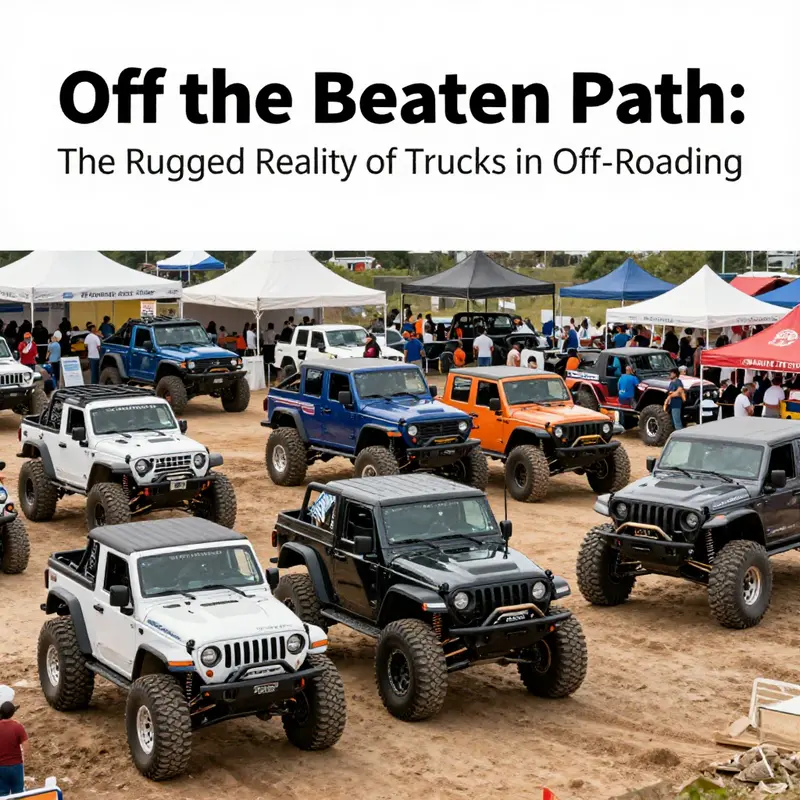
Off-road trucks, celebrated for their rugged durability and advanced engineering, have evolved far beyond their utilitarian origins. Their impact on the automotive industry is both dynamic and multifaceted, influencing manufacturing trends, market expansion, and even global economic landscapes. A closer look at the industry reveals that trucks built to conquer off-road terrain are not merely leisure vehicles or tools for extreme adventures; they are potent economic drivers. Their design innovations, cutting-edge technologies, and market demand have spurred businesses, reshaped supply chains, and contributed significantly to sectors as diverse as construction, mining, agriculture, and even tourism.
At the heart of the growing economic impact lies the rapid expansion of the global off-highway vehicles market. In 2024, this market was valued at an impressive USD 544.07 billion. Projections for the future suggest that this figure will soar to USD 804.86 billion by 2030. Such a robust increase, marked by a healthy compound annual growth rate (CAGR), is a testament to the rising need for vehicles that can perform reliably under extreme conditions. Manufacturers are increasingly investing in state-of-the-art suspension systems, specialized 4×4 drivetrains, reinforced chassis, and advanced electronic controls. These improvements are not just enhancements; they represent a fundamental shift in design philosophies that prioritize resilience and performance above all else.
This transformation in design has been particularly evident in the consumer market. Today’s drivers are looking for vehicles that offer versatility—a truck that can provide a safe daily commute while also being capable of tackling the most inhospitable terrain. Innovations such as specially tuned engines, adaptive suspension systems, and high-performance differentials have resulted in trucks that do not merely survive harsh conditions but thrive in them. Consumers are becoming increasingly adventurous, taking these robust machines off the beaten path to explore remote landscapes, partake in outdoor recreation, and even engage in competitive racing events. This growing enthusiasm has led automakers to channel significant resources into research and development, propelling a cycle of continuous improvement in off-road performance.
The ripple effects of these investments extend well beyond vehicle performance. The demand for off-road trucks invigorates multiple ancillary industries. Suppliers of aftermarket parts, specialized maintenance services, and high-performance accessories have experienced a surge in demand. These businesses benefit from a market that is constantly in search of innovative solutions to extend the longevity and performance of off-road vehicles. As more trucks hit rugged terrains, the need for durable, reliable components increases. This shift in consumer behavior stimulates the production and sales of parts designed to withstand extreme conditions, further strengthening the economic impact of off-road trucks on the overall automotive industry.
Truck manufacturers are eager to capture this burgeoning market, leading to a wave of technological advancements and strategic partnerships. The integration of modern computing, sensor technologies, and even artificial intelligence into truck design marks a significant advance in the automotive world. Such technological innovations not only improve the vehicle’s off-road capabilities but also enhance its safety features. When trucks are equipped with smart traction and stability systems, manufacturers can offer vehicles that are safer and more efficient. That, in turn, reduces insurance costs and enhances the overall value proposition, stimulating both consumer confidence and adoption rates in an increasingly competitive market.
Economic benefits also extend to heavy-duty sectors. Off-road trucks play a crucial role in construction, mining, and agriculture—industries where the demands for power, reliability, and efficiency are paramount. Trucks designed for these sectors are built to handle heavy loads and challenging environments, ensuring that projects progress without significant delays. Their ability to perform in uneven and remote terrains cuts down on downtime and operational costs, creating a ripple effect that bolsters the entire sector. The increased efficiency in these industries can contribute to broader economic growth by improving logistical operations and fostering regional development.
International markets have seen a marked uptick in the demand for rugged trucks, as infrastructure projects continue to expand in developing regions. Urbanization and industrial development have led to a surge in projects that require reliable transportation of materials and equipment over rough terrain. In such contexts, off-road trucks not only facilitate construction and transportation but also contribute to job creation and regional investments. This economic stimulation plays a vital role in the socioeconomic development of emerging markets, further reinforcing the significance of off-road trucks as catalysts of broader economic progress. The cycle of innovation and market demand creates a self-sustaining ecosystem that fuels both production and consumption, benefiting manufacturers, suppliers, and end users alike.
As a testament to their economic value, truck manufacturers are diversifying their product lines to include variants that cater to both industrial and recreational markets. For example, some manufacturers have introduced off-road variants in their product lineup specifically engineered for high-speed desert racing, while others focus on utility and durability for large-scale industrial applications. This dual approach allows companies to address different market segments and reduce risks associated with economic downturns. When one segment experiences a slowdown, the other may continue to thrive, ensuring a consistent revenue stream and market presence.
One notable trend is the rising interest in electric off-road trucks. With increasing emphasis on sustainability and the global push towards reducing carbon emissions, electric models are rapidly gaining acceptance. These models offer the benefits of zero emissions, lower operating costs, and high torque at low speeds—an attribute that is particularly advantageous in off-road scenarios. Manufacturers are racing to develop heavy-duty electric trucks that can service industrial applications, such as mining and construction, without compromising performance. This transition towards electrification represents not only an environmental milestone but also an economic one, as it creates new market segments and stimulates investments in battery technology and charging infrastructure. In some cases, the technological advancements in the electric sector are so transformative that they merge the realms of industrial efficiency with consumer appeal. For instance, companies are exploring ways to integrate cutting-edge vehicle control systems with electric powertrains, a move that may redefine how off-road performance is perceived and measured.
Furthermore, the integration of digital technologies in off-road truck manufacturing has served as a critical lever in boosting economic activity. The incorporation of sensors, telematics, and IoT connectivity enables manufacturers to collect and analyze vast amounts of data. This data, in turn, drives improvements in vehicle design, enhances predictive maintenance strategies, and optimizes supply chain operations. Digital transformation in the industry not only increases the performance and safety of off-road trucks but also ensures that manufacturers remain competitive in a rapidly evolving market. As the reliance on data grows, new software and technological solutions are emerging, further blurring the lines between automotive engineering, information technology, and industrial operations. This amalgamation of technologies has the power to reshape industry standards and spur further innovation across automotive segments.
Interactions between traditional combustion-engine technology and modern electric powertrains emphasize the economic and technological crossroads at which the off-road truck industry stands. This blending of old and new technologies is particularly apparent in heavy-duty trucks where the goal is to maximize performance while ensuring sustainability. Manufacturers who successfully balance these elements are reaping the benefits of economies of scale and broader market diversification. The ripple effect here is profound; improved fuel efficiency, reduced maintenance costs, and enhanced durability all contribute to a positive economic impact, not just for the companies involved in vehicle manufacture, but also for their customers and supporting industries. Businesses that integrate these advanced trucking solutions into their operational models report improvements in efficiency that can translate into substantial cost savings over time.
In addition to technological leaps, strategic collaborations have become commonplace. Partnerships between traditional automakers and tech firms are spurring rapid advancements in off-road truck design. Collaborative efforts have led to breakthroughs in areas such as high-performance braking systems and integrated navigation tools that are specially optimized for off-road paths. Such alliances benefit the broader economy by creating a synergy between innovation, manufacturing, and market demand. When diverse entities pool their expertise, the result is a transformative approach that accelerates the pace of innovation, thereby creating new economic opportunities. For many companies, these partnerships are fundamental to staying ahead in a competitive landscape that values both performance and sustainability.
The economic benefits are not confined solely to manufacturing and technology transformation. They ripple outwards to influence workforce dynamics and the distribution of skilled labor. High-value jobs in engineering, design, and technical maintenance are on the rise, fueled by the growing demand for expertise in advanced vehicle systems. This demand is driving educational institutions and vocational training centers to adapt their curricula to meet the evolving needs of the industry. The correlation between technological sophistication and job creation is becoming increasingly evident. As manufacturers continue to push the envelope of what off-road trucks can achieve, they are also fostering an environment where innovation and skilled labor work in tandem to support sustained economic growth.
The influence of off-road truck innovations reaches even further, impacting global trade and export dynamics. Many countries that have traditionally been centers for heavy vehicle manufacturing are now exporting high-performance off-road models to emerging markets. The advantages of these vehicles in harsh and remote environments are highly prized in regions that are rapidly industrializing. Exports of specialized truck variants have become an important source of revenue for these countries, enhancing their roles on the global stage. The international flow of technology and expertise contributes significantly to knowledge transfer and economic development. Traders and logistics companies often rely on these robust vehicles to transport essential goods across difficult terrains, reinforcing the indispensable role of off-road trucks in global supply chains.
Moreover, the diverse body of work surrounding off-road truck design has reinvigorated ancillary industries such as aftermarket parts and specialty service providers. Specialized maintenance services now represent a vital segment of the off-road economy. Independent service providers and repair facilities have seen a surge in business driven by the need for regular maintenance and upgrades. This ecosystem not only supports the continued operation of these vehicles but also fosters a community of innovation, where each new modification or upgrade can have cascading benefits throughout the industry. For example, performance accessories developed for one model often inspire similar advancements in other vehicles, creating a continuous loop of economic and technological improvement.
A key example of how off-road trucks are influencing broader industrial landscapes is seen in the realm of electric mobility. The rise of eco-conscious policies and environmental regulations has catalyzed the shift toward electric-powered off-road vehicles. This transition not only lowers the environmental footprint of these heavy machines but also opens up a host of economic opportunities. Investment in battery technology, charging infrastructure, and sustainable manufacturing processes has reached unprecedented levels, with companies working tirelessly to meet both regulatory requirements and consumer expectations. The economic implications of this shift are substantial. On one hand, the operational savings from lower fuel costs and reduced emissions are clear; on the other hand, the entire supply chain benefits from the integration of environmentally friendly technologies. Read more about the emerging trends by exploring insights on the evolution of electric construction equipment at this detailed review. The emergence of sustainable solutions in off-road truck design embodies how economic imperatives and environmental considerations can converge to drive industry-wide progress.
In a rapidly evolving market where technology, safety, and sustainability are entwined, the importance of robust off-road trucks cannot be overstated. For stakeholders ranging from manufacturers to consumers, and even regulatory bodies, these vehicles represent an investment in innovation and resilience. Every enhancement in truck performance, every integration of digital technology, and every push towards electrification sends ripples through an already complex economic ecosystem. These ripples contribute to improved efficiency in construction, safer and more reliable transportation in harsh environments, and the steady growth of a market that shows few signs of slowing down.
The economic impact of off-road trucks is an ongoing narrative, one that reflects the dynamic interplay of market forces, technological progress, and shifting consumer demands. As manufacturers continue to innovate, the vehicles of tomorrow will undoubtedly be more advanced, efficient, and capable than ever before. The current growth trends are a clear indication of where the future lies: a landscape where durable craftsmanship meets groundbreaking technology, enabling off-road trucks to dominate both rugged terrains and the economic arena.
In conclusion, the influence of off-road trucks on the automotive industry is profound and far-reaching. They are engines of innovation that drive manufacturing trends, support a spectrum of industrial operations, and catalyze international economic exchanges. From their role in powering heavy construction projects to their impact on consumer leisure and recreational activities, off-road trucks stand as symbols of economic resilience and ingenuity. This continuous evolution is both a response to and a catalyst for economic growth, underpinned by robust research, technological partnerships, and a commitment to excellence. For those with a vested interest in industrial and economic developments, the trajectory of off-road truck advancements offers compelling insights into future market trends and the relentless pursuit of performance and sustainability.
For further insights on market dynamics, consider reviewing the official report that provides a comprehensive analysis of the global off-highway vehicles market.
Electrifying Horizons: Advanced Technologies Powering the Future of Off-Road Trucks

In recent years, off-road trucks have undergone a remarkable transformation driven by the quest to push the boundaries of capability in challenging terrains. Today’s trucks are not merely machines built to haul heavy loads; they are evolving into smart, robust platforms that blend raw power with sophisticated electronics, durable materials, and intelligent design. The shift toward electrification and advanced technology is redefining what it means to tackle the most demanding landscapes while meeting rising environmental standards and user expectations. Manufacturers are reimagining the off-road experience, infusing traditional grit with innovations that fundamentally alter performance, efficiency, and connectivity.
At the heart of this transformation is the move toward electric powertrains. As traditional internal combustion engines give way to cleaner, electric alternatives, engineers have discovered that the inherent advantages of electric motors—in particular, instantaneous torque and finely tuned power distribution—hold significant promise for off-road applications. The new generation of trucks is being designed to deliver precise control over power on uneven, shifting terrains, offering smooth yet assertive propulsion that helps drivers navigate rocky paths, steep inclines, and unpredictable obstacles. This development is not solely a response to tightening emissions regulations; it represents a proactive embrace of innovation where every component— from the battery pack to the braking system—is optimized for both performance and sustainability. It is not uncommon now to see electric trucks that boast high-tech energy management systems, intelligent sensor arrays, and adaptive performance modules that together transform every journey into an experience that is both thrilling and environmentally conscious.
Driving this change is a seamless integration of advanced technologies. Modern off-road trucks now feature autonomous driving aids, adaptive cruise control, and automated obstacle detection—technologies that were once the exclusive domain of high-end passenger vehicles but are now making their way into rugged, heavy-duty designs. These systems adjust suspension settings in real time, calibrate torque distribution based on feedback from advanced traction sensors, and even enable terrain-specific driving modes that ensure maximum stability and control. The benefits are practical and measurable: enhanced safety, reduced wear on mechanical parts, and improved energy management that leads to better overall efficiency. Furthermore, lightweight materials such as high-strength aluminum alloys and carbon fiber composites are playing a critical role. By reducing vehicle mass while maintaining structural integrity, these materials not only improve energy efficiency but also increase payload capacity and durability, ensuring that these trucks remain resilient in the face of demanding off-road conditions.
Connectivity is a cornerstone of this technological renaissance. The next generation of off-road trucks connects drivers to a digital ecosystem that provides real-time diagnostics, remote monitoring, and data-driven insights. Integrated telematics systems now continuously assess vehicle health, alerting operators to potential issues before they escalate. This smart connectivity extends beyond the confines of the cab. Advanced onboard AI systems utilize satellite data, machine learning algorithms, and predictive analytics to guide drivers safely through remote areas with little to no cellular reception. Whether navigating a treacherous mountain path or an isolated desert trail, the instant access to mapping data and terrain analysis ensures that even the most challenging routes can be tackled with confidence. This fusion of connectivity and capability transforms raw power into a nuanced, adaptive performance that meets the dual demands of recreational thrill and functional reliability.
The rapid rise of electric off-road trucks is accompanied by significant economic and environmental trends. Governments and regulatory bodies around the world are actively championing the switch to zero-emission transport solutions. With incentives for clean energy, expanding networks of charging infrastructure, and supportive policies geared toward innovation in sustainable mobility, the market is actively responding to the call for greener alternatives. Manufacturers now view the switch to electric vehicles not as a hindrance but as an opportunity to redefine industry standards and surpass previous benchmarks in performance and efficiency. Particularly in regions where environmental regulations are stringent and consumer demand for sustainable mobility is high, the momentum behind electric and technologically advanced trucks is unmistakable.
Innovation also manifests in the way these trucks are built and maintained. The concept of modularity is gaining favor among engineers, who are designing vehicles with upgradeable components. Instead of forcing consumers to replace an entire vehicle when new technologies emerge, manufacturers now offer systems that can be updated over time. Upgradable battery modules, sensor arrays, and software interfaces mean that even older models can benefit from the latest advancements without incurring the full costs of a new truck. This modular approach not only extends the lifespan of each vehicle but also reduces waste and supports a more sustainable cycle of production and consumption. It reinforces the idea that the future of off-road trucks is adaptive and enduring, with every upgrade contributing to a composite system of continual improvement.
The advanced connectivity features discussed earlier create a bridge between rugged engineering and digital intelligence that is profoundly transforming the off-road landscape. Imagine a fleet of trucks, each equipped with smart systems that communicate via cloud-based platforms, sharing real-time information about road conditions, weather patterns, and mechanical performance. In such a networked environment, a truck encountering a particularly rough patch can immediately alert nearby vehicles, allowing them to adjust their driving strategies accordingly. This communal approach to off-road navigation not only increases safety but also enhances efficiency by optimizing routes and reducing fuel consumption or battery drain. Through this synergy, the concept of autonomous fleet operations is becoming a reality—one where coordinated maneuvers are executed seamlessly, merging the capabilities of individual trucks into a cohesive, intelligent operation.
While the promise of electric and smart off-road trucks is evident to industry insiders and enthusiasts alike, the market response has been equally encouraging. Consumers are beginning to appreciate that the ideal off-road truck is not merely a rugged workhorse but a multifaceted machine capable of adapting to diverse environments and roles. Today’s drivers often require vehicles that are as comfortable in a boardroom or on city streets as they are on a rocky trail or muddy field, and modern trucks are engineered with this versatility in mind. The digital interfaces, energy-efficient powertrains, and adaptive suspension systems collectively create an experience that is both exhilarating and reliable, merging the essence of adventure with the sophistication of modern technology.
In industrial applications, such as mining, construction, and forestry, the benefits of electric power and advanced technology are proving indispensable. Heavy-duty trucks operating in these sectors traditionally depend on diesel to deliver the muscle needed to move large loads through challenging terrain. However, the introduction of electric off-road trucks promises significant operational savings. With lower maintenance requirements, reduced emissions, and the ability to perform under constant heavy usage, these trucks are poised to revolutionize the way companies approach logistics and resource management. Additional benefits include quieter operation, which is particularly beneficial in communities where noise pollution is a concern, and the potential for integration with renewable energy sources in remote areas. As a result, the global market is steadily moving in the direction of smarter, greener, and more efficient off-road solutions.
One notable example of cross-industry innovation is reflected in developments observed within the construction sector. As electric technology redefines heavy machinery, insights and breakthroughs are rapidly crossing over into the off-road truck market. For instance, the progress made in the Volvo electric construction equipment revolution serves as a powerful testament to how innovations in one area can influence and accelerate advancements in another. The exchange of ideas between sectors underlines the interconnected nature of modern vehicle technology, where improvements in battery technology, energy management, and digital connectivity have broad applications across multiple industries. This interconnected evolution is a clear indicator that the future of off-road trucks is inseparable from the broader context of global technological progress.
The pace of innovation in off-road truck technology is awe-inspiring, and many companies are investing in research and development to ensure that they remain at the forefront of the industry. Engineers are continually reexamining every aspect of vehicle performance, from the microprocessors that manage energy allocation to the aerodynamics that minimize drag. This relentless pursuit of excellence is bolstered by advances in materials science, where breakthroughs in composites and metal alloys yield vehicles that are both lighter and stronger. In the world of off-road trucks, every gram saved in weight is a gram that contributes to improved acceleration, handling, and fuel efficiency. Moreover, as these vehicles become more advanced, the gap between pure off-road capability and everyday usability continues to narrow. The result is a family of trucks that not only dominate the rugged backcountry but also offer a level of comfort, technology, and refinement that challenges conventional expectations.
There remains, however, a set of persistent challenges that the industry must address as it moves toward this electrified, digitally integrated future. Battery longevity, fast and efficient charging solutions, and the durability of high-tech components in harsh environments are all areas of active research. Collaborative efforts among material scientists, software engineers, and automotive designers are aimed at overcoming these hurdles. Every challenge surmounted paves the way for vehicles that can reliably perform in extreme temperatures, endure prolonged periods of use without degradation, and maintain high performance even in the worst conditions. These challenges, while significant, are far from insurmountable and serve to drive the continuous innovation that characterizes the modern off-road truck landscape.
The future of off-road trucks is also shaped by changing consumer attitudes and the evolving marketplace. Today’s truck buyers are more informed than ever before, and they demand vehicles that combine performance with sustainability and connectivity. They value the ability to update and upgrade their vehicles over time, appreciating that the integration of over-the-air software upgrades and predictive maintenance features can dramatically extend a vehicle’s lifespan. This focus on longevity and adaptability ensures that modern off-road trucks remain competitive even as technological paradigms shift. Moreover, as charging infrastructure becomes more widespread and battery technology advances, the once formidable barriers to adopting electric trucks are rapidly diminishing. This convergence of consumer demand, regulatory support, and technological innovation is setting the stage for an off-road revolution that promises to redefine adventure mobility for both recreational enthusiasts and professional operators alike.
In many respects, the evolution of off-road trucks is a microcosm of the broader transformation occurring within the transportation sector. It is a story of how traditional mechanical engineering is merging with digital technologies to create vehicles that are as intelligent as they are tough. In this emerging landscape, trucks are not merely tools for heavy lifting and rugged exploration; they are dynamic systems that incorporate connectivity, modularity, and self-diagnostic features designed to enhance every aspect of the driving experience. Each new model is more than just an upgrade in power—it is a leap forward in how vehicles interact with their environment, communicate with each other, and support the needs of modern consumers. This integration of mechanical excellence with digital sophistication is setting a new gold standard for the off-road truck, one that promises to deliver not only increased performance and efficiency but also a level of safety and adaptability that was once unimaginable.
The journey into the future of off-road trucking is just beginning, and the road ahead is paved with incredible potential. Through relentless research and the passion of engineers and innovators, off-road trucks are evolving into platforms that combine the best of both worlds—robust, heavy-duty performance and cutting-edge digital intelligence. This integrated approach ensures that whether you are exploring remote backcountry trails or deploying a fleet in harsh industrial environments, the next generation of trucks will not only excel in performance but also in reliability, sustainability, and adaptability.
For further information on the evolving landscape of electric off-road vehicles and the market trends transforming the industry, readers are encouraged to visit the external resource provided by the International Council on Clean Transportation: Electric Off-Road Vehicles Market Trends.
Final thoughts
The rugged landscape is the true test for any truck, demanding resilience, power, and innovation. Trucks are unequivocally built for off-road adventures, brimming with capabilities to traverse challenging terrains and conditions. Their economic impact on the automotive industry further highlights the demand and necessity for durable, well-engineered vehicles. As we now gaze towards the horizon, the future of off-road trucks glimmers with the promise of electric capabilities and advanced technologies that will redefine what it means to traverse off the beaten path. Whether for adventure, work, or sport, the bond between trucks and the wild will only grow stronger as innovation leads the way.