
Introduction
Off-road trucks are the unsung heroes of adventure, carving paths through rugged terrains and conquering the toughest landscapes with unwavering strength and determination. Each journey into the wild transforms these machines into beasts, demanding not only resilience but also optimal performance from every component. Among the unsung essentials that maintain this power are front and rear gear oil. This crucial fluid acts as a lifeblood, enabling the differential systems to operate smoothly, ensuring enhanced traction and stability on unpredictable surfaces. Without the right gear oil, your off-road excursions could quickly turn into treacherous encounters. Understanding the gear oil benefits isn’t just a technical detail; it’s a commitment to preserving truck performance and adventure readiness. So, whether you’re navigating through mud, sand, or rocky trails, prioritizing the right gear oil is vital for any adventure-seeker ready to unleash the full potential of their off-road trucks.
| Oil Type | Viscosity | Suitability for Environments | Advantages |
|---|---|---|---|
| GL-5 Standard | SAE 75W-90 | Moderate Climates | Superior wear protection under high loads and shock |
| Synthetic GL-5 | SAE 75W-140 | Extreme Temperatures and Loads | Enhanced thermal stability and longer drain intervals |
| Extreme Pressure (EP) | SAE 85W-140 | Cold and High-Load Conditions | Protects hypoid gears from pitting and scuffing |
For off-road trucks, selecting the right gear oil is crucial for maintaining performance and longevity. You can learn more about gear oil types and how they impact your vehicle’s performance.
Benefits of Using Quality Gear Oil in Off-Road Trucks
High-quality gear oil is essential for off-road trucks, significantly enhancing performance, durability, and driving experience. Here are the key benefits:
-
Performance Enhancement:
-
High-quality gear oils provide superior lubrication that reduces friction between moving parts, increasing overall efficiency and maximizing torque delivery.
-
They maintain optimal viscosity across varying temperatures, ensuring consistent performance during extreme off-road conditions, whether you’re climbing rugged terrains or navigating through muddy trails.
-
Durability:
-
Quality gear oil includes superior additives that combat wear and tear, extending the lifespan of your gear components. This protection is crucial when dealing with the extreme forces and stresses found in off-road environments.
-
The high resistance to thermal breakdown and oxidation ensures your gear oil remains effective longer, reducing the need for frequent changes and keeping your vehicle in peak condition.
-
Improved Driving Experience:
-
Using premium gear oil facilitates smoother shifting and enhances the responsiveness of the drivetrain, making for a more controlled and enjoyable off-road experience.
-
These oils often feature anti-foam and anti-corrosion properties that help maintain the integrity of your vehicle’s systems, providing peace of mind when tackling tough terrains.
Investing in high-quality front and rear gear oil not only protects your truck but enhances its off-road capabilities, making every journey epic. For a deeper dive into optimizing your truck’s performance, consider mastering diesel mechanics or explore the latest in off-road truck modifications at Dirt an Trucks.
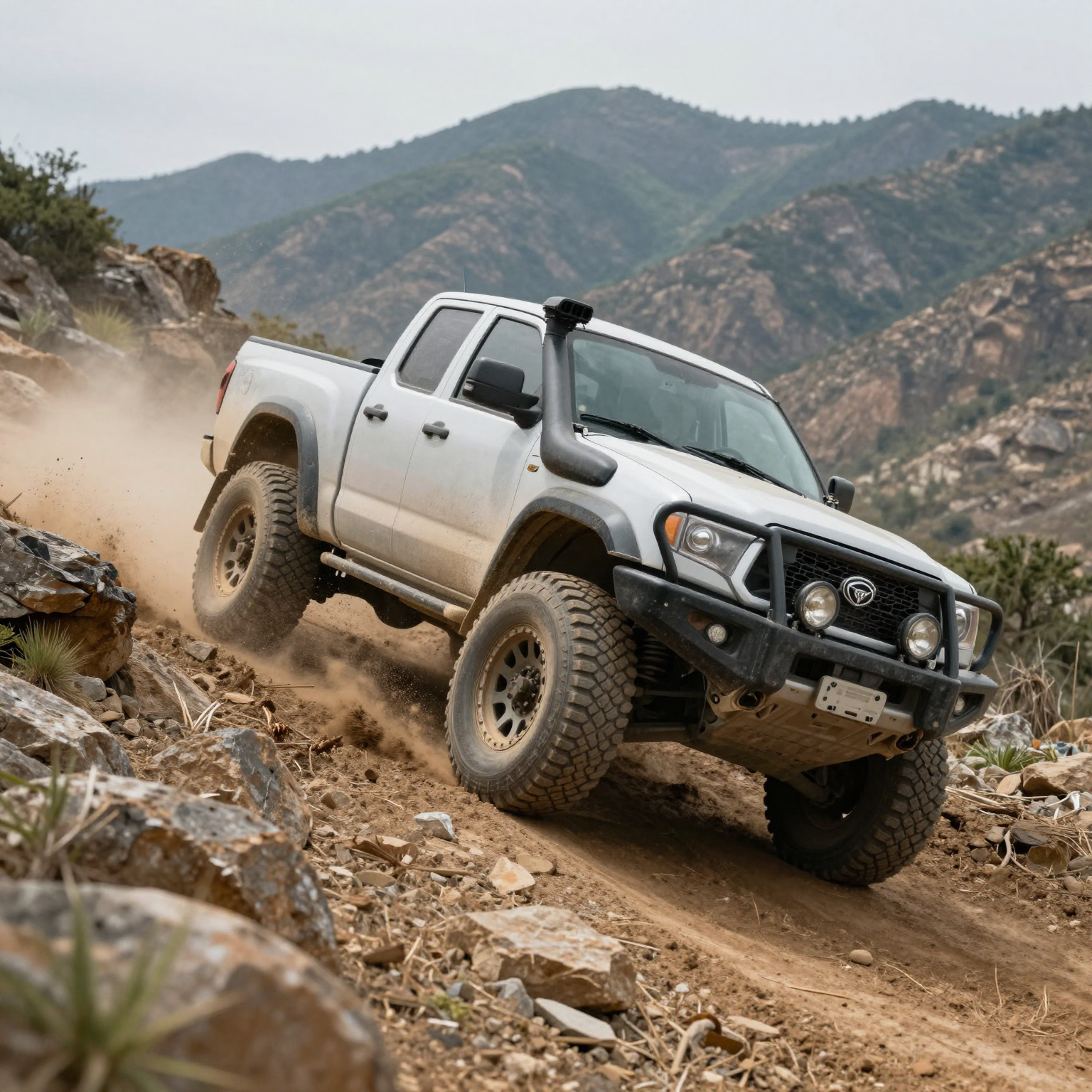
A rugged off-road truck navigating a challenging terrain. The truck is illustrated kicking up dirt as it conquers rocky hills and mud, showcasing its power and durability. The backdrop features a combination of rugged mountains and sparse vegetation, capturing the adventurous spirit of off-road enthusiasts.
How to Choose Gear Oil for Off-Road Trucks
Choosing the right gear oil for your off-road truck is pivotal for ensuring optimal performance and longevity under rugged conditions. The landscape may change, but the operation of your vehicle remains dependent on the right fluids circulating through its veins. Here’s how you can select the best gear oil based on your truck type and driving conditions:
1. Understand Gear Oil Types and Specifications
- API Ratings: Choose between GL-4 and GL-5 ratings. For heavy-duty off-road vehicles, GL-5 is essential due to its superior resistance to wear and extreme pressures that occur during heavy loads and stressful conditions.
- Viscosity Ratings: Viscosity is crucial. For example, 85W-140 or 75W-140 is advisable for trucks tackling the toughest terrains, as these oils handle high temperatures and heavy-duty requirements. Conversely, a 75W-90 might suffice for lighter vehicles or moderate conditions.
2. Analyze Your Truck’s Design
- Trucks with hypoid gears (common in heavy-duty vehicles) require GL-5 oil, while lighter utility trucks in less demanding environments may do well with GL-4. Consider the truck’s specific setup, such as whether it boasts a limited-slip differential, as these models often have unique oil requirements.
3. Consider Your Driving Conditions
- Terrain Type: If you’re smashing through muddy trails or rugged rocky terrain, high-viscosity oils maintain their film integrity better, preventing potential overheating.
- Temperature Considerations: In cold environments (below -20°C), opt for lower viscosity oils that flow easily at startup. In hot climates, higher viscosity oils effectively resist thinning and provide better protection.
4. Manufacturer Specifications
Always abide by your vehicle’s owner manual for specific oil grade recommendations. Some manufacturers even differentiate between front axle and rear differential oils, which could be crucial for optimal performance. Avoid mixing different types of oils to maintain consistency and effectiveness.
5. Opt for Synthetic Options
Using higher-quality oils, such as semi-synthetic or full synthetic gear oils, enhances the performance file, especially under extreme conditions. Brands like Mobil Delvac, Shell Rotella, and Valvoline SynPower are renowned for their durability in severe operating environments.
Approximate gear oil choices given various scenarios include:
| Condition | Recommended Gear Oil |
|---|---|
| Heavy-duty off-road trucks | GL-5, 85W-140 |
| Lighter utility trucks | GL-4 or GL-5, 75W-90 |
| Cold weather | 75W-90 |
| Hot environments | 75W-140 |
Conclusion
Selecting the right gear oil is more than a mere choice; it’s a commitment to maintaining your off-road truck’s capabilities. Equip your vehicle not just to endure the terrain but to thrive in it. Learn more about truck modifications to enhance your off-road capabilities.
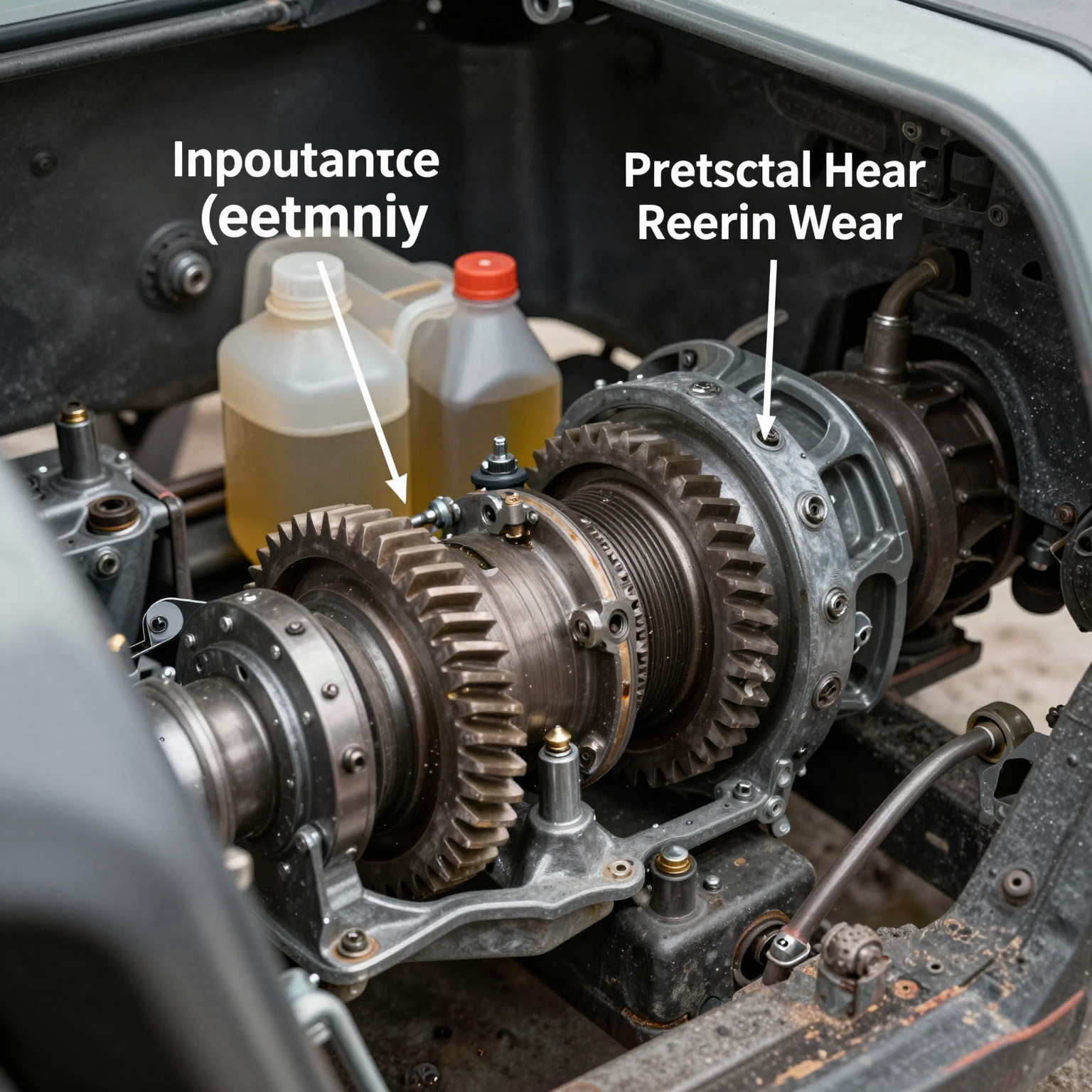
The Critical Role of Gear Oil in Off-Road Trucks
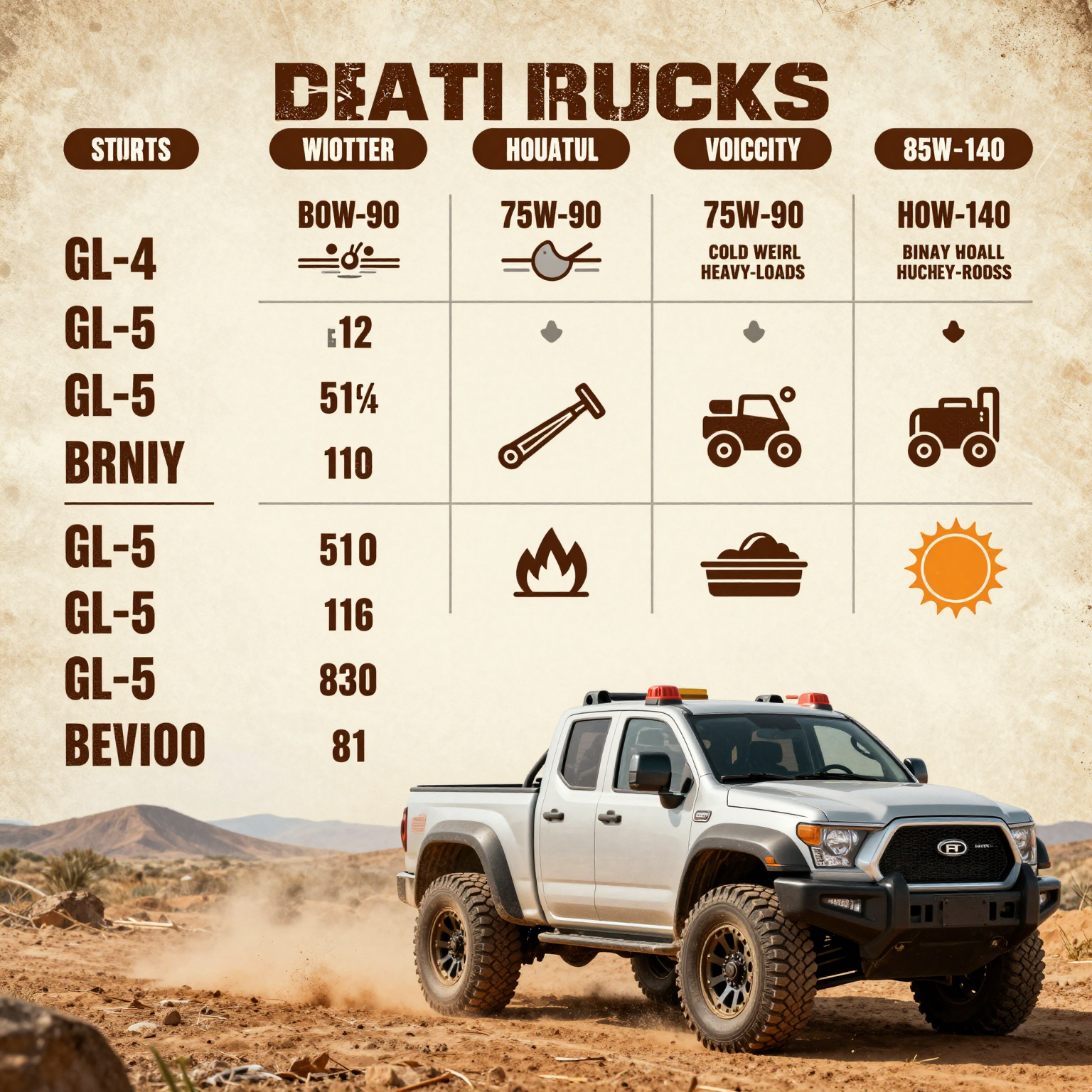
When it comes to off-road trucks, using the right gear oil is not just a recommendation-it’s a necessity. The rugged terrains and extreme conditions demand that your vehicle performs at its peak. According to industry insights, “Using the wrong oil can lead to significant wear and potential failure of key components, putting both your truck and adventures at risk.” This underscores the importance of selecting the correct gear oil for your off-road adventures.
What Makes Gear Oil Different?
Off-road trucks frequently encounter harsh environments such as dirt, mud, and rocks. The right gear oil offers:
- Enhanced Lubrication: Reduces friction between gears, maximizing efficiency.
- Temperature Stability: Maintains performance regardless of extreme heat or cold.
- Protection Against Contaminants: Resists water, dirt, and other elements that can affect gear function.
Choosing the Right Gear Oil
The market offers various types of gear oil like GL-4, GL-5, and synthetic options that cater to different truck types and their usage conditions. For heavy-duty off-road activities, GL-5 rated oils are generally recommended to withstand high loads and varying conditions.
Doing your preparation and ensuring you use the right product can prevent costly repairs and keep your off-road vehicle running smoothly.
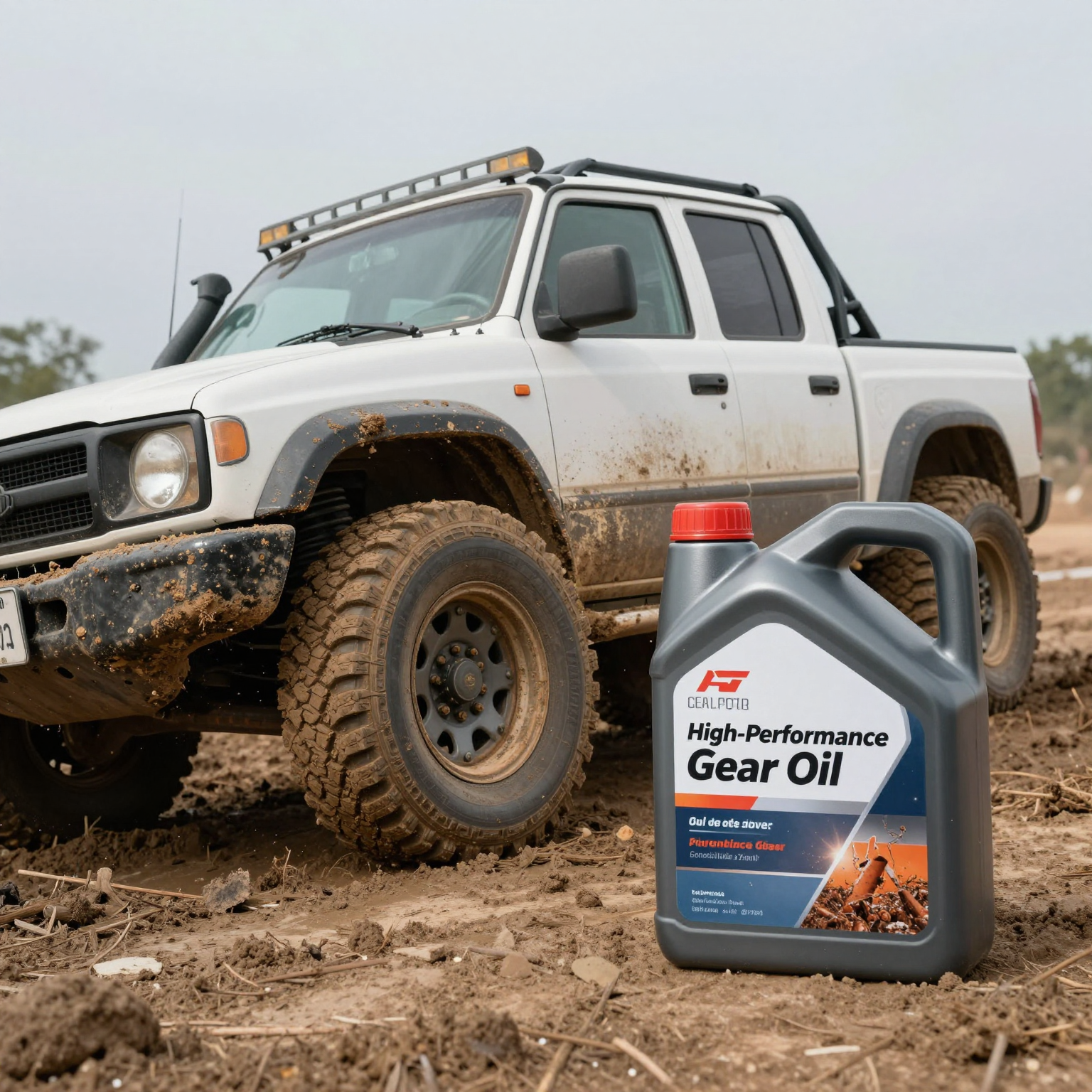
For more insights on optimizing your trucking capabilities, check out our article on mastering diesel mechanics and advantages of fleet dispatching software.
FAQ About Gear Oil for Off-Road Trucks
What is the best viscosity for front and rear gear oil in off-road trucks?
- Generally, a viscosity rating of 80W-140 is recommended for off-road truck gear oil, especially for those operating under extreme conditions. This viscosity provides better performance and protection against wear and tear.
Can different viscosities of gear oil be mixed?
- It is not advised to mix gear oils of different viscosities. Mixing can lead to reduced lubricating properties and impaired performance. It’s best to use a consistent viscosity for optimal function.
How often should I change the gear oil?
- It is recommended to change the gear oil every 30,000 to 50,000 miles, depending on usage. However, under extreme driving conditions, such as off-road racing, it may be necessary to change it more frequently, around 20,000 miles.
What are the benefits of using high-performance gear oil?
- High-performance gear oils often contain additional additives that enhance lubrication, reduce friction, and prevent wear. These can be especially crucial in off-road situations where gear performance is put to the test.
Is synthetic gear oil worth the investment?
- Yes, synthetic gear oils typically offer better thermal stability and longevity, making them ideal for off-road vehicles that face extreme conditions. They provide superior protection and often outlast conventional oils, leading to fewer maintenance needs.
For more insights on gear maintenance, learn more about essential features of dispatching software and how to master diesel mechanics with our detailed guide here.
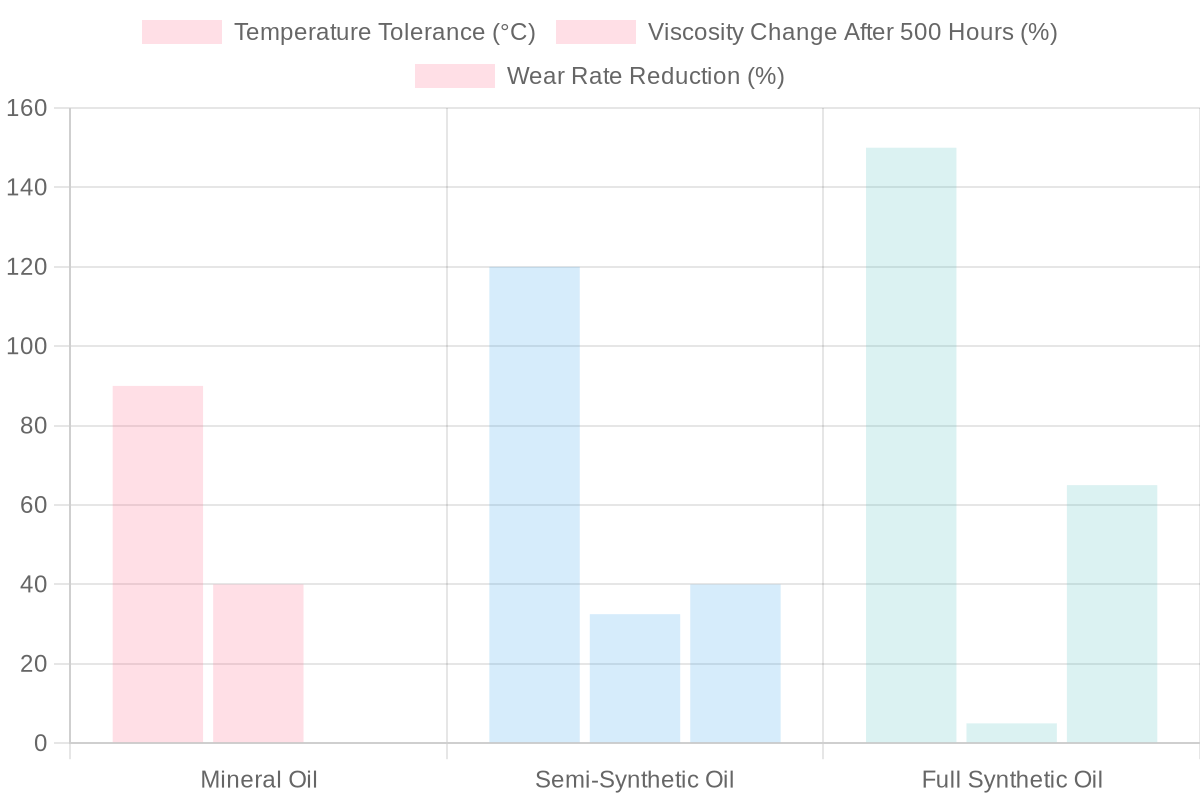
| Performance Metric | Mineral Oil | Semi-Synthetic Oil | Full Synthetic Oil |
|---|---|---|---|
| Temperature Tolerance | Up to 90°C | Up to 120°C | Above 150°C |
| Viscosity Change After 500 Hours at 150°C | Over 40% | 20-35% | Less than 10% |
| Wear Rate Reduction (vs. Mineral Oil over 36 months) | 0% (baseline) | 35-45% | 65% |
Source: Data compiled from industry performance benchmarks and laboratory testing reports by API, SAE, and leading lubricant manufacturers published between 2023 and 2025.
In conclusion, the significance of using high-quality front and rear gear oil for off-roading cannot be overstated. These oils serve as the lifeline of your vehicle’s drivetrain, safeguarding it against the extreme conditions faced on rugged terrains. As we explored, high-grade gear oils, particularly those with GL-5 ratings such as Mobil 1 Synthetic and Fuchs Polyfett, are essential for enhancing performance, extending longevity, and preventing catastrophic failures during intense off-road activities. The impact of using substandard oil can lead to overheating and accelerated wear, which is a risk no off-roader should take.
We encourage you to prioritize quality by investing in the best gear oil for your truck, ensuring it operates at peak performance. To equip your off-road vehicle with top-notch products and learn more about our offerings, we invite you to check out Dirt and Trucks and discover the difference quality makes.
Maintenance Tips for Gear Oil in Off-Road Trucks
Maintaining your truck’s front and rear gear oil is critical for optimum performance, especially in off-road conditions. Here’s a practical guide tailored for adventurous truck enthusiasts like you.
How Often to Check and Change Gear Oil
- Inspection Frequency: Inspect your gear oil every 5,000 miles or after each significant off-road excursion, especially after traversing water or mud. This regular check will prevent any performance-related issues.
- Change Frequency: Change the gear oil every 20,000 to 30,000 miles, or annually, depending on use. If you’re frequently off-roading or towing, aim for an earlier change-every 15,000 miles, as a general rule.
Checking Gear Oil
- Preparation: Always perform these checks when your truck is on level ground and the engine is cool. This helps ensure accurate readings.
- How to Check:
- Locate the fill/dipstick port on the differential housing.
- Remove the cap and use a clean finger or a dipstick to check the oil level and condition-normal oil looks translucent yellowish-brown. If it’s black, gritty, or foamy, it’s time for a change.
- If there’s no dipstick, you can remove the inspection plug and check if the oil is reaching the bottom of the hole.
Changing Gear Oil
- Draining Oil: Always drain the old oil while warm for better flow.
- Refilling: Use high-performance synthetic gear oil rated for severe service (like API GL-5). After refilling, torque the drain and fill plugs to the manufacturer’s specifications to avoid leaks.
Taking the initiative to maintain your gear oil not only enhances your truck’s performance but also prolongs its lifespan. Don’t hesitate-get your gear oil routine in check today! For more tips on truck maintenance, check out mastering diesel mechanics.