
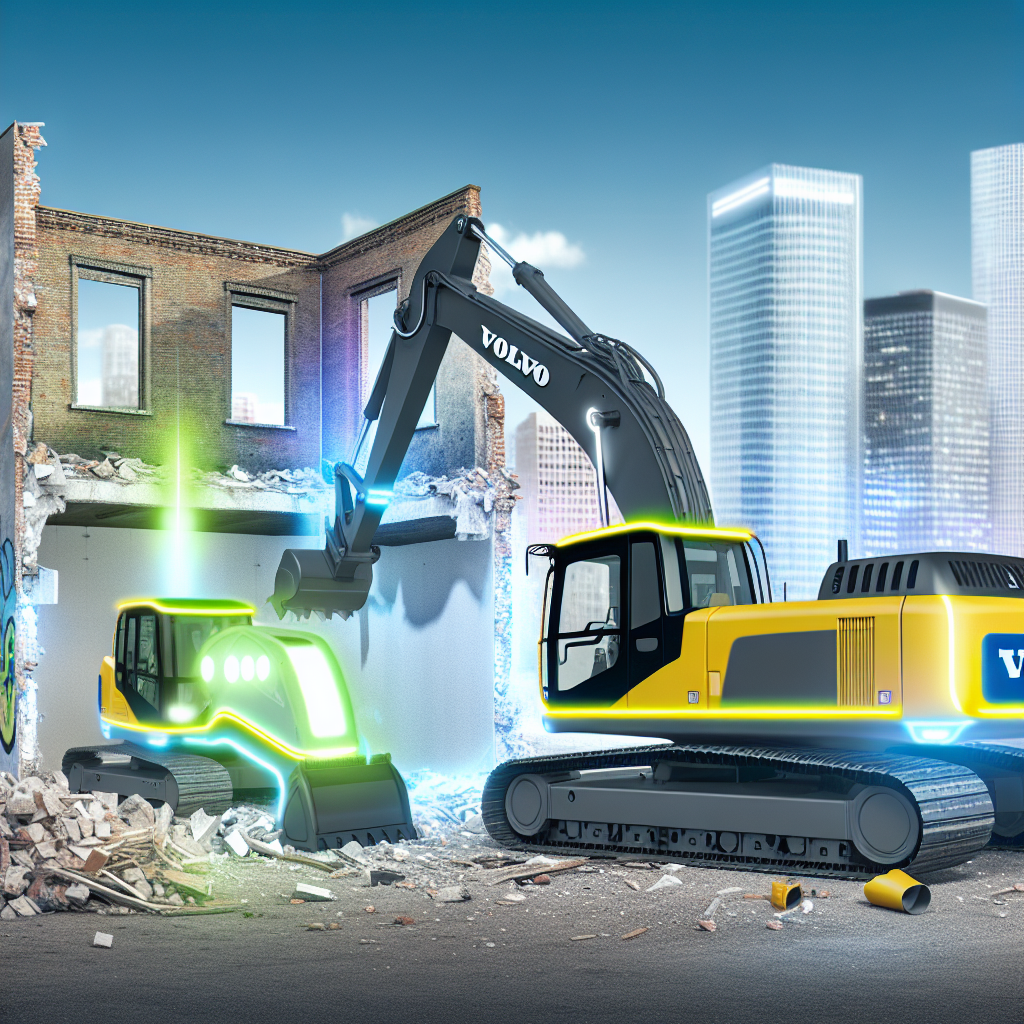
In an era where the urgency for sustainable practices is more pressing than ever, Volvo’s electric construction equipment is on the brink of revolutionizing the demolition industry. As cities expand and the demand for eco-conscious urban development grows, the introduction of electric machinery promises an innovative solution to traditional demolition demands.
These pioneering machines not only minimize the carbon footprint associated with construction but also significantly reduce noise pollution—an essential factor in bustling urban environments. With the world’s first all-electric demolition job, Volvo is showcasing how these advanced machines can seamlessly operate in spaces where diesel-powered counterparts would typically falter.
It is a monumental leap toward a future where sustainability and modernity coexist, heralding a new chapter in the landscape of urban construction and demolition that prioritizes environmental integrity and operational efficiency.
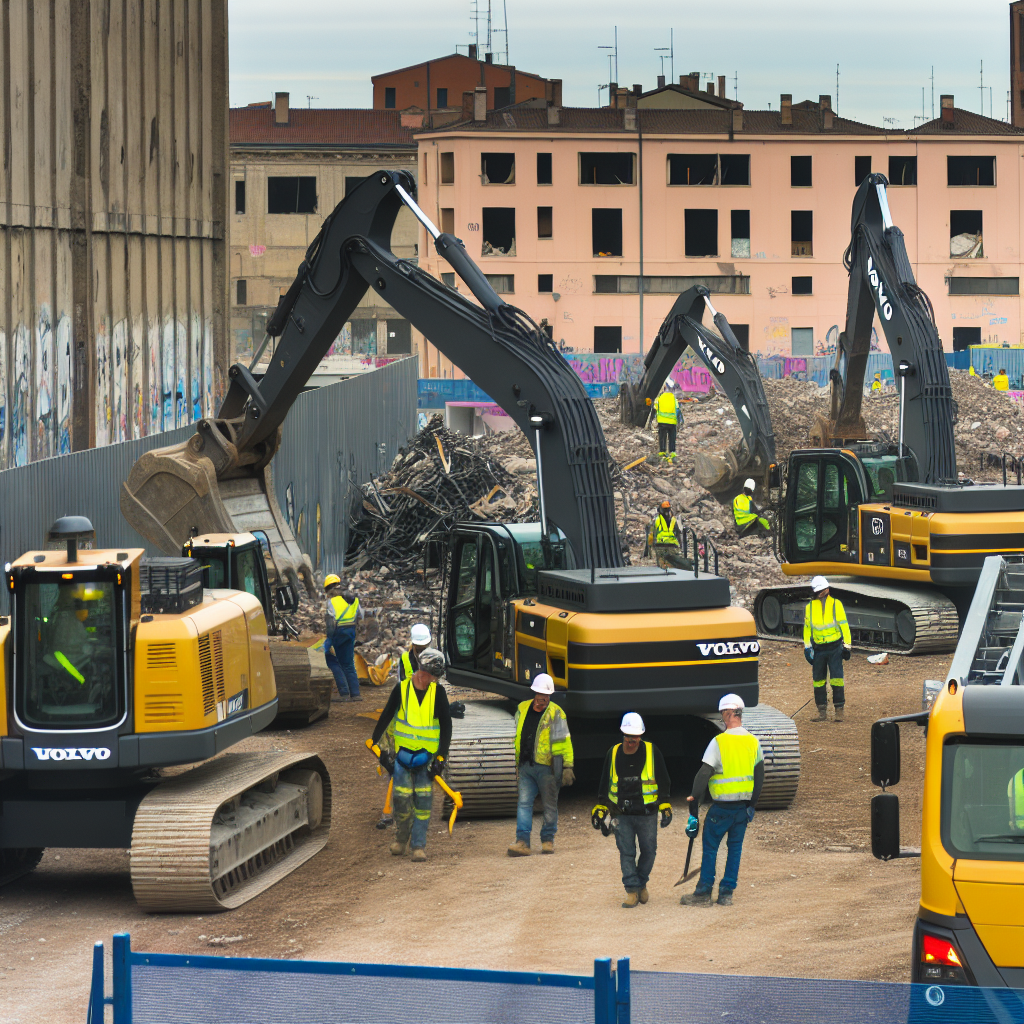
A depiction of Volvo’s electric construction equipment actively engaged in demolition work, showcasing its practical use and environmental benefits on the job site.
Environmental Impact of Electric Construction Equipment
The transition to electric construction equipment marks a pivotal moment in the construction industry, particularly regarding its environmental benefits. With growing awareness of climate change and urban pollution, electric machines are becoming increasingly valued for their lower emissions, reduced noise pollution, and superior energy efficiency.
Reduced Emissions:
Electric construction equipment operates without fossil fuel combustion, resulting in zero tailpipe emissions. This absence of carbon dioxide emissions significantly enhances air quality at job sites. For instance, cities like Oslo have implemented electric machinery to such an extent that 85% of municipal construction sites are now emissions-free, showcasing electric equipment’s capacity to alleviate urban pollution.
Lower Noise Pollution:
Construction sites are notorious for their noise output, often causing disturbances in nearby communities. Electric machines provide a solution by operating at noise levels typically 20 to 30 decibels lower than their diesel counterparts. For example, a renovation project in downtown London achieved a 40% reduction in noise levels after transitioning to electric excavators, resulting in fewer noise complaints from residents and fostering better community relations.
Enhanced Energy Efficiency:
Electric machinery not only operates efficiently but also offers significant cost savings—up to 70% less in fuel costs compared to diesel machines. The improved torque and quicker startup times further contribute to operational productivity, meeting the demands of rigorous construction schedules. Electric excavators, for instance, can reduce noise pollution by up to 50%, making them particularly advantageous for projects in densely populated areas.
Case Studies:
Notable examples of the positive environmental impact include the High Line project in New York City, where the implementation of electric excavators led to a 63% reduction in noise complaints and a 40% decrease in particulate matter emissions. Similarly, the Landshut Zoo redevelopment in Germany experienced a 60% decrease in noise complaints through the use of electric machinery, greatly enhancing the work environment for both laborers and local wildlife.
In summary, electric construction equipment is more than just a technological innovation; it represents a broader commitment to sustainable urban development and environmental stewardship. As urban planners increasingly prioritize compliance with noise and pollution regulations, the use of electric machinery transcends mere convenience—it opens up possibilities for projects otherwise deemed impossible.
The construction industry’s future, with quieter, clean, and energy-efficient machines, is beneficial not only for the environment but also for urban communities.
Adoption Rates and Trends in Electric Construction Equipment and Sustainable Construction Practices
The adoption of electric construction equipment is rapidly increasing, driven by numerous factors including sustainability mandates and shifts in industry regulations. Here are some key insights:
Current Market Dynamics:
The global electric construction equipment market was valued at approximately USD 13.6 billion in 2024 and is projected to reach USD 106.9 billion by 2034, with a remarkable compound annual growth rate (CAGR) of 23.3%. Europe currently leads the market, holding a 32% revenue share, with Asia Pacific showing rapid growth due to increased urbanization and electrification initiatives. Excavators are the most commonly embraced electric equipment, making up 30% of the market share due to their widespread use in various construction projects.
Challenges in Adoption:
Despite the promising growth trajectory, several challenges remain:
- High Initial Costs: Electric construction equipment often comes with a premium of 20-50% over traditional machinery, attributed mainly to the high cost of battery technology and specialized components.
- Charging Infrastructure Needs: Inadequate charging facilities, especially in remote areas or on large project sites, can greatly hinder the operational efficiency of electric equipment.
- Battery Performance Limitations: Users face issues such as longer charging times and shorter runtimes compared to diesel equipment, which may affect productivity in demanding work environments.
Growth Forecasts:
The U.S. electric construction equipment market is expected to grow significantly, expanding from 441 units in 2024 to about 1,945 units by 2030, demonstrating a CAGR of 28.06%. This trend indicates a shift towards more sustainable and efficient machinery in construction.
Shifts Towards Sustainability:
Stricter emission regulations are prompting construction companies to invest in electric equipment to avoid penalties and adhere to environmental guidelines. Many cities are implementing low-emission zones which restrict the use of traditional diesel machinery, necessitating a greater reliance on electric alternatives. Furthermore, the push for sustainability is steering urban redevelopment projects towards employing electric machinery, particularly in noise-sensitive and emission-regulated areas.
For further insights on the future of electric machinery, consider exploring the following resources:
- Electric Construction Equipment Market Growth
- Advancements in Battery Technology
- Integration of Automation in Construction
- Sustainable Practices in Manufacturing
- Government Incentives for Electric Equipment
In conclusion, while the electric construction equipment market faces challenges, its future looks promising as more construction companies adapt to environmental stewardship and sustainability mandates.
| Feature | Diesel Machines | Electric Machines |
|---|---|---|
| Cost | Generally lower initial purchase price | Higher initial purchase price (20-40% premium) |
| Performance | Established performance with powerful torque | Comparable performance with instant torque |
| Environmental Impact | Significant emissions and noise pollution | Zero tailpipe emissions and lower noise levels |
| Operational Noise | Noisy operation (80-100 dB) | Quieter operation (50-70 dB) |
| Maintenance Costs | Regular maintenance required | Potentially lower maintenance, but hidden costs may exist |
| Indoor/Underground Use | Requires ventilation due to emissions | Suitable for indoor and confined spaces |
| Energy Efficiency | Less efficient, higher ongoing fuel costs | More energy-efficient, lower downstream energy costs |
| Lifespan | Generally long but varies with usage | Still largely unproven, but promising durability |
Challenges and Limitations of Electric Construction Equipment
While electric construction equipment showcases significant potential in terms of environmental benefits and efficiency, it is not without its challenges and limitations. Addressing these concerns is crucial for encouraging widespread adoption and ensuring that the transition to electric machinery benefits all stakeholders. Here are some of the key challenges:
-
High Initial Purchase Price
Electric construction machinery typically comes at a premium compared to traditional diesel-powered equipment. The initial purchase price can range from 20% to 40% higher, largely due to the costs associated with advanced battery technology and specialized components. For example, an electric mini excavator can cost up to $66,000, while its diesel counterpart may only cost around $26,000. This substantial difference can be a barrier for many contractors and companies looking to make the switch.
-
Technology Maturity and Performance Limitations
Current battery technology for electric machinery has not reached maturity, presenting limitations in terms of energy density, runtime under heavy loads, and performance in extreme temperatures. As a result, electric machinery can face challenges like limited operating time without recharging or reduced efficiency in demanding conditions. Additionally, the considerable weight of high-capacity batteries can affect machine design and overall performance.
-
Repair and Maintenance Costs
While electric equipment is generally recognized for having fewer moving parts, the specialized nature of components such as electric motors and batteries can lead to generous repair costs if problems arise. Furthermore, the existing shortage of trained technicians who possess the necessary skills to service electric machinery can result in prolonged downtimes and increased labor costs, complicating operations for companies relying on these machines.
-
Charging Infrastructure Constraints
The absence of adequate charging infrastructure—especially in rural or remote construction sites—poses a significant barrier to the adoption of electric machinery. Setting up charging stations in these locations can be both logistically challenging and capital-intensive, resulting in potential operational disruptions and additional project costs.
Conclusion
Despite these challenges, the outlook for electric construction equipment remains positive. Ongoing advancements in battery technology, enhancements in charging infrastructure, and investment in workforce training are all crucial steps toward resolving these issues. As the industry progresses down this green path, the benefits of electric construction equipment will likely outweigh the initial investment and hurdles, paving the way for a sustainable future in construction.
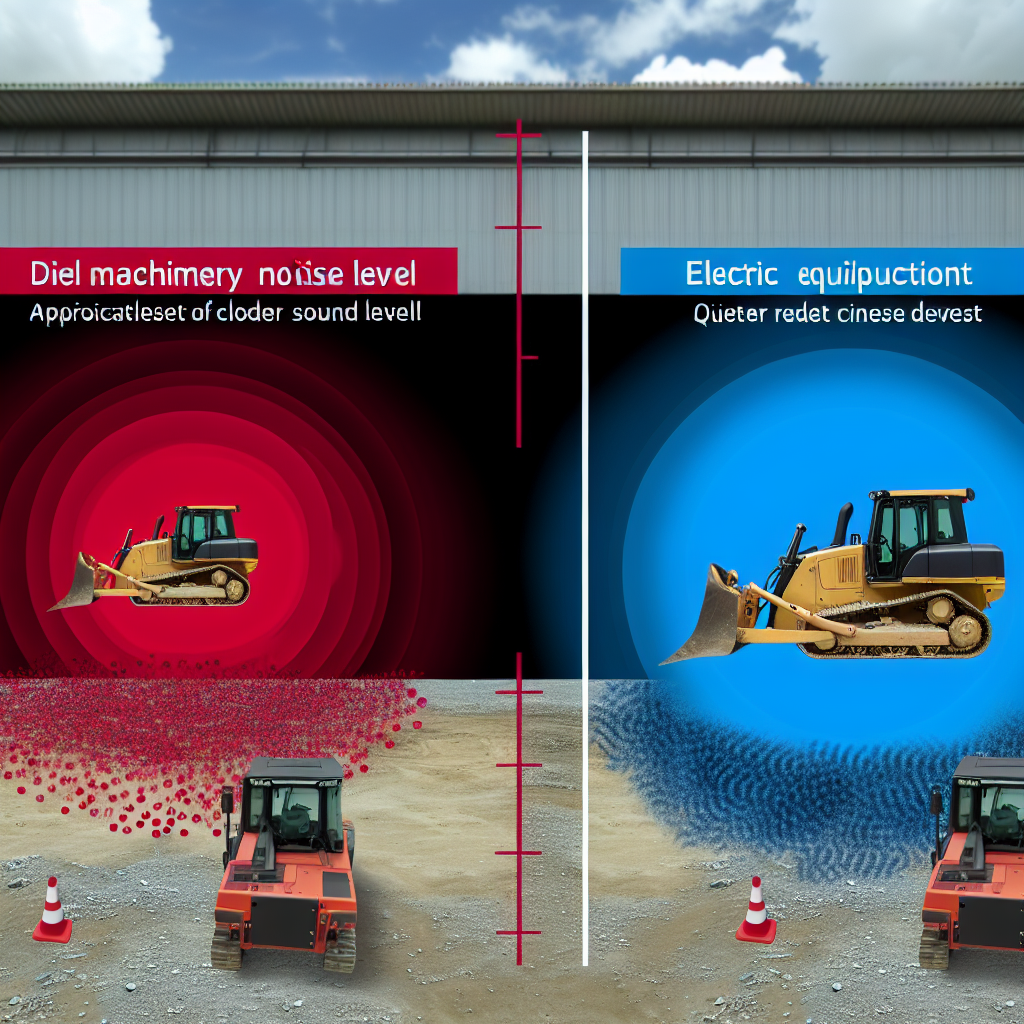
A graphic illustrating the difference in noise levels between traditional diesel machinery and electric machines, emphasizing the nine-decibel reduction achieved with electric machines.
Conclusion
Electric construction equipment stands at the forefront of a transformative shift within the construction industry, offering an array of significant advantages that cater to both environmental sustainability and operational efficiency. With the potential to greatly reduce emissions and noise pollution, these machines are perfectly suited for urban settings where both regulations and community considerations prioritize cleaner practices. The deployment of electric machinery not only enhances job site dynamics by minimizing disturbances but also cultivates a more sustainable future in construction.
As we look to the future, the increasing adoption of electric solutions reflects a broader commitment to eco-friendly practices, driven by stricter emissions standards and growing public demand for cleaner air. Reports suggesting that diesel machinery may be on borrowed time highlight the urgency for industry stakeholders to rethink their strategies.
Ultimately, the implications of this transition are profound, symbolizing not only a technological advancement but a cultural shift in how construction projects can operate harmoniously within urban landscapes. By embracing electric construction equipment, the industry has the opportunity to set a precedent that prioritizes innovation, sustainability, and improved community relations. The path forward is clear: as diesel machines fade into history, electric machinery is poised to reshape the future of construction for generations to come.
SEO Optimization for the Article
To ensure the article on Volvo’s electric construction equipment adheres to SEO best practices and enhances user engagement, the following strategies should be incorporated:
Keyword Density and Placement:
Keyword Density and Placement: Maintain a keyword density of 1% to 2% for the main keyword electric construction equipment. Integrate this keyword naturally in the introduction, subheadings, and conclusion. Related keywords such as diesel trucks, heavy machinery, and environmental impact will also be included throughout the text to optimize search visibility.
Internal Linking Opportunities:
Link to relevant internal articles that discuss related topics, such as electric trucks, the future of construction technology, and sustainability practices in construction. This will create a web of information that enhances user navigation and keeps visitors on the site longer.
Meta Description:
A compelling meta description should be created that includes the main keyword and encourages clicks:
"Discover how Volvo’s electric construction equipment is transforming urban development with zero emissions and reduced noise pollution. Learn about the challenges and benefits of integrating electric machinery into projects where sustainability is a priority."
This description is concise, informative, and designed to attract clicks.
Readability Enhancements:
- Clear Language: Use straightforward language and define any necessary technical jargon.
- Subheadings: Utilize clear subheadings to break content into digestible parts.
- Bullet Points: Present critical information, like benefits and challenges, in lists to enhance skimmability.
- Short Paragraphs: Limit paragraphs to 3-4 sentences, promoting easier reading on digital devices.
- Visuals: Include relevant images and graphics to break text and illustrate key points visually.
Engagement Strategies:
Encourage user interaction through questions in the content, such as:
- How do you envision the future of electric construction equipment shaping urban environments?
- Have you encountered electric machinery in your construction projects?
This can prompt comments or shares on social media, increasing engagement.
By implementing these recommendations, the article will become more SEO-friendly, fostering higher visibility on search engines and better engagement from readers.
Key Challenges in Adopting Electric Construction Equipment
- High Initial Costs: Electric machines often come with a premium of 20-40% over traditional diesel equipment, making entry more difficult for many businesses.
- Charging Infrastructure Needs: A lack of adequate charging facilities, especially in remote areas, can hinder operational efficiency and increase downtime.
- Battery Performance Limitations: Current electric machinery may face issues with longer charging times and shorter runtimes compared to diesel, which can impact productivity.
- Repair and Maintenance Costs: Specialized parts and a lack of skilled technicians can lead to potential increased repair costs and prolonged downtimes.
- Technology Maturity Concerns: Current technology has not reached maturity, presenting challenges in energy density and performance under extreme conditions.
Adoption Rates and Trends in Electric Construction Equipment
The adoption of electric construction equipment is rapidly increasing, driven by numerous factors including sustainability mandates and shifts in industry regulations. Here are some key insights:
Current Market Dynamics:
The global electric construction equipment market was valued at approximately USD 13.6 billion in 2024 and is projected to reach USD 106.9 billion by 2034, with a remarkable compound annual growth rate (CAGR) of 23.3%. Europe currently leads the market, holding a 32% revenue share, with Asia Pacific showing rapid growth due to increased urbanization and electrification initiatives. Excavators are the most commonly embraced electric equipment, making up 30% of the market share due to their widespread use in various construction projects.
Challenges in Adoption:
Despite the promising growth trajectory, several challenges remain:
- High Initial Costs: Electric construction equipment often comes with a premium of 20-50% over traditional machinery, attributed mainly to the high cost of battery technology and specialized components.
- Charging Infrastructure Needs: Inadequate charging facilities, especially in remote areas or on large project sites, can greatly hinder the operational efficiency of electric equipment.
- Battery Performance Limitations: Users face issues such as longer charging times and shorter runtimes compared to diesel equipment, which may affect productivity in demanding work environments.
Growth Forecasts:
The U.S. electric construction equipment market is expected to grow significantly, expanding from 441 units in 2024 to about 1,945 units by 2030, demonstrating a CAGR of 28.06%. This trend indicates a shift towards more sustainable and efficient machinery in construction.
Shifts Towards Sustainability:
Stricter emission regulations are prompting construction companies to invest in electric equipment to avoid penalties and adhere to environmental guidelines. Many cities are implementing low-emission zones which restrict the use of traditional diesel machinery, necessitating a greater reliance on electric alternatives. Furthermore, the push for sustainability is steering urban redevelopment projects towards employing electric machinery, particularly in noise-sensitive and emission-regulated areas.
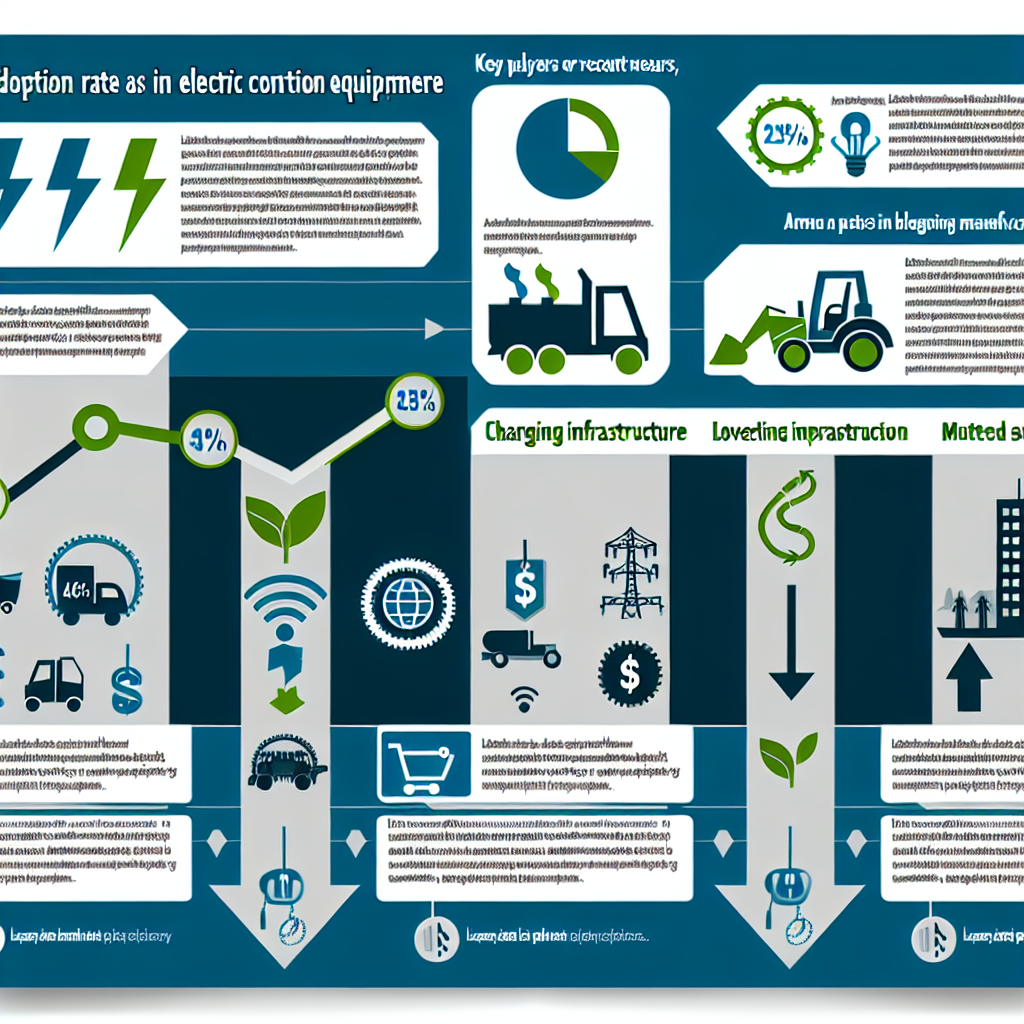
A detailed infographic showing the adoption rates and trends in electric construction equipment, highlighting market growth, key players, and regulatory shifts influencing the demand.
For further insights on the future of electric machinery, consider exploring the following resources:
- Electric Construction Equipment Market Growth
- Advancements in Battery Technology
- Integration of Automation in Construction
- Sustainable Practices in Manufacturing
- Government Incentives for Electric Equipment
In conclusion, while the electric construction equipment market faces challenges, its future looks promising as more construction companies adapt to environmental stewardship and sustainability mandates.
Enhanced Formatting Adjustments
In the extensive article discussing Volvo’s electric construction equipment, we aim to improve reader engagement through consistent formatting. Key improvements include:
Use of Subheadings:
Subheadings will guide readers through various sections, making it easier to locate specific content areas. Each key topic, such as “Environmental Impact” and “Challenges and Limitations,” will be clearly delineated.
Implementation of Lists:
Important points will be highlighted using bullet points or numeric lists where appropriate. This change not only aids in readability but also allows for quick scanning of crucial information such as benefits, challenges, and trends in technology adoption.
Consistency in Stating Facts:
We will ensure factual statements, like the environmental benefits or market dynamics, are uniformly formatted, maintaining a consistent presentation style throughout the article.
By implementing these formatting strategies, the article will maintain reader interest and enhance overall comprehension. This organized structure reflects the informative tone of the article, ensuring that the true advantages of electric construction equipment are communicated effectively.