
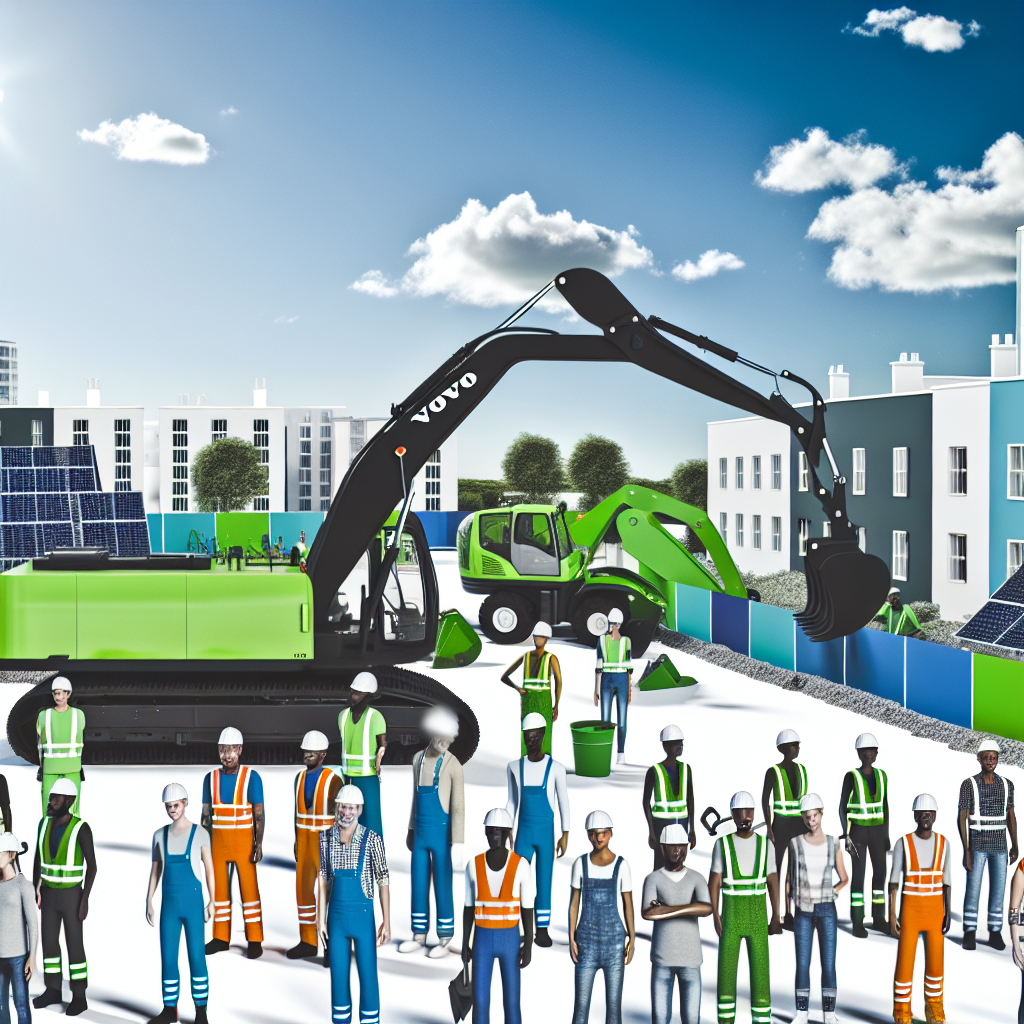
In the rapidly evolving world of construction, the transition to sustainable practices is no longer a mere option, but a critical necessity. As traditional machinery gives way to more eco-friendly alternatives, Volvo is at the forefront of this revolution with its groundbreaking innovations in electric construction equipment. With an emphasis on reducing both environmental impact and operational costs, Volvo’s commitment to developing electric machinery is reshaping how projects are executed across the globe.
The rise of Volvo electric construction equipment signifies not just progress in technology but also a more responsible approach to construction that prioritizes efficiency and sustainability. As we explore the benefits of these machines, from reduced noise levels to lower maintenance costs, it’s clear that the future of construction is electric, and Volvo is leading the charge.
Total Cost of Ownership (TCO) of Electric Construction Equipment
Electric construction equipment is becoming a preferred choice for contractors and builders, mainly because it significantly lowers the Total Cost of Ownership (TCO) compared to traditional diesel machines. This cost reduction comes mainly from lower maintenance and operating costs.
Reduced Maintenance Costs
Electric machines have fewer moving parts than diesel engines, leading to reduced wear and tear. They do not need oil changes, which simplifies maintenance schedules. This can result in savings of up to 35% in maintenance costs over the life of the equipment, as noted by Volvo Construction Equipment.
Operational Cost Efficiency
Operational costs for electric machinery are often lower because electricity costs less than diesel fuel. While the initial purchase price is slightly higher, electric machines save money in fuel over time. According to Volvo, electric machinery is 10 times more efficient than diesel counterparts.
Environmental Benefits and Infrastructure Support
Electric machines not only save costs but also lower noise pollution, making them ideal for noisy urban areas. With increasing regulations favoring low-emission technologies, investing in electric equipment helps companies meet environmental goals and avoid potential compliance costs in the future.
As electric infrastructure develops, companies are finding innovative charging solutions, like Volvo’s PU500 mobile power station, making electric machines easier to use on-site.
Conclusion
Switching to electric construction equipment provides significant long-term savings and supports the industry’s shift toward sustainability. Evaluating current equipment strategies could reveal that adopting these technologies brings financial, operational, and environmental benefits. By transitioning now, businesses can lead the construction industry’s transformation.
Electric construction equipment is more than just an eco-friendly option; it is a smart financial decision with notable advantages over traditional diesel machinery. As the industry evolves, adopting electric machinery will become necessary for competitive operations.
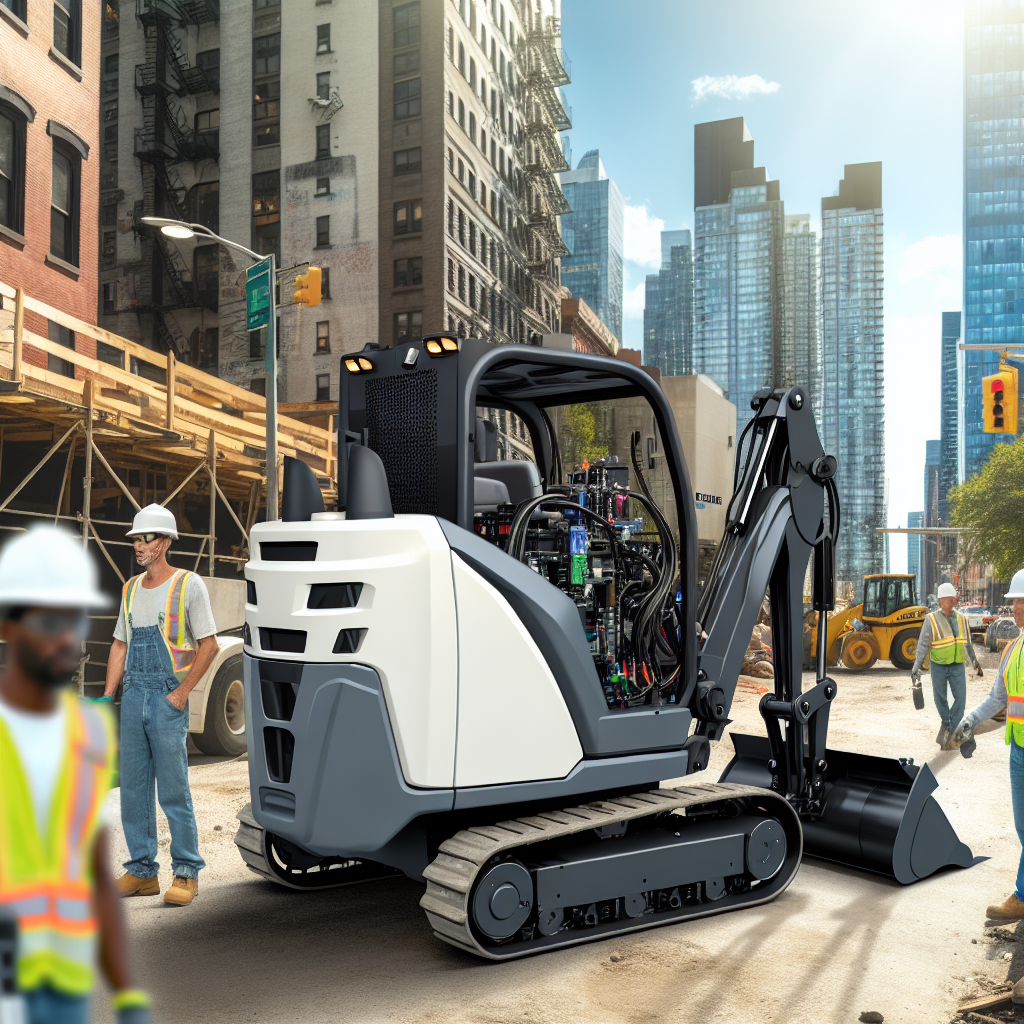
Charging Solutions for Electric Construction Equipment
In the realm of electric construction equipment, charging solutions play a pivotal role in ensuring operational efficiency and productivity. Among these innovations, Volvo’s PU500 mobile power source stands out as a game-changer, providing convenient and efficient energy solutions directly at the construction site.
Overview of Current Charging Solutions
As the demand for electric machinery rises, various charging solutions have emerged to accommodate the specific needs of construction equipment:
-
Universal Fast Charger by JCB
- This charger can refill JCB’s E-TECH range in as little as 2.5 hours, streamlining the maintenance of multiple units on site.
- Compatibility across several models minimizes management efforts, making it a seamless addition to workflows.
-
Voltstack 30k Level 2 e-Charger
- Developed by Portable Electric in collaboration with Volvo, this mobile charging unit offers silent, emission-free energy directly at job sites.
- It enhances sustainability by eliminating the noise and emissions typically associated with diesel generators, thereby improving the working environment for operators.
-
L-Charge Mobile Units
- These rugged solutions are designed to operate in challenging environments, offering instant power without relying on grid access.
- Ideal for remote locations, they allow construction teams to maintain productivity without significant infrastructure investment.
Volvo’s PU500 Mobile Power Source
Volvo’s PU500 mobile power source exemplifies the innovative strides made in charging solutions for electric construction equipment. Here’s how it impacts operational efficiency:
-
Rapid Charging Capability
- The PU500 can significantly reduce downtime by providing quick charging options. For example, it can charge both the L90 and L120 Electric Wheel Loaders in approximately 1 hour, making it invaluable for high-paced jobs.
-
On-Site Flexibility
- Its mobile nature allows operators to charge machines wherever they are on site, eliminating the need for stationary charging stations and enhancing flexibility in work setups.
-
Sustainability Contribution
- By facilitating the use of cleaner electric equipment, the PU500 aids in reducing on-site emissions and aligns with modern sustainability goals, positioning companies favorably with regard to regulatory compliance and environmental responsibilities.
Volvo’s commitment to enhancing operational efficiency through solutions like the PU500 mobile power source is transforming the construction landscape. As electric machinery becomes a standard in the industry, these innovations are not just increasing productivity—they are also paving the way for a greener, more sustainable future in construction.
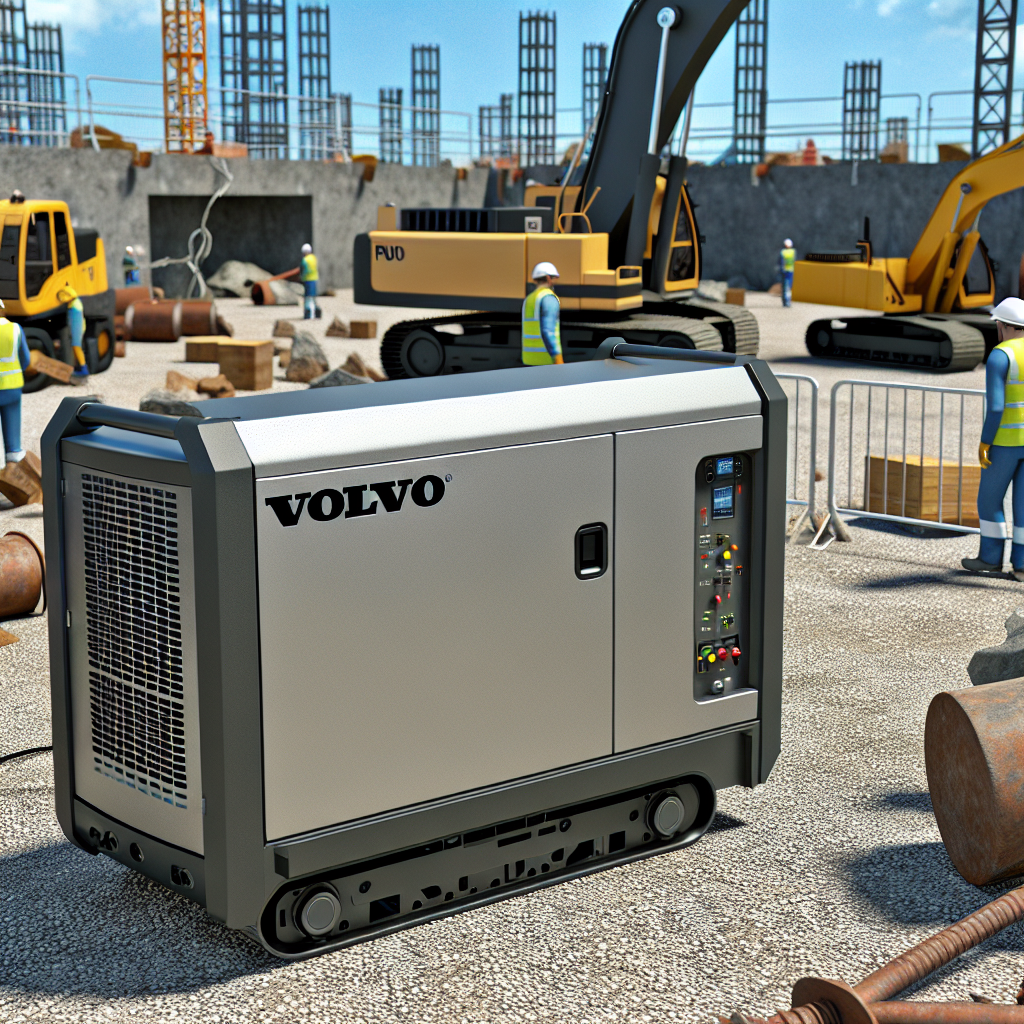
Image of Volvo’s PU500 mobile power source in use at a construction site, underscoring its practical deployment and functionality.
Current Adoption Rates of Electric Construction Equipment
The electric construction equipment market is witnessing significant growth, driven by heightened environmental regulations, technological advancements, and a transition towards sustainability in the construction sector. In 2024, the global electric construction equipment market was valued at approximately USD 13.6 billion, with projections indicating a remarkable 23.3% compound annual growth rate (CAGR), reaching USD 106.9 billion by 2034.
In the United States, the market is expected to grow from 441 units in 2024 to 1,945 units by 2030, reflecting a 28.06% CAGR. North America alone is set to grow at 18.9%, thanks to government incentives and stricter emission regulations.
Technological advancements in battery systems and charging solutions are enhancing the operational efficiency of electric machinery. New lithium iron phosphate batteries provide 30% longer operational cycles, with fast charging capabilities enabling 80% charge in under 45 minutes.
Challenges remain, particularly in initial costs and infrastructure limitations for charging, especially in remote sites. Despite these, the industry’s strong push towards sustainability is driving adoption rates, with manufacturers expanding their electric equipment portfolios to meet the growing demand.
The ongoing transformation in the market indicates that electric construction equipment is not just an emerging trend but a significant shift in how the construction industry responds to environmental and operational challenges.
| Cost Component | Electric Machinery | Diesel Machinery |
|---|---|---|
| Initial Purchase Price | Typically 25-40% less | Higher upfront costs |
| Maintenance Costs | Up to 35% savings | Higher maintenance needs |
| Fuel Costs | Lower (electricity rates) | Higher (diesel prices) |
| Operational Efficiency | 10 times more efficient | Conventional performance |
| Environmental Compliance | Aligns with regulations | May incur penalties |
| Noise Pollution | Reduced by up to 9 dB | Standard operational noise |
| Depreciation Rate | Slower depreciation | Higher depreciation |
Environmental Impact of Electric Construction Equipment
The shift towards electric construction equipment is not only about enhancing operational efficiency and reducing costs but also about making a significant positive impact on the environment. These advancements offer noteworthy benefits, particularly concerning noise levels and emissions, vital for urban projects.
Reduced Noise Levels
Electric construction machinery is substantially quieter than traditional diesel machines. For example, the Volvo EC18 electric excavator operates at around 80 dB, significantly softer than the 93 dB produced by a comparable diesel model. A decrease of just 10 dB lowers the perceived noise level by half, making electric machinery particularly suitable for urban areas where maintaining a lower noise footprint is essential. In densely populated locations, such as city centers, this reduced noise can lead to less disruption for residents and can allow construction activities during restricted hours. [volvoce.com]
Reduction in Emissions
One of the most significant advantages of electric construction equipment is its contribution to lowering greenhouse gas emissions. Electric machines produce zero tailpipe emissions, greatly improving air quality at job sites. A study from the city of Zurich revealed that electric construction machinery could cut greenhouse gas emissions by up to 63%, and nitrogen oxide emissions by 67% when compared to diesel counterparts. The transition to electric equipment is particularly crucial in cities where construction sites are a major source of pollution. For instance, in Oslo, construction activities account for 18% of total greenhouse gas emissions, a statistic that underscores the importance of adopting zero-emission technologies. [atech-antriebstechnik.de]
Health Benefits
The lack of exhaust fumes from diesel equipment not only has environmental implications but also greatly enhances the health and safety of construction workers. Reduced exposure to harmful pollutants from diesel exhaust contributes to better respiratory health among site workers. As regulations around air quality tighten, electric machinery positions itself as a compliant option that helps contractors avoid potential penalties and health-related costs.
Commitment to Sustainability
Volvo is leading the charge in this transition. Their Electric Site project demonstrated a remarkable 98% reduction in carbon emissions and a 70% reduction in energy costs during a real-world trial. With commitments to electrifying their complete product line by 2030, Volvo’s initiatives represent the industry’s broader move toward sustainable development. [conexpoconagg.com]
Conclusion
As the construction industry increasingly adopts electric equipment, the environmental benefits become evident. Reduced noise pollution and emissions substantially improve the sustainability of urban projects, allowing for construction activities in areas that previously faced stringent regulations. Embracing electric construction equipment is not only a positive step toward reducing environmental impact but also aligns with the evolving standards of urban development.

Conclusion
The transition to electric construction equipment is not merely a trend; it represents a pivotal shift towards a sustainable and efficient future in the industry. Companies who adopt electric machinery will benefit from substantial long-term savings in total cost of ownership, largely due to lower operational and maintenance expenses. As demonstrated, the upfront costs can be offset by the ongoing reductions in fuel and upkeep, allowing for increased profitability over time.
Moreover, the environmental impact of these advancements cannot be overstated. With electric machines producing zero emissions and significantly lower noise levels, construction sites become healthier and more manageable, particularly in urban environments where regulations around noise and air quality are becoming stricter. By investing in electric machinery now, companies can position themselves as responsible stakeholders committed to reducing their carbon footprints and complying with evolving sustainability standards.
As the evidence mounts in favor of electric construction equipment, the time for action is now. Stakeholders at all levels must consider the benefits of these technologies and take proactive steps to integrate them into their operations. Together, we can lead the charge towards an innovative, sustainable future in construction. Embrace electric equipment, reduce TCO, improve your corporate image, and contribute to a healthier planet for generations to come. Let’s be pioneers in this transformation and make a commitment to electrification today.
SEO Optimization of the Article
To enhance the search engine optimization (SEO) of the article on Volvo electric construction equipment, several strategies can be employed:
-
Keyword Usage
- Integrate the primary keyword “Volvo electric construction equipment” naturally throughout the article, particularly in the introduction, headings, and conclusion. Related keywords such as “electric vehicles (EVs),” “heavy machinery,” “total cost of ownership,” and “charging solutions” can also be woven into the text, including in headings and subheadings.
-
Heading Structure
- Use a logical hierarchy in headings. The main title should be an H1 tag, with critical sections marked as H2 and sub-sections as H3. For example:
- H1: Total Cost of Ownership and Charging Solutions for Electric Construction Equipment
- H2: Introduction
- H2: Total Cost of Ownership (TCO) of Electric Construction Equipment
- H2: Charging Solutions for Electric Construction Equipment
- Use a logical hierarchy in headings. The main title should be an H1 tag, with critical sections marked as H2 and sub-sections as H3. For example:
-
Enhancing Readability
- Ensure paragraphs are kept concise, ideally between 2-4 sentences. This breaks up dense information, making it more digestible.
- Utilize bullet points and numbered lists where appropriate to summarize key facts or strategies, improving readability for skimmers.
- Incorporate images or diagrams to complement text sections, visually representing the concepts discussed (adding appropriate alt text for accessibility).
- Maintain a conversational tone without overly technical jargon, making content accessible for a wider audience.
-
Internal and External Linking
- Consider adding internal links to other articles or resources on your site that discuss related topics, such as “environmental impact of electric vehicles” or “construction industry sustainability initiatives.”
- Include well-cited references from reputable sources within the text to enhance credibility and provide further reading for interested readers.
-
Meta Descriptions and Title Tags
- Create compelling meta descriptions that include the main keyword and give a brief overview of the article’s content. This helps increase click-through rates from search engine results.
By following these SEO best practices, the article can achieve improved search visibility, attract more readers, and establish a strong online presence for discussions surrounding Volvo electric construction equipment.