
Off-roading is not just a hobby; it’s a passion that invites adventure into the everyday. Whether you’re conquering rugged trails or tearing through muddy terrains, your truck is the vessel that brings these thrilling moments to life. But as exhilarating as these adventures are, they leave behind more than just memories; they leave a layer of dirt, grime, and debris that can wreak havoc on your vehicle if not addressed promptly. This article explores the critical importance of washing your truck right after off-roading. From the immediate benefits of protecting your vehicle’s finish to long-term preventative maintenance strategies, each chapter uncovers essential insights for off-road enthusiasts and adventurers alike. Let’s delve into why a little attention to cleanliness can make a large difference to your ride’s performance and aesthetics.
Wash Now or Regret Later: A Practical, Protective Path After Off-Roading

Off-road adventures imprint themselves on more than your memories. They leave a trail of mud, sand, leaves, and sometimes salt that clings to your truck’s skin and seams. The decision to wash right away isn’t about theatrics or vanity alone; it’s a practical choice that can influence how your vehicle looks, how it runs, and how long it lasts. When you pull back onto the pavement after a rough run, a quick, decisive rinse primes your truck for the work ahead: protecting metal, preserving cosmetics, and preventing moisture from becoming a silent aggressor in hidden corners. The logic is straightforward enough: debris that dries in place tends to become stubborn, and stubborn grime is not just an eyesore. It can be a doorway for wear if left to linger.
The immediate threat from mud and dirt is twofold. First, abrasive particles suspended in grime can scuff paint and rub away protective coatings, especially where the surface is already stressed by rocks and branches. Second, moisture trapped in grime—especially clay-rich mud or damp organic matter—can sit against metal and rubber, inviting corrosion and material fatigue over time. The undercarriage, suspension components, and wheel wells are the quiet front lines in this battle. Mud can trap moisture close to steel or aluminum, and once rust or corrosion begins, it often takes years to fully arrest. The long-term risk isn’t just cosmetic; it’s functional. If grime clogs brake components or coats pivot points with grit, performance and safety can suffer. A thorough post-off-road wash is less a luxury and more a maintenance act with real consequences.
A common thread in the car-care world is this: timing matters. Debris that dries and crystallizes becomes harder to remove, and that extra effort can stretch your wash from a simple rinse to a painstaking scrub. For most drivers, the recommended window isn’t a rigid stopwatch but a practical guideline—clean within 24 hours after you’ve hit the trail. If you’re in a salt-prone environment, or you’ve spent time on wet muddy trails that cling to every contour, that window tightens in importance. Salt bedded in crevices, for instance, accelerates corrosion and compounds wear on fasteners and subsystems. Prompt cleaning helps you intervene before accumulated grime embeds itself into corners you rarely inspect, like the frame rails, exhaust tips, or the underside of the bumper.
Yet the decision to wash isn’t an invitation to reckless spraying. There are cautions to heed. The engine and its bay are the heart of the truck, and they deserve respect. Water coming from a high-pressure wand can surprise you with a thermal shock if the engine is still hot. Let the engine cool to a safe, comfortable temperature, then approach with a plan. High-pressure technique has its place, but the engine bay is not the place to go full blast. Electrical connectors, exposed wiring, and sensitive sensors can be vulnerable to an unruly spray. Instead, prioritize a method that preserves electronics while still delivering a thorough cleansing. A milder approach in the engine compartment, with careful aim and a broad spray to push grime away, is often more effective and safer than a direct hit against delicate components.
This careful approach doesn’t mean you should skip the undercarriage or the wheel arches. If anything, those areas deserve special attention. Mud and wet grime in the wheel wells and along the rocker panels can trap moisture and muddy salts against metal surfaces. A targeted rinse helps loosen stubborn deposits before they harden into crusty clumps. When you begin washing, start with a broad rinse from a safe distance to knock away loose material. Then move to a more deliberate wash with a soft brush or a cloth to lift embedded matter from fenders, door bottoms, and rocker panels. For the wheels, a dedicated cleaner or a mild soap with a soft brush works well to remove brake dust without scratching rims or seals. The goal is to lift grime without introducing added abrasion or excessive scrubbing that can mar paint or rubber seals. If you’re dealing with particularly stubborn grime, consider a cleaner designed for off-road use, but always follow the product’s instructions and test a small area first.
A practical wash routine blends efficiency with thoroughness. A quick rinse can remove the most obvious coat of mud that could dry and cake up when neglected. Then, within a day or so, performing a full wash ensures that all surfaces—body panels, undercarriage, and the underside of the bumper—receive attention. The underbody deserves a careful pass because grime in these areas can trap moisture and corrosive elements that accelerate wear. A clean undercarriage makes inspections easier, too. You’ll notice leaks and wear patterns more readily if the chassis is free of mud. This visibility is invaluable when you’re planning maintenance or evaluating a vehicle you intend to keep for years. In this sense, washing serves a dual purpose: immediate protection and long-range peace of mind.
The technique matters as much as the timing. A wash that respects materials and avoids aggressive methods will preserve the truck’s integrity while still delivering a thorough cleanse. Use a mild soap that won’t strip protective coatings, and apply it with a soft brush or cloth to the body panels. A dedicated off-road cleaner can tackle stubborn grime on tough-to-clean surfaces without harsh effects on paint. For the tires and wheels, a separate approach is prudent. Wheels can tolerate stronger cleaning action than painted surfaces, but you should still avoid metal-brushing actions that could scratch or dull coatings. Rinse thoroughly to remove all soap residues, which can degrade rubber seals or attract more dirt if left to dry. After drying, a light coat of protectant in areas prone to cracking or sun exposure can help maintain flexibility and reduce cracking from ultraviolent exposure, though you should avoid saturating rubber with products that keep moisture from escaping, which can cause glaze buildup or residue over time.
In the end, the act of washing post-off-road isn’t about vanity. It’s about safeguarding the vehicle you rely on for daily transportation, work duties, and weekend adventures. It preserves the visual appeal that often translates into higher resale value and a vehicle that feels cared for. It also reinforces a habit of inspection that can catch issues early. When you wash promptly, you’re more likely to notice dinged bodywork, loose undertray fasteners, or developing rust spots before they become costly problems. A proactive approach to post-off-road care makes maintenance feel less like an expense and more like preventive medicine for your truck’s longevity.
For readers who want a quick path to deeper mechanical understanding, consider exploring resources on diesel maintenance and the fundamentals of keeping a truck in top shape. A practical guide to diesel mechanics offers a step-by-step path to success that complements the washing routine described here. You can read more about that approach in the linked primer: mastering diesel mechanics: your step-by-step path to success.
As you plan your next off-road excursion, carry a simple mindset: act promptly, wash thoroughly, and inspect as you go. A well-timed wash within a day or so, done with care and the right cleaning tools, is one of the most effective, low-effort ways to protect your truck from the rigors of rugged trails. It preserves beauty, supports performance, and minimizes the risk of long-term damage that can creep up from neglected grime. Your future self will thank you for taking a little time today to keep the ride smooth, the components sound, and the miles ahead free from unnecessary trouble. For readers seeking a broader view of post-off-road maintenance strategies, a detailed external guide can provide additional, pragmatic tips on washing techniques, environment considerations, and best-practice routines: https://www.autoblog.com/2023/11/19/off-road-truck-washing-tips/.
Mud, Metal, and Mindful Maintenance: Why Washing Your Truck Immediately After Off-Roading Seriously Matters
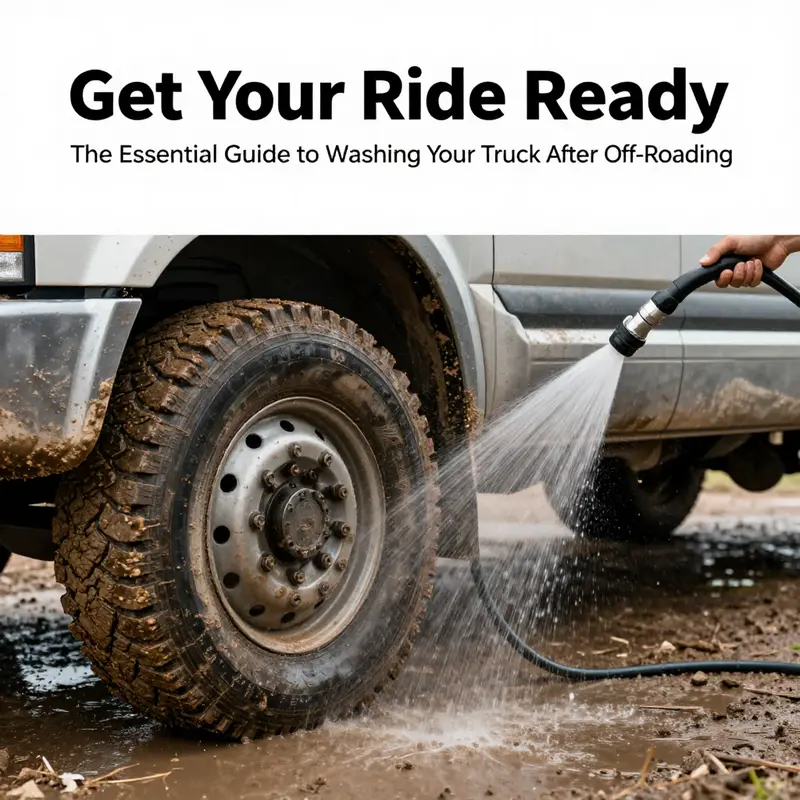
When you roll back onto pavement after a day of off-roading, the work isn’t finished. The truck you climbed into, the mud on the wheel wells, the grime encrusting the undercarriage, all tell a story of the trail you just conquered. The decision to wash right away is not a vanity choice; it’s a practical act of preservation. Dirt isn’t merely dirt on a sunny afternoon; it’s a mixture of moisture, abrasive particles, and, in some places, road chemicals or environmental salts. Left to dry, this combination can do more than smear your paint. It can trap moisture against metal, seep into seals, and wedge itself into crevices where it can begin a slow but steady process of wear. The logic of immediate cleaning emerges from a straightforward aim: protect the truck’s performance, appearance, and longevity by removing anything that can cause rust, abrasion, or contamination of moving parts. In practical terms, washing soon after off-roading, ideally within 24 hours, becomes a preventive maintenance step that pays dividends down the line. The rationale isn’t merely cosmetic; it’s a health check for the chassis, the suspension, and the drivetrain, all of which bear the brunt of a muddy expedition.
Begin with the undercarriage, where most of the battle happens. Mud and grime don’t just cling to the surface; they act like tiny sponges that hold moisture and can trap corrosive elements such as road salt or agricultural chemicals. When these substances cling to metal for extended periods, they begin to oxidize. What starts as a dull discoloration can evolve into visible rust or thinning coatings. The undercarriage is also where the fine, crucible-like interactions occur between suspension components, brackets, and brake lines. Dried mud, especially if it contains abrasive grit, can accelerate wear on bushings, axles, and mounting points. Addressing this immediately makes a dramatic difference in both corrosion resistance and mechanical reliability. In short, cleaning the undercarriage isn’t about a neatly sparkling frame; it’s about preventing moisture entrapment and corrosive build-up that could compromise strength and safety over time.
The content of mud itself matters, too. Off-road runs pull in a spectrum of materials—sand, clay, organic matter, salts, and even trace chemicals from the environment. Some of these substances, when wet, feel benign enough, but as they dry they can crack and separate from tight spots, making them harder to remove later. Abrasive particles can score paint and rubber seals if left on the surface long enough. Organic debris—leaves, plant fibers, or animal waste—can degrade rubber and plastics, and in some cases invite micro-microbial growth if it remains damp and tucked into gaps. A prompt wash goes beyond removing the visible grime; it reduces the risk that the vehicle’s most exposed surfaces wear down from the inside out via moisture retention and chemical interaction.
A central concern for many off-roaders is the drivetrain and steering geometry. Mud that makes its way into drivetrains, transfer cases, and the junctions where components meet their lubricants is not inert. Contaminants can alter lubricant viscosity and introduce particulate matter that accelerates wear. In a worst-case scenario, contaminated lubricants may degrade faster, creating heat and friction that tax bearings and seals. Cleaning these areas promptly helps ensure that any residual lubricant remains clean and effective. It’s part of a broader logic: prevention reduces risk of mechanical fatigue, and the time spent washing is a savings in potential downtime and costly repairs later.
So how should you approach the wash to maximize benefits without inviting new problems? First, avoid blasting a hot engine with high-pressure water. Let the truck cool down so you don’t subject components to thermal shock. The engine bay is particularly sensitive to water intrusion; a careful rinse and drying are prudent, while avoiding direct high-pressure hits to electrical components that could compromise wiring or sensors. When you aim the wash toward the engine bay, keep the nozzle at a reasonable distance, use a gentle setting, and rely on biocompatible automotive cleaners rather than household cleaners that can strip protective coatings. A dedicated off-road cleaner, applied with a soft brush, helps lift stubborn grime without harsh abrasives that could compromise rubber seals or paint. If you don’t have a dedicated cleaner handy, a mild soap solution is acceptable for most surfaces, provided you rinse thoroughly.
The wheels and tires deserve focused attention, too. Debris quickly collects in the wheel wells where mud can dry into crusty clumps that resist removal. A strong rinse followed by a light scrubbing with a soft brush helps keep wheel fins and brake components clear of any abrasive residue. Avoid metallic brushes that can scratch rotors or calipers. When you address the undercarriage, it’s also a good time to inspect critical points such as brake lines, hose connections, and clamps. Early signs of wear or looseness can be spotted more readily when the vehicle is clean and easy to examine. If you adhere to a routine, you’ll notice small changes over time—slightly looser brackets, a new crack in a hose shield, or a shift in the way hoses route around the frame. These are not emergencies, but they are reminders that wash days are also inspection days.
The timing of a thorough wash can be adjusted to fit practical realities, but the underlying principle remains constant: remove grime before it hardens and before it invites further trouble. A quick rinse after a muddy run may remove the bulk of the surface dirt, while a more thorough wash within a day or two ensures the undercarriage and drivetrain receive the attention they deserve. A brisk rinse that clears the chassis and wheel wells sets the stage for a deeper clean, and in turn, makes a later inspection much more informative. The goal isn’t just to look clean; it’s to maintain a state of readiness so the truck’s performance isn’t compromised by the hidden implications of off-road exposure.
To support a thorough approach, consider a two-step plan. Begin with a broad rinse that dislodges loose mud from the undercarriage, wheels, and high-traffic contact points. Then switch to a targeted wash using a mild cleaner to lift stubborn grime from tighter crevices. A soft brush helps dislodge materials without scratching metal or plastic trim. Pay attention to areas that are prone to accumulate grime, like the rocker panels, lower doors, and the brake rotor faces behind the calipers. These zones often harbor grime that simply won’t budge with a quick spray. By the time you finish the second pass, the vehicle should look noticeably brighter and feel easier to inspect.
Once you’ve achieved a clean exterior, turn your focus inward toward the more delicate yet equally important components. The electrical system, air intake, and sensors are less forgiving than metal surfaces when exposed to water under pressure. Where possible, avoid direct spray on sensitive wiring and connectors. Drying is as important as washing; moisture retained in crevices can foster corrosion and electrical issues down the line. If you’re unsure about the proper method for specific components, a professional detailing session offers the advantage of trained eyes and tools that can safeguard the sensitive parts while still delivering a comprehensive clean.
Incorporating the wash into a broader maintenance mindset can yield the best long-term results. The act of cleaning isn’t a standalone ritual; it’s part of a continuum that includes inspection, lubrication, torque checks, and the replacement of worn parts as needed. For example, nitrogen-filled shocks and their proper pre-load and pressure checks benefit from a clean surface, where you can more easily verify the presence of leaks, dirt buildup, or improper seals. Leaf springs and other suspension members are easier to inspect when free of encrusted mud, letting you spot cracks or fatigues before they become a hazard. The takeaway is simple: cleanliness enables clarity. A clean vehicle makes it easier to notice changes, wear patterns, and potential issues that could escalate if ignored.
If you want a deeper dive into the mechanical reasoning behind regular maintenance, consider a broader library on diesel mechanics and the step-by-step paths to success. The linked guide offers practical perspectives that complement this wash-focused approach, reinforcing the idea that good upkeep is a holistic practice rather than a one-off task. For readers seeking actionable, technical insights that extend beyond the wash itself, this resource provides a reliable roadmap to sustain engine and drivetrain health over many miles of rugged use. Mastering Diesel Mechanics: Your Step-by-Step Path to Success.
Professional detailing remains a worthy option for the most meticulous care. A detailer can perform a comprehensive inspection that might surpass what a routine home wash can achieve. They can verify the condition of rubber seals, gloss levels, paint protection, and undercarriage integrity, and they often expose issues that might be missed during casual maintenance. The purpose of this guidance is not to discourage DIY wash days but to underscore that the benefit of early, deliberate cleaning compounds with expert scrutiny when needed. If you routinely take your truck through rough terrain, a professional assessment after a muddy expedition can be a prudent investment in reliability and peace of mind.
Ultimately, post-off-road washing is about stewardship. It’s about acknowledging that the trail leaves marks that, if left unattended, can evolve from cosmetic blemishes into functional vulnerabilities. The environment you crossed may have harbored moisture, salt, and abrasive sediments that are eager to claim a share of metal, rubber, and seals. You owe it to your vehicle to remove that risk as quickly as possible, while respecting the parts that deserve gentleness and care. A measured, thoughtful approach—cool engine, careful use of water, mild cleaners, and a thorough inspection—transforms cleanup from a chore into a proactive maintenance ritual. It’s a habit that aligns with long-term performance goals, reduces the likelihood of rust or premature wear, and keeps your truck ready for the next adventure without the burden of preventable damage.
External reference for further context on the car-care aspects of off-roading is available here: https://www.autoblog.com/2025/04/17/off-roading-car-care-tips/
Waiting to Rinse: The Hidden Long-Term Costs of Delaying Post-Off-Road Cleaning

Every off-road excursion writes its own dirt story on a truck. The trail leaves behind a mix of mud, dust, and splashed salt that clings to rocker panels, undercarriages, and the stubborn corners of the wheel wells. It’s tempting to press on with life after a muddy run, but delaying a wash does more than stain the paint. It seeds long-term risks that can quietly erode performance, reliability, and value. The decision to rinse later is not simply about vanity or convenience; it is a gamble with the vehicle’s most critical systems and its future worth. When we let grime sit, especially in certain environments, the consequences pile up in a way that only reveals itself years down the line, during the moment of need when the truck should be strongest, most dependable, and most presentable. The story of delaying a wash unwinds across several interwoven threads: corrosion, system efficiency, electrical resilience, and the ever-important question of resale value. Understanding these threads helps us see why the clock to clean often starts the moment the tires roll back onto pavement and continues for the days that follow.
Corrosion is the most immediate and insidious threat. Mud and grime trap moisture against metal surfaces, and when those surfaces meet road salt, acidic compounds, or coastal humidity, a chemical duet forms. The undercarriage—a maze of frame rails, control arms, and protective coatings—becomes a micro-environment where rust can begin to form, especially where coatings are thin, damaged, or chipped. Once rust takes hold, it doesn’t politely wait its turn. It spreads along seams and joins, creeping into places that support weight and carry motion. What starts as a small blemish or a dull spot can, over months, compromise structural integrity. Frame rails and suspension components are not merely cosmetic; they bear the load, absorb shocks, and keep alignment. Small rust pinholes or flaking metal can illuminate a future problem with startling clarity during a climb, a tow, or a heavy load. The rust path may be slow, but its consequences can be rapid when a critical component weakens, creating a risk of sudden failure that embarrasses a driver and endangers passengers.
The undercarriage is not the only canvas for delayed cleaning. Debris that clings to the exhaust system or around brake lines can act as a heat trap or a structural irritant. Dried mud, once water evaporates, leaves behind mineral deposits that can clog or restrict airflow and create hot spots. In the exhaust path, buildup can alter backpressure and subtly disturb engine performance. In the braking realm, compacted grime near lines or around the caliper area can influence cooling and lead to heat soak. Brake systems rely on maintaining temperatures within a predictable range; when grime adheres and moisture coexists, the heat management balance can tilt toward fade or reduced responsiveness. These are not dramatic, single-shot failures but progressive degradations that accumulate evidence in the form of longer stopping distances, reduced braking force, and, eventually, the unsettling realization that maintenance has fallen behind.
The most dramatic warnings often come from the electrical and sensor ecosystems that modern trucks rely on. A vehicle’s wiring, connectors, and sensor housings are designed to keep moisture out and reliability high. But a thick layer of grime creates a barrier that can trap moisture against seals and connectors. Over time, that moisture can seep into enclosures or along harness connections, leading to intermittent sensor readings, corrosion at contact points, or even short circuits in vulnerable circuits. The risk is highest for older trucks that feature sealing practices that weren’t built to the same tolerances as newer designs. When corrosion and moisture meet connectors, the result can be unpredictable behavior—from spurious warning lights to sudden loss of function in critical subsystems. In the field, such issues are not always obvious immediately. They tend to surface as the truck ages, often when it’s needed most—on a remote trail, at a busy construction site, or during a cold season when the electrical system bears the load of heating and illumination.
Beyond the mechanical and electrical dimensions, there is a human one: neglect signals to the next owner. A truck that shows signs of postponed care invites questions about how well it has been maintained. Prospective buyers look for evidence of regular cleaning as a proxy for regular maintenance checks. Mud crusts, rust patches, and lingering deposits on the undercarriage can translate into perceived neglect, affecting resale value even if the vehicle functionally remains sound. Maintenance history is a narrative buyers read in part through the visible cues on the vehicle’s exterior and undercarriage. A truck that looks like it has been cared for—cleaned promptly after off-road adventures—sends a message that the owner has paid attention to corrosion control, system cleanliness, and overall preventative care. Conversely, a grimy appearance can trigger concerns about hidden corrosion, clogged lines, or degraded seals. The result is not merely emotional; it translates into dollars, with potential buyers calculating risk, future maintenance needs, and the cost of potential rust mitigation or part replacement.
The practical takeaway then is simple in principle, even if the execution can require discipline. Cleaning the truck within a 24 to 48-hour window after off-roading provides a margin that reduces the likelihood that grime dries into place, that moisture remains trapped against sensitive surfaces, and that salt or minerals have more time to begin their corrosive work. A quick rinse loosens the majority of loose dirt and salt, while a thorough wash targets stubborn grime around the undercarriage and frame rails. A careful process matters more than a hasty blast. It’s important to avoid forcing water into areas that are difficult to reach or are especially vulnerable to damage, such as an engine bay that is hot or partially exposed electrical components. Let the engine cool before a more aggressive wash that includes the engine compartment, and never use high-pressure streams to clean around bearings, seals, or exposed wiring. The goals are to remove grime without creating new problems, to minimize moisture retention, and to dry components thoroughly to reduce the opportunity for rust and corrosion to begin.
Choosing the right cleaning agents also makes a notable difference. A mild automotive soap paired with a soft brush or sponge is ideal for the body panels, while a dedicated off-road cleaner can help break down stubborn grime around the chassis and wheel wells without aggressive scrubbing that could scratch surfaces. It makes sense to treat the most exposed areas—the undercarriage, wheel wells, and frame rails—with more attention. Those zones accumulate the brunt of the splash and carry the most moisture, along with any salt from winter driving or coastal roads. The goal is to lift and rinse away the grime, leaving behind a clean surface that resists moisture retention and allows protective coatings or rust inhibitors to do their job more effectively. After washing, thorough drying is essential. A quick air dry should be followed by a towel or microfiber wipe for critical seams, joints, and connectors. In some cases, applying a light protective coating or rust inhibitor in the undercarriage area can add a margin of defense, especially in environments where moisture and salt are persistent visitors.
For those who cannot wash within the ideal window due to weather, schedule, or access to appropriate facilities, the emphasis remains on as much prevention as possible. Rinse away as much loose material as you can, even if you must postpone a full wash. A light, targeted rinse to the undercarriage and wheel wells can slow the rate at which grime sets in, buying time until a proper washing opportunity appears. Taking note of any signs of damage during post-run inspections—loose trim, chips in the protective coatings, or unusual rust spots—can prompt timely maintenance before a more serious issue arises. This approach aligns with a broader maintenance philosophy: address the obvious risks early, and the latent risks will have less chance to compound. The case for timely washing is not a rigid rule; it’s a framework for preserving the truck’s integrity through the rough and tumble of off-road life.
In the end, the long-term health of a truck that regularly ventures off the beaten path hinges on consistent, thoughtful cleaning as part of a broader maintenance practice. It’s about recognizing that grime is not merely cosmetic; it is a signal and, at times, a hazard. Prompt washing reduces corrosion exposure, helps maintain critical systems in a more reliable state, and preserves resale value by demonstrating ongoing caretaking. The message is clear: a disciplined routine that includes a wash after off-roading supports the truck’s longevity and performance, especially when the terrain has been tough, the season demanding, or the environment harsh. The cost of delaying is not just a momentary nuisance; it is the slow erosion of protection, efficiency, and value that can catch up with a vehicle when it matters most. For anyone who uses a truck hard, the logic follows a straightforward line—clean early, care for the gear, and the payoff is a longer, more dependable life behind the wheel.
External reference for broader maintenance guidance that complements this focus on post-off-road care can be found at the U.S. Department of Transportation’s official resources on vehicle upkeep and safety. https://www.transportation.gov/
From Mud to Meticulous: Mastering the Post-Off-Road Wash

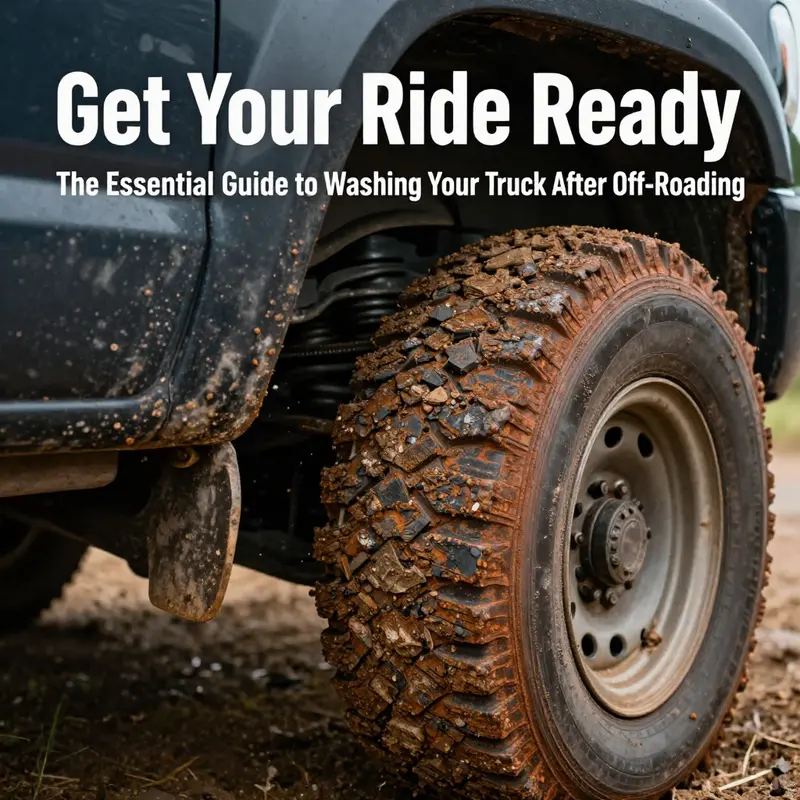
The moment the tires roll back onto pavement after a thrill-filled off-road sortie, the truck reveals the work it did that day. It wears a coat of mud, dust on the chrome and plastics, and a stubborn film clings to the undercarriage where rocks and grit hid themselves during the climb or descent. What might seem like a simple cleanup is, in truth, a careful act of care that protects both the truck’s appearance and its bones. The decision to wash promptly—ideally within 24 hours—rests on a straightforward idea: dirt is not inert. It is a solvent, abrasive, and, over time, a potential ally of wear. The sooner you remove it, the less opportunity it has to etch into paint, clog seals, or trap moisture against metals. This is more than vanity. It is defense against rust, corrosion, and creeping wear that erodes the value and reliability you rely on when you need the truck most.
As soon as you pull the vehicle into a shaded, cool spot, you begin a quiet ritual of assessment and renewal. The mud that darkened the wheel wells and the undercarriage is a time capsule of the terrain you crossed. It may carry thin acids from road salt, mineral salts from a muddy river crossing, or organic matter that can degrade rubber seals if left to linger. The goal is not to chase perfection in one pass but to establish a prudent routine: remove the worst, then clean the rest with gentle, protective methods. And while it is tempting to blast away grime with brute force, the rules of post-off-road washing stress precision over puissance. High-pressure blasts aimed at sensitive areas–electrical connections, sensors, or the seals around doors and the engine bay–can invite costly misfires, moisture intrusion, or misalignment. A cool engine is a practical prerequisite for any aggressive spray near the engine bay, because hot metal and cold water can meet in a way that invites warping or stress to vulnerable components. The knowledge here is simple but powerful: careful handling protects years of performance.
The why behind the timing is also important. Dirt dries, causes micro-scratches when scrubbed, and becomes a tougher adversary if left to bake in sun or bake onto rubber and plastic. The undercarriage, with its exposed metal, fasteners, and coatings, is especially susceptible to moisture and corrosive elements. Road salt in winter, mineral-rich sediment in desert runs, and even organic residues from plant life can corrode, pit, or degrade without a timely rinse. A quick initial rinse loosens the crust and reduces the risk of dragging grit across paint or chrome during the later scrubbing. The aim is not to scour every square inch in a single pass but to build a method that respects the truck’s sensitive spaces while giving every surface a chance to recover its former glow.
Begin with the rinse. Use a high-pressure hose to remove the bulk of the mud and debris, focusing on the areas most prone to buildup—the wheels, tires, and undercarriage. Those zones hide the most stubborn grime, and if left to dry, the particles can scratch when you begin the foaming and washing stage. However, resist the urge to blast directly at seals, sensors, or exposed electrical connectors. Those are the places where water intrusion can cause trouble, especially in harsh weather or where wires and harnesses run close to the surface. If the engine is still hot, allow it to cool before approaching with aggressive water near the bay. Once the loose material is loosened, bring in a soft brush or sponge for the trim, mirrors, and other delicate surfaces. This step is as much about gentleness as it is about efficiency; a light touch prevents micro-scratches that later become visible once the vehicle dries.
With the loose material removed, switch to soap. A pH-balanced truck wash soap designed for automotive finishes works best because it cuts through grime without stripping protective wax or coatings. A microfiber mitt or wash glove is your ally here, sliding over panels with a light touch and lifting dirt rather than grinding it into the surface. Working from the top down helps ensure that dirty runoff does not re-soil areas you have already cleaned. Pay special attention to the wheel wells and fenders, where mud loves to accumulate, and where wheel debris can abrade paint and seals if it isn’t removed methodically. The emphasis here is on controlled removal rather than brute scrubbing; let the soap do the hard work as you glide the mitt over each contour, from hood to rocker panels, door sills to the tailgate.
Rinsing again after the soap is essential. A thorough final rinse clears away all soap residue, which otherwise can attract grime or etch the surface over time. Residual soap dries into a film that can magnify dust and make future cleaning harder. The goal is a clean slate, with nothing left to cling to the paint or trim. Once the exterior has been rinsed clean, you can consider the undercarriage. Here, a biodegradable degreaser or undercarriage cleaner can break down stubborn grime, salt, and oil that have collected in crevices and around the frame. Let the cleaner sit for a few minutes before rinsing; the contact time gives it a chance to work without requiring you to scrub every nook and cranny with brute force. If you have protective coatings, you should follow the coating’s care guidelines to maintain its protective properties. Some coatings require a gentler approach or specific products to preserve their longevity. The careful reader will understand that the aim is not simply to remove dirt but to maintain the integrity of metal and protective layers that shield against corrosion and physical wear.
The routine you establish after each off-road session has longer implications than the momentary shine. Regular cleaning helps you spot early signs of trouble—loose bolts, wear on suspension components, displaced protective coatings, or seal failures—that might otherwise go unnoticed until more costly repairs arise. A post-ride wash is also a moment to reaffirm your maintenance plan: a wash today, a closer look next week, and a proactive visit to a technician if anything raises concern. In this light, cleaning becomes part of a broader maintenance discipline rather than a single chore. It contributes to preserving the truck’s resale value, ensuring the finish remains vibrant, and protecting mechanical systems that your daily life or weekend adventures depend upon.
Timing and technique are, at their core, acts of respect for the machine. The approach is gentle, consistent, and informed by the vehicle’s needs, not by a wish to rush back to the garage with a perfectly pristine exterior. If you cannot wash within 24 hours for any reason, a thorough rinse to remove the worst of the material still helps. The mud that can dry into a crust is the enemy of a clean finish and a smooth undercarriage. In the end, the objective is straightforward: minimize damage, maximize longevity, and maintain the truck’s value by treating it with method and care after every off-road adventure.
A final thought ties back to daily ownership and long-term stewardship. The ritual of washing after off-roading is a practical discipline that fits into a larger philosophy of vehicle upkeep. Cleanliness supports safety, visibility, and comfort; it also lets you notice issues before they become excuses for downtime. It is not about chasing a showroom look alone, but about preserving a working machine that can handle future trails with confidence. When you treat your truck with such attentiveness, you reinforce a relationship with the vehicle built on anticipation, respect for its design, and a shared commitment to reliability that carries you from one outing to the next. For those who see their truck as more than a tool, an extension of hobby, work, or family, the post-off-road wash becomes a small but meaningful ritual that safeguards both performance and value, long after the mud has dried.
External reference for further depth on best practices and nuanced techniques can be found in industry guidance that aligns with the approach described here: https://www.autoblog.com/2023/08/15/how-to-wash-a-truck-after-off-roading/ .
null
null
Final thoughts
In the thrilling world of off-roading, maintaining your truck goes hand-in-hand with enjoying the adventures that bring the thrill to life. Each chapter of this guide underscores the critical role of immediate washing after off-roading. By taking the time to cleanse your truck promptly, you are not only preserving its visual allure but also safeguarding the longevity and performance of its vital components. The risks of neglect can lead to corrosion, diminished functionality, and costly repairs, which can cut into your exploration budget. Armed with the knowledge of best practices and the consequences of delay, it’s time to embrace the robust responsibility of maintaining your vehicle. A clean truck is not just an aesthetic choice; it’s a commitment to preserving the essence of adventure for many rides to come.