
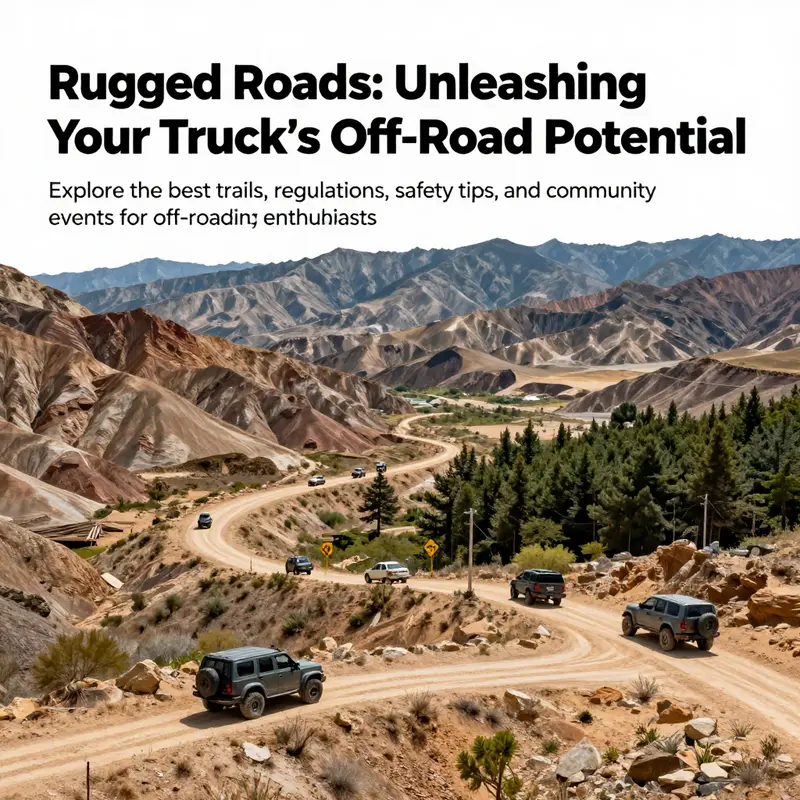
For those eager to test the limits of their trucks in the great outdoors, off-roading presents an unbeatable blend of excitement and adventure. From rocky terrains to sandy dunes, the U.S. is brimming with ideal spots to unleash your vehicle’s capabilities. Whether you’re a passionate enthusiast or a casual adventurer, understanding the top off-road locations, essential regulations for responsible driving, safety tips for your outings, and the vibrant community surrounding this thrilling pastime is crucial. This comprehensive guide will equip you with the knowledge you need to embark on unforgettable off-road adventures while respecting nature and fellow adventurers.
Trailbound Horizons: The Best Off-Road Truck Trails Across the USA
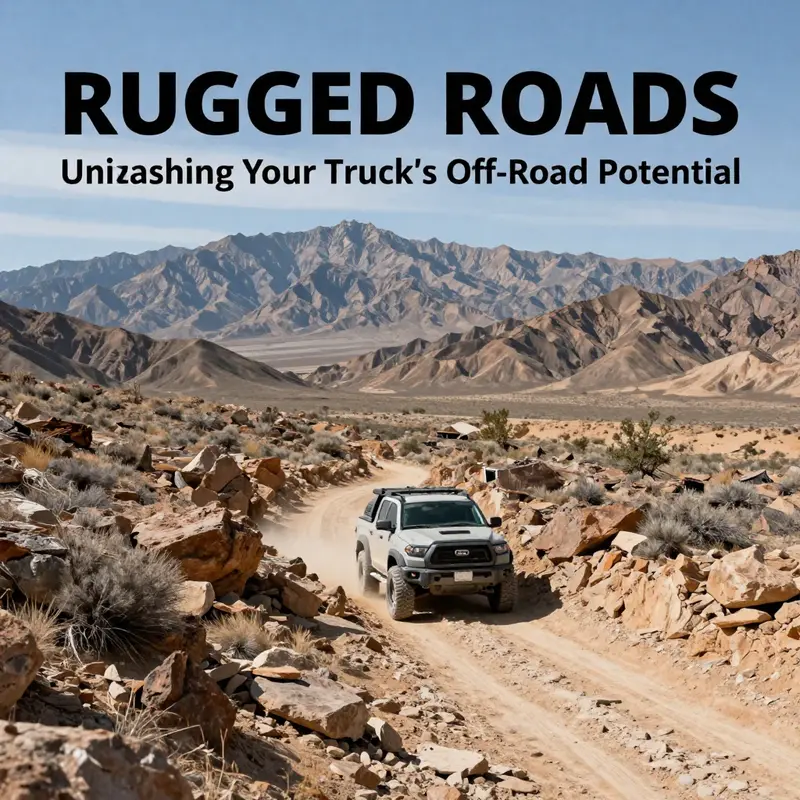
When a truck meets the wild, a conversation begins that’s louder than the engine and more lasting than a single trip. Off-road driving isn’t merely about conquering rough terrain; it’s about reading the land, dialing in the right gear, and choosing routes that respect ecosystems while rewarding the driver with scenery that changes your perspective. For anyone who wants to take a vehicle beyond paved streets, the United States offers a spectrum of landscapes that test a truck’s durability and a driver’s patience, skill, and planning. In this chapter we’ll weave together a cohesive sense of where to take your rig off the beaten path, drawing a line from desert galleries of red rock to alpine passes and wind-swept dunes. The destinations aren’t just places to turn wheels; they’re classrooms where throttle control, braking balance, and recovery technique become second nature. And while each trail has its own character, they share a common thread: you succeed by preparation, humility, and a willingness to adjust plans to protect the very places you came to explore.
Moab, Utah, sits at the center of this conversation for many enthusiasts. The area is famous for its dramatic red-rock desert landscape, where slickrock surfaces create a traction puzzle that can surprise even seasoned drivers. The Slickrock Trail is the headline, but it sits among a network of routes such as Ferrin Mesa and Boulder Park that offer a spectrum of difficulty. The terrain blends sandstone formations, slickrock slick surfaces, and desert washes that can shift under tire pressure with the time of day and the season. Moab isn’t just a single road; it’s a mosaic of trails that together measure a vehicle’s limits and a driver’s foresight. The practical takeaway is to approach Moab with a plan that prioritizes weather windows, trail conditions, and a clear understanding of your own truck’s capabilities. Pro tip materializes naturally here: spring or fall provide the most forgiving weather, and it’s wise to check in with the local BLM Moab Field Office for the latest trail conditions and closures before you head out. A visit to Moab, though, isn’t complete without pausing to absorb the other-worldly light striking the rock and the silence between the engine and the earth; that quiet is as much a part of the education as any climb is. For those who want to connect practical know-how with preparation, there’s a helpful resource that frames maintenance as part of the adventure. Mastering diesel mechanics: your step-by-step path to success guides you through a practical, vehicle-focused perspective that makes sense on remote trails where help isn’t just a quick ride away.
Beyond Moab’s centerpiece, the high-country corridors like Imogene Pass in Colorado reveal another layer of altitude-driven challenge. Drivable mountain passes above 12,000 feet aren’t just scenic; they demand a different rhythm from your truck. The route threads through the San Juan Mountains, where alpine meadows and pine forests shoulder the trail. The grades are steep, the corners sharp, and the air thins as you gain elevation, something that can noticeably reduce a gas engine’s power and a turbocharged unit’s efficiency. The reward is a panorama that blazes across the horizon—rocky crags cutting through blue, and a sense of distance that’s almost tactile. The best time to attempt Imogene Pass is late summer to early fall when snow has largely melted but the season hasn’t yet turned. In these conditions, your truck’s traction control, hill-descent capabilities, and tire choice become part of a larger system—driver judgment, route planning, and a willingness to reverse a decision if the weather or visibility sinks. If you’re new to high-altitude off-roading, approach Imogene with a conservative plan, carry extra layers and emergency gear, and be mindful that performance changes become a real factor as engine air intake and cooling demand change with altitude.
In contrast to the alpine chill of Colorado, Johnson Valley in California offers a desert playground that’s almost inexhaustible in its variety. This Mojave Desert expanse extends across tens of thousands of acres and hosts the famous Johnson Valley OHV Area, which has become a magnet for events like the Dust Devil Rally and for drivers who want to test durability across hard-packed desert, rolling sand dunes, rocky ridges, and washes. The terrain here is a study in traction control and weight distribution. The long sightlines make it easy to fall into a rhythm of sweeping lines where your speed must be carefully tuned to the surface, be it loose sand near dunes or compact crust on rocky shelves. Designated areas permit a wide mix of vehicles—from ATVs to full-size trucks—so you’ll find a community that values shared etiquette and clear rules that protect the land. When you prep for Johnson Valley, you’re planning for heat, long drives between services, and the ever-present possibility of navigation errors in a vast, open space. It’s a reminder that the best experiences on a massive desert floor come from steady routines: carrying ample water, having a recovery kit that includes boards and a winch-ready setup if you carry one, and understanding the local permit requirements with the OHV program administered by the state. Reading the land here means listening for subtle cues—the way a dune shape shifts with the wind, how a wash glistens with moisture after a rare rain, or how distant rock lines glow as the sun drops—lessons that translate into smarter choices on the trail. The Johnson Valley ecosystem is also a reminder that after the dust settles, personal responsibility remains central: staying on designated trails protects delicate soils and drainage patterns that are essential for the long-term health of the terrain you came to explore. For those who want a practical leg-up on vehicle care and performance, the same maintenance resource that helps Moab readers can serve you here as well, tying together the mechanical with the mental side of off-roading.
On the map of iconic routes, Joshua Tree National Park presents a different flavor altogether. Its otherworldly desert landscape is punctuated by enormous boulders and the famous Joshua trees that seem to lean into the wind as if offering guidance rather than intimidation. Off-road exploration here is framed by conservative, designated routes such as Hidden Valley Road and the Keys View Access Road. The park emphasizes a careful balance: you can access remote sections, but harming fragile desert ecosystems is not an option. The emphasis is on staying on established roads and trails, a standard that keeps the park’s ecological tapestry intact while still delivering a sense of discovery. The climate can be harsh and the surface can shift with the sun and the season, so timing becomes part of the strategy. Early morning starts, careful tire pressure management to minimize rutting, and a respect for seasonal restrictions help ensure that each visit preserves the park’s unique aesthetics for the next driver who comes along. The Joshua Tree landscape offers a different lesson about off-roading: not every remarkable view deserves a higher-risk route. There are enough roads to explore that you can reach quiet corners without pushing into fragile zones, and that restraint often yields the most memorable experiences—the moments when a rock formation frames your windshield and your tires hum quietly on the graded surface as you adjust your line.
Moving into the high desert’s rugged roots, Red River Motorcycle Park in New Mexico offers a concentrated, multi-use setting that suits trucks and SUVs as well as bikes. Spanning about 2,500 acres high in the Sangre de Cristo Mountains, it provides a spectrum of trails—from beginner-friendly dirt roads to technical rock gardens and steep ascents. The park’s year-round access makes it a reliable option for those who want to balance seasonal weather with weekend exploration. The key here is pace and route choice; you can weave through shaded aspen groves in spring or push into more exposed terrain as summer heat softens. The forested backdrop invites longer days on the trail and a chance to cool off in natural springs or at creeks that thread through the foothills. If you’re planning a trip to Red River, you’ll want to reserve in advance during peak seasons and verify any seasonal closures that may affect access to particular trails. The setting is a reminder that off-roading is as much about the environment as it is about the vehicle; the trees, the creek crossings, and the subtle changes in soil composition teach you to read landscapes more carefully and adjust your momentum to protect both your truck and the habitat you’re passing through.
For a change of pace—literally—a different kind of terrain awaits at Silver Lake Dunes in northern Michigan. Here, the landscape combines soft white sand dunes with a freshwater lake that mirrors the sky. The sand experiences dynamic shifts, and navigating dune faces on designated paths requires attentiveness to tire pressure, weight distribution, and wind direction. The thrill of sand driving is tempered by the same environmental concerns you’d expect in more remote deserts: staying on trails reduces dune collapse and protects flora that grows in the relatively sparse dune belts. The experience has a communal energy, as sand enthusiasts gather for events like the Silver Lake Off-Road Challenge each fall. It’s a reminder that off-roading can be both a personal pursuit and a shared celebration, a way to connect with others who value responsible driving and the joy of navigating soft surfaces without compromising future access for everyone.
Across these landscapes, a unifying thread emerges: the importance of planning, permits, and respect for the environment. The trails above represent a spectrum of regulatory frameworks—from BLM-administered routes in public lands to park-specific roads and private or semi-private recreation areas that maintain established networks. Before you load gear, it’s essential to verify current access rules, carry emergency equipment, and inform someone of your route and expected return time. Trail conditions can change with weather, and closures can occur for wildlife, fire risk, or maintenance. Apps and official sources—from BLM field offices to national park pages—are invaluable for real-time updates. The practical takeaway is simple: good preparation—vehicle readiness, route planning, and ecological mindfulness—multiplies the reward of every mile you traverse off pavement.
If you’re seeking a quick reference that complements this narrative, remember that maintenance and mechanical readiness aren’t optional extras on a trip like this. Keeping a vehicle’s systems in balance—brake, suspension, cooling, drivetrain, and electrical components—means you’ll experience fewer surprises on remote stretches where help isn’t near. The resource mentioned earlier offers practical, step-by-step guidance that helps you approach each trip with confidence, ensuring you can adapt to the terrain you encounter without compromising safety. As you map your own route through the American landscape, also plan for the unexpected: a backup route to a safe stopping point, a portable repair kit, and a plan to minimize environmental impact by staying on indexed trails and abiding by park rules.
The adventures listed here are more than destinations; they are opportunities to build skills, cultivate discipline, and deepen appreciation for both vehicle and land. Each site invites a different kind of learning—from traction management on slickrock to altitude awareness on a high pass, from dune technique to forest-road maintenance. The beauty lies in how these places inform one another: the same principles of line choice, speed control, and respect for limits travel with you, regardless of the terrain. And in the end, the most enduring takeaway is not the highest climb or the tightest turn, but the understanding that responsible off-roading expands the horizons of every future road you’ll follow. For those planning, the best practice is to combine a thoughtful route with a reliable maintenance mindset, a supportive community, and a clear sense of stewardship for the trails you love. If this perspective resonates, you’ll find that the next time you ask yourself, “Where can I take my truck off road?” the answer will be less about a list of places and more about a mindset that makes every journey safer, more enjoyable, and more sustainable for the land and for your truck.
(External resource: https://www.blm.gov/)
Navigating Legal Roadmaps: Where You Can Take Your Truck Off Road in China
Navigating Permits, Standards, and Local Rules for Off-Road Trucking in China
Taking a truck off road requires more than a capable vehicle and a sense of adventure when you’re operating in China. The regulatory framework is layered, precise, and enforced to protect public safety, infrastructure, and the environment. Understanding how permits, vehicle standards, and local restrictions interlock will keep your excursions lawful and minimize the risk of costly delays or fines. This chapter walks through the practical rules and decision points you will face when planning off-road routes and operations in China, describing the permits you may need, the technical requirements your truck must meet, and the local constraints that can shape where and when you can drive.
At the core of legal operation is the Road Transport Permit (《道路运输证》), which functions as a baseline authorization for commercial vehicles. It is not issued in isolation: applicants must first secure the Road Transport Operation License (《道路运输经营许可证》). This pairing ensures that both the operator and the vehicle meet public transport responsibilities. If your truck is used for commercial purposes—moving goods even when those goods are non-hazardous—you will need this documentation physically present in the vehicle anytime it is in use. The permit has national validity but is tied to periodic inspections and renewal cycles; operators should expect annual inspections and a renewal window every three years. Treat the Road Transport Permit as a constant requirement rather than a one-time formality.
Beyond the permit itself, vehicle standards and technical requirements define what kinds of trucks may legally operate off public roads or carry oversized loads where roads are used. Vehicles transporting heavy or over-dimensional cargo are governed by the Over-dimensional Vehicle Management Regulations. These rules set limits on weight, height, width, and length, and they specifically govern how such vehicles may interact with public assets like bridges, tunnels, and ferries. If your truck exceeds those legal dimensions, simple transit is not allowed without special authorization. This is a practical checkpoint: before routing a truck through rural roads or attempting to cross infrastructure, confirm the vehicle’s dimensions against statutory limits and plan for any escort, route mitigation, or restriction windows authorities require.
When you must move a vehicle that exceeds legal limits on public infrastructure, the Highway Over-dimensional Transportation Permit becomes essential. Its administration depends on the geographic scope of travel. Inter-provincial moves require application to the provincial transportation department; intra-provincial journeys are handled by the province as well, while travel contained within a city or county is managed by the corresponding city or county transportation bureaus. This tiered approach means that itinerary planning is more than logistical; it is administrative. You must identify which jurisdiction your route crosses, collect the relevant documentation, and submit to the appropriate authority with enough lead time for review. Processing times and evidence requirements can vary by province and by local bureau, so building buffer days into your schedule avoids surprises.
Safety equipment mandates are another non-negotiable aspect of compliance. For heavy freight trucks and semi-trailer tractors with a total mass of 12 tons or more, dynamic monitoring and positioning devices are compulsory. These devices transmit real-time location and operational data to centralized monitoring platforms. The intention is clear: authorities need to know where large vehicles are, especially when they are on sensitive infrastructure or moving large loads. If your truck is in a class that requires such monitoring, installation and consistent operation of the device is part of your legal duty. Specialized cargoes create further equipment obligations: refrigerated goods, hazardous materials, and certain bulk liquids each require specific containers, secure fastening systems, and safety mechanisms. Even if you are taking a truck off road primarily on private land, these technical expectations often apply when the vehicle will traverse public road segments to reach the off-road area.
Local restrictions can alter what would otherwise seem straightforward. Metropolitan areas have unique rules shaped by traffic density, air quality concerns, and historical regulatory patterns. For example, some cities historically restricted light-duty trucks and pickups from certain zones during peak hours. Where a city implements permit systems or electronic passes, you must navigate those digital gateways to access previously off-limits areas. Permits may be time-limited, tied to specific routes or hours, and subject to monthly reapplication. The practical effect is that even trucks that are street-legal and have national permits may need city-level permissions when entering built-up zones or municipal lands. Check the city’s official portals and apps for current permit procedures before finalizing your route.
Implementation and enforcement practices vary across regions. Some provinces and cities maintain strict checkpoints and frequent inspections; others rely on periodic audits and remote monitoring. This creates a pragmatic rule of thumb: plan for the strictest reasonable scenario. Keep complete documentation in the truck and on digital devices, ensure any required monitoring equipment is functioning and registered, and have contingency plans if an inspection prevents immediate passage. If your route crosses provincial lines, be prepared for different enforcement styles and for the need to present different permit types depending on where you are when stopped.
A practical compliance checklist makes planning simpler. First, determine whether the operation is commercial; if so, secure the Road Transport Operation License and Road Transport Permit and carry them at all times. Second, measure and verify vehicle dimensions and masses against legal limits; if your truck is likely to exceed those limits on any part of the planned route, apply for a Highway Over-dimensional Transportation Permit from the appropriate authority. Third, confirm equipment requirements for your vehicle class, including dynamic monitoring devices for heavy trucks and cargo-specific safety fittings. Fourth, research local municipal restrictions and any electronic pass systems in city apps or platforms that govern access. Fifth, allow administrative lead time: many permit applications require route maps, load manifests, and sometimes physical inspections before approval.
Technology and administrative processes are converging to make compliance more manageable, but they also add procedural steps. Central monitoring platforms expect accurate device installation and consistent operation. City apps that issue electronic passes often require registered operator accounts and may enforce reapplication schedules for repeat access. For operators who manage fleets or regularly access restricted zones, streamlined internal processes pay off: maintaining templates, pre-approved route plans, and updated vehicle records reduces the friction of repeated applications. There is an operational advantage to anticipating rule changes too; transportation authorities periodically update guidance, and staying current avoids last-minute noncompliance.
Responsible off-roading is as much about protecting the environment and public assets as it is about following paperwork. When you plan an off-road trip that begins or ends on public roads, avoid improvised crossings of bridges and tunnels that are unsuitable for over-dimensional loads. Follow designated routes where possible and respect seasonal restrictions that local authorities place on fragile landscapes. These practices reduce the chance that enforcement actions will be taken against you and protect the goodwill between off-road users and regulators. If your work requires repeated off-road access across the same municipal or provincial boundaries, consider proactive engagement with local transportation bureaus to identify approved corridors and to negotiate predictable authorization routines.
For professionals managing multiple trucks, integrating permit and compliance tasks into fleet processes is essential. Many fleet managers benefit from centralized recordkeeping, scheduled inspections aligned with permit renewals, and pre-installed monitoring hardware authorized by the local transport bureaus. Such practices transform compliance from a reactive chore into a predictable part of operations. If you are new to off-road trucking in China, reach out to local authorities early in the planning phase; many bureaus provide official guidance that reduces the risk of misinterpretation.
Planning and compliance are dynamic activities; rules change, local practices evolve, and enforcement priorities shift. When in doubt about permit requirements, route acceptance, or equipment standards, contact the transportation authorities in the jurisdictions you will traverse. Officials can clarify processing windows, documentation needs, and any temporary restrictions. For detailed legal and procedural guidance on Highway Over-dimensional Transportation Permits, consult the official resource provided by the national transport authority: https://xxgk.mot.gov.cn/zhengce/zhengcefaxiu/202601/t20260118_43567.html.
Finally, for those operating within a broader fleet context, administrative efficiency and people-focused processes matter. Ensuring that staff understand permit cycles, carry required documents, and maintain mandated equipment reduces delays. If payroll, dispatch, and compliance functions are siloed, permit lapses and inspection failures become more likely. Consider documenting all routes and approvals, keeping digital backups of permits, and scheduling reminders for renewals. Aligning operational rhythms with regulatory timelines is the most reliable way to keep trucks moving to deliver goods and to reach off-road sites while staying fully compliant with Chinese transportation regulations.
Trail-Smart Safety: Essential Wisdom for Taking Your Truck Off Road
The lure of off-road trails draws people toward open spaces where a truck, a engine, and a curious mind can test limits and discover new views. Yet the draw becomes meaningful only when safety guides every choice, from where you go to how you prepare. The journey begins long before you turn a wheel onto a dirt road. It begins with knowing your destination and weighing it against your own vehicle’s limits, the weather, and the rules that govern those landscapes. Across the United States and beyond, places such as Moab with its slick rock and desert washes, the wide flats and dunes near Ocotillo Wells, the endless stretches of the Mojave, and the more intimate, privately managed Pine Mountain Lake Off-Road Park, all invite exploration. Each locale carries its own rhythm and challenges, from bone-dry consistency under a sunlit canopy to sand that can swallow a tire tread and hide washouts beneath a thin veil of powdery dust. Even in well-trodden areas, unpredictability keeps pace with the excitement, so safety becomes less of a checklist and more of a habit, a way of reading the land and your limits at every mile.
A foundational step is to know your vehicle’s limits and how those limits interact with the terrain. A truck’s ground clearance, approach angle, and departure angle determine which obstacles you can clear and which require detours. You don’t chase novelty by pushing into terrain beyond what you can safely handle; you read the slope, feel the traction under you, and adjust your line with deliberate, slow movements. Lowering risk doesn’t mean compromising fun. It means choosing lines that reveal scenery without demanding a rescue. The same mindset applies to tire pressure. Reducing tire pressure can increase traction on slick rock or soft sand, but it also changes handling and risk thresholds. The precise pressures depend on tire construction, vehicle weight, and the terrain, so a well-tested rule of thumb is to adjust gradually and carefully, then recheck as conditions evolve. In the same breath, inspect the basics: brakes, suspension, steering play, and lights. A loose CV joint or a fading brake caliper in the middle of a rough stretch can transform a day’s adventure into an anxious situation, so a pre-trip check becomes as essential as fuel and maps.
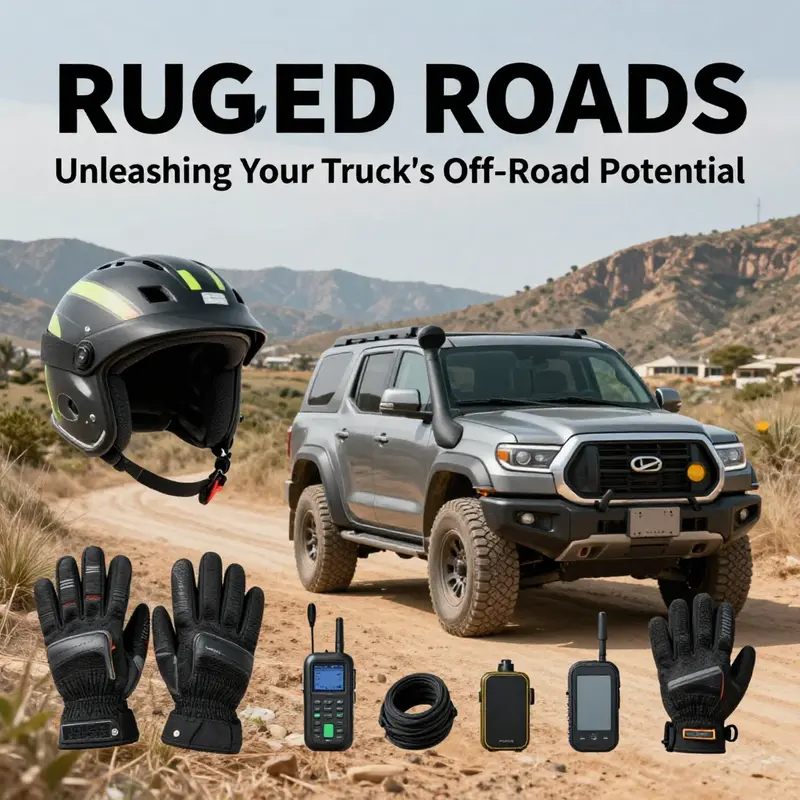
Preparation also means carrying the right gear and knowing how to use it. A spare tire is a given, but so are recovery tools that can save a day from ending in frustration or danger. A sturdy winch or method for self-recovery, a shovel suited for digging out a tire, traction boards, and a tow strap are all part of the toolkit, along with basic tools to address minor mechanical issues. Beyond hardware, bring a first-aid kit tailored to remote settings, a reliable flashlight, a charged cell phone or satellite communicator, and enough water and food to endure unforeseen delays. In areas far from cell coverage, a satellite device can become a lifeline, not a luxury. It’s a simple truth: planning for contingencies keeps risks manageable and protects those who depend on you. The more you drive, the more you realize that safety is not a checklist to be completed once; it’s a living practice that evolves with your routes and weather.
Wear, too, plays a critical role in off-road safety. A seat belt is non-negotiable, and for riders who sit in open cabs or exposed seats, additional protection like a helmet deserves thoughtful consideration. The thrill of a winter wind or a summer dust storm can tempt riskier behavior or a lapse in concentration, but a helmet, proper footwear, and snug clothing reduce the physical toll of sudden, jerky moves. These choices reflect a broader ethic of care: you’re responsible not just for yourself but for others who share the trail, for the fragile soils and plant life, and for the people who arrive later to discover a landscape unchanged or damaged by careless actions.
Staying on designated trails is not just the safer option; it’s a foundational duty to the landscapes that entice us. Environmental stewardship is a core part of the off-road experience. Trails are shaped to distribute vehicle load and preserve sensitive ecosystems, so deviating into unmarked areas can cause erosion, disturb wildlife, and degrade soils that carry moisture and seeds for future growth. Local regulations, private-property boundaries, and seasonal restrictions all reflect careful balances between recreation and conservation. Before you head out, spend time with the land’s rules, obtain any necessary permits, and respect posted closures. The goal is to leave no trace beyond the memories and the photographs you capture along the way, and to ensure that future adventurers have the same opportunities to explore.
In practice, this means sharing plans with someone who will notice if you don’t return on schedule. A trusted friend or family member should know your route, expected times, and alternate plans in case you encounter delays or a blockage. This habit compounds safety, turning a solo drive into a front porch conversation with a rescue message ready if things go wrong. It also fosters a culture of accountability among the off-road community, where travelers share tips about routes, weather, and local conditions. The community itself can be a safety net, reminding you to check the forecast and to diversify routes when risk factors—like flash floods or sudden storms—loom on the horizon.
Weather plays a more decisive role than many anticipate. A clear morning can rapidly become treacherous with shifting winds, dark clouds, or flash-flood threats that transform desert washes into deadly chutes. Off-road routes often traverse terrain that can be dry for weeks and then turn into slick, impassable surfaces after a light rain. The best practice is to review forecasts for the day of your trip and to be prepared with contingency plans. If storms are forecast or if you notice rising water in previously dry channels, turn back or seek higher ground and a safer option. The same logic applies to heat, which can sap strength and reduce concentration. Hydration and pacing are part of the safety equation, especially in regions where temperatures climb quickly and shade is scarce. As you balance speed and caution, you begin to see that safety is not a surrender to fear but a disciplined approach that keeps you in control and keeps the trail open for others.
Choosing a route often means weighing your own capabilities against the terrain’s demands. Some destinations are famous for their long, sandy stretches and wide, rolling dunes that demand momentum and a steady throttle, while others offer rocky corners, steep shelves, or tight canyons that require precise wheel placement and slower speeds. In Moab, for example, the terrain blends sandstone slickrock with desert washes that demand careful line selection and a willingness to pause and reassess. In the Mojave, long vistas and sparse terrain require you to consider fuel ranges, spare parts, and the practicalities of shelter and communication. Ocotillo Wells presents a different texture, with dunes and varied elevation that reward smooth, deliberate maneuvers and a clear plan for recovery if a tire bottoms out or a wheel sinks into soft sand. Private parks like Pine Mountain Lake Off-Road Park offer maintained trails that can serve as a training ground for beginners, gradually introducing more challenging routes as skills grow. These experiences aren’t about conquering the landscape but about developing a dialogue with it—learning how to listen to ground feel, how to read tire marks, and how to respect the pace that the terrain imposes.
To deepen your own knowledge and readiness, it can be valuable to build a solid foundation in vehicle mechanics, especially if you frequently explore remote areas. A practical understanding of your engine, drivetrain, and braking systems helps you anticipate potential issues before they escalate. For example, having a disciplined approach to maintenance and a readiness to troubleshoot basic mechanical concerns can prevent a minor fault from becoming a day-long ordeal. This is precisely the kind of knowledge that complements on-trail experience and can be complemented by further study through resources such as Mastering Diesel Mechanics: Your Step-by-Step Path to Success. The idea is not to turn every driver into a mechanic, but to empower responsible explorers to recognize early warning signs and to execute fundamental upkeep with confidence. When you combine mechanical confidence with careful planning and environmental respect, you create a safety net that protects you, your companions, and the landscapes you cherish.
Finally, remember that official guidelines exist to help you navigate risk in a structured way. The U.S. Forest Service Off-Road Driving Safety Guidelines, for instance, offer a framework for assessing conditions, choosing appropriate routes, and performing essential checks before and during a trip. While individual circumstances will vary, these guidelines provide a shared language for making sound decisions in the field. As you plan and execute trips, you’ll find that the best safety practices are not about rigidity but about adaptability—knowing when to proceed, when to pause, and when to retreat to safer ground. In this light, the act of taking your truck off road becomes a disciplined form of exploration rather than a reckless chase of adrenaline. It is about enjoying the scenery, appreciating the effort of navigation, and recognizing that the most memorable adventures are the ones conducted with care. The landscape rewards that care with cleaner trails, safer encounters with wildlife, and a longer season of exploration for everyone who loves to press beyond the pavement. External resource: https://www.fs.usda.gov/visit/off-road-driving-safety
Trail Circles, Camps, and Rallies: Finding Community and Events for Your Off‑Road Truck Adventures

When you own a truck built for rough terrain, the thrill isn’t only in the obstacle you conquer next. It’s in the people you meet who share the same itch for open trails, the organized events that push your skills, and the unplanned moments of camaraderie around a campfire after a long day of driving. A chapter in the life of a dedicated off‑road driver unfolds where communities gather, where dedicated venues host serious competition and safe practice, and where informal gathering spots become hidden centers of learning, curiosity, and shared respect for the land you traverse. The value of such spaces goes beyond the event itself; it’s a living map of where you can test your truck, sharpen your own judgment, and connect with others who value preparation, conservation, and equal parts grit and curiosity. The quest for these spaces begins with a recognition that not every stretch of dirt is a playground, and not every crowd is a club. It is about choosing venues that balance challenge with safety, legality with freedom, and adventure with responsibility, so that each outing becomes part of a broader, ongoing conversation about how we use, respect, and protect the landscapes we explore with our trucks.
In the realm of formal, purpose‑built venues, there are places designed specifically to meet the needs of serious off‑road enthusiasts. Take, for example, a mountain‑top experience base in a western region that has been developed to welcome both professional drivers and amateurs who crave a controlled environment where the sport can thrive without compromising nearby ecosystems. These sites typically sit on sizable parcels—think well over a hundred acres—where trails are clearly laid out, grade changes are graded for safety, and a staff of trained personnel keeps things orderly. You’ll often find a long, winding course of several kilometers that offers a mix of tight switchbacks, rocky sections, sand, and dirt washes. There may be a shaded camp zone for overnight stays, a barbecue area to share a meal with fellow drivers, a fishing or creek area for a break in the afternoon, and even a small stage for demonstrations, talks, or light entertainment after dusk. In many cases, the experience base will host a rotating calendar of events—practice days, timed runs, and themed challenges that tailor the difficulty to the skill level of participants while still pushing the envelope for the more capable drivers. The aim is to cultivate a sense of place where drivers can push themselves and their vehicles in a structured, supportive environment while learning the value of careful vehicle setup, tire choice, air pressure management, and the preservation of soil and vegetation.
Out in the countryside, a different kind of vitality arises from informal, community‑driven spaces where off‑road culture is often born. In some metropolitan outskirts or rural hubs, enthusiasts organize around a flat, open expanse near water or edge-of-forest transitions. The appeal is straightforward: a wide, forgiving field where you can explore basic lines, practice recovery techniques with friends, and test how your truck behaves in mud, dust, and gravel. These spots may be unlicensed or not formally commercial, but they attract a steady stream of drivers who value the sense of freedom and the practical, down‑to‑earth learning that comes from real‑world experiments. The interactions here are as important as the driving itself. You’ll hear laughter mingled with the sound of tires, you’ll notice people swapping tips about weight distribution, skidding control, and the best way to pack a vehicle’s recovery kit, and you’ll see the quiet mentorship that occurs when a seasoned driver shows a newer participant how to pick a line through a rutted section. The social fabric of these gatherings—the trust built on line choices, the mutual assistance when a vehicle gets stuck, the shared respect for the land—helps sustain a culture that can thrive across generations of drivers who understand that freedom on wheels comes with responsibility.
Within this spectrum, there are clear legal and safety guardrails that every participant should know before rolling onto a trail or into a venue. In many countries, off‑road driving is regulated to protect ecosystems, wildlife corridors, and other recreationists. The core principle is simple: drive only in approved or designated areas, stay on established trails, and respect signs, closures, and seasonal rules. In practice, this means checking official sources before your trip—agencies that manage public lands, park services, and local governing bodies—for current restrictions, permit requirements, and safety guidelines. In some regions, especially where land is managed for multiple uses, proper permissions and documented participation in an organized event may be required, and environmental stewardship programs are often part of the visit. For drivers who want to engage deeply with the sport, joining a local off‑road club or a chapter of a recognized association can be a practical way to stay informed about rules, scheduled cleanups, rescue resources, and training opportunities. The aim is not to dampen the excitement of going off the beaten path, but to ensure that every excursion leaves the smallest possible footprint and contributes to a community that can sustain these spaces for years to come.
And then there are the blended destinations that seem to exist at the intersection of sport, camping, and scenic exploration. Some ventures treat driving as part of a broader outdoor experience, inviting participants to arrive by road, set up a campsite, and use the surrounding area as a stage for all‑around outdoors living. In these places, venues may be built to accommodate a range of activities—driving, fishing, hiking, and even group meals—so that a weekend trip becomes a fuller immersion in the outdoor lifestyle. The roads you navigate may not resemble the high‑speed test tracks of a stadium event, but they can present their own kinds of challenges: narrow sections, uneven ruts, and shallow water crossings that require careful assessment of what your vehicle can handle, how your tires bite in mixed terrain, and how you pace yourself to conserve momentum and maintain stability. These experiences reveal another important truth: the strongest off‑road communities are not just about who wins a timed course or who can handle the most demanding obstacle, but about who brings good judgment, a willingness to lend a hand, and a shared ethic of leaving the land in better shape than you found it.
If you want to tap into these communities with a clear sense of where to start, you can begin with the most formal of environments—venues that have invested in safety, infrastructure, and a calendar of events. A well‑run mountain base will often publish a series of competitions and practice sessions that give you a measured path to progression. You’ll find experienced crews offering coaching, checklists for vehicle readiness, and even pre‑event safety briefings that cover recovery gear, radio communication standards, and contingency planning for weather shifts. The value here is not merely the thrill of a controlled obstacle course; it’s the way a credible event ecosystem creates a culture of preparedness. You’ll learn why certain upgrades to suspension, traction devices, and recovery equipment matter, not because of gadgetry, but because they translate to safer, more capable driving on the rougher days that make off‑road life unpredictable. For someone newly venturing into these spaces, this structure can feel like a warm‑up lap before the real exploration begins, a way to gauge your truck’s limits while keeping your peers close enough to lend a hand when you need it most.
On the other hand, the informal hubs I mentioned are where the novice can be introduced to seasoned drivers in a more intimate setting. The trick is to approach with humility, carry recovery gear, and be ready to listen as much as you talk. In such circles, experience flows from trial, error, and generous sharing of lessons learned—about selecting lines, avoiding pitfall terrain, and reading the land’s moods. You’ll often see a routine where a small group arrives, scouts the area, marks safe lines on the ground with chalk, and agrees on a set of signals for communication across dusty or muddy stretches. The atmosphere is less about proving prowess than about building confidence, exchanging practical knowledge, and enjoying the outdoors with friends who become de facto mentors. It’s in these moments that the off‑road community reveals its core: a lifelong apprenticeship framed by respect—for the land, for the vehicle, and for the people who rely on one another when the going gets tough.
If you’re seeking ways to connect beyond the trail, consider visiting a venue that blends camping with driving. Some multi‑use sites grant vehicle access to designated campsites, letting you wake up to the sound of engines, but also the quiet of a forest at dawn. You can plan a weekend that includes a drive session, a shared dinner, and a late‑night campfire where stories of the day’s misadventures get retold with humor and encouragement. These experiences help reinforce a sense of belonging that can be hard to find when you’re just showing up to a random trail. They also create opportunities for practical learning, such as how to manage landscape impact while parking on uneven ground, how to dispose of trash responsibly, and how to set up a camp that minimizes noise and light intrusion into sensitive habitats. The synergy of driving and camping fosters a holistic understanding of outdoor recreation that many drivers find deeply rewarding.
To acknowledge the breadth of these communities and to illustrate the kinds of real‑world options that exist, one can look to a representative example of a formal off‑road site with a long track record of hosting diverse participants. In this case, the venue extends a guest experience that includes a sustained program of trails that accommodate multiple skill levels, a campground area that supports family trips as well as more intense expeditions, and a team of staff trained in safety, first aid, and environmental stewardship. The point of describing such a place isn’t to imply it’s the only option, but to show a model for how a well‑designed site can sustain a vibrant community while maintaining explicit responsibilities to visitors and the natural surroundings. In parallel, the informal hubs offer a counterbalance—an invitation to join a living network of enthusiasts where learning happens on the fly, where friendships form through shared challenges, and where the culture grows through ongoing participation rather than formalized competition alone. The beauty of this dual path is that it allows each driver—whether they come for the challenge of a timed course, the simplicity of a grass‑roots meet‑up, or the lure of a weekend camping trip—to find their place within a broader ecosystem that makes off‑roading a meaningful, durable pursuit.
For readers who want to explore a path that blends community, service, and outdoor driving, there is a broader social dimension to consider. Some groups organize events that tie motor sport to local good works, using the platform of the truck culture to contribute to charitable causes, environmental restoration projects, or community development initiatives. These programs demonstrate how driving passion can intersect with civic responsibility, offering a different kind of reward that sits alongside the adrenaline of a new trail or a new recovery technique. If you’re curious about such initiatives, you can look for opportunities to participate in organized community projects that welcome off‑road vehicles on carefully managed routes and with proper supervision. They remind us that the road is always a shared space, and that our trucks can be tools for more than personal exhilaration—they can be ambassadors for stewardship, education, and neighborly support.
As a practical note, the best way to begin is to identify a few anchor venues or groups in your region and to reach out with a clear plan for your first visit. Check whether the venue requires advance registration, what level of driver experience is expected, and what gear you should bring for vehicle recovery, first aid, and basic field maintenance. If you’re new, consider attending as a spectator or taking a sanctioned training session if one is offered; the investment of time in learning can pay off in safer, more enjoyable experiences on the trail. And if you find yourself drawn to the social side of off‑roading, you might explore joining a local club or association chapter. These networks are more than a schedule of events; they are a living resource for ongoing learning, equipment safety, and mutual aid when the trail gets rough. When you combine a tolerant, encouraging community with venues that prioritize safety and environmental care, you create a durable platform for enjoying your truck off road without compromising the landscapes that make that joy possible.
For readers who want to connect with a broader community‑driven initiative that aligns driving with service and local outreach, you can explore a range of programs that use the vehicle culture as a force for good. One such example is a program built around organizing and supporting community projects that benefit families and neighborhoods while keeping the spirit of the outdoors alive. This approach demonstrates how the off‑road world can extend beyond recreation into meaningful civic engagement, providing a blueprint for how drivers can contribute positively to the places they love to explore. Trucks for Change: Supporting Habitat for Humanity offers a glimpse into how a truck community can mobilize for important causes while preserving the adventurous essence of the sport.
In closing, the landscape of community and events for off‑road trucks is rich and varied. You can choose from formal venues with robust safety culture and structured competition, or you can immerse yourself in informal gatherings where learning happens through shared experience and mutual support. You can pair your driving with camping for a multi‑day outdoor itinerary, or you can participate in activities that combine service with exploration. Each path has its own safeguards, its own rules, and its own rewards. No matter which direction you take, the constant remains: responsibly exploring the world with your truck requires preparation, respect for the land, and a willingness to learn from peers who share your passion. Always verify the legality of the site, follow posted guidelines, and respect local regulations. Your next off‑road adventure can be more than a drive; it can become part of a living, growing community that shapes how you ride, how you camp, and how you give back to the places you love to explore.
External resource for context on notable venues and regional practices: https://www.sohu.com/a/539876543_121435
Final thoughts
The world of off-roading is more than just a hobby; it’s a community that embraces adventure, thrill, and respect for nature. With the right knowledge of location, regulations, safety practices, and community connections, you can maximize your truck’s off-road potential while contributing positively to the environment and local culture. Make the commitment to enjoy your adventures responsibly, and engage with fellow enthusiasts who share your passion. The trails await—gear up and hit the road!