

For off-road enthusiasts, each journey begins with the thrill of discovery. The call of unpaved paths, rugged terrains, and breathtaking views fuels the love for adventure. Whether you’re a seasoned racer or a casual weekend warrior, knowing where to take your truck off-roading near you is essential. This guide immerses you in off-roading opportunities that blend thrilling experiences with safety and community support, ensuring every ride is as rewarding as it is exhilarating. From scenic drives like the Pacific Coast Highway to legal trails and tech resources, we delve deep into how to elevate your off-roading adventures and discover the perfect playgrounds for your truck.
Beyond Scenic Highways: Finding Real Off-Road Adventures Near You Amid California’s Coast and Deserts

The longing to answers the question where can i take my truck off roading near me is as old as the first truck bed scraped on a stony rut: a desire to test the machine and the driver against terrain that asks more than a comfortable cruise asks of the road. The impulse often arrives when a landscape calls louder than the pavement beneath the tires. In a region defined by dramatic coastlines, redrawn horizons, and vast arid plains, the urge invites a careful distinction: there is value in the thrill of a scenic drive, and there is value in the grit of a designated off-road trail. The two are not enemies; they simply require different maps and different expectations. The Pacific Coast Highway, particularly the stretch between Big Sur and Carmel, is a masterclass in awe-inspiring scenery and engineering. It is a route designed for passenger cars and careful attention, a route that rewards steady hands and patient observation of cliffs, curves, and weather. It delivers the kind of exhilaration that makes the heart swell when the ocean churns beneath you and the world peels away at the edge of the guardrail. Yet it is not the arena for off-road testing. Roads like that belong to a different category of adventure—a category defined by rugged trails, open skies, and a sense that you are exploring more than a view.
If you want to pair the poetry of coastal scenery with the raw challenge of off-road terrain, you will need to shift from comfort-forward routes to designated trails and parks that welcome genuine truck and ATV exploration. In California, the options nearby the iconic coastal landscapes move from road to range in a few well-trodden directions. The Santa Lucia Mountains near Big Sur host Pine Mountain Trail, a setting that invites a capable vehicle and an experienced driver to negotiate rock, ruts, and steep grade on routes that are rarely wide enough for two vehicles to pass. The terrain here is unforgiving enough to remind you that preparation matters. The climbs demand torque and traction, the descents require control and braking finesse, and the elements—fog, wind, sudden rain—can turn a route from scenic to challenging in moments. This is not a casual Sunday drive. It is a day to test the limits of grip, of momentum, and of patience as you read the land with your tires and your plan.
Further afield, Anza-Borrego Desert State Park, southeast of San Diego, offers vast desert landscapes with a network of designated off-road trails. The desert sun is relentless, and the ground can range from hard-packed unironed dirt to loose, shifting sand that surrenders under the weight of a wheel if attention slips. The desert rewards planning: know your fuel, carry water, and have a map that knows you as well as you know it—trail names, turnaround points, and a realistic sense of your vehicle’s capabilities. The weather can swing quickly in the desert, and a cool morning can become a blistering afternoon. In those moments, the difference between a memorable outing and a risky misstep is the level of preparation you brought with you, not just the courage you arrived with.
A third strong option for near-city access is Carrizo Plain National Monument, a remote expanse of grasslands and sagebrush that unveils a different flavor of off-road exploration. The open landscape lends a sense of space almost as vast as the sky, with trails that reveal the pulse of the land rather than the clutter of urban noise. It is easy to feel small here, which is exactly the value of a true off-road day: it redefines scale and reminds you of the bedrock you travel over, not just the view you carry in your camera. These locations, while farther afield than the nearest highway rest stop, are still within reach for a day trip or a weekend getaway with the right planning and the right companions. Importantly, they are areas where the rules exist to protect fragile ecosystems while preserving access for drivers who respect the landscape. There is a discipline to it—an ethic that says a track is not a ramp to ruin but a corridor to discovery when treated with care.
In practice, turning the idea of scenic coastal drives into a genuine off-road itinerary begins with clear boundaries. Start by acknowledging that Highway 1 will not serve as a backcountry path. If the goal is a vehicle-specific challenge, you will want to pivot toward official or permission-based trails. The California Department of Parks and Recreation and local land management offices provide the most reliable guidance on where access is permitted, seasonal closures, and safety requirements. Maps and on-site signage will tell you which trails are designated, which elevations to expect, and how much water, food, and recovery gear you should carry. Modern tools, including map apps and GPS platforms, can show you legally accessible trails, turnouts, and emergency services. They also help you prepare for the kind of day that begins with a plan and ends with a sense of accomplishment rather than uncertainty.
As you shape the trip, consider the day’s rhythm. A coastal drive that includes ocean air, dramatic cliffs, and winding pavement can be your prelude, while the off-road portion provides the heartbeat. A morning in the pine-scented ridges of the Santa Lucias can warm your engine and your nerves, then a return to a designated trail or park can connect you to the land in a way the highway alone cannot. This balance matters, and the approach matters more: you should not let the roar of your tires drown out the respect you owe to the land. The trails are not playgrounds; they are shared spaces where soil, water, wildlife, and the memory of other drivers must be honored. Plan for minimum impact—stick to established tracks, avoid mud on sensitive soils, and pack out what you pack in. Let your vehicle’s features work for you, not against the land: engage lockable differentials where appropriate, monitor tire pressures for stability on varied surfaces, and keep speed and momentum in check to maintain traction and prevent damage to fragile soils.
To support a smart, safe approach, consider a quick primer on the practical mechanics of rugged terrain. A practical primer on maintaining the powertrain and drivetrain essential for rugged terrain can be found in dedicated guides that walk through the fundamentals of diesel and gasoline engines, cooling systems, and basic recovery procedures. This kind of knowledge helps you plan and execute a safer trip—knowing when to engage or disengage traction controls, how to assess a slope for safe ascent, and what to do if you encounter a stalled vehicle in loose gravel. For readers who want a deeper dive into that practical side, see mastering-diesel-mechanics-your-step-by-step-path-to-success. It offers a framework you can apply when you head toward the trailhead, and the emphasis is on reliability, not bravado. And when you are ready to conserve energy and focus on the journey rather than the maintenance, keep in mind that the real reward is the confidence you gain from preparation and a respectful approach to the land that welcomes you.
Planning a trip of this kind also means knowing when not to go. The best days for off-road exploration in these terrains are often those that avoid peak heat in the desert and heavy fog on the coast. Weather can change rapidly, and conditions that make a route accessible in the morning can render it impassable in the afternoon. Seasonal closures are common in sensitive ecosystems and high-traffic corridors. The smart traveler checks ahead with official park service pages, calls the rangers if needed, and respects posted closures. A responsible operator understands the difference between a challenge that tests skill and a risk that jeopardizes safety or damages habitat. This balance is the essence of finding true off-road adventures near a place you already love to drive through—the coast, the ridges, and the wide open plains that lie beyond the paved edge.
If you want a compact, practical anchor to keep the journey grounded, remember that the aim is to blend scenery with terrain that truly tests your setup. The coast offers the soul-stirring backdrop; the backcountry trails offer the real test. Use official resources to identify legal routes, and supplement that with map apps to tailor a route that respects the land while delivering the thrill you sought. The experience will be unforgettable not because you conquered a trail, but because you read the trail well enough to return with the truck intact, your crew safe, and the landscape undisturbed for future explorers. And as you plan, keep a reserve of caution and curiosity in equal measure. The road to authentic off-roading near you doesn’t begin with a single turn off a paved highway; it begins with a careful choice of trails, a commitment to responsible driving, and a willingness to learn from the land as you traverse it.
For a concrete starting point in your planning, you can explore the broader landscape further with a curated resource that collects scenic drives while you map your off-road ambitions. And as always, consult local authorities or park services for the most up-to-date access rules, safety guidelines, and seasonal considerations before you load up the truck and head out. If you’re curious about the practical craft that keeps a rig reliable on rugged days, see the related guide linked above: mastering-diesel-mechanics-your-step-by-step-path-to-success. For broader inspiration on what California’s coast can offer in terms of scenery—paired with practical, up-to-date driving paths—a helpful external reference is available here: https://www.tripadvisor.com/Attractions-g32059-Activities-c46-United_States.html.
Finding Real Dirt Roads: How to Locate Legal Off-Road Trails for Your Truck Near You

Locating a place to take your truck off-roading near you starts with a clear distinction between the thrill of a coastal drive and the demands of legitimate off-road territory. Many road warriors begin their search with the impulse to simply point the truck toward the nearest dirt road and hope for the best. But true off-roading—the kind that uses rock ledges, rutted tracks, and the occasional climb—requires respect for public lands and awareness of local rules. The article’s focus is less on secret backways and more on reliable, legal options where you can enjoy legitimate off-road experiences without risking fines, landowner disputes, or unsafe encounters with wildlife or hikers. The goal is to empower readers to locate trails that match their truck’s capability while aligning with land managers’ guidelines. To a lot of drivers, the process feels like navigation in a living map: trails appear, rules shift with weather and season, and a good plan keeps you from turning a weekend into a visit to a tow-truck lot.
Start with the public agencies that steward most of the places where off-road vehicles can operate legally: federal land managers, state parks, and county or municipal lands. The simplest path is to check with the agencies that maintain official maps and safety standards. In the western states, where public lands are abundant, agencies such as the Bureau of Land Management and the U.S. Forest Service publish OHV trails and forest roads that are designated for vehicle use. These maps come with vital notes: vehicle size restrictions, seasonal closures, noise limits, and required permits. By visiting the OHV pages of these agencies and entering your location, you can surface a curated list of nearby options. The point is not to chase every trail but to identify a few that fit your truck and your comfort level. If your aim is something more than a scenic drive, you will want trails that explicitly welcome larger vehicles and have maintained routes that won’t surprise you with sudden washouts or impassable sections after rain.
Once you have a short list, switch to mapping tools that bring the terrain to life. Official trail maps from land managers are the backbone, but you can augment them with resources that show forest roads, land-use restrictions, and current conditions. A quick note: always verify that a trail allows trucks before you head out. Some routes are limited to motorcycles, ATVs, or smaller vehicles. When you open a map, look for signs of impact, such as soft shoulders, erosion-sensitive zones, or user conflicts where trucks might be banned or time-restricted. If you’re new to the process, start with easier routes that have clear turnarounds and visible maintenance crews. The experience of driving a capable truck along graded paths can be a confidence-building step before you tackle more challenging rocky runs. Remember that seasonality matters: some trails are open only in dry months; others close for wildlife calving or after heavy rain to protect soil structure. The goal is to enjoy predictable, legal access while preserving the land for others who will follow.
Tech tools can keep you from wandering into restricted zones. Use official OHV trail maps as your baseline, then lean on mobile mapping platforms that provide offline downloads and GPS tracking. The advantage is simple: you can study a route on a slow evening, save it for later, and navigate even when cellular service fades. When choosing a resource, look for features like offline caching, topographic layers, and clearly marked restrictions. A good approach is to plan routes that incorporate a mix of legal forest roads, old mining spur routes only where allowed, and designated staging areas near trailheads where you can rest, air tires, and reassess conditions. Before you depart, print or save key details: the trail’s allowed vehicle types, any quiet hours, and the nearest emergency access points. The preparatory work not only reduces the risk of getting stuck but also minimizes the chance of troubling land managers or other trail users. And while you build your route, keep a weather check in mind: a wet forecast can quickly turn a straightforward climb into a mud-only obstacle that could strand you or cause damage to the track’s delicate surface.
From there, community knowledge becomes invaluable. Online forums and regional off-road groups often share recent experiences about closure notices, maintenance, or newly opened corridors. The collective wisdom helps you calibrate expectations and avoid repeating the mistakes of others. When you read posts from enthusiasts who cover similar terrain, take notes on gear that proved useful, such as recovery essentials, tire choices, and planning habits that keep trips efficient and safe. The trick is to balance the practical advice with the rights-based approach of land management: advocate for responsible use, respect access rules, and acknowledge areas where environmental protections limit wheeled travel. If you’re not sure about a particular trail, reach out to the managing agency with a precise question about vehicle size limits or seasonal restrictions. The fastest way to verify access is to query the exact trail name in the agency’s locator and request the current status. A careful reconciliation of crowd-sourced impressions and official data minimizes risk and preserves the viability of nearby trails for everyone who follows.
As you refine your plan, treat the expedition as a test of your readiness, your truck’s condition, and your trip logistics. If you’ve never attempted a particular grade or rock feature, scout the approach slowly on the way in, assess tire pressures, bring recovery gear, and ensure you have a charged device and a reliable means of communication. The psychology of off-roading is as important as the technique: patience, situational awareness, and modest ambition. A single misjudgment can escalate from a fun afternoon to a hazardous scenario. The system of checks and boundaries—not only your own but those of a trail network—exists to protect you and the people you encounter along the way. That is the ethos that keeps off-roading sustainable, accessible, and enjoyable for years to come. So, rather than chasing a lone, hard-to-reach track, aim for consistent, legal experiences that expand your knowledge about line selection, vehicle clearance, and safe recovery practices. You will find that the real satisfaction lies in the journey as much as the destination, in the quiet of a forest road after a long climb, or in the shared chitchat at a trailhead with others who have similar hardware and the same respect for the land.
For those who want a quick gloss over the process we describe here, there is a straightforward way to nurture good habits. Begin with a clear map of nearby legal corridors, then supplement with real-time field notes from reputable sources and a cautious, staged approach to more difficult routes. Keep your crew small and capable, and choose destinations that match your truck’s weight and wheelbase with the respect to the creek crossings, the grade, and the potential for environmental impact. When you think about the day, you should imagine not only your own line choices but also the other people who will be sharing the trail, whether hikers, horseback riders, or photographers who depend on stable soil and unobstructed views. The result is a culture of stewardship that makes these adventures possible without turning the landscape into a dusty hostile zone. If your curiosity is more about libraries of knowledge than the next thrill, you can also explore a trusted guide that focuses on mechanical readiness and trip planning; for a deeper dive into a practical, truck-focused approach to maintenance, see Mastering-Diesel-Mechanics-Your-Step-by-Step-Path-to-Success.
Finally, when you’re ready to cross the threshold into the world of legitimate, near-you off-road adventures, consider this a starting line, not a finish line. The places you can explore are woven into a larger landscape of public lands that welcome careful, authorized use. You’ll discover that your truck’s capabilities, your preparation, and your respect for land managers and land itself determine not just the day’s outcome but the long-term health of the routes you travel. The habit of checking maps, confirming access, and communicating with the community creates a reliable rhythm: you plan, you verify, you go, you learn, and you adjust for the next trip. That cycle is the essence of sustainable off-roading near urban centers where hills and forests remain accessible to those who approach them with humility and curiosity.
External resource: https://www.blm.gov/programs/ohv
Finding the Hidden Trails: How Technology Uncovers Off-Road Options Near You
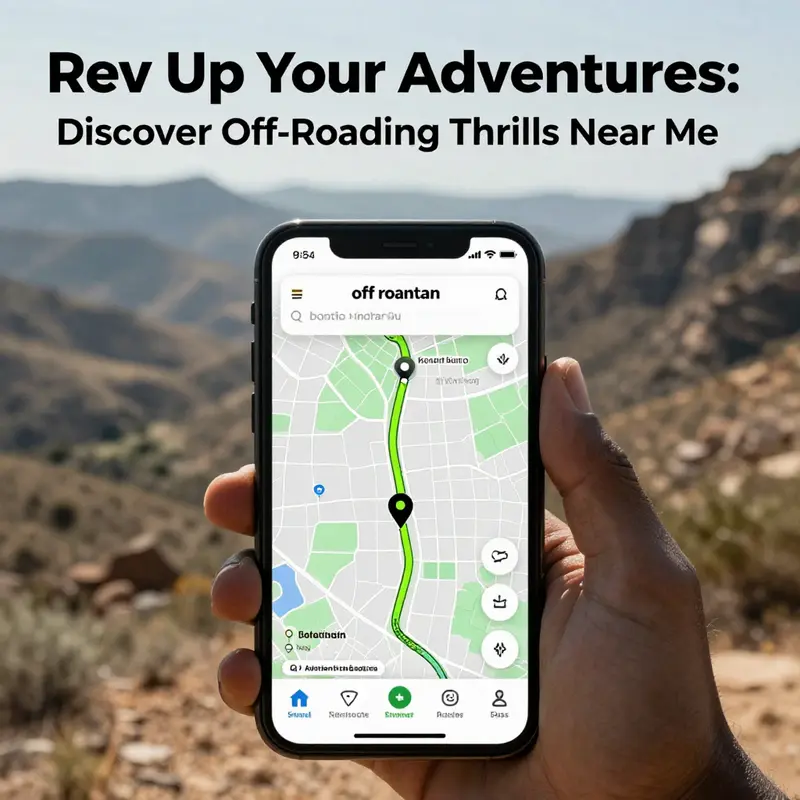
The call of the road, the rush of a truck tuned for rugged terrain, and the lure of uncharted paths sit at the heart of every off-road outing. Yet in today’s world, where city maps fill our screens and trusted paths can become crowded, the drive to discover liberating, legal, and responsibly managed routes often requires more than a paper map or a dusty back pocket note. It asks for a partner that can synthesize space, time, terrain, and rules into a plan you can trust. That partner is technology, when used with discernment. The idea of taking a truck off the pavement near a metropolitan hub is no longer restricted to rumor or rumor-born detours. It can be grounded in data-rich exploration that respects ecosystems, adheres to regulations, and still delivers the thrill of a real challenge. In this chapter we move through a practical, cohesive approach to finding off-road areas near you, guided by geospatial thinking, AI-enabled insight, and responsible travel that keeps you—and the landscapes you explore—safely in good standing with authorities and communities alike.\n\nWhen you start planning, you begin with a goal that blends curiosity and caution. You seek places where a legitimate off-road experience exists, where the terrain matches your crew’s capabilities, and where the rules are clear enough to avoid a run-in with the law or with environmental protections. Technology helps you translate that goal into a real itinerary without chasing phantom trails or unsafe shortcuts. Satellite imagery, geographic information systems (GIS), and AI-powered tools create a layered picture of the world that you can read like a map. They let you see beyond what’s labeled on standard road networks and into the granular reality of slope angles, vegetation density, rock exposure, and potential hazards that could affect your vehicle’s reliability and your own safety. The point is not to replace judgment but to enhance it with precise, up-to-date information.\n\nAt the center of this transformation is the idea that off-road exploration is now a process of discovery that can be quantified. You start with broad region filters—distance from home, driving hours, preferred climate—and then you apply a series of data-driven checks. Satellite imagery can reveal seasonal changes that affect passability, such as dry weather windows or after-rain soil conditions. GIS analysis helps you plan a route network that minimizes unnecessary exposure to steep drop-offs or soft ground, by modeling gradient, surface type, and drainage patterns. You can even run a network-based buffering analysis to identify access points, safe turnarounds, and exit routes that keep you from getting stuck in a bad spot. When you layer in historical data, you gain insight into past closures, maintenance activities, and seasonal restrictions that otherwise might surprise you. This isn’t about eliminating risk; it’s about moving risk into a domain you can manage through preparation.\n\nOne practical embodiment of these ideas is a route-planning concept embodied in a tool known for exploring unknown road networks beyond standard maps. Such a tool helps you identify little-known backways, newly developed scenic byways, and even bypasses that may temporarily block traditional routes. Importantly, it also taps into local cultural insights, offering context-rich information that enhances the journey rather than merely fills space on a screen. With a few taps, you can move from a vague craving for adventure to a concrete plan that respects trail permissions, access rules, and land-management guidelines. The experience is less about stumbling into something secret and more about discovering responsibly navigable corridors that balance thrill with prudence.\n\nAs you refine your plan, the environment itself becomes a guide. Drones equipped with LiDAR and AI are quietly changing the way we map remote and rugged terrain. When weather and vegetation would otherwise obscure features on a conventional map, LiDAR yields centimeter-level detail about elevations, rock faces, and forest gaps. This means you can anticipate line-of-sight issues, plan safer approaches to steep climbs, and understand whether a given route is within the truck’s ground clearance and approach angles. The same technology also helps land managers monitor erosion, track human activity, and ensure that your excursion remains within environmentally sustainable limits. The upshot is straightforward: smarter planning reduces surprises and enhances safety, so you can focus more on the experience and less on troubleshooting a situation that could have been foreseen.\n\nA practical day begins long before the engine fires up. You start with a mental map of the area you want to explore, then bring in layers of data to test each candidate route. First, you verify legality. Official state or county recreation sites publish current access rules, seasonal closures, and sanctioned trails. This information isn’t always easy to spot on a single page, but with GIS-enabled searches and authoritative portals, you can confirm whether a particular stretch is designated for motorized uses, whether a permit is required, and what noise or wildlife protections may apply. Second, you assess accessibility. Weather patterns, recent rainfall, and soil moisture all influence whether a route is passable. A drought can harden mud into a treacherous glaze; a past flood can leave sediment and washouts that demand rerouting. Third, you evaluate safety. Terrain data—and even crowdsourced trip logs—can reveal rock-strewn sections, loose gravel, or steep sections that demand reduced speeds or alternate routes. It’s not about turning the adventure down to a science, but about letting data illuminate the parts of the map that might otherwise stay hidden until you’re in the wrong place at the wrong time.\n\nIn this sense, technology becomes a co-pilot that nudges you toward smarter decisions. It doesn’t take the human element out of the equation; it extends your reach, helping you ask better questions: Is this climb doable in a standard truck and with a helper on the ground? Do I have the right recovery gear for a possible washout or soft ground? Is there a reliable way out if a trail is blocked or if an emergency arises? The answers come from a combination of map layers, real-time or near-real-time data feeds, and the experience you bring to the wheel. This synergy—between human judgment and machine-assisted insight—keeps exploration exciting while reducing risk, and that balance is what makes the pursuit sustainable over the long run.\n\nThe beauty of this approach is its inclusivity. You don’t need to live near a famous desert bowl or a remote desert plateau to access meaningful off-road experiences. The same networked thinking works near coastal ranges, foothill corridors, or even suburban margins where old dirt tracks survive alongside new development. In practice, you might begin by plotting a route that respects private property boundaries and public access rules, then layer in terrain data to find sections where your truck’s capabilities are well-matched. On a clear day, you could compare multiple candidate routes—short scenic loops, longer traverses that demand careful pacing, or technical segments that test traction and line choice—before selecting the most suitable option. You’ll find that the most satisfying trips are those where technology helps you uncover places you could physically reach, while keeping you out of trouble and out of restricted areas.\n\nTo connect this approach to a broader sense of purpose, consider how exploration guided by responsible data can feed into community-minded goals. For many enthusiasts, sharing routes with friends or local clubs isn’t just about bragging rights; it’s about building a culture of stewardship. This includes respecting access rules, leaving no trace, and supporting land management efforts that keep trails open for future generations. It also invites a sense of reciprocity, where knowledge about lesser-known routes is exchanged in ways that benefit communities and preserve ecological integrity. A concrete expression of that ethic can be found in volunteer-driven programs that partner vehicle enthusiasts with habitat protection and trail maintenance initiatives. These efforts remind us that the thrill of discovery should coexist with accountability and care for the places we explore. For readers who want to connect action with purpose, there are opportunities to participate in community projects that align with responsible off-road exploration.\n\nOf course, technology is only as good as the intent behind its use. The maps you consult, the data you trust, and the sources you rely on all shape the quality of your plan. It’s wise to cross-check between multiple sources, compare official portals with on-ground observations, and calibrate your plan with the knowledge of local users who know the terrain firsthand. This triangulation—combining official data, advanced geospatial insights, and experiential wisdom—creates a robust plan that honors both the thrill of the ride and the integrity of the landscapes you visit. When you approach planning with this mindset, the act of finding off-road areas near you becomes less about chasing a secret trail and more about building a reliable, repeatable process that yields meaningful experiences time after time.\n\nIf you want a concrete example of the way modern planning integrates local knowledge with data-driven discovery, you can explore resources that highlight the kind of collaborative, technology-enabled exploration described here. For instance, you may find value in content that discusses how a forward-looking route planner broadens the traditional map, offering access to smaller roads and newly developed scenic routes while simultaneously respecting closures and local insights. For an example of this approach in practice, see the resource linked here: Traps and opportunities in mobilizing community knowledge for safe exploration.\n\nIn sum, the path to finding off-road areas near you is no longer a simple question of “where can I go?” It is a deliberate process of discovery guided by layers of data, moderated by practical experience, and anchored in a culture of stewardship. Technology amplifies your ability to locate, evaluate, and enjoy legitimate, responsible off-road experiences. It helps you see terrain, constraints, and opportunities with greater clarity, and it invites you to plan with a sense of care for the land and its users. The result is a richer, safer, and more inclusive kind of adventure—one that invites newcomers to explore the unknown while honoring the rules that keep off-roading possible for everyone who loves the road less traveled. The journey, in other words, starts with a map and a mindset, then unfolds through careful planning, ethical practice, and a shared sense of responsibility that makes every nearby trail a resource to be protected.\n\nFor those who want to explore further, you can check a related resource that ties a practical, real-world example to this broader approach: Trucks for Change: Supporting Habitat for Humanity. This link anchors the idea that modern exploration can connect with community-minded action, turning a day on the trail into a chance to contribute beyond the road.\n\nExternal insights into the expanding capabilities of mapping and sensing technologies provide additional context for this chapter’s premise. For a broader look at how AI and remote sensing extend our understanding of terrain—including underwater topography in remote regions—see the following external resource. https://www.sciencedaily.com/releases/2026/02/260210123456.htm
Trail Ready, Not Reckless: A Practical Safety Guide for Off-Roading Close to Home

The lure of off-roading often begins with a yearning to escape the pavement and test the limits of a capable truck on a range of terrains. When the playground is near home—along foothill trails outside a city, through desert backroads, or up a forestry lane—the thrill comes with a responsibility to plan, prepare, and respect the landscape and the people who share it. This chapter weaves together the practical safety considerations that keep adventure enjoyable rather than perilous, anchoring the discussion in the realities of near-home access where trails can switch from scenic to challenging in a heartbeat. It is not a recipe for fear, but a blueprint for confidence—one that blends vehicle readiness, personal preparedness, and environmental stewardship into a single, coherent approach. In these settings, the science of safety is not a burden; it is the foundation that lets you savor a long day of exploring without compromising your next return to civilization or the health of the ecosystem you’re enjoying.
Begin with the vehicle, because the machine you drive is both tool and lifeline when you’re away from the comforts of routine maintenance. Tires anchor your contact with the earth, and in off-road settings near home they frequently endure a wider spectrum of conditions than city streets. All-terrain or mud-terrain tires, properly inflated for the terrain you expect, help you maintain grip on dusty ruts, slick rock faces, or loose gravel. The tire choice is not about chasing extremes; it’s about balancing traction, heat buildup, and wear so you finish the day with both control and confidence. A robust suspension is the quiet guardian here—able to absorb ruts, rocks, and sudden changes in the surface so that steering remains precise and your body remains sane after hours of bouncing over uneven ground. You don’t want to find out, miles from the trailhead, that a suspension link or shock is compromised, because a failed component in a remote area can cascade into a dangerous situation.
Recovery gear is not a luxury; it’s a necessity when you’re playing in the backcountry near the edges of civilization. Carrying essential recovery tools—the kind that give you options rather than options you wish you had—significantly reduces risk. A winch provides a controlled, deliberate means to extract yourself or a friend when a rock outcrop or mud trench blocks progress. Traction boards, shovels, and tow straps create a safety net for traction and stabilization when traditional wheel-spin won’t do. The aim isn’t to push your limits without a plan; it’s to ensure you can move out of a tight spot with minimal risk to yourself or others. Before departure, you should perform a mechanical check that prioritizes fluids, battery health, and brake performance. In the backcountry, a small leak or a fading brake pedal can become a crisis if you’re not prepared. A quick, methodical inspection—oil and coolant levels, fuel, belts, and battery terminals—reduces the chance of a preventable failure showing up in the middle of a canyon wash or a rocky pass.
As you load the truck and map the route, personal preparedness takes center stage. Seatbelts are non-negotiable; they are your first layer of protection inside the cab, whether you’re moving along a scenic byway or tackling a chunky descent. Protective gear, such as gloves and, when the terrain demands it, a lightweight helmet, can make the difference between a quick recoverable slip and a serious injury in a rocky corridor or a steep chute. In addition to equipment, communication becomes a safety lifeline. Let someone know your planned route and expected return time, share a basic timeline, and check in when you can. If you’re venturing into areas with limited cell service, a GPS device with preloaded maps and a printed, trusted map and compass are your anchors to reality. Technology is powerful, but like every tool, it has limits. Weather awareness similarly anchors your decisions. A sudden mountain storm, changing light, or washed-out trail features can transform a straightforward route into a hazardous course in a heartbeat. Checking the forecast, understanding what rain or heat can do to the local terrain, and knowing how to identify flood-prone channels or slick rock are not extra steps; they are core elements of a safe outing.
The mindset that accompanies near-home off-roading should honor the land and the other trail users who share it. Environmental respect is woven throughout every choice, from the speed you choose to your interaction with hikers, bikers, and wildlife. Staying on designated trails protects plant and animal habitats that may be sensitive to wear and tear, and it helps prevent erosion that can linger for years. Speed control matters, not just for your safety but for everyone around you; even small bursts of speed can create dust plumes that reduce visibility for others or cause unexpected ground impacts. Noise matters, too. Engine revs and exhaust levels can disrupt the quiet enjoyment of a forest or canyon setting, and excessive noise can drive away wildlife or invite conflicts with other visitors. The principle here is simple: tread lightly, be patient, and leave the land better than you found it. If you encounter pedestrians, cyclists, or livestock, slow down and yield, signaling intent early so others can adjust their course safely.
Preparation and restraint do not sap the fun from off-roading; they expand it. When you’re ready, you can approach a day on the trail with a calm, deliberate rhythm: a thorough check of the truck, a clear route plan, the right recovery tools, and a respect for the environment that invites future opportunities to explore. The sum of these choices is a day that ends not in a reckless moment but with the satisfaction of having navigated a challenging terrain and returned to home base in one piece. In practical terms, this means building a simple, repeatable routine. Start with a pre-trip check: tires and suspension first, then fluid levels and battery health, followed by a quick brake test and a look at critical fasteners under the vehicle. Then move to personal readiness: confirm your companions are equipped, that everyone in the group has appropriate protective gear, and that a simple plan covers contingencies. Finally, review the trail etiquette for the area you’ll visit: the expectations for speed, the rules about campfires and waste, and the importance of leaving no trace. These are not inconveniences; they are guardrails that help you stay on the right side of risk while preserving the terrain for others who come after you.
The broader context of safety extends beyond the day’s immediate decisions. It encompasses the longer arc of responsible off-roading near urban centers, where trails can connect to popular recreation lands that support local communities. In these places, the safety mindset translates into repeatable behaviors that make it more likely you’ll be welcomed back and that the trails will be in good condition for the next explorers. That means treating your vehicle as a partner, not a weapon; it means treating the terrain with humility; and it means recognizing that your choices have consequences that extend far beyond your own personal risk. When you approach off-roading with this integrated view—vehicle readiness, personal preparedness, and environmental respect—you gain something more valuable than a day’s thrill: the assurance that you can plan another outing, another time, with the same sense of safety and stewardship that made the first one possible.
For those who are new to the practice or returning after a long pause, a practical invitation remains. Begin with small, manageable routes that align with your current skill level and your truck’s capabilities. Build your confidence gradually, documenting lessons learned after each run. Share the knowledge you gain about what worked and what didn’t with a friend or a local off-road club, so others can benefit from your experience and you can refine your own approach. Remember that the core idea of safe off-roading near home is not to avoid risk entirely; it is to understand and manage risk so that the excitement and the beauty of the landscape endure for years to come. The trail is more forgiving when you approach it with preparation, patience, and respect, and that approach becomes part of the adventure you tell around the campfire when you return.
External resource: For a broader set of practical safety tips that align with this approach, see the external guidance on off-road safety at https://www.4wd.com.au/safety-tips-for-off-roading.
Finding Your Local Off-Road Community: Clubs, Maps, and Events for Truck Adventurers

Connecting with Local Off-Road Communities
If you want to take your truck off roading near you, joining the local community is the fastest way to find legal trails, friendly groups, and shared knowledge. Community resources range from informal social groups to organized clubs and permit offices. Each plays a role in making off-road outings safer, more enjoyable, and more sustainable. This chapter guides you through practical ways to locate and join those resources, what to expect when you get involved, and how to contribute back to the places you enjoy.
Start with where people gather digitally. Online map services are the easiest entry point. Use map searches for phrases like “off-road clubs near me,” “4×4 groups,” or “trail riding communities.” Pins, reviews, and business listings often reveal meetup points, shop sponsors, and event pages. Maps will show trailheads, parking areas, and waypoints. They sometimes include user photos and recent comments, which give hints about trail conditions and vehicle suitability.
Beyond the general map, specialized social platforms host active off-road communities. Subforums and groups let members post trip reports, trail advisories, and run schedules. Searching for your city or region plus “off-roading” or “4×4” on social networks connects you to local riders. These groups often share run calendars, routes, gear lists, and succinct advice about permits or seasonal closures. They also let you ask targeted questions about vehicle setups and recovery gear. If you want practical, crew-tested tips on maintaining and preparing a truck, a focused resource like Mastering Diesel Mechanics can help you build skills that communities value.
Offline hubs still matter. Local outdoor stores, tire and parts shops, and outfitters are excellent information nodes. Staff and frequent customers know which trails suit trucks, which sections need low range, and where to avoid during wet weather. These shops often host bulletin boards or sponsor group runs. Asking at a store will give you human insight into local etiquette and conditions—information rarely captured by maps.
Events and competitions serve as concentrated opportunities to meet experienced trail leaders and clubs. Look for rallies, charity rides, introduction-to-rock-crawling days, and training workshops. These events often offer structured instruction on recovery, navigation, and safety. Participating once or twice speeds trust-building and shows you how locals handle risk. Many groups insist on proof of basic recovery gear or vehicle insurance for safety reasons. Treat those requirements as community standards, not bureaucracy.
When you join a group or attend an event, focus on three practical priorities: respect, preparation, and reciprocity. Respect means following land rules, staying on designated routes, and minimizing environmental impact. Preparation covers vehicle inspections, bringing recovery gear, carrying water, and having a basic first-aid kit. Reciprocity is about giving as much as you take—volunteering for trail maintenance, helping at events, or sharing trail reports keeps access open for everyone.
Legal and access considerations are vital. Many trails cross public and private lands, each with different rules. County or state recreation websites list open areas, permit requirements, and seasonal closures. For real-time trail statuses, apps designed for backcountry navigation provide user-updated information on access. Before you go, confirm whether a route requires a permit, has vehicle size limits, or prohibits towing. Ignoring restrictions jeopardizes future access for the entire community.
Clubs vary in structure and purpose. Some focus on technical rock crawling and recovery skills. Others emphasize scenic overland trips and camping. There are volunteer-oriented groups that work with land managers on conservation and trail maintenance. When evaluating clubs, ask how they manage group size, trail selection, and safety. Smaller groups often offer more hands-on mentorship. Larger clubs can organize multi-day trips and have established relationships with land managers.
Building trust within a community takes time, but a few consistent habits accelerate acceptance. Show up prepared and punctual. Ask clear questions about difficulty ratings and vehicle requirements. Offer to help set up or break camp. Share accurate trip reports after runs, mentioning any obstacles, hazards, or permit updates. Avoid oversharing sensitive location details that could invite misuse; many clubs prefer controlled information to protect fragile environments.
Training sessions are an underused resource. A short hands-on clinic on winch use, shackle safety, or tire repair will pay dividends. Skills training is often offered by clubs, retailers, or certified instructors. These sessions reduce the risk of damage or injury on trail. They also create common language and practices that help groups coordinate effectively during recoveries.
Use technology wisely. Mapping apps and GPS tracks are essential for route planning. Shareable GPX files let leaders set expectations for route difficulty and length. Messaging channels—group chats, forums, or a designated event page—handle logistics and last-minute updates. If a group relies on an app for coordination, install and test it before the run. Make a habit of downloading offline maps for areas without cell coverage.
Respect the environment and local stakeholders. Erosion, damage to vegetation, and conflicts with other land users are the main reasons managers close trails. Practice “tread lightly” principles: stay on designated tracks, pack out trash, avoid sensitive areas, and use low-impact recovery techniques. When a club organizes a maintenance day, participate. These efforts foster goodwill with land managers and increase the likelihood of keeping trails open.
Financial transparency helps keep clubs healthy. Fees for membership or event participation often cover permits, insurance, and trail maintenance. Ask how money is used. Clubs that invest in training and conservation are more likely to maintain positive relationships with land authorities. If you lead a run, consider collecting a small contribution to cover administrative costs.
Safety cannot be overstated. Always tell someone outside the group your plans and expected return time. Carry a basic recovery kit, fire extinguisher, and a communication device suited for areas with no signal. Confirm that the group has a plan for vehicle failure and medical emergencies. Experienced groups often nominate a safety lead who carries essential tools and medical supplies.
Finally, think long term. Deep involvement grows through repeated participation and small acts that benefit the greater community. Mentor newcomers, contribute to trail stewardship, and share accurate, timely information about closures and hazards. Communities that cultivate a culture of responsibility preserve access for everyone.
If you want a quick, active starting point, visit a public discussion hub where owners post trips and tips. One such active community resource is the OffRoad subreddit, which often shares trip reports and beginner advice: https://www.reddit.com/r/OffRoad/.
By combining map searches, social groups, local shop contacts, and event attendance, you will quickly locate reliable routes and knowledgeable people. Approach every outing with respect, prepare thoroughly, and give back to the places you enjoy. That approach will help you and your truck explore nearby off-road terrain responsibly and with the support of a strong local community.
Final thoughts
As you prepare to take your truck on off-roading excursions, remember that adventure is not just about the destination; it’s about the moments experienced along the way. From the scenic views of the Pacific Coast Highway to the thrill of navigating legal trails, every ride enhances your connection with nature and fellow adventurers. Embrace the safety measures and utilize modern technology to map your routes, and don’t miss the chance to engage with the vibrant communities that make off-roading a shared passion. With these insights, your next adventure is just around the corner, waiting for you to rev up your engine and hit the trails.