
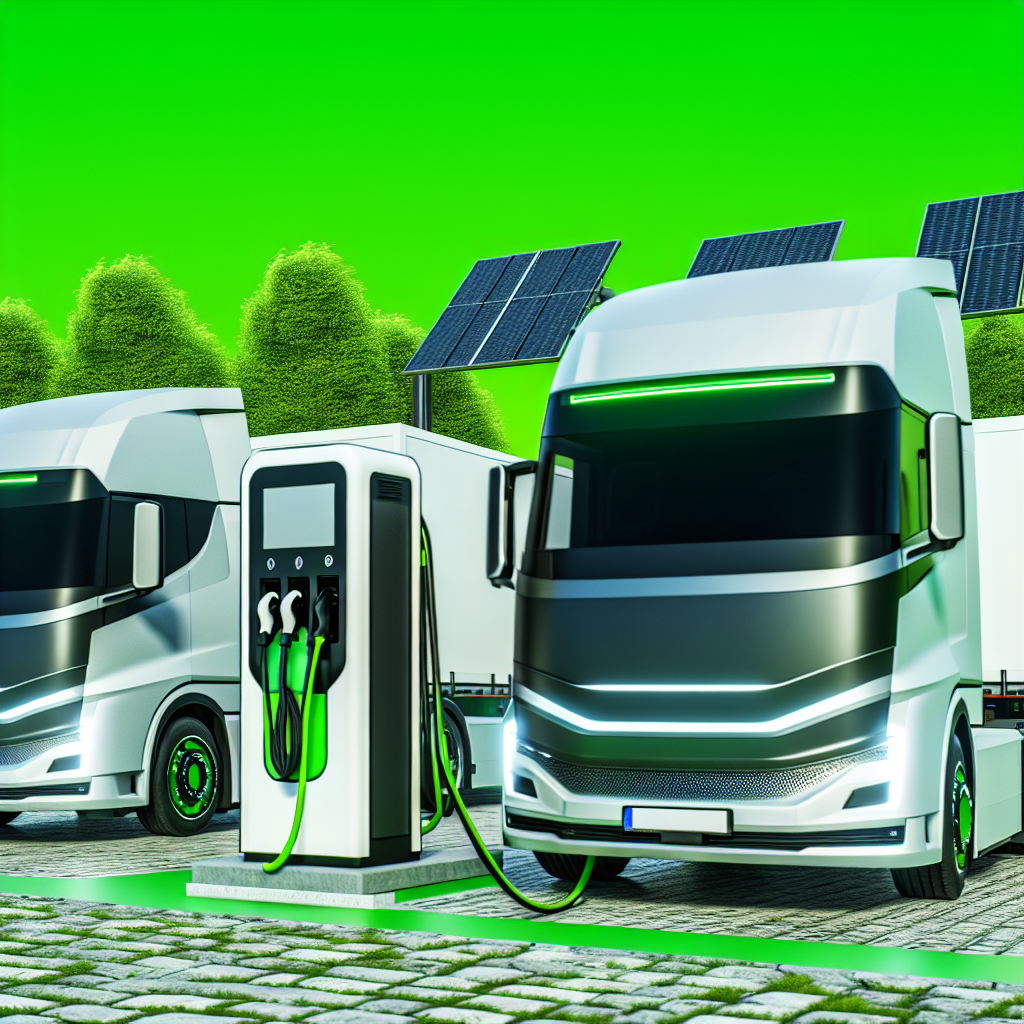
In a significant move poised to reshape the medium-duty electric truck market, Workhorse Group Inc. and Motiv Electric Trucks have announced their definitive merger agreement. This strategic partnership combines their strengths to create a robust North American manufacturer with an approximate combined value of $105 million. The merger not only enhances their product portfolio but also opens new avenues for market growth in a sector that is rapidly expanding, estimated to be valued at around $23 billion.
Industry experts predict that this collaboration will facilitate at least $20 million in cost synergies by 2026, ultimately enhancing operational efficiencies and expanding the customer base for medium-duty electric vehicles. By integrating Workhorse’s manufacturing capabilities and existing dealer network with Motiv’s extensive product offerings and strong fleet relationships, the new entity is well-positioned to lead the charge in green mobility solutions, which are becoming increasingly essential in today’s environmentally conscious marketplace.
…this will ultimately contribute to the growth of the medium-duty electric truck industry.
These advantages not only enhance the overall market position but also directly impact the financial landscape of both organizations.
As we transition to examining the financial implications, it is crucial to understand how these strategic benefits manifest in the financial comparison that follows.
| Metric | Workhorse Group Inc. | Motiv Electric Trucks |
|---|---|---|
| Revenue (Q2 2025) | $5.7 million | Not disclosed |
| Market Share | <0.5% | Significant growth in 2024 |
| Projected Growth Rate | 6x increase in shipments for 2025 | 48.4% CAGR for 2024-2025 |
| Cost of Sales (Q2 2025) | $13.1 million | Not disclosed |
| Net Loss (H1 2025) | $35.4 million | Not disclosed |
| Cash Position | $2.2 million cash; $22.5 million restricted cash | Not disclosed |
Analysis of Market Growth Potential for Sustainable Transportation
The medium-duty electric truck segment stands on the brink of explosive growth, especially following the merger between Workhorse Group Inc. and Motiv Electric Trucks. As companies work towards achieving their synergy targets, industry analysts have noted a projected compound annual growth rate (CAGR) of around 36.16% in the medium-duty electric truck market through 2030. This growth trajectory is fueled by increasing demand for zero-emission vehicles, advancements in battery technology, and supportive regulatory environments. Global electric truck sales soared past 90,000 units in 2024, reflecting an almost 80% rise from the previous year, with China dominating this growth.
The merger is expected to deliver cost synergies of at least $20 million by the end of 2026. These synergies will primarily result from reductions in research and development (R&D), general and administrative (G&A) expenses, and facility overheads. The newly formed entity aims to lower unit costs by 20% by leveraging their combined manufacturing capabilities and innovations in software and product offerings. This strategic consolidation creates a more competitive positioning in the expanding $23 billion market for green mobility solutions.
Data from recent studies indicates a significant transformation in consumer and commercial expectations regarding the viability and performance of electric alternatives. As battery electric trucks are projected to represent 17% of global truck registrations by 2025, up from just 1% in 2021 and expected to reach 43% by 2030 (Grand View Research), this underscores the importance of analyzing market trends that reveal an increasing preference towards sustainable transportation.
Despite the optimistic forecasts, challenges persist. Recent changes to federal policy in the United States, notably the cessation of federal tax credits for electric vehicle purchases, could dampen the anticipated growth. Analysts predict this could reduce the projected EV market share for 2030 significantly. Nevertheless, collaborations like the Workhorse-Motiv merger can potentially mitigate these effects through operational efficiencies and enhanced market access.
In conclusion, the merger positions the combined entities favorably within a dynamic market characterized by remarkable growth potential for green mobility solutions, supported by technological innovation and shifts in consumer preferences. The strategic focus on synergies and cost reductions signifies a robust commitment to influencing market trends in the medium-duty electric truck segment.
In conclusion, the merger between Workhorse Group and Motiv Electric Trucks positions them as significant players in the medium-duty electric truck market. This partnership is expected to fortify competition against traditional diesel alternatives by leveraging their combined resources, technologies, and networks. The consolidation aims not only to augment their product offerings but also to streamline operations, ultimately enhancing the competitive landscape for electric trucks. The synergy of their efforts is expected to accelerate innovation and reduce costs, which may entice more businesses to transition to electric solutions.
Looking ahead, the outlook remains optimistic as the industry anticipates advancements in battery technology and a more favorable regulatory framework bolstering the demand for electric trucks. As the market evolves, the merger is poised to set a benchmark for future collaborations aimed at addressing the burgeoning need for sustainable transportation solutions.
The merger between Workhorse Group and Motiv Electric Trucks is expected to enhance user adoption rates of medium-duty electric trucks through a strategic approach that combines product portfolio expansion, operational efficiencies, and improved financial strength.
- Product Portfolio and Customer Base Expansion: The merger integrates Workhorse’s manufacturing capabilities and dealer network with Motiv’s diverse electric truck offerings. This collaboration facilitates access to a broader range of customers, including engagements with some of the largest medium-duty fleets in North America. Having established partnerships increases the likelihood of broader adoption as major commercial operators look to transition to electric solutions for sustainability and cost savings.
- Operational Efficiencies: The companies anticipate achieving at least $20 million in cost synergies by the end of 2026. These efficiencies stem from reduced research and development costs, lower administrative expenses, and streamlined facility operations. By lowering the unit costs of electric trucks, the merged entity aims to enhance the competitive positioning of electric trucks against traditional internal combustion vehicles, thereby increasing their attractiveness to fleet operators and supporting adoption.
- Financial Strength and Scalability: The combined company plans to solidify its financial standing, which will contribute to scalable growth. Financing techniques such as selling and leasing back assets will enable them to reinvest and meet the anticipated demand effectively, leading to increased production and market presence. A healthy financial structure is crucial for user adoption, as it corresponds to reliability and capacity in fulfilling orders.
- Market Trends and Adoption Rates: While specific current statistics on medium-duty electric truck adoption lack availability, the merger signifies a commitment among industry players to electrification. Broader market trends indicate a rising familiarity with electric vehicles, spurred by cost reductions and increased availability of diverse product offerings, which encourage fleet operators to adopt electric solutions more readily.
In summary, the merger is strategically structured to accelerate the adoption of medium-duty electric trucks by leveraging enhanced operational efficiencies, expanding product offerings to meet market demand, and strengthening the financial foundation to support scalable growth in a rapidly evolving electric vehicle market.
Leadership Transition Overview
As Workhorse Group Inc. and Motiv Electric Trucks embark on their merger journey, the leadership transition will be pivotal in navigating the complexities of integration and setting the future direction of the newly formed entity. Scott Griffith, CEO of Motiv Electric Trucks, and Rick Dauch, CEO of Workhorse Group, bring distinct leadership styles and visions that are anticipated to synergize effectively in driving this transition.
Both Griffith and Dauch have a proven track record in the electric vehicle sector, and their combined expertise will play a critical role in fostering a unified company culture that embraces change while also honoring the unique attributes of each organization. Their commitment to transparent communication will be essential to mitigate potential employee concerns, align objectives, and cultivate a sense of shared purpose among the workforce.
Strategic Vision and Operational Alignment
The strategic vision for the merged entity focuses on leveraging the strengths of both companies to enhance product offerings and market competitiveness. Central to this vision is the alignment of operational efficiencies that can reduce costs and minimize redundancies. As noted in industry analyses, successful leadership during such transitions often involves creating a shared vision, engaging both employee and customer feedback, and implementing transformative change management programs to support employees throughout the integration process.
Cultural Integration
Cultural integration will be a primary focus area, and both leaders acknowledge the importance of creating an inclusive environment that combines the best elements of each company’s culture. Strategies will include conducting cultural assessments, fostering leadership alignment, and reinforcing shared values through regular communications. The historical success of mergers like Disney’s acquisition of Pixar illustrates the importance of respecting cultural differences while integrating operations—an approach Griffith and Dauch are expected to embrace.
Moreover, leveraging tools and resources aimed at cultural integration will be imperative, as seen in consulting recommendations from McKinsey and other industry thought leaders. Implementing a fact-based understanding of the existing cultures and setting clear objectives for blending these cultures will be critical to sustaining employee engagement and maximizing synergies.
Conclusion
In conclusion, the leadership transition between Workhorse Group and Motiv Electric Trucks is poised to significantly influence the overall success of the merger. By prioritizing strategic alignment, operational efficiencies, and cultural integration, Griffith and Dauch will not only guide the new entity towards achieving its goals but also establish a robust foundation for long-term growth in the medium-duty electric truck market. The shared commitment to innovation and sustainability will be key driving forces as the industry evolves.
In the spirit of optimism and a shared vision for the future of electric trucks, it is fitting to reflect on the words of Bob Lutz, former Vice Chairman of General Motors, who stated: “The electric car is the future and the future is now.” This sentiment encapsulates the essence of innovation driving the merger between Workhorse Group and Motiv Electric Trucks, symbolizing the exciting journey ahead for the electric vehicle market.
- Combined Value: The merger creates a larger North American medium-duty electric truck manufacturer valued at approximately $105 million.
- Market Growth: The collaboration positions the companies to tap into the expanding $23 billion medium-duty truck market, which is expected to see a significant increase in demand for electric vehicles.
- Cost Synergies: The merger is anticipated to yield at least $20 million in cost synergies by 2026 through reduced operational expenses and improved efficiencies.
- Enhanced Product Portfolio: The integration of Workhorse’s manufacturing capabilities and dealer network with Motiv’s product offerings strengthens the overall product lineup and competitive edge in the market.
- Leadership Strength: Scott Griffith and Rick Dauch’s leadership brings a wealth of experience in the electric vehicle sector, facilitating a seamless transition and strategic alignment.
- Operational Efficiencies: The aim to reduce unit costs by 20% through combined resources will make electric trucks more attractive to fleet operators compared to traditional vehicles.
- Advancements in Technology: The merger fosters continued innovation in electric truck technology, which is crucial for meeting growing environmental standards and consumer expectations.
- Strategic Vision for Adoption: By focusing on improving the total cost of ownership for electric trucks, the merger will help accelerate user adoption rates among commercial fleets.
- Cultural Integration Focus: Integration efforts will emphasize creating a unified company culture, aligning operational goals, and ensuring employee engagement throughout the process.
- Long-Term Financial Stability: The merger is set to enhance the financial standing of both companies, providing a robust platform for future growth and scalability in the electric vehicle market.