

The Toyota e-Palette Minibus is not just a glimpse into the future of transportation; it is a transformative vehicle poised to redefine the multi-use business landscape. With its remarkable modular design and semi-autonomous technology, the e-Palette blends innovation with practicality, catering to a wide array of commercial applications.
Enabling seamless transitions between roles such as a passenger carrier, food truck, or even a mobile retail space, this minibus is built for versatility and adaptability in a rapidly evolving market. Combined with its electric powertrain, offering over 155 miles of range on a single charge, the e-Palette is set to address the growing demand for sustainable mobility solutions that meet the dynamic needs of modern businesses.
As we delve deeper into its features and capabilities, we will uncover how the Toyota e-Palette Minibus stands at the forefront of a mobility revolution, promising to enhance operational efficiency and user experience alike.
Unlocking the Potential: The Benefits of the Toyota e-Palette Minibus for Businesses and Customers
Toyota’s e-Palette Minibus offers a unique blend of advantages tailored to the needs of both businesses and customers, driving innovation and enhancing operational efficiency. Here are some of the key benefits of this versatile vehicle:
-
Stimulating Business Growth
The modular design of the e-Palette allows it to serve multiple purposes, such as a passenger shuttle, mobile kitchen, or retail space. This flexibility enables businesses to adapt quickly to changing consumer demands without the need for substantial investment in multiple specialized vehicles. For example, during peak hours, it can operate as a shuttle, and during off-peak times, it can transform into a retail outlet or a food truck, maximizing asset utilization and driving revenue.
-
Enhancing Customer Experience
The e-Palette is designed with user comfort and accessibility in mind. Its low floor and wide sliding doors facilitate easy entry and exit for all passengers, including those with mobility challenges. Furthermore, its interior can be customized with digital displays and interactive features, creating engaging experiences for customers, whether in transportation or retail scenarios. By ensuring a seamless and enjoyable ride, businesses can foster greater customer satisfaction and loyalty.
-
Environmental Benefits
As an electric vehicle, the e-Palette minimizes greenhouse gas emissions and promotes sustainable practices. Studies indicate that battery electric vehicles produce significantly fewer life-cycle emissions compared to traditional gasoline-powered vehicles. Businesses operating the e-Palette not only contribute to a cleaner environment but may also appeal to eco-conscious customers, enhancing their brand image and market position.
-
Cost-Effectiveness
Investing in the e-Palette can lead to substantial savings over time. The electric powertrain greatly reduces fuel costs, while lower maintenance needs compared to internal combustion engines mean lower overall operating expenses. By utilizing one flexible vehicle for various applications, businesses can lower their total cost of ownership significantly.
-
Future-Proofing Operations
Toyota plans to enhance the e-Palette’s capabilities with autonomous driving features in the coming years, paving the way for a new era of transportation. Businesses adopting the e-Palette can stay ahead of industry trends and prepare for the future of mobility, making them more competitive in a rapidly evolving landscape.
In conclusion, the Toyota e-Palette Minibus presents a compelling solution for businesses looking to innovate their service delivery and enhance customer experiences. By maximizing versatility, reducing environmental impact, and promoting cost savings, the e-Palette stands as a vital asset in the realm of modern transportation solutions.
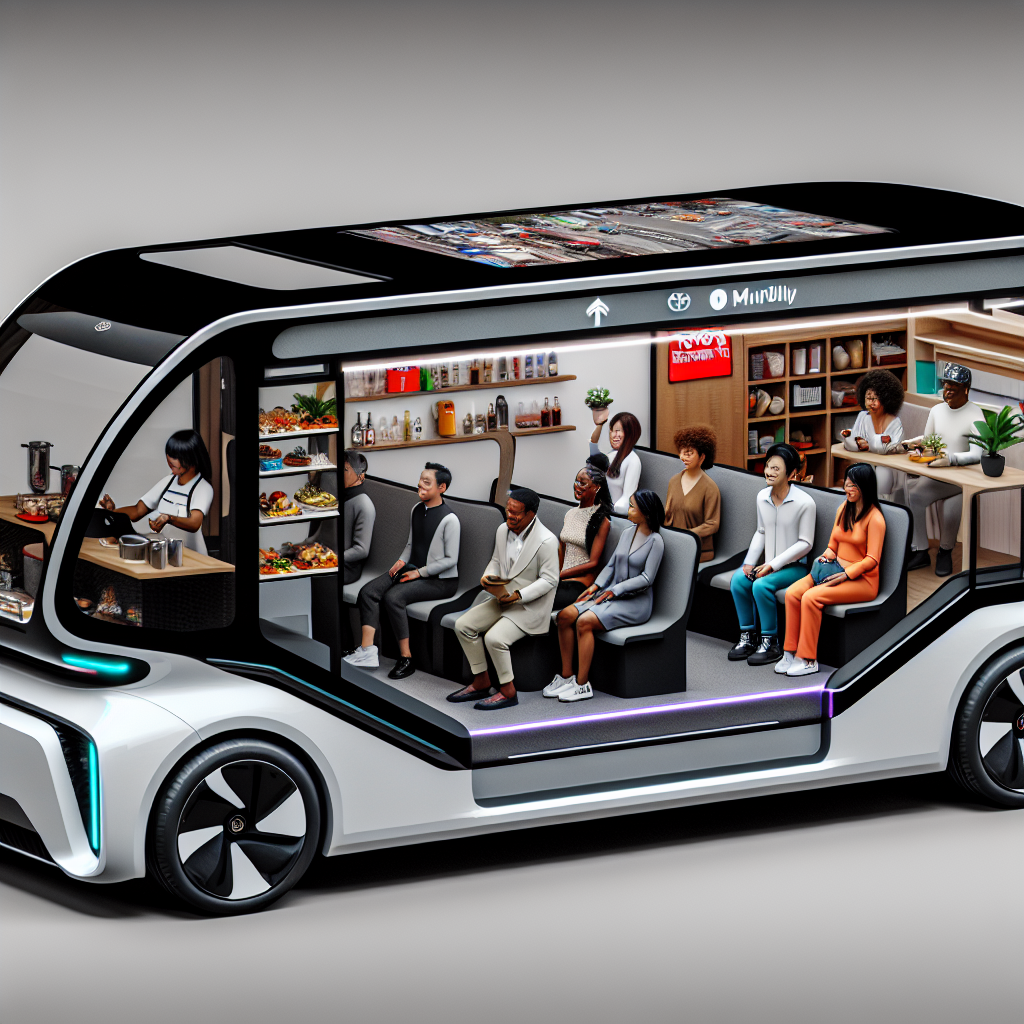
This image depicts various applications of the Toyota e-Palette Minibus, showcasing its adaptability for different business uses.
Capabilities and Specifications of the Toyota e-Palette Minibus
The Toyota e-Palette Minibus is a pinnacle of innovation and flexibility in the realm of multi-use business vehicles. Designed to cater to various applications, the e-Palette Minibus boasts a suite of impressive specifications:
Dimensions:
- Overall Length: 194.9 inches (4,950 mm)
- Overall Width: 82 inches (2,080 mm)
- Overall Height: 102 inches (2,650 mm)
- Vehicle Weight: Approximately 6,500 lbs (2,950 kg)
- It provides ample space for up to 17 occupants, including 4 seated passengers and 12 standing, alongside a designated driver.
Performance and Powertrain:
This electric vehicle is powered by an AC synchronous motor that delivers a robust output of 200 horsepower (150 kW) and a torque of 196 lb-ft (266 Nm).
- Maximum Speed: 50 mph (80 km/h)
- Cruising Range: Over 155 miles on a full charge (approximately 250 km)
- Minimum Turning Radius: 21.3 feet (6.5 meters)
Battery and Charging Specifications:
The e-Palette is equipped with a Lithium-ion battery with a total capacity of 73 kWh, ensuring efficient energy use for its operations.
- Charging Time: Approximately 40 minutes to reach 80% capacity with DC fast charging (90 kW/200A)
- Standard charging can take up to 12 hours using AC (6 kW/30A).
Designed for accessibility and ease of use, the e-Palette includes wide sliding doors and a low floor for simple entry and exit, accommodating all passengers, including those with mobility challenges. In addition, it features digital displays that can be tailored to specific uses, whether for advertising or information sharing.
The e-Palette operates on Level 2 semi-autonomous driving technology with planned advancements toward Level 4 automation by 2027, highlighting Toyota’s commitment to innovative transportation solutions that support sustainable and versatile mobility options. This showcase of capabilities positions the e-Palette as more than just a vehicle; it is a multi-faceted tool that redefines commercial transport.
Capabilities and Specifications of the Toyota e-Palette Minibus
The Toyota e-Palette is a versatile, battery-electric vehicle designed to support various mobility services, including transportation and mobile retail. Below are its key specifications, capabilities, features, performance metrics, and dimensions:
Dimensions:
- Overall Length: 4,950 mm
- Overall Width: 2,080 mm
- Overall Height: 2,650 mm
- Cabin Length: 2,865 mm
- Cabin Width: 1,780 mm
- Cabin Height: 2,135 mm
- Vehicle Weight: 2,950 kg
Occupancy:
- Seated Passengers: 4
- Standing Passengers: 12
- Driver: 1
- Total Capacity: 17 occupants
Performance Metrics:
- Maximum Speed: 80 km/h (approximately 50 mph)
- Minimum Turning Radius: 6.5 meters
- Cruising Range: Approximately 250 km (about 155 miles)
Battery and Charging:
- Battery Type: Lithium-ion
- Total Electric Power Capacity: 72.82 kWh
- Rapid Charging (DC 90 kW/200 A): Approximately 40 minutes to 80% charge
- Standard Charging (AC 6 kW/30 A): Approximately 12 hours
Motor:
- Type: AC synchronous motor
- Maximum Output: 150 kW
- Maximum Torque: 266 Nm
Capabilities and Features:
- Automated Driving: Supports Level 2 automated driving systems, with plans to achieve Level 4 by fiscal year 2027. Source
- Accessibility: Equipped with low floors, wide sliding doors, and electric ramps, facilitating easy boarding for all passengers, including wheelchair users. Source
- Interior Design: Spacious cabin with customizable configurations to support various applications, such as shuttle services or mobile retail spaces. Source
- Advanced Equipment: Features a steer-by-wire system, digital signage inside and out, and a cabin monitoring system to ensure safety during door operations. Source
- Power Supply Function: Can serve as a stationary power source, useful in emergency situations. Source
These specifications and features position the Toyota e-Palette as a flexible solution for various mobility needs, emphasizing safety, accessibility, and adaptability.
Comparison of the e-Palette Minibus with Traditional Vehicles
| Feature | e-Palette Minibus | Traditional Bus | Other Commercial Vehicles |
|---|---|---|---|
| Dimensions | 194.9 in (L) x 82 in (W) x 102 in (H) | Varies, ~40 ft long | Varies, often longer than standard buses |
| Seating Capacity | 17 occupants (4 seated, 12 standing) | Typically 30 to 50 passengers | Varies widely depending on type |
| Range | Over 155 miles on a full charge | Varies, often 300 miles or more | Varies significantly based on engine type |
| Power | 200 horsepower, 196 lb-ft torque | Typically 200-300 horsepower | Varies widely, can be higher than buses |
This table provides a clear comparison between the Toyota e-Palette Minibus and traditional vehicles, showcasing the distinctions in dimensions, seating capacity, range, and power that make each vehicle unique. The e-Palette’s compact size and modular design often cater to specific business applications, while traditional buses may serve larger groups more effectively.
Modular Interior Uses of the Toyota e-Palette Minibus
The Toyota e-Palette is a versatile, battery-electric vehicle designed for various business applications, including passenger transport and mobile services like food trucks. Its modular design allows for customization to meet diverse operational needs.
Passenger Transport
-
Athlete Mobility at Tokyo 2020: During the Tokyo 2020 Olympic and Paralympic Games, Toyota deployed up to 20 specially designed e-Palette vehicles to facilitate automated, loop-line transportation within the athlete villages. These vehicles featured large doors, low floors, and electric ramps to accommodate groups of athletes, including those using wheelchairs. The automated driving system operated at SAE Level 4, with an onboard safety operator ensuring secure transit.
source -
Factory Campus Shuttle: In December 2024, May Mobility launched an autonomous vehicle service using a customized e-Palette at Toyota Motor Kyushu’s Miyata factory in Fukuoka, Japan. This service provided efficient transportation for employees and guests across the factory campus, demonstrating the e-Palette’s adaptability for corporate shuttle applications.
source
Mobile Services (Including Food Trucks)
-
Mobile Retail and Service Spaces: The e-Palette’s spacious interior and customizable design enable its transformation into various mobile service units. For instance, it can function as a mobile store or service space, operating as a shuttle bus during peak hours and converting into a retail outlet during off-peak times while charging. This flexibility allows businesses to offer services directly to customers in different locations.
source -
Food Delivery and Mobile Kitchens: Toyota’s collaboration with companies like Pizza Hut envisions the e-Palette serving as a mobile kitchen or food delivery vehicle. Its autonomous capabilities and adaptable interior make it suitable for on-the-go food preparation and distribution, effectively functioning as a modern food truck.
source
The e-Palette’s modularity and autonomous features position it as a transformative solution for businesses seeking innovative approaches to passenger transport and mobile service delivery.
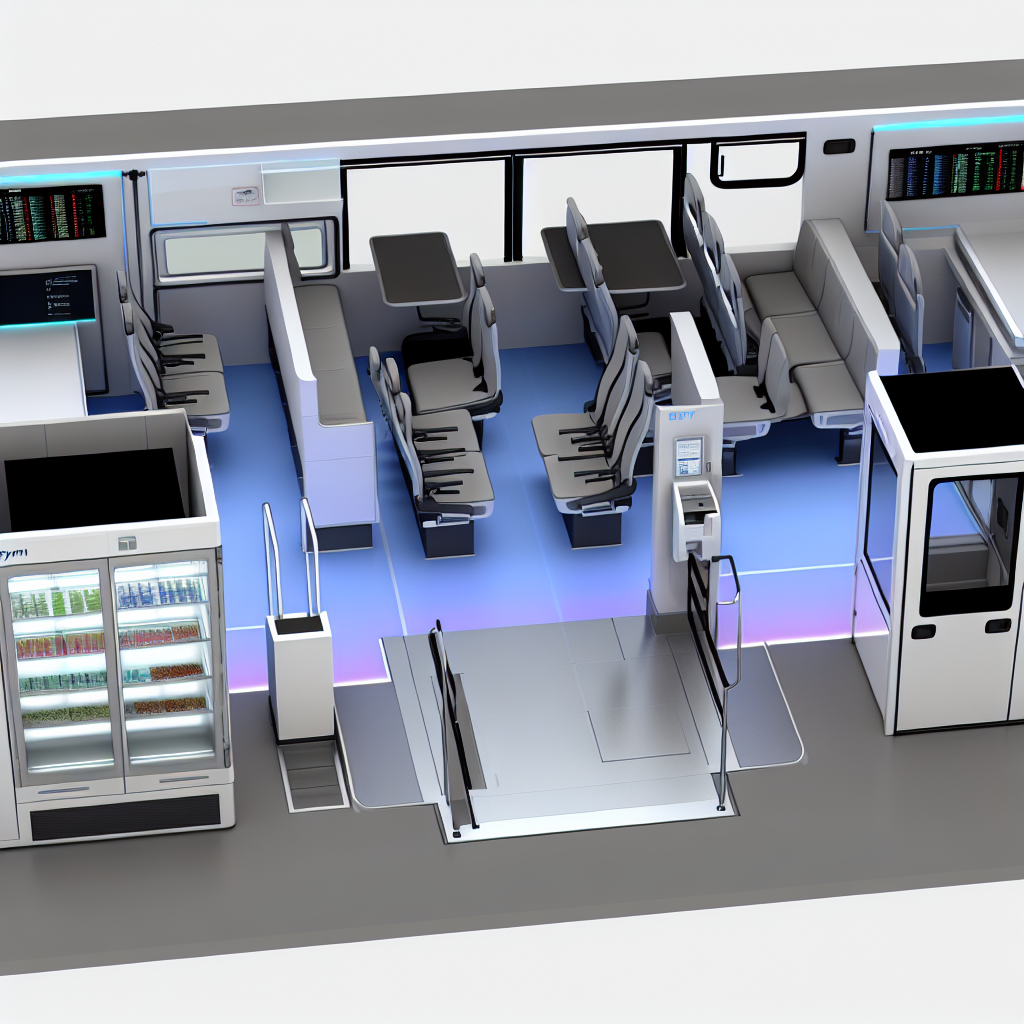
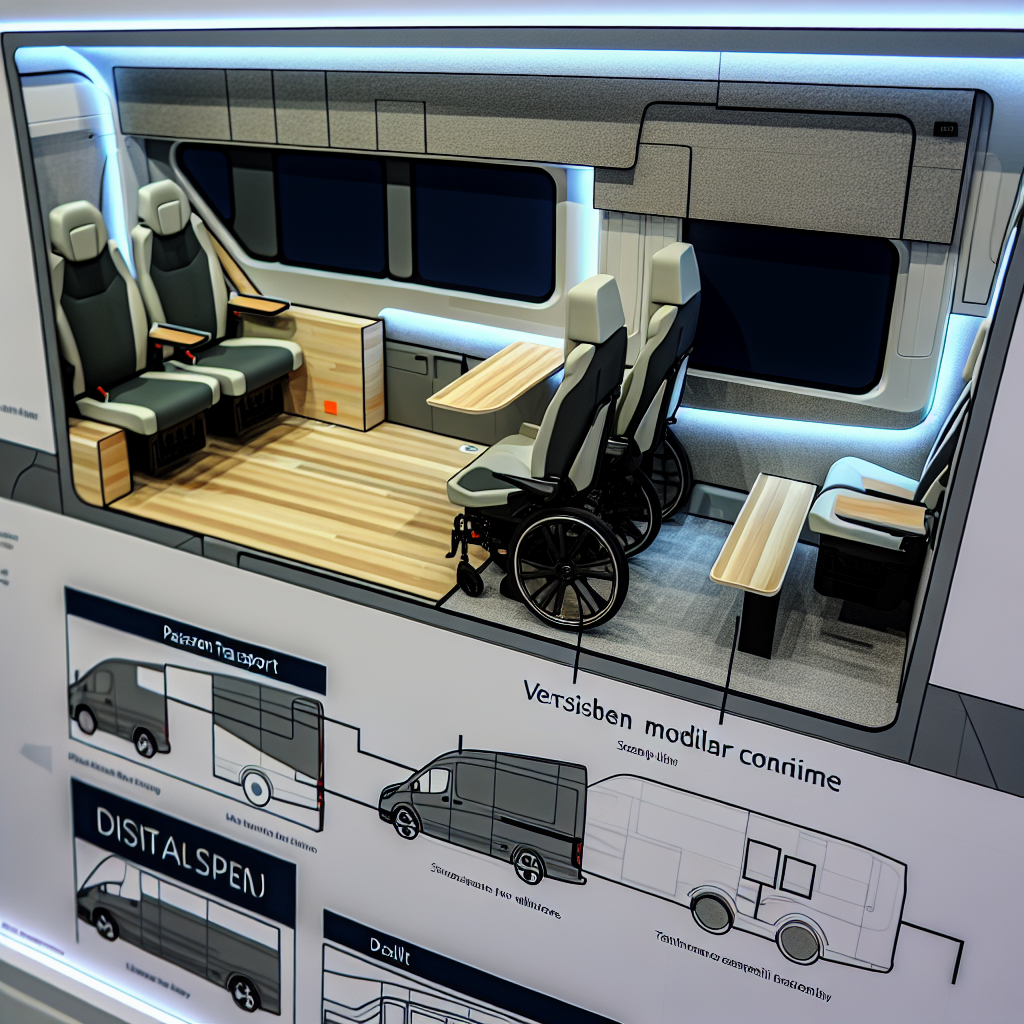
This image depicts the interior layout of the Toyota e-Palette, showcasing its versatile configurations for passenger transport and service usage.
Insights on Semi-Autonomous Vehicles: Adoption and Market Trends
The market for semi-autonomous vehicles is growing quickly. Several key trends and statistics show how relevant the Toyota e-Palette is today.
Market Growth and Projections
The global semi-autonomous vehicle market is expected to reach $172.2 billion by 2030. This represents a compound annual growth rate (CAGR) of 18.8% from 2025 to 2030. This growth indicates an increasing demand for driver-assisted technologies. These technologies aim to enhance safety and improve overall driving experiences. In the United States, this sector also expects a CAGR of 16.9% from 2022 to 2028, potentially generating $6.7 billion in revenue by 2028 (source).
User Acceptance and Adoption Trends
Consumers have shown an improved acceptance of semi-autonomous vehicles. This acceptance has been supported by technological advancements and new safety features. Collaborations between auto companies and tech firms have increased public confidence. A notable study found an increased willingness to adopt autonomous vehicles, especially during the COVID-19 pandemic. This reflects a broader shift toward embracing autonomous mobility solutions (source).
Technological Innovations and Implementations
Innovations in technologies like artificial intelligence (AI), machine learning, and sensors are improving semi-autonomous vehicles. Features such as adaptive cruise control, lane-keeping assist, and automatic braking are advancing quickly. These features help to reduce accidents (source). Vehicle-to-everything (V2X) communication technologies enable vehicles to interact with each other and with infrastructure. This interaction provides real-time information that boosts safety and efficiency.
The Toyota e-Palette illustrates these innovations. It serves as a flexible, multi-purpose autonomous electric vehicle. It’s designed for various applications, from ride-sharing to mobile retail. By integrating advanced driver-assistance systems and AI, the e-Palette is well-positioned to meet the demands of the growing semi-autonomous vehicle market.
In summary, the semi-autonomous vehicle sector is on a significant growth path. Technological advancements and increasing consumer acceptance are driving this growth. As these trends continue, the Toyota e-Palette will play a vital role in shaping the future of multi-use vehicles and driving innovation across various industries.
Insights on Semi-Autonomous Vehicles: Adoption and Market Trends
The market for semi-autonomous vehicles is rapidly expanding, driven by technological advancements and a growing acceptance among consumers for automated driving solutions. This section will delve into significant trends within this sector while highlighting how the Toyota e-Palette Minibus plays a pivotal role in this evolving landscape.
Market Growth and Projections
The semi-autonomous vehicle market was valued at approximately USD 58.17 billion in 2024 and is projected to reach USD 172.2 billion by 2030, representing a robust compound annual growth rate (CAGR) of 18.8% from 2025 to 2030. In the United States alone, the sector generated around 2.2 million units in 2021, with expectations to leap to 6.7 million units by 2028. This growth demonstrates the increasing demand for vehicles equipped with advanced driver-assistance systems designed to enhance safety and elevate the driving experience (source).
User Acceptance and Adoption Trends
Recent studies suggest that consumer acceptance of semi-autonomous vehicles is improving significantly. Factors influencing this upward trend include enhanced safety features, technological advancements, and partnerships between automotive manufacturers and technology firms that bolster public confidence. A notable study documented an increased willingness among consumers to adopt autonomous vehicles, particularly post-COVID-19, signaling a shift toward embracing these mobility solutions (source). Additionally, about 33% of new vehicles sold globally in 2021 featured advanced driver-assistance systems (ADAS), reflecting a substantial integration of automation technologies into consumer vehicles (source).
Technological Innovations and Implementations
Innovations such as artificial intelligence, machine learning, and sophisticated sensor technologies are driving advancements in semi-autonomous vehicles. Features like adaptive cruise control, lane-keeping assist, and automatic emergency braking are advancing rapidly, significantly reducing the incidence of accidents. The rise of vehicle-to-everything (V2X) communication enhances vehicle interaction with each other and infrastructural elements for improved safety and efficiency. The Toyota e-Palette is emblematic of these trends, offering a flexible, multi-purpose platform designed for a range of applications, from ride-sharing to mobile retail, while integrating advanced driver-assistance systems to meet the needs of an evolving market.
The Toyota e-Palette Minibus and Its Role
The Toyota e-Palette stands as a testament to the future direction of mobility solutions. With its ability to function as both a passenger carrier and a business service vehicle, it exemplifies the versatility that modern consumers and businesses seek. Equipped with Level 2 semi-autonomous driving features, with plans to upgrade to Level 4 by 2027, it is well-positioned to capitalize on the expanding semi-autonomous vehicle market trends (source). As more businesses recognize the potential of multi-use vehicles like the e-Palette to address operational efficiencies while catering to consumer demands, its significance within the market will undoubtedly grow.
Conclusion
In summary, the semi-autonomous vehicle sector is on a remarkable growth trajectory propelled by technological advancements and a growing acceptance among consumers. The Toyota e-Palette Minibus is uniquely positioned to leverage these trends, promising to redefine the future of mobility solutions across various applications. As the industry continues to evolve, innovative vehicles like the e-Palette will play a crucial role in shaping the landscape of transportation and service delivery.
Take the Leap: Invest in the Toyota e-Palette Minibus
In today’s fast-paced business environment, investing in innovative solutions is essential for staying ahead of the competition. The Toyota e-Palette Minibus is not just a vehicle; it represents the future of mobility and flexible service delivery. With its semi-autonomous capabilities, modular design, and electric performance, it meets a diverse range of transportation needs while promoting sustainability.
As a business owner, consider the potential benefits the e-Palette can bring to your operations. Whether you are exploring new methods for passenger transport, food delivery, or mobile retail, this vehicle is uniquely equipped to support your objectives. Its robust specifications, including a range of over 155 miles on a single charge, make it a reliable choice for modern businesses eager to adapt to changing consumer demands.
Additionally, current market trends emphasize the growing acceptance of semi-autonomous technology, making now the perfect time to incorporate such advancements into your operations. The e-Palette’s innovative features can streamline your services and enhance customer satisfaction.
Moreover, the e-Palette is eligible for lucrative incentives, including the Ministry of the Environment’s Commercial Vehicle Electrification Promotion Project, which provides significant subsidies for businesses embracing this technology.
To take action, consider the following steps:
- Visit Toyota’s dedicated e-Palette webpage to explore more about the vehicle’s features and specifications.
- Contact Toyota sales directly to discuss how the e-Palette can fit into your business operations, and ask for a personalized consultation.
- Request a demo or virtual tour of the e-Palette to see its capabilities first-hand and understand its benefits for your company.
Don’t miss the opportunity to revolutionize your business with the e-Palette Minibus. Take the leap and explore how this visionary vehicle can transform your transportation strategies, setting you apart in a competitive landscape. Reach out to Toyota today and position your business at the forefront of mobility innovation!
Environmental Benefits of the Toyota e-Palette Minibus
The Toyota e-Palette Minibus offers significant environmental advantages that align with the global push for sustainability in transportation. Being an electric vehicle (EV), it greatly reduces greenhouse gas emissions when compared to traditional gasoline or diesel-powered buses. Studies have shown that battery electric vehicles in Europe produce 73% fewer life-cycle greenhouse gas emissions than their gasoline counterparts, highlighting the e-Palette’s contribution to ecological efforts aimed at combating climate change.
Improved Air Quality
A key benefit of adopting EVs like the e-Palette is the elimination of tailpipe emissions, resulting in cleaner air and improved public health. For instance, in regions such as California, where motor vehicles are major contributors to air pollution, transitioning to electric vehicles can lead to notable reductions in smog-forming pollutants, enhancing overall air quality. This is crucial for urban areas struggling with air quality issues.
Enhanced Energy Efficiency
The e-Palette also features higher energy efficiency compared to traditional vehicles, as it converts a larger percentage of electrical energy from the grid into usable power for driving. This efficiency translates into lower energy consumption and reduced overall greenhouse gas emissions, further supporting environmental sustainability.
Financial Incentives for Businesses
In addition to environmental benefits, the e-Palette Minibus is eligible for various financial incentives under commercial electrification programs. For instance, the Federal Commercial Clean Vehicle Tax Credit allows businesses to cover up to 30% of the purchase price of electric vehicles, providing a substantial economic incentive to adopt greener transportation solutions. Furthermore, many states and local governments offer additional rebates, grants, and tax credits to encourage businesses to switch to electric fleets.
Utility programs also aid EV adoption by providing incentives for the installation of charging infrastructure, maximizing benefits for those transitioning to electric commercial vehicles. By leveraging these incentives, businesses can significantly lower their initial investment costs in electric vehicles.
Overall, the environmental benefits of the e-Palette Minibus encompass reduced emissions, improved air quality, enhanced energy efficiency, and government subsidies, presenting a compelling case for businesses to adopt electric mobility solutions and sustainable transportation practices.
Vision from Toyota’s Leadership
As part of Toyota’s ongoing commitment to pioneering mobility solutions, President Akio Toyoda stated during the 2018 Consumer Electronics Show, “The automobile industry is clearly amid its most dramatic period of change as technologies like electrification, connected and automated driving are making significant progress. Toyota remains committed to making ever better cars. Just as important, we are developing mobility solutions to help everyone enjoy their lives, and we are doing our part to create an ever-better society for the next 100 years and beyond.”
This vision aligns perfectly with the design of the e-Palette, which Toyoda described as “an open, flexible platform easily adapted to suit a range of uses, including ride-sharing, delivery, and retail.”
The e-Palette is positioned not just as a vehicle, but as part of a broader effort to redefine transportation and enhance quality of life through innovative and adaptable mobility solutions.
Operational Uses of the e-Palette: Modular Interior Applications and Case Studies
The Toyota e-Palette Minibus stands out for its modular design and versatile operational capabilities, making it suitable for a range of uses from passenger transport to mobile services like food trucks and retail units. Here are some real-world examples showcasing how businesses utilize its innovative features:
Passenger Transport
- Tokyo 2020 Olympics and Paralympics: During the Tokyo 2020 Olympic and Paralympic Games, up to 20 specially-designed e-Palette vehicles were deployed to facilitate automated, loop-line transportation within the athlete villages. The e-Palette was equipped with large doors, low floors, and electric ramps to accommodate athletes, including those using wheelchairs, ensuring accessible transport. The automated driving system operated at SAE Level 4, with an onboard safety operator to guarantee secure transit, effectively demonstrating the vehicle’s potential in mass transportation environments. (source)
- Corporate Shuttle Service by May Mobility: In December 2024, May Mobility introduced an autonomous vehicle service utilizing a customized e-Palette at Toyota Motor Kyushu’s Miyata factory in Fukuoka, Japan. This service provided efficient transportation for employees and guests across the factory campus, operating during regular business hours and seamlessly integrating with May Mobility’s autonomous technology to enhance operational efficiency. (source)
Mobile Services
- Mobile Retail Applications: The e-Palette’s spacious interior is designed to transform into various mobile service units. Toyota envisions its use as a mobile store, allowing it to function as a retail outlet during off-peak hours while serving as a shuttle during peak times. This adaptability enables businesses to engage with customers directly in diverse locations, maximizing operational effectiveness. (source)
- Food Delivery and Mobile Kitchen: Collaborations, such as with Pizza Hut, illustrate the e-Palette’s capabilities in the food service industry as a mobile kitchen. With its adaptable interior, the vehicle can facilitate on-the-go food preparation and distribution, functioning effectively in a modern food truck model. (source)
Conclusion
These case studies highlight the versatility of the Toyota e-Palette Minibus as a transformative solution for modern businesses. Its modular interior and autonomous features provide outstanding operational flexibility, catering to diverse passenger transport and mobile service needs. As businesses seek innovative ways to adapt to shifting consumer demands, the e-Palette stands ready to redefine the landscape of multi-use vehicles.
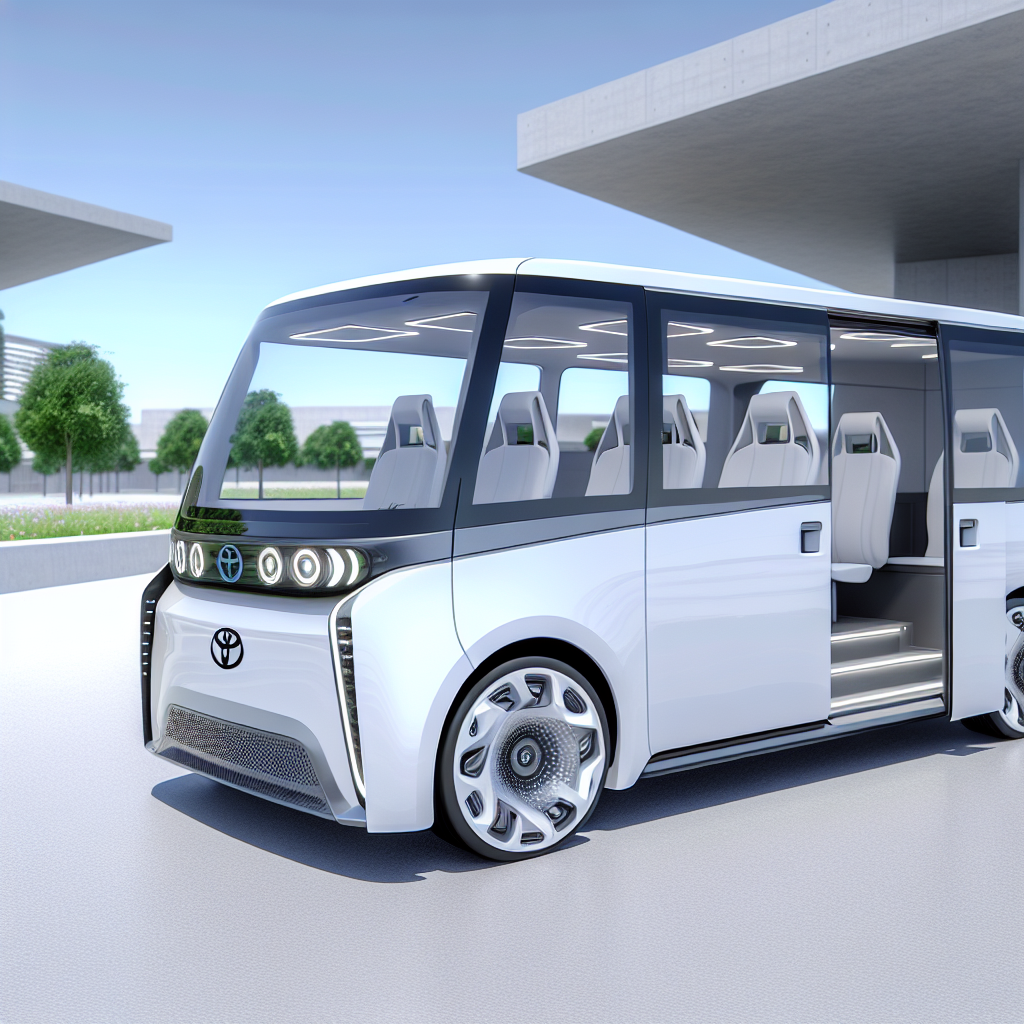
This image showcases the modular interior design and versatility of the Toyota e-Palette, illustrating its adaptability for various operational uses.
In conclusion, the Toyota e-Palette Minibus is a pioneering solution that embodies the future of mobility, offering a wealth of benefits that cater to both businesses and their customers. Its versatile design allows for seamless transitions between various roles, from passenger transport to mobile retail and food delivery, ensuring that companies can adapt rapidly to changing market demands.
The e-Palette not only promotes sustainability through its electric powertrain but also enhances operational efficiencies, resulting in significant cost savings over time. With the growing acceptance of semi-autonomous vehicles, businesses have a unique opportunity to position themselves at the forefront of transportation innovation by adopting the e-Palette.
As we move towards a more sustainable and connected future, the e-Palette Minibus stands out as an essential tool for businesses aiming to thrive in an evolving landscape, making it a smart investment and a step toward progressive mobility solutions.