
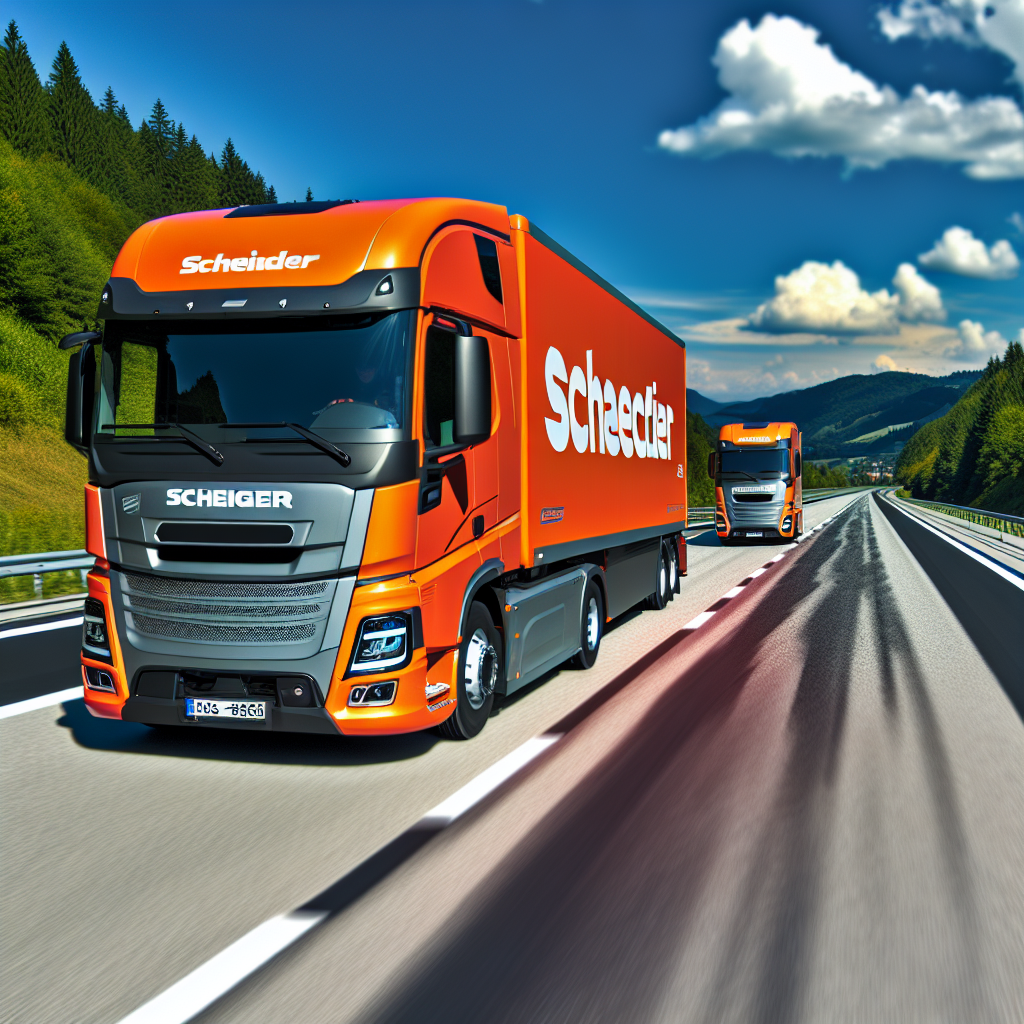
In a significant leap toward sustainable transport using electric truck technology, Schneider National announced that it has surpassed 6 million zero-emission miles with its eCascadia truck fleet. This milestone reflects the company’s commitment to reducing its environmental impact and positions Schneider as a leader in green logistics practices.
Schneider has eliminated over 20 million pounds of CO2 emissions, which is equivalent to removing more than 2,100 gasoline-powered cars from the roads for an entire year. The eCascadia fleet demonstrates the potential of battery electric vehicles (BEVs) in addressing climate change and achieving carbon neutrality in logistics. As the world shifts toward sustainable practices, Schneider paves the way for a cleaner, environmentally responsible future in logistics and transportation.
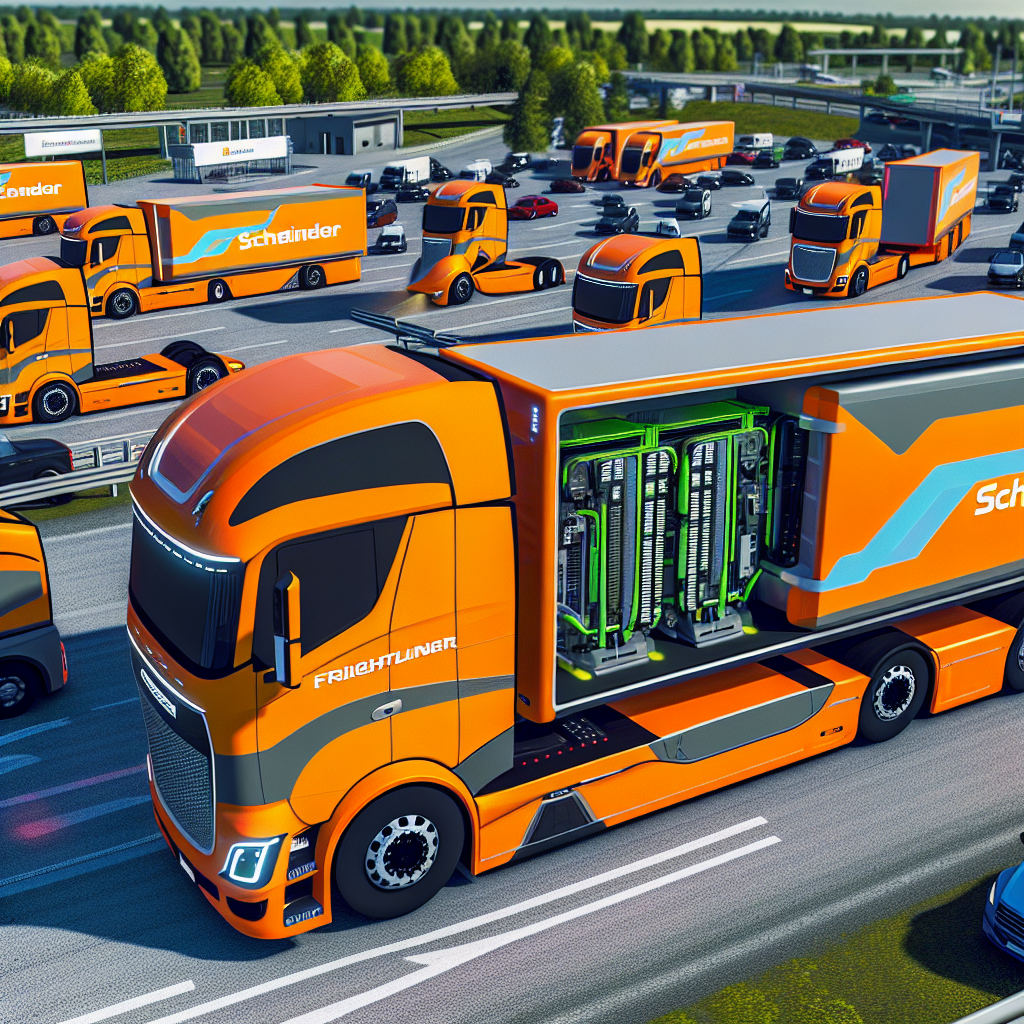
Schneider’s substantial reduction of 20 million pounds of CO2 emissions marks a significant milestone in the battle against climate change. To put this achievement into perspective, it is equivalent to removing approximately 4,600 gasoline-powered vehicles from the roadway for an entire year. This comparison underscores the impact that Schneider’s electric fleet has on our environment, showcasing its pivotal role in promoting sustainability within the transportation industry.
The transition to battery electric vehicles (BEVs) by Schneider National isn’t just about utilizing advanced technology; it’s about making a tangible difference in air quality and public health. With traditional gasoline-powered cars emitting about 4.6 metric tons of CO2 annually, Schneider has effectively displaced the environmental burden that these vehicles would contribute over the course of a year. Each truck that operates on renewable energy instead of fossil fuels helps reduce carbon footprints and promote cleaner air.
Furthermore, Schneider’s commitment to sustainability extends beyond mere numbers. The achievement of surpassing 6 million zero-emission miles with its fleet highlights the company’s dedication to innovative practices that can inspire others in the industry. This monumental step forward illustrates that environmental responsibility can indeed be integrated with operational efficiency and business growth.
Ultimately, Schneider’s environmental initiative is a powerful reminder that when companies invest in sustainable solutions, they are not just transforming their own operations but are also making meaningful contributions towards a greener, healthier planet. There is a clear path forward for the transportation industry to emulate Schneider’s example, moving towards cleaner technologies that benefit everyone.
| Metric | Schneider eCascadia | Traditional Diesel Trucks |
|---|---|---|
| Emissions | 0 g CO2/km | Approximately 1,000 g CO2/km |
| Efficiency | Up to 15 miles/kWh | 6 to 8 miles/gallon |
| Operational Costs | Lower (due to electricity cost) | Higher (maintenance, fuel) |
| Maintenance Frequency | Less often | More frequently |
| Range | Up to 230 miles on a charge | 600 to 800 miles per tank |
| Noise Level | Significantly lower | Higher, typically loud |
| Metric | Schneider eCascadia | Traditional Diesel Trucks |
|---|---|---|
| Emissions | 0 g CO2/km | Approximately 1,000 g CO2/km |
| Efficiency | Up to 15 miles/kWh | 6 to 8 miles/gallon |
| Operational Costs | Lower (due to electricity cost) | Higher (maintenance, fuel) |
| Maintenance Frequency | Less often | More frequently |
| Range | Up to 230 miles on a charge | 600 to 800 miles per tank |
| Noise Level | Significantly lower | Higher, typically loud |
Industry Leadership
Schneider National is pioneering a path toward sustainable transportation by becoming the first third-party carrier to transport zero-emission shipments for PepsiCo. This groundbreaking collaboration represents a significant milestone not only for Schneider but also for the logistics and transportation industry as a whole. By hauling zero-emission shipments, Schneider has demonstrated that sustainable practices can be seamlessly integrated into daily operations, showcasing a responsible approach to conducting business while meeting the demands of innovative clients.
The partnership with PepsiCo underscores the power of collaboration in achieving environmental goals. As a global leader in the food and beverage sector, PepsiCo’s commitment to sustainability is pivotal in setting industry standards. Schneider’s role in delivering zero-emission shipments aligns perfectly with PepsiCo’s ambitions to reduce their carbon footprint and highlights the importance of collaboration in combating climate change. By spearheading this initiative, Schneider not only affirms its commitment to sustainability but also positions itself as a frontrunner in the shift toward greener logistics solutions.
Moreover, this collaboration signifies a transformative shift in industry practices. It challenges other logistics companies to adopt similar sustainable practices and acknowledges Schneider’s capability to lead in that area. With various stakeholders observing this partnership’s results—both in emissions reductions and operational efficiencies—Schneider is setting a precedent that could inspire widespread change throughout the transportation and logistics industry. Embracing innovation, Schneider’s role reinforces the notion that transportation companies can be pivotal contributors to global sustainability initiatives while maintaining operational efficiency and profitability.
Through its commitment to zero-emission shipments, Schneider not only enhances its brand reputation but also encourages an industry-wide shift towards clean energy solutions, paving the way for a more sustainable future in logistics. This strategic move not only highlights Schneider’s leadership in environmental stewardship but also exemplifies the significant role that transportation plays in fostering a sustainable economy.
Insights from Industry Leaders on Schneider’s Zero-Emission Initiatives
Several key figures in the transportation and logistics industry have articulated their thoughts on Schneider National’s commitment to zero-emission trucking and the future of electric vehicles:
- Mark Rourke, President and CEO of Schneider, proclaimed, “Reaching six million zero-emission miles is a testament to our steadfast dedication to sustainability and innovation.” This statement reflects the company’s pivotal role in promoting cleaner transportation solutions and highlights its commitment to the environment.
- David Carson, Senior Vice President of Sales and Marketing at Daimler Truck North America, stated, “Schneider is a great example of the kind of forward-thinking entrepreneurship our industry needs.” His endorsement emphasizes Schneider’s leadership in pioneering electric vehicle technology and the importance of embracing innovation in reducing carbon emissions.
- David Allen, Vice President of PepsiCo, remarked, “We’ve demonstrated the power of cross-industry collaboration in reducing emissions.” This quote underscores the significance of partnerships, like that of Schneider and PepsiCo, in achieving sustainability goals and combating climate change through collective efforts.
- Marty Boots, a driver for Schneider, expressed a personal perspective, saying, “Once you drive an electric truck, you won’t want to go back to a diesel truck.” This reflects the positive experience of drivers using electric trucks, emphasizing the practicality and benefits of transitioning to cleaner technologies.
These insights collectively illustrate a hopeful vision for the future of electric trucking, showing that Schneider’s initiatives not only push the boundaries of technology but also foster a sustainable transportation ecosystem.
Future Sustainability Goals
As Schneider National continues to lead the way in sustainable transportation, the company has laid out ambitious future sustainability goals that align with broader environmental initiatives within the trucking industry. Key objectives include:
- Carbon Emission Reductions: Schneider is aiming for a 7.5% reduction in carbon emissions per mile by 2025 and a 60% reduction by 2035. This commitment puts Schneider at the forefront of emission reduction efforts in logistics.
- Expansion of Intermodal Operations: The goal is to double the size of intermodal operations by 2030, which is expected to reduce carbon emissions by an additional 700 million pounds annually.
- Net Zero Facilities: Schneider is dedicated to reaching net zero status for all company-owned facilities by 2035.
The company’s eCascadia trucks play a pivotal role in these goals. With nearly 100 Freightliner eCascadias contributing to an impressive six million zero-emission miles, Schneider achieved a remarkable reduction of roughly 20 million pounds of carbon dioxide emissions—equivalent to taking over 2,100 gasoline-powered vehicles off the road for an entire year.
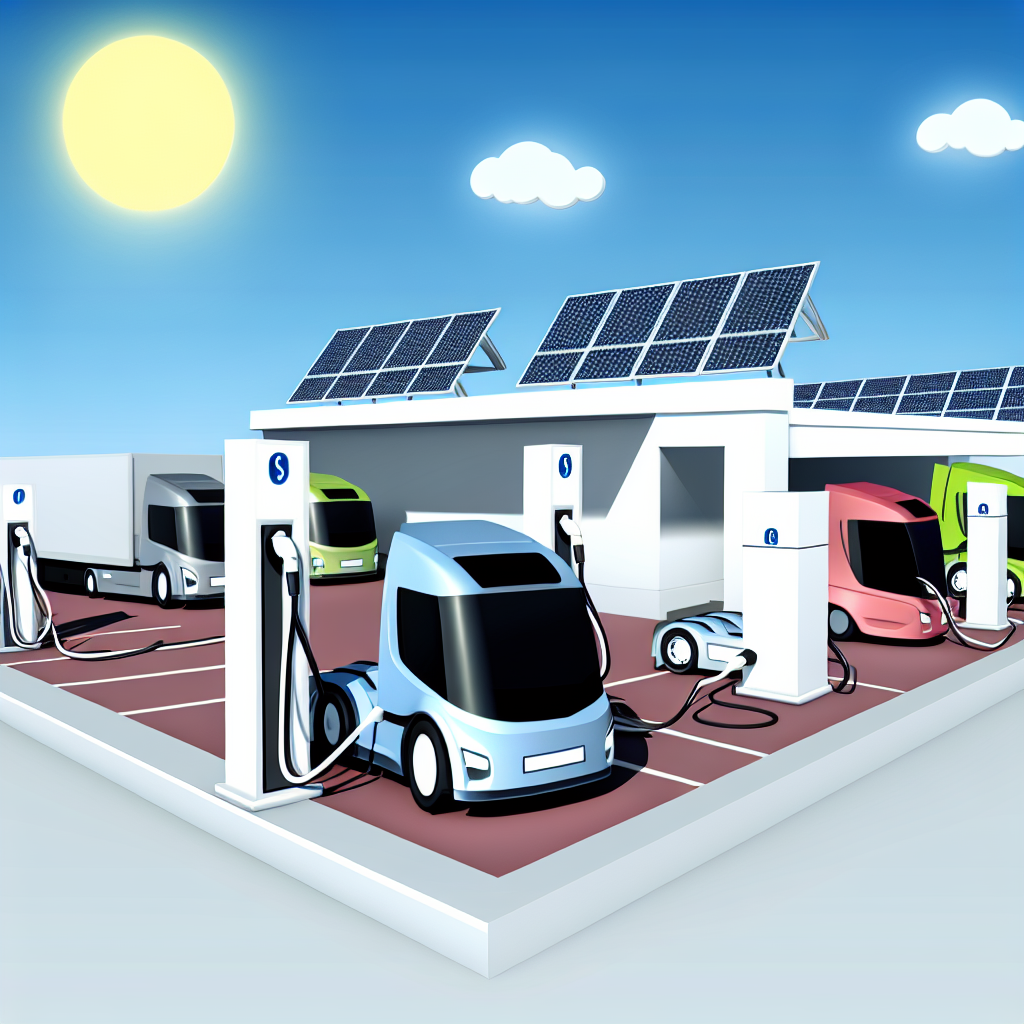
To support this electric fleet, Schneider has invested in a robust infrastructure. The South El Monte Operations Center in California features a comprehensive charging depot equipped with 16 dual-cord dispensers that can charge 32 trucks simultaneously, drastically improving operational efficiency.
Moreover, Schneider’s continued commitment to electric vehicles emphasizes its brand as an industry leader, reinforcing the belief that sustainability and innovation can not only coexist but thrive together. The combination of sustainable practices, innovative technology, and strategic partnerships positions Schneider National as a role model for others in the trucking industry.
This ongoing commitment to reducing the environmental impact of transportation showcases Schneider’s dedication to securing a sustainable future and encourages others in the industry to follow suit. The integration of electric vehicles aligns perfectly with the overarching goal of promoting cleaner technologies that benefit both the planet and the logistics sector.
Conclusion
Schneider National’s remarkable achievement of surpassing 6 million zero-emission miles with its innovative battery electric vehicle fleet is not just a milestone; it is a rallying cry for the entire transportation industry. This accomplishment underscores a deep commitment to sustainability and showcases the company’s pivotal role in transforming logistics toward a greener future. By eliminating over 20 million pounds of CO2 emissions—equivalent to removing more than 2,100 gasoline-powered cars from our roads for a year—Schneider exemplifies how a dedicated approach to innovation can lead to significant environmental benefits.
Moreover, Schneider’s collaboration with industry giants like PepsiCo highlights the power of cross-industry partnerships in achieving ambitious sustainability goals. Together, they are proving that sustainable and operational excellence can coexist, setting a benchmark for others to follow. Schneider’s future objectives, which include further emission reductions and expanded electric operations, reflect its unwavering commitment to a cleaner planet.
As the logistics sector faces the pressing challenges of climate change, Schneider National’s leadership in adopting battery electric technology and championing sustainable practices serves as a powerful example. The path Schneider has paved towards zero-emission shipping not only benefits the environment but also inspires the broader industry to embrace a sustainable, innovative future. This is just the beginning, and Schneider is poised to continue leading the charge in the shift to sustainable transportation, proving one mile at a time that a greener future is within reach.
In a significant leap toward sustainable transport using electric truck technology, Schneider National announced that it has surpassed 6 million zero-emission miles with its eCascadia truck fleet. This milestone reflects the company’s commitment to reducing its environmental impact and positions Schneider as a leader in green logistics practices. Schneider has eliminated over 20 million pounds of CO2 emissions, which is equivalent to removing more than 2,100 gasoline-powered cars from the roads for an entire year. The eCascadia fleet demonstrates the potential of battery electric vehicles (BEVs) in addressing climate change and achieving carbon neutrality in logistics. As the world shifts toward sustainable practices, Schneider paves the way for a cleaner, environmentally responsible future in logistics and transportation.
Linking Schneider’s Environmental Impact to Industry Leadership
Schneider’s substantial reduction of 20 million pounds of CO2 emissions marks a significant milestone in the battle against climate change. To put this achievement into perspective, it is equivalent to removing approximately 4,600 gasoline-powered vehicles from the roadway for an entire year. This comparison underscores the impact that Schneider’s electric fleet has on our environment, showcasing its pivotal role in promoting sustainability within the transportation industry.
Moreover, the transition to battery electric vehicles (BEVs) by Schneider National isn’t just about utilizing advanced technology; it’s about making a tangible difference in air quality and public health. With traditional gasoline-powered cars emitting about 4.6 metric tons of CO2 annually, Schneider has effectively displaced the environmental burden that these vehicles would contribute over the course of a year. Each truck that operates on renewable energy instead of fossil fuels helps reduce carbon footprints and promote cleaner air.
Furthermore, Schneider’s commitment to sustainability extends beyond mere numbers. The achievement of surpassing 6 million zero-emission miles with its fleet highlights the company’s dedication to innovative practices that can inspire others in the industry. This monumental step forward illustrates that environmental responsibility can indeed be integrated with operational efficiency and business growth.
Ultimately, Schneider’s environmental initiative is a powerful reminder that when companies invest in sustainable solutions, they are not just transforming their own operations but are also making meaningful contributions towards a greener, healthier planet. There is a clear path forward for the transportation industry to emulate Schneider’s example, moving towards cleaner technologies that benefit everyone.
Connecting Industry Leadership and Collaborative Efforts
Schneider National is pioneering a path toward sustainable transportation by becoming the first third-party carrier to transport zero-emission shipments for PepsiCo. This groundbreaking collaboration represents not only a significant milestone for Schneider but also for the logistics and transportation industry as a whole. By hauling zero-emission shipments, Schneider has demonstrated that sustainable practices can be seamlessly integrated into daily operations, showcasing a responsible approach to conducting business while meeting the demands of innovative clients.
The partnership with PepsiCo underscores the power of collaboration in achieving environmental goals. As a global leader in the food and beverage sector, PepsiCo’s commitment to sustainability is pivotal in setting industry standards. Schneider’s role in delivering zero-emission shipments aligns perfectly with PepsiCo’s ambitions to reduce their carbon footprint and highlights the importance of collaboration in combating climate change. By spearheading this initiative, Schneider not only affirms its commitment to sustainability but also positions itself as a frontrunner in the shift toward greener logistics solutions.
Moreover, this collaboration signifies a transformative shift in industry practices. It challenges other logistics companies to adopt similar sustainable practices and acknowledges Schneider’s capability to lead in that area. With various stakeholders observing this partnership’s results—both in emissions reductions and operational efficiencies—Schneider is setting a precedent that could inspire widespread change throughout the transportation and logistics industry. Embracing innovation, Schneider’s role reinforces the notion that transportation companies can be pivotal contributors to global sustainability initiatives while maintaining operational efficiency and profitability.
Thus, through its commitment to zero-emission shipments, Schneider not only enhances its brand reputation but also encourages an industry-wide shift towards clean energy solutions, paving the way for a more sustainable future in logistics. This strategic move exemplifies Schneider’s leadership in environmental stewardship while also emphasizing the significant role transportation plays in fostering a sustainable economy.
Linking Insights from Industry Leaders to Future Goals
- Mark Rourke, President and CEO of Schneider, stated, “Reaching six million zero-emission miles is a testament to our steadfast dedication to sustainability and innovation.” This statement reflects the company’s pivotal role in promoting cleaner transportation solutions and highlights its commitment to the environment.
- David Carson, Senior Vice President of Sales and Marketing at Daimler Truck North America, emphasized, “Schneider is a great example of the kind of forward-thinking entrepreneurship our industry needs.” His endorsement substantiates Schneider’s leadership in pioneering electric vehicle technology and the importance of embracing innovation in reducing carbon emissions.
- David Allen, Vice President of PepsiCo, noted, “We’ve demonstrated the power of cross-industry collaboration in reducing emissions.” This quote highlights the significance of partnerships, like that of Schneider and PepsiCo, in achieving sustainability goals and combating climate change through collective effort.
- Marty Boots, a driver for Schneider, shared a personal perspective, saying, “Once you drive an electric truck, you won’t want to go back to a diesel truck.” This reflects the positive experience of drivers using electric trucks, emphasizing the practicality and benefits of transitioning to cleaner technologies.
These insights collectively illustrate a hopeful vision for the future of electric trucking, reinforcing the idea that Schneider’s initiatives not only push the boundaries of technology but also foster a sustainable transportation ecosystem. These voices echo the central theme of Schneider’s commitment to innovation and sustainability in logistics.
Future Goals: A Commitment to Sustainability
As Schneider National continues to lead sustainable transportation, the company has laid out ambitious future sustainability goals that align with broader environmental initiatives within the trucking industry. Key objectives include:
- Carbon Emission Reductions: Schneider is aiming for a 7.5% reduction in carbon emissions per mile by 2025 and a 60% reduction by 2035. This commitment positions Schneider at the forefront of emission reduction efforts in logistics.
- Expansion of Intermodal Operations: The goal is to double the size of intermodal operations by 2030, which is anticipated to reduce carbon emissions by an additional 700 million pounds annually.
- Net Zero Facilities: Schneider is dedicated to reaching net zero status for all company-owned facilities by 2035.
The company’s eCascadia trucks play a crucial role in these goals. With nearly 100 Freightliner eCascadias contributing to an impressive six million zero-emission miles, Schneider achieved a remarkable reduction of roughly 20 million pounds of carbon dioxide emissions—equivalent to taking over 2,100 gasoline-powered vehicles off the road for an entire year.
To support this electric fleet, Schneider has invested in a robust infrastructure. The South El Monte Operations Center in California features a comprehensive charging depot equipped with 16 dual-cord dispensers that can charge 32 trucks simultaneously, drastically improving operational efficiency.
Moreover, Schneider’s ongoing commitment to electric vehicles emphasizes its brand as an industry leader, reinforcing the belief that sustainability and innovation can not only coexist but thrive together. The combination of sustainable practices, innovative technology, and strategic partnerships positions Schneider National as a role model for others in the trucking industry.
Ultimately, this ongoing commitment to reducing the environmental impact of transportation showcases Schneider’s dedication to securing a sustainable future and encourages others in the industry to follow suit. The integration of electric vehicles aligns perfectly with the overarching goal of promoting cleaner technologies that benefit both the planet and the logistics sector.
Conclusion: The Path Forward
Schneider National’s remarkable achievement of surpassing 6 million zero-emission miles with its innovative battery electric vehicle fleet is not just a milestone; it is a rallying cry for the entire transportation industry. This accomplishment underscores a deep commitment to sustainability and showcases the company’s pivotal role in transforming logistics toward a greener future. By eliminating over 20 million pounds of CO2 emissions—equivalent to removing more than 2,100 gasoline-powered cars from our roads for a year—Schneider exemplifies how a dedicated approach to innovation can lead to significant environmental benefits.
Furthermore, Schneider’s collaboration with industry giants like PepsiCo highlights the power of cross-industry partnerships in achieving ambitious sustainability goals. Together, they are proving that sustainable and operational excellence can coexist, setting a benchmark for others to follow. Schneider’s future objectives, which include further emission reductions and expanded electric operations, reflect its unwavering commitment to a cleaner planet.
As the logistics sector faces the pressing challenges of climate change, Schneider National’s leadership in adopting battery electric technology and championing sustainable practices serves as a powerful example. The path Schneider has paved towards zero-emission shipping not only benefits the environment but also inspires the broader industry to embrace a sustainable, innovative future. This is just the beginning, and Schneider is poised to continue leading the charge in the shift to sustainable transportation, proving one mile at a time that a greener future is within reach.