
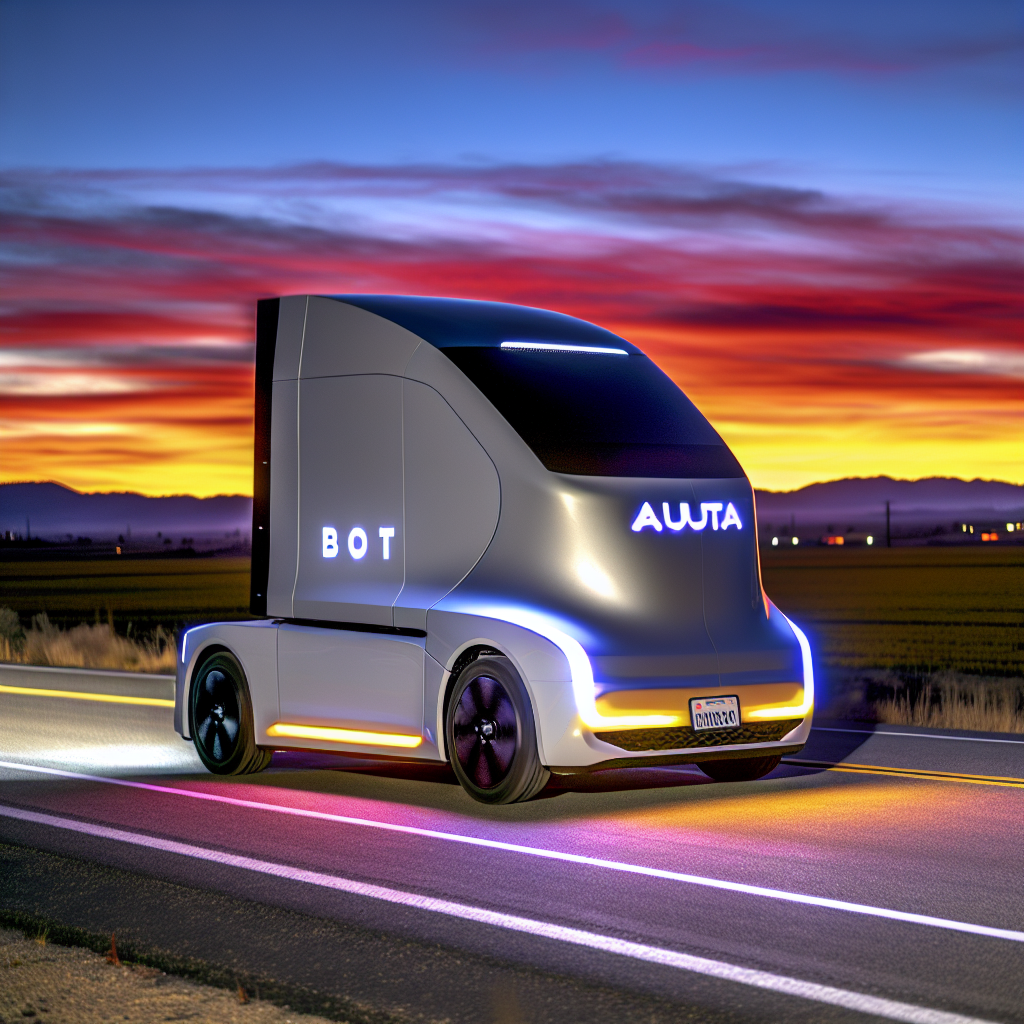
In a groundbreaking achievement for the autonomous trucking industry, Bot Auto successfully completed its first fully autonomous humanless validation run on September 17, 2025, in Houston, Texas. This monumental event marks a significant milestone within the realm of disruptive transportation technology, showcasing the potential for substantial advancements in safety, efficiency, and cost effectiveness in cargo delivery.
As the sun set over the Texas landscape, the autonomous truck navigated both daylight and nighttime conditions, effectively demonstrating the sophisticated technologies that empower it to operate independently of human intervention. This pioneering feat not only redefines the future of logistics but also sets the stage for a new era where humanless operations may become the standard.
The implications of this validation run extend far beyond mere automation; it challenges traditional perceptions of transportation and raises questions about the evolving role of technology within the freight and logistics sectors. As we delve deeper into this technological evolution, it becomes clear that the journey has just begun, but its potential to disrupt and redefine industry standards is already palpable.
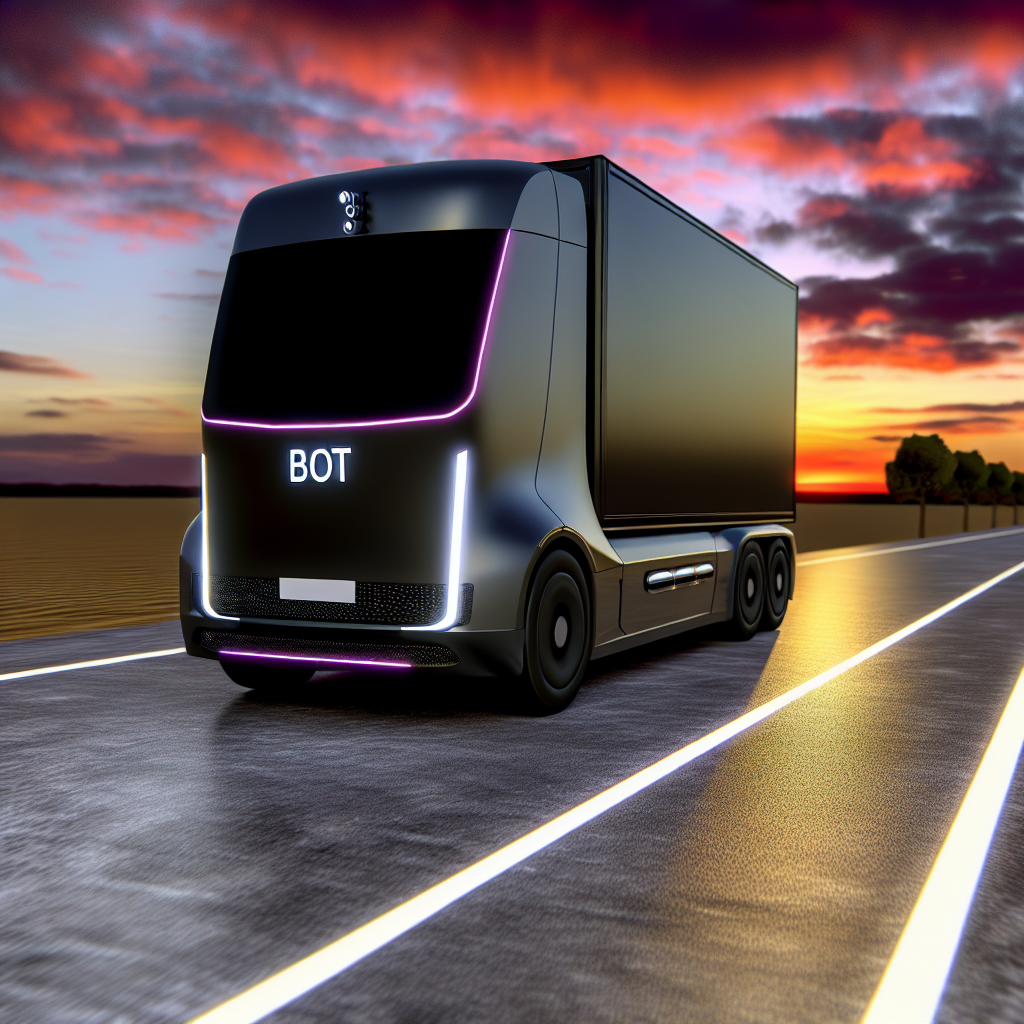
Implications of Bot Auto’s Validation Run
The successful completion of Bot Auto’s fully autonomous humanless validation run marks a pivotal moment in the logistics and transportation industries, heralding the dawn of a new era in cargo delivery. This milestone not only showcases the technological capabilities but also unfolds profound implications for traditional logistics practices.
Disruption of Traditional Logistics
Fully autonomous trucks present considerable advantages that have the potential to disrupt the conventional logistics landscape. Economic studies indicate that these vehicles could reduce operating costs by approximately 45%, translating to potential savings of $85 billion to $125 billion for the U.S. trucking industry alone. The elimination of labor costs, combined with enhanced fuel efficiency and the capacity for 24/7 operations, could allow businesses to optimize their delivery capabilities significantly. As Bot Auto demonstrates with its recent run, the ability to operate unencumbered by human limits effectively doubles the truck’s daily range, amplifying logistics productivity.
Enhancements in Safety
Safety is another vital area poised for improvement. Autonomous trucks can potentially reduce traffic accidents caused by human error—which accounts for about 94% of road incidents—by as much as 90%. Equipped with advanced sensors and AI-driven monitoring, these trucks can respond to real-time conditions, ensuring safer transportation for everyone on the road. Enhanced safety translates directly to diminished costs associated with accidents and insurance premiums.
Workforce Transformation
However, the transition to autonomous trucking introduces complexity regarding workforce implications. Although autonomous trucks promise solutions to the ongoing driver shortages—projected at over 80,000 drivers in 2025—there are concerns regarding job displacement within the sector. While roles in driving may diminish, new opportunities in fleet management and technology monitoring will likely emerge, necessitating retraining and adaptation of the current workforce.
Dr. Xiaodi Hou encapsulated this sentiment by stating, “This validation run is a meaningful step, but it’s a waypoint, not the destination.” This perspective underscores the importance of tracking the broader transformation journey as the industry shifts toward automation.
In conclusion, Bot Auto’s validation run highlights the immense potential of autonomous trucking technology to redefine logistics and shipping practices, leading to significant economic, safety, and workforce changes that will shape the future of transportation.
| Company | Technology | Operational Scope | Safety Measures |
|---|---|---|---|
| Bot Auto | Fully autonomous trucks with AI-driven navigation | Hub-to-hub cargo deliveries | Advanced sensors for real-time monitoring, redundant systems, compliance with safety regulations |
| Waymo | Autonomous vehicles primarily for passenger transport | Testing in select urban areas | Extensive safety testing protocols, strong focus on simulation and real-world data analysis |
| TuSimple | Autonomous technology for freight transportation | Long-haul trucking on selected routes | Safety drivers on board during testing, virtual monitoring systems, rigorous pre-emptive checks |
Challenges and Concerns of Humanless Trucks
The adoption of humanless trucks brings forward several noteworthy challenges and concerns which must be addressed to ensure safe and effective integration within the transportation sector.
Regulatory Issues
The framework governing autonomous trucking is still being developed and differs significantly between regions. In states like California, there has been a push for regulations that allow trials of self-driving heavy-duty trucks. However, labor unions and safety advocates have expressed concerns about job losses and potential dangers on the road. Legislation has been introduced and debated, but challenges persist—such as lawsuits from companies like Aurora Innovation, which argue existing safety rules are outdated and hinder progress.
Public Perception
Public acceptance is critical for the proliferation of humanless trucks. Survey data reveals a significant majority of Americans harbor doubts about the safety of autonomous trucks. Concerns are pronounced among women and older demographics, who are increasingly apprehensive about sharing the road with driverless vehicles. Only a small fraction of the population views these technologies favorably, presenting a significant challenge for manufacturers and advocates of autonomous trucking.
Safety Concerns
Despite claims of enhanced safety through automation, real-world complexities raise questions about reliability. The technology must navigate varied driving conditions and unforeseen events that challenge its effectiveness. Past incidents involving autonomous vehicles have aggravated public fear, while cyber vulnerabilities present an additional risk, as malicious attacks could compromise operations, leading to accidents.
These multifaceted challenges necessitate thorough discourse among stakeholders, including lawmakers, industry leaders, and the public, to foster informed decisions regarding the future of humanless trucking technology.
Challenges and Concerns of Humanless Trucks
The adoption of humanless trucks presents several noteworthy challenges and concerns that must be addressed for their safe and effective integration within the transportation sector.
Regulatory Issues
- Framework Development: The current framework governing autonomous trucking is still evolving and differs across regions.
- Legislative Pushback: In states like California, regulations permitting trials of self-driving heavy-duty trucks face opposition from labor unions and safety advocates, expressing concerns about job losses and road safety.
- Legal Challenges: Ongoing lawsuits, like those from Aurora Innovation, argue that existing safety regulations hinder progress in the autonomous space.
Public Perception
- Surveys Indicate Doubts: A significant majority of Americans have reservations about the safety of autonomous trucks.
- Demographic Concerns: Doubts about sharing roads with driverless vehicles are especially pronounced among women and older demographics, highlighting the need for education on automation.
Safety Concerns
- Real-World Complexities: Despite claims of enhanced safety, various driving conditions and unforeseen events raise questions regarding the reliability of autonomous trucks.
- Public Fear: Past incidents involving autonomous vehicles have aggravated public fear, further compounded by potential cyber vulnerabilities.
These multifaceted challenges necessitate thorough dialogue among stakeholders, including lawmakers, industry leaders, and the public, to promote informed decisions regarding the future of humanless trucking technology.
Expert Quotes on the Significance of Humanless Validation Runs
As the logistics and transportation industry witnesses a shift towards autonomous technology, industry experts are weighing in on the implications of humanless validation runs. These insights reflect both the current significance and the visionary future of this rapidly evolving field.
-
Dr. Xiaodi Hou, founder and CEO of Bot Auto, emphasized the essence of their recent achievement:
“Humanless means no human — not in the driver’s seat, not in the back seat, and not behind a remote joystick.”
This commitment to complete autonomy marks a crucial step in validating the safety and reliability of autonomous transportation.
-
Brad Ysseldyk, Trimble’s director of autonomy business development, discussed economic advantages:
“I think the real cost savings from autonomous vehicles is going to be on driver costs, which is about 45% of the overall cost of transport.”
These insights highlight how automation can drive down costs significantly, potentially reshaping the logistics landscape.
-
Jason JonMichael, from the U.S. Department of Transportation, addressed safety considerations:
“As these technologies become increasingly widespread, the safety of the traveling public depends on effective oversight to ensure automated technologies are safe and work as intended.”
His perspective underscores the importance of rigorous safety protocols in the evolution of autonomous trucking technology.
Together, these expert voices reflect a profound understanding of the impact of humanless validation runs, promising advancements for efficiency and safety in transportation technology.
User Adoption Data Summary: Autonomous Trucks
The user adoption data highlights that the contemporary transportation sector is increasingly shifting towards autonomous trucks due to their potential for enhanced safety and significant cost savings. Autonomous freight technology is projected to mitigate almost 90% of traffic accidents caused by human errors, which account for around 94% of serious road incidents in the U.S. This presents a compelling case for companies like Bot Auto, whose operations focus on delivering safe, reliable, and efficient solutions in logistics technology.
In terms of cost-effectiveness, studies indicate that automating trucking operations could lead to reducing operational costs by as much as 45%. This translates to staggering potential savings of $85 to $125 billion annually within the U.S. trucking industry. Such financial advantages are impossible to ignore, especially as the trucking sector grapples with high labor costs and a driver shortage crisis projected to exceed 80,000 positions in 2025.
Moreover, research by Tech.co indicates that 65% of U.S. freight professionals anticipate widespread use of self-driving trucks by 2050, with 42% expecting adoption as early as 2040. Even amid driver shortages, 70% of U.S. freight companies prefer hiring human drivers over deploying self-driving trucks, according to a report by AJOT. However, the market for autonomous freight trucks is projected to reach USD 40 billion by 2034, driven by applications in logistics optimization and safety enhancements.
By completing significant validation runs, as reflected in their recent achievements, Bot Auto not only illustrates the technological viability of humanless truck operations but also positions itself at the forefront of transforming the logistics landscape. Additionally, AI-driven safety systems in autonomous trucks have been reported to lead to a 30% decrease in accidents, emphasizing the role of safety in transportation in encouraging user adoption.
In conclusion, the anticipated user adoption trends of autonomous trucks underscore the essential role of companies like Bot Auto in leading the charge toward a future where safety and economic efficiency are paramount.
Conclusion
The successful validation run of Bot Auto’s fully autonomous humanless trucks marks a pivotal moment in the evolution of disruptive transportation technology. This milestone not only underscores the technical feasibility of autonomous logistics but also demonstrates the profound potential for reshaping operational efficiency throughout the transport industry. By eliminating the need for human drivers and operating virtually around the clock, Bot Auto exemplifies how automated delivery systems can achieve unprecedented levels of productivity and cost savings.
As we look to the future, the implications of this innovative technology extend beyond mere improvements in delivery times and operational costs. The augmentation of safety protocols—capable of significantly reducing accidents caused by human error—positions Bot Auto as a leader in fostering a safer transport environment. Additionally, the ongoing transition towards automation poses essential questions regarding workforce transformations, ultimately requiring new skill sets for those within the industry.
In conclusion, Bot Auto stands at the forefront of a transformative wave in logistics, with its humanless validation run heralding a new era of efficiency, safety, and sustainability. The trajectory of autonomous trucking is set to redefine traditional logistics practices, making it an exciting time for businesses and consumers alike as we pave the way for a smarter transport future.
Trends in Disruptive Transportation Technologies
Disruptive transportation technologies are significantly reshaping logistics and delivery sectors. Current trends emphasize:
- Autonomous Vehicles: The rise of autonomous vehicles is prominent, especially in middle-mile and long-haul trucking. Companies like Gatik are deploying Level 4 trucks for fixed route deliveries without onboard drivers. It’s estimated that by 2040, a substantial portion of U.S. freight could be transported autonomously.
- Last-Mile Delivery: The integration of autonomous delivery robots, such as those developed by Starship Technologies, is becoming commonplace for urban last-mile deliveries. Additionally, retailers like Walmart are exploring drone delivery to enhance speed and efficiency.
- Electric Trucks: The transition to electric vehicles (EVs) is critical for sustainable transportation. Leading manufacturers like Tesla are advancing electric trucks within logistics fleets, aiming to reduce carbon emissions and operational costs.
- Smart Logistics Systems: The concept of a Physical Internet is gaining traction, proposing a global logistics framework that optimizes efficiency and reduces waste. Alongside, the use of AI and big data is transforming logistics by enabling automated scheduling and route optimization.
Bot Auto’s Role
Bot Auto stands out in this evolving landscape with its notable milestones, like the recent humanless validation run, showcasing its commitment to the future of autonomous trucking. By completing its first humanless hub-to-hub run in September 2025, Bot Auto is paving the way for real-world applications of autonomous technology. Their ongoing initiatives, including plans for driver-out commercial freight operations, signify a shift towards scalability in autonomous logistics, further solidifying their position in the market.
Workforce Transformation in the Autonomous Trucking Industry
The advent of autonomous trucking is poised to significantly transform the workforce within the industry, leading to both job displacement and the creation of new employment opportunities. This shift necessitates targeted training programs to equip workers transitioning from traditional trucking roles.
Job Displacement
A study by Dr. Steve Viscelli projects that autonomous trucks could replace up to 294,000 long-distance driving jobs in the U.S. This includes approximately 83,000 well-paying union positions. The study also highlights concerns that, without new regulations, autonomous trucks could further degrade working conditions for truckers, who are often exempt from overtime laws and paid by the mile. [wired.com]
New Job Opportunities
While automation may displace certain roles, it also has the potential to create new positions. The World Economic Forum projects a net gain of 12 million jobs globally by 2025, with new roles emerging in areas such as data analysis, machine learning, cybersecurity, and digital infrastructure. [boydinstitute.org] In the context of autonomous trucking, new job categories may include remote vehicle operators, fleet maintenance specialists, and logistics coordinators.
Training and Reskilling
The transition to autonomous trucking underscores the need for comprehensive training and reskilling programs. A report indicates that 78% of transportation companies plan to increase their investment in employee upskilling over the next two years. Additionally, 65% of transportation workers believe that digital skills are essential for future roles. [zipdo.co] Training initiatives are focusing on areas such as programming, data analysis, cybersecurity, and the operation of autonomous systems to prepare the workforce for these emerging opportunities.
In summary, the shift towards autonomous trucking presents both challenges and opportunities for the workforce. Proactive measures, including targeted training and supportive policies, are essential to mitigate job displacement and equip workers with the skills needed for new roles in the evolving industry landscape.
Public Perception Challenges
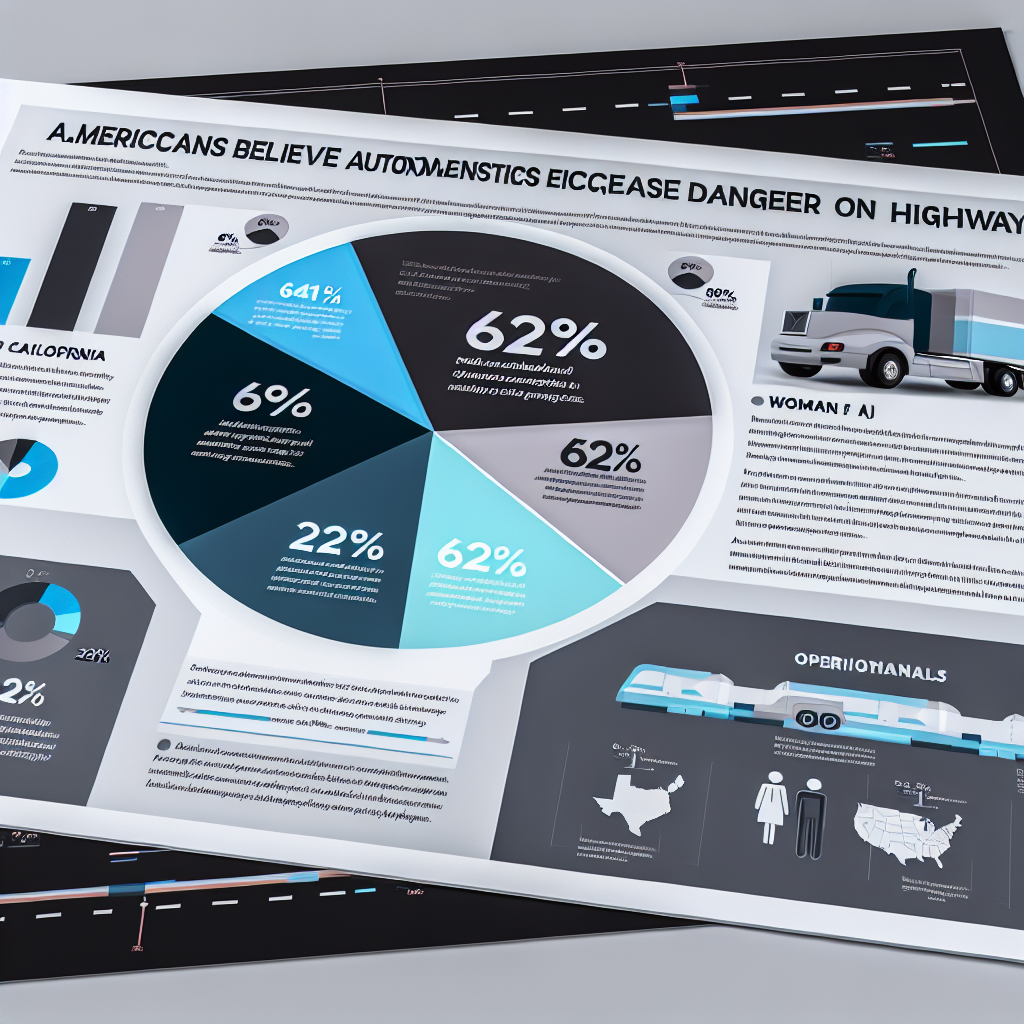
Public perception of autonomous trucks reveals significant safety concerns, particularly among women and older adults. A 2024 survey found that 62% of Americans believe autonomous trucks will make highways more dangerous, with nearly half of these respondents stating they would make roads “much less safe.” [fleetnewsdaily.com]
Gender differences are notable: 71% of women think self-driving trucks will make roads more dangerous, compared to 53% of men. Additionally, women are 20% more likely than men to feel unsafe sharing the road with autonomous trucks. [fleetnewsdaily.com]
Age also influences perceptions. A 2022 Pew Research Center study found that 74% of adults aged 50 and older would not want to ride in a driverless passenger vehicle, compared to 52% of adults under 50. Similarly, 57% of those 50 and older would feel uncomfortable sharing the road with a driverless car, versus 34% of younger adults. [pewresearch.org]
These findings underscore the need for targeted public education and engagement strategies to address safety concerns and build trust in autonomous truck technology, especially among women and older adults.
Sustainability of Autonomous Trucks
Electric autonomous trucks present a promising avenue for reducing the environmental impact of freight transportation. By combining electric propulsion with autonomous driving technologies, these vehicles can achieve significant reductions in greenhouse gas (GHG) emissions compared to traditional diesel trucks.
Emissions Comparison: Electric Autonomous Trucks vs. Traditional Diesel Trucks
Studies indicate that battery-electric trucks can emit up to 63% fewer GHG emissions over their lifetime compared to diesel counterparts. This reduction is attributed to the absence of tailpipe emissions and the increasing decarbonization of electricity grids. [theicct.org] Additionally, autonomous driving technologies can enhance energy efficiency by optimizing driving patterns and reducing idle times, potentially decreasing energy usage by up to 32%. [selfdrivenews.com]
Environmental Impact of Battery Production
While electric trucks offer lower operational emissions, the production of batteries involves environmental considerations, including resource extraction and energy-intensive manufacturing processes. However, manufacturers are actively working to mitigate these impacts by sourcing materials responsibly and improving production efficiency. Over the vehicle’s lifecycle, the environmental benefits of electric trucks generally outweigh the initial production impacts. [volvotrucks.com]
Future Trends in Sustainable Transport Technology
- Hydrogen Fuel Cells: Hydrogen fuel cell technology is emerging as a viable option for heavy-duty vehicles, offering the potential for significant emission reductions, especially when hydrogen is produced from renewable sources. [en.wikipedia.org]
- Vehicle-to-Grid (V2G) Integration: Electric vehicles are increasingly being integrated with the power grid, allowing them to supply electricity back to the grid during peak demand periods, thereby enhancing energy efficiency and grid stability. [wheelsandmotion.com]
- Autonomous Mobility on Demand (AMoD): The deployment of autonomous vehicle fleets for on-demand transportation services is expected to reduce the number of vehicles on the road, leading to decreased congestion and emissions. [en.wikipedia.org]
These innovations, coupled with supportive policies and infrastructure development, are steering the transportation industry toward a more sustainable and environmentally friendly future.
Conclusion
In conclusion, the successful validation run of Bot Auto’s fully autonomous humanless trucks highlights the multifaceted implications of this innovative technology. As we navigate the challenges of workforce transformation, address public perception concerns, and strive for sustainable practices, it is essential to foster collaboration among stakeholders to realize the full potential of autonomous trucking. The future of logistics is poised for an exciting transformation, driven by safety, efficiency, and environmental responsibility.
Emotional Impact: Transitioning from Driving to Technology
As autonomous technology continues to reshape the trucking industry, the human aspect of this shift cannot be overlooked. Ruben, a former owner/operator who transitioned to a technology role at Plus, shared his emotional journey during a recent industry webinar hosted by the American Trucking Associations. He reflected on leaving the rig behind to pursue a position that allowed him to be closer to home while still contributing to the trucking industry. “It was about finding a balance for my family while utilizing my skills in this exciting new field of automation. I never thought I’d find myself in a tech company, but it feels rewarding to be part of something that will improve the industry for future drivers,” he remarked.
In a similar vein, Grigg, a CDL holder now working with Torc Robotics, expressed his thoughts on the positive potential of automation in truck driving. He highlighted the importance of smarter technology in improving the quality of life for drivers. “The goal for companies like ours is to make trucking safer and get drivers off the road for longer stretches. It’s about ensuring they have a better work-life balance and can focus on their health. That’s a future I want to be part of,” he stated.
These stories exemplify the emotional journeys of those adapting to the evolving landscape of the trucking industry. As the future unfolds, it is vital to recognize that technology is not just about machines; it is about people, their stories, and the changes that impact their lives.