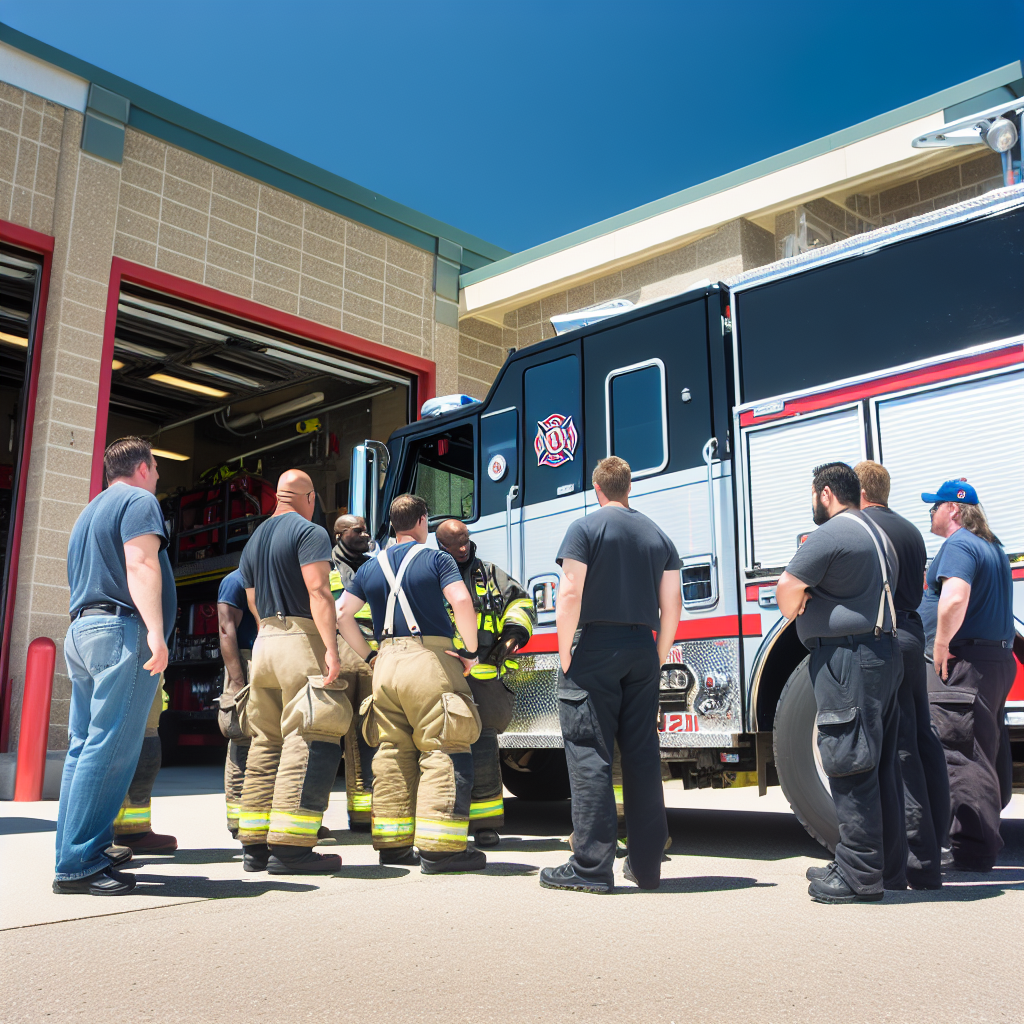
The increasing frequency of emergencies highlights the crucial role of heavy-duty rescue apparatus in fire and emergency services. First responders face challenges that demand peak efficiency, whether natural disasters or complex rescues. These rescue fire trucks are more than vehicles; they are lifelines in critical situations, equipped with advanced technology and tools for various rescue scenarios.
Standardizing these trucks greatly improves operational efficiency. Uniform models and features ensure that all responders are familiar with the equipment, minimizing training and maintenance time. A standardized fleet also simplifies logistics, making sure crews have access to necessary tools and resources during emergencies. As challenges rise, innovative approaches, like standardizing heavy rescue fire trucks, become vital for empowering emergency services. This commitment not only invests in equipment but also in saving lives and protecting communities during their most vulnerable moments.
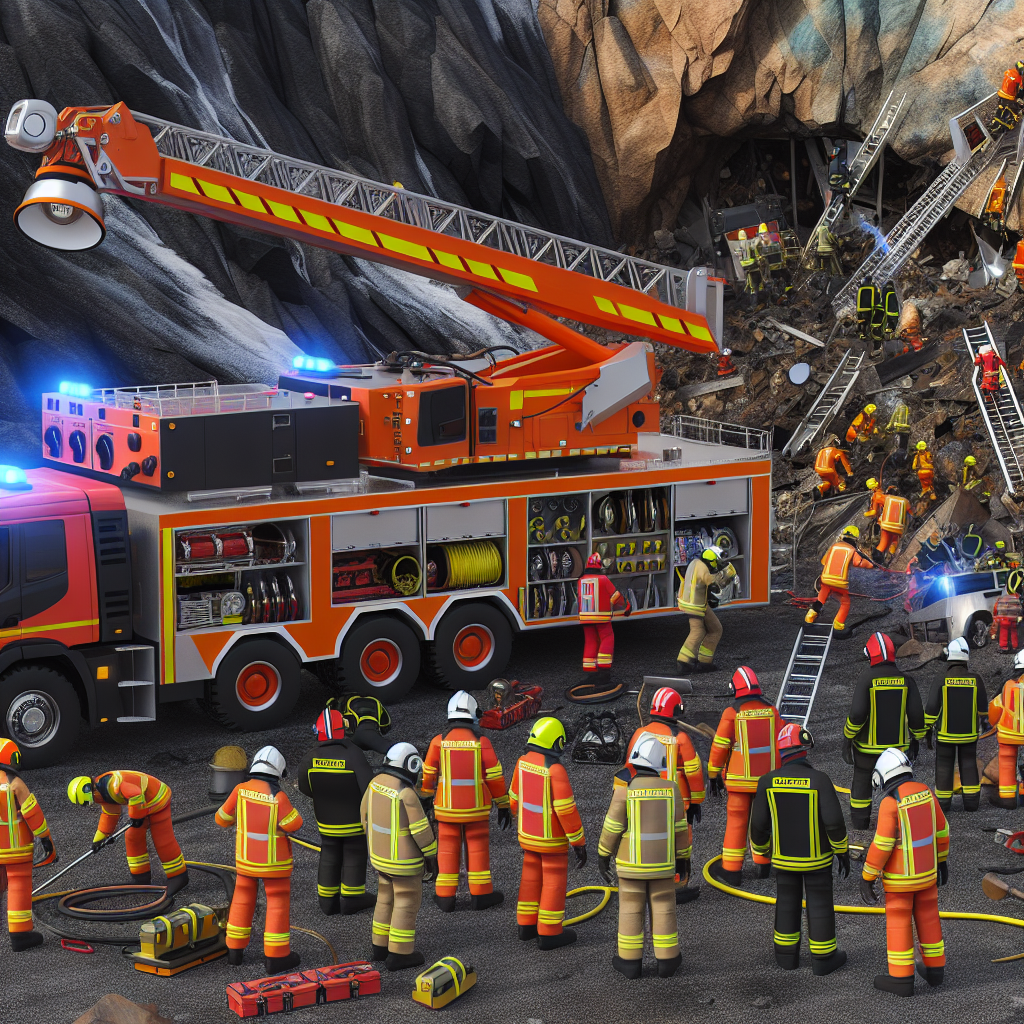
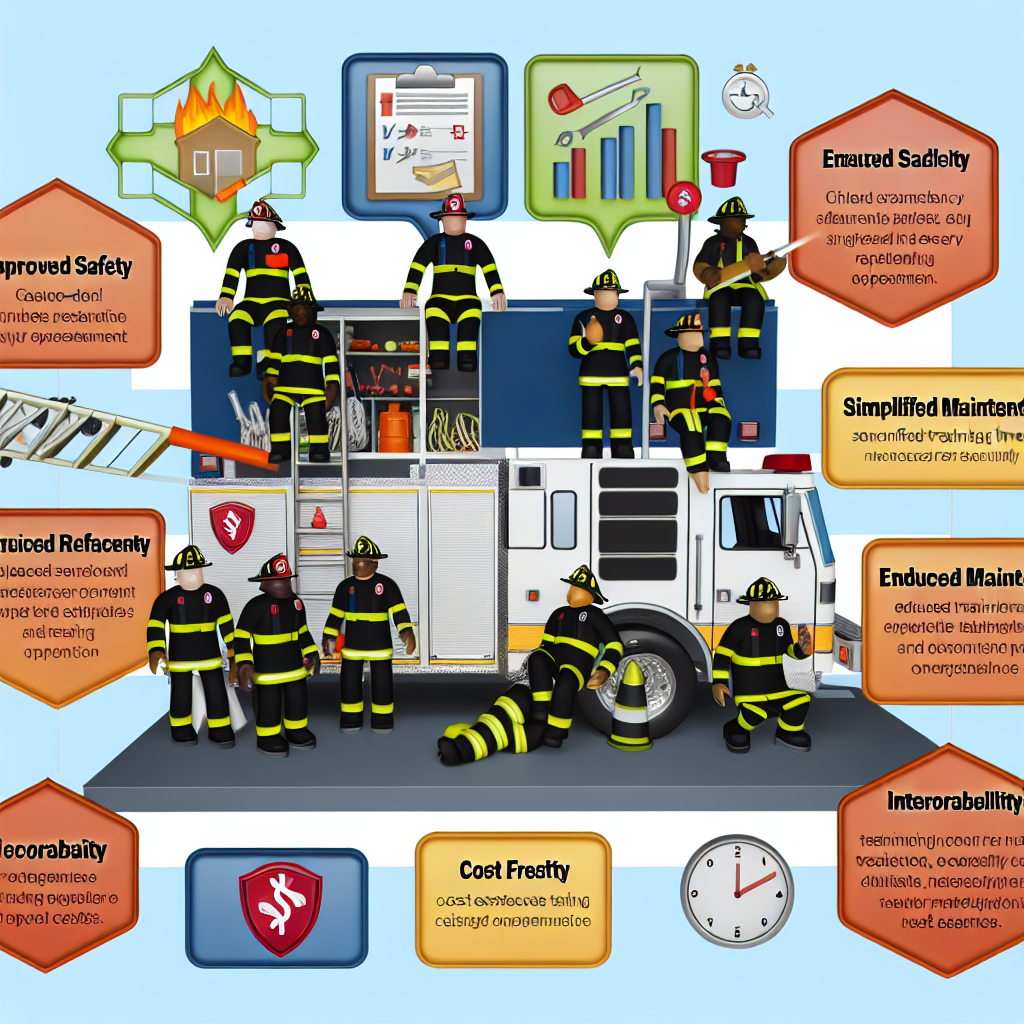
- Improved Safety: Standardized equipment ensures all rescue personnel are familiar with the tools they are using, reducing the likelihood of accidents during high-pressure situations. This familiarity contributes to overall emergency response technology effectiveness.
- Enhanced Teamwork: When all personnel are trained on the same equipment, it fosters better coordination and collaboration during incidents, as team members can work together more effectively, showcasing the advantages of rescue operations.
- Simplified Maintenance: Maintenance becomes more straightforward with standardized parts and systems, allowing for easier routine checks, repairs, and diagnostics, leading to less downtime. Standardization also supports effective emergency response technology by ensuring reliability in equipment function.
- Increased Crew Efficiency: Familiarity with standardized systems allows for quicker deployment and execution of rescue tactics, improving overall response times and boosting operational efficiency during emergencies, thereby maximizing the rescue operations advantages.
- Reduced Training Time: New recruits can be trained faster on standardized equipment because they only need to learn one system, which may lead to a more rapid integration into the team and quicker readiness for deployment.
- Cost Effectiveness: Purchasing standardized equipment in bulk can lead to cost savings for departments over time, as they can negotiate better deals with manufacturers and streamline their inventory. This aspect directly ties in with emergency response technology goals of optimizing budget savings while maintaining quality.
- Interoperability: Standardized vehicles and equipment can work seamlessly with those from other departments or agencies, improving coordinated responses during mutual aid situations, where multiple units need to operate together. This interoperability illustrates one of the significant rescue operations advantages by fostering collaboration across agencies.
Overall, embracing standardization in heavy rescue fire trucks not only enhances safety and efficiency but also ensures that all emergency personnel are well-prepared to face the challenges of their vital roles, ultimately leading to better outcomes in the field.
Richard Riley remarked, “The traditional walk-in compartment design has proven its effectiveness over decades of rescue operations. For our department, protecting critical equipment combined with the ability to carry more crew made it the right choice.”
| Manufacturer | Model/Type | Chassis Type | Winch Capacity | Extension Size | Unique Features |
|---|---|---|---|---|---|
| Pierce Manufacturing | Heavy-Duty Rescue Pumper | Custom chassis (e.g., Enforcer™, Impel®) | Not specified | Up to 500 cubic feet storage | Reinforced support, Command Zone™ electronics system, options for suspension systems. |
| Pierce Manufacturing | Heavy-Duty Walk-In Rescue | Custom chassis (e.g., Enforcer™, Impel®) | Not specified | Body lengths 14′ to 26′ | Customizable interiors, HVAC for personnel rehab, includes A/V integration options. |
| Pierce Manufacturing | Heavy-Duty Non-Walk-In Rescue | Custom chassis (e.g., Enforcer™, Impel®) | Not specified | Body lengths 14′ to 26′ | Custom storage for rescue tools, hydraulic systems for air and winching capabilities. |
| CustomFIRE | Heavy Rescue | Spartan Gladiator Chassis | Not specified | Overall length 38′ 8″ | Stainless steel body, adjustable shelving, integrated emergency lighting. |
| SVI Trucks | Heavy Rescue Demo #1339 | Spartan Metro Star LFD | 8,000 lbs (portable) | Body length 22′ | Heavy-duty aluminum cargo slides, Command Light Knight Series, on-board power generator. |
| KME Fire Apparatus | Heavy Duty Rescue | Custom or commercial chassis | Not specified | Body lengths from 13′ to 24′ | Drop-down frames for access, customizable cab configurations. |
| ISUZU | GIGA Heavy Duty Wrecker | ISUZU GIGA Chassis | 15 to 25 tons (2 hydraulic winches) | Up to 12 meters crane height | Continuous rotation, dual-side controls, hydraulic H-Type outriggers. |
| Century | 9055 – 9055XL Heavy Wrecker | Tandem or tri-axle chassis | Dual 50,000 lbs | Up to 276 inches boom extension | High structural ratings, extensive height capabilities for recovery operations. |
| NRC Industries | CSR85 Heavy Incident Manager | Custom chassis | 60,000 lbs | 467 inches boom reach | Engineered for extreme recovery, optimized hydraulic system. |
| ISUZU | GIGA 6×4 Road Rescue Wrecker | ISUZU GIGA 6×4 | 100 kN | 1700 mm towing arm length | Engineered for heavy towing and rescue operations. |
| Sinotruk | Howo 336HP Rescue Fire Truck | HOWO chassis | 3629 kg | Max lifting height of 7.4 m | Multifunctional with winching and generator capabilities for emergencies. |
| M816 | Medium Wrecker | M809 series military truck | 20,000 lbs (front), 45,000 lbs (rear) | 10 to 18 ft boom extension | Revolving hydraulic crane and stability features like outriggers. |
This table captures core specifications and unique features of several heavy-duty rescue apparatuses, providing a comparative overview for departments considering their options for rescue operations.
The Importance of Collaboration in the Specification Process
Involving engineers and frontline firefighters in the specification process for heavy-duty rescue apparatus is critical for optimizing operational effectiveness. Collaboration between these two groups ensures that the equipment being designed meets the actual needs of those who will use it on the front lines. This cooperative approach encompasses several key benefits:
- Enhancing Operational Efficiency: When engineers work closely with firefighters, they gain insights that allow for designs that streamline operations. Firefighters can identify which features are paramount during emergencies, resulting in apparatus that facilitate quicker setup and deployment.
- Increasing Safety Measures: Firefighters bring invaluable, real-world knowledge about the challenges they face in the field, allowing engineers to incorporate crucial safety features directly into the design. Richard Riley states that traditional designs have proven effective due to their ability to safeguard critical equipment while ensuring crew capacity, underscoring the value of frontline insights in specifications.
- Customizing Features to Meet Departmental Needs: Every fire department has unique operational contexts. By involving firefighters in the initial discussions, engineers can tailor apparatus design to cater to local needs, ensuring that the rescue equipment truly supports their specific missions. For example, some departments may require specialized storage for specific tools, which can be prioritized in the design phase.
- Advancing Technology through Partnerships: Collaboration ripe with the input of both engineers and firefighters often leads to the integration of advanced technologies. This partnership fosters innovation, resulting in the development of sophisticated features that enhance effectiveness and safety. Engineers can leverage frontline feedback to create solutions that are practical and functional for firefighting scenarios.
- Achieving Standardization for Costs and Training: Standardizing apparatus design can significantly reduce training time and improve cross-departmental interoperability during mutual aid situations. Collaboration ensures that adopted features are familiar to all, thereby enhancing overall response coordination across different agencies. Through standardization, departments can negotiate better pricing with manufacturers, further optimizing budget considerations.
In conclusion, integrating the perspectives of engineers and frontline firefighters within the specification process is not just beneficial; it is essential for developing effective and functional heavy-duty rescue apparatus. This collaborative approach ensures that equipment is designed with the end-user in mind, leading to improved operational efficiency, enhanced safety, and ultimately, better outcomes in emergency scenarios.
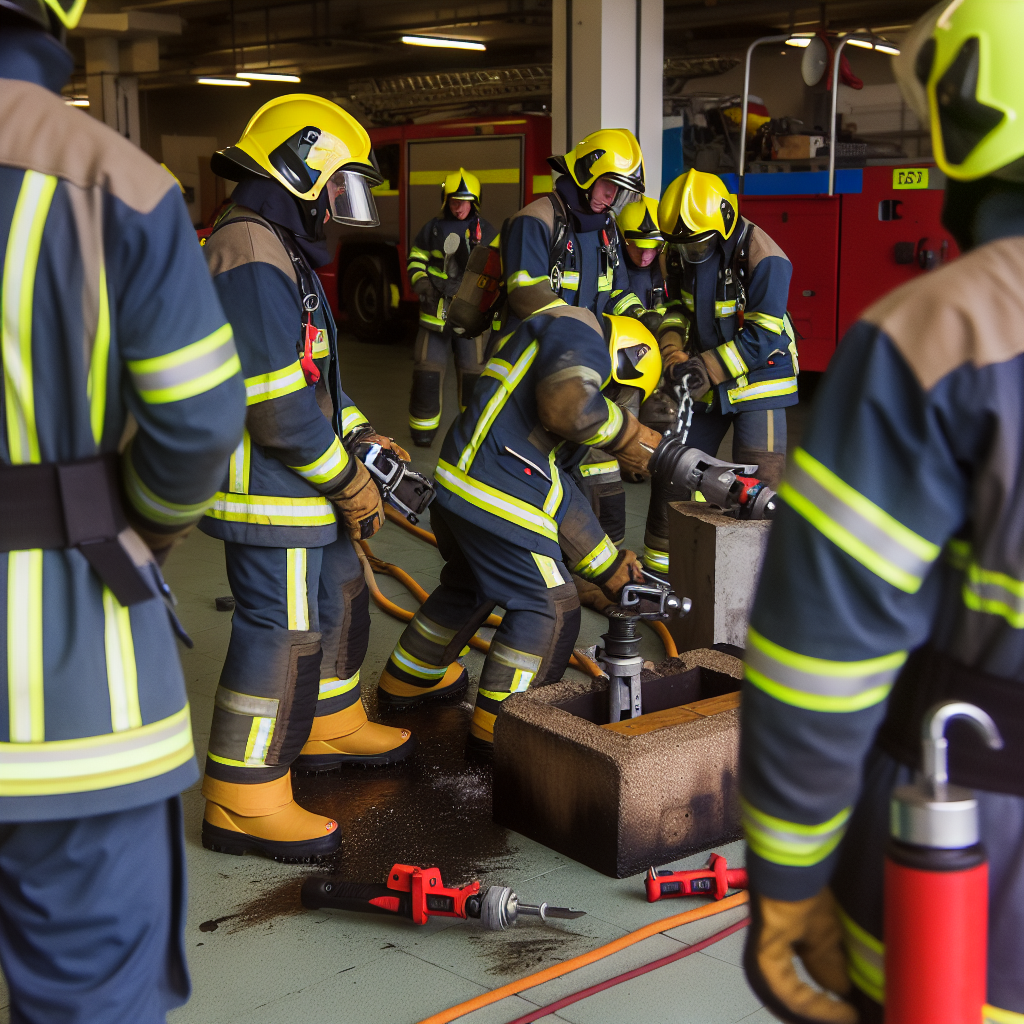
User Adoption of Standardized Rescue Equipment
Recent trends in the adoption of standardized rescue equipment by fire departments demonstrate significant benefits in terms of operational efficiency, safety, and cost-effectiveness. Below are notable case studies and statistics showcasing these advantages:
-
Prince George’s County Fire/EMS Department: Maximizing Heavy Rescue Operations with Standardization
Summary: Partnering with Pierce Manufacturing, this department improved mechanical consistency and equipment uniformity. Standardized components allowed for quicker maintenance and reduced downtime, and the operational readiness of rescue Squad No. 820, which recorded over 1,800 responses in 2024, underscores the effectiveness of this approach.
Benefits: Enhanced training processes and financial savings through bulk purchasing significantly improved their operational efficiency.
Source: Pierce Manufacturing
-
City of San Diego Fire-Rescue Department: Fleet Replacement Initiative
Summary: In June 2023, San Diego ordered 18 new apparatus, emphasizing standardization to support sustainability and operational efficiency. This $52 million fleet initiative aims to improve maintenance processes and reduce response times while ensuring interoperability among units.
Source: The Big Red Guide
-
Osceola County Fire Department: Enhancing Operational Capabilities
Summary: Standardizing their fleet with Pierce Manufacturing streamlined operations, resulting in improved morale and effectiveness in emergency responses. Overcoming internal resistance and ensuring staff engagement in the transition were crucial to their success.
Source: Triple A Truck Wash
-
Economic Logistics Optimization in Slovak Fire and Rescue Service
Summary: This study revealed the benefits of centralized procurement and digital integration, leading to improved transparency and efficiency in operations.
Source: MDPI
Collectively, these examples underline the increased safety, improved response times, and reduced expenses attributed to standardizing rescue apparatus. Fire departments that embrace these changes not only streamline their operations but also enhance the overall effectiveness of their emergency response capabilities.
In summary, the standardization of heavy rescue fire trucks is a pivotal step towards enhancing operational efficiency, safety, and community response capabilities. By adopting uniform models and components, fire departments can significantly reduce training times and maintenance costs while promoting better teamwork in high-pressure situations.
The experiences of departments such as Prince George’s County Fire/EMS highlight the tangible benefits of this approach, including increased reliability and quicker response times during emergencies. As technology continues to evolve, the prospect for future developments in standardized rescue equipment is promising, paving the way for smarter, more adaptable apparatuses that can respond effectively to a wide range of emergency scenarios.
Ultimately, investing in standardized heavy-duty rescue vehicles is an investment in the safety and preparedness of emergency response teams, enabling them to operate with confidence and efficiency when community members are in crisis.
Future of Heavy Rescue Apparatus Standardization
Looking ahead, the future of heavy rescue apparatus standardization holds exciting prospects that can significantly enhance emergency response efforts. As technology continues to advance, we can expect more intelligent and capable rescue vehicles equipped with cutting-edge features such as real-time data sharing, enhanced navigation systems, and integrated communication tools. These innovations will empower emergency responders to make informed decisions on-site, improving their ability to manage complex situations effectively.
The push for standardization will likely lead to increased collaboration among fire departments, manufacturers, and technology providers, driving the development of universally compatible equipment that can be utilized across different jurisdictions. Such interoperability will be crucial during large-scale emergencies where multiple agencies must work together seamlessly.
Moreover, as departments embrace standardized rescue apparatus, they can anticipate not only cost savings through bulk purchasing but also less time spent on maintenance and training. The cumulative effect of these efforts will be a more agile and effective emergency response system, ultimately resulting in enhanced safety and better outcomes for the communities they serve. As we look toward the future, it is clear that standardization will play an essential role in shaping the rescue apparatus landscape, paving the way for more efficient and adaptable emergency services.
As we explore the critical role of collaboration in the specification process for heavy-duty rescue apparatus, it is essential to understand how these discussions not only shape equipment design but also play a pivotal role in its user adoption. The benefits derived from this partnership extend beyond initial specifications, impacting the very way in which standardized equipment is embraced by fire departments.
By listening to the insights of frontline firefighters, engineers can create apparatus that meet the specific demands and challenges faced in real-world emergencies. This forward-thinking approach fosters a deeper connection between the equipment and the personnel who use it, ensuring that the end products truly support effective operations.
Transitioning into the practical implications of this collaboration, we can look to notable examples of user adoption of standardized rescue equipment. Several fire departments have reaped substantial benefits as a direct result of prioritizing collaborative input when integrating new technology and equipment, leading to more effective application and performance in the field.
Having established this foundational relationship, we now turn our attention to specific case studies that highlight the positive outcomes experienced by departments as they have transitioned to standardized rescue apparatus, all stemming from successful collaborative efforts during the specification phase.