
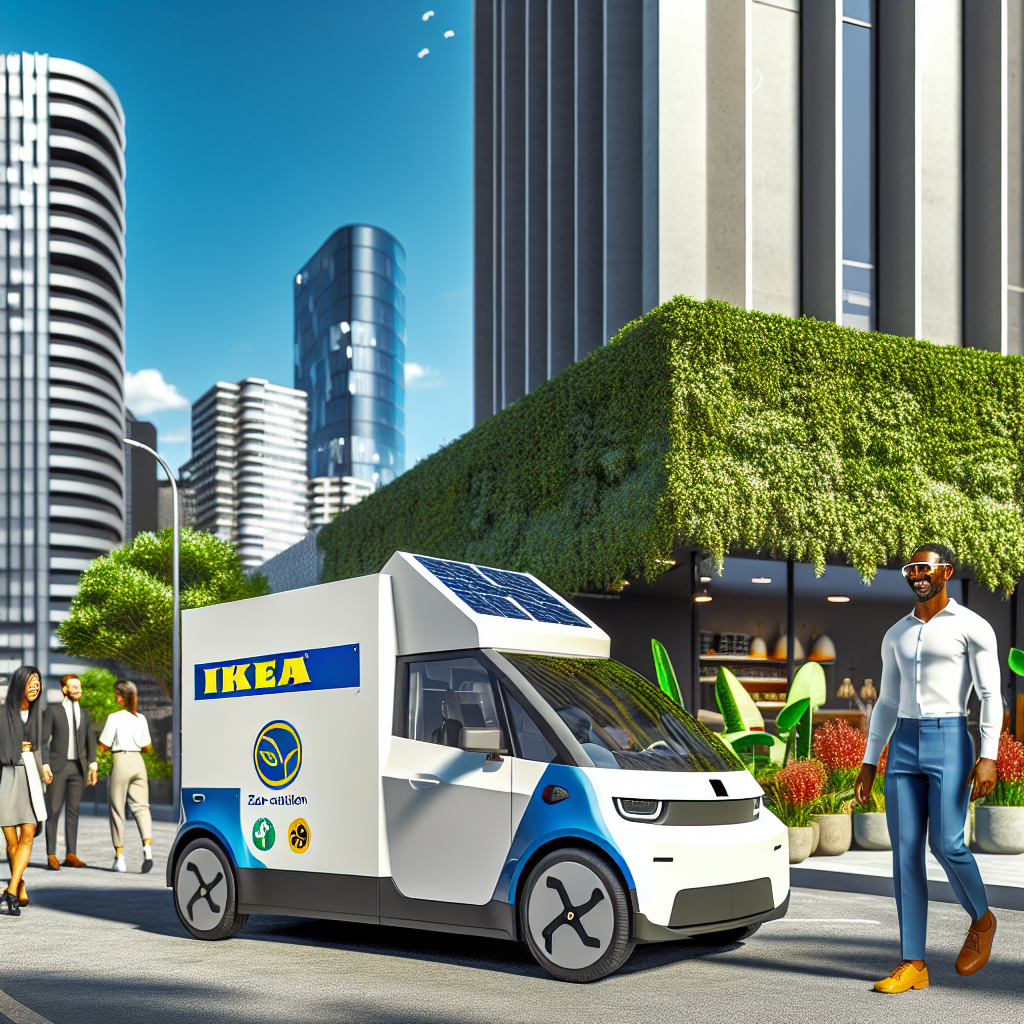
In a groundbreaking leap towards sustainability, Ikea Canada proudly announces a historic milestone: for the first time, electric vehicles (EVs) have outpaced diesel trucks in home deliveries. As of August 2025, a remarkable 72% of Ikea’s big and bulky home deliveries were accomplished using EVs. This significant achievement not only highlights the company’s commitment to reducing carbon emissions but also advances its ambitious goal of achieving over 90% zero-emission deliveries by 2028. With a substantial investment of $3.75 million in EV charging infrastructure across 17 strategic locations, Ikea Canada is paving the way for a greener future. This transition marks a promising step towards sustainable logistics, reinforcing the potential for a cleaner, more responsible delivery model in the retail industry.
Liz Wilson, a spokesperson for Ikea Canada, remarked, “Having more of our truck home deliveries fulfilled by EVs than diesel trucks in August 2025 is an incredible milestone in advancing Ikea Canada’s sustainability goals.”
Join us as we explore this inspiring milestone and what it means for the future of eco-friendly transportation.
Sustainability Strategies at Ikea
Ikea is taking significant strides towards sustainability through its commitment to electric vehicle (EV) deliveries and its ambitious goal of achieving over 90% zero-emission deliveries by 2028. This strategy is vital in reducing the company’s carbon footprint and making a positive impact on the environment.
As of September 2024, Ikea reported that 41.1% of its retail home deliveries were successfully conducted using zero-emission vehicles, a substantial increase from 24.6% the previous year. This shift not only highlights Ikea’s commitment to sustainability but also sets a benchmark within the retail industry. The company has achieved complete emission-free deliveries in 20 cities, showcasing the effectiveness of its sustainability initiatives.
Ikea’s goal of over 90% zero-emission deliveries by 2028 is particularly significant given that the transportation sector accounts for approximately 25% of energy-related greenhouse gas emissions. By focusing on transitioning its delivery fleet to electric vehicles, Ikea aims to mitigate environmental harm, particularly in urban areas where delivery traffic contributes significantly to air pollution. Electric vehicles, known for producing no tailpipe emissions, can enhance air quality in cities, thereby benefiting public health.
The company has invested heavily in building the necessary charging infrastructure to support this transition, having installed EV charging stations at all stores with parking facilities. In addition, Ikea plans to add more than 1,000 new charging points in Germany by 2028 and establish similar infrastructure in Norway and Sweden by the end of 2024. This investment in infrastructure is critical as it underpins the feasibility of their zero-emission delivery goals.
Despite facing challenges such as limited availability of electric freight vehicles and varying local policies, Ikea remains committed to its sustainability objectives. The company revised its initial target of achieving 100% zero-emission deliveries by 2025 to a more attainable goal of over 90% by 2028. This adjustment reflects a realistic approach to overcoming logistical hurdles while still maintaining a strong focus on reducing its environmental impact.
In summary, Ikea’s strategic move toward electric vehicle deliveries not only contributes to its sustainability targets but also sets a precedent for responsible practices in the retail and logistics sectors. The company’s efforts are not just about improving its operational efficiency; they represent a broader commitment to combatting climate change and fostering healthier urban environments.
Key Sustainability Strategies by Ikea
- Transition to Electric Vehicles: Ikea aims for over 90% of home deliveries to be zero-emission by 2028.
- Increased Electric Deliveries: As of September 2024, 41.1% of deliveries were made using zero-emission vehicles, a notable rise from 24.6% the previous year.
- Infrastructure Investment: The company has invested $3.75 million in EV charging infrastructure, with plans for more than 1,000 new charging points in key markets.
- Sustainability in Urban Areas: The focus on electric vehicles is intended to reduce air pollution and improve public health in urban settings.
- Support for Delivery Partners: Reliable EV charging facilities are provided to optimize delivery operations and reduce logistical challenges.
- Realistic Target Adjustments: The revised goal of over 90% zero-emission deliveries by 2028 reflects a commitment to overcoming challenges while maintaining sustainability efforts.
These strategies position Ikea as a leader in sustainable delivery practices within the retail sector, setting a precedent for environmentally responsible logistics.
| Year | Percentage of Electric Deliveries | Percentage of Diesel Deliveries |
|---|---|---|
| 2024 | 41.1% | 58.9% |
| 2025 | 72% | 28% |
| 2026 | Projected 80% | Projected 20% |
| 2027 | Projected 85% | Projected 15% |
| 2028 | Goal of over 90% | Goal below 10% |
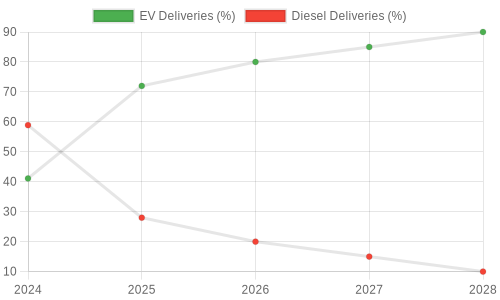
This graph compares the growth in electric vehicle deliveries against diesel deliveries for Ikea Canada from 2024 to 2028, showcasing the shift toward zero-emission deliveries as the company aims for over 90% electric deliveries by 2028.
Investment in EV Charging Infrastructure
Ikea Canada has made a significant investment of $3.75 million in electric vehicle (EV) charging infrastructure at 17 locations across the country, enhancing the operational capabilities for its delivery service partners. This strategic initiative, supported additionally by $1.175 million from Natural Resources Canada’s Zero Emission Vehicle Infrastructure Program (ZEVIP) and utility partners, aims to install dedicated EV chargers at all of Ikea’s home delivery fulfillment units. The establishment of these chargers is vital in reaching Ikea Canada’s ambitious sustainability targets, particularly the goal of achieving 100% zero-emission home deliveries by 2025.
Supporting Delivery Service Partners
The investment in EV chargers ensures that delivery service partners benefit from reliable, dedicated, and safe access to charging facilities. With stations located at fulfillment sites, delivery personnel can commence their daily routes with confidence, knowing that their vehicles will be ready for operation without the worry of running low on power. This not only optimizes their delivery schedules but also integrates electric vehicles more seamlessly into their logistics.
Additionally, by implementing these chargers at all fulfillment units, Ikea Canada sponsors operational efficiency. It reduces interruptions in the delivery process, allowing service partners to maintain a consistent workflow and respond quickly to customer demands.
Importance for Sustainability
This strategic investment reinforces Ikea Canada’s commitment to sustainability and the reduction of greenhouse emissions. By enabling increased electric vehicle utilization for deliveries, the company is set to significantly decrease its carbon footprint. In August 2025, remarkable statistics indicated that 72% of Ikea’s big and bulky home deliveries were conducted using electric vehicles, surpassing diesel truck deliveries for the first time.
Moreover, Ikea Canada maintains that their zero-emission delivery services are provided at no added cost to customers, promoting accessibility and encouraging environmentally friendly choices among consumers. The proactive measures in enhancing EV infrastructure epitomize Ikea’s resolve to impact environmental sustainability positively while catering to the needs of its delivery partners.
In conclusion, Ikea Canada’s $3.75 million investment serves as a cornerstone for advancing its sustainability agenda, empowering delivery service partners while promoting a cleaner and more responsible delivery model across the retail sector.
“Our investments in EV charging infrastructure provide our delivery service partners with dedicated, reliable and safe access to power.”
This statement underscores Ikea’s commitment to supporting sustainable delivery practices and enhancing the operational capabilities of its delivery service partners.
In conclusion, Ikea Canada stands at a pivotal moment in its commitment to sustainability, having achieved a significant milestone with electric vehicles now surpassing diesel trucks in home deliveries. This accomplishment reflects not only the company’s dedication to reducing its carbon footprint but also its ability to innovate and adapt to changing environmental needs.
Looking ahead, Ikea is steadfast in its ambition to reach over 90% zero-emission deliveries by 2028, a goal that reinforces its leadership in sustainable logistics within the retail sector. The investments made in electric vehicle infrastructure, such as the $3.75 million dedicated to EV chargers, are vital steps toward supporting this noble objective.
As Ikea continues to uphold its promise of delivering environmentally friendly solutions at no additional cost to customers, they remain a beacon of hope in creating a healthier and more sustainable future for all. Through these efforts, Ikea is not just enhancing its delivery services but is also contributing meaningfully to global sustainability initiatives, inspiring other companies to follow suit toward greener practices in every community they serve.
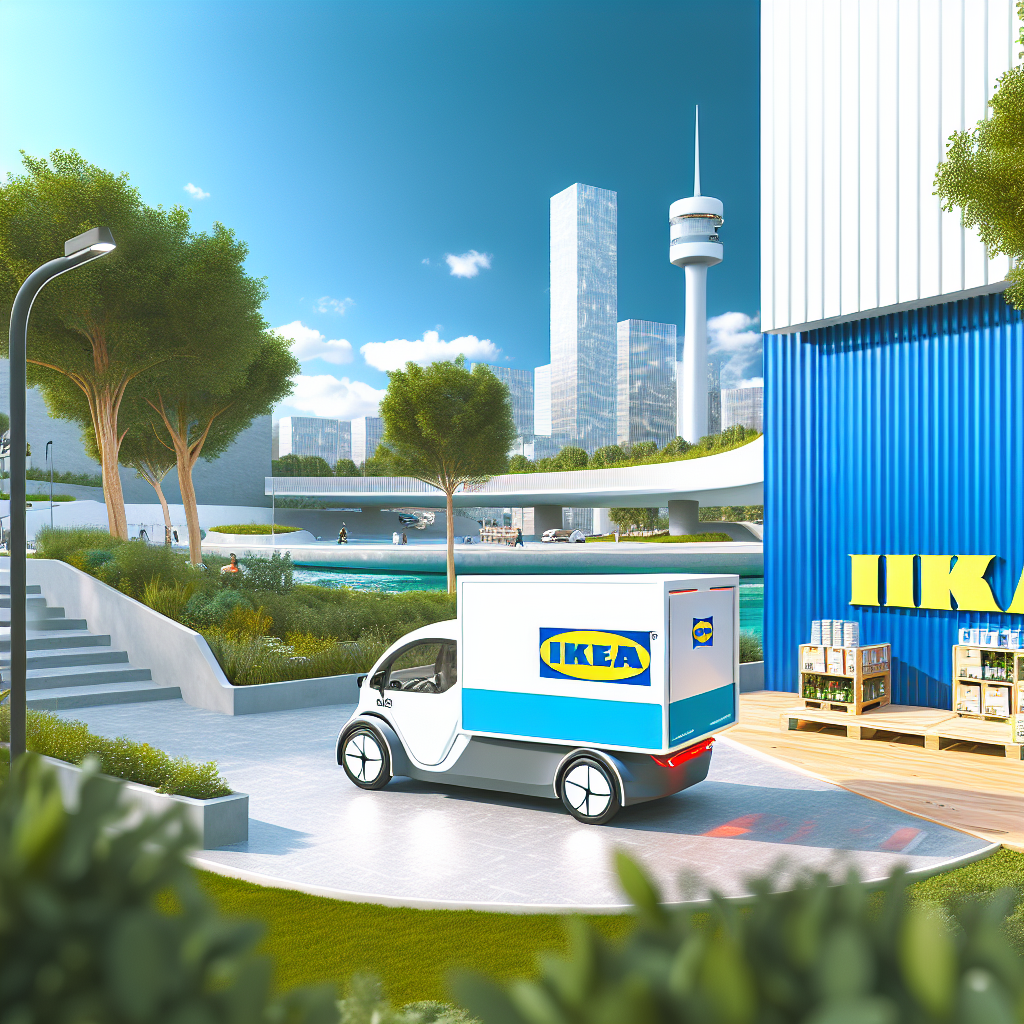
This image depicts an electric vehicle delivering Ikea products, symbolizing the company’s commitment to sustainability. The scene features the EV parked in an urban setting near an Ikea store, emphasizing eco-friendly logistics in action.
Frequently Asked Questions (FAQ) about Ikea’s EV Delivery Program
-
What is Ikea’s electric vehicle (EV) delivery program?
Ikea’s electric vehicle delivery program involves using electric trucks to deliver furniture and home goods instead of traditional diesel trucks. In August 2025, Ikea Canada announced a historic milestone where 72% of its big and bulky home deliveries were completed with EVs, surpassing diesel truck deliveries.
-
Why is Ikea transitioning to electric vehicle deliveries?
The transition to electric vehicles is part of Ikea’s sustainability strategy aimed at reducing its carbon footprint. With a target of over 90% zero-emission deliveries by 2028, Ikea is committed to making a positive impact on the environment and enhancing urban air quality.
-
What are the benefits of using electric vehicles over diesel trucks for deliveries?
Electric vehicles are known for producing no tailpipe emissions, which helps in improving air quality in urban areas. Additionally, they contribute to lower greenhouse gas emissions and support Ikea’s goal of a more sustainable logistics model. Furthermore, using EVs can often be more cost-effective in the long run due to reduced fuel and maintenance costs.
-
How does Ikea support its delivery service partners in this transition?
Ikea has invested $3.75 million in EV charging infrastructure at 17 locations to ensure that delivery service partners have reliable access to charging facilities. This strategic initiative helps optimize delivery schedules and ensures that the transition to electric vehicles is seamless and efficient.
-
Are there any added costs for customers related to the EV delivery service?
No, Ikea Canada has maintained that their zero-emission delivery services are provided at no added cost to customers. This policy encourages eco-friendly choices among consumers and supports Ikea’s commitment to sustainability without burdening customers financially.
-
Is there a plan for future expansion of the EV delivery program?
Yes, Ikea plans to continue its expansion of the electric vehicle delivery program, with the goal of increasing the percentage of zero-emission deliveries significantly by 2028. This includes additional investments in charging infrastructure and exploring the feasibility of electric freight vehicles in various markets.
As Ikea Canada embraces a progressive shift towards electric vehicle deliveries, the community response has been overwhelmingly positive. Customers have expressed their gratitude for Ikea’s commitment to environmental responsibility, with surveys revealing that 95% of consumers support the company’s sustainability initiatives. This strong sentiment reflects a growing awareness and appreciation for eco-friendly practices in everyday life.
Ikea’s efforts to engage customers further reinforce its community ties; programs such as the buy-back initiative for used furniture and a focus on plant-based food options in stores encourage consumers to actively participate in sustainable practices. The move to electrify its delivery fleet aligns with a broader corporate strategy to reduce carbon footprints and promote greener living.
However, the company recognizes the challenges of meeting the increasing demand for deliveries. Adjusting its targets from achieving 100% zero-emission deliveries by 2025 to over 90% by 2028 demonstrates Ikea’s commitment to realistic goal-setting while maintaining transparency with its customers. Overall, Ikea’s transition to electric vehicle deliveries not only aids in environmental conservation but also strengthens its relationship within the community, embodying a modern retail ethos that prioritizes sustainability and shared responsibility for the planet.
Ikea Canada Achieves Milestone in Sustainability with Electric Vehicles
In a groundbreaking leap towards sustainability in retail, Ikea Canada proudly announces a historic milestone: for the first time, electric vehicles (EVs) have outpaced diesel trucks in home deliveries. As of August 2025, a remarkable 72% of Ikea’s big and bulky home deliveries were accomplished using EVs. This significant achievement not only highlights the company’s commitment to reducing carbon emissions but also advances its ambitious goal of achieving over 90% zero-emission deliveries by 2028. With a substantial investment of $3.75 million in EV charging infrastructure across 17 strategic locations, Ikea Canada is paving the way for a greener future. This transition marks a promising step towards sustainable logistics, reinforcing the potential for a cleaner, more responsible delivery model in the retail industry.
Liz Wilson, a spokesperson for Ikea Canada, remarked, “Having more of our truck home deliveries fulfilled by EVs than diesel trucks in August 2025 is an incredible milestone in advancing Ikea Canada’s sustainability goals.”
Join us as we explore this inspiring milestone and what it means for the future of eco-friendly transportation.
Sustainability Strategies at Ikea
Ikea is taking significant strides towards sustainability through its commitment to electric vehicle (EV) deliveries and its ambitious goal of achieving over 90% zero-emission deliveries by 2028. This strategy is vital in reducing the company’s carbon footprint and making a positive impact on the environment. Ikea’s focus on sustainability in retail is reflected in its comprehensive approach to zero-emission logistics, supporting green delivery solutions.
As of September 2024, Ikea reported that 41.1% of its retail home deliveries were successfully conducted using zero-emission vehicles, a substantial increase from 24.6% the previous year. This shift not only highlights Ikea’s commitment to sustainability but also sets a benchmark within the retail industry. The company has achieved complete emission-free deliveries in 20 cities, showcasing the effectiveness of its sustainability initiatives.
Ikea’s goal of over 90% zero-emission deliveries by 2028 is particularly significant given that the transportation sector accounts for approximately 25% of energy-related greenhouse gas emissions. By focusing on transitioning its delivery fleet to electric vehicles, Ikea aims to mitigate environmental harm, particularly in urban areas where delivery traffic contributes significantly to air pollution. Electric vehicles, known for producing no tailpipe emissions, can enhance air quality in cities, thereby benefiting public health.
The company has invested heavily in building the necessary charging infrastructure to support this transition, having installed EV charging stations at all stores with parking facilities. In addition, Ikea plans to add more than 1,000 new charging points in Germany by 2028 and establish similar infrastructure in Norway and Sweden by the end of 2024. This investment in infrastructure is critical as it underpins the feasibility of their zero-emission delivery goals.
Despite facing challenges such as limited availability of electric freight vehicles and varying local policies, Ikea remains committed to its sustainability objectives. The company revised its initial target of achieving 100% zero-emission deliveries by 2025 to a more attainable goal of over 90% by 2028. This adjustment reflects a realistic approach to overcoming logistical hurdles while still maintaining a strong focus on reducing its environmental impact.
In summary, Ikea’s strategic move toward electric vehicle deliveries not only contributes to its sustainability targets but also sets a precedent for responsible practices in the retail and logistics sectors.
Key Sustainability Strategies by Ikea
- Transition to Electric Vehicles: Ikea aims for over 90% of home deliveries to be zero-emission by 2028.
- Increased Electric Deliveries: As of September 2024, 41.1% of deliveries were made using zero-emission vehicles, a notable rise from 24.6% the previous year.
- Infrastructure Investment: The company has invested $3.75 million in EV charging infrastructure, with plans for more than 1,000 new charging points in key markets.
- Sustainability in Urban Areas: The focus on electric vehicles is intended to reduce air pollution and improve public health in urban settings.
- Support for Delivery Partners: Reliable EV charging facilities are provided to optimize delivery operations and reduce logistical challenges.
- Realistic Target Adjustments: The revised goal of over 90% zero-emission deliveries by 2028 reflects a commitment to overcoming challenges while maintaining sustainability efforts.
These strategies position Ikea as a leader in sustainable delivery practices within the retail sector, setting a precedent for environmentally responsible logistics.
Investment in EV Charging Infrastructure
Ikea Canada has made a significant investment of $3.75 million in electric vehicle (EV) charging infrastructure at 17 locations across the country, enhancing the operational capabilities for its delivery service partners. This strategic initiative, supported additionally by $1.175 million from Natural Resources Canada’s Zero Emission Vehicle Infrastructure Program (ZEVIP) and utility partners, aims to install dedicated EV chargers at all of Ikea’s home delivery fulfillment units. The establishment of these chargers is vital in reaching Ikea Canada’s ambitious sustainability targets, particularly the goal of achieving 100% zero-emission home deliveries by 2025.
Supporting Delivery Service Partners
The investment in EV chargers ensures that delivery service partners benefit from reliable, dedicated, and safe access to charging facilities. With stations located at fulfillment sites, delivery personnel can commence their daily routes with confidence, knowing that their vehicles will be ready for operation without the worry of running low on power. This not only optimizes their delivery schedules but also integrates electric vehicles more seamlessly into their logistics.
Additionally, by implementing these chargers at all fulfillment units, Ikea Canada sponsors operational efficiency. It reduces interruptions in the delivery process, allowing service partners to maintain a consistent workflow and respond quickly to customer demands.
This strategic investment reinforces Ikea Canada’s commitment to sustainability and the reduction of greenhouse emissions. By enabling increased electric vehicle utilization for deliveries, the company is set to significantly decrease its carbon footprint.
Moreover, Ikea Canada maintains that their zero-emission delivery services are provided at no added cost to customers, promoting accessibility and encouraging environmentally friendly choices among consumers. The proactive measures in enhancing EV infrastructure epitomize Ikea’s resolve to impact environmental sustainability positively while catering to the needs of its delivery partners.
In conclusion, Ikea Canada’s $3.75 million investment serves as a cornerstone for advancing its sustainability agenda, empowering delivery service partners while promoting a cleaner and more responsible delivery model across the retail sector.
“Our investments in EV charging infrastructure provide our delivery service partners with dedicated, reliable and safe access to power.”
This statement underscores Ikea’s commitment to supporting sustainable delivery practices and enhancing the operational capabilities of its delivery service partners.
Conclusion
In conclusion, Ikea Canada stands at a pivotal moment in its commitment to sustainability, having achieved a significant milestone with electric vehicles now surpassing diesel trucks in home deliveries. This accomplishment reflects not only the company’s dedication to reducing its carbon footprint but also its ability to innovate and adapt to changing environmental needs. Looking ahead, Ikea is steadfast in its ambition to reach over 90% zero-emission deliveries by 2028, a goal that reinforces its leadership in sustainable logistics within the retail sector. The investments made in electric vehicle infrastructure, such as the $3.75 million dedicated to EV chargers, are vital steps toward supporting this noble objective.
As Ikea continues to uphold its promise of delivering environmentally friendly solutions at no additional cost to customers, they remain a beacon of hope in creating a healthier and more sustainable future for all. Through these efforts, Ikea is not just enhancing its delivery services but is also contributing meaningfully to global sustainability initiatives, inspiring other companies to follow suit toward greener practices in every community they serve.
Ikea Canada’s Milestone in Sustainable Deliveries
In a groundbreaking leap towards sustainability, Ikea Canada proudly announces a historic milestone: for the first time, electric vehicles (EVs) have outpaced diesel trucks in home deliveries. As of August 2025, a remarkable 72% of Ikea’s big and bulky home deliveries were accomplished using EVs. This significant achievement not only highlights the company’s commitment to reducing carbon emissions but also advances its ambitious goal of achieving over 90% zero-emission deliveries by 2028. With a substantial investment of $3.75 million in EV charging infrastructure across 17 strategic locations, Ikea Canada is paving the way for a greener future. This transition marks a promising step towards sustainable logistics, reinforcing the potential for a cleaner, more responsible delivery model in the retail industry.
Liz Wilson, a spokesperson for Ikea Canada, remarked, “Having more of our truck home deliveries fulfilled by EVs than diesel trucks in August 2025 is an incredible milestone in advancing Ikea Canada’s sustainability goals.”
Join us as we explore this inspiring milestone and what it means for the future of eco-friendly transportation.
Sustainability Strategies at Ikea
Ikea is taking significant strides towards sustainability through its commitment to electric vehicle (EV) deliveries and its ambitious goal of achieving over 90% zero-emission deliveries by 2028. This strategy is vital in reducing the company’s carbon footprint and making a positive impact on the environment. Ikea’s focus on sustainability in retail is reflected in its comprehensive approach to zero-emission logistics, supporting green delivery solutions.
As of September 2024, Ikea reported that 41.1% of its retail home deliveries were successfully conducted using zero-emission vehicles, a substantial increase from 24.6% the previous year. This shift not only highlights Ikea’s commitment to sustainability but also sets a benchmark within the retail industry. The company has achieved complete emission-free deliveries in 20 cities, showcasing the effectiveness of its sustainability initiatives. You can learn more about such measures in the broader retail context from Sustainability.com.
Ikea’s goal of over 90% zero-emission deliveries by 2028 is particularly significant given that the transportation sector accounts for approximately 25% of energy-related greenhouse gas emissions. By focusing on transitioning its delivery fleet to electric vehicles, Ikea aims to mitigate environmental harm, particularly in urban areas where delivery traffic contributes significantly to air pollution. Electric vehicles, known for producing no tailpipe emissions, can enhance air quality in cities, thereby benefiting public health. You can read more about the overall impact of electric vehicle integration on urban air quality on Time.com.
The company has invested heavily in building the necessary charging infrastructure to support this transition, having installed EV charging stations at all stores with parking facilities. In addition, Ikea plans to add more than 1,000 new charging points in Germany by 2028 and establish similar infrastructure in Norway and Sweden by the end of 2024. This investment in infrastructure is critical as it underpins the feasibility of their zero-emission delivery goals, similar to initiatives undertaken by major retailers like Amazon and Walmart.
Despite facing challenges such as limited availability of electric freight vehicles and varying local policies, Ikea remains committed to its sustainability objectives. The company revised its initial target of achieving 100% zero-emission deliveries by 2025 to a more attainable goal of over 90% by 2028. This adjustment reflects a realistic approach to overcoming logistical hurdles while still maintaining a strong focus on reducing its environmental impact. You can check how other companies are addressing similar challenges in the electric vehicle landscape at EV Mechanica.
In summary, Ikea’s strategic move toward electric vehicle deliveries not only contributes to its sustainability targets but also sets a precedent for responsible practices in the retail and logistics sectors.
Key Sustainability Strategies by Ikea
- Transition to Electric Vehicles: Ikea aims for over 90% of home deliveries to be zero-emission by 2028.
- Increased Electric Deliveries: As of September 2024, 41.1% of deliveries were made using zero-emission vehicles, a notable rise from 24.6% the previous year.
- Infrastructure Investment: The company has invested $3.75 million in EV charging infrastructure, with plans for more than 1,000 new charging points in key markets.
- Sustainability in Urban Areas: The focus on electric vehicles is intended to reduce air pollution and improve public health in urban settings.
- Support for Delivery Partners: Reliable EV charging facilities are provided to optimize delivery operations and reduce logistical challenges.
- Realistic Target Adjustments: The revised goal of over 90% zero-emission deliveries by 2028 reflects a commitment to overcoming challenges while maintaining sustainability efforts.
These strategies position Ikea as a leader in sustainable delivery practices within the retail sector, setting a precedent for environmentally responsible logistics.
Investment in EV Charging Infrastructure
Ikea Canada has made a significant investment of $3.75 million in electric vehicle (EV) charging infrastructure at 17 locations across the country, enhancing the operational capabilities for its delivery service partners. This strategic initiative, supported additionally by $1.175 million from Natural Resources Canada’s Zero Emission Vehicle Infrastructure Program (ZEVIP) and utility partners, aims to install dedicated EV chargers at all of Ikea’s home delivery fulfillment units. The establishment of these chargers is vital in reaching Ikea Canada’s ambitious sustainability targets, particularly the goal of achieving 100% zero-emission home deliveries by 2025. You can read more about the overall impact of charging infrastructure on logistics at Fulfillment Hub USA.
Supporting Delivery Service Partners
The investment in EV chargers ensures that delivery service partners benefit from reliable, dedicated, and safe access to charging facilities. With stations located at fulfillment sites, delivery personnel can commence their daily routes with confidence, knowing that their vehicles will be ready for operation without the worry of running low on power. This not only optimizes their delivery schedules but also integrates electric vehicles more seamlessly into their logistics.
Additionally, by implementing these chargers at all fulfillment units, Ikea Canada sponsors operational efficiency. It reduces interruptions in the delivery process, allowing service partners to maintain a consistent workflow and respond quickly to customer demands.
This strategic investment reinforces Ikea Canada’s commitment to sustainability and the reduction of greenhouse emissions. By enabling increased electric vehicle utilization for deliveries, the company is set to significantly decrease its carbon footprint.
Moreover, Ikea Canada maintains that their zero-emission delivery services are provided at no added cost to customers, promoting accessibility and encouraging environmentally friendly choices among consumers. The proactive measures in enhancing EV infrastructure epitomize Ikea’s resolve to impact environmental sustainability positively while catering to the needs of its delivery partners.
In conclusion, Ikea Canada’s $3.75 million investment serves as a cornerstone for advancing its sustainability agenda, empowering delivery service partners while promoting a cleaner and more responsible delivery model across the retail sector.
“Our investments in EV charging infrastructure provide our delivery service partners with dedicated, reliable and safe access to power.”
Conclusion
In conclusion, Ikea Canada stands at a pivotal moment in its commitment to sustainability, having achieved a significant milestone with electric vehicles now surpassing diesel trucks in home deliveries. This accomplishment reflects not only the company’s dedication to reducing its carbon footprint but also its ability to innovate and adapt to changing environmental needs. Looking ahead, Ikea is steadfast in its ambition to reach over 90% zero-emission deliveries by 2028, a goal that reinforces its leadership in sustainable logistics within the retail sector. The investments made in electric vehicle infrastructure, such as the $3.75 million dedicated to EV chargers, are vital steps toward supporting this noble objective.
As Ikea continues to uphold its promise of delivering environmentally friendly solutions at no additional cost to customers, they remain a beacon of hope in creating a healthier and more sustainable future for all. Through these efforts, Ikea is not just enhancing its delivery services but is also contributing meaningfully to global sustainability initiatives, inspiring other companies to follow suit toward greener practices in every community they serve.
As we delve deeper into the strategies Ikea employs to achieve these remarkable milestones, we will explore the specific initiatives that highlight their commitment to sustainability. This examination reveals how the significant strides Ikea has made in electric vehicle deliveries reflect an overarching dedication to creating a greener future.
Sustainability Strategies at Ikea
Ikea is taking significant strides towards sustainability through its commitment to electric vehicle (EV) deliveries and its ambitious goal of achieving over 90% zero-emission deliveries by 2028. This strategy is vital in reducing the company’s carbon footprint and making a positive impact on the environment. Following our overview of Ikea’s milestone achievements, it is important to understand the sustainability strategies underpinning these results.
As of September 2024, Ikea reported that 41.1% of its retail home deliveries were successfully conducted using zero-emission vehicles, a substantial increase from 24.6% the previous year. This shift not only highlights Ikea’s commitment to sustainability but also sets a benchmark within the retail industry. The company has achieved complete emission-free deliveries in 20 cities, showcasing the effectiveness of its sustainability initiatives.
Transitioning to the data that illustrate the effect of these efforts, let us now examine the comparison between electric and diesel delivery statistics, which offers insight into the progress Ikea is making toward its sustainability targets.
EV vs Diesel Delivery Stats
| Year | Percentage of Electric Deliveries | Percentage of Diesel Deliveries |
|---|---|---|
| 2024 | 41.1% | 58.9% |
| 2025 | 72% | 28% |
| 2026 | Projected 80% | Projected 20% |
| 2027 | Projected 85% | Projected 15% |
| 2028 | Goal of over 90% | Goal below 10% |
Underscoring the importance of these statistics is the substantial investment Ikea is making in its EV charging infrastructure. This next section will detail how these investments play a significant role in facilitating an eco-friendly delivery model.
Investment in EV Charging Infrastructure
Ikea Canada has made a significant investment of $3.75 million in electric vehicle (EV) charging infrastructure at 17 locations across the country, enhancing the operational capabilities for its delivery service partners. This strategic initiative, supported additionally by $1.175 million from Natural Resources Canada’s Zero Emission Vehicle Infrastructure Program (ZEVIP) and utility partners, aims to install dedicated EV chargers at all of Ikea’s home delivery fulfillment units. The establishment of these chargers is vital in reaching Ikea Canada’s ambitious sustainability targets, particularly the goal of achieving 100% zero-emission home deliveries by 2025.
Having established the importance of the charging infrastructure in supporting Ikea’s goals, it is crucial now to reflect on how this impacts not just Ikea, but the wider community. This leads us to our conclusion, where we can summarize the overall implications of Ikea’s shift towards electric vehicle deliveries.
Conclusion
In conclusion, Ikea Canada stands at a pivotal moment in its commitment to sustainability, having achieved a significant milestone with electric vehicles now surpassing diesel trucks in home deliveries. This accomplishment reflects not only the company’s dedication to reducing its carbon footprint but also its ability to innovate and adapt to changing environmental needs. Looking ahead, Ikea is steadfast in its ambition to reach over 90% zero-emission deliveries by 2028, a goal that reinforces its leadership in sustainable logistics within the retail sector. The investments made in electric vehicle infrastructure, such as the $3.75 million dedicated to EV chargers, are vital steps toward supporting this noble objective. As Ikea continues to uphold its promise of delivering environmentally friendly solutions at no additional cost to customers, they remain a beacon of hope in creating a healthier and more sustainable future for all.
As we examine Ikea’s community impact, it becomes clear how these changes positively resonate with customers and the environment.