
The merger between Workhorse Group and Motiv Electric Trucks will transform the electric truck industry, especially in medium-duty trucks. Valued at about $105 million, this partnership combines the strengths of two major players. The new company is set to meet the rising demand for zero-emission commercial fleets.
The medium-duty truck market is worth approximately $23 billion. This merger aims to improve production capabilities and expand offerings of Class 4-6 trucks. As the industry shifts towards sustainable transport solutions, this merger is key to advancing electric trucks.
It also promises to deliver operational synergies estimated at $20 million by 2026, enhancing relationships within the fleet sector. Join us as we explore the implications of this merger for the future of electric truck manufacturing.
Scott Griffith, CEO of Motiv Electric Trucks, commented on the merger’s potential impact: “Bringing together two leading OEMs in the medium-duty space strengthens our ability to reduce the cost of electric trucks and make the total cost of ownership even more compelling.” He further noted, “We believe this is a coming-of-age moment—not just for Motiv and Workhorse, but for the industry as a whole, and that widespread adoption of medium-duty electric trucks will come from achieving cost parity vs. ICE and diesel trucks and offering compelling long-term value.”
Rick Dauch, CEO of Workhorse Group, emphasized the strategic advantages of the merger, stating: “By combining with Motiv and completing the related transactions, we are creating a broader product offering, strengthening our near- and long-term financial position and providing Workhorse shareholders with the opportunity to participate in the upside of a leader in the medium-duty EV commercial vehicle market.” He further noted the potential to advance the combined product roadmap and capture new growth opportunities, expressing confidence that together, they will be better positioned to lead the commercial EV transition and create value for shareholders. Dauch added, “These strategic initiatives are designed to strengthen the financial foundation of the combined entity, enabling greater flexibility to pursue future growth initiatives.”
| Feature / Company | Workhorse Group | Motiv Electric Trucks |
|---|---|---|
| Market Position | Emerging OEM in electric trucks | Established player in medium-duty |
| Primary Offerings | Last-Mile Delivery Trucks | Medium-Duty Chassis and Trucks |
| Technology Focus | Electric drivetrains | Flexible electric platform |
| Key Markets | Last-mile delivery, fleet | Fleet, public transit |
| Strength | Innovative designs, patents | Strong relationships with fleets |
| Financial Backing | Funded through various rounds | Supported by substantial investment |
| Synergies | Expected operational efficiencies | Potential for integration |
| Future Outlook | Strong growth in electric segment | Scaling operations for wider reach |
Market Potential
The medium-duty truck market presents a substantial opportunity, currently valued at approximately $23 billion. This sector is expected to grow significantly, driven largely by the merger of Workhorse Group and Motiv Electric Trucks, which enhances the combined entity’s position within the market. Factors such as increasing demand for electric trucks in commercial fleets, government incentives for zero-emission vehicles, and the shift from traditional internal combustion engine trucks to electric-powered solutions are pivotal to this growth.
According to recent studies, as fleet operators prioritize sustainability and the reduction of operational costs, the appeal of electric medium-duty trucks is expected to rise. Notably, the medium-duty electric truck segment is projected to grow at a remarkable compound annual growth rate (CAGR) of 29.5% from $5.24 billion in 2025 to $32.13 billion by 2032 (GlobeNewswire). The rise in demand is expected as corporate sustainability targets are made more ambitious and government initiatives foster the adoption of electric trucks (Markntel Advisors).
Additionally, the International Energy Agency notes in its 2025 Global EV Outlook that electric trucks are becoming increasingly competitive with traditional diesel trucks, particularly due to advancements in battery technology. This is leading to higher adoption rates among fleet operators, as outlined in their report available here. Similarly, McKinsey & Company highlights how regulatory pressures and decreased costs of electric powertrains are driving logistics companies to invest in electric trucks to meet sustainability goals, as discussed in detail in their article here.
The merger not only positions Workhorse and Motiv strategically to take advantage of these market trends but also aims to reduce the total cost of ownership for fleet operators, making electric trucks a viable and compelling option. By leveraging their combined strengths in technology and operational efficiencies, the newly formed company is set to play a crucial role in the ongoing transformation of the medium-duty truck market. As the industry evolves, the potential for growth within this segment continues to expand, offering a promising outlook for stakeholders.
Market Potential
The medium-duty truck market presents a substantial opportunity, currently valued at approximately $23 billion. This sector is expected to grow significantly, driven largely by the merger of Workhorse Group and Motiv Electric Trucks, which enhances the combined entity’s position within the market. Factors such as increasing demand for electric trucks in commercial fleets, government incentives for zero-emission vehicles, and the shift from traditional internal combustion engine trucks to electric-powered solutions are pivotal to this growth.
According to recent studies, as fleet operators prioritize sustainability and the reduction of operational costs, the appeal of electric medium-duty trucks is expected to rise. Notably, the medium-duty electric truck segment is projected to grow at a remarkable compound annual growth rate (CAGR) of 29.5% from $5.24 billion in 2025 to $32.13 billion by 2032 (GlobeNewswire). The rise in demand is expected as corporate sustainability targets are made more ambitious and government initiatives foster the adoption of electric trucks (Markntel Advisors).
Additionally, the International Energy Agency notes in its 2025 Global EV Outlook that electric trucks are becoming increasingly competitive with traditional diesel trucks, particularly due to advancements in battery technology. This is leading to higher adoption rates among fleet operators, as outlined in their report available here. Similarly, McKinsey & Company highlights how regulatory pressures and decreased costs of electric powertrains are driving logistics companies to invest in electric trucks to meet sustainability goals, as discussed in detail in their article here.
The merger not only positions Workhorse and Motiv strategically to take advantage of these market trends but also aims to reduce the total cost of ownership for fleet operators, making electric trucks a viable and compelling option. By leveraging their combined strengths in technology and operational efficiencies, the newly formed company is set to play a crucial role in the ongoing transformation of the medium-duty truck market. As the industry evolves, the potential for growth within this segment continues to expand, offering a promising outlook for stakeholders.
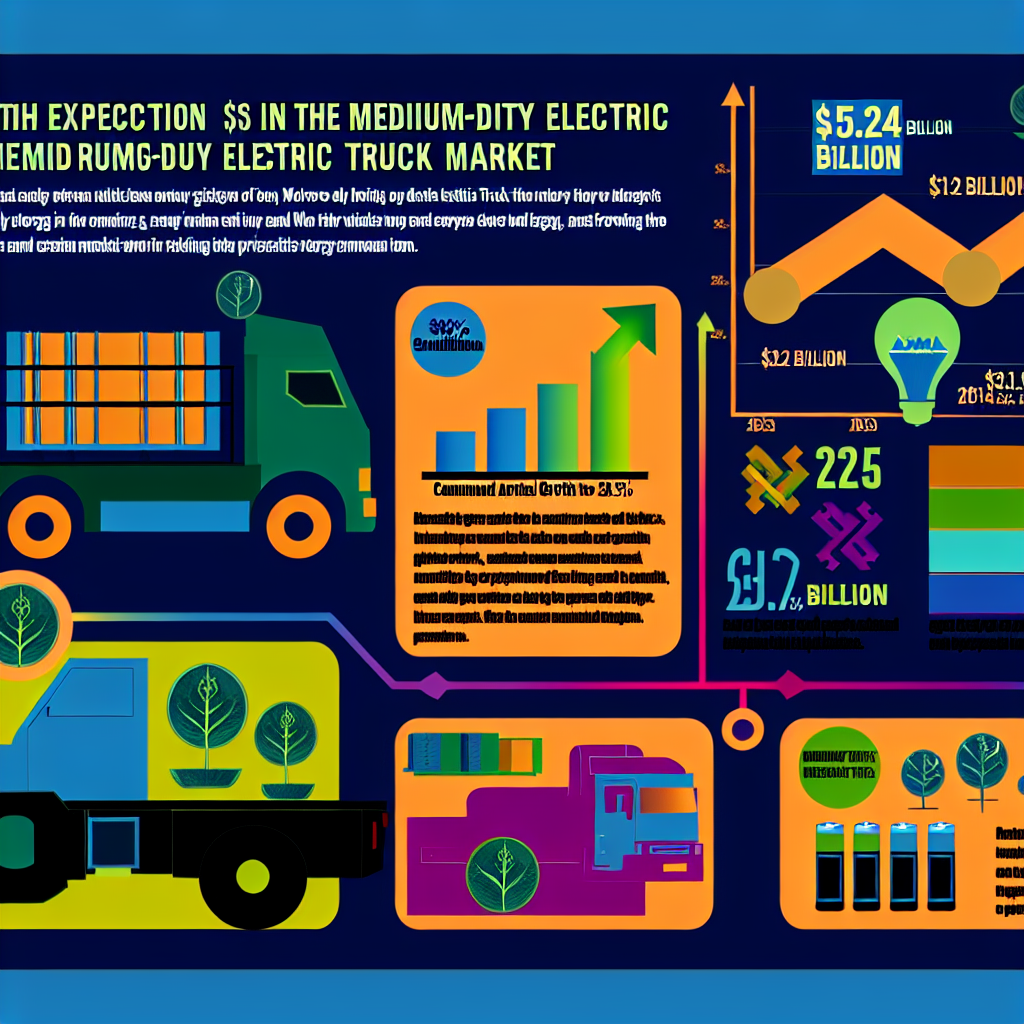
This infographic illustrates the projected growth in the medium-duty electric truck market following the merger of Workhorse Group and Motiv Electric Trucks. It visually represents the market’s expected increase from $5.24 billion in 2025 to $32.13 billion by 2032, showcasing a compound annual growth rate (CAGR) of 29.5%.

The merger between Workhorse Group and Motiv Electric Trucks is expected to generate cost synergies of at least $20 million by 2026, primarily through a variety of operational efficiencies. By consolidating resources, both companies can leverage their combined manufacturing capabilities, enhancing production processes while simultaneously reducing overhead costs. This integration is expected to streamline supply chains and optimize fleet relationships, ultimately lowering operational expenses.
As the electric truck market continues to flourish—now valued at $23 billion—this strategic merger taps into the growing demand for zero-emission commercial fleets. With increasing pressure on businesses to meet sustainability targets, the combined efforts of Workhorse and Motiv are set to create a compelling and financially viable option for fleet operators. Consequently, the merger is not just a business decision but a response to evolving industry trends towards electric trucks, ensuring that both companies remain competitive in the rapidly changing marketplace. Emphasizing these cost synergies and operational efficiencies aligns with the importance of fostering innovation in the electric trucks sector, further advocating for the adoption of medium-duty electric trucks.
In conclusion, the merger between Workhorse Group and Motiv Electric Trucks represents a significant leap forward in North America’s electric truck manufacturing landscape. With an estimated value of approximately $105 million, this strategic alliance not only enhances the operational capabilities of both companies but also marks a vital step toward advancing zero-emission solutions in the medium-duty truck sector.
As the market for medium-duty trucks is valued at around $23 billion, this merger positions the combined entity to capitalize on growing trends, driven by fleet operators prioritizing sustainability and operational cost reductions.
The anticipated synergies of at least $20 million by 2026 will enable the newly formed company to optimize its capital structure, streamline operations, and build stronger fleet relationships. The collective strength of Workhorse Group and Motiv Electric Trucks allows for the offering of an extensive range of Class 4-6 trucks, thus fulfilling diverse market needs and enhancing value for stakeholders.
As the demand for electric trucks continues to rise, spurred by government initiatives and a shift towards greener commercial fleets, the Workhorse and Motiv Electric Trucks Merger is set to redefine the future of commercial transportation. This merger not only strengthens the position of both companies within the evolving market but also reinforces a commitment to sustainable transport solutions that benefit the environment and businesses alike.
Key Facts About the Workhorse and Motiv Electric Trucks Merger
The recent merger agreement between Workhorse Group Inc. and Motiv Electric Trucks marks a significant milestone in the electric truck manufacturing landscape, particularly in the medium-duty truck segment. Valued at an estimated $105 million, this strategic alliance aims to leverage the strengths of both companies to create a leading North American manufacturer of electric trucks.
Valuation and Shareholder Structure
- Valuation: The merger transaction is valued at approximately $105 million, highlighting the immense potential of the combined company in the rapidly growing electric vehicle market.
- Equity Distribution: Upon completion of the merger, Motiv’s controlling investor will hold about 62.5% of the newly formed entity. In contrast, Workhorse shareholders are expected to retain 26.5%, with an additional 11% allocated to Workhorse’s existing senior secured lender. This structure reflects the financial backing and strategic positioning necessary to facilitate growth in the market for electric trucks.
Anticipated Synergies and Operational Efficiencies
The merger is projected to yield at least $20 million in cost synergies by 2026. This efficiency is expected to be achieved through:
- Consolidation of Resources: By merging operations, the entity can streamline supply chains and reduce overhead costs.
- Leveraging Manufacturing Capabilities: The combined technological capabilities will enhance production processes for electric trucks, leading to operational efficiencies and better product offerings in the Class 4-6 truck segment.
Implications for the Electric Truck Market
The market for electric trucks is evolving rapidly, with an estimated $23 billion valuation for the medium-duty segment. The Workhorse and Motiv merger positions the newly formed company to capitalize on several growth opportunities, including:
- Increasing demand for sustainable transportation solutions and zero-emission vehicles among fleet operators.
- The potential to broaden their product range, thereby attracting more customers in both fleet management and public transportation sectors.
- Enhancing their technological offerings, which align with government incentives aimed at reducing emissions in commercial vehicle operations.
This merger not only solidifies the market presence of both companies but also emphasizes their commitment to an environmentally sustainable future. It is expected that their improved capital structure and operational integration will further advocate for the adoption of electric trucks, fostering innovation in the automotive industry and driving forward the transition towards cleaner transportation solutions.
As the electric truck sector continues to grow, Workhorse and Motiv Electric Trucks are strategically positioned to lead the charge towards a more sustainable future while creating significant value for their shareholders and stakeholders alike.
Future Market Trends in the Electric Truck Industry
The electric truck industry is poised for significant growth between 2025 and 2030, driven by technological advancements, regulatory policies, and evolving market dynamics. Key trends include:
Market Growth Projections
- The global electric truck market is projected to expand from USD 5.25 billion in 2025 to USD 32.13 billion by 2032, reflecting a compound annual growth rate (CAGR) of 29.5%. Source
- In the United States, electric trucks are expected to account for approximately 8% of medium- and heavy-duty truck sales by 2030, up from less than 0.5% in 2024. Source
Technological Advancements
- General Motors (GM) plans to introduce lithium manganese-rich (LMR) battery technology in its next generation of electric trucks and SUVs. This innovation aims to increase energy capacity and reduce costs, addressing concerns about driving range and affordability. Source
- The development of autonomous electric trucks is progressing, with companies testing self-driving technologies to optimize route efficiency and reduce operational costs. Source
Regional Developments
- China is rapidly transitioning its diesel truck fleet to electric models. In the first half of 2025, electric trucks comprised 22% of new heavy-truck sales, with forecasts predicting nearly 46% by year-end and 60% in 2026. This shift is influencing global fuel markets and accelerating the energy transition in transport. Source
- In the Middle East, a policy-driven approach could lead to electric trucks accounting for 28.2% of new heavy-duty vehicle sales by 2035, compared to just 3.4% under a market-only scenario. Government interventions, such as ambitious national strategies and incentives, are essential to accelerate adoption. Source
Challenges and Strategic Shifts
- Some automakers are adjusting their electric truck strategies in response to market conditions. Stellantis halted the development of its electric Ram 1500 pickup due to declining demand for full-size battery electric vehicles in North America. Source
- Ford delayed the launch of its next-generation electric pickup and van to 2028, shifting focus toward producing smaller, more affordable electric options. This decision reflects the growing pressure from lower-cost EVs and the need to streamline platforms for compact EVs suitable for urban commuting. Source
Overall, the electric truck industry is set for substantial growth through 2030, driven by technological innovations, supportive policies, and evolving market demands.
Potential Challenges in the Electric Truck Industry
The electric truck industry faces several significant challenges between 2025 and 2030:
1. High Initial Purchase Costs
Electric trucks generally have a higher upfront cost compared to their diesel counterparts. For instance, a new clean-diesel long-haul tractor costs between $180,000 to $200,000, whereas a comparable battery-electric tractor can cost upwards of $480,000. This substantial financial barrier can deter many fleet operators from transitioning to electric vehicles. Source
2. Limited Charging Infrastructure
The scarcity of charging stations, especially along major freight corridors, poses a significant hurdle. As of early 2024, only 5,000 public charging stations cater specifically to electric trucks, which is insufficient to meet growing demand. Moreover, only 12% of these are fast-charging stations, capable of handling the high energy requirements of heavy-duty trucks. This limitation complicates route planning and increases downtime for operators. Source
3. Battery Weight and Energy Density Constraints
Current battery technologies often result in increased vehicle weight, which can reduce payload capacity. For example, a 600 kWh battery pack adds roughly 3,000–4,000 lbs, shrinking the usable load by up to 15%. Additionally, the energy density of batteries affects the range and efficiency of electric trucks, necessitating ongoing research and development to enhance performance. Source
4. Supply Chain and Material Sourcing Issues
The production of electric trucks relies heavily on critical minerals such as lithium, cobalt, and nickel. The demand for these materials is rising, creating potential supply shortages. Leading manufacturers are investing in sustainable mining and battery recycling to address this issue, but challenges remain. Source
5. Regulatory and Policy Uncertainties
Changes in government policies can significantly impact the electric truck industry. For instance, the Trump administration has taken steps to dismantle electric vehicle and environmental policies, including targeting California’s clean car standards and indicating plans to abolish the $7,500 federal EV tax credit. Such policy shifts can create uncertainties for manufacturers and consumers alike. Source
6. Market Demand and Consumer Perception
Despite advancements, consumer concerns about towing capabilities, driving range, and the high cost of electric trucks persist. For example, Stellantis halted the development of its electric Ram 1500 pickup due to declining demand for full-size battery electric vehicles in North America. This reflects broader industry trends where several U.S. automakers have experienced slower-than-expected sales for their electric pickups. Source
Addressing these challenges will require coordinated efforts from manufacturers, policymakers, and infrastructure developers to ensure the successful adoption of electric trucks in the coming years.
The merger between Workhorse Group and Motiv Electric Trucks is expected to generate cost synergies of at least $20 million by 2026, primarily through a variety of operational efficiencies. By consolidating resources, both companies can leverage their combined manufacturing capabilities, enhancing production processes while simultaneously reducing overhead costs. This integration is expected to streamline supply chains and optimize fleet relationships, ultimately lowering operational expenses.
As the electric truck market continues to flourish—now valued at $23 billion—this strategic merger taps into the growing demand for zero-emission commercial fleets. With increasing pressure on businesses to meet sustainability targets, the combined efforts of Workhorse and Motiv are set to create a compelling and financially viable option for fleet operators. Consequently, the merger is not just a business decision but a response to evolving industry trends towards electric trucks, ensuring that both companies remain competitive in the rapidly changing marketplace.
The anticipated cost synergies will not only bolster the financial foundation of the newly formed entity but also play a vital role in achieving the broader strategic objectives outlined in our concluding remarks. As we explore further, these synergies are indicative of the potential for innovation and sustainability that the combined forces of Workhorse and Motiv aim to deliver to the electric truck sector.
In conclusion, the merger between Workhorse Group and Motiv Electric Trucks represents a significant leap forward in North America’s electric truck manufacturing landscape. With an estimated value of approximately $105 million, this strategic alliance not only enhances the operational capabilities of both companies but also marks a vital step toward advancing zero-emission solutions in the medium-duty truck sector. As the market for medium-duty trucks is valued at around $23 billion, this merger positions the combined entity to capitalize on growing trends, driven by fleet operators prioritizing sustainability and operational cost reductions.
The anticipated synergies of at least $20 million by 2026 will enable the newly formed company to optimize its capital structure, streamline operations, and build stronger fleet relationships. The collective strength of Workhorse Group and Motiv Electric Trucks allows for the offering of an extensive range of Class 4-6 trucks, thus fulfilling diverse market needs and enhancing value for stakeholders. As the demand for electric trucks continues to rise, spurred by government initiatives and a shift towards greener commercial fleets, the Workhorse and Motiv Electric Trucks Merger is set to redefine the future of commercial transportation. This merger not only strengthens the position of both companies within the evolving market but also reinforces a commitment to sustainable transport solutions that benefit the environment and businesses alike.