
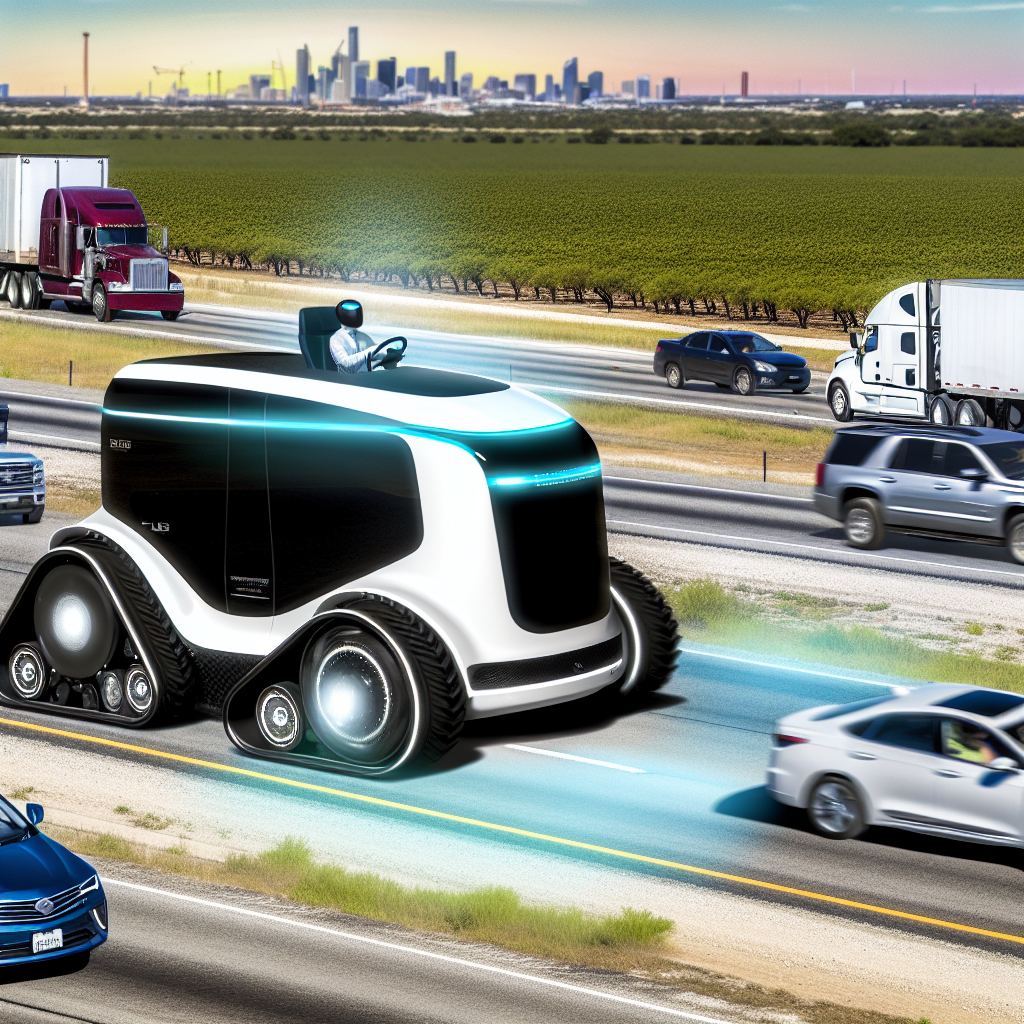
In an era where technology is revolutionizing every aspect of our lives, the trucking industry stands on the brink of a major transformation driven by advancements in autonomous and artificial intelligence technologies. Among the vanguards of this shift is the LT Series tractor, a beacon of innovation designed to enhance operational efficiency and safety on the highways.
As logistics demands escalate and the need for reliable transportation solutions becomes ever more critical, these technologies pave the way for smarter and more responsive freight movements. They are not just about automation but are integral to redefining safety standards within trucking operations, addressing concerns that have long challenged the industry.
With features that include a sophisticated sensor suite and cutting-edge AI, the autonomous LT Series tractor is poised to set new benchmarks in performance. This article delves into the exciting developments that are shaping the future of trucking, emphasizing how the integration of AI and autonomous features is not merely an enhancement but a vital necessity in today’s fast-paced commercial landscape.
“This partnership with International Truck allows us to demonstrate how autonomous technology can improve safety, efficiency, and reliability for fleet operators, directly contributing to superior customer experience and operational excellence.”
—PlusAI Executive
“Customer experience is at the core of this initiative. We are leveraging PlusAI’s technology to create a seamless integration that supports drivers and fleet managers alike. The feedback from early participants has been overwhelmingly positive, particularly regarding the system’s ability to handle long-haul routes with minimal intervention.”
—Tobias Glitterstam, International Truck
These quotes illustrate the commitment of both PlusAI and International Truck to enhancing the trucking industry through innovation that prioritizes customer satisfaction and operational improvements.
- Advanced AI Driving Software: Utilizes machine learning for optimal path planning and obstacle avoidance, continuously learning from real-world driving data to improve performance and safety.
- Multimodal Sensor Suite: Integrates LiDAR, cameras, ultrasonic sensors, and GPS-RTK systems for comprehensive 360-degree situational awareness, achieving up to 99.7% accuracy in identifying objects such as crops, weeds, and obstacles.
- S13 Integrated Powertrain: Combines a powerful diesel engine with electric motor assist, delivering up to 130 horsepower with enhanced fuel efficiency (up to 20% better than previous models), while optimizing power delivery based on terrain and load.
- Safety Features: Equipped with redundant systems including dual computers for autonomous operations, automatic emergency braking, and a 2-second stop feature upon obstacle detection.
- Operational Efficiency: Capable of reducing overlap by 20% and fuel consumption by 30% during operations, increasing productivity by up to 40% with minimal human intervention.
- Cloud Connectivity: Supports fleet management with predictive maintenance alerts, ensuring operational excellence and customer satisfaction while enhancing overall safety and efficiency.
- Geofencing and Remote Monitoring: Promotes safe navigation with geofencing capabilities and real-time alerts for any inefficiencies or required maintenance, ensuring continuous operational readiness.
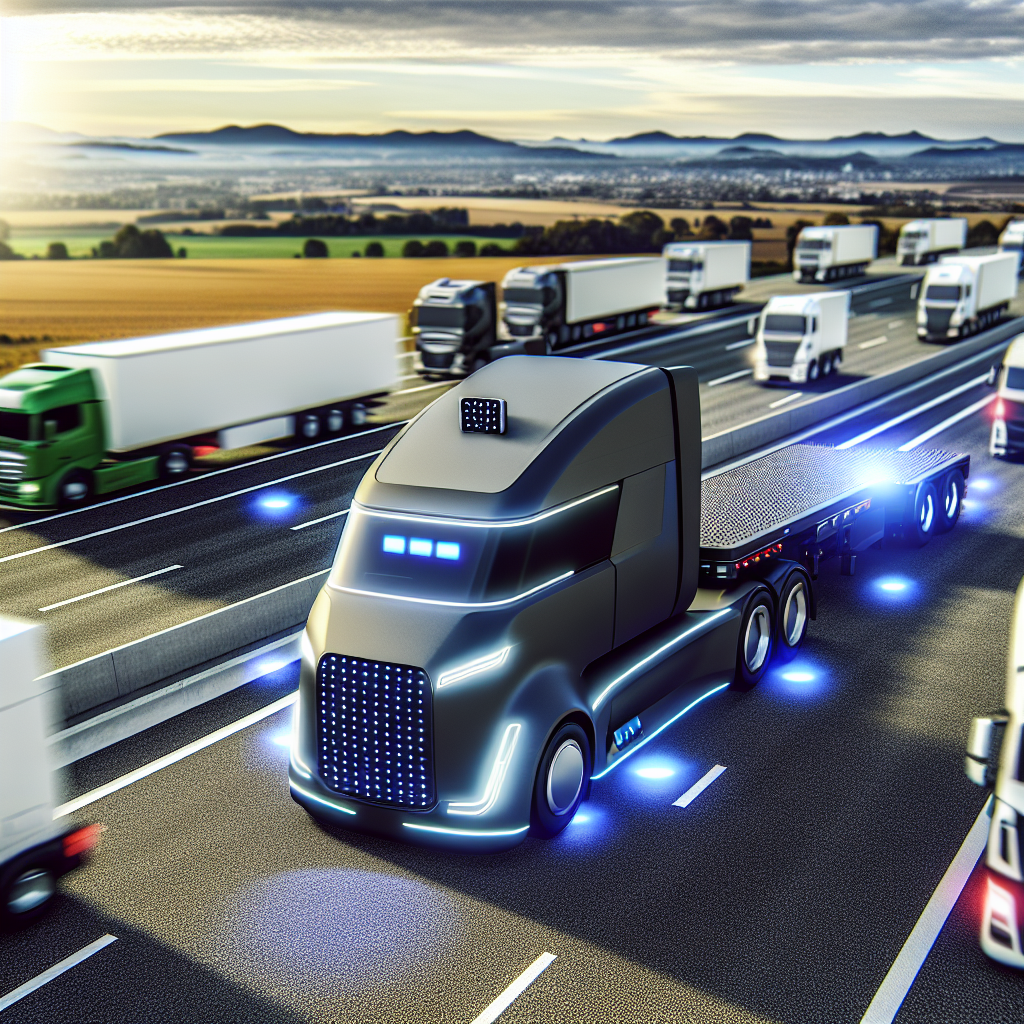
Pilot Program Specifics
The pilot program focusing on the autonomous LT Series tractor is set against the backdrop of the critical Interstate-35 corridor in Texas, stretching from Laredo to Dallas. This strategic highway not only connects major metropolitan areas but also serves as a vital artery for freight traffic, making it an ideal testing ground for innovative trucking technologies.
Location and Route
This pilot program primarily operates along a dedicated testing route that covers approximately 600 miles between Laredo and Dallas. The chosen route showcases diverse driving conditions, including urban traffic, open highway stretches, and intricate interchanges. This variety provides invaluable real-world data regarding the autonomous system’s adaptability and performance under different scenarios.
Duration of the Program
The testing phase of this pilot program will span over six months, with operations commencing in early 2025. During this period, the autonomous tractors will be rigorously evaluated for their efficiency, reliability, and safety across the Interstate-35 corridor.
Intended Outcomes
The primary goal of this pilot program is to assess the commercial viability of autonomous trucking solutions. By focusing on real-world scenarios, the program aims to gather insights on the effectiveness of the advanced AI driving software and the multimodal sensor suite equipped on the LT Series tractors. Furthermore, this initiative seeks to enhance operational efficiency, improve safety metrics, and reduce transportation costs for fleet operators. Ultimately, insights from this pilot will contribute to the development of scalable autonomous trucking solutions that can meet the evolving demands of the logistics industry.
Through this pilot initiative, International and PlusAI aspire to redefine standards in freight transportation, setting a foundation for a future where autonomous vehicles become a mainstream solution.
| Feature | Autonomous LT Series Tractor | Traditional Trucks |
|---|---|---|
| Driving Assistance | Full AI-driven autonomous operation with advanced path planning and real-time adjustments | Limited to driver input and basic cruise control systems |
| Sensor Suite | 360-degree multimodal sensor suite (LiDAR, cameras, GPS) for operational awareness | Basic cameras and sensors, often lacking comprehensive situational awareness |
| Fuel Efficiency | Optimized fuel consumption, improves by up to 30% compared to traditional models | Dependent on driver habits, generally less optimized for efficiency |
| Safety Features | Dual computer systems and automatic emergency braking systems | Typically relies on driver awareness and manual brakes |
| Maintenance Alerts | Predictive maintenance alerts through cloud connectivity | Scheduled and manually logged maintenance without predictive insights |
| Route Planning | Advanced algorithms for optimal route selection based on real-time data | Routes based on maps and driver knowledge, lacking real-time adaptability |
| Efficiency | Improves logistics efficiency with minimal human intervention, increasing productivity by 40% | Performance heavily reliant on experienced human drivers |
| Operating Costs | Potentially reduced overall logistics costs through improved efficiencies and less human error | Higher operating costs due to driver wages, fuel inefficiencies, and maintenance |
User Adoption Trends in Autonomous Trucking
The autonomous trucking sector is witnessing a significant transformation as technology shifts from pilot programs to commercial deployment, particularly in regions like the Texas Triangle. Companies such as TuSimple and Aurora are operating Level 4 autonomous trucks along dedicated freight routes, underscoring robust trends in user adoption characterized by operational efficiency, cost-effectiveness, and the emergence of autonomous freight solutions.
Businesses are increasingly motivated to integrate these truck automation trends due to economic advantages, including reduced labor costs that enable operations to run 24/7 without the need for human drivers. The North American market now leads with a 36% share in the autonomous freight sector and continues to gain momentum as it evolves towards embracing advanced logistics solutions and future of trucking technology.
Moreover, regulatory changes and infrastructure adaptations are facilitating this integration, with many logistics companies rethinking their operational strategies to effectively incorporate autonomous solutions. The support from government initiatives and international collaborations plays a crucial role in overcoming challenges related to safety standards and operational guidelines, enabling seamless transitions into this innovative space.
In summary, the trend toward user adoption of autonomous technologies in trucking is significantly bolstered by advancements in regulations, economic benefits, and strategic partnerships, marking a pivotal shift in how logistics and transportation sectors will function in the near future.
Conclusion
As we look to the future of the trucking industry, the advancements brought about by autonomous technologies, particularly through innovations like the LT Series tractor, are poised to redefine operational paradigms. The integration of advanced AI driving software and a sophisticated sensor suite allows for unprecedented levels of safety, efficiency, and reliability on the roads.
By minimizing human error and optimizing logistics processes, companies can significantly reduce costs while enhancing service delivery. The adoption of the LT Series tractor will empower fleet operators to maneuver through complex routes with confidence, ensuring goods are transported swiftly and securely.
Moreover, the pilot programs currently demonstrating these capabilities are not just trials—they are vital steps towards long-term integration of autonomous solutions into everyday operations. The logistical advantages, coupled with unwavering improvements in safety standards, make a compelling case for adopting these technologies. As regulatory landscapes evolve and infrastructure adapts to support autonomous vehicles, the trucking industry is on the cusp of a revolution. Embracing these advancements signifies a commitment not only to innovation but also to a brighter, more sustainable future in transportation.
“Autonomous trucking isn’t just a technological marvel—it’s a commercial necessity. As we face a massive driver shortage and rising costs, these solutions are imperative, and we expect to achieve cost savings of over 30%.”
“The business case for autonomous trucking is incredibly strong. With persistent driver shortages and the ability to run trucks nearly 24/7, these technologies address both safety concerns and operational efficiency, making it one of the most compelling applications of self-driving technology.”
These insights reflect a growing consensus among industry leaders regarding the commercial viability of autonomous technologies in the trucking sector.
Advances in Autonomous and AI Technologies for Specialized Trucks
In an era where technology is revolutionizing every aspect of our lives, the trucking industry stands on the brink of a major transformation driven by advancements in autonomous and artificial intelligence technologies. The LT Series tractor is at the forefront of this shift, designed to enhance operational efficiency and safety on the highways.
As logistics demands escalate and the need for reliable transportation solutions becomes critical, these technologies pave the way for smarter and more responsive freight movements. Not only do they contribute to automation, but they also redefine safety standards within trucking operations, addressing long-standing industry concerns.
With features that include a sophisticated sensor suite and cutting-edge AI, the autonomous LT Series tractor is poised to set new benchmarks in performance. This article delves into the exciting developments shaping the future of trucking, emphasizing how the integration of AI and autonomous features is not merely an enhancement but a vital necessity in today’s fast-paced commercial landscape.
Key Features of the LT Series Tractor
- Advanced AI Driving Software: Utilizes machine learning for optimal path planning and obstacle avoidance, continuously learning from real-world data to improve performance and safety.
- Multimodal Sensor Suite: Integrates LiDAR, cameras, ultrasonic sensors, and GPS-RTK systems for comprehensive 360-degree situational awareness, achieving up to 99.7% accuracy in identifying objects such as crops, weeds, and obstacles.
- S13 Integrated Powertrain: Combines a powerful diesel engine with electric motor assist, delivering up to 130 horsepower with enhanced fuel efficiency (up to 20% better than previous models), while optimizing power delivery based on terrain and load.
- Safety Features: Equipped with redundant systems, including dual computers for autonomous operations, automatic emergency braking, and a 2-second stop feature upon obstacle detection.
- Operational Efficiency: Capable of reducing overlap by 20% and fuel consumption by 30%, increasing productivity by up to 40% with minimal human intervention.
- Cloud Connectivity: Supports fleet management with predictive maintenance alerts, ensuring operational excellence and customer satisfaction while enhancing overall safety and efficiency.
- Geofencing and Remote Monitoring: Promotes safe navigation with geofencing capabilities and real-time alerts for any inefficiencies or required maintenance, ensuring continuous operational readiness.
Pilot Program Specifics
The pilot program for the autonomous LT Series tractor is set against the critical Interstate-35 corridor in Texas, stretching from Laredo to Dallas. This strategic highway connects major metropolitan areas and serves as a vital artery for freight traffic, making it an ideal testing ground for innovative trucking technologies.
Location and Route
This pilot operates along a dedicated testing route covering approximately 600 miles between Laredo and Dallas, showcasing diverse driving conditions, including urban traffic, open highways, and intricate interchanges. This variety provides invaluable real-world data regarding the autonomous system’s adaptability and performance under different scenarios.
Duration of the Program
The testing phase will span over six months, commencing in early 2025, during which the autonomous tractors will be rigorously evaluated for efficiency, reliability, and safety.
Intended Outcomes
The primary goal is to assess the commercial viability of autonomous trucking solutions. By focusing on real-world scenarios, insights on the effectiveness of the advanced AI driving software and multimodal sensor suite equipped on the LT Series tractors will be gathered. This initiative aims to enhance operational efficiency, improve safety metrics, and reduce transportation costs for fleet operators. Ultimately, insights from this pilot will contribute to scalable autonomous trucking solutions that can meet the evolving demands of the logistics industry.
Through this pilot initiative, International and PlusAI aim to redefine standards in freight transportation, setting a foundation for a future where autonomous vehicles become mainstream solutions.
User Adoption Trends in Autonomous Trucking
The autonomous trucking sector is experiencing a monumental shift as technology transitions from pilot programs to commercial deployment, particularly in regions such as the Texas Triangle. Companies like TuSimple and Aurora are now operating Level 4 autonomous trucks along dedicated freight routes, highlighting operational efficiency and cost-effectiveness.
Businesses are motivated to integrate advanced technologies due to significant economic advantages, including reduced labor costs, allowing operations to run 24/7 without human drivers. The North American market leads with a 36% share in the autonomous freight sector and continues to gain momentum towards advanced logistics solutions.
Furthermore, regulatory changes and infrastructure adaptations are facilitating this integration. Logistics companies are rethinking operational strategies to effectively incorporate autonomous solutions, with support from government initiatives and international collaborations. This cooperation is crucial for overcoming challenges related to safety standards and operational guidelines, enabling seamless transitions into this innovative space.
Conclusion
As we look to the future of the trucking industry, the advancements in autonomous technologies, particularly innovations like the LT Series tractor, are poised to redefine operational paradigms. The integration of advanced AI driving software and a sophisticated sensor suite allows for unprecedented levels of safety, efficiency, and reliability on the roads.
By minimizing human error and optimizing logistics processes, companies can significantly reduce costs while enhancing service delivery. The adoption of the LT Series tractor will empower fleet operators to navigate complex routes with confidence, ensuring goods are transported swiftly and securely.
Moreover, pilot programs currently demonstrating these capabilities are vital steps toward long-term integration of autonomous solutions into everyday operations. The logistical advantages and improvements in safety standards provide a compelling case for adopting these technologies. As regulatory landscapes evolve and infrastructure adapts to support autonomous vehicles, the trucking industry is on the cusp of a revolution. Embracing these advancements signifies a commitment to innovation and a brighter, more sustainable future in transportation.
User Testimonials
The integration of autonomous trucks has led to significant changes in fleet operations. Here, we present testimonials from several fleet operators who have piloted the use of autonomous trucks in their operations:
“Since we started using autonomous trucks, our operational costs have decreased by nearly 30%. The efficiency gains are significant, especially during long-haul routes. There are fewer delays, and the data analytics provided by the AI helps us optimize our logistics like never before.”
—Jackson Smith, Fleet Manager at Efficient Logistics
“The transition to autonomous driving was surprisingly smooth. Our drivers embraced it, as it allowed them to focus on more critical tasks while the trucks handled the driving. We’ve seen a marked decrease in driver fatigue and an increase in safety.”
—Laura Chen, VP of Operations at High Road Transport
“The feedback from customers has been overwhelmingly positive. They appreciate the punctuality and reliability of our delivery service enhanced by autonomous technology. We’ve also been able to expand our delivery windows because we can run trucks almost 24/7.”
—Marcus Johnson, CEO of Fleet Forward
These testimonials reflect the tangible operational benefits associated with autonomous trucking, encompassing cost savings, improved safety, and enhanced customer satisfaction.
Future Implications of AI in Trucking
As trends indicate, the integration of AI in trucking is likely to expand in the upcoming years. According to research, the implications for the future are vast and transformative:
- Cost Reduction: AI can potentially lower operating costs by up to 45%. This stems from the reduction of human labor needs and improved operational efficiencies.
- Safety Enhancements: Continued advancements in AI technology promise to minimize accidents, with autonomous systems capable of detecting hazards faster than human drivers.
- Real-time Accessibility: With AI, logistics companies can utilize data analytics for predictive maintenance, reducing downtime by up to 35%. AI could be used to anticipate truck failure before it occurs.
- Operational Efficiency: Companies can expect improvements in delivery times and a reduction in fuel consumption by 10-15%. This is achieved through AI routing systems that optimize routes based on traffic conditions, weather, and demand.
- Regulatory Changes: As AI technology in trucking continues to evolve, regulatory frameworks will need to adapt. This includes considerations around trucking insurance, safety standards, and driver training.
- Increased Capacity: The capacity for more consistent and reliable freight movement can be achieved, potentially doubling asset utilization and allowing for 24/7 operations.
Thus, the future of trucking, facilitated by AI advancements, promises substantial shifts in operational models, leading to a more efficient, safer, and cost-effective industry.
Image of a Futuristic Autonomous Trucking System
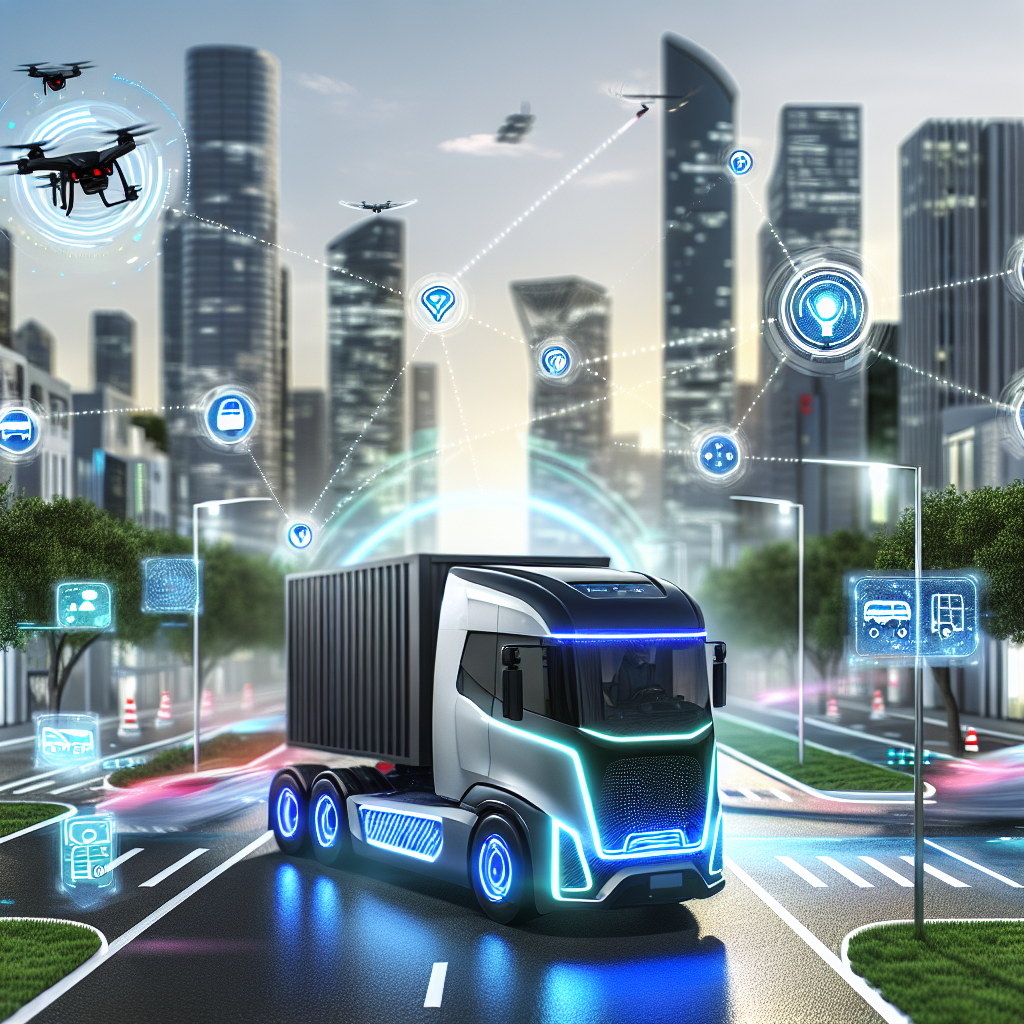
Image of User Testimonials about Autonomous Trucks
Conclusion
As we look to the future of the trucking industry, the advancements in autonomous technologies, particularly innovations like the LT Series tractor, are poised to redefine operational paradigms. The integration of advanced AI driving software and a sophisticated sensor suite allows for unprecedented levels of safety, efficiency, and reliability on the roads.
By utilizing these technologies, companies can significantly reduce costs while enhancing service delivery. The opportunities for fleet operators to navigate complex routes with confidence ensure that goods are transported swiftly and securely.
Moreover, pilot programs currently demonstrating these capabilities are vital steps toward long-term integration of autonomous solutions into everyday operations. Overall, embracing these advancements signifies a commitment to both innovation and a more sustainable future in transportation, paving the way for smarter logistics that benefit everyone involved.
In an era where technology transforms all aspects of life, the trucking industry faces significant changes driven by advancements in autonomous and artificial intelligence technologies. The LT Series tractor leads this shift, enhancing operational efficiency and safety on highways.
With rising logistics demands, the need for reliable transport solutions grows critical. These technologies foster smarter and more responsive freight movement. They do more than automate; they redefine safety standards that have long challenged the industry.
Featuring a sophisticated sensor suite and cutting-edge AI, the autonomous LT Series tractor sets new performance benchmarks. This article explores the exciting developments shaping the future of trucking. We emphasize that integrating AI and autonomous features is not just an enhancement; it is a necessity in today’s fast-paced commercial landscape.
User Adoption Trends in Autonomous Trucking
The autonomous trucking sector is shifting tremendously as technology evolves from pilot programs to commercial deployment, especially in regions like the Texas Triangle. Companies like TuSimple and Aurora operate Level 4 autonomous trucks along dedicated freight routes. This trend is marked by operational efficiency and cost-effectiveness.
Businesses are eager to adopt advanced technology due to its significant economic benefits. Reduced labor costs allow operations to run 24/7 without human drivers. The North American market leads with a 36% share in the autonomous freight sector, continuing to gain momentum towards advanced logistics solutions.
Additionally, regulatory changes and infrastructure adaptations support integration. Many logistics companies are adjusting their operational strategies to include autonomous solutions effectively, with government initiatives and international collaborations being crucial in addressing safety standards and operational guidelines.
Anecdotes and Testimonials from Industry Professionals
The trucking ecosystem is rapidly evolving with the adoption of AI and autonomous technologies. Here are insights from industry leaders and fleet operators:
“Since integrating autonomous technology, we’ve seen a 20% increase in delivery efficiency and a 12% decrease in fuel costs. This not only optimizes our logistics but also enhances safety through real-time monitoring of our fleets.”
— Logistics Manager, Major Retailer
“The AI systems have significantly reduced incidents of harsh braking by 30%. This improvement in safety has led to lower insurance premiums and a more reliable operation overall. Our drivers appreciate the technology, allowing them to focus more on strategic tasks rather than constant monitoring.”
— Fleet Operator, Transport Company
“Adopting AI-driven trucks has cut operational costs by up to 40%. By optimizing routing and fuel usage, we have dramatically improved our bottom line while simultaneously enhancing safety. The benefits are clear, and we’re excited to see where this technology takes us.”
— CEO, Logistics Firm
These testimonials illustrate the transformative impact of AI and autonomous technologies in the trucking industry, driving efficiency, safety, and operational excellence.