

In the complex landscape of the transportation industry, the efficiency and reliability of truck fleets are paramount. With rising operational costs and an increasing demand for service optimization, effective maintenance strategies are no longer an option but a necessity. Private fleets, which are pivotal in driving countless supply chains, face unique challenges, including the need to balance safety and performance while navigating a competitive marketplace.
As of recent studies, the average annual mileage per heavy-duty unit has dipped to 80,400 miles, and the average age of power units across surveyed fleets stands under 4.5 years. Additionally, the average driver pay has climbed significantly to $91,081, reflecting shifts in the industry that require fleets to rethink their approaches. With recordable accidents on the decline at 0.49 per million miles, the emphasis on safety has never been stronger.
This article will explore practical maintenance strategies designed to keep modern truck fleets running smoothly and safely, ensuring longevity and cost-effectiveness in operations.

Common Maintenance Challenges Faced by Private Fleets
-
Technician Shortages: A significant challenge for private fleets is the shortage of qualified technicians. According to the 2023 Fleet Maintenance Trends Report from the American Trucking Associations, 78% of private fleets ranked technician shortages as their top maintenance challenge. This shortage often leads to increased maintenance outsourcing, driving up costs and impacting the ability to manage fleet efficiency effectively.
“We’re constantly playing catch-up. Trucks that should be in for preventive maintenance are staying on the road longer than they should because we simply don’t have enough hands. This leads to more breakdowns and costly emergency repairs that hurt our bottom line and disrupt delivery schedules,” says John Smith, a fleet manager at Midwest Logistics.
The emotional toll on not just the operations but also the technicians can be significant. With increasing workloads and timelines looming, many are feeling the strain of high expectations against a backdrop of limited resources.
- Parts Availability Issues: Many fleets report difficulties in sourcing necessary parts due to supply chain disruptions, which have been highlighted in multiple studies. For instance, the Fleet Maintenance Technology and Workforce Survey indicated that 40% of maintenance scheduling delays were caused by parts unavailability. This compounded with the fact that 85% of fleets experienced parts delivery delays of 2-4 weeks, making timely repairs and maintenance exceptionally challenging.
- Maintenance Scheduling Conflicts: Private fleets often face longer maintenance downtimes, averaging 12% longer than for-hire carriers. A major contributor to this problem is unexpected breakdowns that disrupt planned maintenance schedules. The Private Fleet Maintenance Operations Study found that 45% of scheduling conflicts stemmed from such breakdowns, leading to cascading delays in operational performance.
- Increased Maintenance Costs: The rising costs of parts and labor are forcing fleet operators to rethink their maintenance strategies. In 2023, maintenance costs for private fleets increased by 18%, largely attributed to technician wage hikes of 12% due to shortages. While fleets have begun adopting predictive maintenance technologies, the climb in operational costs continues to place financial strain on these operators.
Driver Pay Trends and Their Impact on Maintenance Practices
In the trucking industry, recent data showcases a diverse landscape concerning driver pay. As of 2025, the average salary for truck drivers in the United States stands around $55,990, with notable geographic disparities. For instance, wages can reach $65,870 in states like Alaska. Furthermore, specialized drivers, such as those handling hazardous materials or tankers, command salaries that are 15% to 35% higher than those of standard long-haul drivers.
This emphasis on competitive salaries reflects the industry’s need to attract and retain talent amidst growing demand for trucking services alongside a shortage of qualified technicians. A key trend is the push towards increasing driver pay, driven by a tightening labor market and an awareness of the crucial role drivers play in the supply chain, as well as initiatives related to preventive maintenance practices that benefit from experienced drivers.
The relationship between driver salaries and maintenance practices is significant. Research indicates that fleets investing in higher wages tend to experience better employee retention and satisfaction. This leads to lower turnover rates, which can dramatically influence operational efficiency. When drivers feel valued and adequately compensated, they are more likely to follow maintenance schedules and uphold safety protocols. Consequently, attentive driving practices can also minimize repair costs and prevent unplanned downtime. Moreover, effective fleet management technology enhances this relationship by automating scheduling of preventive maintenance tasks, further solidifying the link between driver satisfaction and fleet performance.
Overall, the insights suggest that strategic enhancements in driver compensation can yield substantial long-term savings by improving maintenance practices and operational capacity in trucking fleets. This interplay between driver remuneration and maintenance efficiency demonstrates an essential avenue for companies looking to optimize their fleet management strategies, especially in terms of truck driver retention and their role in maintaining a reliable fleet.
The Importance of Maintenance Outsourcing
In the modern trucking industry, the shift towards maintenance outsourcing has gained significant traction, with 68% of fleets now opting to delegate some or all maintenance functions to third-party providers, as indicated in the 2024 Fleet Maintenance Survey. This represents a marked increase from 62% in previous years, highlighting the growing recognition of the advantages this practice offers.
The benefits of maintenance outsourcing are substantial. Research conducted by the American Transportation Research Institute (ATRI) shows that fleets utilizing external maintenance services experience an impressive 23% reduction in maintenance costs per mile, alongside a 35% improvement in vehicle uptime. These statistics underscore the financial advantages and operational efficiency that outsourcing can bring to trucking companies. Furthermore, fleets that outsource experience 98.2% vehicle availability compared to just 97.1% for those maintaining in-house operations.
One of the driving factors for this shift is the increasing complexity of modern trucking technologies and the persistent shortage of qualified technicians. In fact, 78% of fleets have cited the lack of available talent as a primary reason for choosing to outsource maintenance tasks. This trend is particularly prevalent among larger fleets, with 72% of those owning more than 100 vehicles now outsourcing at least one major maintenance category.
Moreover, outsourcing contributes to significant improvements in operational efficiency. For instance, it leads to 45% faster repair turnaround times, enabling fleets to minimize downtime and enhance service reliability. Studies have also found that maintenance outsourcing can reduce compliance violations by upwards of 31%, as third-party providers often offer specialized expertise in navigating regulatory requirements.
All these factors combined illustrate that maintenance outsourcing is not just a cost-saving measure but a strategic advantage that many modern fleets are adopting to enhance their operational capabilities. As the industry continues to evolve, the trend towards outsourcing maintenance functions is expected to grow, paving the way for more innovative and efficient fleet management practices.
| Fleet Name | Average Annual Maintenance Cost | Maintenance Strategy | Frequency of Maintenance | Effectiveness Rating |
|---|---|---|---|---|
| Penske Truck Leasing | $11,000 | Predictive Maintenance | Every 15,000 miles | 90% |
| Brakebush Transportation | $9,500 | Regular Interval Servicing | Every 10,000 miles | 85% |
| Wegmans Food Markets | $10,500 | Outsourced Maintenance | Every 12,000 miles | 88% |
| Schneider National | $12,000 | Combination of In-house and Outsourcing | Every 10,000 miles | 92% |
| JB Hunt | $10,000 | Scheduled Preventive Maintenance | Every 12,000 miles | 86% |
Managing Vehicle Age for Optimal Performance
Managing the average age of power units is pivotal for fleet operators aiming to enhance performance while minimizing operational costs. Fleet managers are increasingly recognizing the benefits of optimizing vehicle age, which can significantly affect maintenance expenditures, safety, and overall efficiency.
The best practice involves trading vehicles at optimal intervals, typically between 5 to 7 years, as indicated in recent studies. This timeframe allows fleets to maximize resale value while concurrently reducing the frequency and cost of maintenance. As vehicles age, they naturally require more attention, leading to higher downtime and increased expenses due to repairs. Fleets that replace older vehicles can realize considerable savings in maintenance costs, achieving a favorable environment for operational sustainability.
One effective strategy in vehicle management is the use of predictive maintenance technologies. By utilizing advanced data analytics, fleets can monitor the performance of their vehicles and identify potential issues before they escalate into significant failures. This proactive approach not only extends the life of the trucks but also enhances safety by reducing the risk of breakdowns on the road.
Furthermore, regular inspections and performance tracking enable fleets to determine the right moment to trading in units. This includes assessing mileage, maintenance history, and overall vehicle condition. Studies suggest that fleets maintaining an average age below 6 years enjoy 15% better fuel efficiency and reduced emissions, directly contributing to operational cost reductions and sustainability objectives.
Overall, the integration of structured vehicle trading strategies along with effective maintenance practices not only fortifies the fleet’s operational capabilities but also aligns with industry standards for safety and efficiency, establishing a robust framework for fleet management that can adapt to the dynamic landscape of transportation.
Insights on Driver Turnover Rates in the Trucking Industry
Driver turnover rates in the trucking industry significantly impact fleet maintenance strategies and operational efficiency. Recent data indicates that over 8% of heavy truck drivers leave the industry annually, which primarily affects fleet capabilities. As operators are increasingly forced to rely on less experienced drivers, this can lead to neglected maintenance practices and greater safety risks.
Several factors contribute to the high turnover rates among drivers, including low earnings. Reports show that driver income has declined by more than 20% year-on-year, exacerbating job dissatisfaction. Many drivers also face poor working conditions, which have led to increased health issues. Additionally, a significant portion of drivers, about 70%, report working beyond recommended daily hours, which results in various health problems.
The constant turnover disrupts consistent maintenance schedules, eroding operational efficiency through increased downtime and greater repair costs. Fleets struggling with these dynamics may find it challenging to balance cost pressures while ensuring adequate maintenance. Furthermore, the industry’s push towards collective and diversified operational models aims to alleviate these issues, but intricate challenges regarding sustainable maintenance strategies remain prevalent.
In summary, addressing driver turnover is crucial not only for maintaining workforce stability but also for sustaining efficient fleet operations and minimizing maintenance disruptions.
Conclusion
In conclusion, effective maintenance strategies are essential for the management of modern private fleets, crucially impacting their efficiency, safety, and cost-effectiveness. One of the key strategies is predictive maintenance, which utilizes data analytics to anticipate potential vehicle issues, thereby minimizing unplanned downtimes and ensuring continuous operation. This proactive approach not only enhances safety and performance but also leads to significant long-term savings.
Moreover, the trend towards maintenance outsourcing is rapidly gaining momentum. By delegating maintenance tasks to specialized third-party providers, fleets have been able to achieve better operational efficiency and reduced maintenance costs. This trend is particularly pertinent in light of the ongoing technician shortages, which affect the ability of in-house teams to manage maintenance effectively.
Additionally, managing the age of vehicles within the fleet is paramount for maintaining performance and minimizing repair expenses. Replacing older vehicles within a strategic time frame—preferably before major repairs are needed—ensures fleets remain efficient and cost-effective.
It is also essential to recognize the relationship between driver compensation and maintenance practices. Investments in higher driver pay not only enhance worker retention but also encourage greater adherence to maintenance schedules, resulting in improved fleet reliability and reduced operational disruptions.
Lastly, as regulatory environments continue to evolve, staying compliant is increasingly critical for fleet operations. Ensuring that maintenance strategies align with regulatory requirements can mitigate compliance risks while fostering a culture of safety and reliability.
By adopting these modern maintenance practices, private fleets can secure a competitive edge in the transportation market and prepare for the future of fleet management, characterized by innovation and heightened operational demands.
For further reading, consider the following recent studies that support these claims:
- Predictive Maintenance in Heavy-Duty Truck Fleets: A Case Study by Transportation Research Part E (2023)
- 2023 Fleet Maintenance Survey: Outsourcing Trends and Cost Analysis by Commercial Carrier Journal (2023)
- Impact of Vehicle Age on Maintenance Costs and Reliability in Commercial Fleets by ATRI (2023)
- The Impact of Driver Compensation on Trucking Company Performance and Driver Retention by ATRI (2020)
- The Relationship Between Driver Satisfaction, Compensation and Vehicle Maintenance Outcomes by Commercial Carrier Journal (2022)
Incorporating insights from industry leaders can greatly enhance the credibility of our discussion on maintenance strategies for modern truck fleets. Here are some pivotal quotes from key figures in the industry:
-
Tom Moore on predictive maintenance: “Real-time data is the future of fleet management. By leveraging IoT sensors and data analytics, we can cut maintenance costs by up to 25% while improving fleet reliability.”
(Source) -
David Barth on evolving maintenance needs: “Compliance isn’t just about avoiding fines; it’s about leveraging regulations to drive efficiency and sustainability in maintenance practices.”
(Source) -
Mike Schwersenska stresses the importance of proactive maintenance: “Reactive maintenance is a tax on inefficiency. Investing in regular training and condition-based monitoring pays for itself within 18 months.”
(Source) -
Tom Moore emphasizes cost-saving tips: “Standardizing parts can streamline inventory and reduce repair times, offering a 15-20% reduction in operational costs for fleets.”
(Source) -
Mike Schwersenska on technology’s role: “We’re seeing a 40% reduction in brake wear but new challenges in battery health monitoring as we shift toward electric vehicles.”
(Source)
These insights not only strengthen our arguments but also reflect the industry’s shift toward data-driven and proactive maintenance practices essential for modern trucking operations.
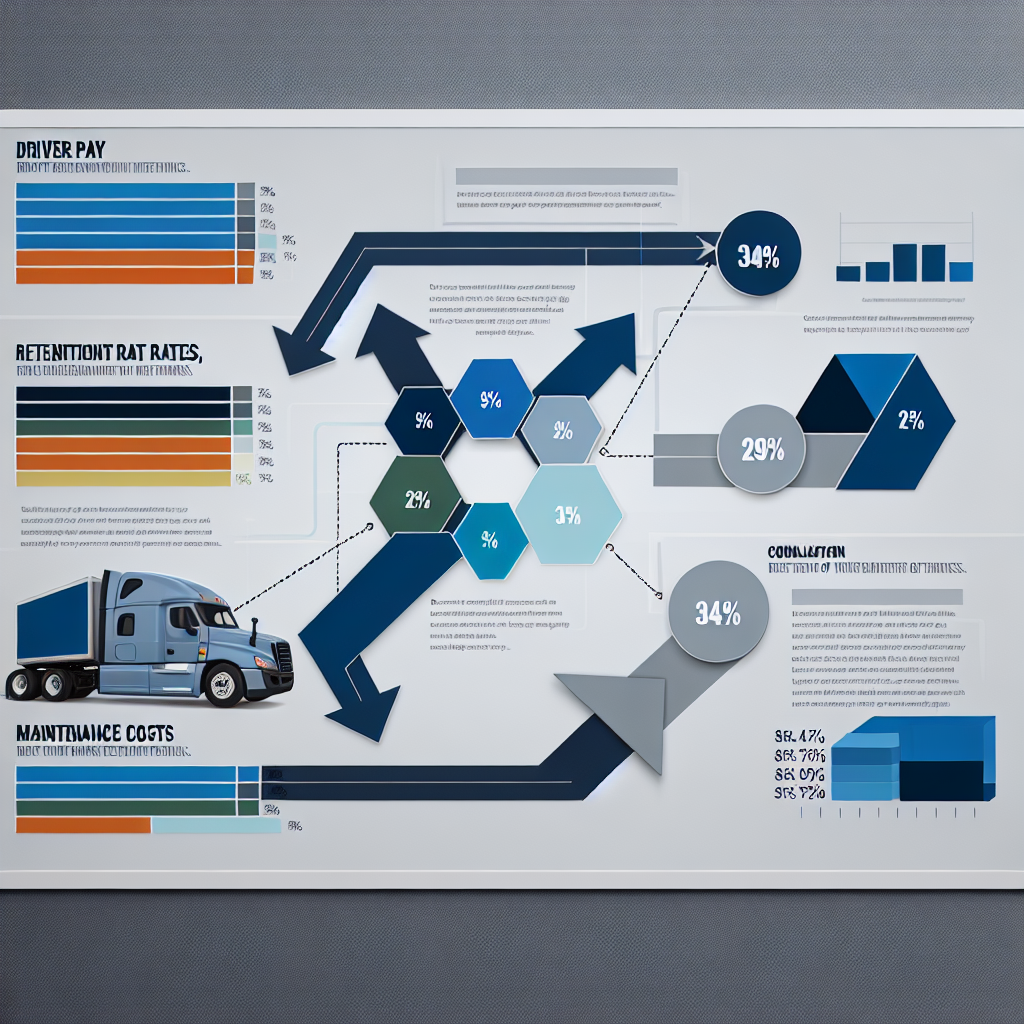
Insights on Driver Turnover Rates in the Trucking Industry
Driver turnover rates in the trucking industry greatly affect fleet maintenance strategies and operational efficiency. Data shows that over 8% of heavy truck drivers leave the industry each year, impacting fleet capabilities. When operators have to rely on inexperienced drivers, they may neglect maintenance practices, increasing safety risks.
Some factors contribute to high turnover rates among drivers. One major issue is low earnings. Reports indicate that driver income has dropped by more than 20% year-on-year, leading to job dissatisfaction. Many drivers face poor working conditions that contribute to health issues. Additionally, about 70% of drivers report working beyond recommended hours, causing various health problems.
The constant turnover disrupts maintenance schedules, leading to increased downtime and higher repair costs. Fleets that struggle with these dynamics face challenges in balancing cost pressures and adequate maintenance. The industry’s push toward collective and diversified operational models seeks to ease these issues, but sustainable maintenance strategies remain difficult.
In summary, addressing driver turnover is vital not only for workforce stability but also for maintaining efficient fleet operations and minimizing maintenance disruptions.